
Raising Awareness
News
NEWS RELEASES
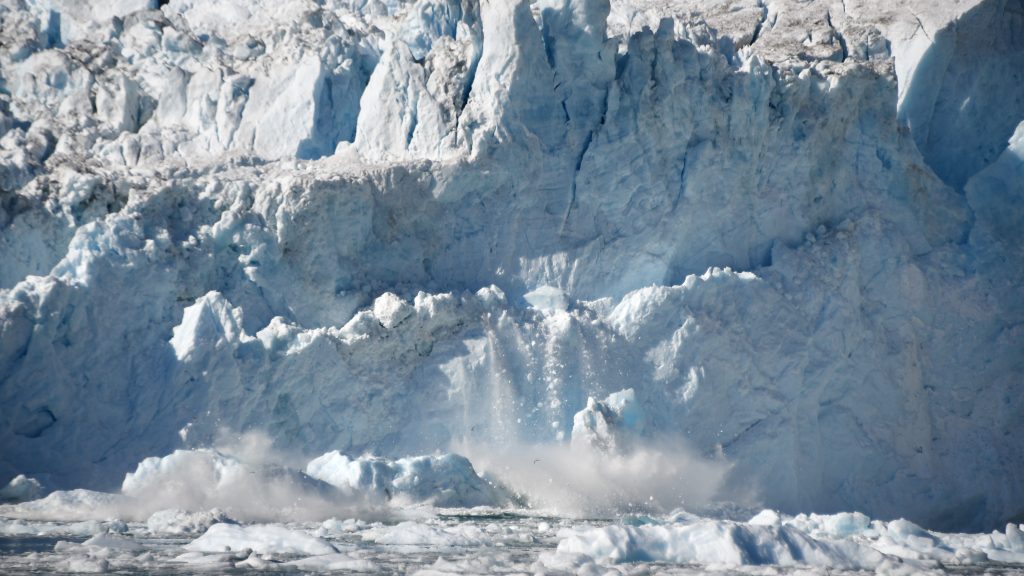
Global survey sheds light on the forces shaping ice-sheet stability
WHOI researchers use more than 15,000 satellite observations of ice cliffs to reduce uncertainty in future sea level rise projections
New international coalition establishes shared principles for responsible research into ocean iron-based carbon removal
The coalition aims to advance scientific understanding through greater coordination, information sharing, transparency, and common standards for responsible research.
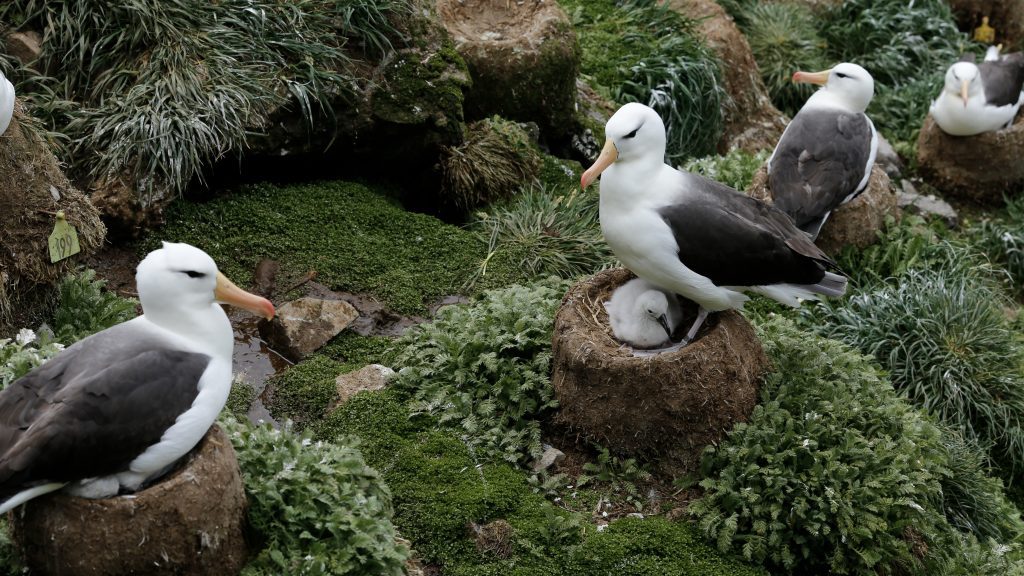
Can a species evolve fast enough to avoid extinction under a changing climate?
New WHOI-led study of black-browed albatrosses finds that climate mitigation may matter more than evolution for population persistence
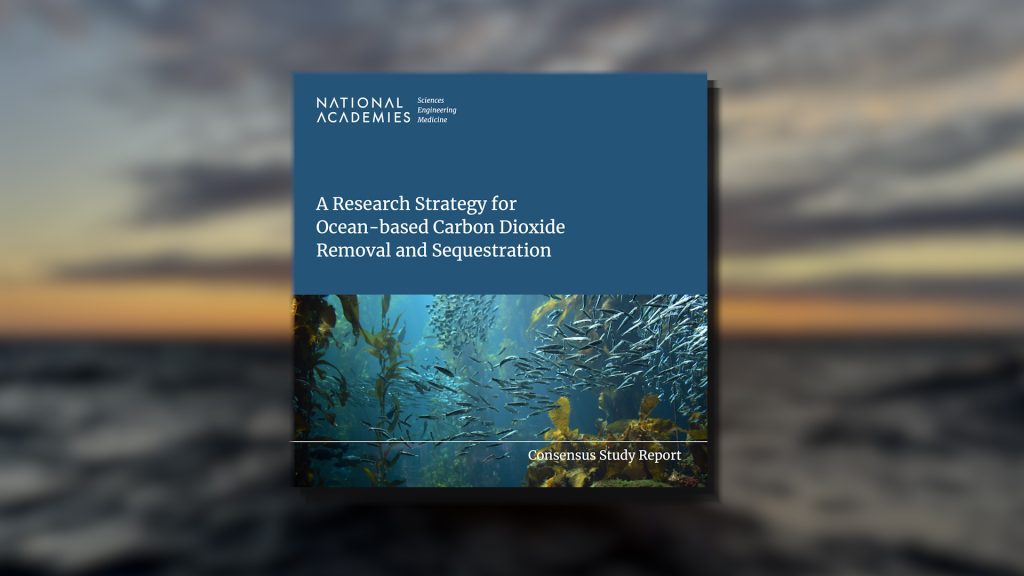
Marine carbon dioxide removal is advancing, but questions remain about viability, says new digital report
A new National Academies report lays out a research strategy for studying the ocean’s ability to sequester carbon
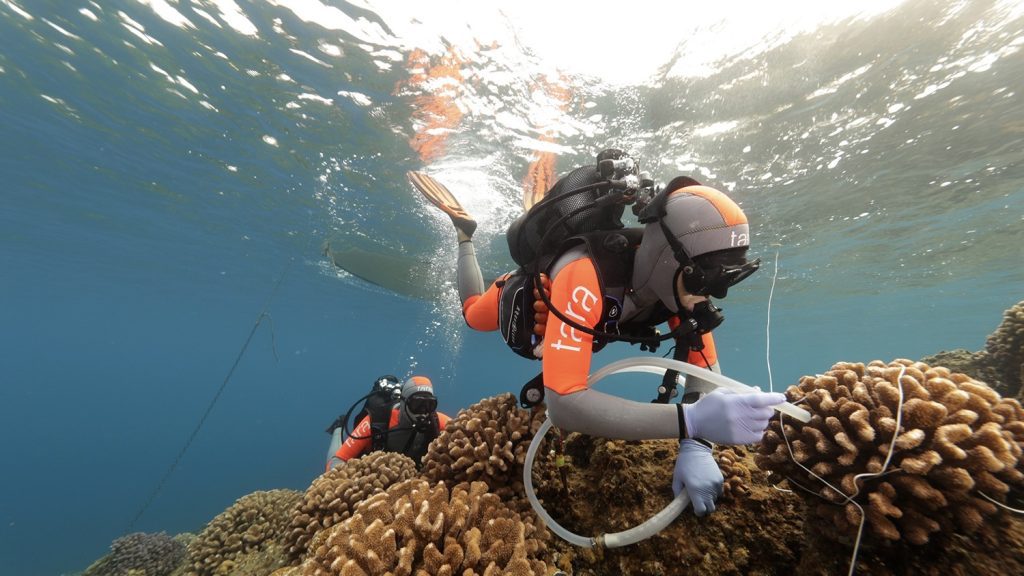
WHOI scientist joins global Tara Coral expedition to unlock secrets of climate-resilient reefs
A two-year mission across the Coral Triangle will probe how viruses and reef ecosystems could help some corals withstand rising ocean temperatures.
WHOI | OCEANUS
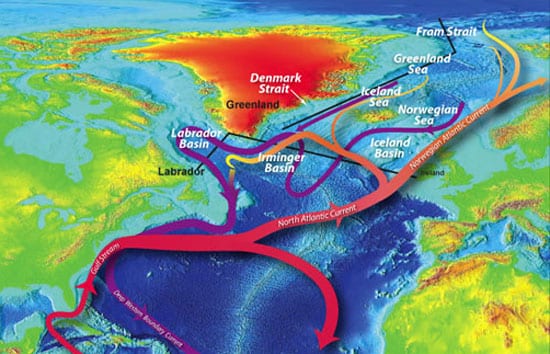
Fresher Ocean, Cooler Climate
Large and climatically sensitive regions of the North Atlantic Ocean have become less salty since the late 1960s, a trend that could alter global ocean circulation and spur climate changes by the 21st century.
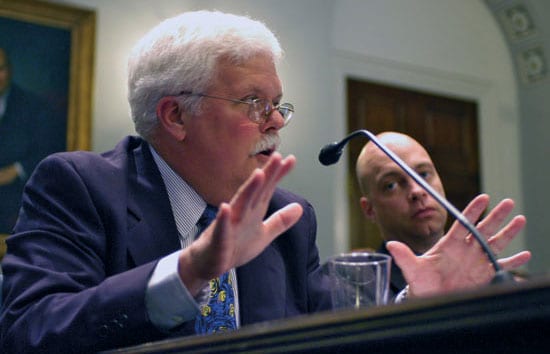
Joyce, Evans Give Testimony on Oceans to Congress
WHOI scientists Rob Evans and Terry Joyce testified June 8 before the House Subcommittee on Fisheries and Oceans, chaired by Wayne Gilchrest (R-Md.) in a continuing effort to help educate the U.S. House of Representatives on the oceans.
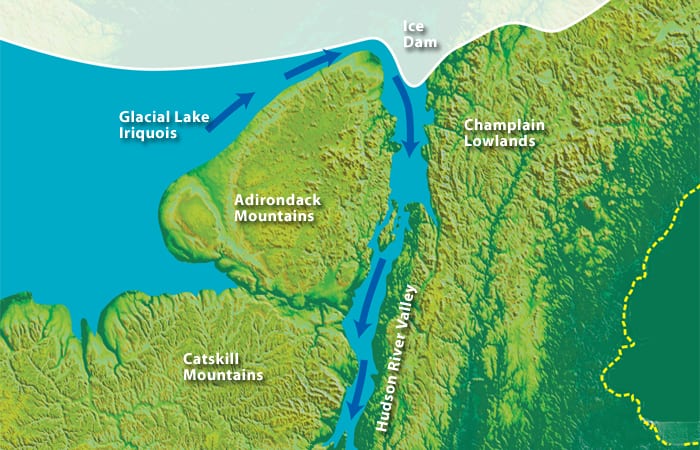
The Great Flood of New York
An ice dam forming a large Ice Age lake collapsed 13,350 years ago, sending a flood down the Hudson River Valley and causing dramatic climate changes.
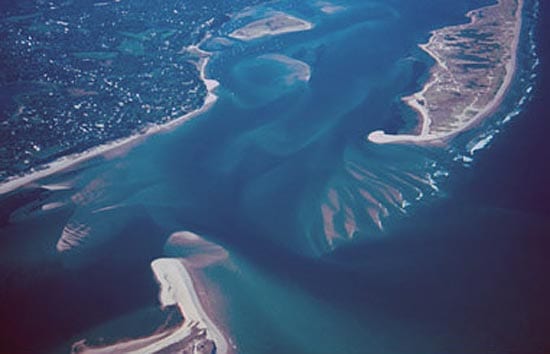
Rising Sea Levels and Moving Shorelines
Changes to the shoreline are inevitable and inescapable. Shoals and sandbars become islands and then sandbars again. Ice sheets grow and shrink, causing sea level to fall and rise as water moves from the oceans to the ice caps and back to the oceans. Barrier islands rise from the seafloor, are chopped by inlets, and retreat toward the mainland. Even the calmest of seas are constantly moving water, sand, and mud toward and away from the shore, and establishing new shorelines.
Publications
IN THE NEWS - RESEARCH HIGLIGHTS
Study offers first definitive proof that Gulf Stream has weakened
“New research from the Woods Hole Oceanographic Institution offers the first conclusive evidence that the Gulf Stream has weakened. The powerful ocean current off the East Coast influences regional weather, climate and fisheries, and the finding could have significant implications both for New England and the global climate.”
What Happens to Marine Life When There Isn’t Enough Oxygen?
In September of 2017, Woods Hole Oceanographic Institution postdoctoral scholar Maggie Johnson was conducting an experiment with a colleague in Bocas del Toro off the…
Maine’s having a lobster boom. A bust may be coming.
The waters off Maine’s coast are warming, and no one knows what that’s going to mean for the state’s half-billion-dollar-a-year lobster industry—the largest single-species fishery in North America. Some fear that continued warming could cause the lobster population to collapse. To understand what’s happening to the ecosystem of the Gulf of Maine, says Glen Gawarkiewicz, an oceanographer at Woods Hole Oceanographic Institution, in Massachusetts, you have to look beyond it—see how it’s affected by the atmosphere, ocean currents, and rivers that flow into it.