
Raising Awareness
News
NEWS RELEASES

Interactive Climate Tour Opens in Woods Hole
A diverse group of community members, local businesses, government officials, and science institutions came together yesterday to officially launch a self-guided climate walking trail in the village of Woods Hole. The ResilientWoodsHole (RWH) Climate Walking Trail opened to the public with a ribbon cutting ceremony at the Woods Hole Waterfront Park.
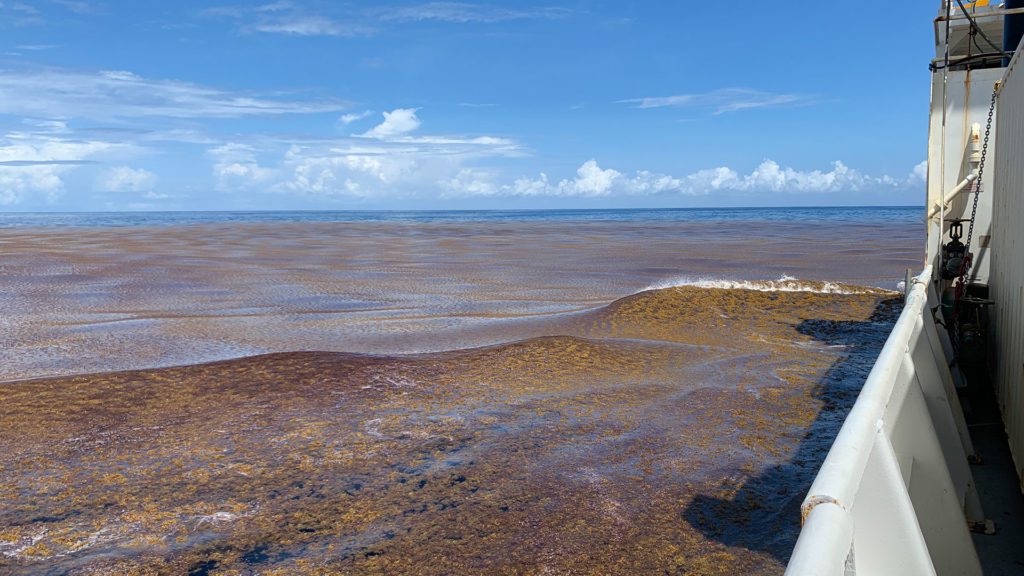
Study Clearly Identifies Nutrients as a Driver of the Great Atlantic Sargassum Belt
Findings could lead to locating nutrient sources and providing management options
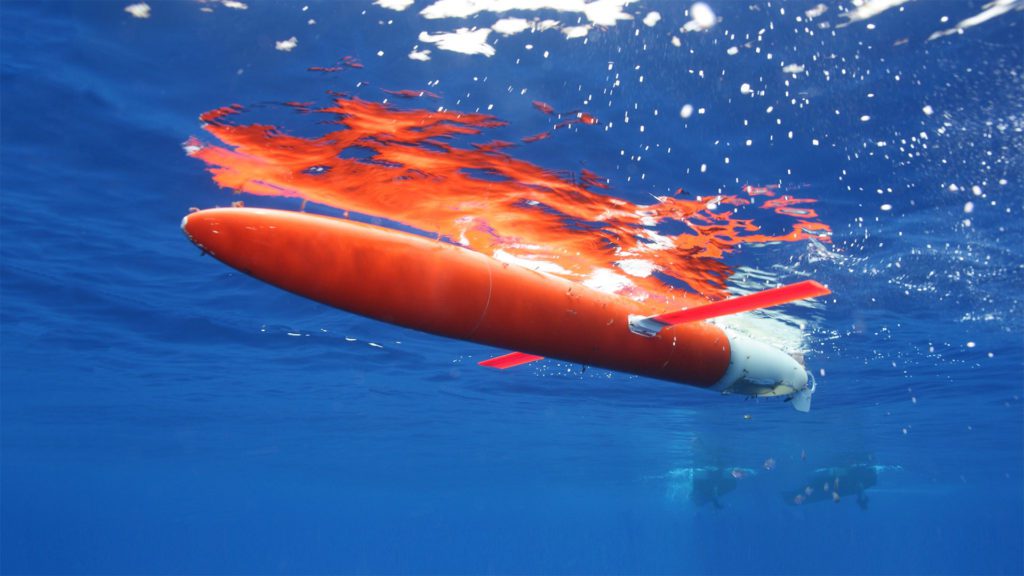
New Study Finds That the Gulf Stream is Warming and Shifting Closer to Shore
WHOI scientists document changes in the Gulf Stream using two decades of measurements from Argo floats and Spray underwater gliders Woods Hole, MA (Oct. 9, 2023) – The Gulf Stream is intrinsic to the global climate system, bringing warm waters from the Caribbean up the East Coast of the United States. As it flows along the coast and then across the Atlantic Ocean, this powerful ocean current influences weather patterns and storms, and it carries…
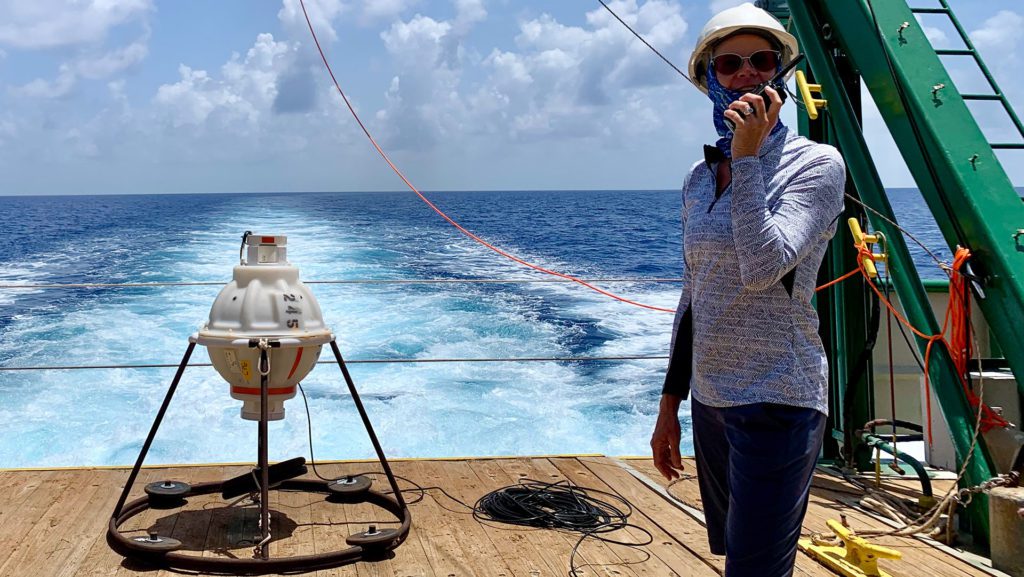
New Study Definitively Confirms Gulf Stream Weakening
The Gulf Stream – which is a major ocean current off the U.S. East Coast and a part of the North Atlantic Ocean circulation – plays an important role in weather and climate, and a weakening could have significant implications.
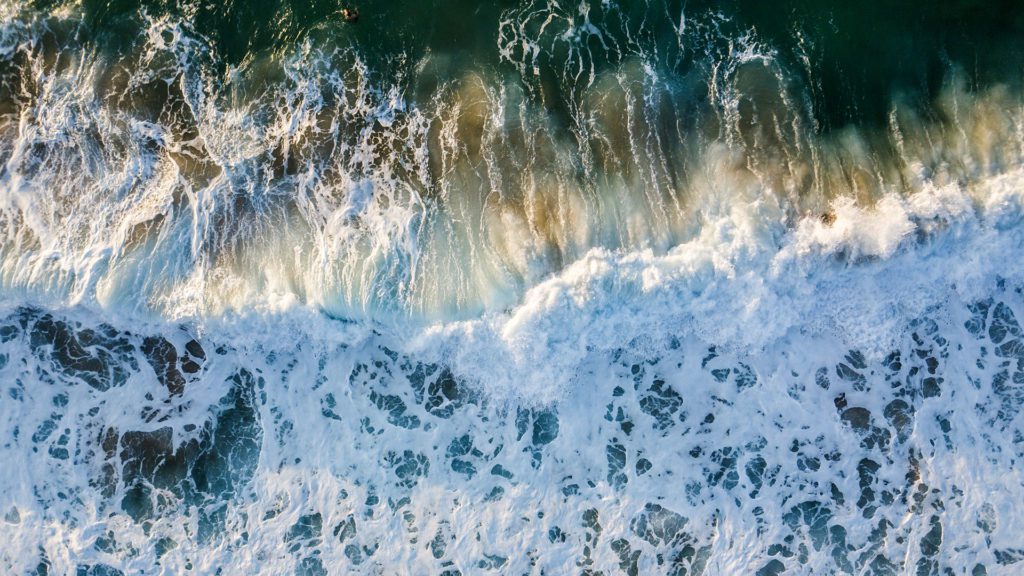
WHOI Awarded Funding to Support Research and Development of Marine Carbon Dioxide Removal
WHOI researchers are among the 17 projects that have been awarded funding by NOAA’s Ocean Acidification Program on behalf of the National Oceanographic Partnership Program (NOPP).
WHOI | OCEANUS
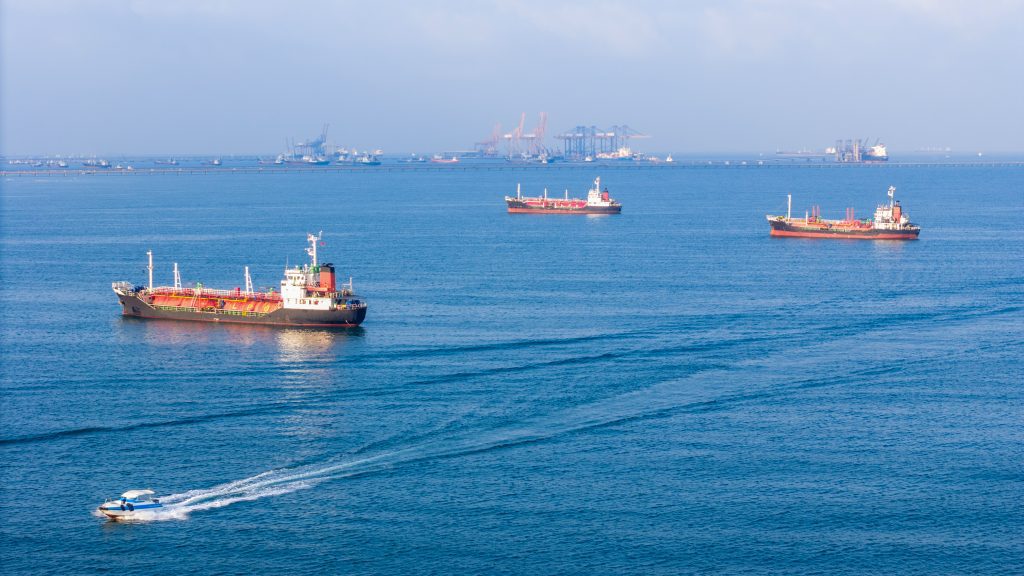
Ships in the Strait of Hormuz are becoming invasive species breeding grounds
Beneath the waterline of every ship stalled in the Persian Gulf, a thriving underwater city takes shape—barnacles, algae, mussels, sea squirts. Some of those hitchhikers could reach coastlines they’d never find on their own.

Is the ocean carbon sink at risk of faltering?
WHOI scientists explain how the ocean mitigates climate change—and could be compromised by it

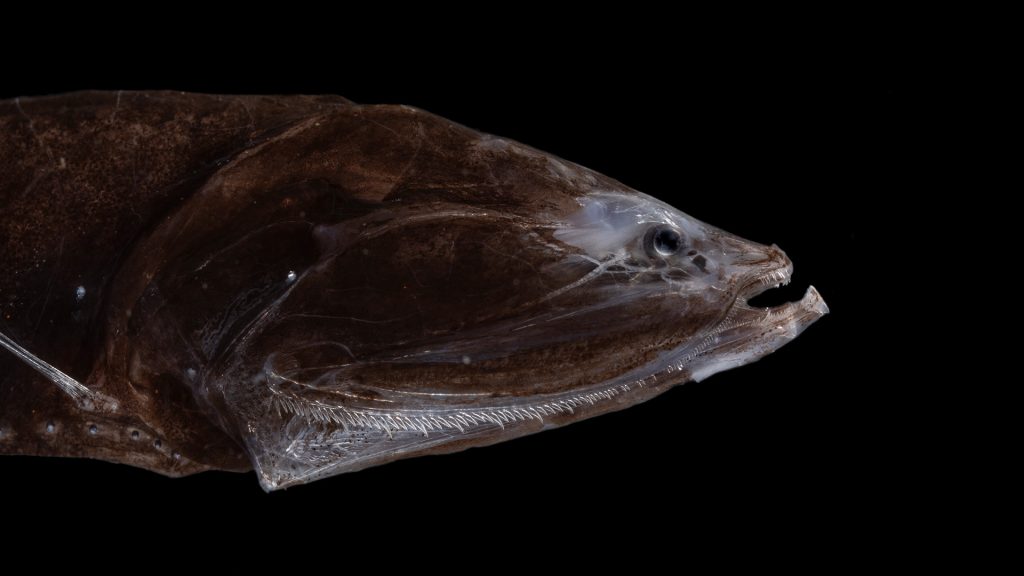
The world’s most abundant fish once thrived in an extreme climate
Fossilized teeth show bristlemouth fish evolved during one of the ocean’s hottest periods
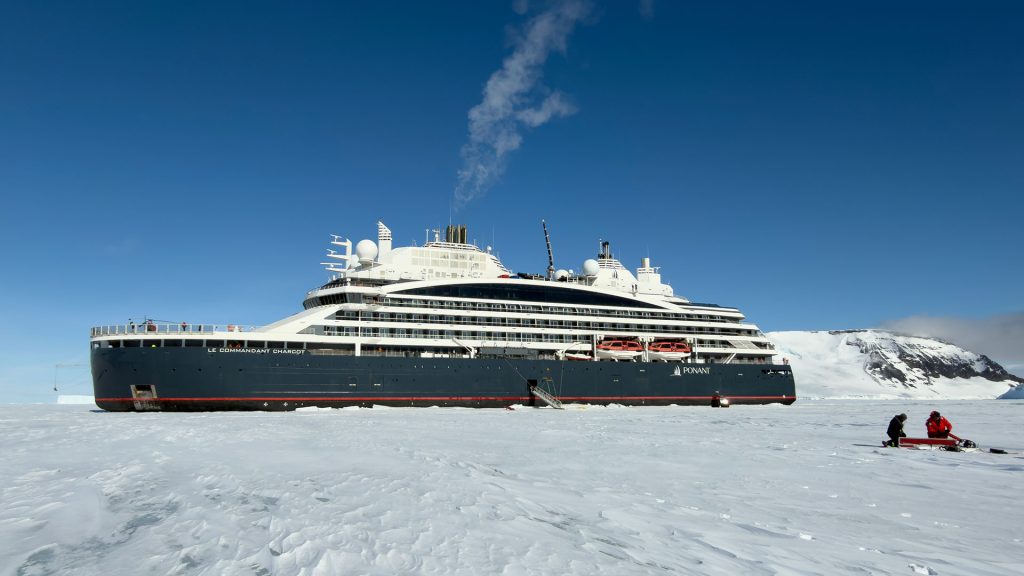
Luxury cruises with a side of climate science
A new partnership gives scientists rare access to remote Antarctic glaciers—and a new way to engage the public
Publications
IN THE NEWS - RESEARCH HIGLIGHTS
Study offers first definitive proof that Gulf Stream has weakened
“New research from the Woods Hole Oceanographic Institution offers the first conclusive evidence that the Gulf Stream has weakened. The powerful ocean current off the East Coast influences regional weather, climate and fisheries, and the finding could have significant implications both for New England and the global climate.”
What Happens to Marine Life When There Isn’t Enough Oxygen?
In September of 2017, Woods Hole Oceanographic Institution postdoctoral scholar Maggie Johnson was conducting an experiment with a colleague in Bocas del Toro off the…
Maine’s having a lobster boom. A bust may be coming.
The waters off Maine’s coast are warming, and no one knows what that’s going to mean for the state’s half-billion-dollar-a-year lobster industry—the largest single-species fishery in North America. Some fear that continued warming could cause the lobster population to collapse. To understand what’s happening to the ecosystem of the Gulf of Maine, says Glen Gawarkiewicz, an oceanographer at Woods Hole Oceanographic Institution, in Massachusetts, you have to look beyond it—see how it’s affected by the atmosphere, ocean currents, and rivers that flow into it.