
Raising Awareness
News
NEWS RELEASES
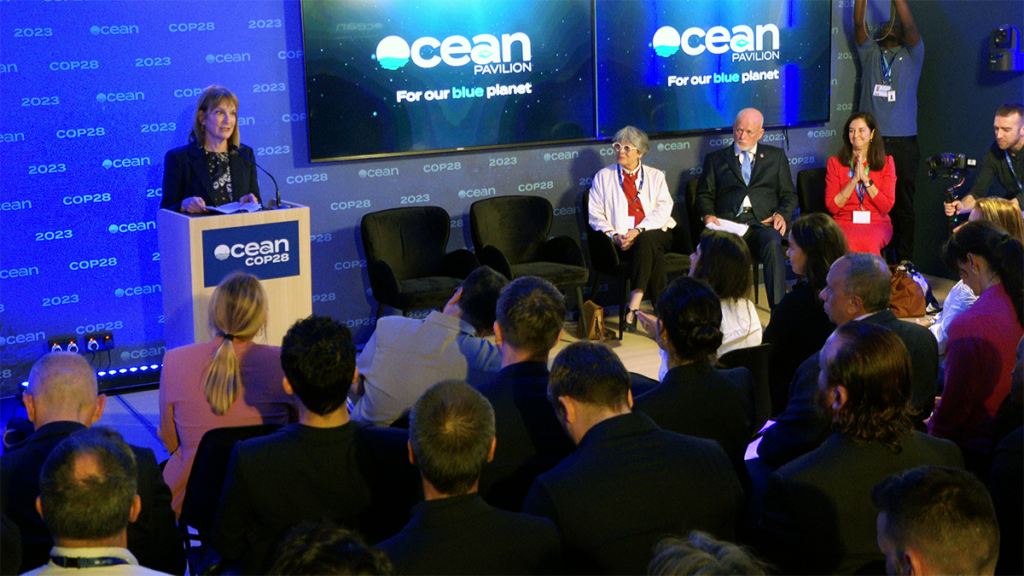
Funders invests $250 million to supercharge ocean-based climate solutions
Coalition of philanthropic funders invests $250 million to supercharge ocean-based climate solutions Dubai, UAE – Many of the world’s leading philanthropic funders of ocean research and conservation have joined forces to launch the Ocean Resilience and Climate Alliance. The formation of the Alliance was formally announced on 2 December at a special event hosted at the COP28 Ocean Pavilion and attended by the UN Secretary General’s Special Envoy for the Ocean, Peter Thomson; Bloomberg Philanthropies CEO,…
Ocean Pavilion Partners Unveil COP28 Dubai Ocean Declaration
Declaration recognizes the critical role of the ocean in regulating climate change, calls for increased ocean observations
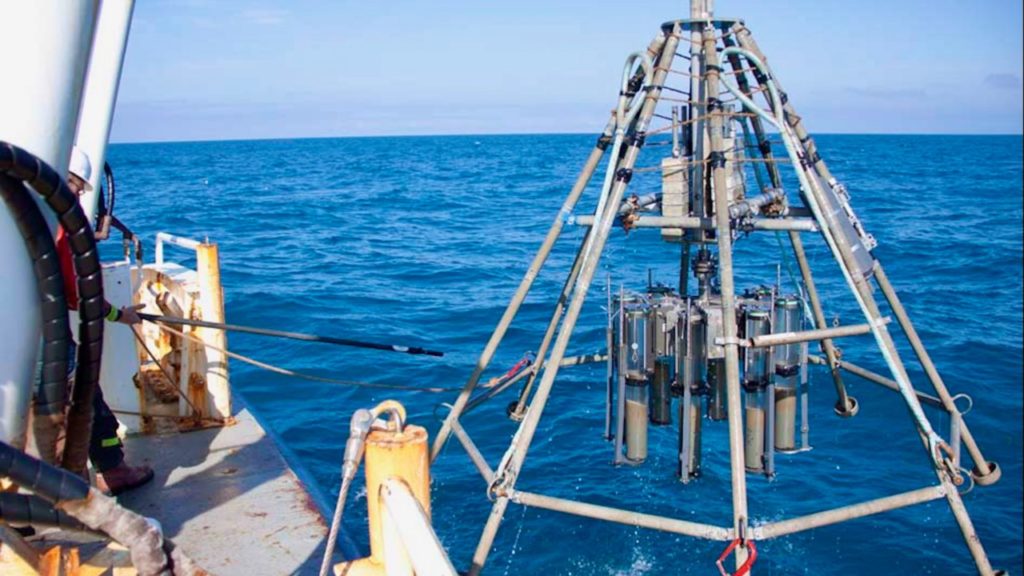
Evidence of Climate Change in the North Atlantic can be Seen in the Deep Ocean, Study Finds
Woods Hole, Mass. -Evidence of climate change in the North Atlantic during the last 1,000 years can be seen in the deep ocean, according to a newly published paper led by researchers from the Woods Hole Oceanographic Institution (WHOI) and University College London. The paper, “Surface climate signals transmitted rapidly to deep North Atlantic throughout last millennium,” published in Science, presents records from North Atlantic sediments that agree with observations of recent surface and deep…
Ocean Pavilion returns to the UN Climate Conference with Call for Ocean Science to Lead Climate Solutions
In year extreme weather events driven by rising marine temperatures, the ocean will take center stage at COP28 in Dubai November 30 – December 12 Woods Hole, Mass. – A group of the world’s leading ocean scientific, philanthropic, and other stakeholder organizations, led by the Woods Hole Oceanographic Institution (WHOI) and Scripps Institution of Oceanography at the University of California San Diego, have come together to highlight the global ocean at the upcoming 28th Conference…
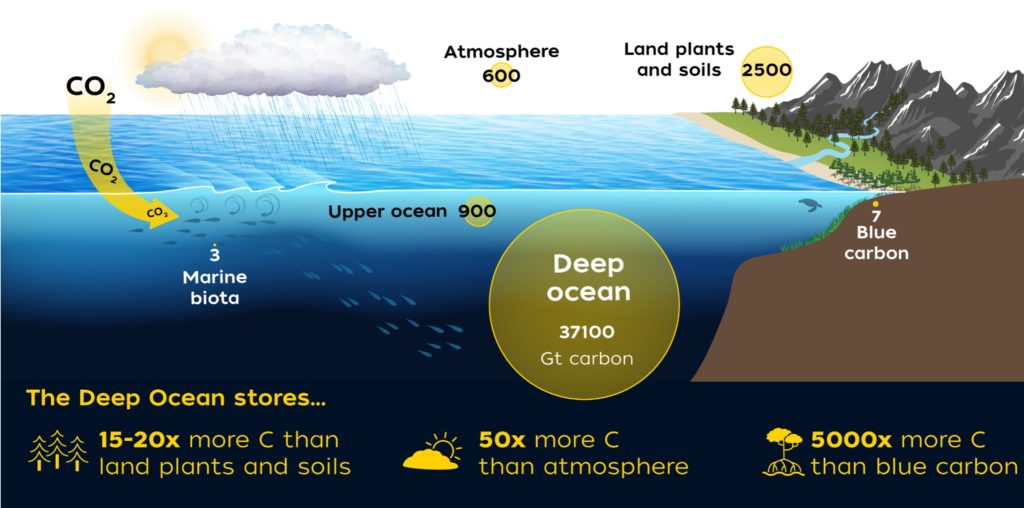
Woods Hole Oceanographic Institution receives $8.5 million in Department of Energy funding for mCDR research
Woods Hole, Mass – The U.S. Department of Energy today announced Woods Hole Oceanographic Institution (WHOI) is one of the ten organizations selected for funding to accelerate the development of marine carbon dioxide removal (mCDR) technology. mCDR techniques take advantage of the ocean’s natural ability to take up carbon dioxide from the atmosphere and store it for long periods of time. Together with emissions cuts and other carbon dioxide removal methods, mCDR techniques have the…
WHOI | OCEANUS
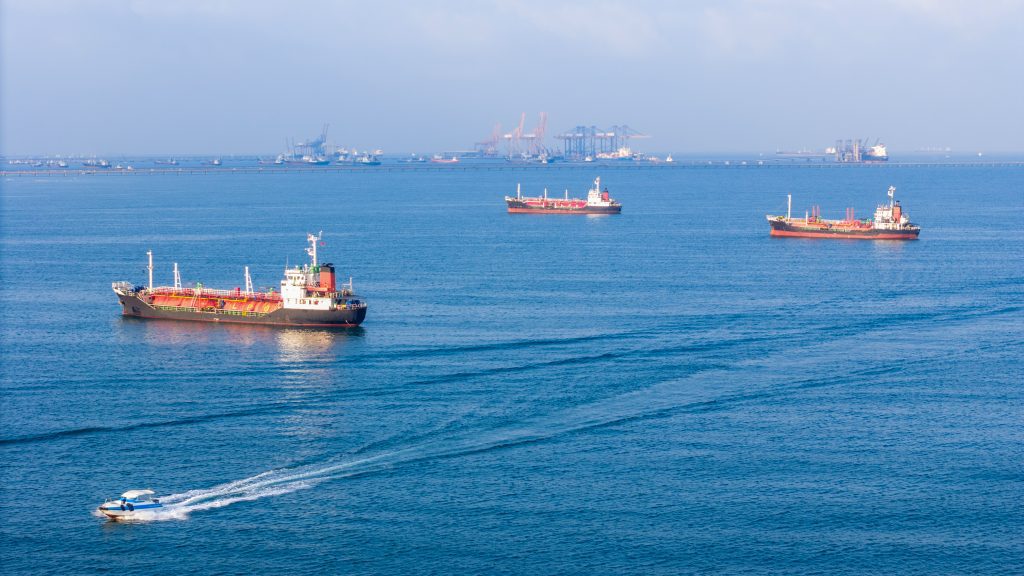
Ships in the Strait of Hormuz are becoming invasive species breeding grounds
Beneath the waterline of every ship stalled in the Persian Gulf, a thriving underwater city takes shape—barnacles, algae, mussels, sea squirts. Some of those hitchhikers could reach coastlines they’d never find on their own.

Is the ocean carbon sink at risk of faltering?
WHOI scientists explain how the ocean mitigates climate change—and could be compromised by it

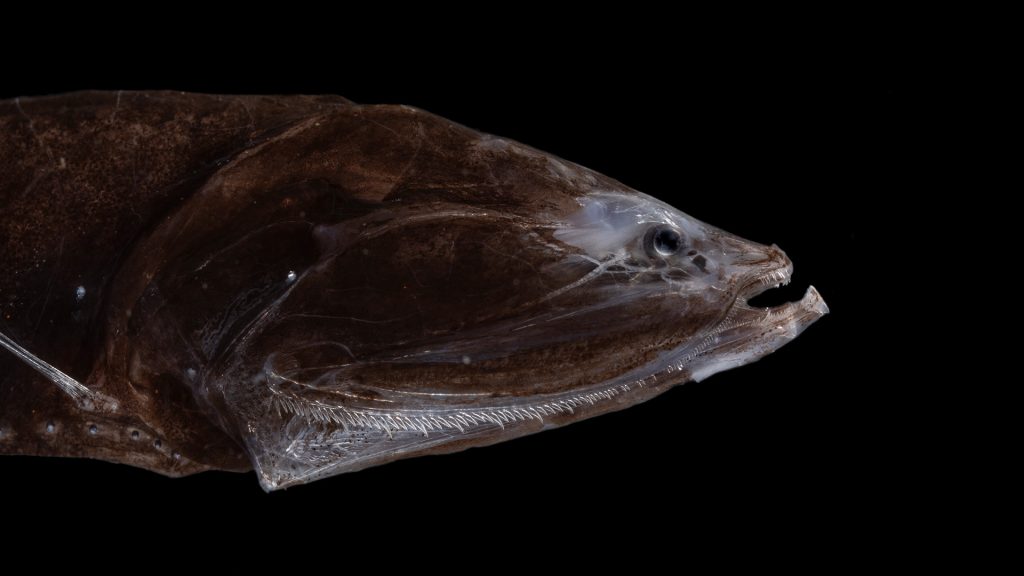
The world’s most abundant fish once thrived in an extreme climate
Fossilized teeth show bristlemouth fish evolved during one of the ocean’s hottest periods
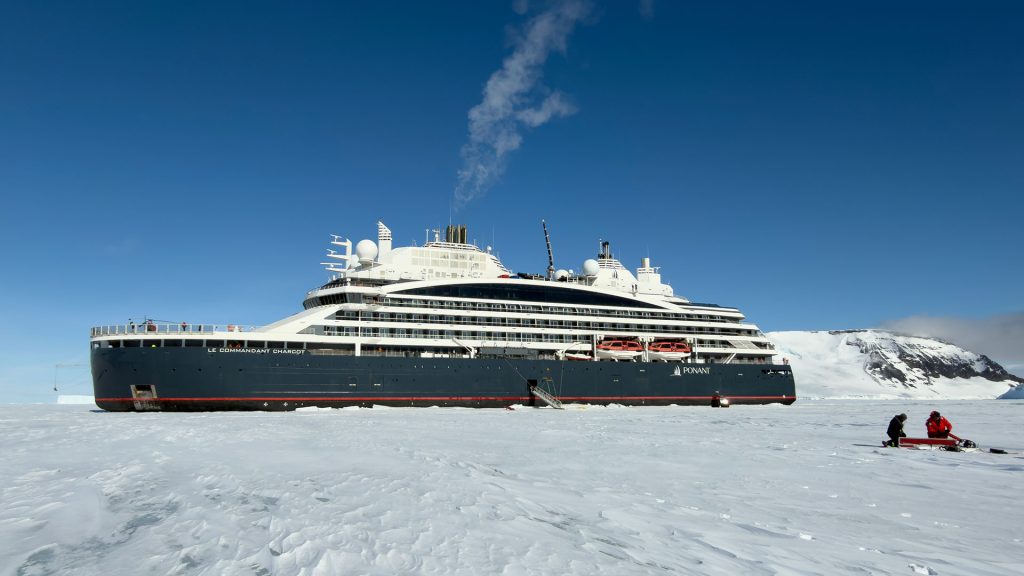
Luxury cruises with a side of climate science
A new partnership gives scientists rare access to remote Antarctic glaciers—and a new way to engage the public
Publications
IN THE NEWS - RESEARCH HIGLIGHTS
Study offers first definitive proof that Gulf Stream has weakened
“New research from the Woods Hole Oceanographic Institution offers the first conclusive evidence that the Gulf Stream has weakened. The powerful ocean current off the East Coast influences regional weather, climate and fisheries, and the finding could have significant implications both for New England and the global climate.”
What Happens to Marine Life When There Isn’t Enough Oxygen?
In September of 2017, Woods Hole Oceanographic Institution postdoctoral scholar Maggie Johnson was conducting an experiment with a colleague in Bocas del Toro off the…
Maine’s having a lobster boom. A bust may be coming.
The waters off Maine’s coast are warming, and no one knows what that’s going to mean for the state’s half-billion-dollar-a-year lobster industry—the largest single-species fishery in North America. Some fear that continued warming could cause the lobster population to collapse. To understand what’s happening to the ecosystem of the Gulf of Maine, says Glen Gawarkiewicz, an oceanographer at Woods Hole Oceanographic Institution, in Massachusetts, you have to look beyond it—see how it’s affected by the atmosphere, ocean currents, and rivers that flow into it.