
Raising Awareness
News
NEWS RELEASES
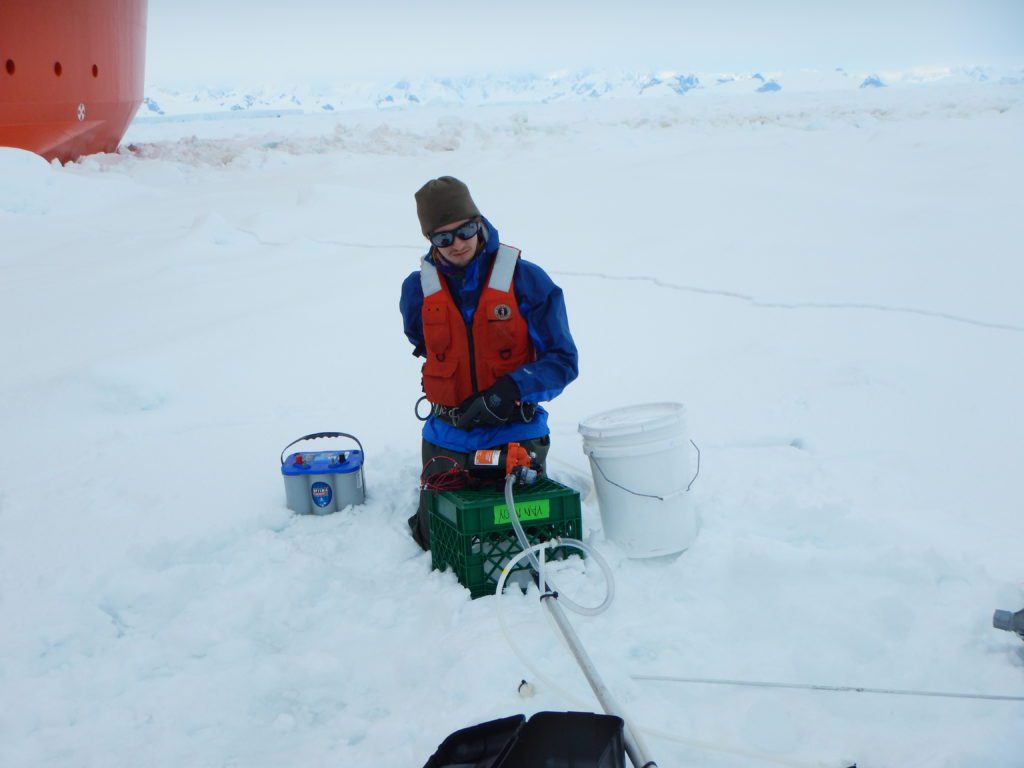
Climate change could lead to a dramatic temperature-linked decrease in essential omega-3 fatty acids
The effects of global climate change already are resulting in the loss of sea ice, accelerated sea level rise, and longer and more intense heat waves, among other threats. Now, the first-ever survey of planktonic lipids in the global ocean predicts a temperature-linked decrease in the production of essential omega-3 fatty acids, an important subset of lipid molecules.
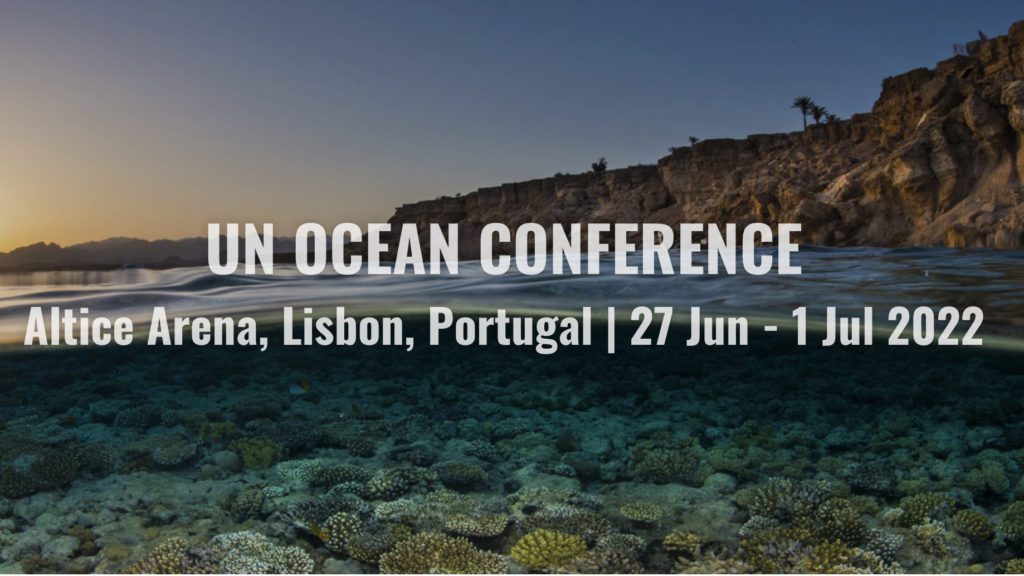
WHOI joins world leaders at UN Ocean Conference: June 27 – July 1, Lisbon, Portugal
Thousands of participants from around the world will converge in Lisbon beginning June 27 as part of the 2022 United Nations Ocean Conference. Among them will be representatives from Woods Hole Oceanographic Institution (WHOI), the world’s largest independent organization dedicated exclusively to ocean research, engineering, and education.
Yawkey Foundation and WHOI present Summer Speaker Series, “Dispatches from an Ocean Planet”
Woods Hole Oceanographic Institution, in partnership with the Yawkey Foundation, proudly presents “Dispatches from an Ocean Planet”, a summer series of film and literature. The series marks the return of WHOI in-person events after a two-year hiatus due to the pandemic. All events require pre-registration.
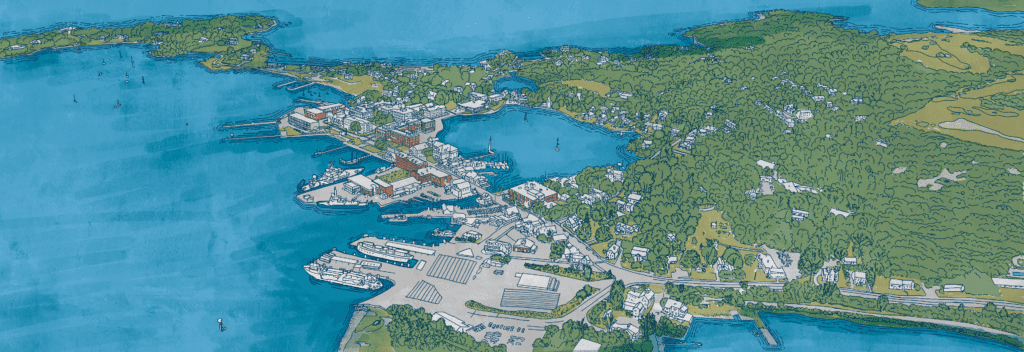
Resilient Woods Hole releases new, interactive tools to prepare for climate change
ResilientWoodsHole (RWH) initiative releases new interactive website tools to further engage the local community in its collective goal of securing a climate-resilient future for the coastal village of Woods Hole
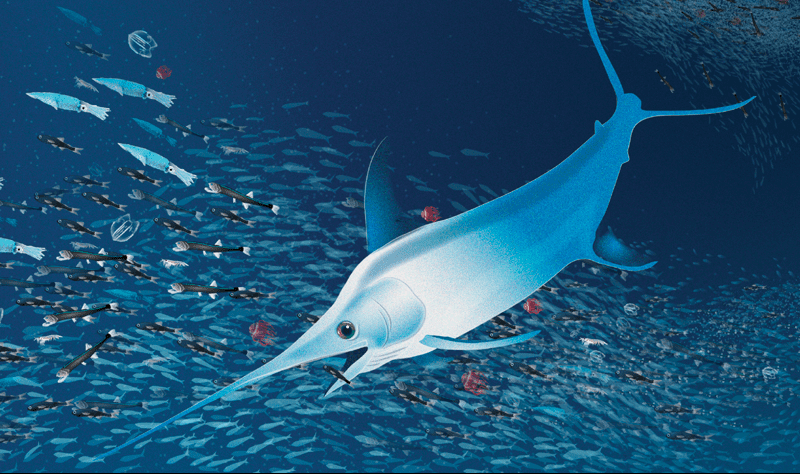
The ocean twilight zone’s role in climate change
A new report from the Woods Hole Oceanographic Institution Ocean Twilight Zone (OTZ) project team offers a detailed look at the climate-altering processes that take place within the zone, in particular those that are driven by animals that migrate between the twilight zone and the surface each night to feed. This phenomenon is likely the biggest migration on Earth—yet it remains incredibly vulnerable to human exploitation.
WHOI | OCEANUS
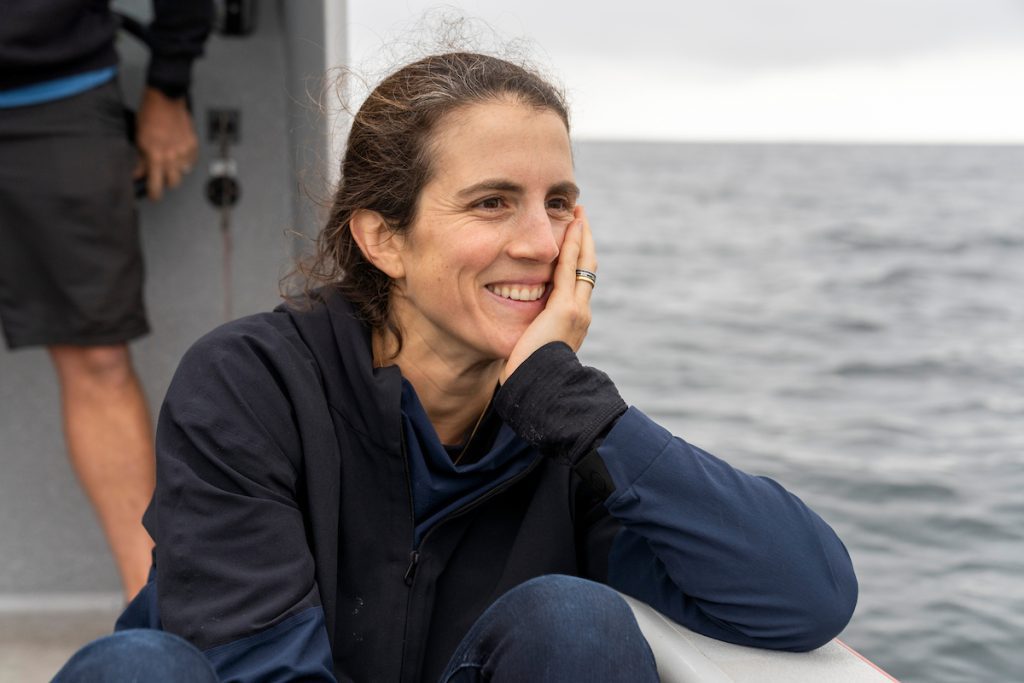
Remembering Tatiana Schlossberg, a voice for the ocean
Environmental journalist and author Tatiana Schlossberg passed away after battling leukemia on December 30, 2025. During the last few years of her life, Tatiana crossed paths with Oceanus magazine, first as a reader and then as a valued contributor. When she had initially expressed interest in writing for the magazine, we welcomed her years of environmental reporting experience, her genuine care about the ocean, and her curiosity. One day in early May, 2023, I reached…
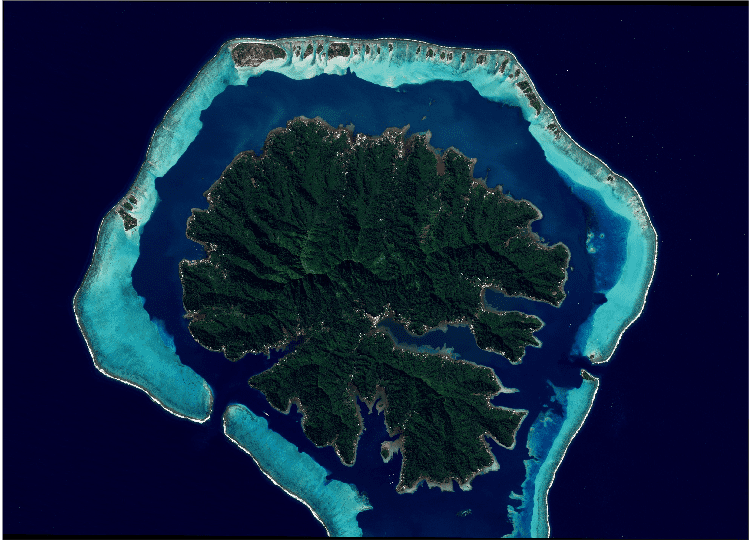
How an MIT-WHOI student used Google Earth to uncover a river–coral reef connection
Google Earth helps researcher decode how rivers sculpt massive breaks in coral reefs
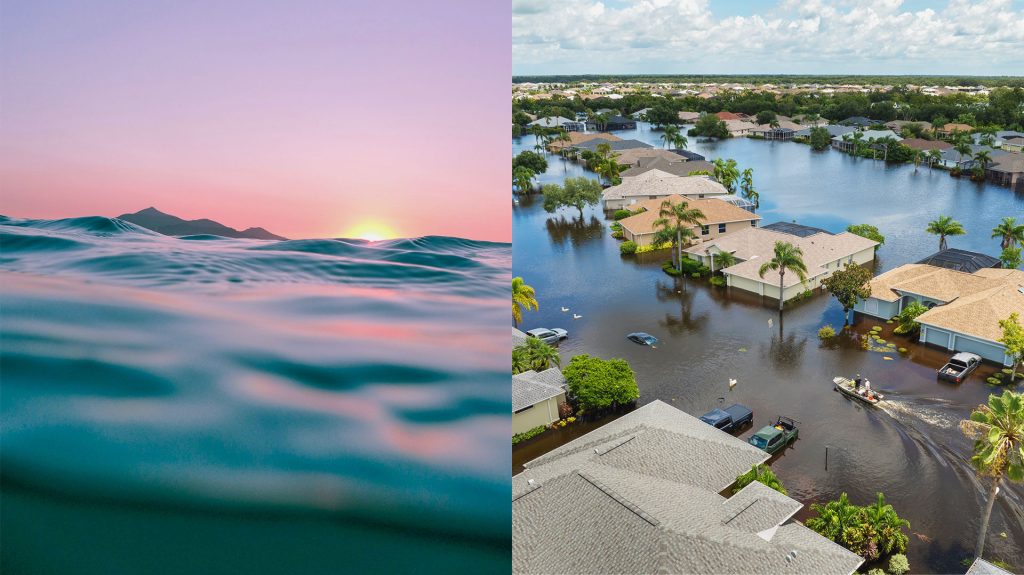
The ocean weather nexus, explained
The vital role of ocean observations in extreme weather forecasting
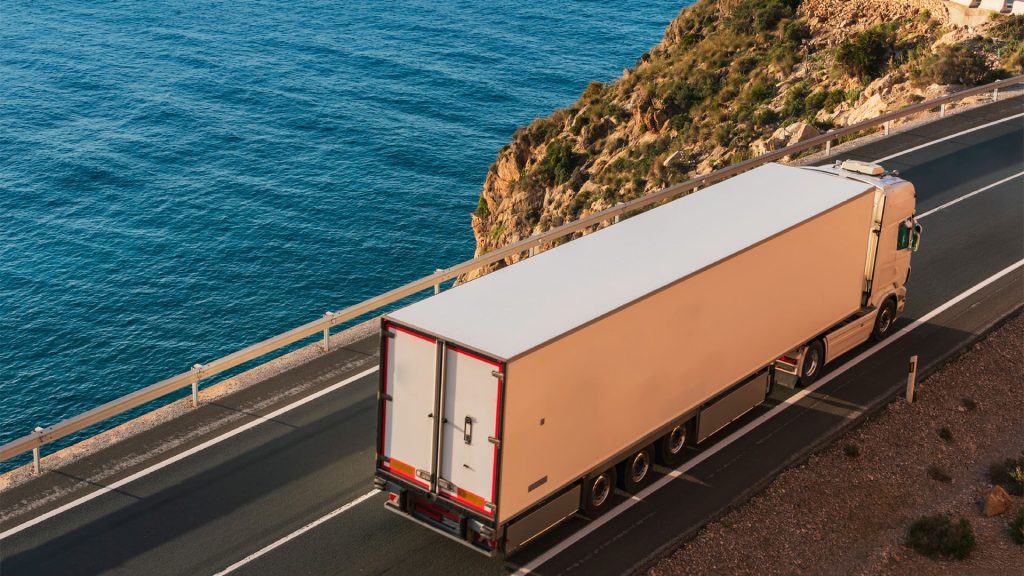
Harnessing the ocean to power transportation
WHOI scientists are part of a team working to turn seaweed into biofuel
Publications
IN THE NEWS - RESEARCH HIGLIGHTS
Study offers first definitive proof that Gulf Stream has weakened
“New research from the Woods Hole Oceanographic Institution offers the first conclusive evidence that the Gulf Stream has weakened. The powerful ocean current off the East Coast influences regional weather, climate and fisheries, and the finding could have significant implications both for New England and the global climate.”
What Happens to Marine Life When There Isn’t Enough Oxygen?
In September of 2017, Woods Hole Oceanographic Institution postdoctoral scholar Maggie Johnson was conducting an experiment with a colleague in Bocas del Toro off the…
Maine’s having a lobster boom. A bust may be coming.
The waters off Maine’s coast are warming, and no one knows what that’s going to mean for the state’s half-billion-dollar-a-year lobster industry—the largest single-species fishery in North America. Some fear that continued warming could cause the lobster population to collapse. To understand what’s happening to the ecosystem of the Gulf of Maine, says Glen Gawarkiewicz, an oceanographer at Woods Hole Oceanographic Institution, in Massachusetts, you have to look beyond it—see how it’s affected by the atmosphere, ocean currents, and rivers that flow into it.