
Multimedia
Many Hats
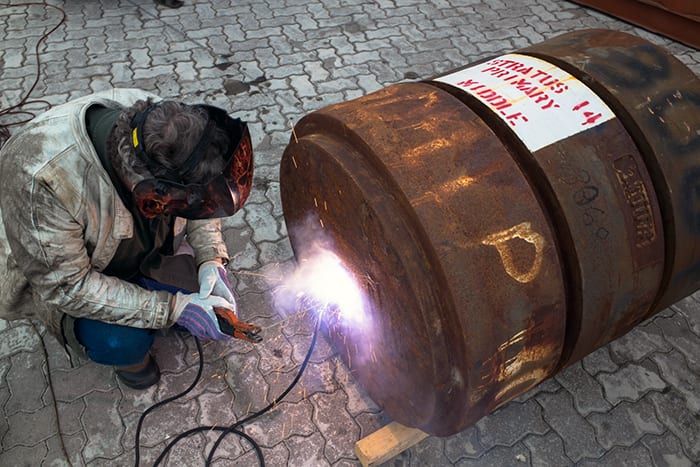
Ocean scientists often need to be more than “just” an expert in his or her field of study. While loading the research vessel Cabo de Hornos in Valparaiso, Chile, recently, a…
Read MoreEmbryonic AUV
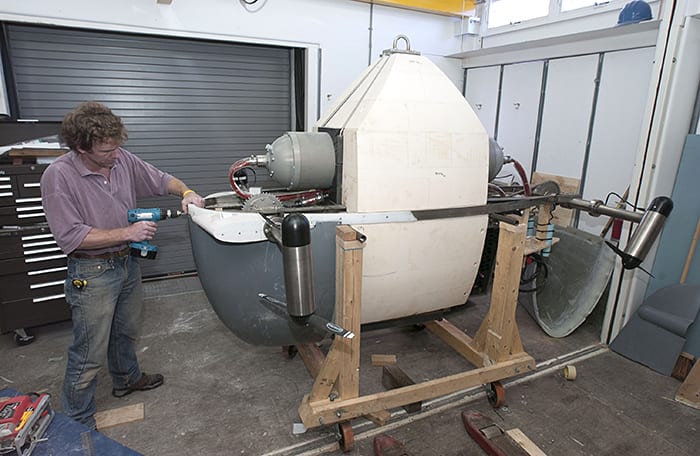
Every oceanographic vehicle is brought from concept to reality by a team of engineers. The autonomous underwater vehicle (AUV) Sentry was conceived by Barrie Walden, Al Bradley, and Dana Yoerger…
Read MoreSafe Haven
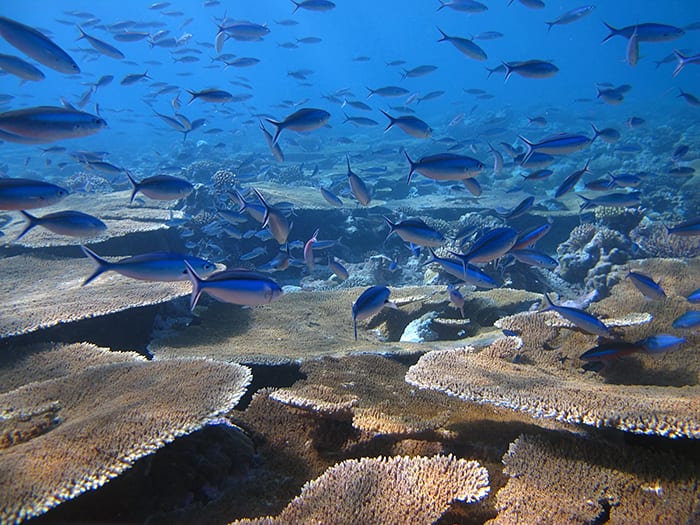
Clouds of buestreak fusiliers swarm over giant “plates” of tabletop coral (Acropora spp.) on the reefs at South Brother Island in the Chagos Archipelago. During a recent coral coring expedition with…
Read MoreFat Chance
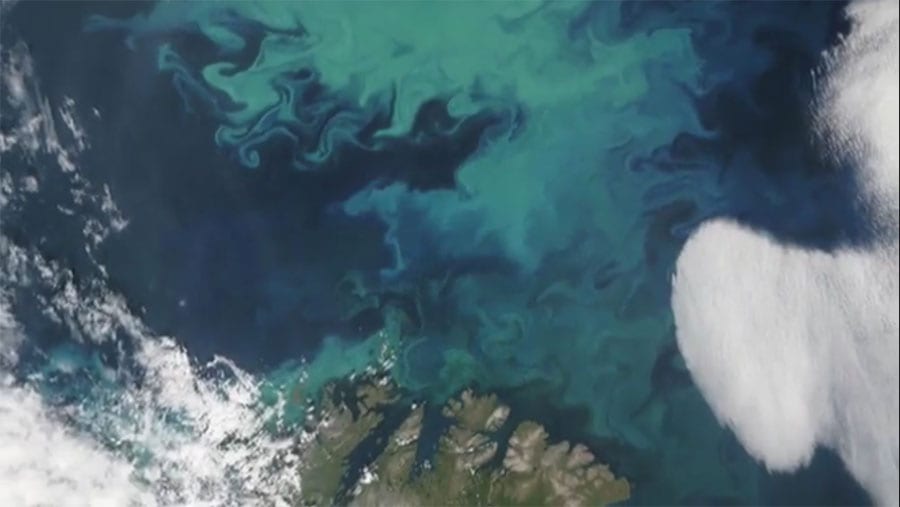
A fatty compound responsible for the rapid, mysterious death of phytoplankton in the North Atlantic may hold unexpected promise in cancer research.
Read MoreAtlantis, Fore and Aft
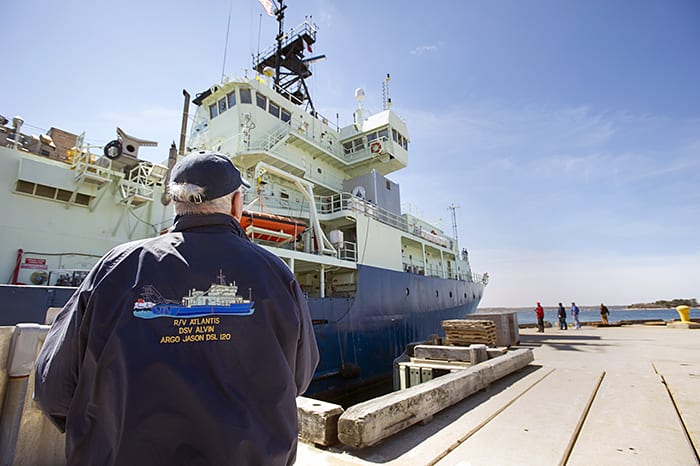
Ships mean a lot to Dick Pittenger. He retired after 32 years in the Navy as an admiral and led WHOI’s Marine Operations Division from 1990 to 2004. During that…
Read MoreBurning Fat
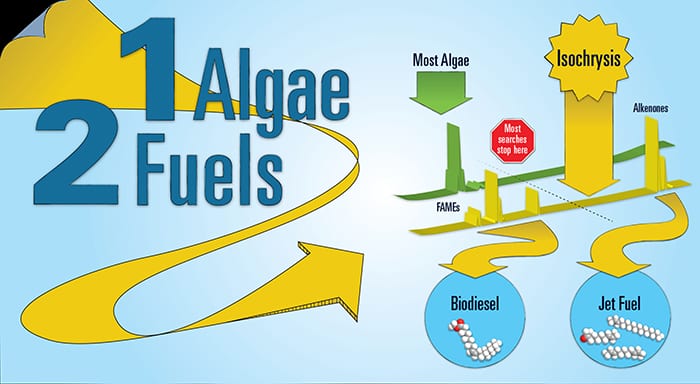
A common algae commercially grown to make fish food holds promise as a source for both biodiesel and jet fuel. Researchers Greg O’Neil of Western Washington University and Chris Reddy,…
Read MoreTune In
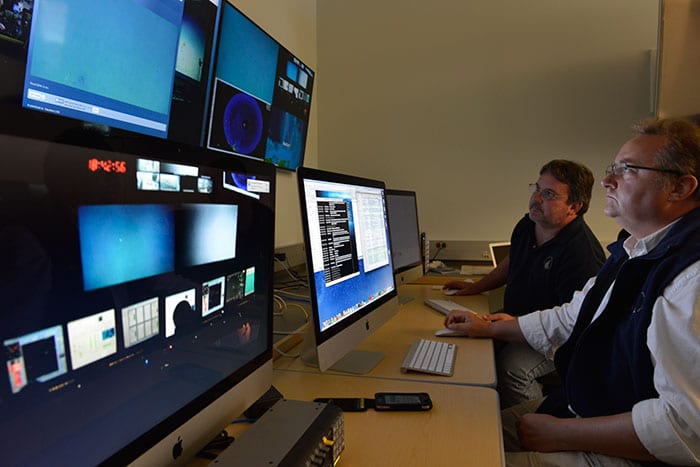
Ocean science and exploration is increasingly reliant on live video streaming from research vessels at sea to incorporate larger, more interdisciplinary teams of scientists and to make more research opportunities…
Read MoreJust Like Home
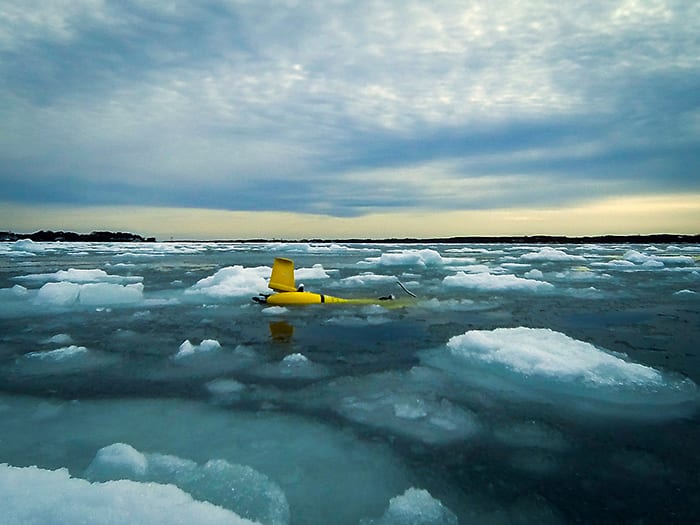
The unusually cold winter allowed WHOI engineers to do something they normally can’t do: test equipment in polar conditions. Here, an autonomous Slocum glider operated by the Mixing Measurement and…
Read MoreRace Home
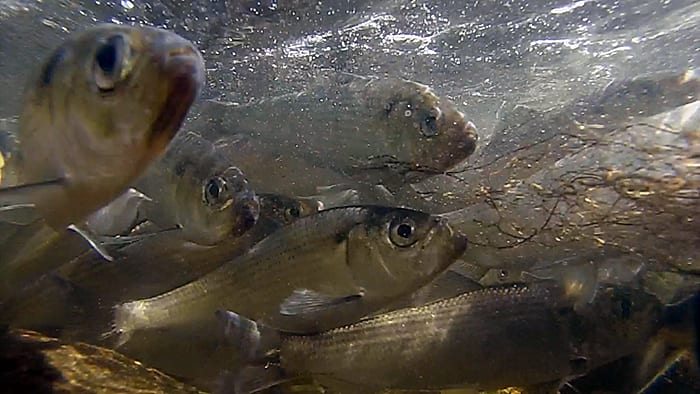
Like salmon, river herring are anadromous—they spend most of their life at sea and make annual spawning migrations up rivers to release their eggs. Although the size of these spring migrations…
Read MoreNervous Parent
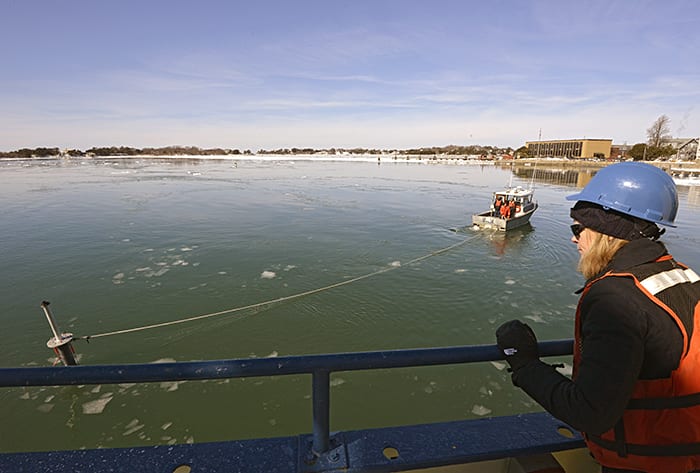
It was just 6 degrees in Woods Hole when WHOI scientist Carol Anne Clayson watched the test deployment of a new instrument she helped design. The Expendable Spar (X-spar) Buoy…
Read MoreJourney to a Ph.D.
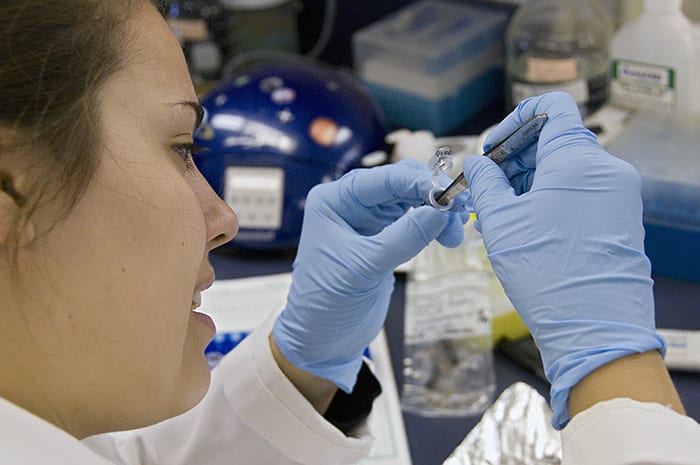
Eleanor Bors opted to skip her commencement exercises at Oberlin in 2009 to get an early start in WHOI’s annual Summer Student Fellowship program and join an expedition on the…
Read MoreWaste Not
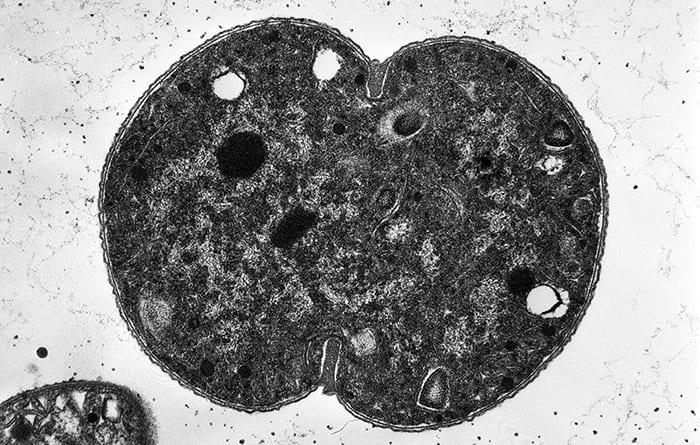
The bacterium, Crocosphaera watsonii (pictured), is one of the few marine microbes that can convert nitrogen gas into organic nitrogen, which acts as fertilizer to stimulate plant growth in the…
Read MoreFuture Ocean Vision
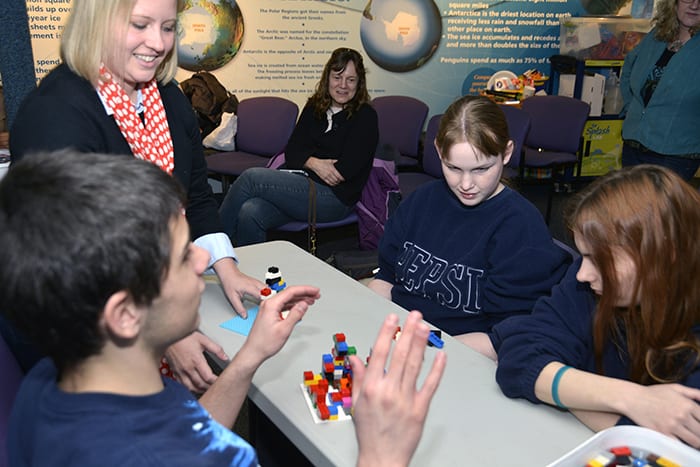
A group of students from the Perkins School for the Blind in Watertown, Mass., visited the Ocean Science Exhibit Center recently on what has become a regular event sponsored by…
Read MoreEarth Day, Every Day
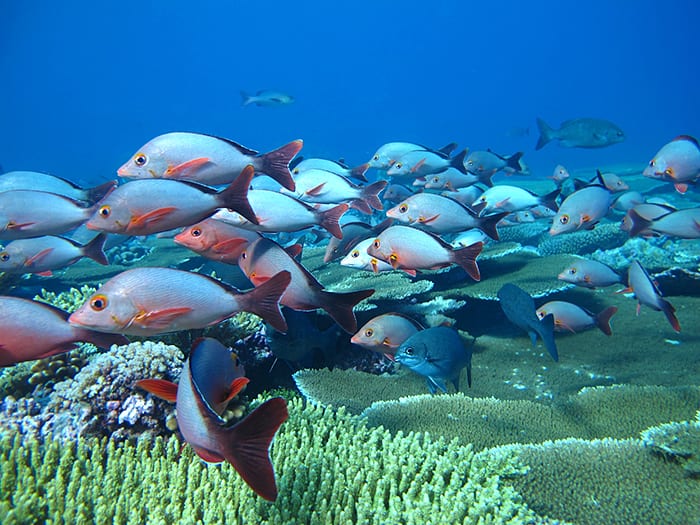
A school of humpback snapper glows in the sunlight of South Brother Island of the Chagos Archipelago during a recent expedition to survey and sample the remote coral reefs for…
Read MoreCoral Collectors
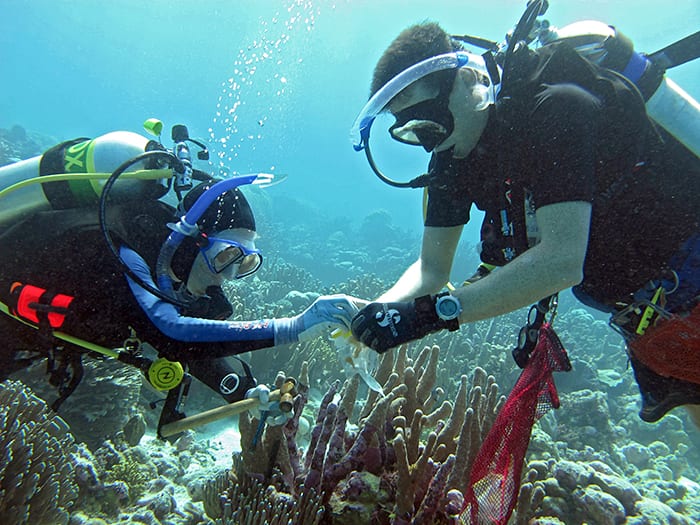
WHOI scientists Amy Apprill (left) and Matthew Neave collect tissue samples from corals off Woleai Atoll of the Federated States of Micronesia. Members of Apprill’s lab are looking at reefs around…
Read MoreHidden Currents in the Gulf of Mexico
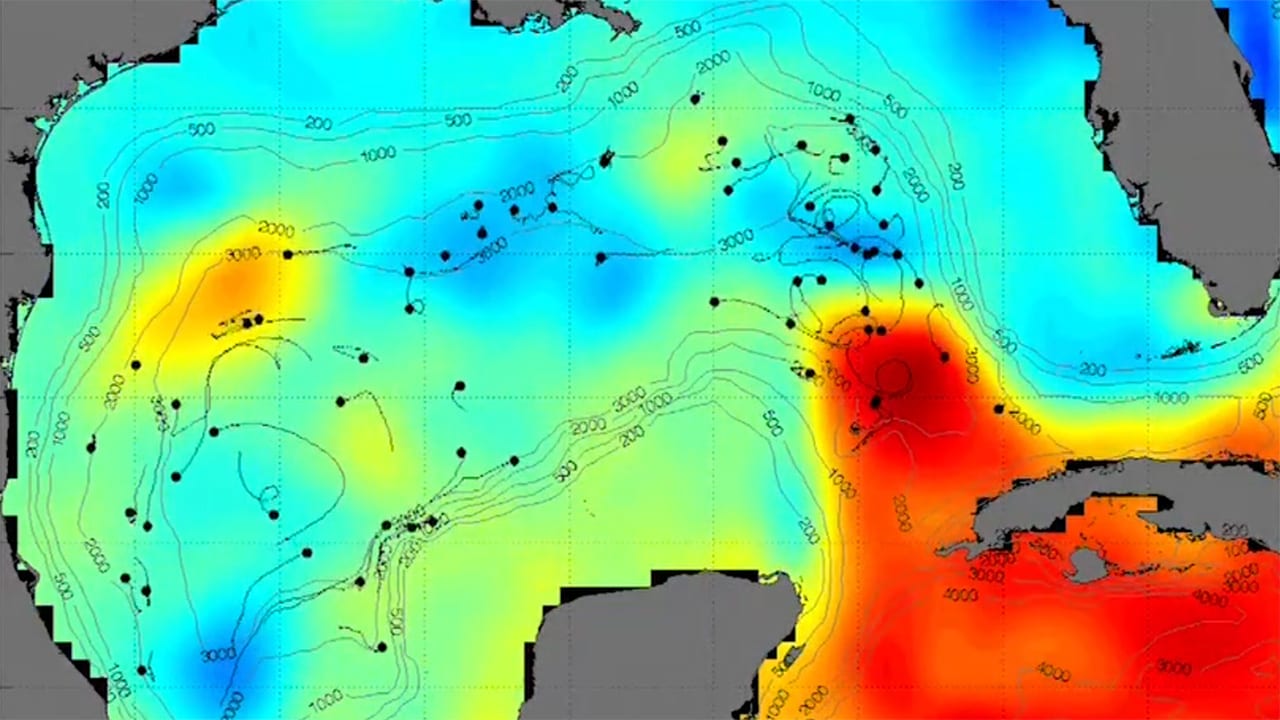
The Deepwater Horizon oil spill five years ago gave new impetus to investigating unknown subsurface currents deep within the Gulf of Mexico.
Read MoreDeepwater Horizon
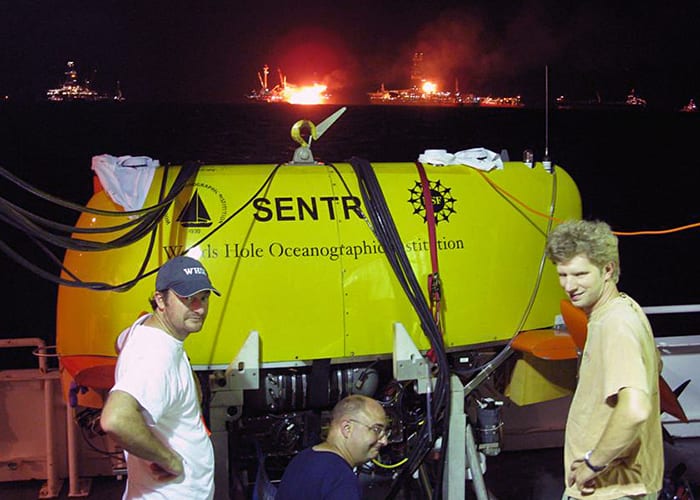
Today marks the fifth anniversary of the Deepwater Horizon disaster, which killed 11 people and released about 75,000 gallons of oil per hour into the Gulf of Mexico for 87…
Read MoreFeeding the Ocean
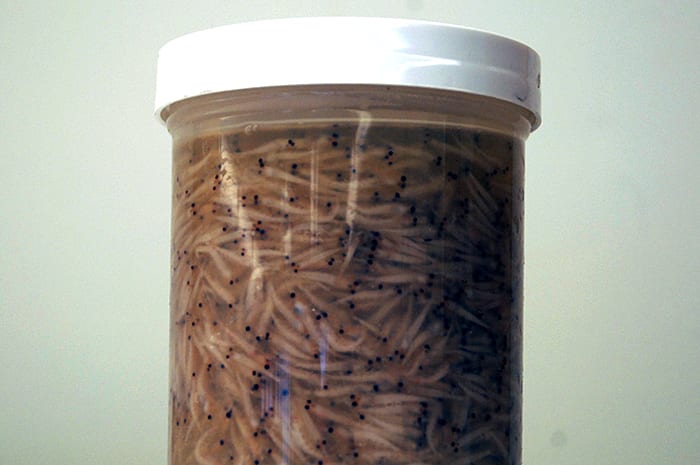
Krill are very small crustaceans living in oceans around the world that eat even smaller organisms called phytoplankton. Krill play a major role in the food chain because they provide food for…
Read MoreGuess Who Came to Dinner
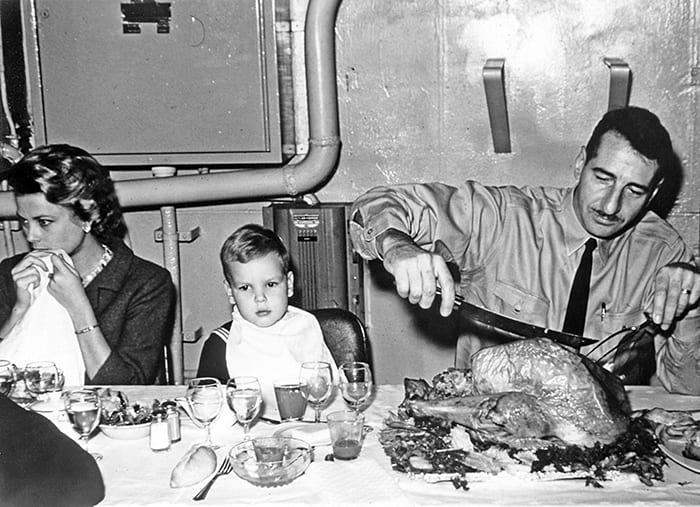
During a 1961 R/V Chain cruise, the ship made a port call in Monaco. While there, Captain Emerson Hiller invited the royal family to Thanksgiving dinner on board. From left:…
Read MoreIn Deep
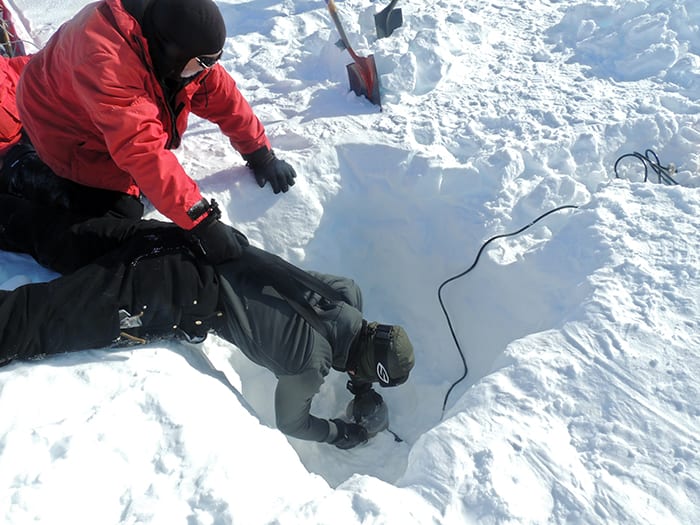
Researchers prepare to bury seismic sensors in the snow at Antarctica‘s Ross Ice Shelf. Led by Peter Bromirski (Univ. California, San Diego), Ralph Stephen (WHOI), Doug Wiens (WUSL), Rick Aster (CSU),…
Read MoreReady for His Close-up
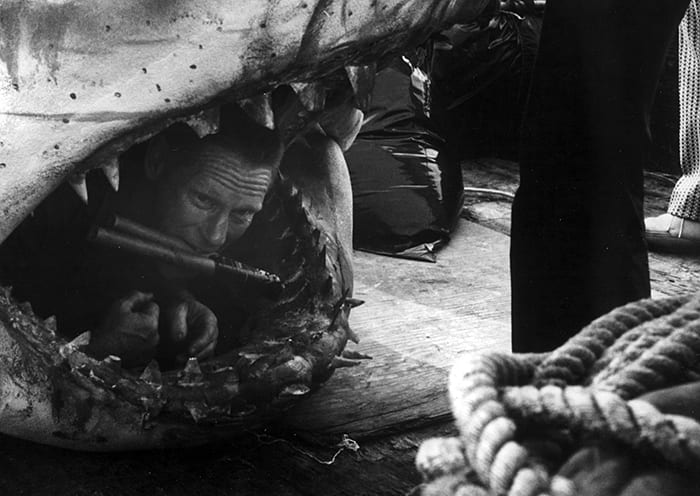
Richard “Dick” Edwards plants dynamite in the mechanical shark prop used in filming the classic movie Jaws. During his service in the U.S. Navy during World War II and the Korean War,…
Read MoreThe Summer House
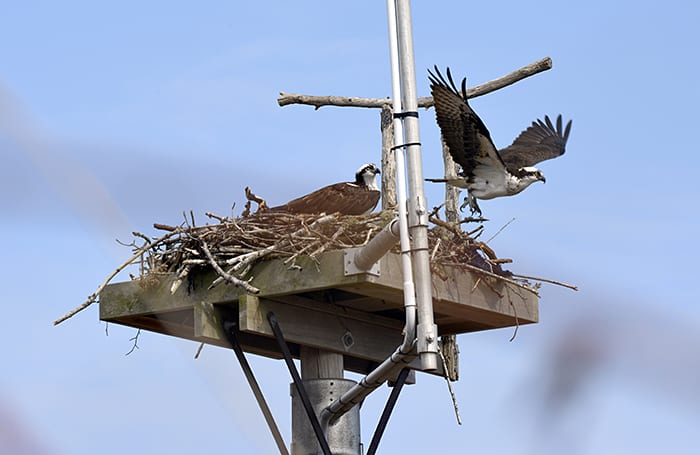
You know it’s spring when migrating osprey return to Cape Cod from Central and South America. Ospreys are large, black-and-white birds of prey that, unlike other raptors, feed almost entirely…
Read MoreOnce and Future Ocean
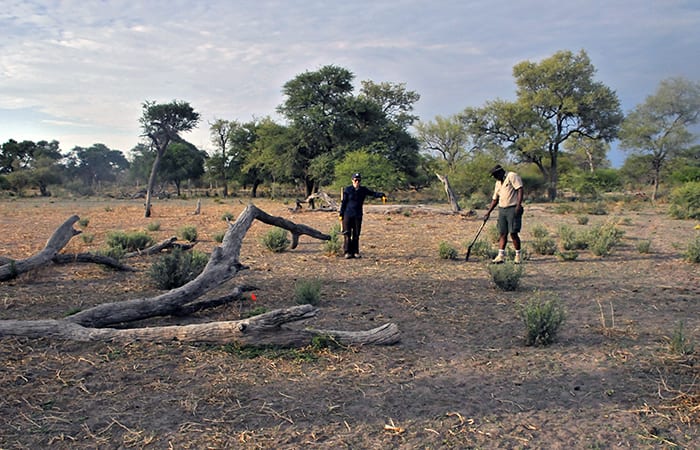
MIT-WHOI Joint Program graduate student Laura Stevens marks the location of a buried geophone in Botswana along the East African Rift, where two pieces of Earth’s crust are separating, forming…
Read MoreArriving Yesterday
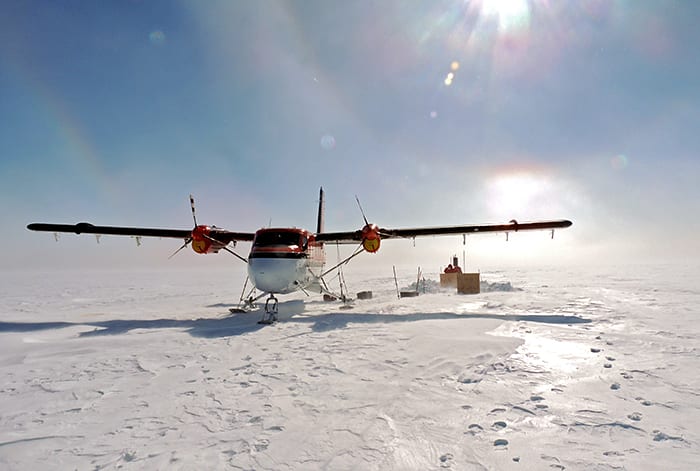
Sun halos and a rare lower-tangential arc (bright area above the wing) surround a Twin Otter aircraft carrying equipment and personnel to Antarctica’s “Yesterday Camp”—so-named because it sits just east…
Read More