
Multimedia
Watch and Learn
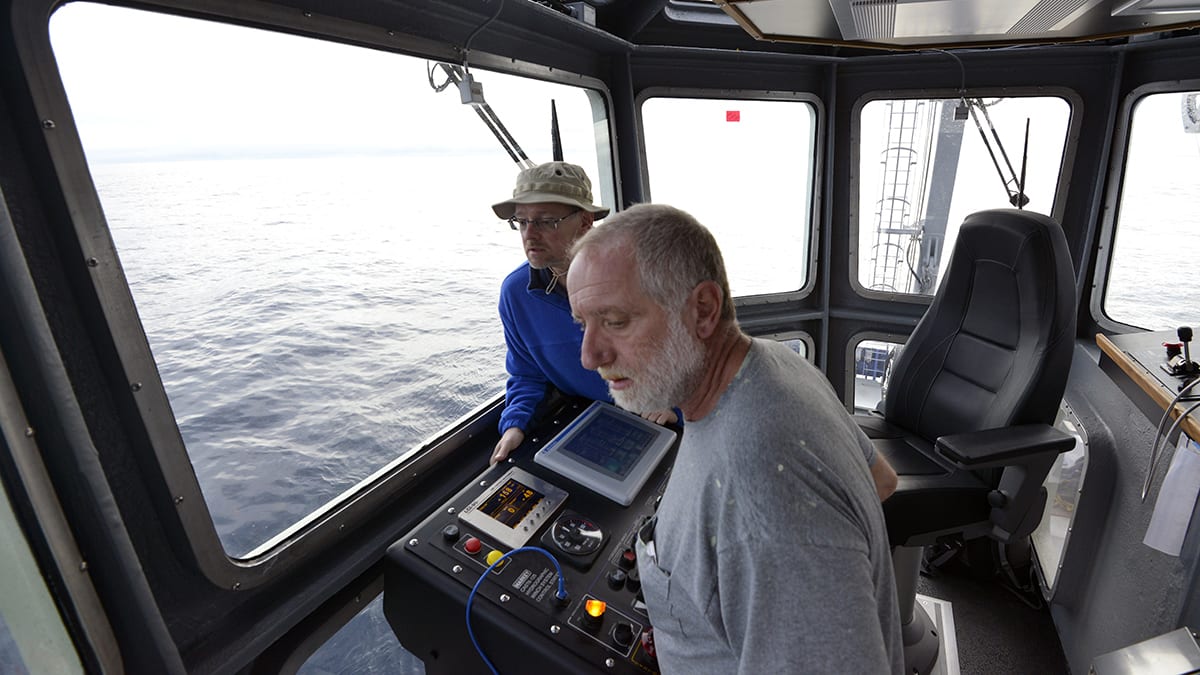
Peter Liarikos (foreground), bosun on R/V Neil Armstrong, gets help from a representative of Markey Machinery in learning how to control the ship’s hydro winches and new launch-and-recovery system (LARS). The…
Read MoreVent Value
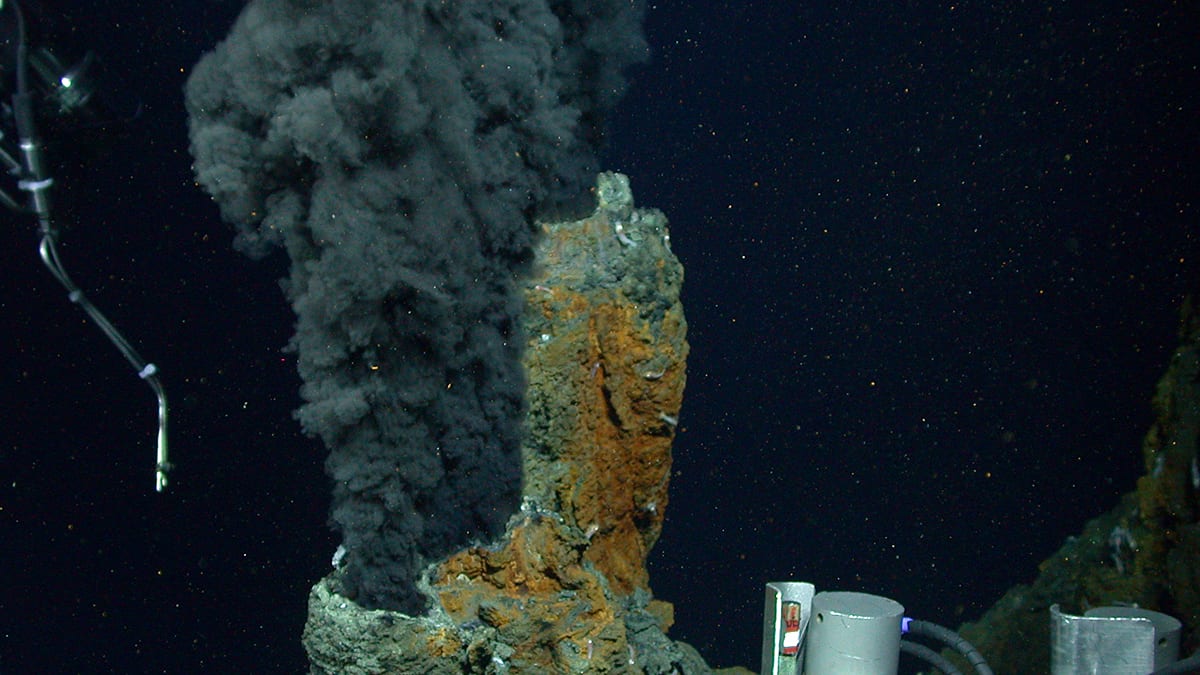
Humans have known about deep-sea hydrothermal vents only since 1977, when an expedition using the submersible Alvin explored a site in the Pacific along the mid-ocean ridge. Vents have been…
Read MoreROV Jason Upgrade Timelapse
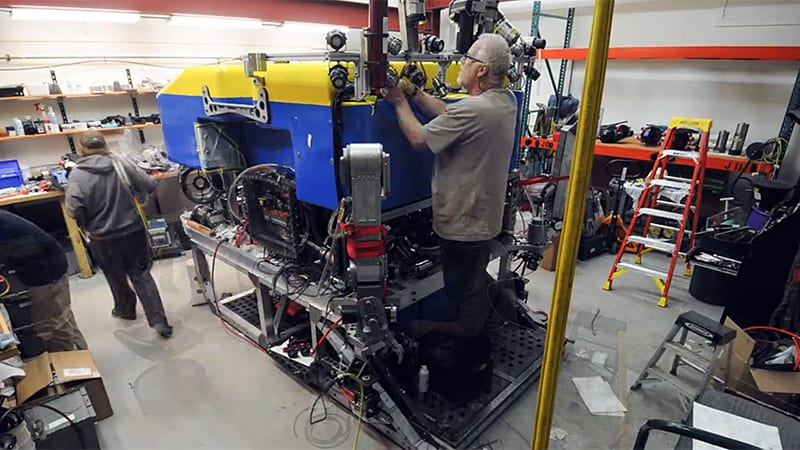
In 201516, WHOI completed a major $2.4M upgrade of ROV Jason, boosting its capabilities, payload, and range—the first major rebuild since 2002.
Read MoreDot in the Ocean
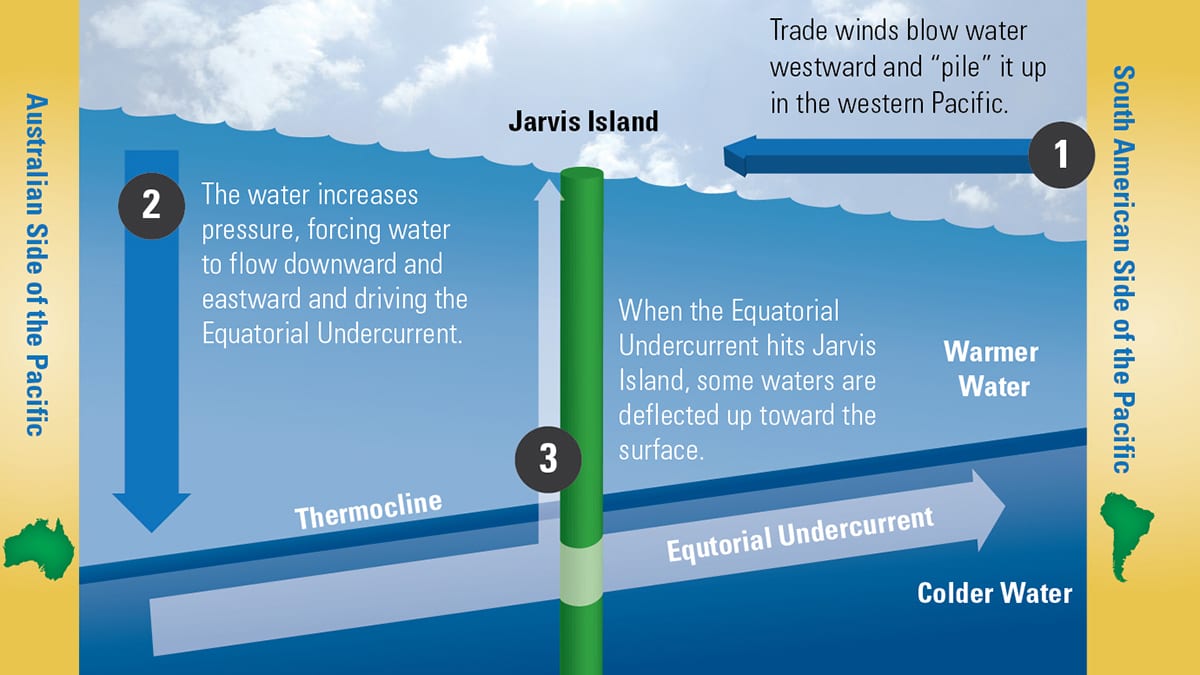
Jarvis Island is an uninhabited island on the equator in the mid-Pacific Ocean. As trade winds push warm surface waters west across the Pacific, the deep Equatorial Undercurrent (EUC) transports…
Read MoreReady for Splashdown
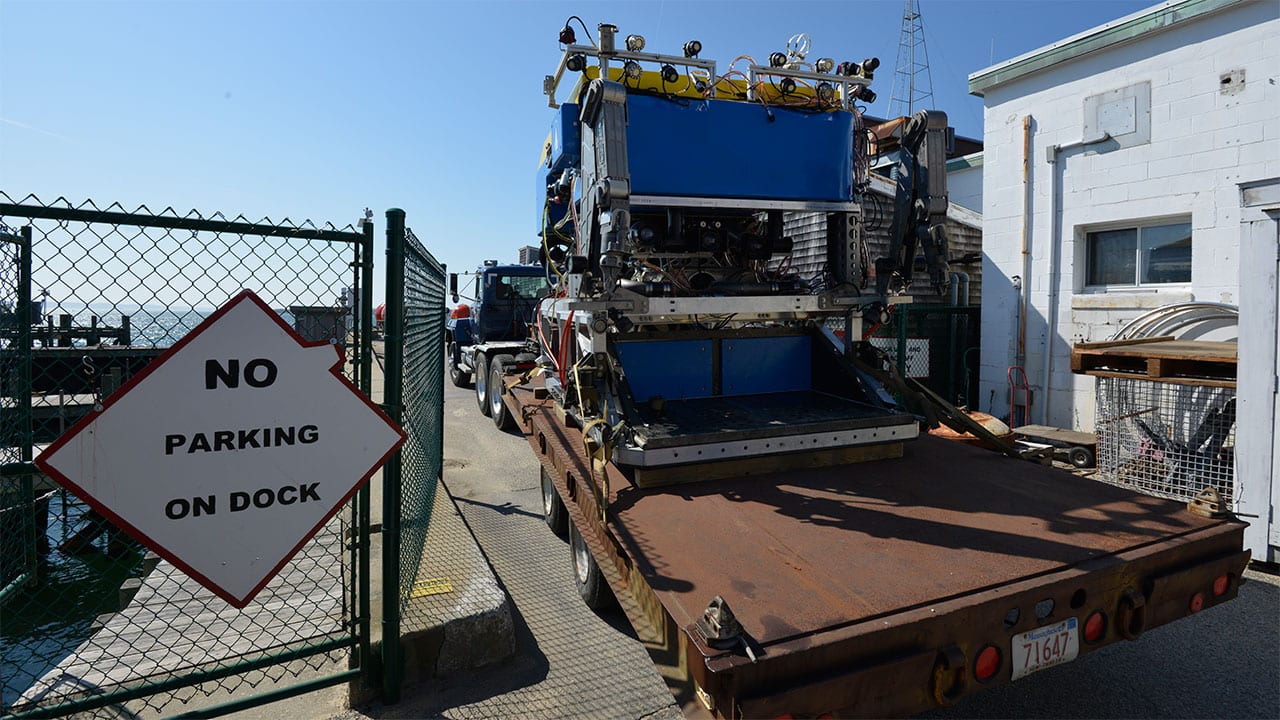
WHOI’s remotely-operated vehicle (ROV) Jason heads onto the dock in Woods Hole after undergoing a $2.4 million overhaul funded by the National Science Foundation that included a year-long engineering effort and took…
Read MoreGolden Globes
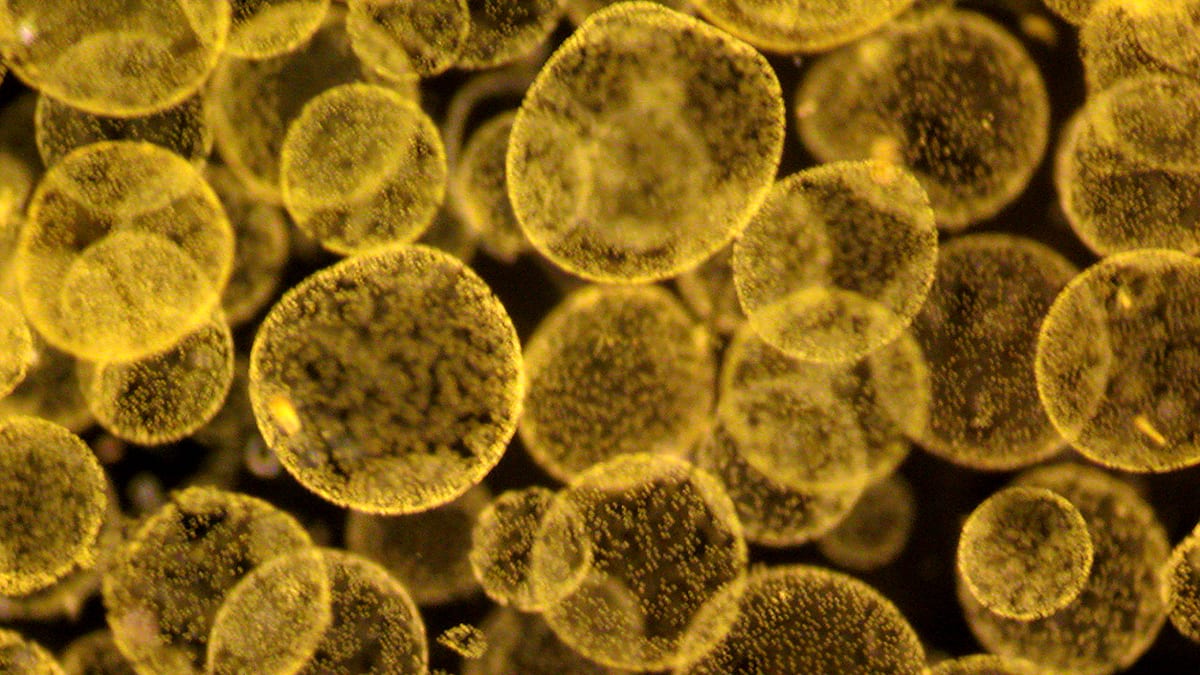
This universe of golden-yellow bubbles is actually a sample of Antarctic marine phytoplankton called Phaeocystis. The tiny yellow dots on each ball are actually individual algal cells forming hollow spherical colonies…
Read MoreFine-scale Measurements
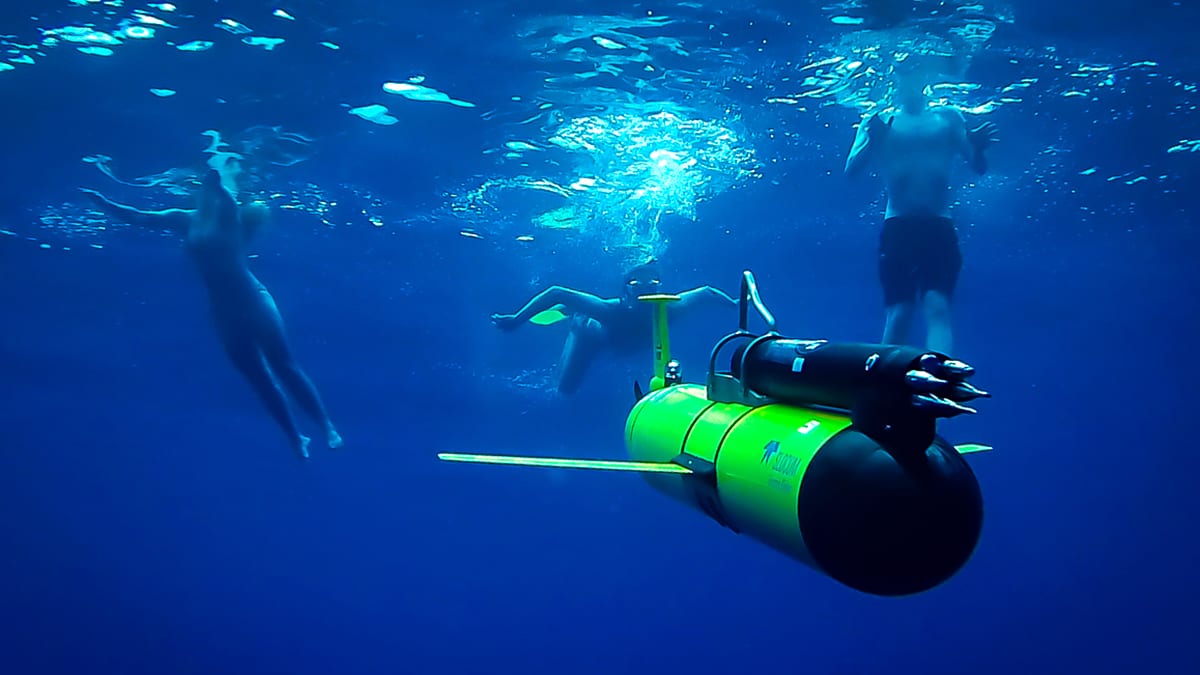
Researchers from the University of KwaZulu-Natal watch as a sensor-equipped Slocum Glider takes measurements off the east coast of South Africa. WHOI physical oceanographer Louis St. Laurent is collaborating with…
Read MoreAcoustic Eavesdropping
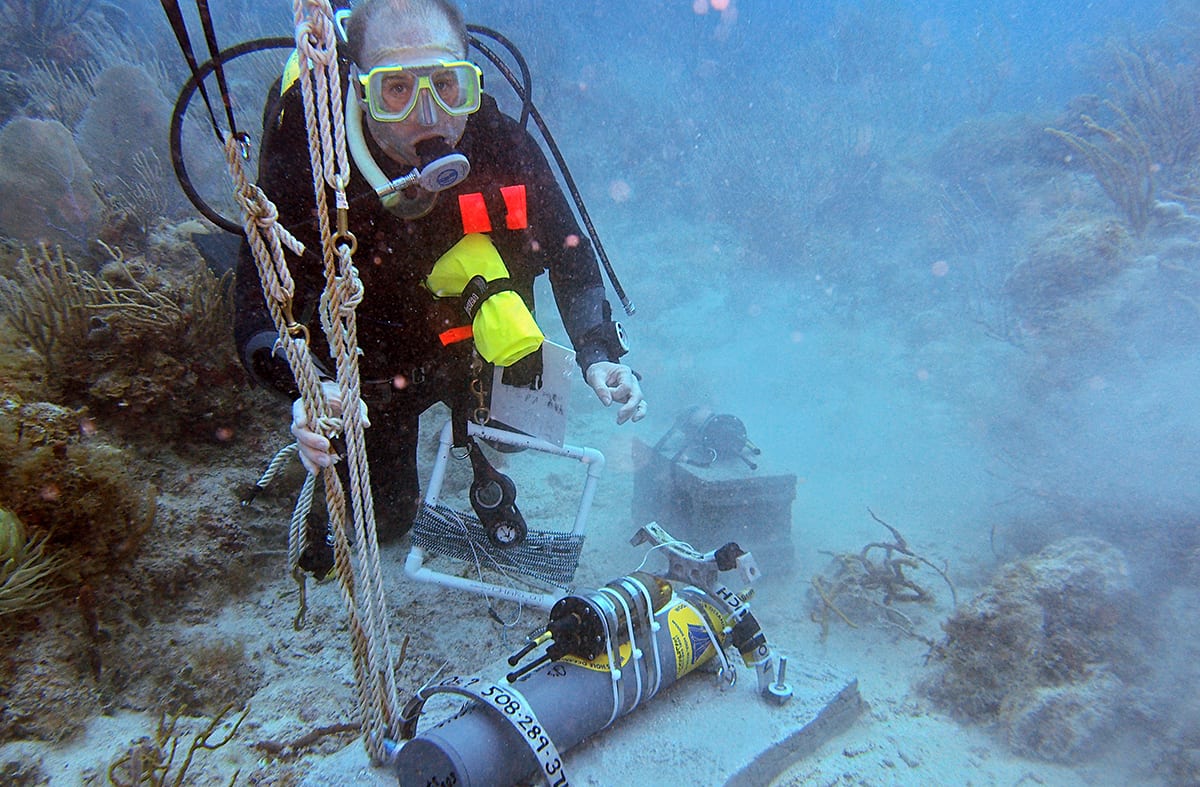
Coral reefs provide habitat for 25 percent of all marine species, but are facing threats from warmer temperatures and lower pH. WHOI biologist Aran Mooney (above) and Max Kaplan, a…
Read MoreWeighting for Alvin
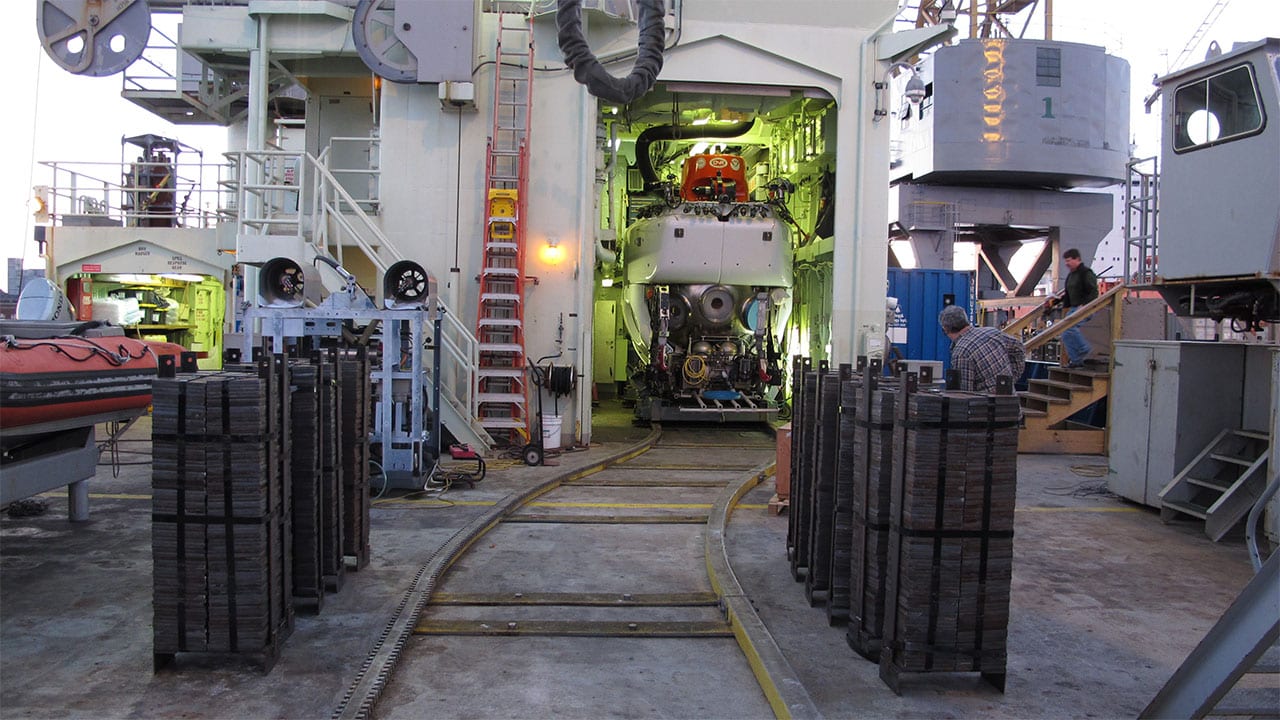
Alvin can’t carry enough batteries to power its way to the seafloor. Instead, dive preparations include attaching stacks of iron plates to the outside of the sub so it can…
Read MoreChanging Arctic
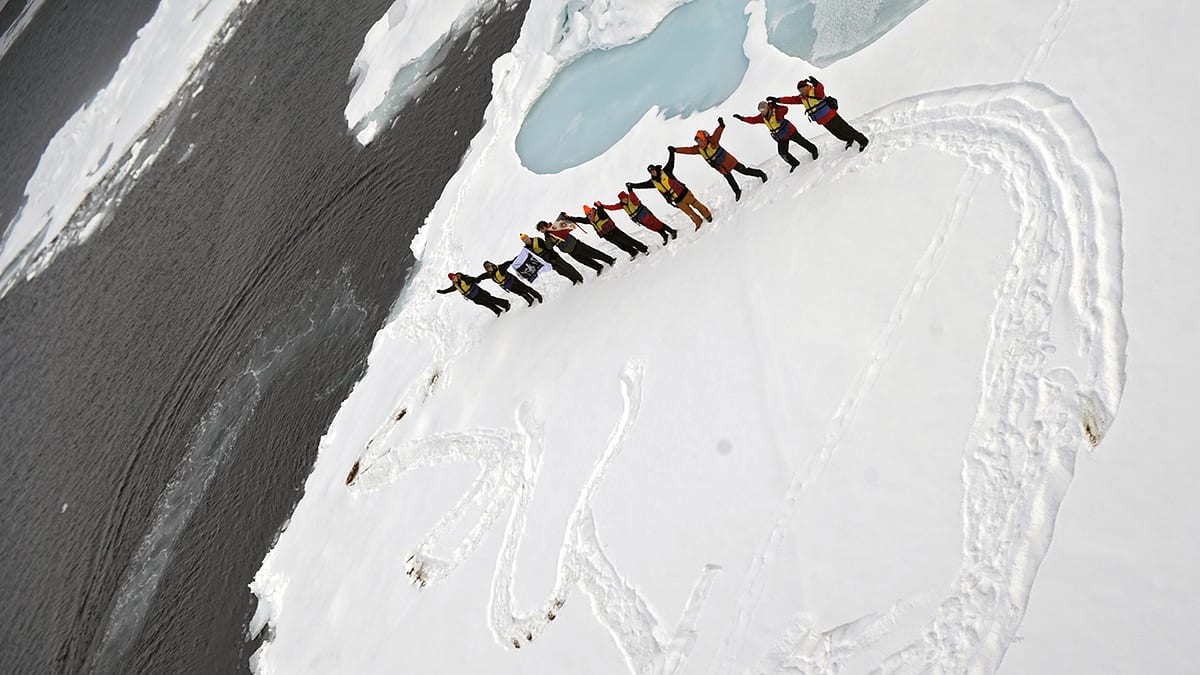
WHOI biologist Cabell Davis served as principal scientist on the Elysium Artists for the Arctic Expedition in fall 2015 led by Michael Aw of the Explorers Club to raise public…
Read MoreIt’s Academic
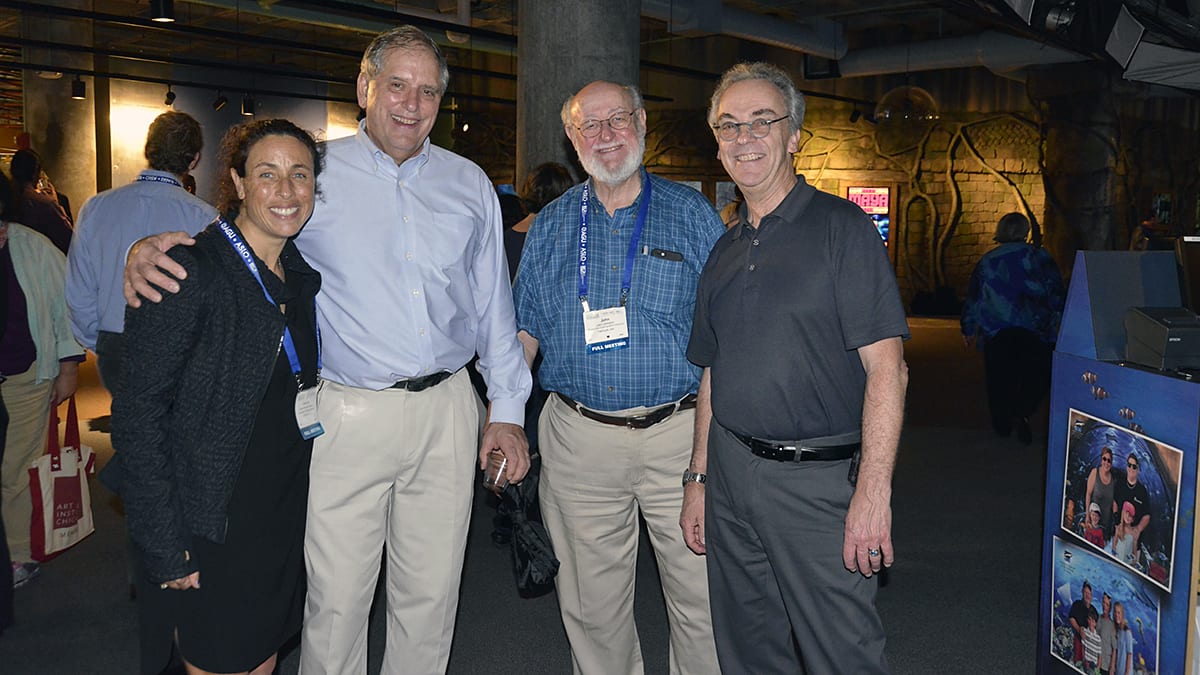
The WHOI Academic Programs Office hosted a reception for faculty and students, past and present, at this year’s Ocean Sciences Meeting in New Orleans, a biennial conference that attracted more…
Read MoreOne Last Line
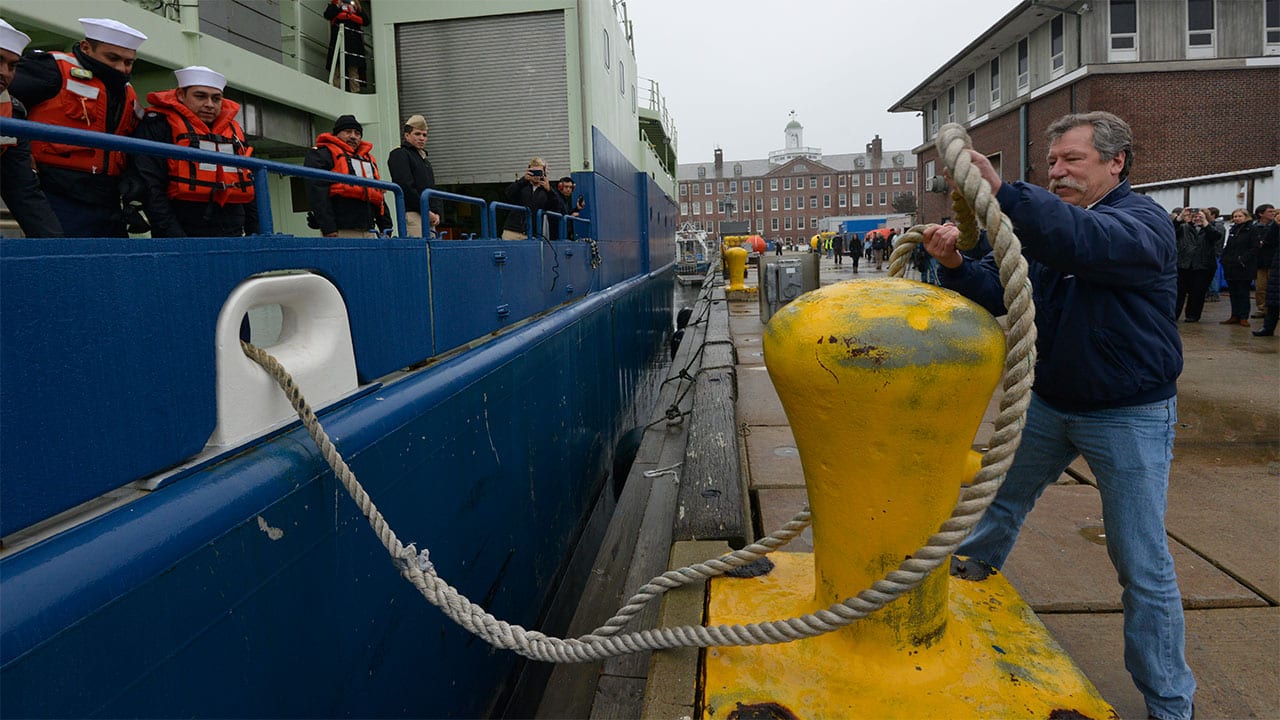
WHOI port engineer Dutch Wegman unmoors the final line on March 15 as R/V Knorr prepared to set sail from Woods Hole for the last time with a crowd of well-wishers…
Read MoreA Mountainous Task
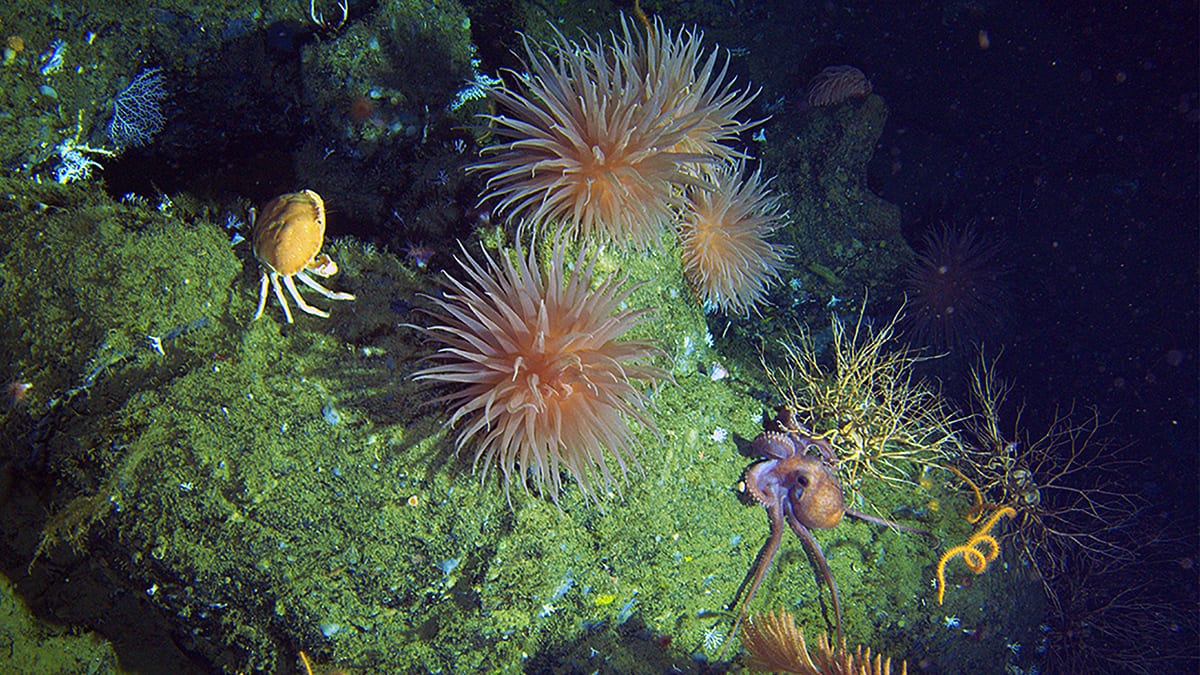
The Galápagos archipelago is made up of 13 major volcanic islands that occupy a submerged platform rising more than three kilometers (nearly two miles) above the seafloor. During an expedition…
Read MoreMystic Beluga
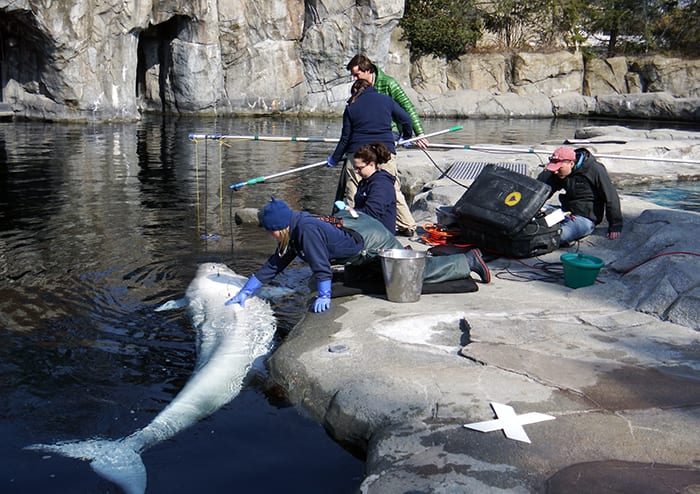
WHOI biologist Aran Mooney (black jacket) traveled to Mystic Aquarium in Mystic, Conn., to study hearing in beluga whales. Mooney, with Manuel Castellote from the NOAA National Marine Mammal Laboratory…
Read MoreHow Far We’ve Come
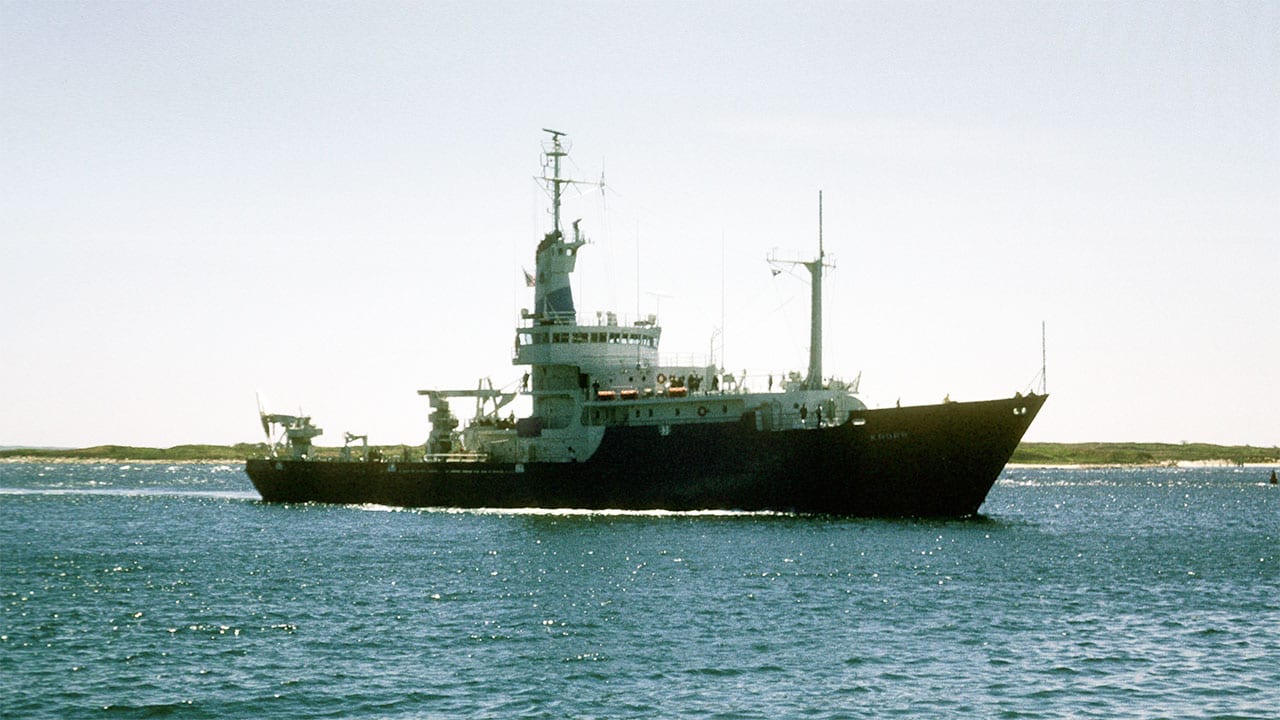
On a warm spring day in 1970, Capt. Emerson Hiller sailed R/V Knorr into Woods Hole for the first time (and did a smart pirouette to demonstrate the ship’s handling).…
Read MoreHello and Good-bye
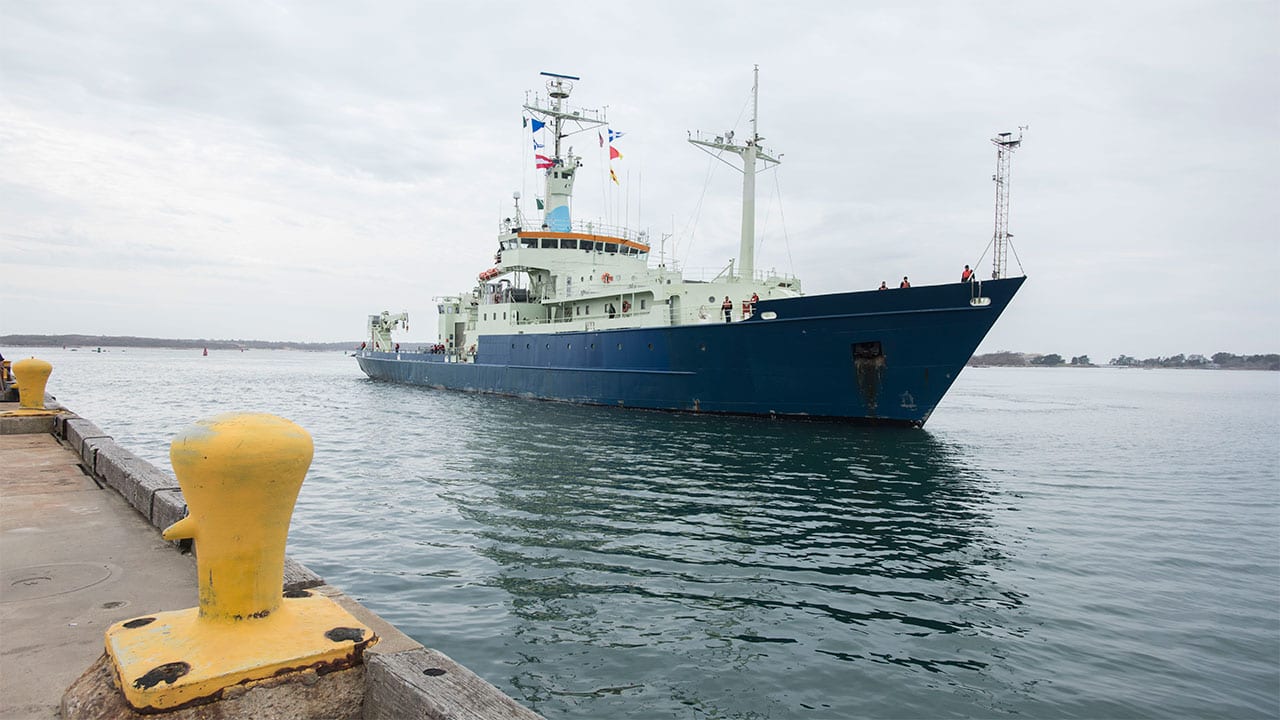
The Rio Tecolutla, formerly R/V Knorr, docked in Woods Hole for the final time last week when it returned from a training cruise with a crew of Mexican Navy personnel. Knorr was decomissioned in 2014…
Read MoreSummer Reunion
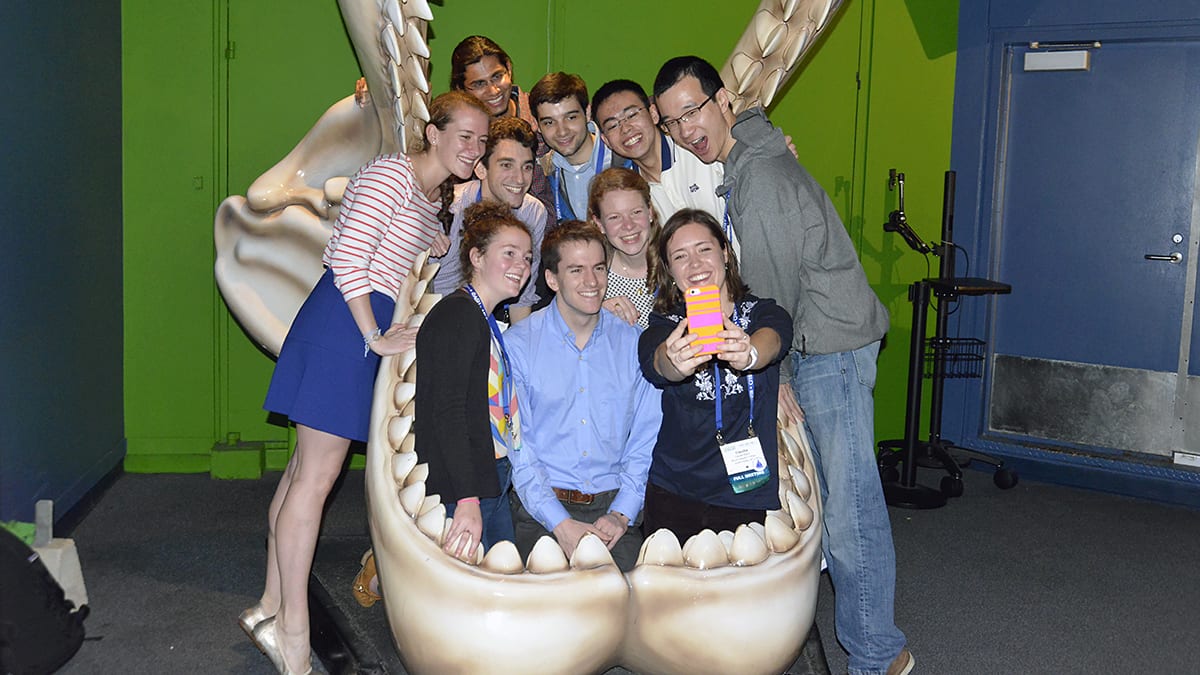
Members of the 2015 class of Summer Student Fellows posed for a reunion photo during a reception hosted by the Academic Programs Office at the recent Ocean Sciences Meeting in New…
Read MoreTragedy Then and Now
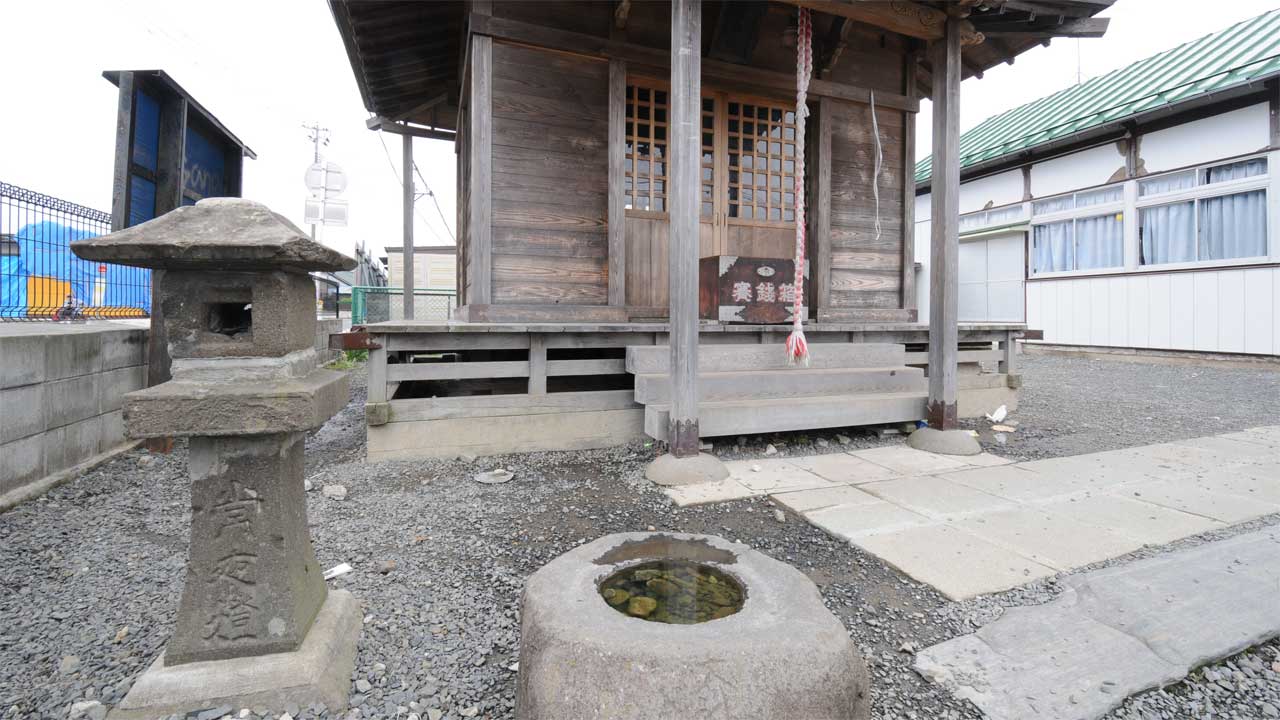
Namiwake Shrine in the city of Sendai stands in testament to the forces that have shaped the landscape, culture, and history of Japan. The shrine, whose name means “parted wave,”…
Read MoreBubble Lab
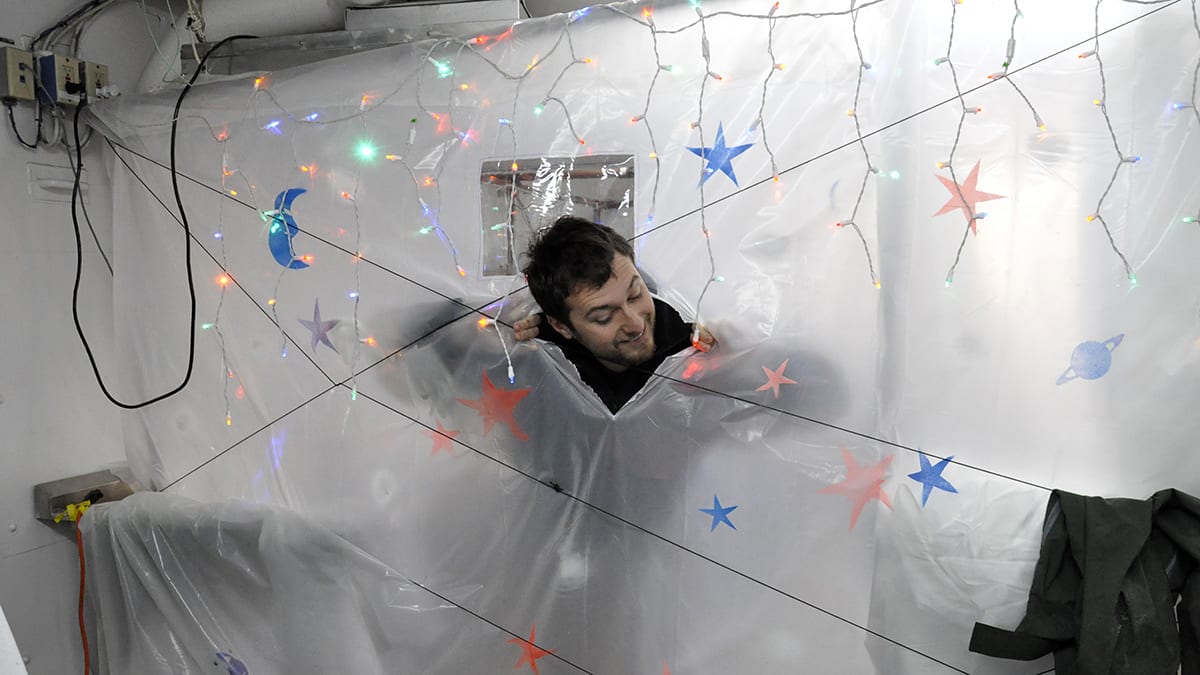
Scientists find ways to have a little fun amid the relentless hard work on long research cruises. Former MIT-WHOI Joint Program graduate student Dan Ohnemus pokes his head out of…
Read MoreGetting to the Core
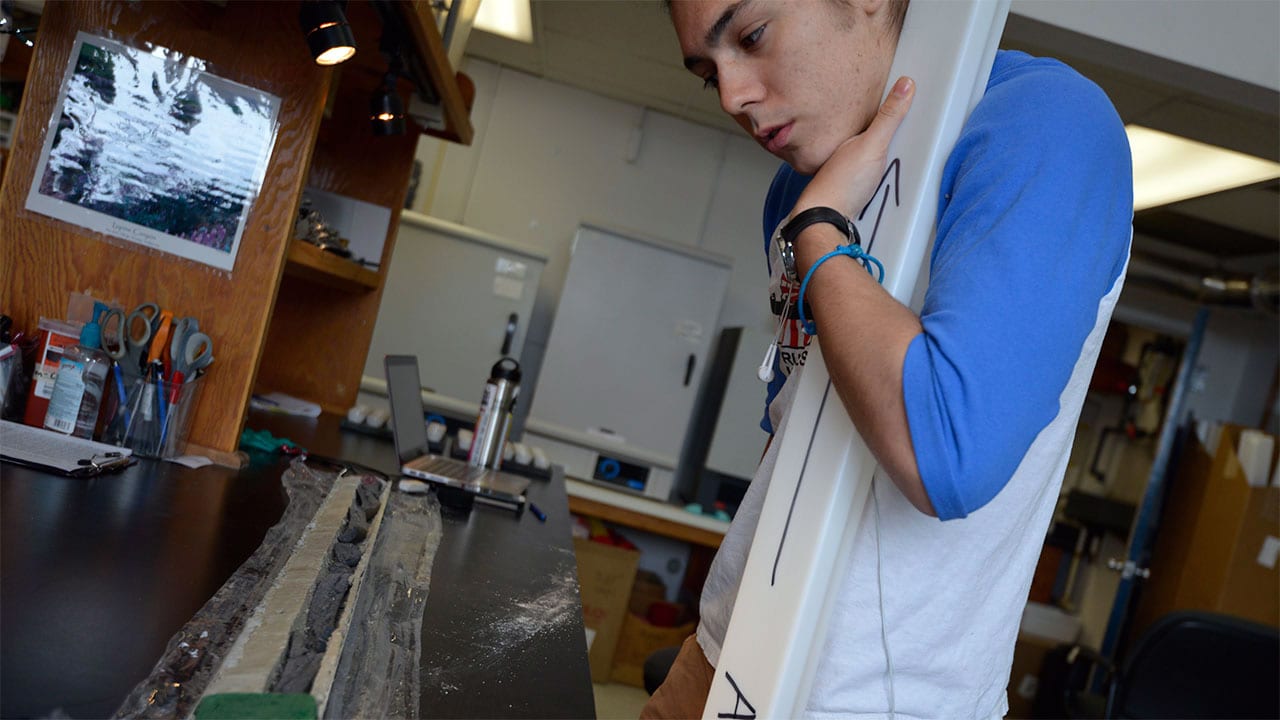
Maxwell Besser, a guest student from Northeastern University working in the Coastal Systems Group Lab, examines a sediment core from the Bahamas that he has been analyzing for signs of…
Read MoreFungus Beneath Us
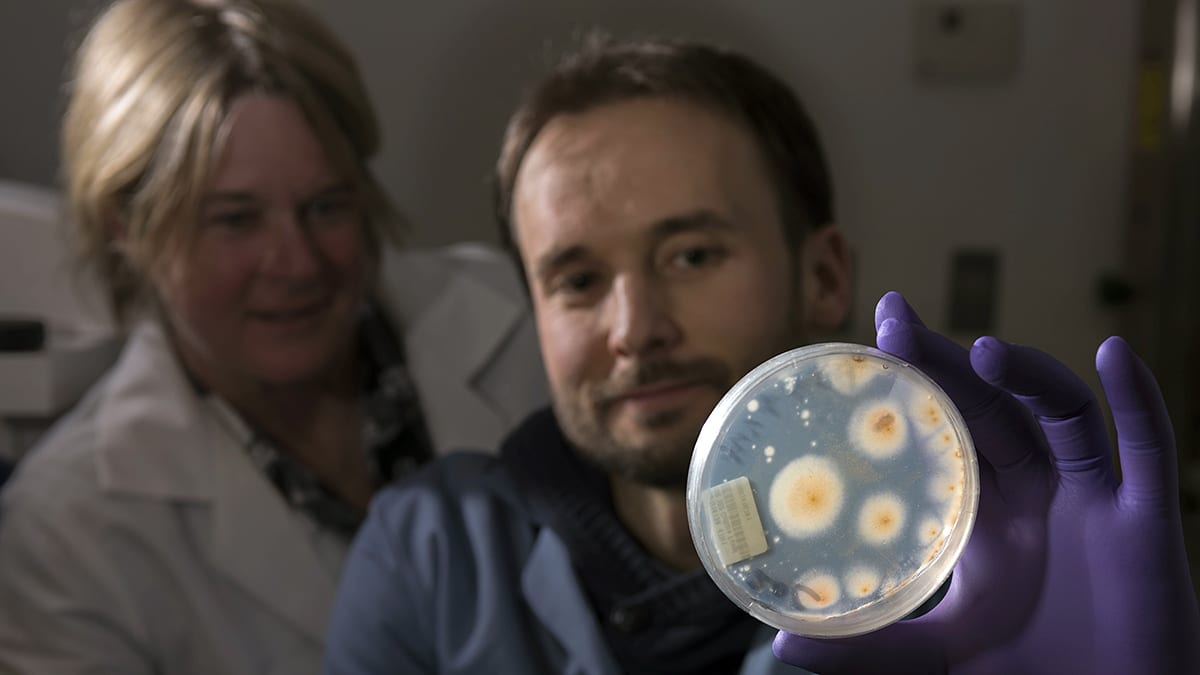
WHOI microbiologist Ginny Edgcomb (background) studies organisms that live deep beneath the seafloor. In January 2016, Edgcomb was in the Indian Ocean aboard the drillship JOIDES Resolution, on the first…
Read MoreWing-footed Wonders
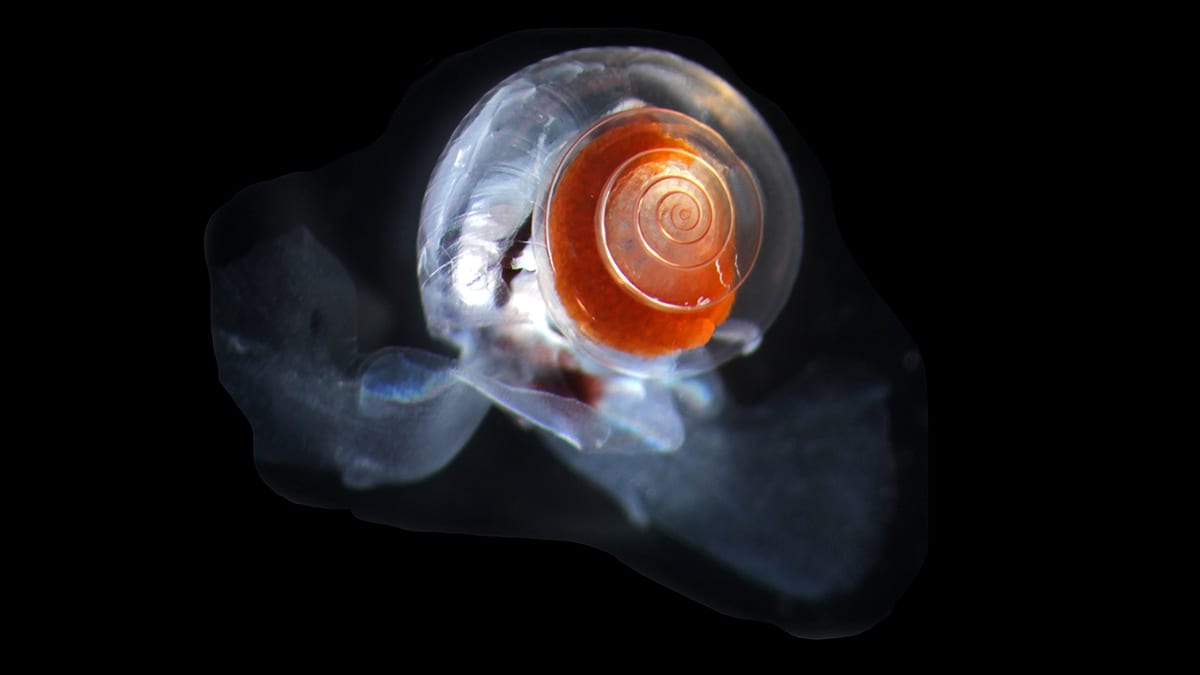
These tiny marine snails are called pteropods (“wing-foot”), or sometimes “sea butterflies,” because of their winglike swimming appendages. Pteropods are plankton that drift in the ocean, providing food for fish…
Read MoreFukushima and Radiation in the Ocean: How much?
Fukushima released radioactive water into the Pacific. Explore how much, how it spread, and what it means for ocean health, seafood, and human safety.
Read MoreNot What It Seemed
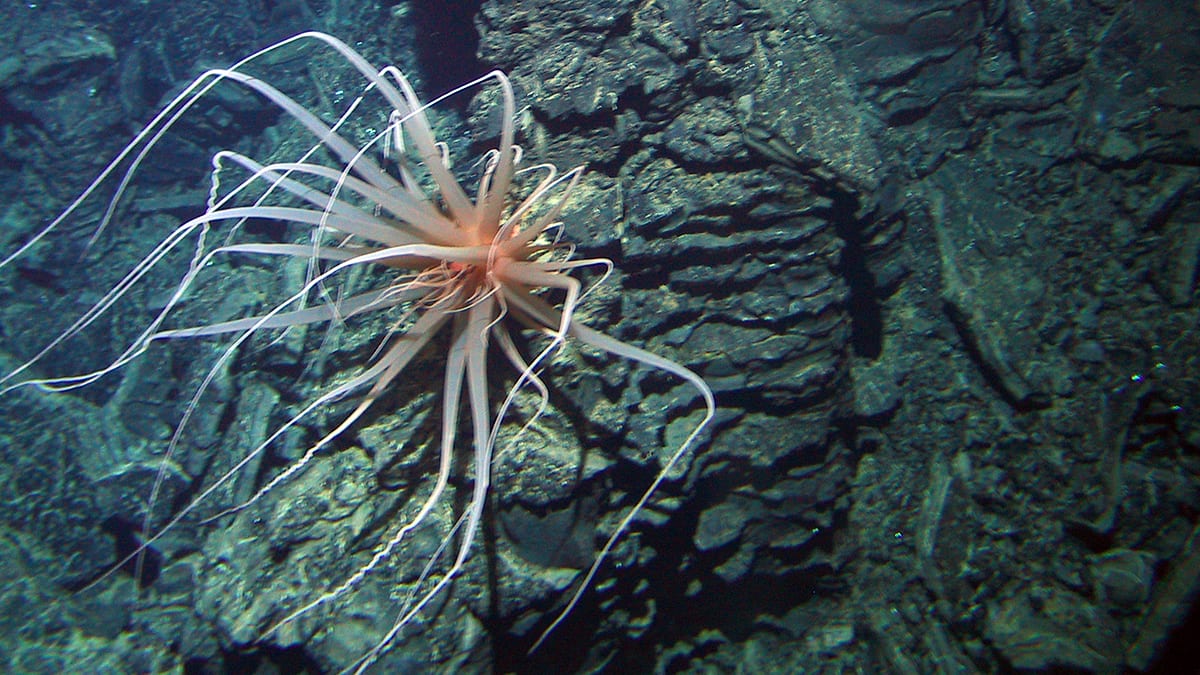
Over its half-century career, the submersible Alvin has allowed scientists to discover many previously unknown deep-sea creatures, including tubeworms, hagfish, and the Yeti crab. An Alvin pilot collected a sample…
Read More