
Multimedia
Branching Out
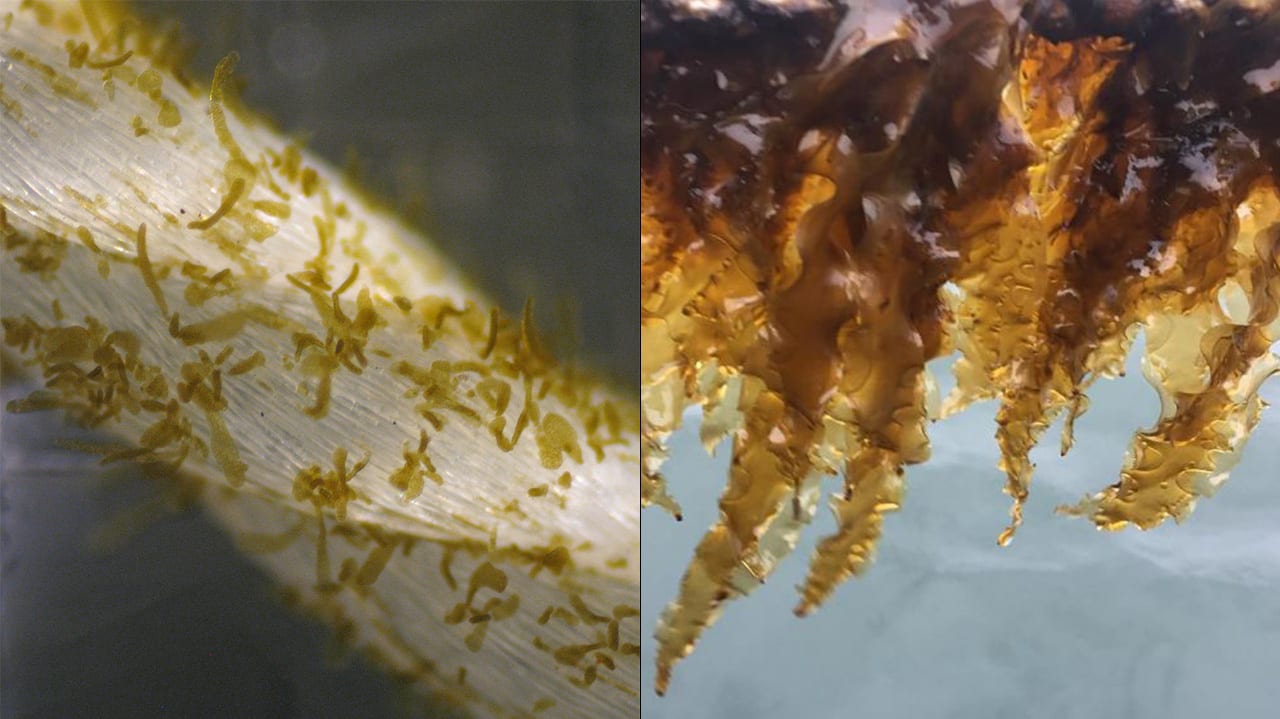
In two months, young kelp less than 1 millimeter long (left) will grow nearly one foot (right) and, in six months, will be over six feet and ready for harvest.…
Read MoreCorals Reveal Past Climate
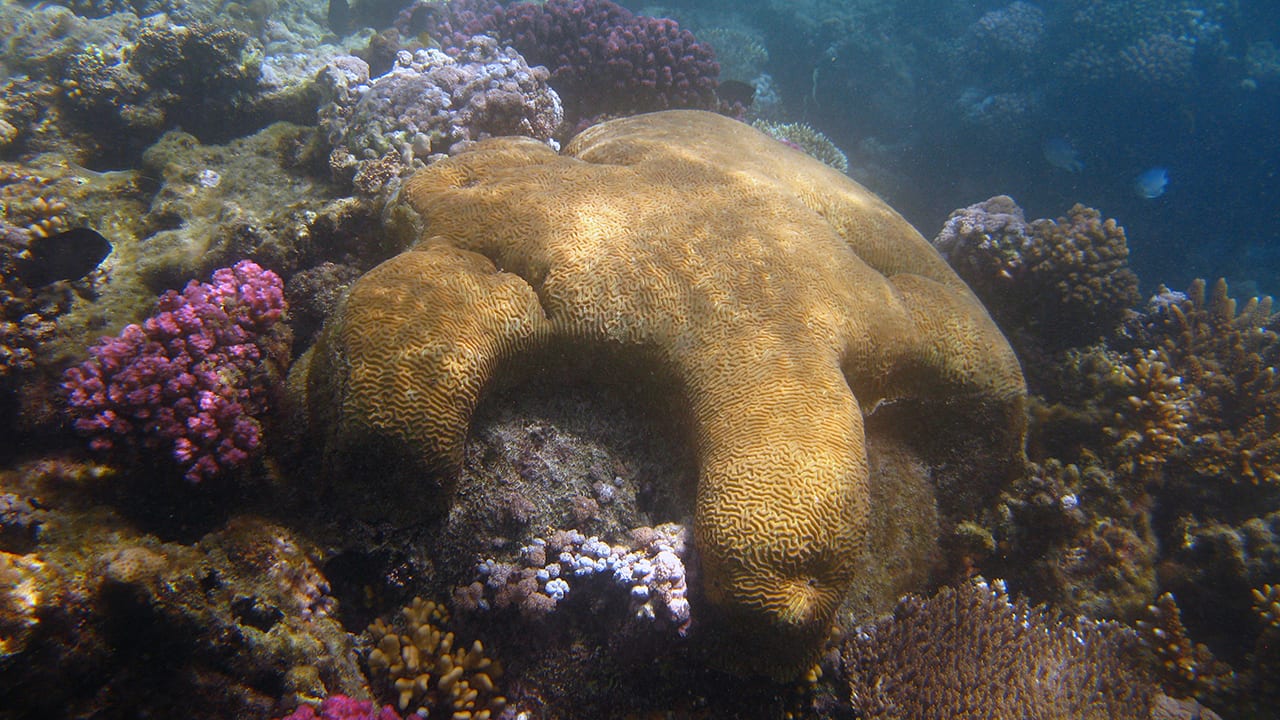
WHOI paleoclimatologist Konrad Hughen studies the history of Earth’s changing climate—using corals. The tiny living coral animals, known as polyps, lay down a new layer of calcium carbonate skeleton each…
Read MoreVince’s Cross
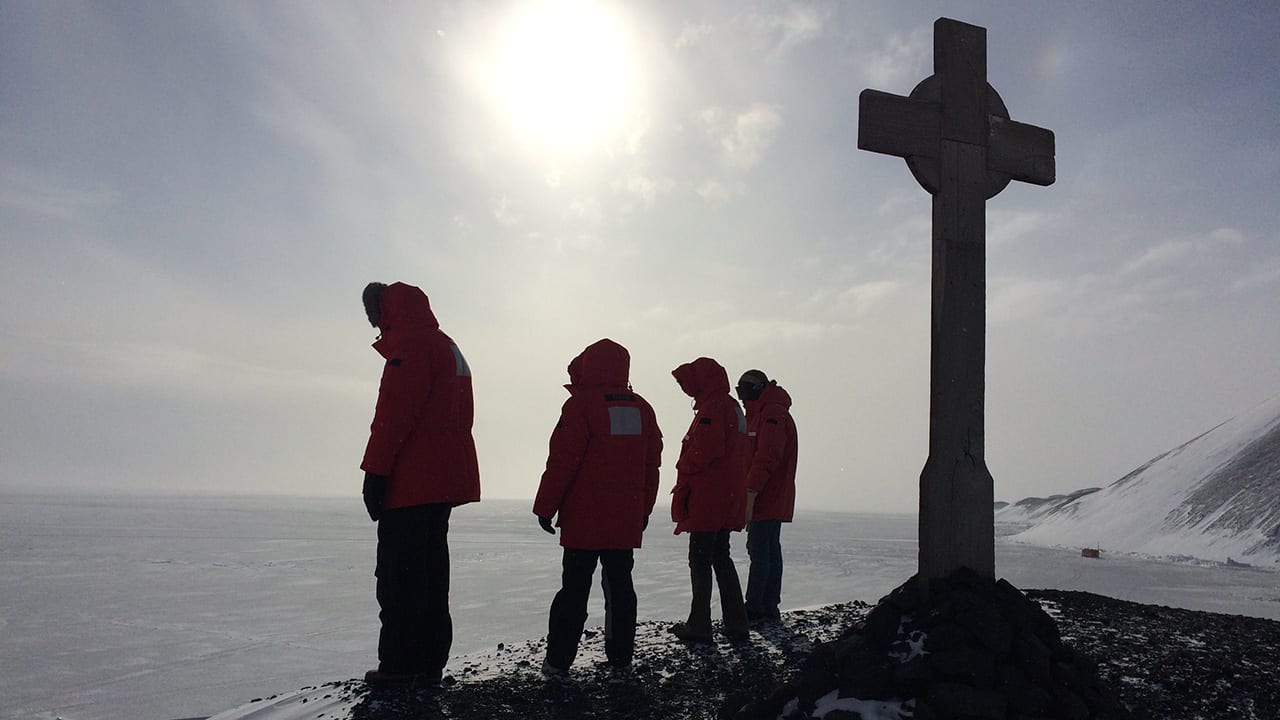
George Vince’s cross is a popular destination for visitors to McMurdo Station, the U.S. research base in Antarctica, and New Zealand’s Scott Base. MIT-WHOI Joint Program graduate student Laura Stevens…
Read MoreTower of Power
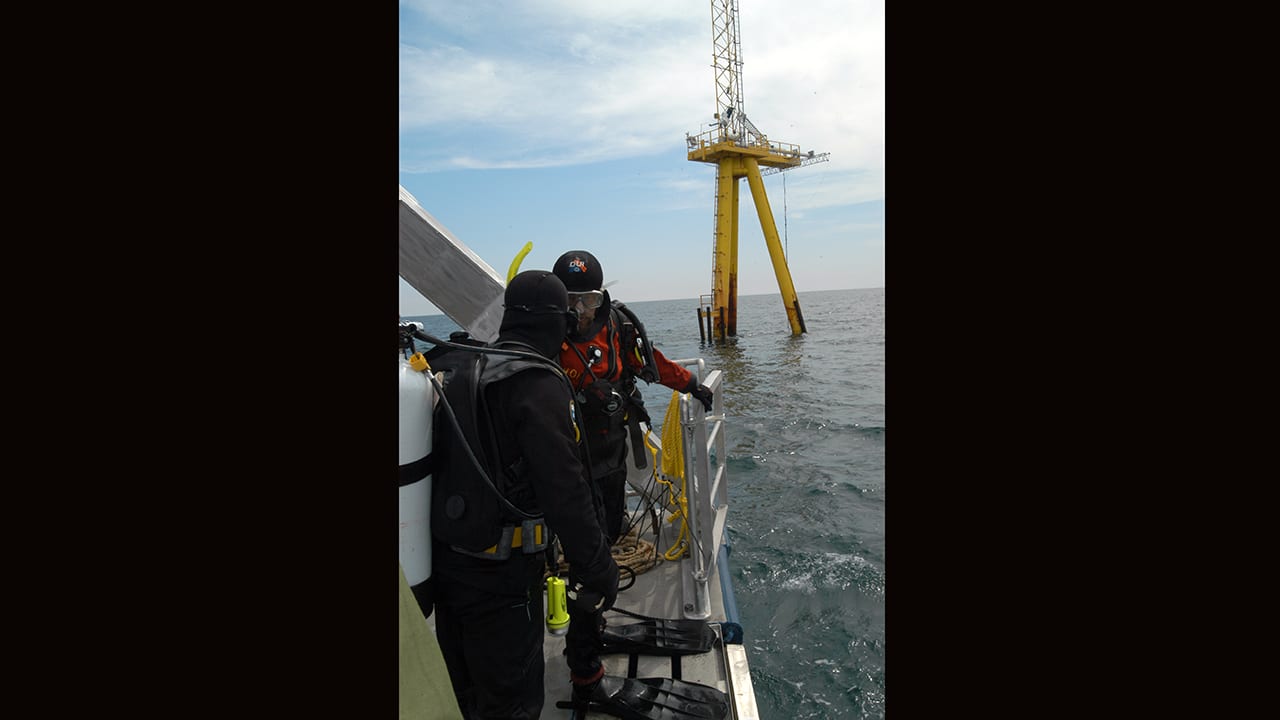
Divers prepare to attach an instrument to the Martha’s Vineyard Coastal Observatory (MVCO) air-sea interaction tower. The MVCO is a research and engineering facility operated by WHOI to facilitate regional…
Read MoreUndersea Acoustics
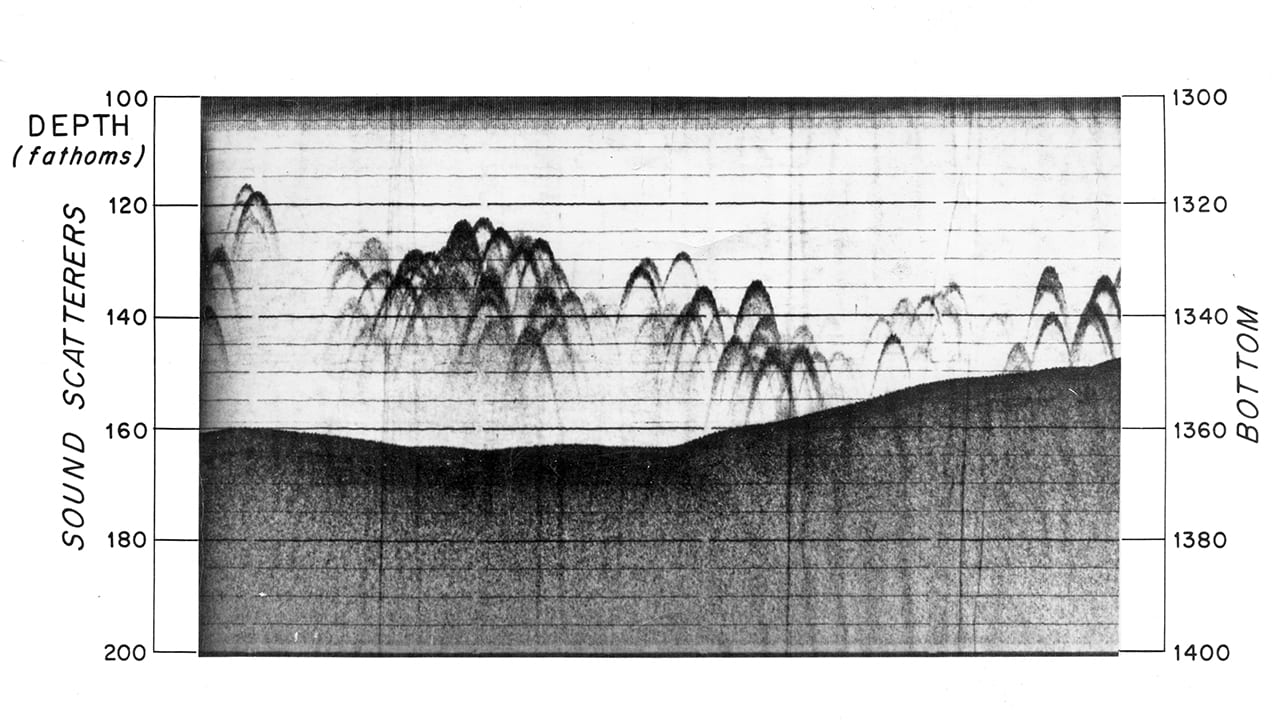
The marks on this figure are acoustic traces, the visual representations of underwater sounds recorded at sea sometime around 1960. Sounds such as these interfered with the U.S. Navy’s ability…
Read MoreLine Test
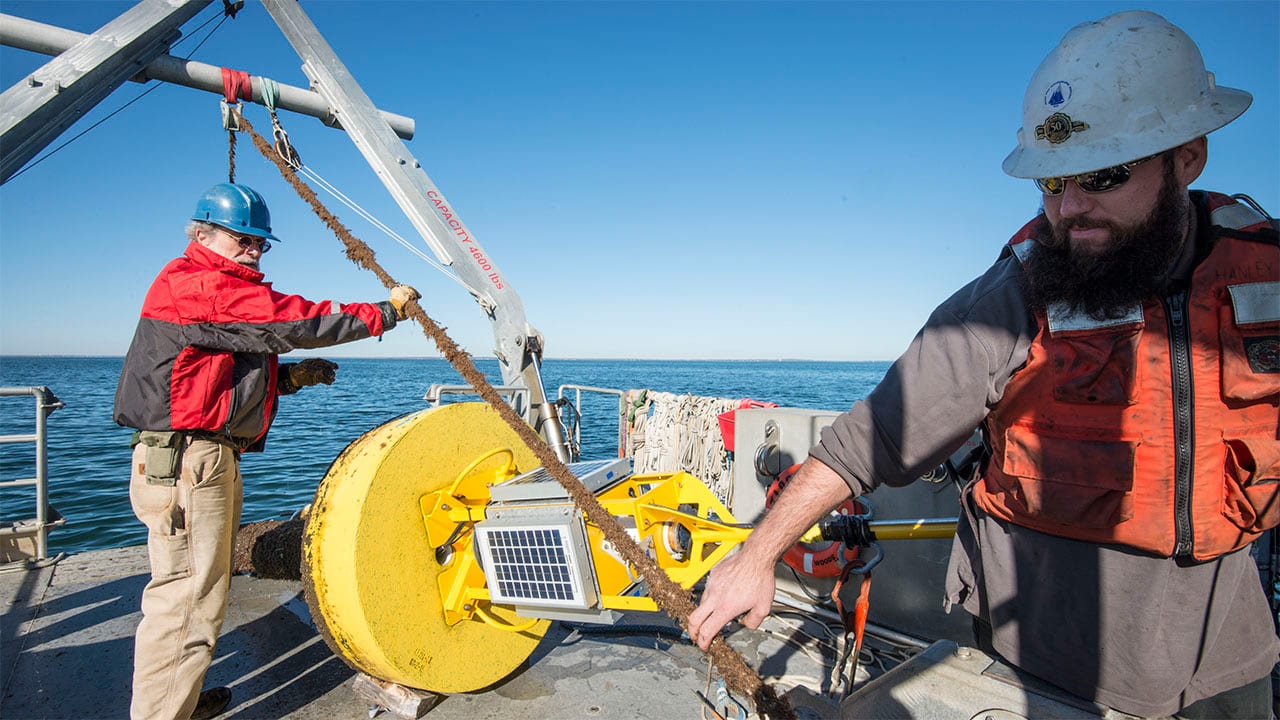
WHOI research specialist Frank Bahr (left) and R/V Tioga first mate Ian Hanley recover a storm buoy from Buzzards Bay last November. Engineers at the University of Maine designed the…
Read MoreA Visit to the Upgraded Jason
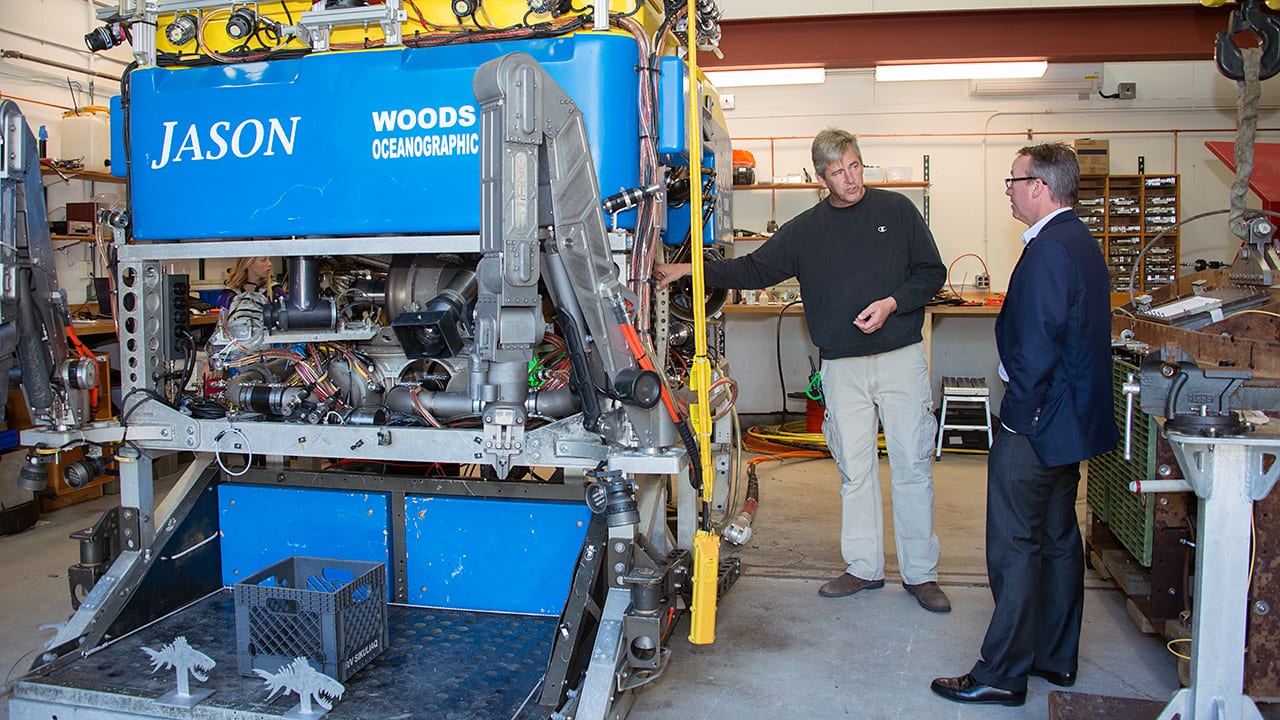
David Scully (right), chair of the WHOI Board of Trustees, visits with Tito Collasius, expedition leader for the remotely operated vehicle Jason, to hear about the deep-sea vehicle’s recent major…
Read MoreTracing the History of Hurricanes
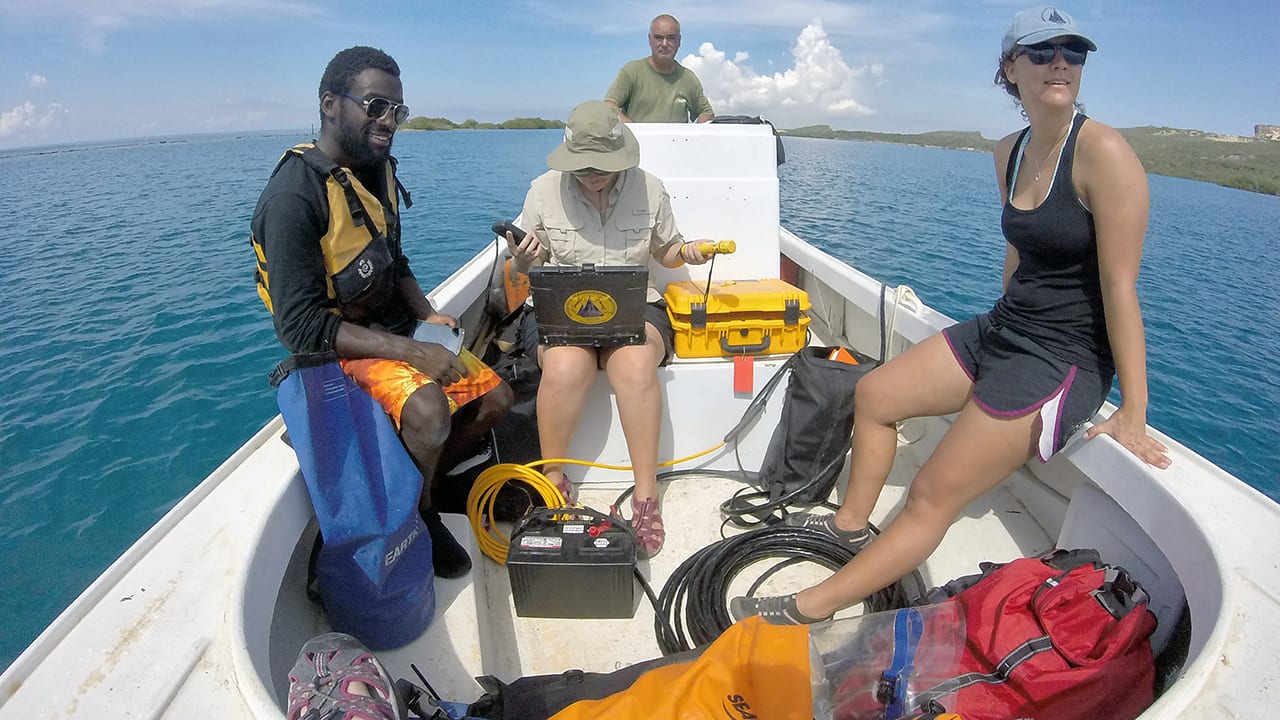
WHOI guest student Dan Litchmore and research assistants Charlotte Wiman and Nicole D’Entremont (left to right) conduct a sonar survey of coastal ocean bottom sediments near the Caribbean island of…
Read MoreSeal Whisker Sensor
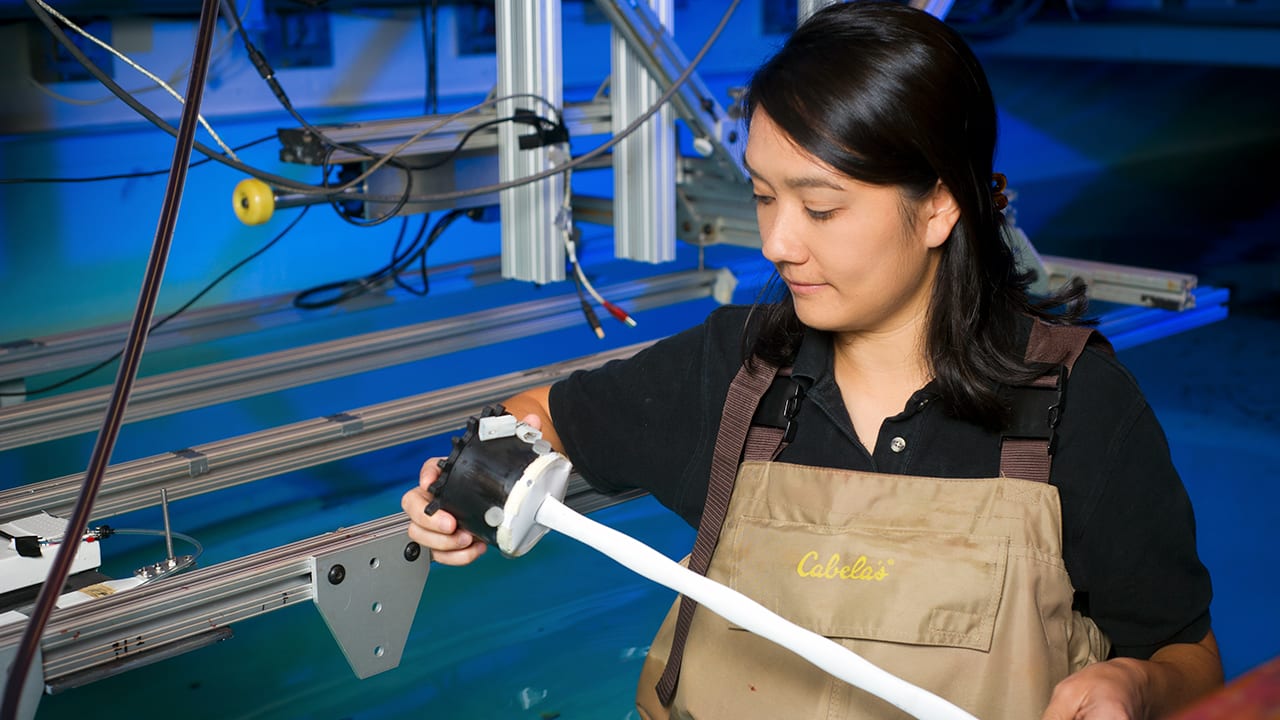
Heather Beem earned her Ph.D. in the MIT-WHOI Joint Program in Oceanography working biomimetics: using features observed in nature to inform the design of new technologies. She closely examined seal whiskers…
Read MoreThe Great Calcite Belt
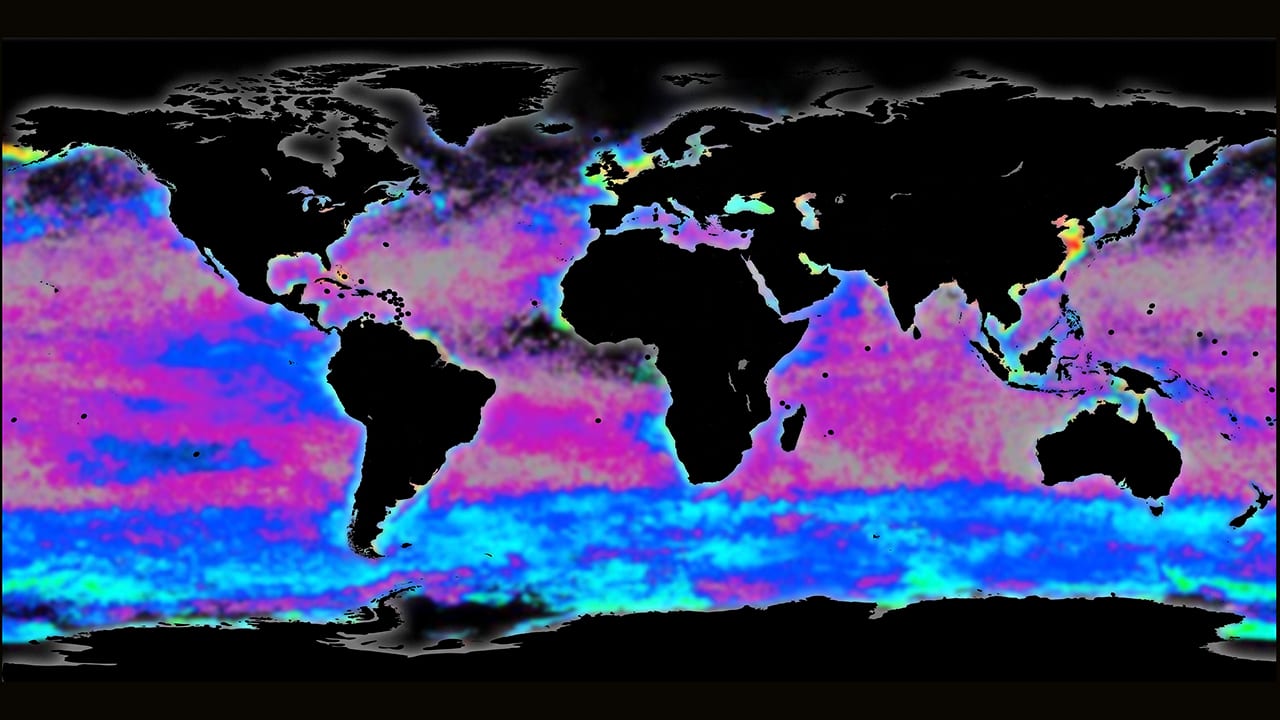
The Great Calcite Belt appears from space as a vast milky-white band in the ocean encircling Antarctica. Its color comes from rich concentrations of the mineral calcite in waters near the…
Read MoreFriend and Foe
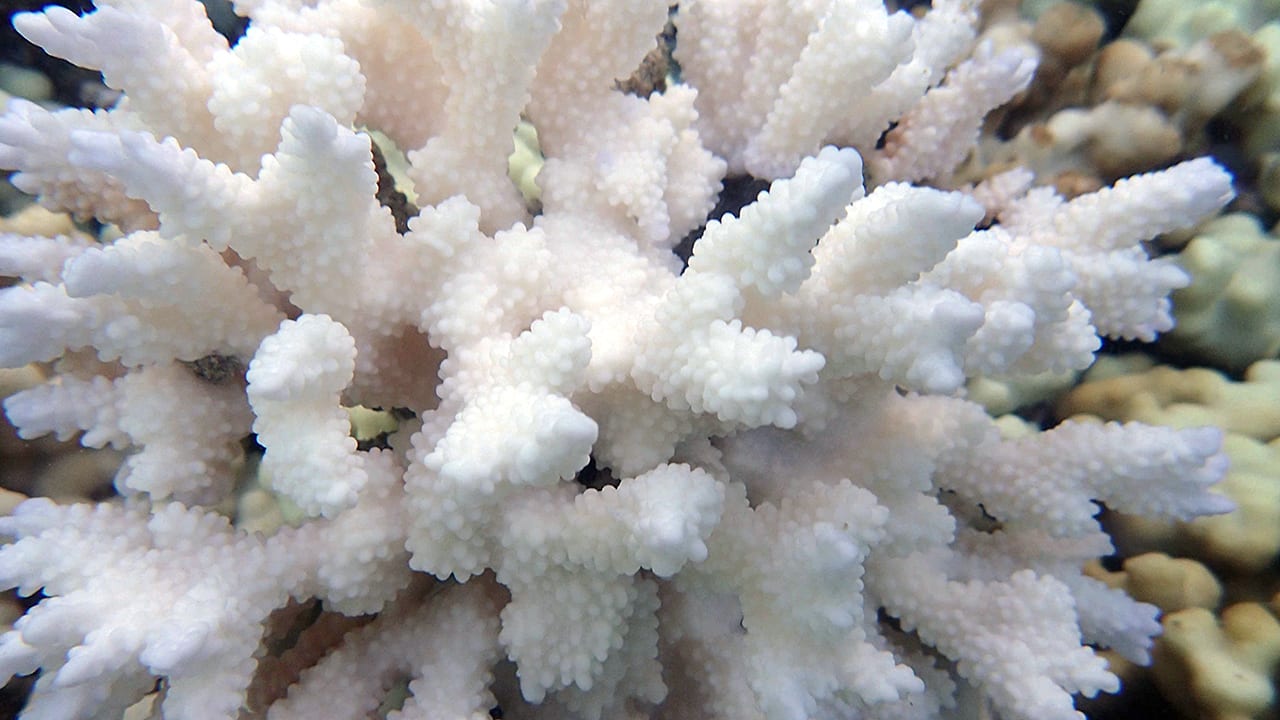
Superoxide, a natural toxin produced by all oxygen-breathing organisms, has long been vilified when it comes to coral health. When stressed corals produce too much of this toxin in their…
Read MorePathway to Resilience
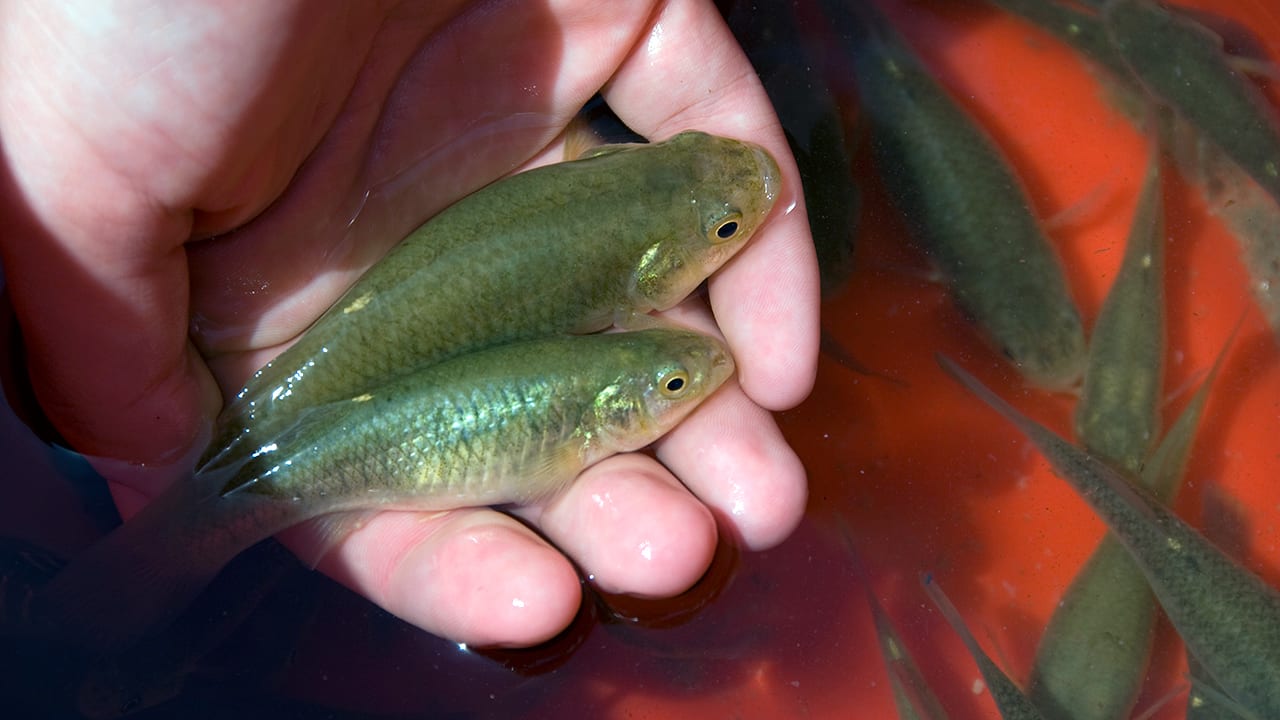
Why are some species of fish able to adapt to pollution levels that are lethal to others? To answer that question, WHOI biologists Mark Hahn and Sibel Karchner are studying…
Read MoreUncovering Undersea Marvels
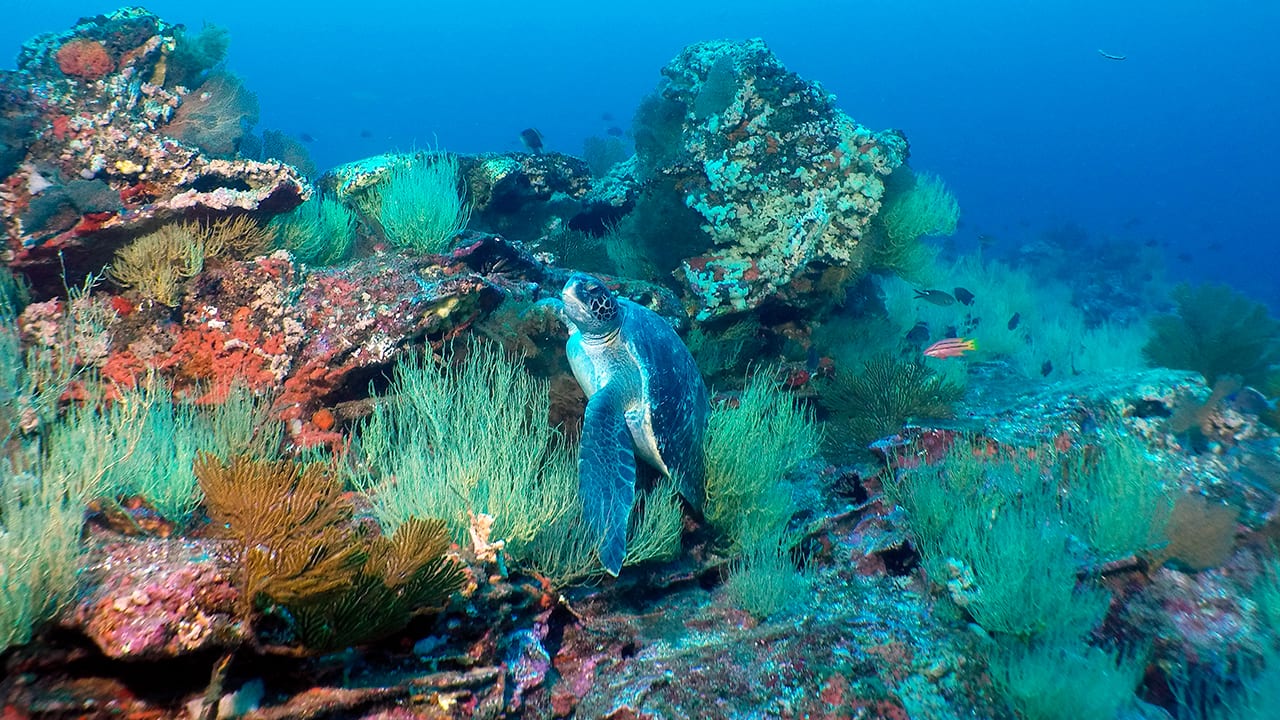
A green turtle makes its way through the diverse reef community on a seamount in the Galápagos archipelago. In 2015, an expedition led by WHOI geologist Adam Soule conducted acoustic…
Read MoreParsing Microbial Proteins
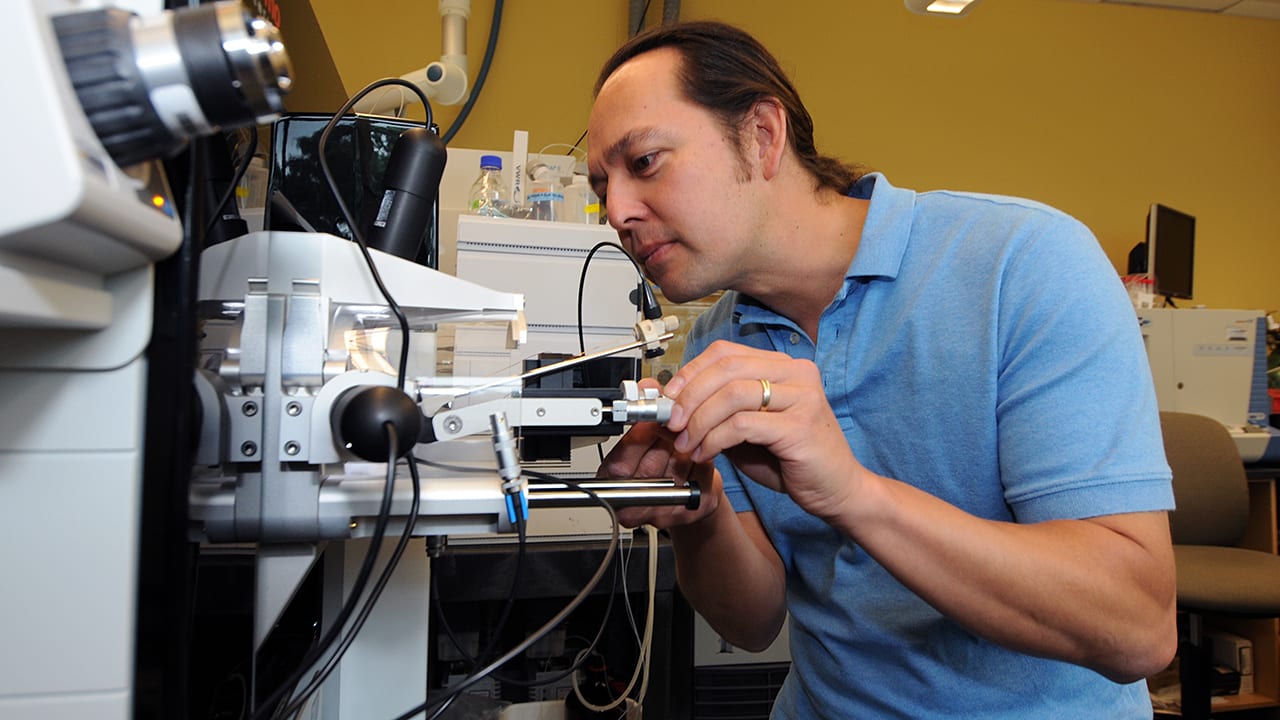
WHOI biogeochemist Mak Saito inspects a new mass spectrometer in his lab. He’ll use the instrument for his research in proteomics, a branch of biochemistry involving the large-scale study of…
Read MoreSAW
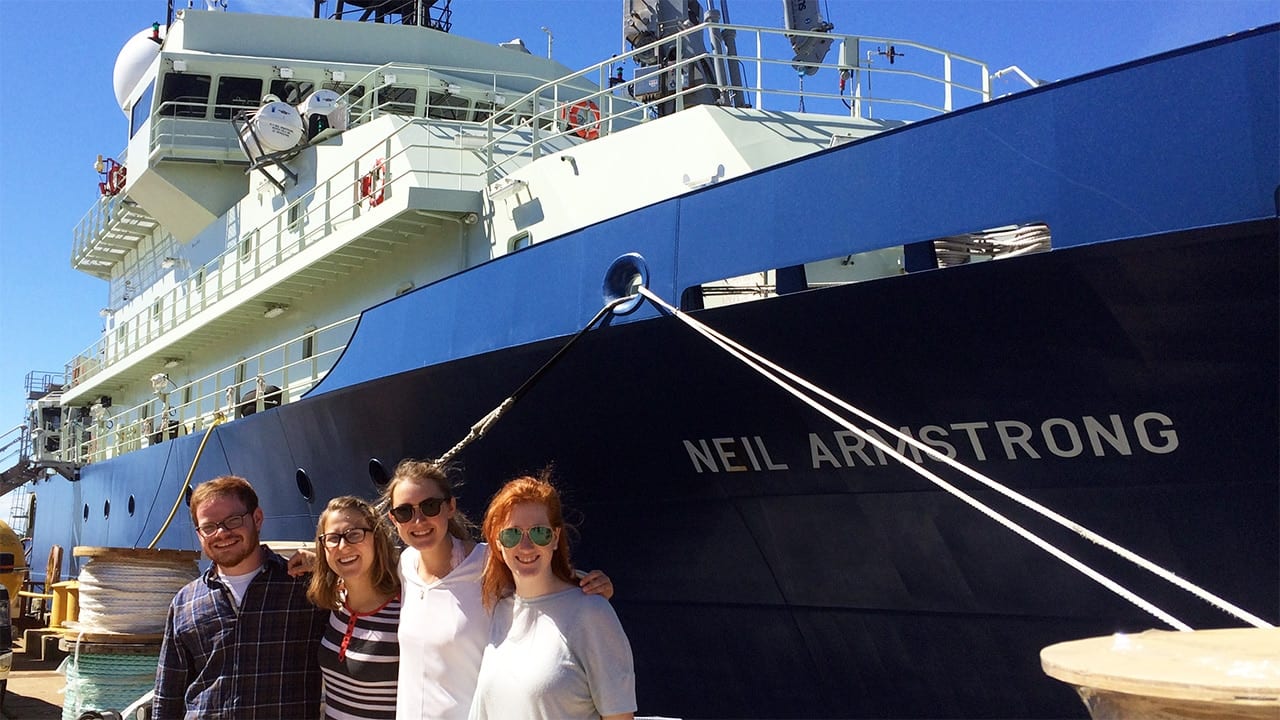
Day 1 for A2

The research vessel Atlantis II slid off the ways in Baltimore, Maryland, after being christened by WHOI biologist Mary Sears in 1962. The “A2,” as it became known, was named…
Read MoreLooking Under the Stern
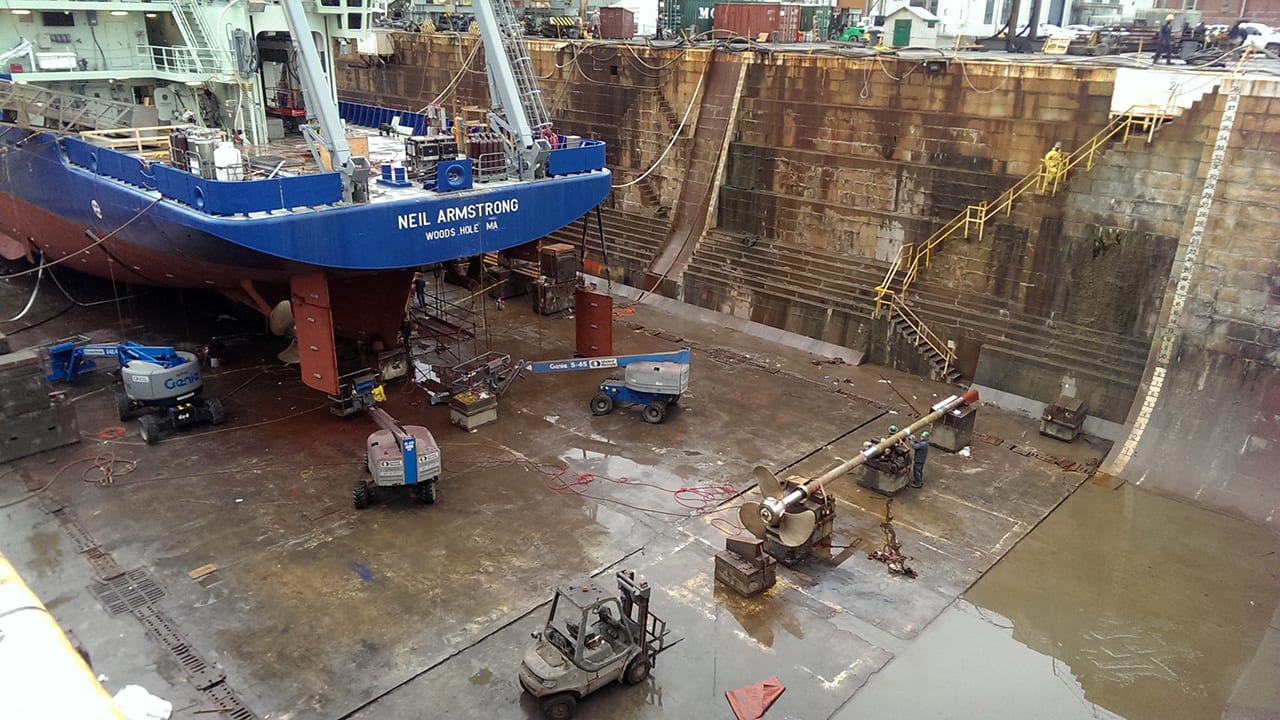
Even a ship as new as R/V Neil Armstrong has to undergo periodic inspection to make sure all is well. During an ongoing period in a shipyard in Charleston, S.C., that includes…
Read MoreStatus Updates from Sharks
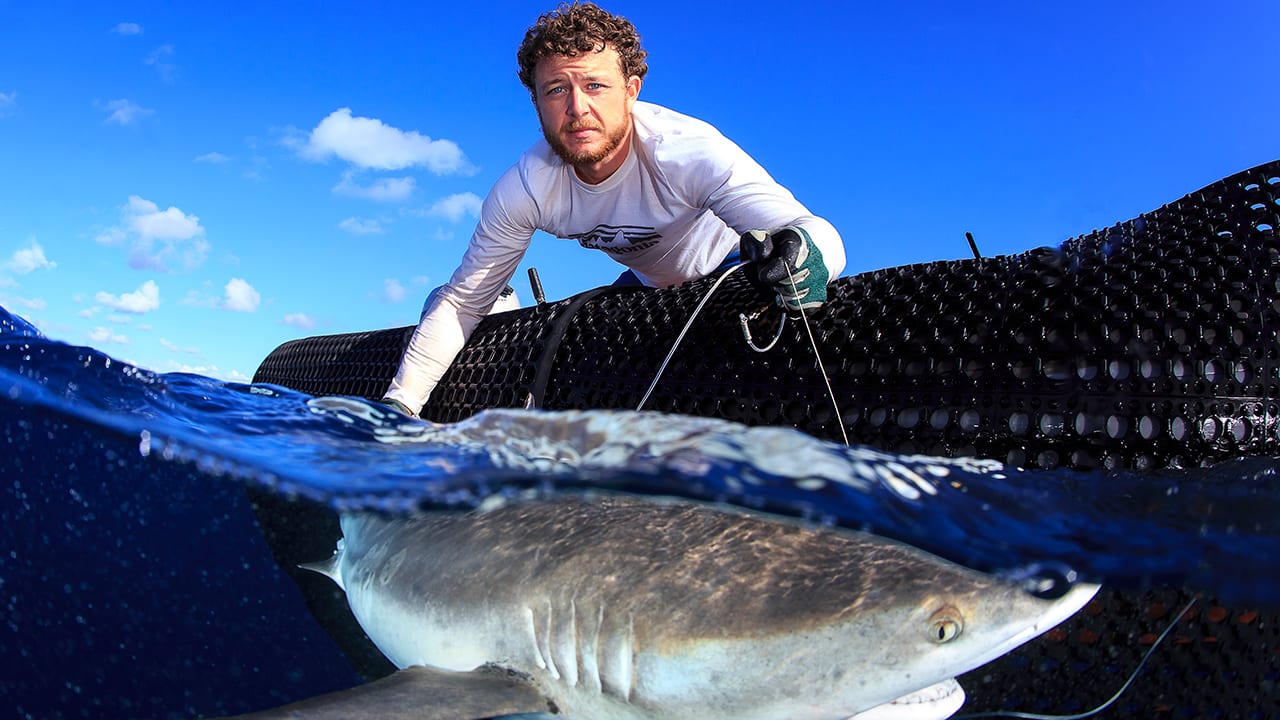
Camrin Braun, a student in the MIT-WHOI Joint Program, tracks the behavior of blue and mako sharks, apex predators that maintain oceanic diversity. First, he attaches satellite tags to sharks…
Read MoreClose but Quiet
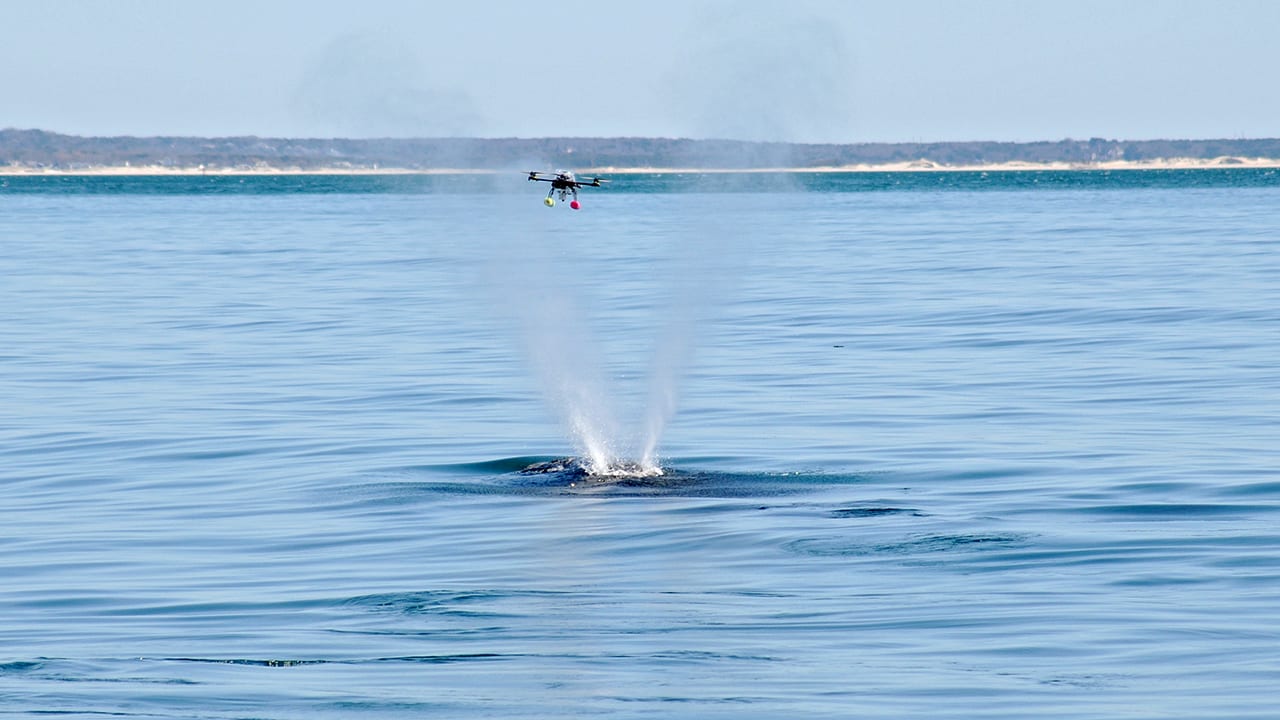
A remotely controlled hexacopter hovers above a North Atlantic right whale in Cape Cod Bay. Researchers at WHOI and NOAA’s Southwest Fisheries Science Center are collaborating to collect samples of whale…
Read MoreTo Pito Deep
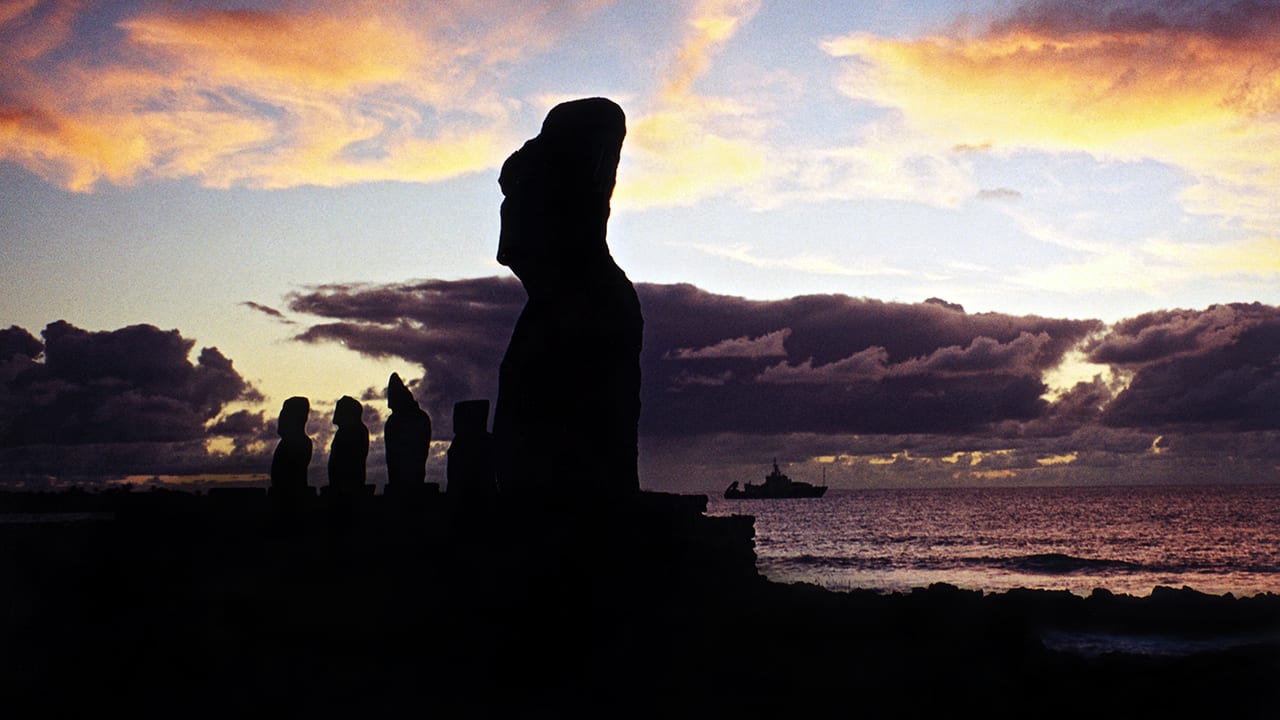
The research vessel Atlantis is currently in Easter Island, as it was in this photo in 1998, and is preparing to begin an expedition to Pito Deep with the remotely…
Read MoreTailing a Fast Squid
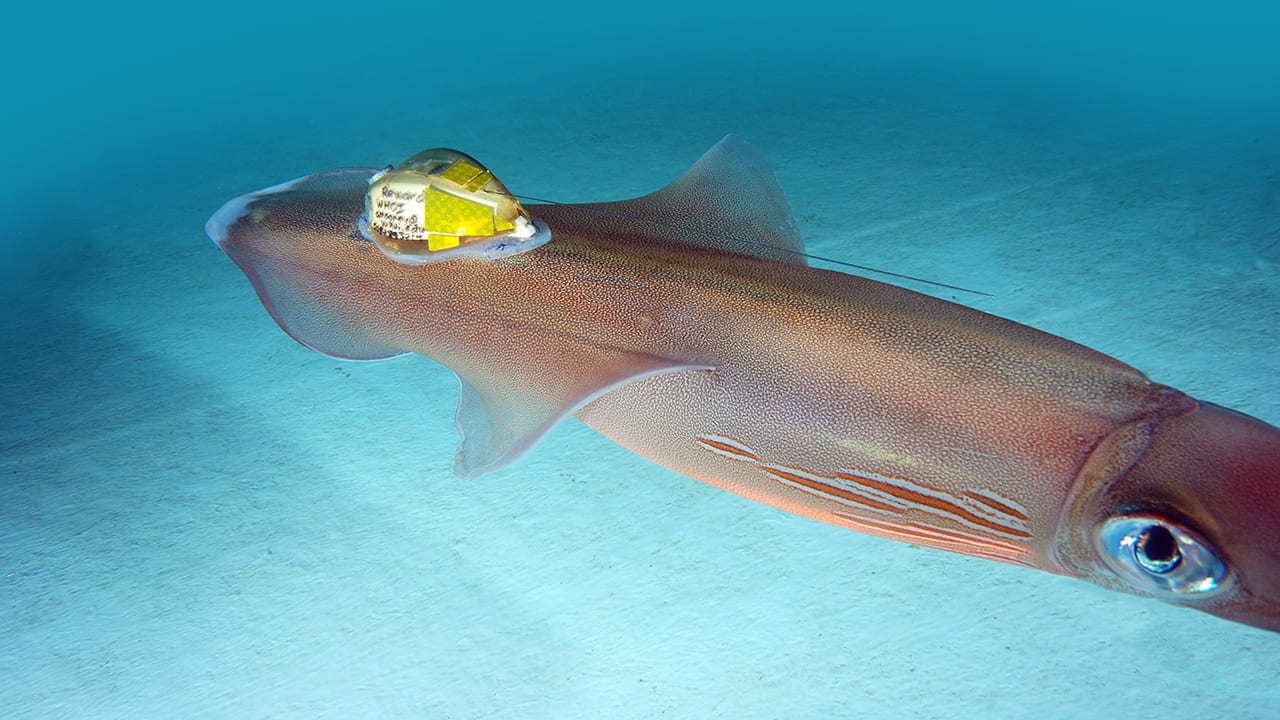
This sleek squid sports a futuristic tail ornament. WHOI biologist Aran Mooney and collaborators at Stanford University and the University of Michigan developed a way to attach data-logging tags to…
Read MoreSolving a Methane Mystery
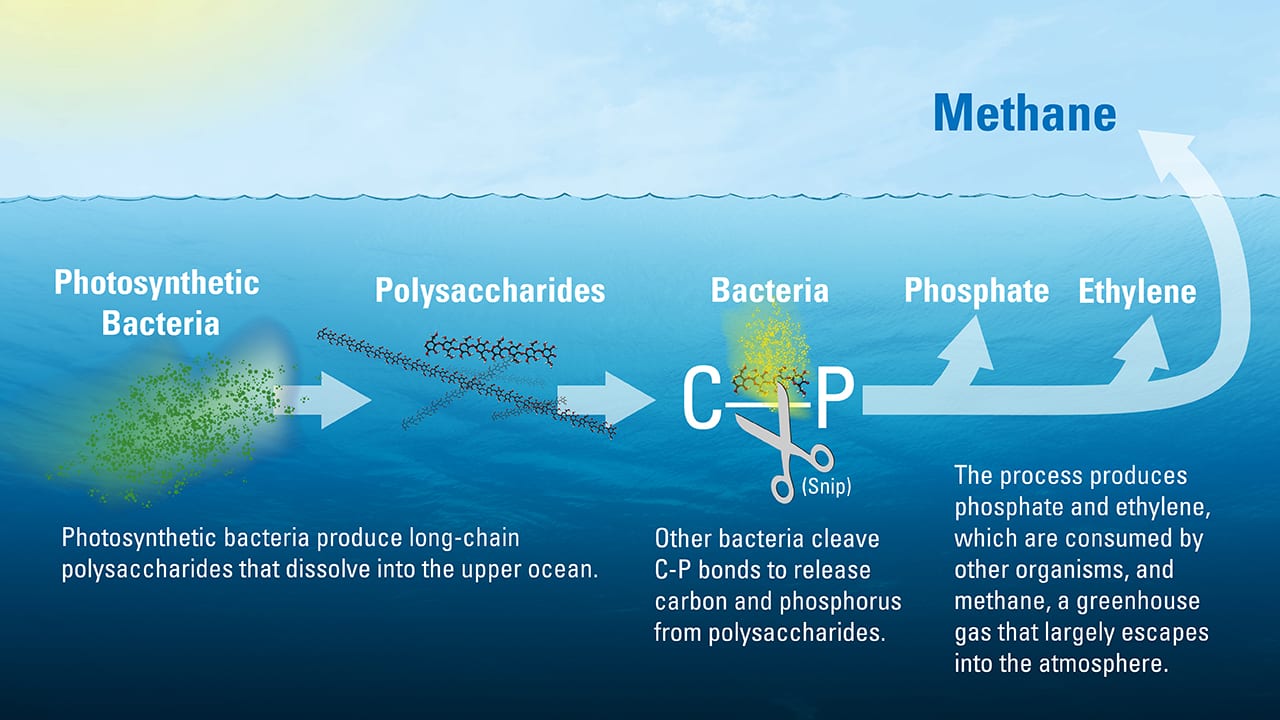
An enduring ocean mystery may finally be solved. For decades, scientists have known that the ocean’s surface waters are full of methane gas. But they didn’t know where it came…
Read MoreDigging into Past Climate
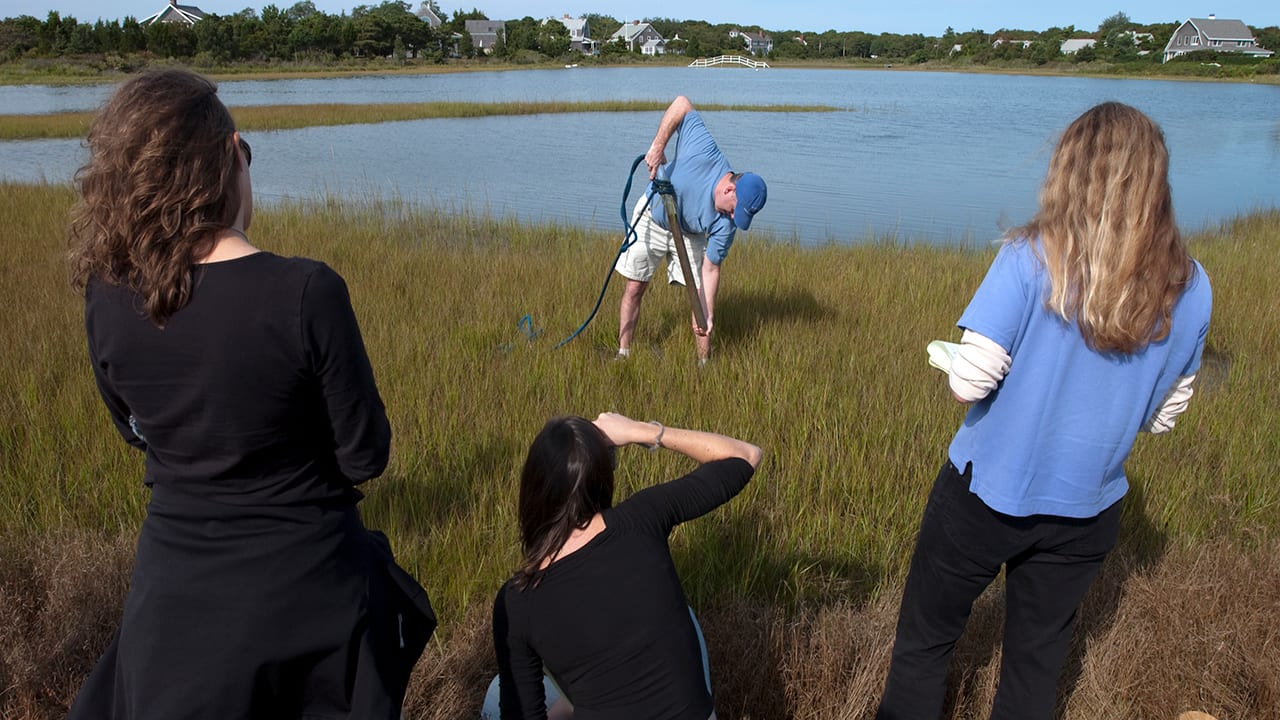
WHOI coastal geologist Jeff Donnelly extracts a tube of sediment from a Cape Cod marsh as participants in the Ocean Science Journalism Fellowship look on. Sediment in a marsh builds…
Read MoreEngineering a Deep-sea Search
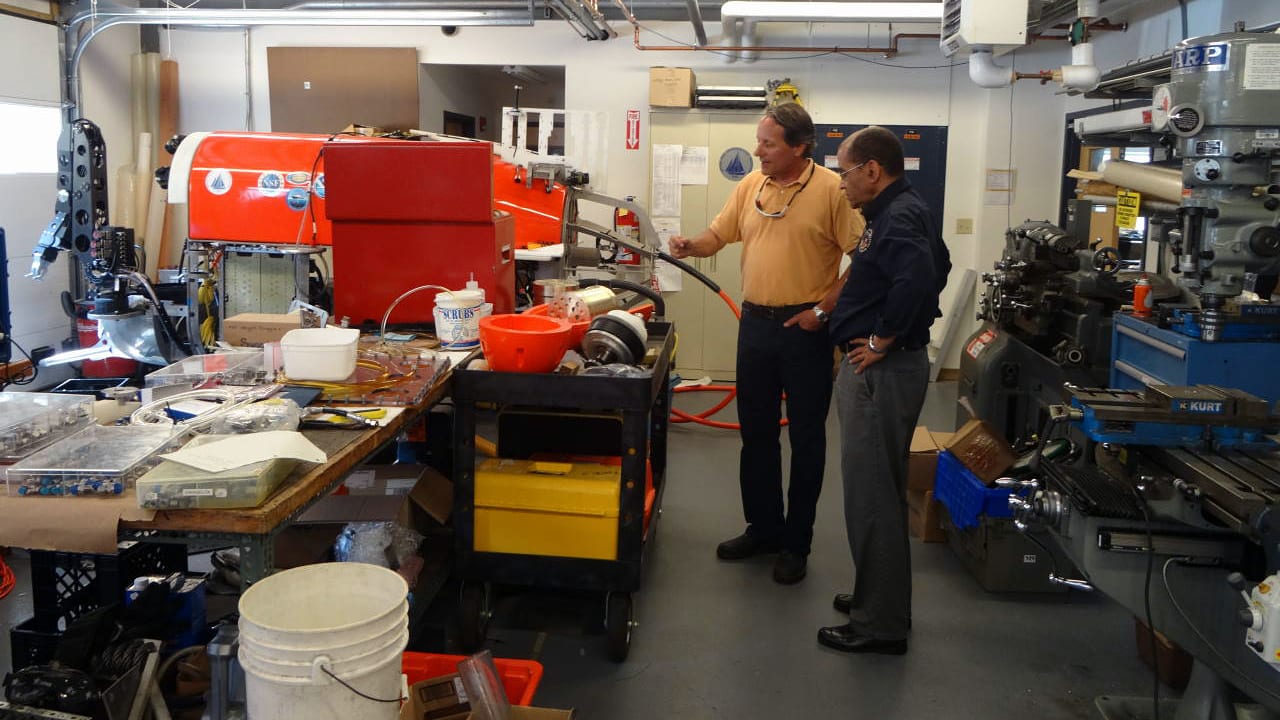
After WHOI assisted the National Transportation Safety Board (NTSB) and the U.S. Coast Guard in locating the voyage data recorder (VDR) from the sunken cargo ship El Faro, NTSB Chairman…
Read More