
Multimedia
STRATUS Status
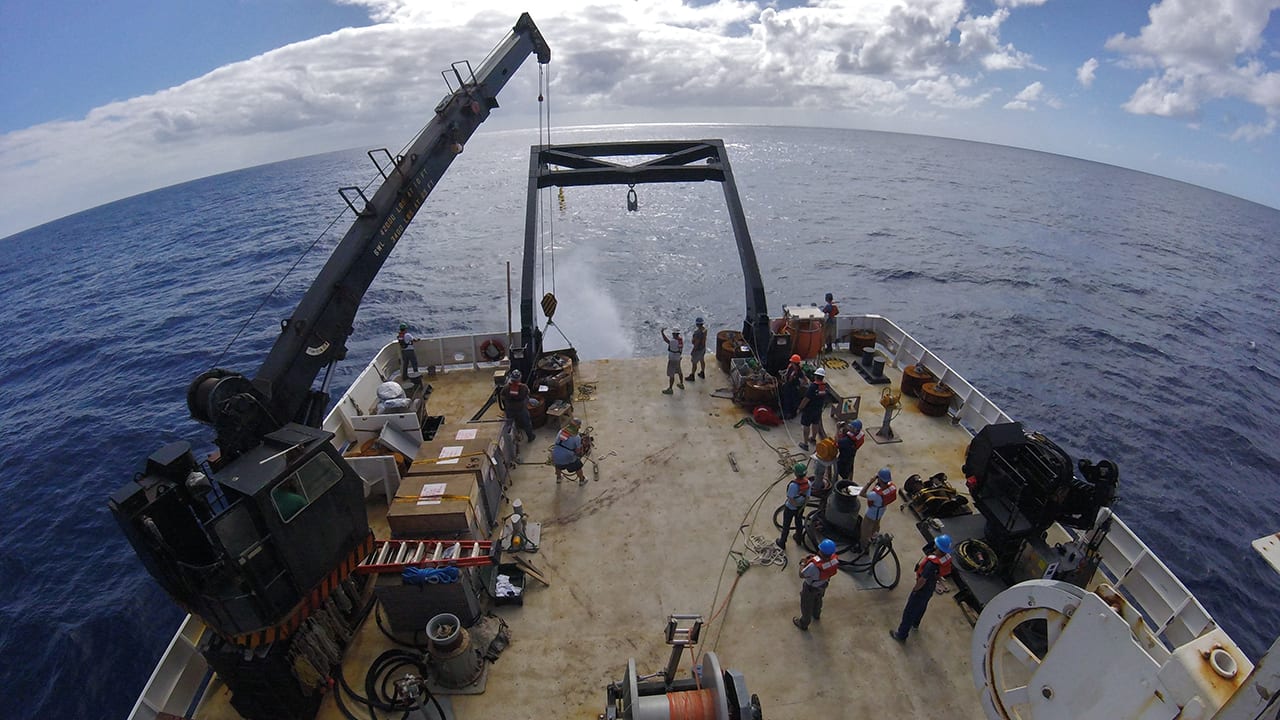
Members of the WHOI Upper Oceans Processes Group aboard the NOAA ship Ronald H. Brown drop the anchor to deploy a surface buoy in a long-term study on air-sea interactions in the eastern…
Read MoreDigging Into the History of Floods
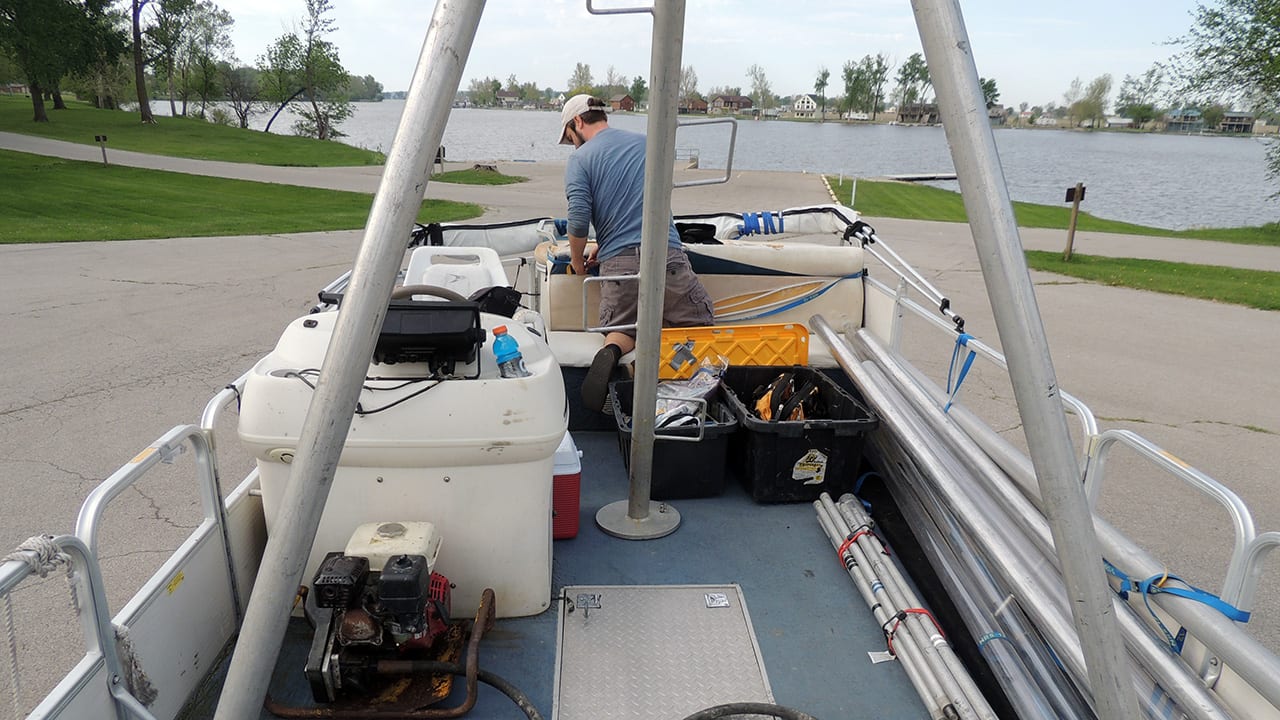
WHOI postdoctoral scholar Sam Muñoz prepares the small research vessel Arenaria for launch in Big Lake, Missouri, this spring. Muñoz used the tripod in the foreground to extract sediment cores…
Read MoreThose Who Can Do, Teach
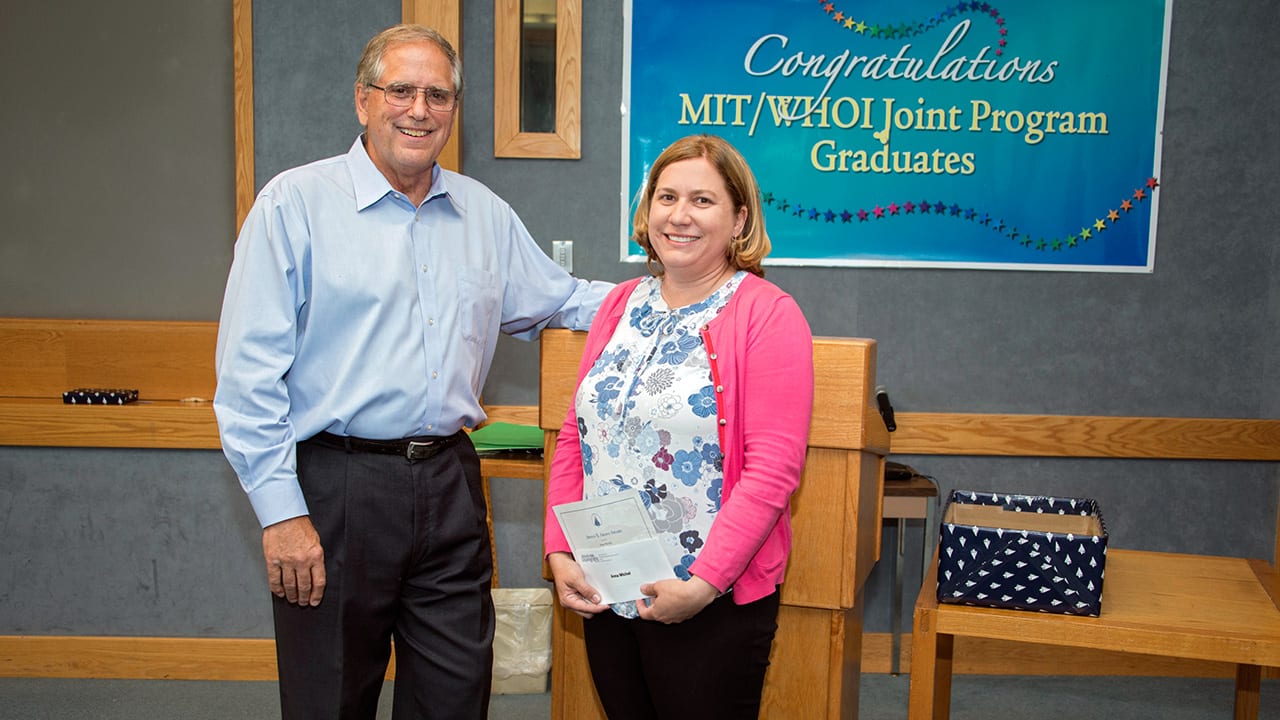
Anna Michel, an assistant scientist at WHOI, received the 2017 Arnold B. Arons Award from Vice President for Academic Programs and Dean Jim Yoder at the MIT-WHOI Joint Program graduation reception in June.…
Read MoreUnderwater Imaging at the East Pacific Rise
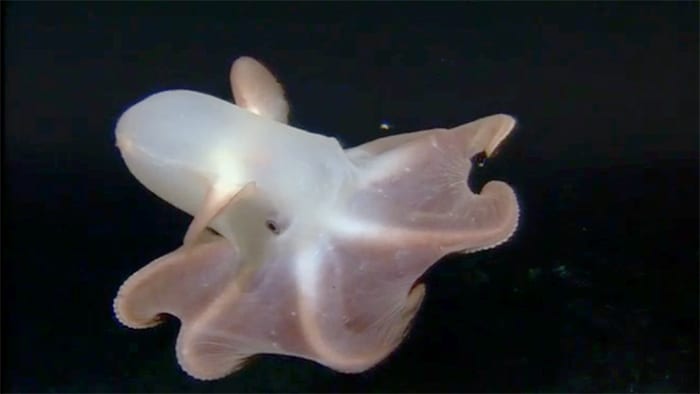
Watch what Alvin captures at the East Pacific Rise.
Read MoreDevelopment of Imaging Technologies
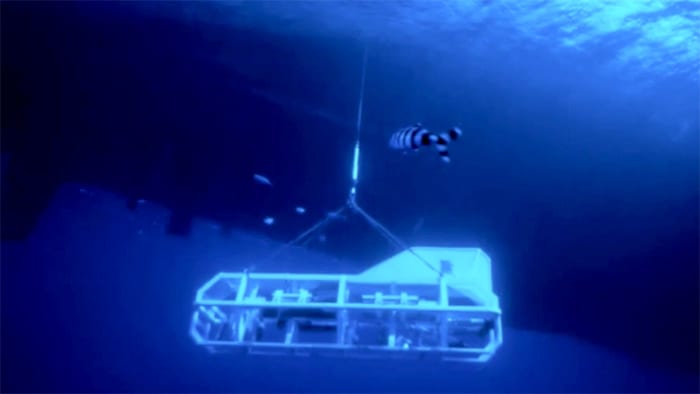
Bill Lange, Director of WHOI’s Advanced Imaging and Visualization Laboratory, discusses how imaging technology has evolved from studying Titanic.
Read MoreFinding Fresh Water Under the Sea
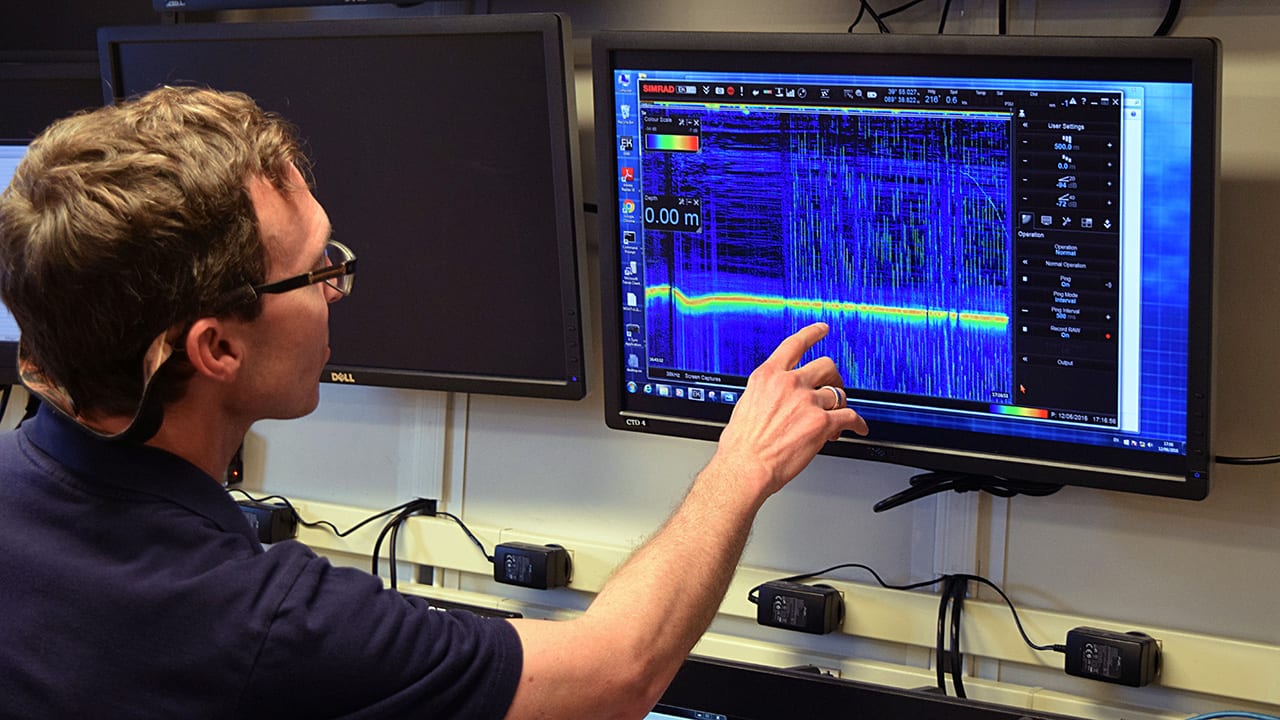
WHOI geophysicist Dan Lizarralde points to a real-time image of the seafloor off Martha’s Vineyard, generated by an EK80 echosounder on the research vessel Neil Armstrong. Lizarralde can use the…
Read MoreEmperors in Danger
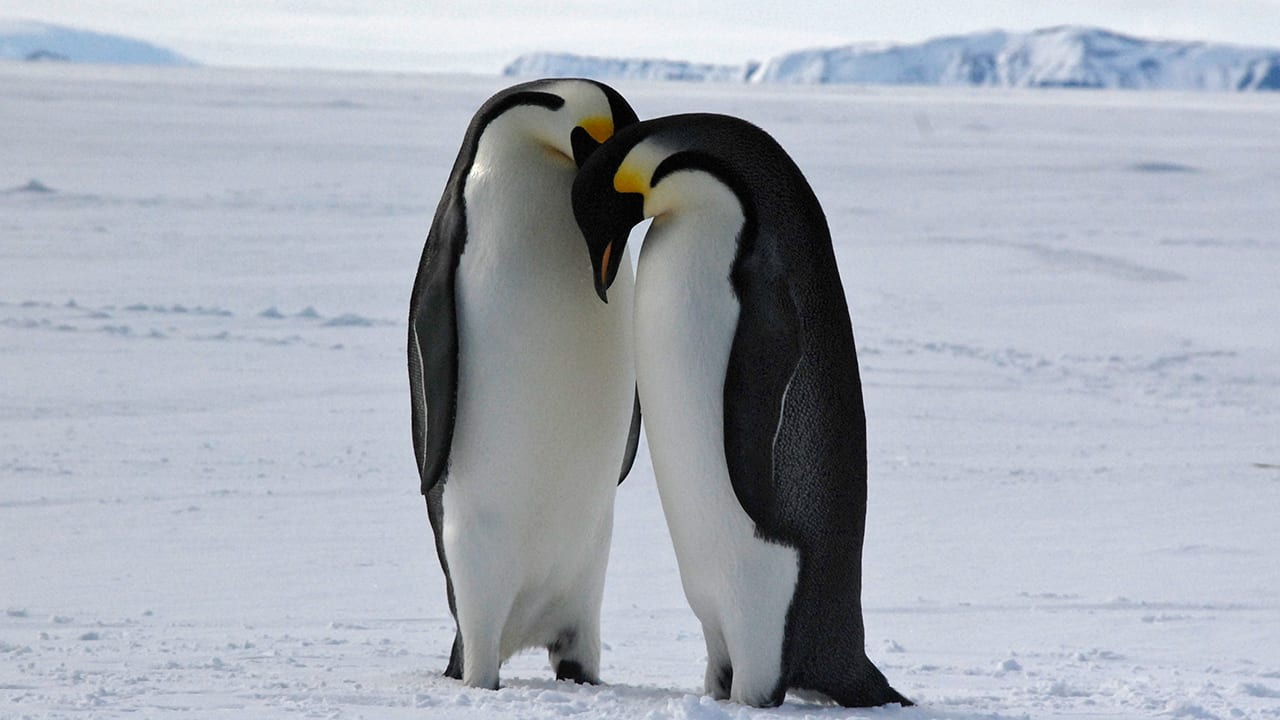
Since the 1950s, scientists have known that emperor penguins may be threatened by retreating sea ice posed by warming temperatures and other climatic changes. WHOI biologist Stephanie Jenouvrier led a team that modeled…
Read MoreCore’s-Eye View
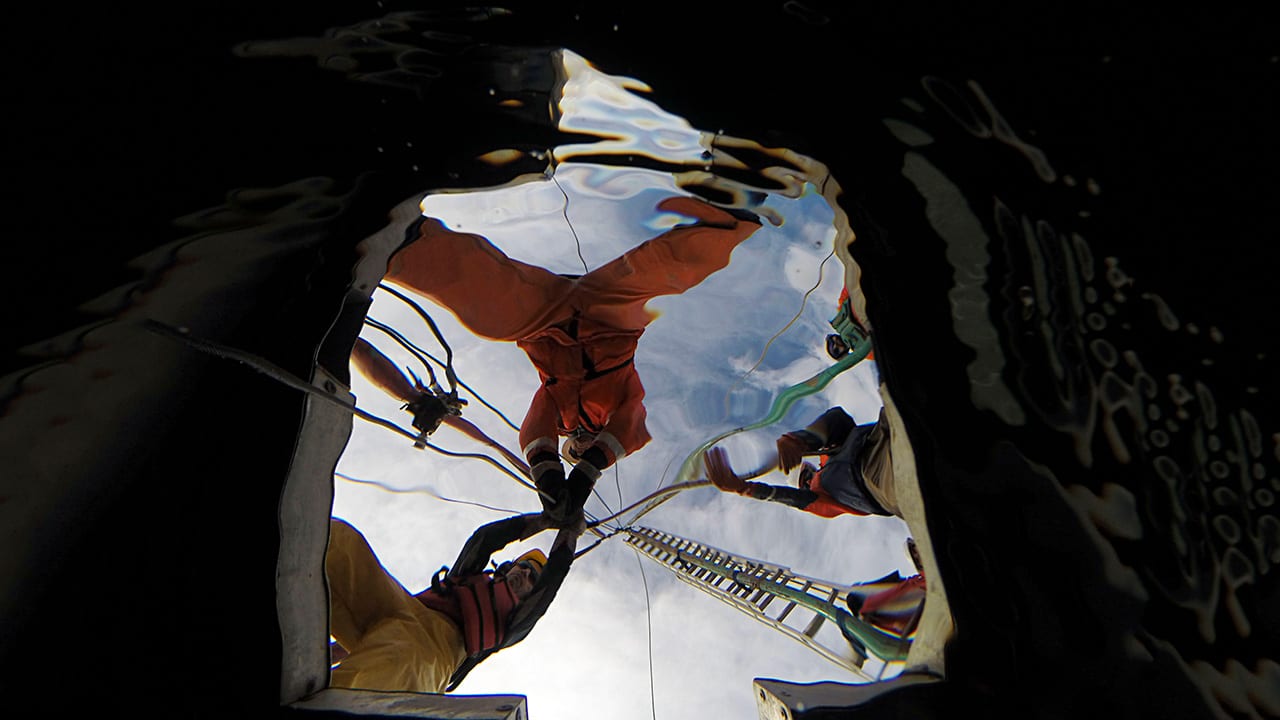
Yellowstone National Park attracts millions of tourists each year, drawn in part by the park’s iconic geysers, hot springs, and fumaroles. But fewer know about the hotbed of hydrothermal activity…
Read MoreWalking on Water
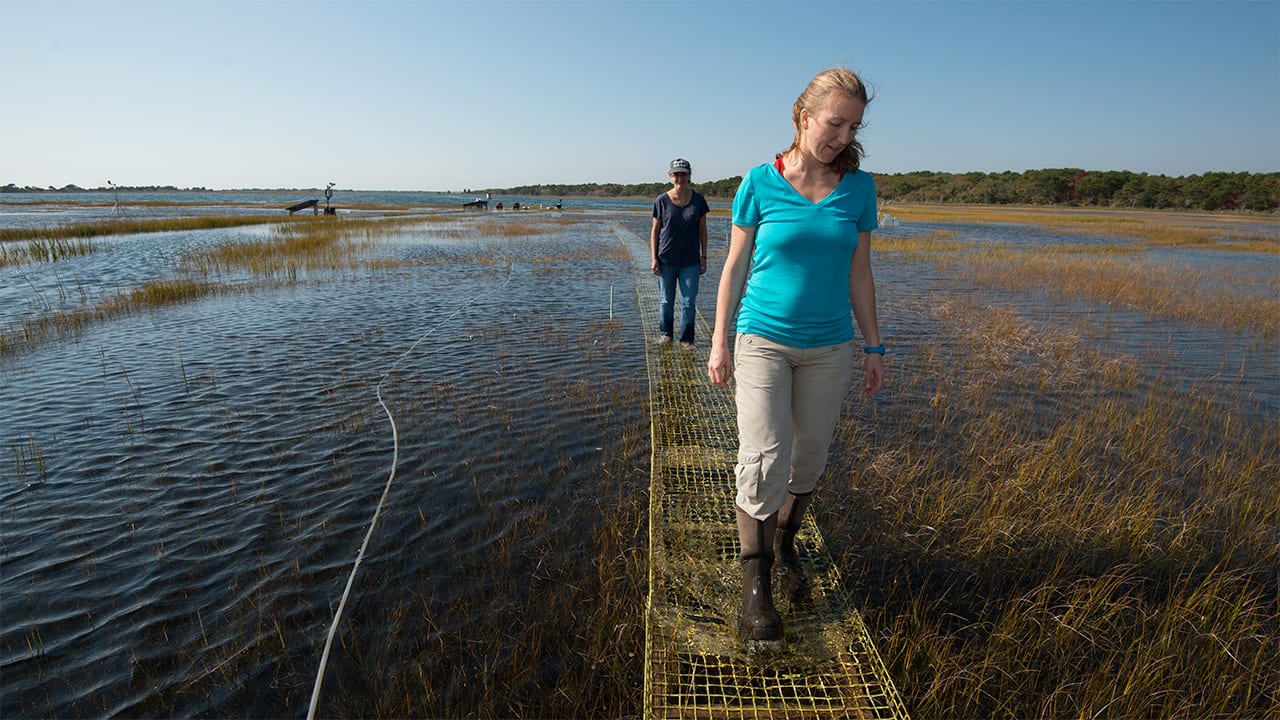
WHOI research assistant Kate Morkeski and MIT-WHOI Joint Program student Mallory Ringham navigate a temporary causeway in the Waquoit Bay National Estuarine Research Reserve during an exceptionally high “king tide.” Coastal wetlands…
Read MoreSoaring and Declining Albatrosses
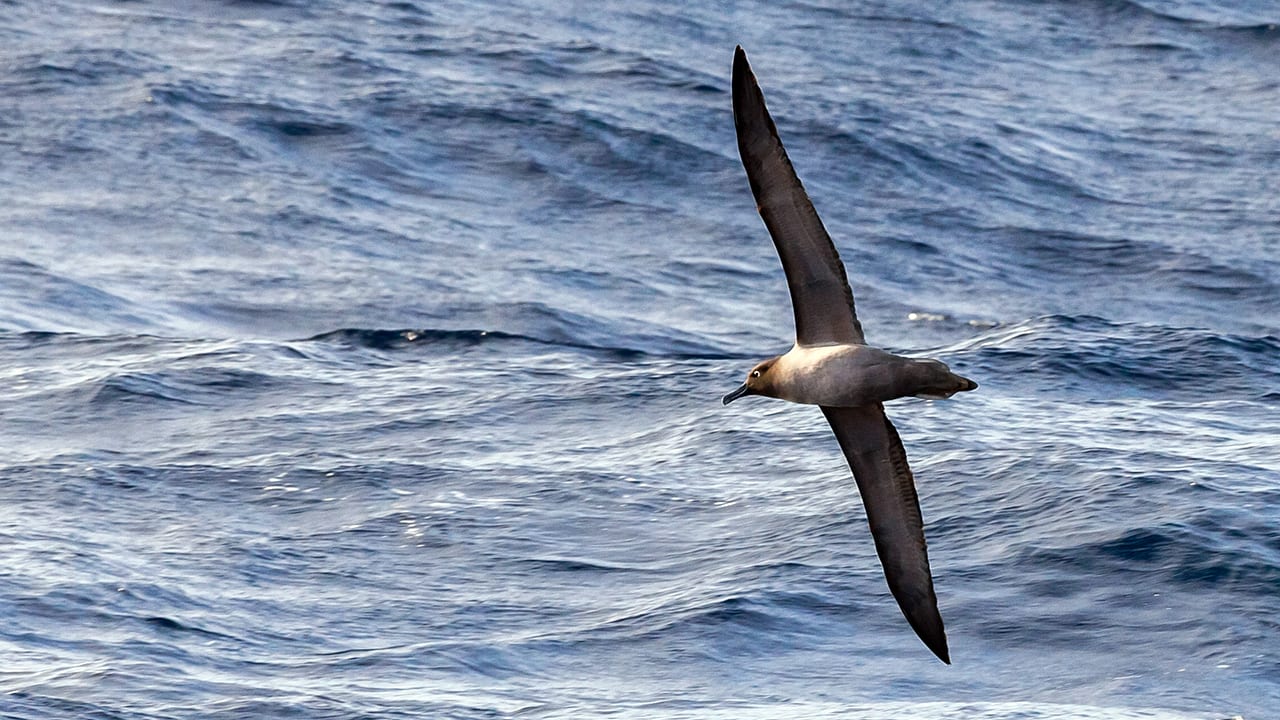
In addition to animals that live in the ocean, WHOI scientists also study animals that rely on the marine envionment in many ways, including seabirds such as black-browed albatrosses. A…
Read MoreYellow Nose in Yellowstone
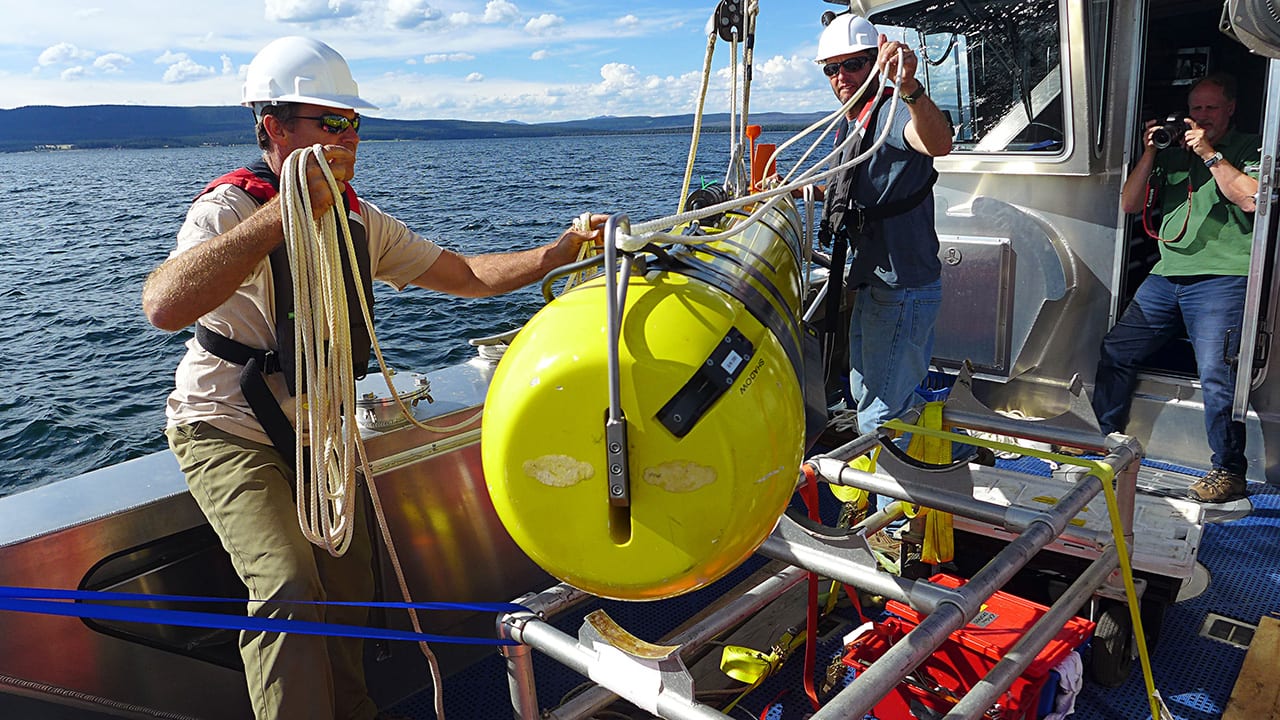
WHOI scientists brought in underwater instruments normally used to explore the deep ocean to hunt for geothermal activity at the bottom of Yellowstone Lake in Yellowstone National Park. WHOI engineer Greg…
Read MoreStepping Up for WHOI
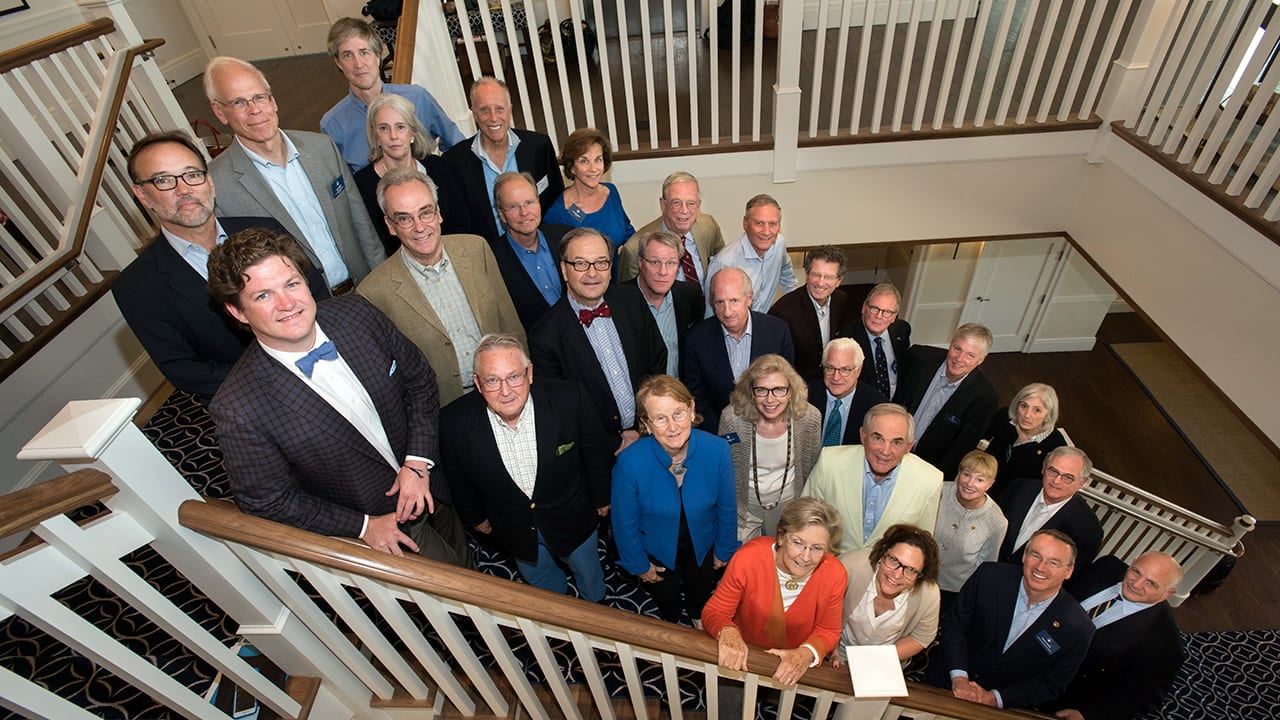
Members of the WHOI Board of Trustees and WHOI Senior Administration paused for a photo opportunity at the May 2017 Trustees meeting at Woods Hole Golf Club. Founded in 1930, WHOI is a private…
Read MoreFish EarRings
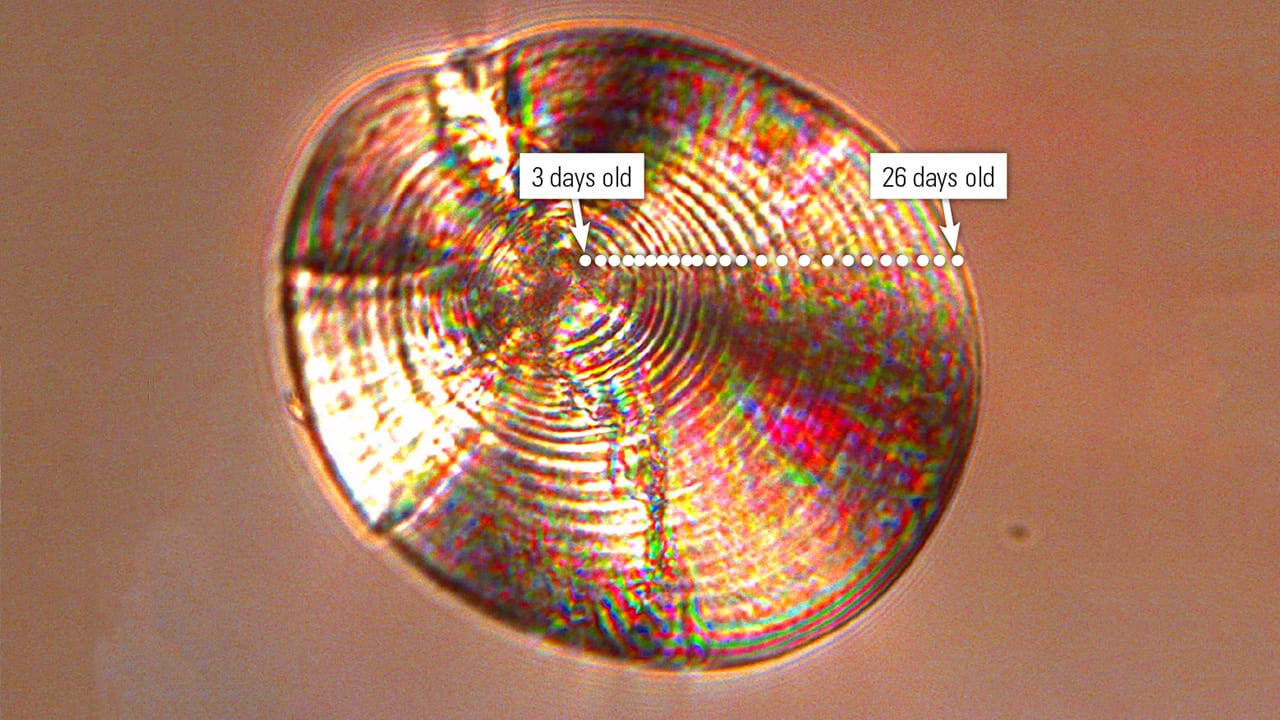
Under a microscope, the otolith, or ear stone, of a larval fish—a river herring—shows concentric rings. Every day the fish adds a layer of calcium carbonate to their otoliths, tiny…
Read MoreHurricane History
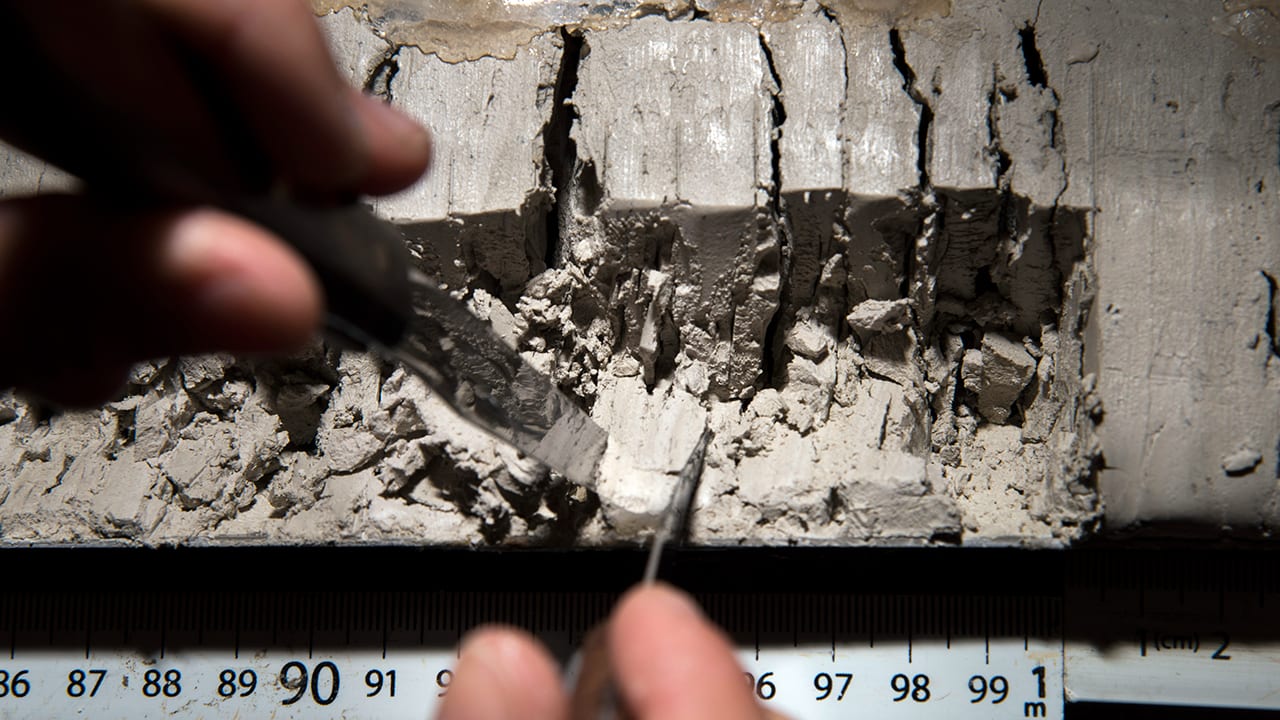
Alexandra Labella, a guest student in WHOI geologist Jeff Donnelly’s lab, collects a sample of sediments cored from a blue hole in Caicos Island. Blue holes are sinkholes that formed on…
Read MoreHappy Independence Day
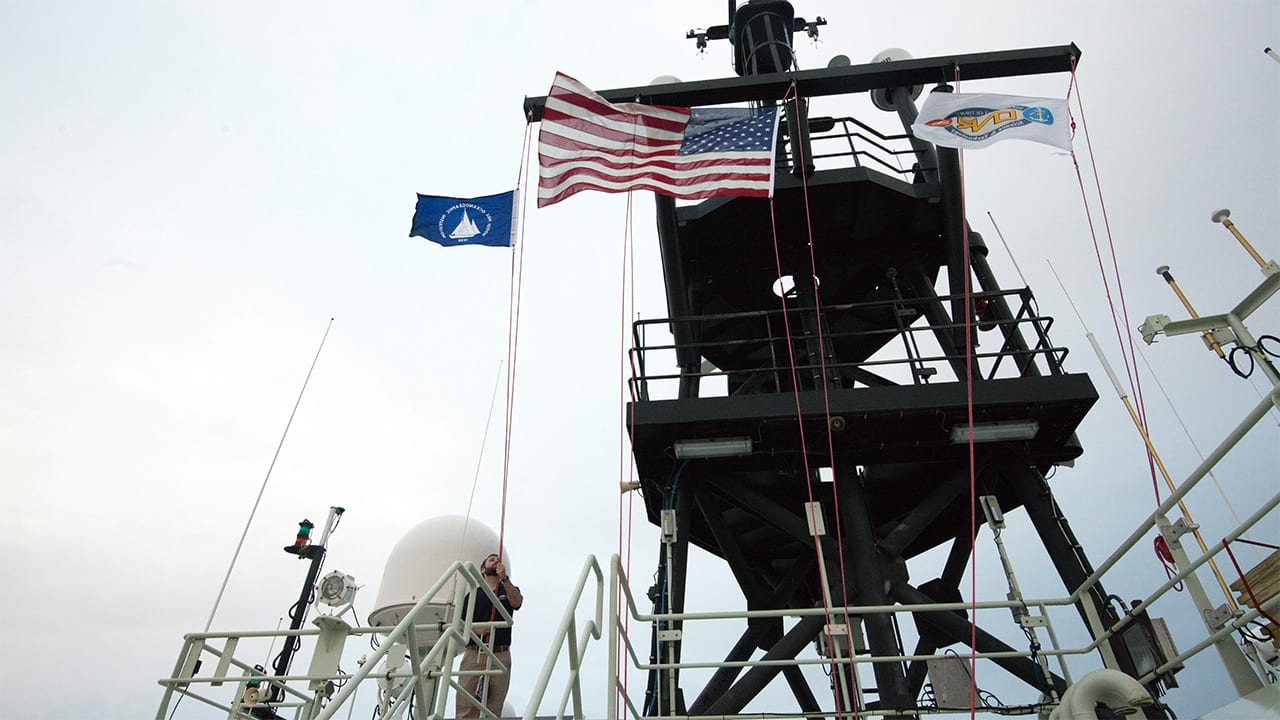
R/V Neil Armstrong second mate Mike Singleton finishes hoisting the colors on the ship’s mast during a recent port call in New York City for Fleet Week 2017. In addition to…
Read MoreGirls Go for Engineering
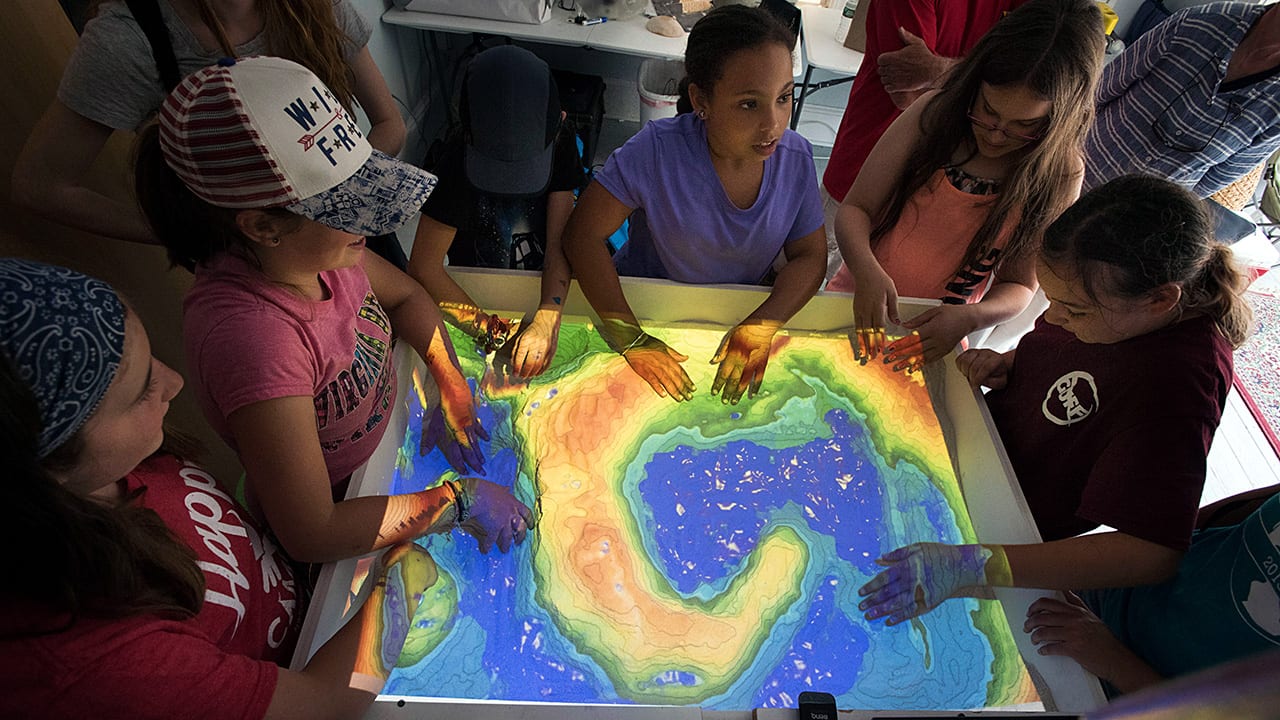
Very few women go into engineering, but WHOI scientist and engineer Anna Michel wants to change that. With funding from the National Science Foundation, Michel created the Girls in Ocean…
Read MoreAn Island in the Lab
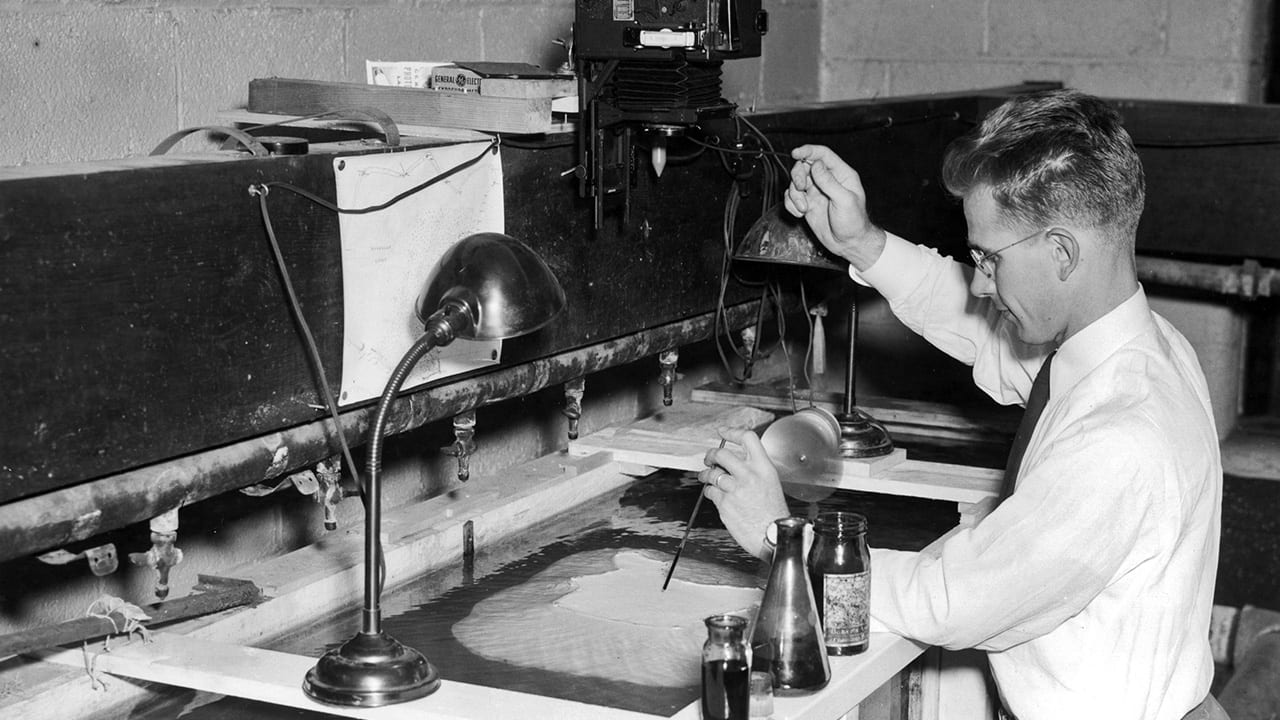
William von Arx was among dozens of WHOI scientists who studied the impacts of U.S. military nuclear weapons testing in 1946 at Bikini Atoll in the Pacific Ocean. Two nulcear…
Read MoreInnovation in a Blue Economy
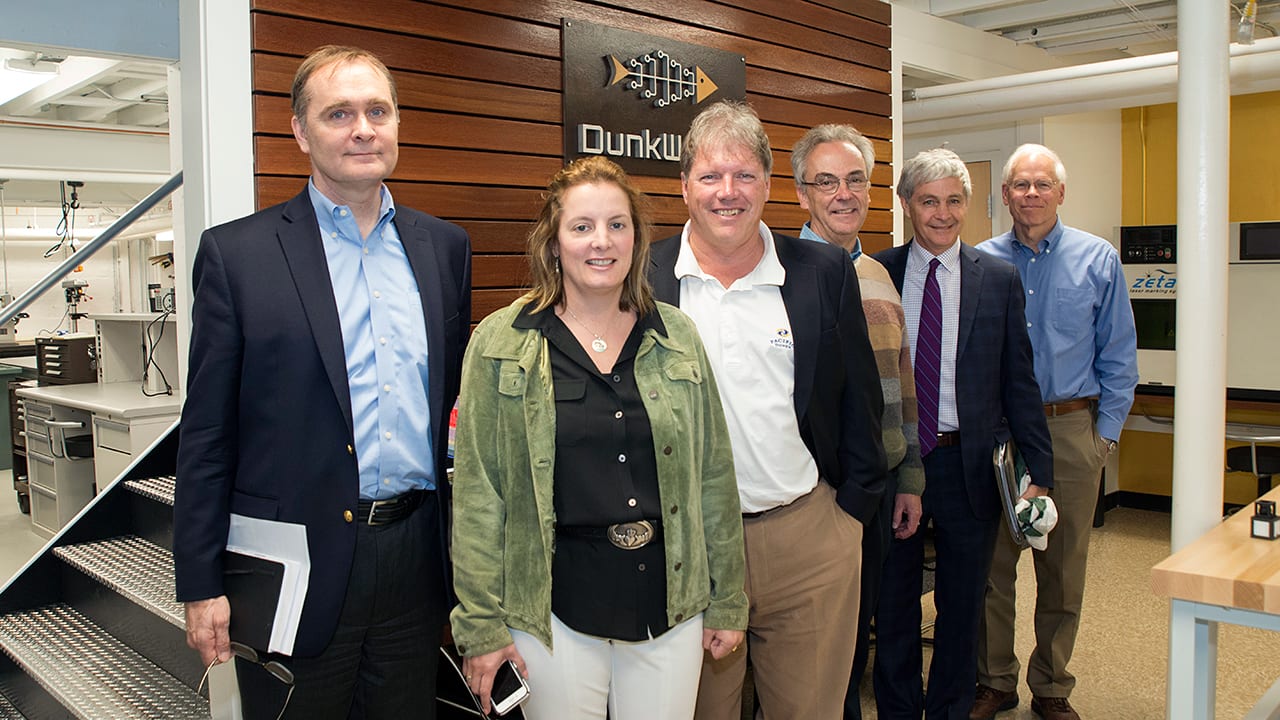
Innovation is a hallmark of the Massachusetts economy and a way of life for the Woods Hole Oceanographic Institution (WHOI). DunkWorks, WHOI’s new rapid prototyping center is no exception. The…
Read MoreHow moored profilers work
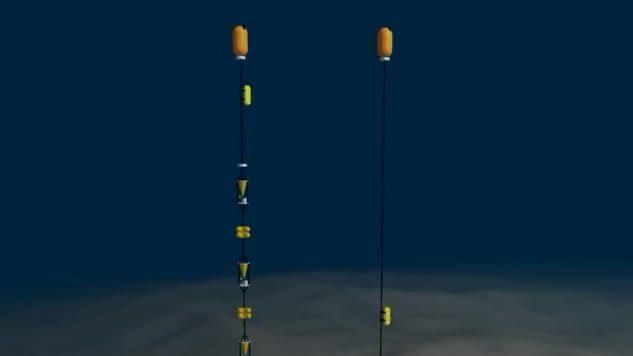
Moored profilers travel up and down a mooring cable every five days, measuring seawater properties.
Read MorePopping Rocks
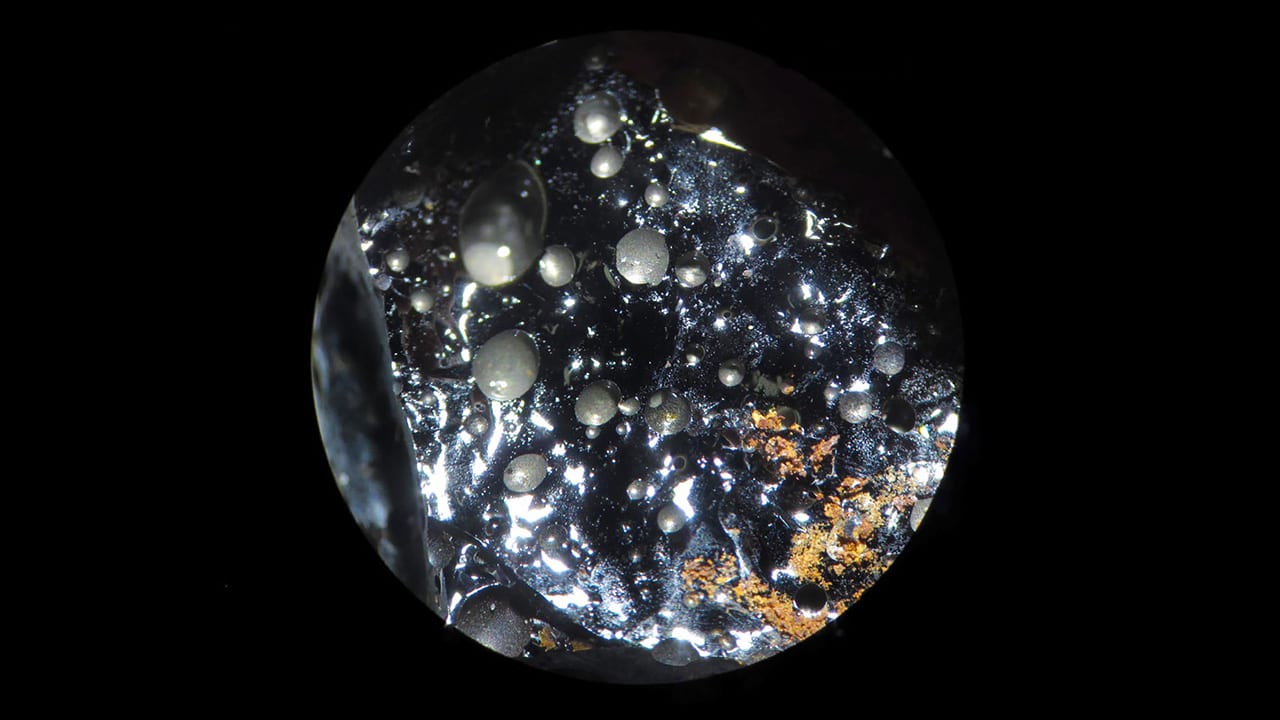
A sample of seafloor lava, magnified 100 times, shows tiny, silver-colored glass vesicles trapped within the rock. The vesicles contain gases from deep inside the Earth, where magma forms before…
Read MoreYakking About Jetyaks
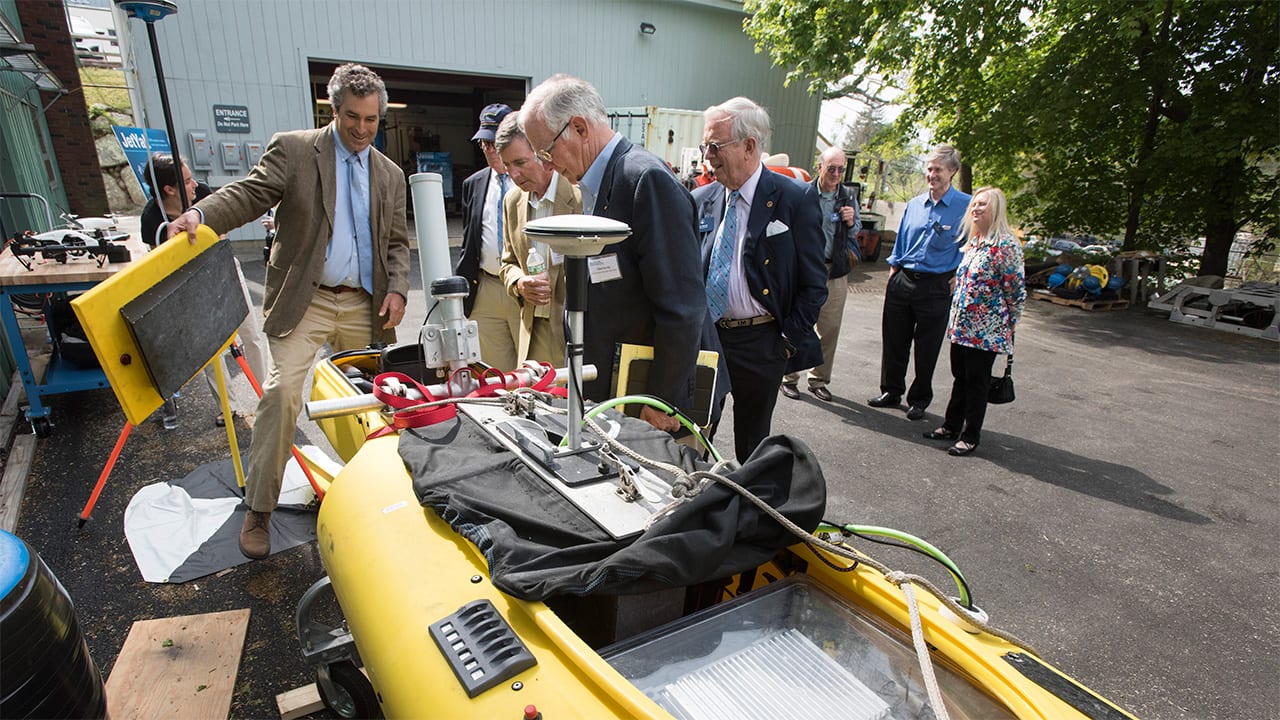
WHOI scientist Peter Traykovski (left) shows WHOI Trustees and Corporation members his Jetyak, an autonomous surface vehicle that he uses to explore and map coastal topography. Traykovski has been adapting…
Read MoreAlert to Strandings
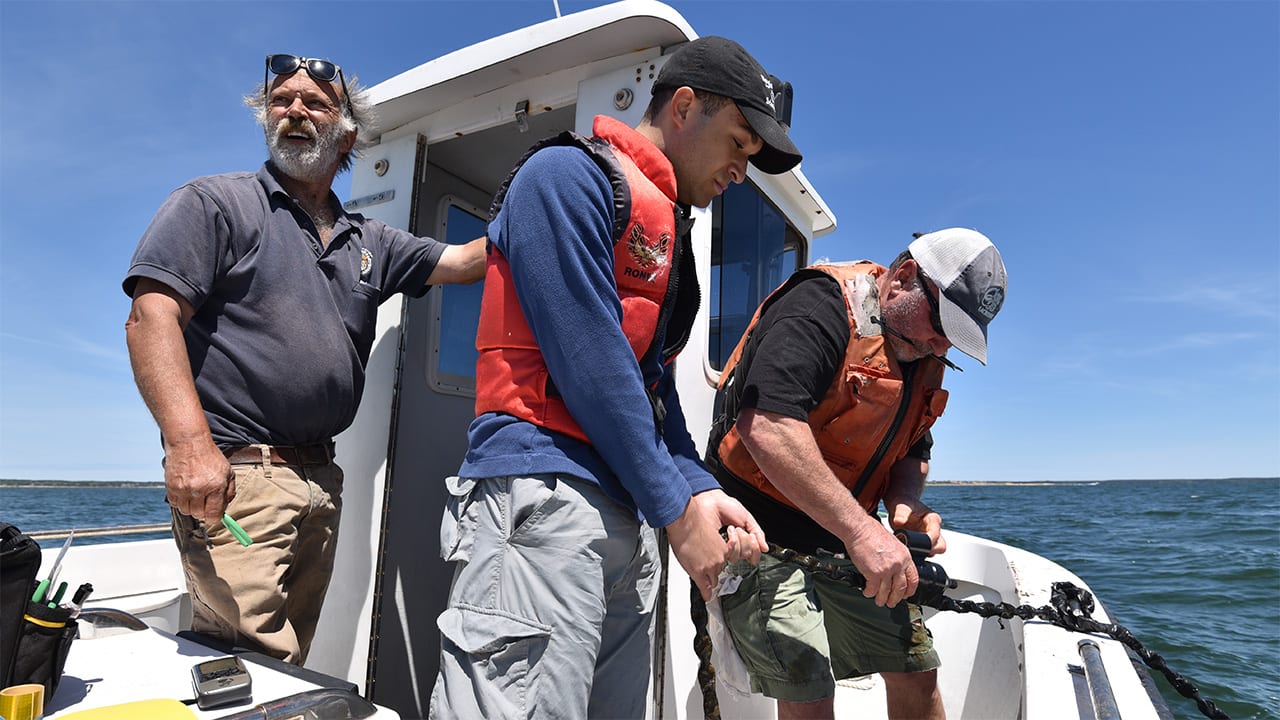
WHOI Summer Student Fellow Sam Walkes (center) helps engineer Alex Bocconcelli (right) prepare an underwater recording device for deployment in Wellfleet Harbor, as assistant harbormaster John Milliken watches for boat…
Read MoreWhere Has All the Radioactivity Gone?
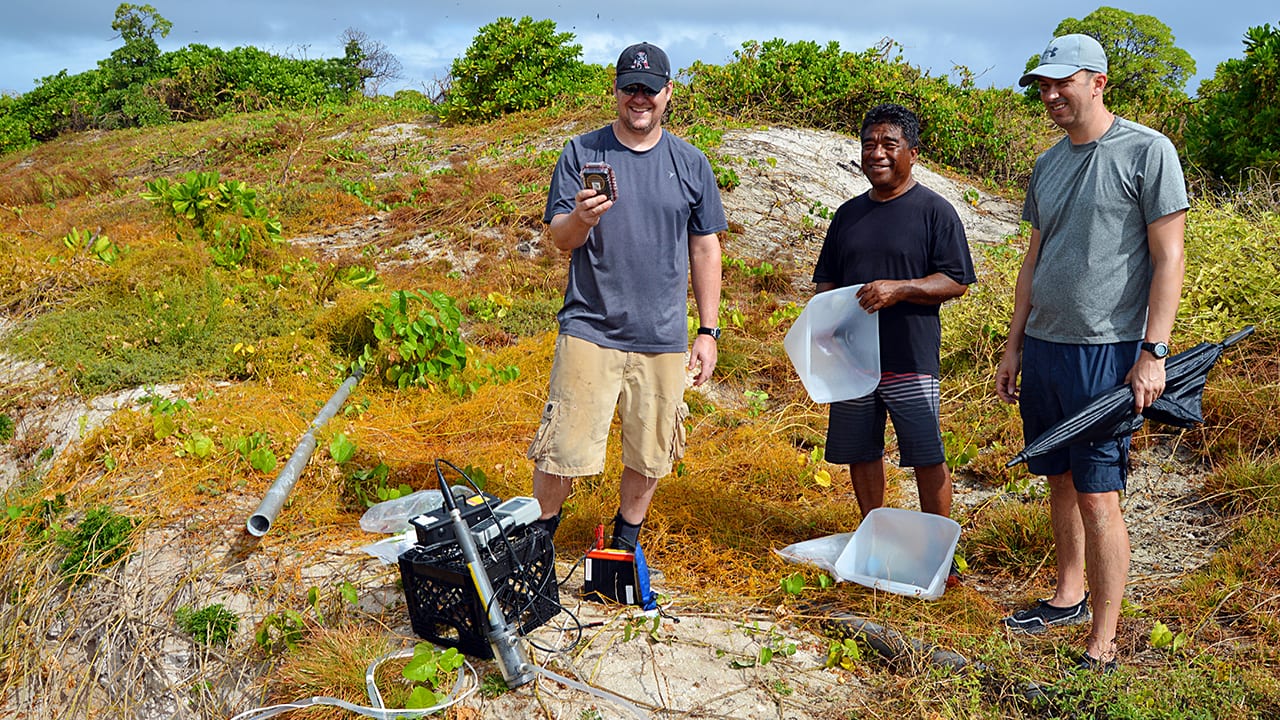
WHOI geochemist Matt Charette (right) collects samples of groundwater from a well on Enewetak Atoll, a tiny island in the Pacific Ocean, along with WHOI researcher Paul Henderson (left) and…
Read MoreReservation Required?
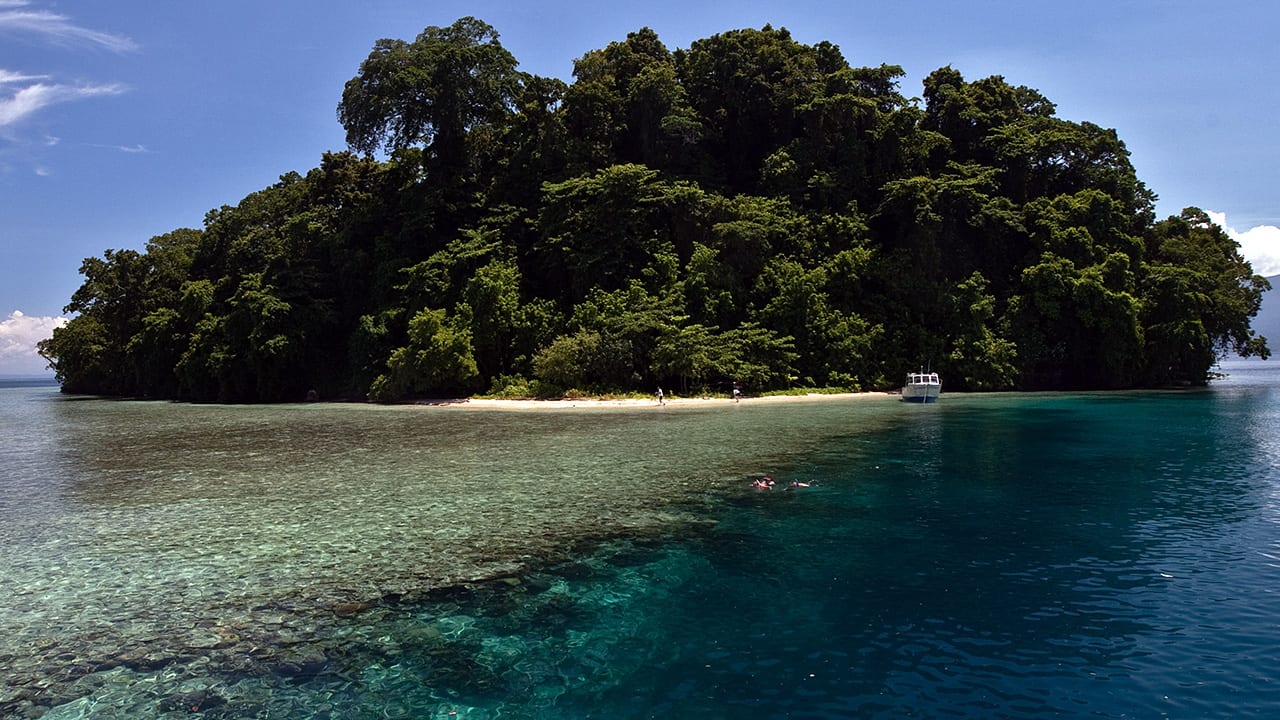
Restoff Island in Kimbe Bay, Papua New Guinea, is a biodiversity hotspot that is home to hundreds of coral reef fish species. It is also one of eight sites sampled…
Read More