
Multimedia
Nereid Under Ice
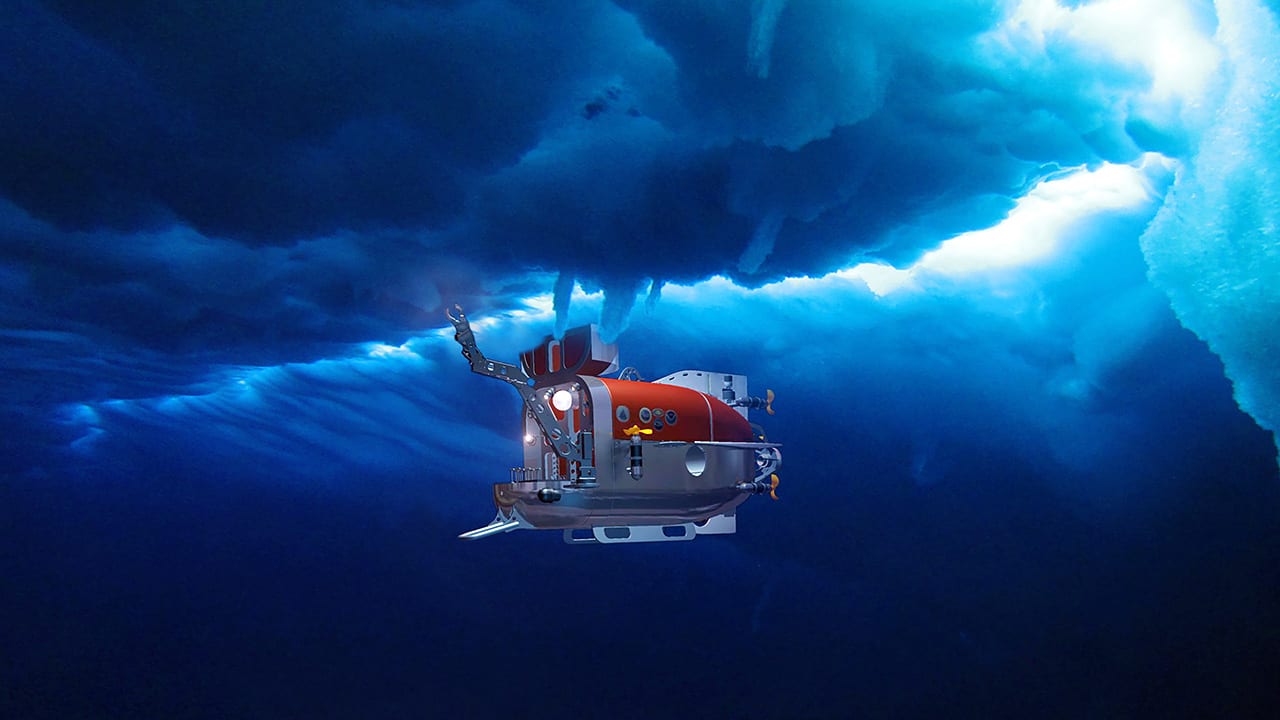
WHOI engineer Casey Machado created this image of Nereid Under Ice (NUI), a hybrid remotely operated vehicle designed and built by researchers in WHOI’s Deep Submergence Laboratory. NUI operates in…
Read MoreTechnology at Sea
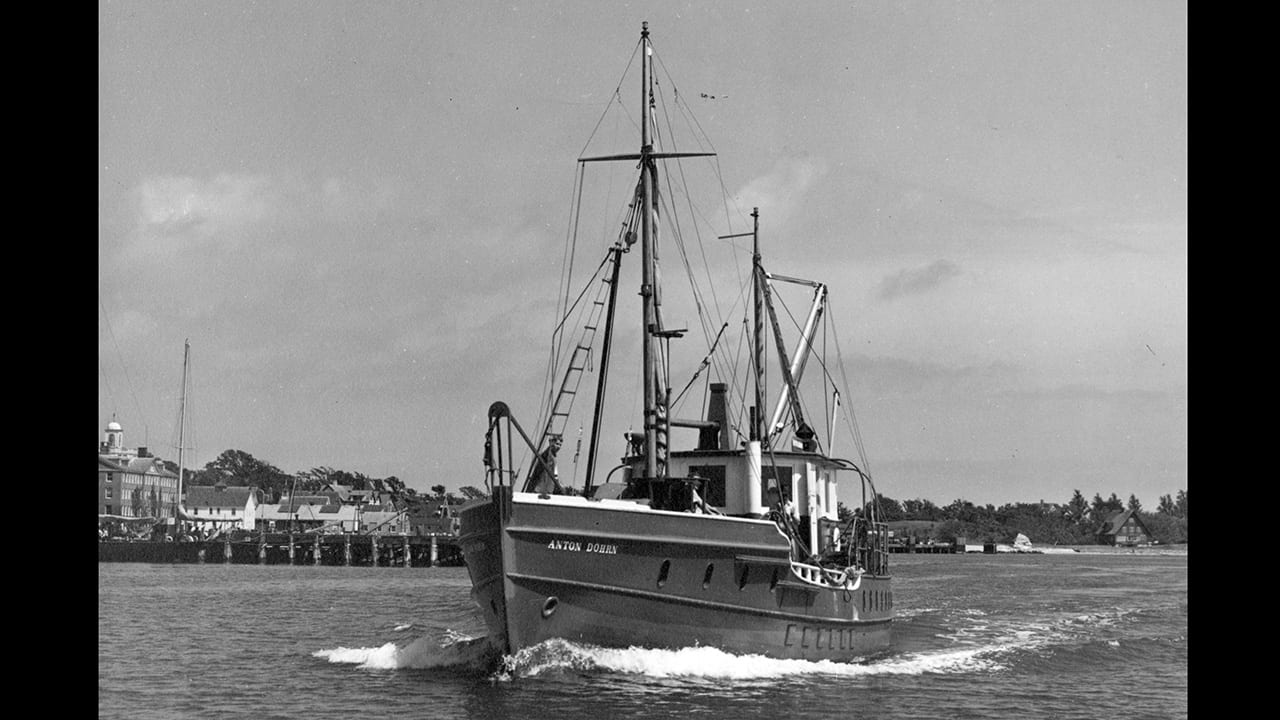
After arriving at WHOI in 1940, the research vessel Anton Dohrn made at least 40 cruises from Maine to New Jersey, testing bathythermographs, underwater cameras, and other newly-designed instruments. Scientists…
Read MoreCorals Under Threat
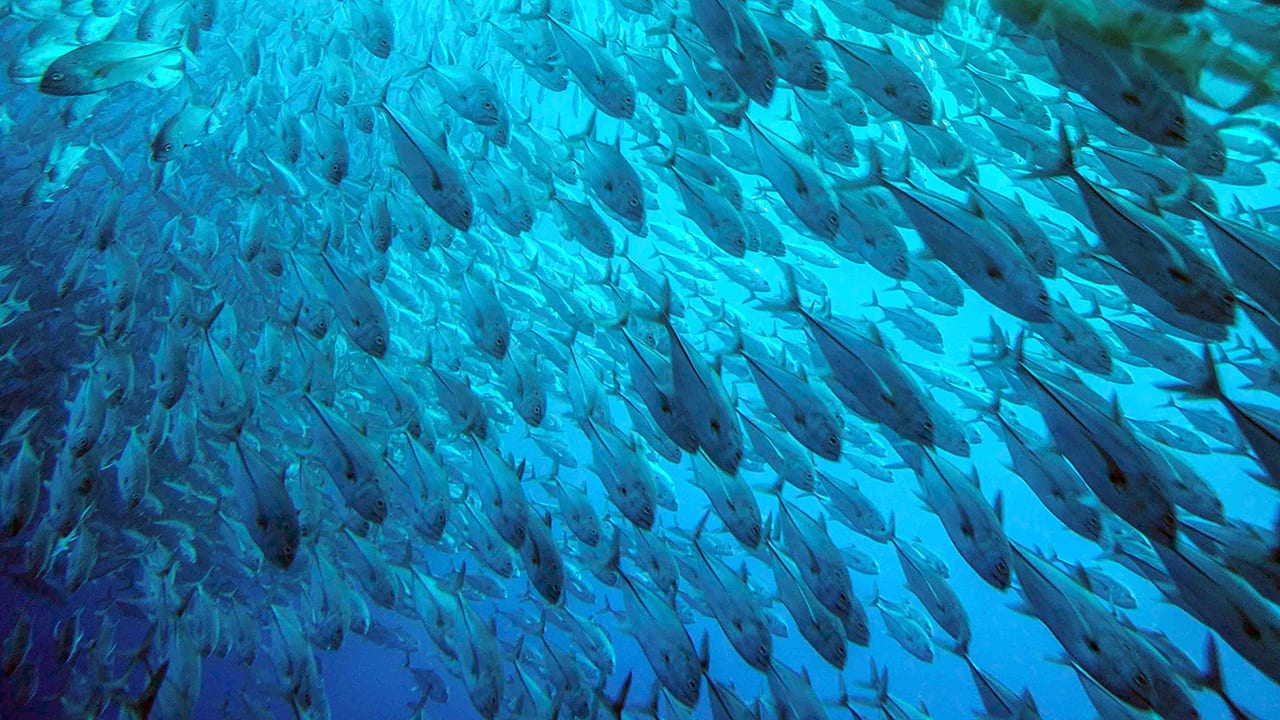
A large school of bigeye trevally swim past a submarine carrying WHOI scientists descending in Cabu Pulmo National Park, home of the oldest of only three coral reefs on the…
Read MoreSearch for a Missing Sub
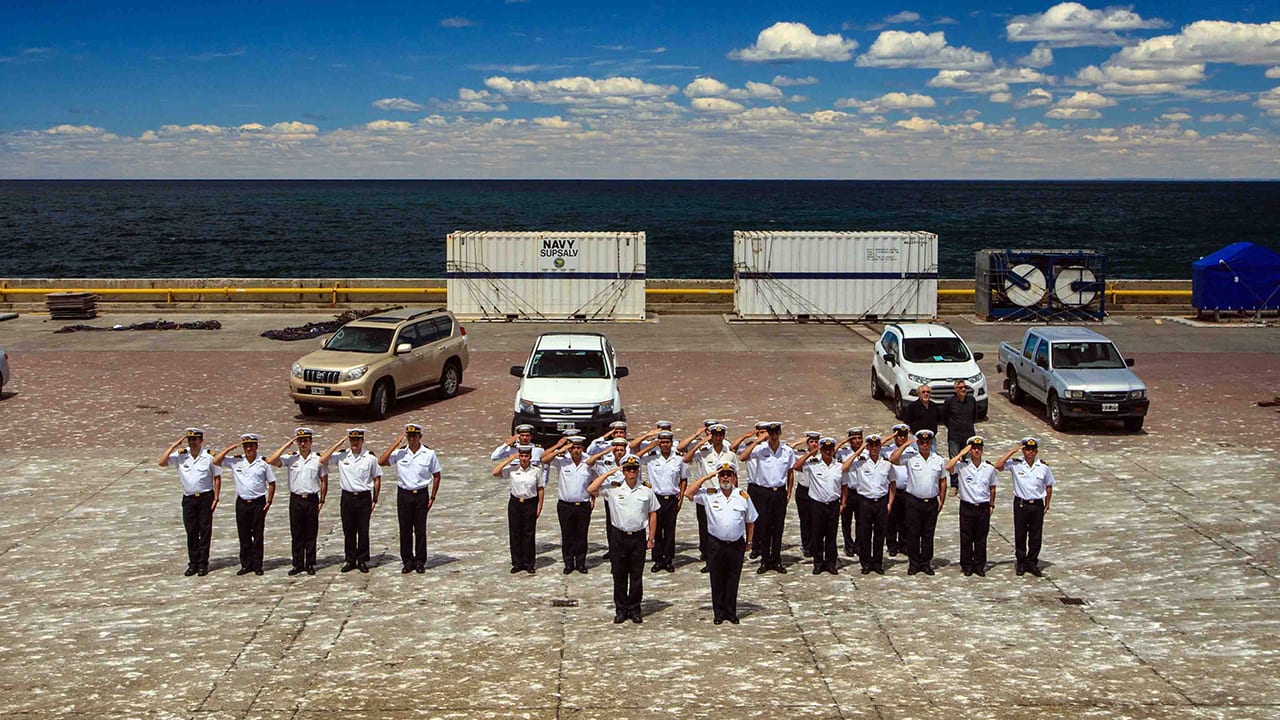
Argentine naval personnel saluted from the dock as the R/V Atlantis departed Comodoro Rivadavia, Argentina in December 2017. Atlantis spent six weeks searching for the ARA San Juan, an Argentinian…
Read MoreSeismic Activity in Yellowstone
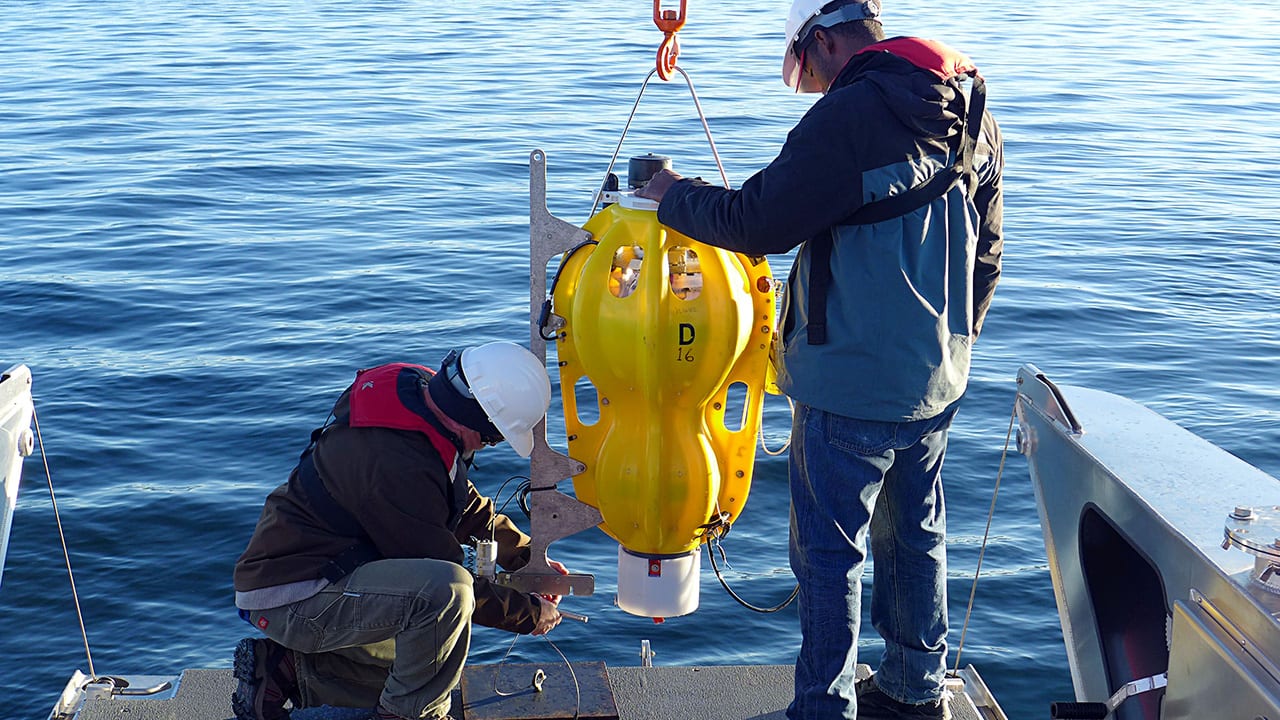
Paris Smalls (right), a graduate student in the MIT-WHOI Joint Program, steadies an ocean-bottom seismometer (OBS), while WHOI engineer Tim Kane sets the anchor before it is deployed into Yellowstone…
Read MoreAn Underwater Eruption
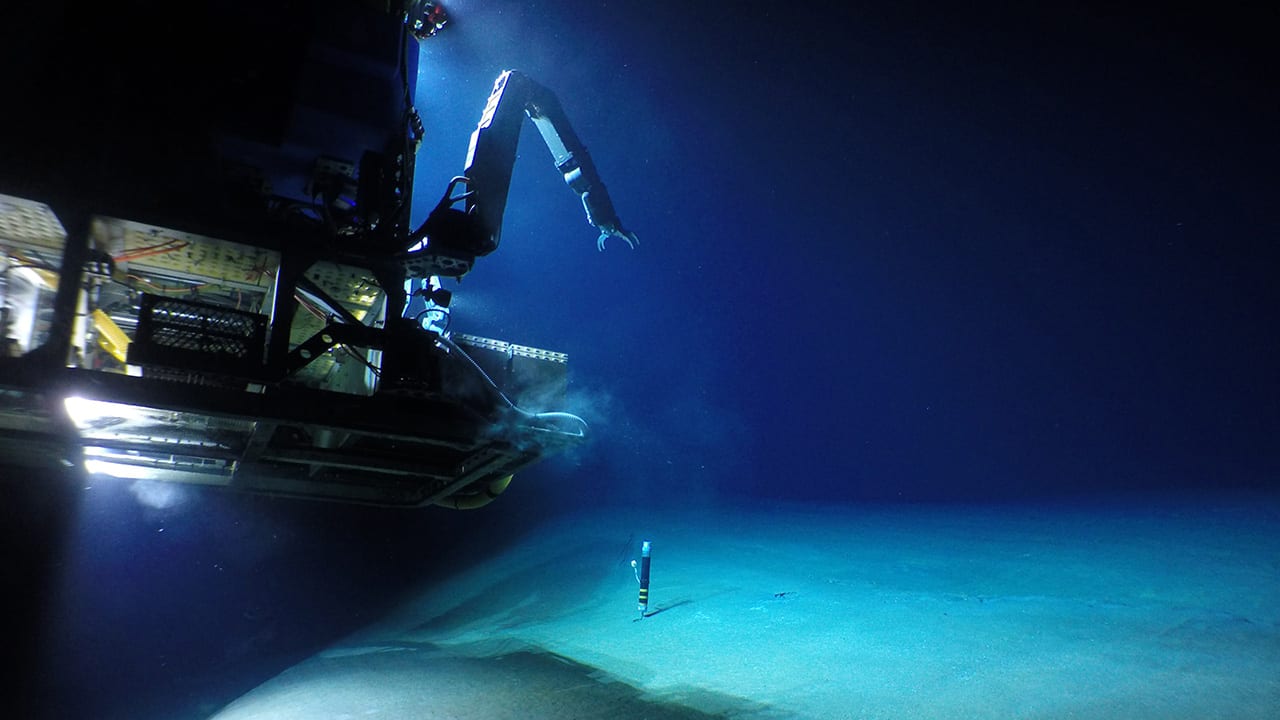
The remotely operated vehicle (ROV) Jason lands on the seafloor to retrieve a heat flow monitor during a 2015 expedition to explore an eruption at the Havre volcano off the…
Read MoreFair or Foul
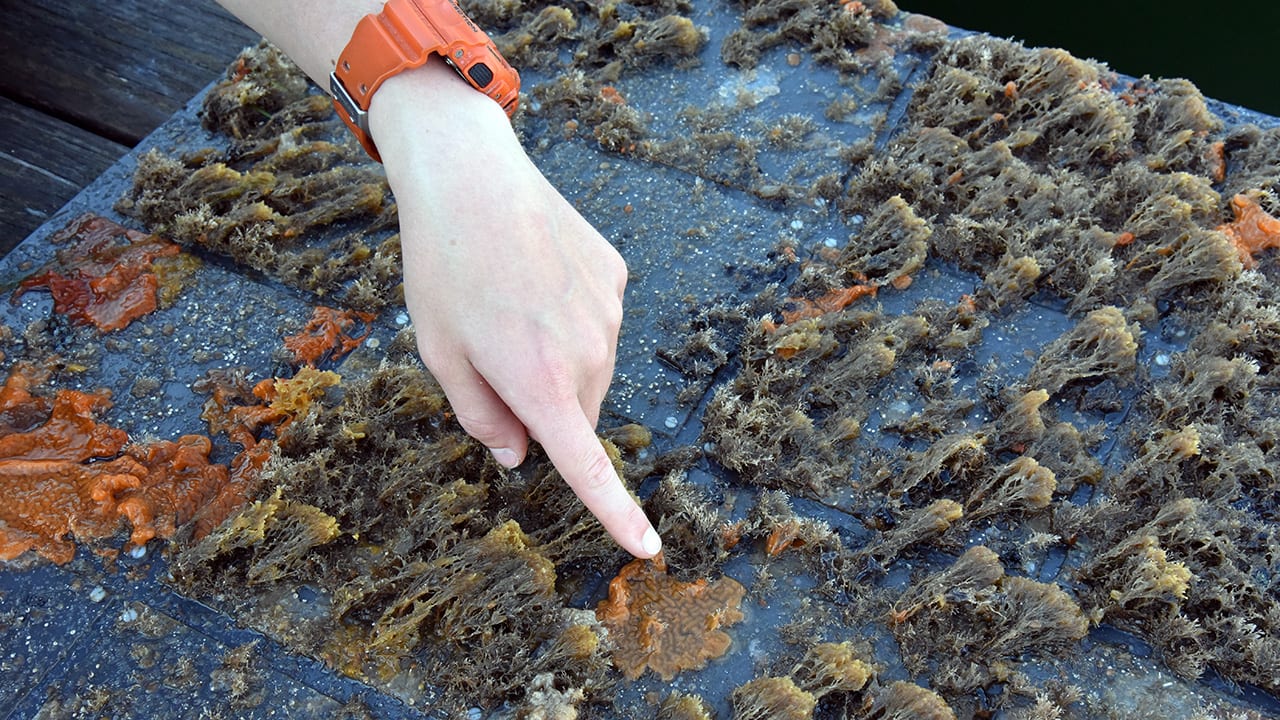
WHOI postdoctoral scholar Kirstin Meyer points out some brownish bryozoans and orange tunicates on panels she recovered from Woods Hole’s Eel Pond. Along with barnacles, sponges, and other invertebrates, these…
Read MoreThe Workhorse of the Deep
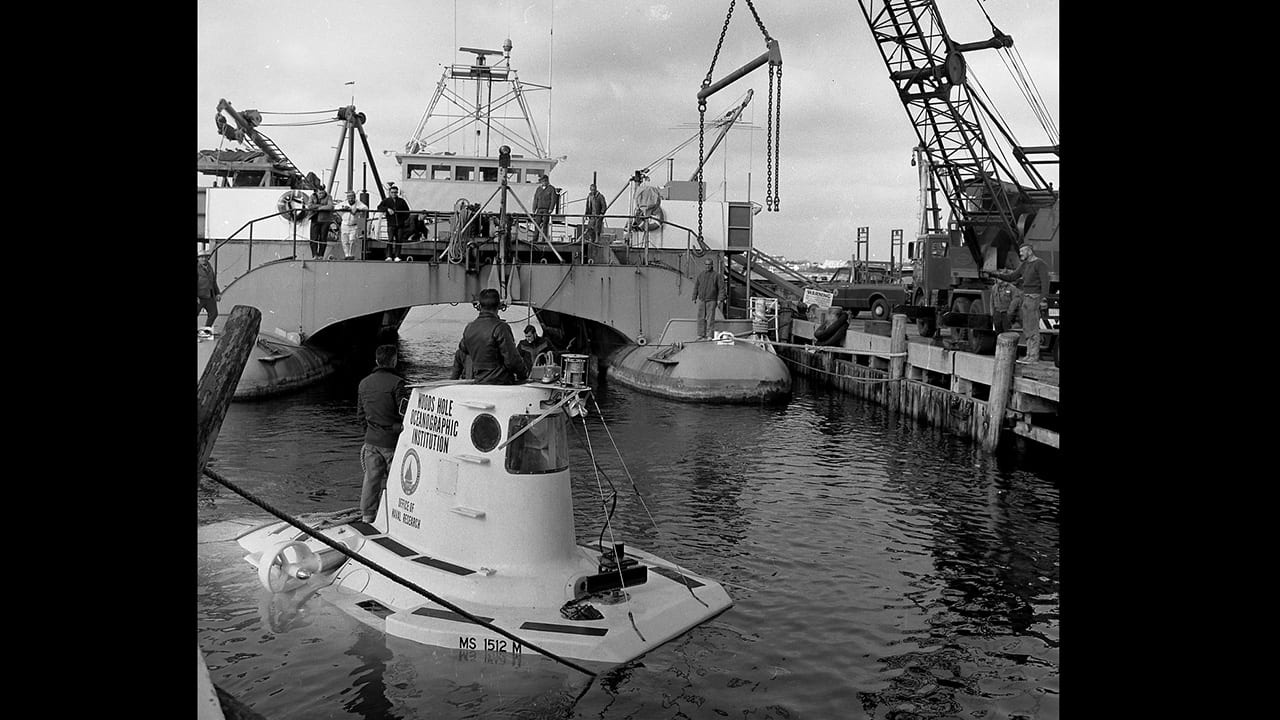
Over its 53-year history, the deep submersible Alvin has had some subtle and not-so-subtle changes made to its appearance. The original sub, shown in the late 1960s with support vessel…
Read MoreOut to Sea
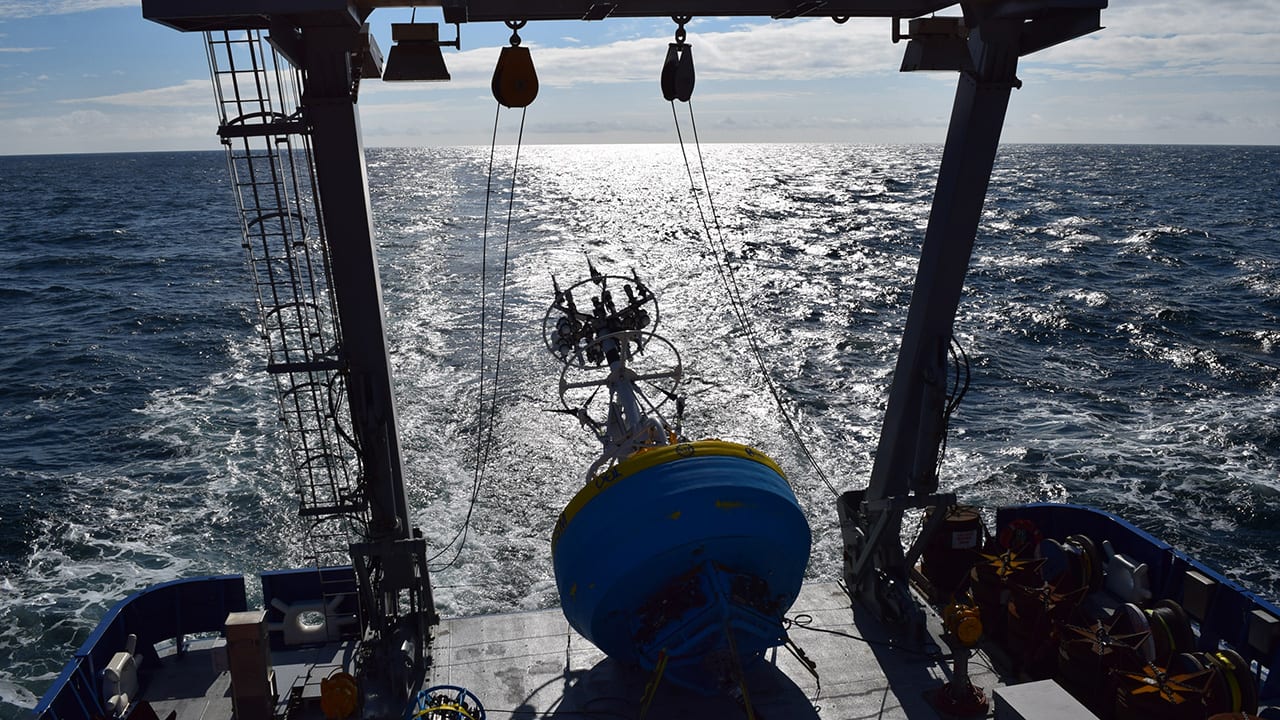
A mammoth surface buoy rests on the fantail of the research vessel Neil Armstrong en route to the Irminger Sea off Greenland, where it will remain in the ocean for many months. The buoy…
Read MoreCoral Skeleton Crystals
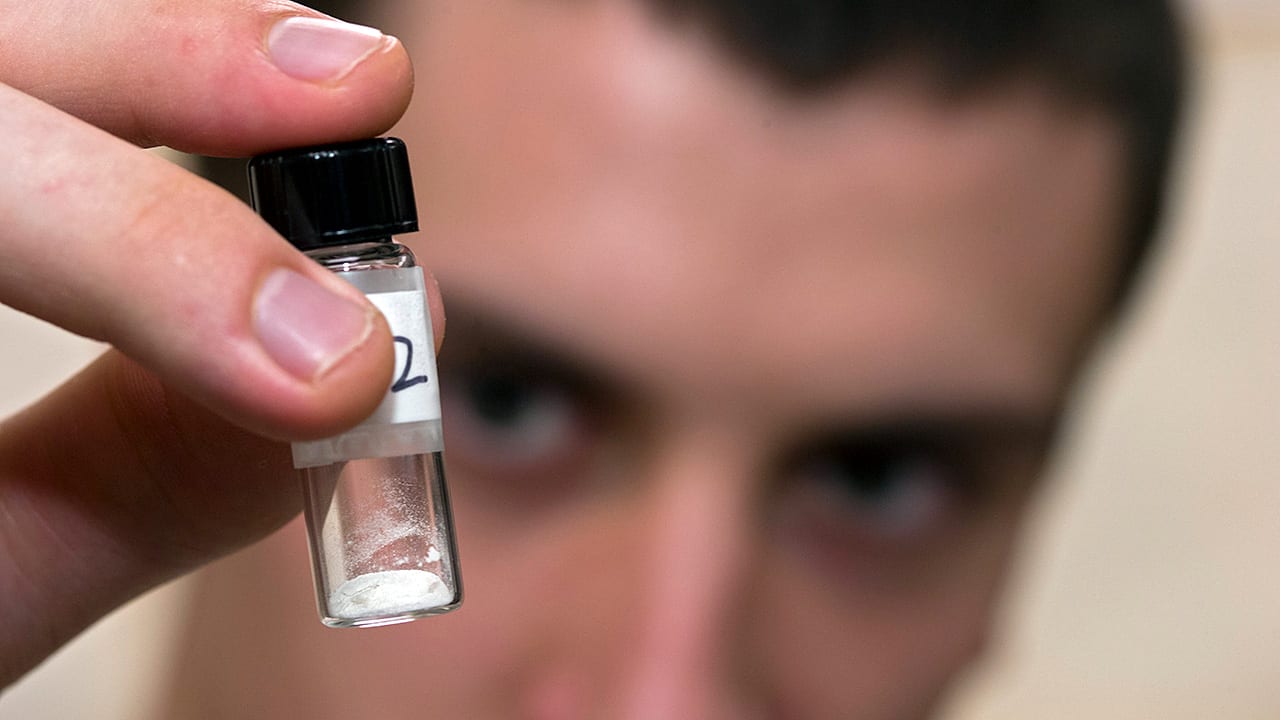
Former MIT-WHOI Joint Program student Tom DeCarlo holds a vial containing aragonite, a crystal form of calcium carbonate, the mineral that reef-building corals use to build their skeletons. By manipulating…
Read MoreAn Unexpected Intrusion
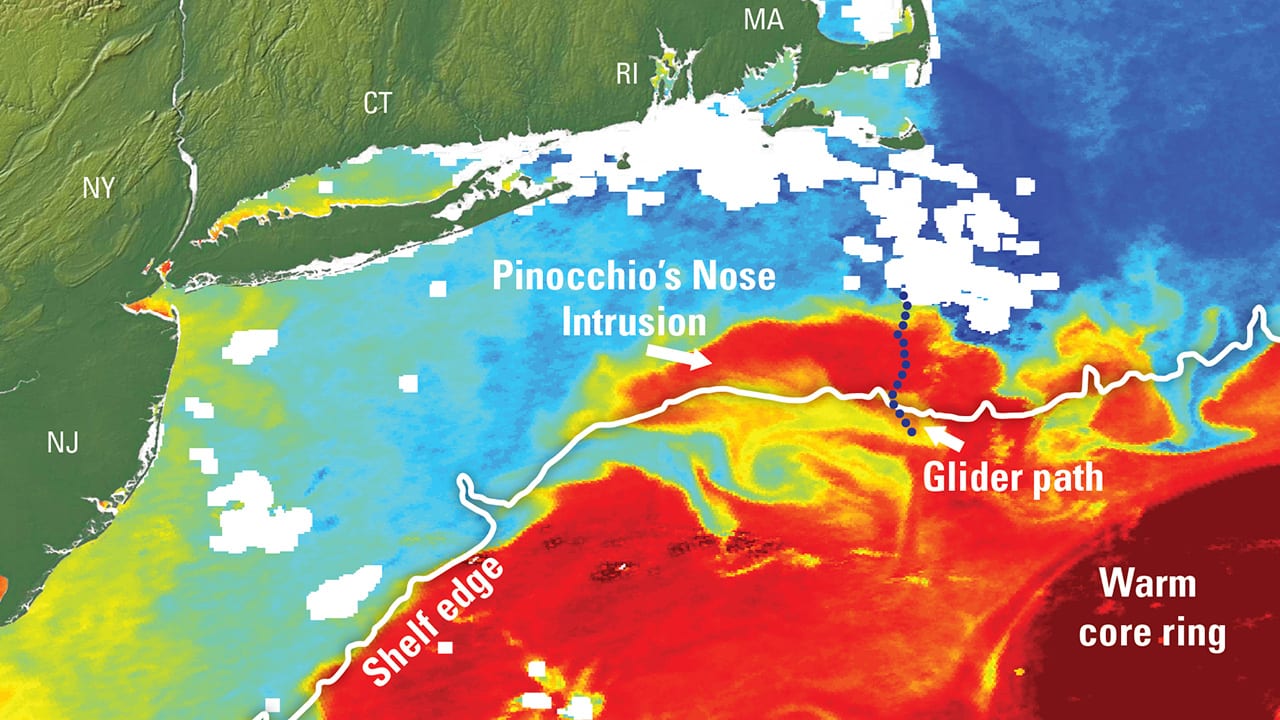
In 2014, satellite imagery revealed an elongated body of warm Gulf Stream water pushing onto the edge of New England’s continental shelf toward the southwest. Scientists have seen similiar phenomena…
Read MoreA Nuclear Model
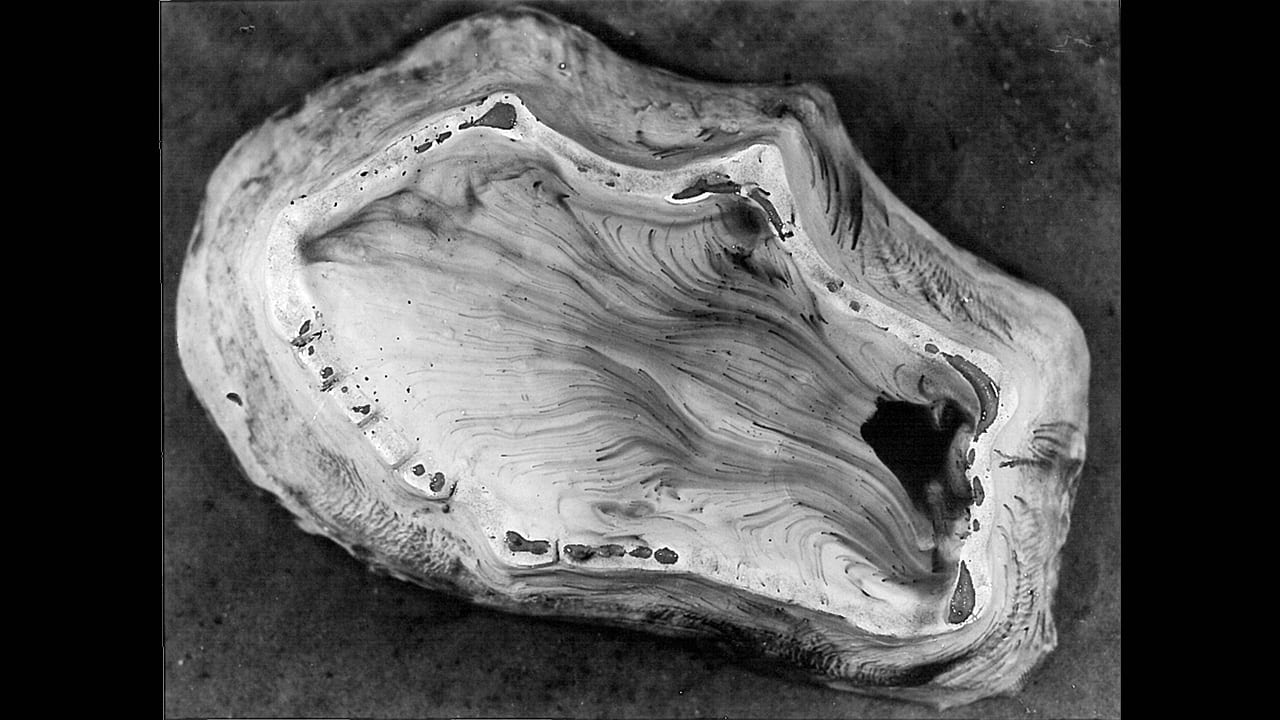
WHOI scientist Allyn Vine created this model of the Bikini Islands in the Pacific Ocean in 1946 to explore how radioactivity from an underwater explosion from a U.S. nuclear weapons…
Read MoreReady for a Big Splash
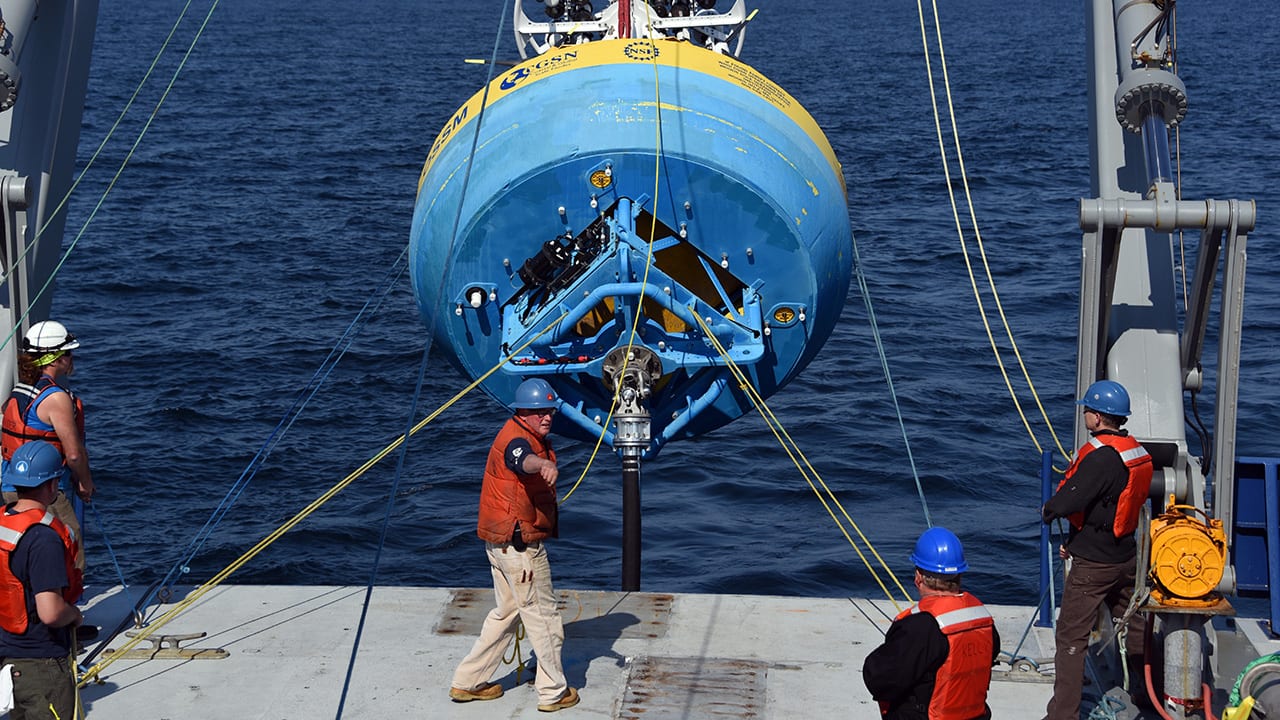
John Kemp, head of the WHOI Mooring Operations & Engineering Group, directs the deployment of a surface mooring from the research vessel Neil Armstrong. Common moorings, which use anchors and…
Read MoreSaluting the Captain
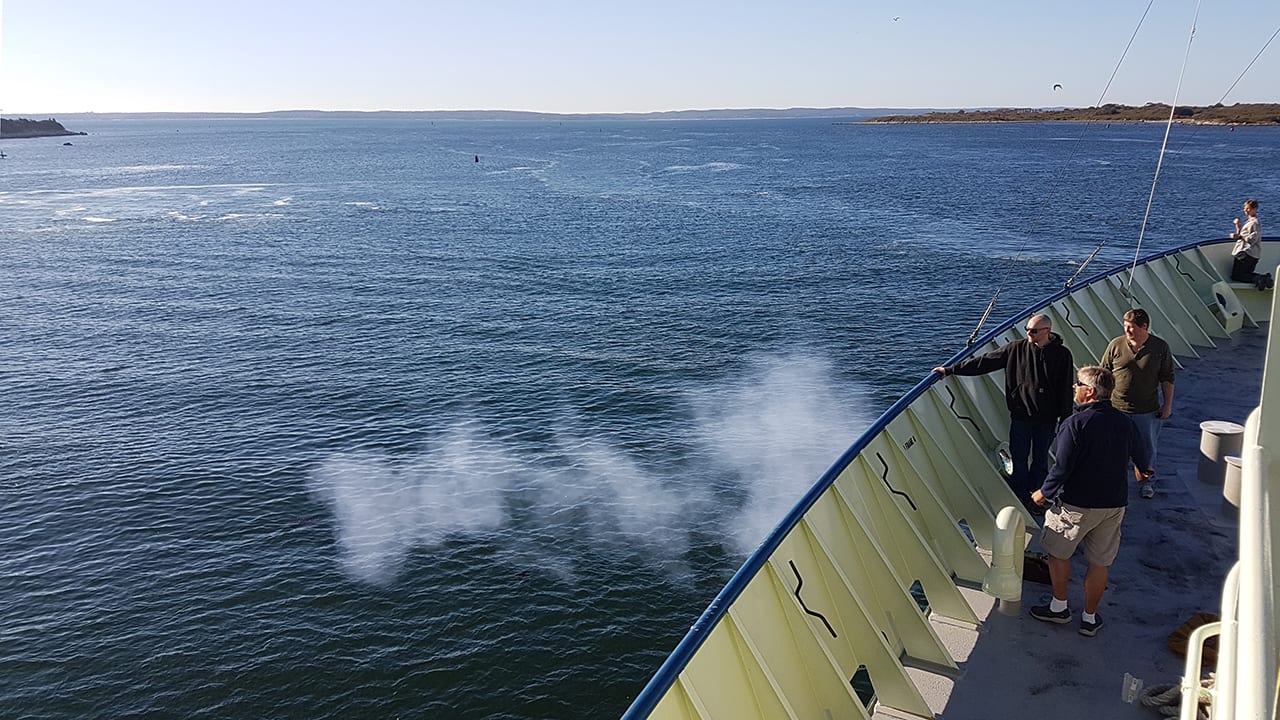
ROV Jason team members Tito Collasius (in shorts), Scott McCue (right) and Chris Judge (left) fire three shots from a cannon to honor retiring Captain A.D. Colburn’s last departure from…
Read MoreA Parade of Ships
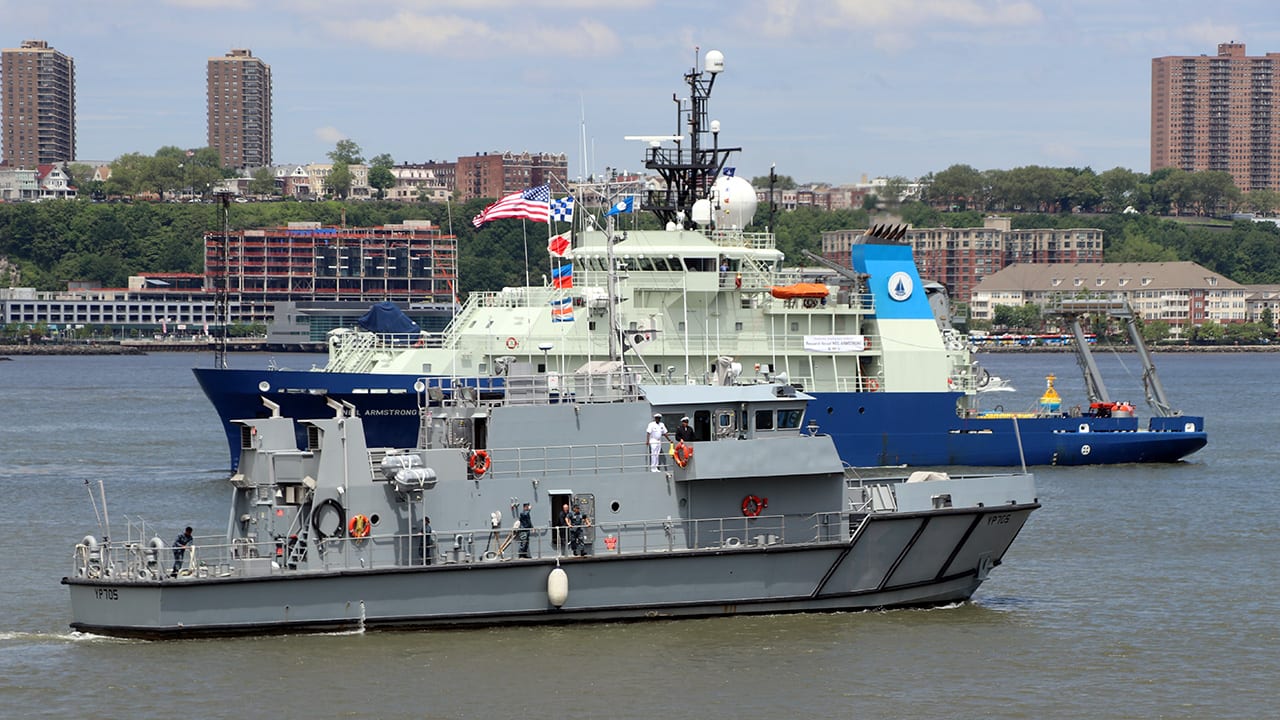
A U.S. Navy Yard Patrol (YP) boat passes the Navy-owned, WHOI-operated R/V Neil Armstrong as it prepares to dock during the Fleet Week Parade of Ships in NYC last May.…
Read MoreA-Frame Job
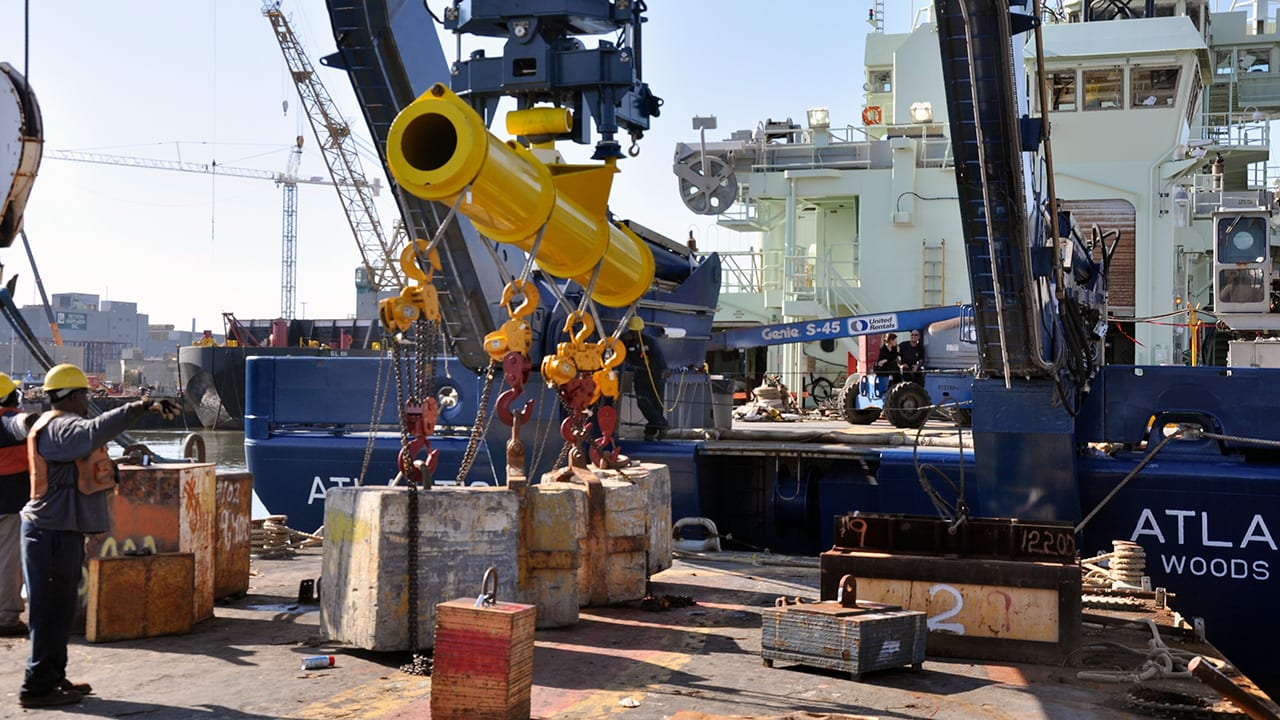
The research vessel Atlantis is a sophisticated, general-purpose platform in its own right, but it is also specially outfitted to be the support vessel for the submersible Alvin. From 2011 to…
Read MoreBreaking the Surface
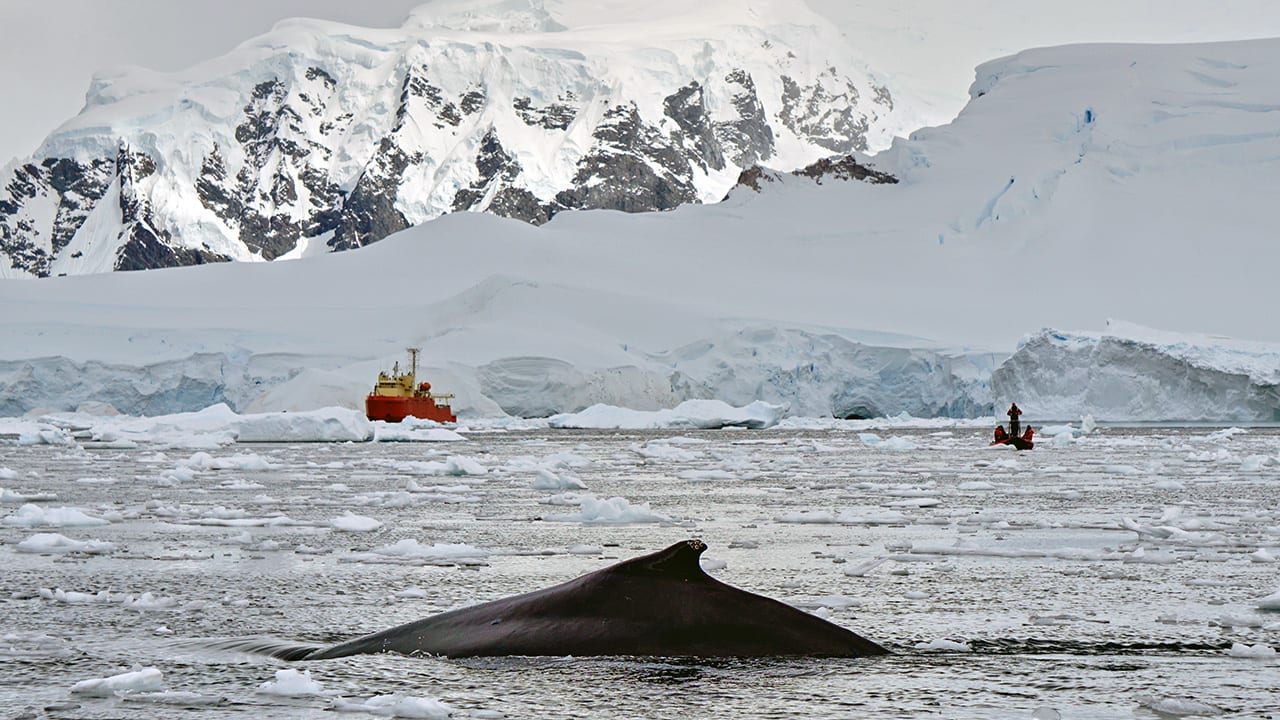
A humpback whale surfaces in the icy water off Antarctica, near the U.S. icebreaker Lawrence M. Gould (left). Tyler Rohr, a graduate student in the MIT-WHOI Joint Program in Oceanography,…
Read MoreThe Cable Guy
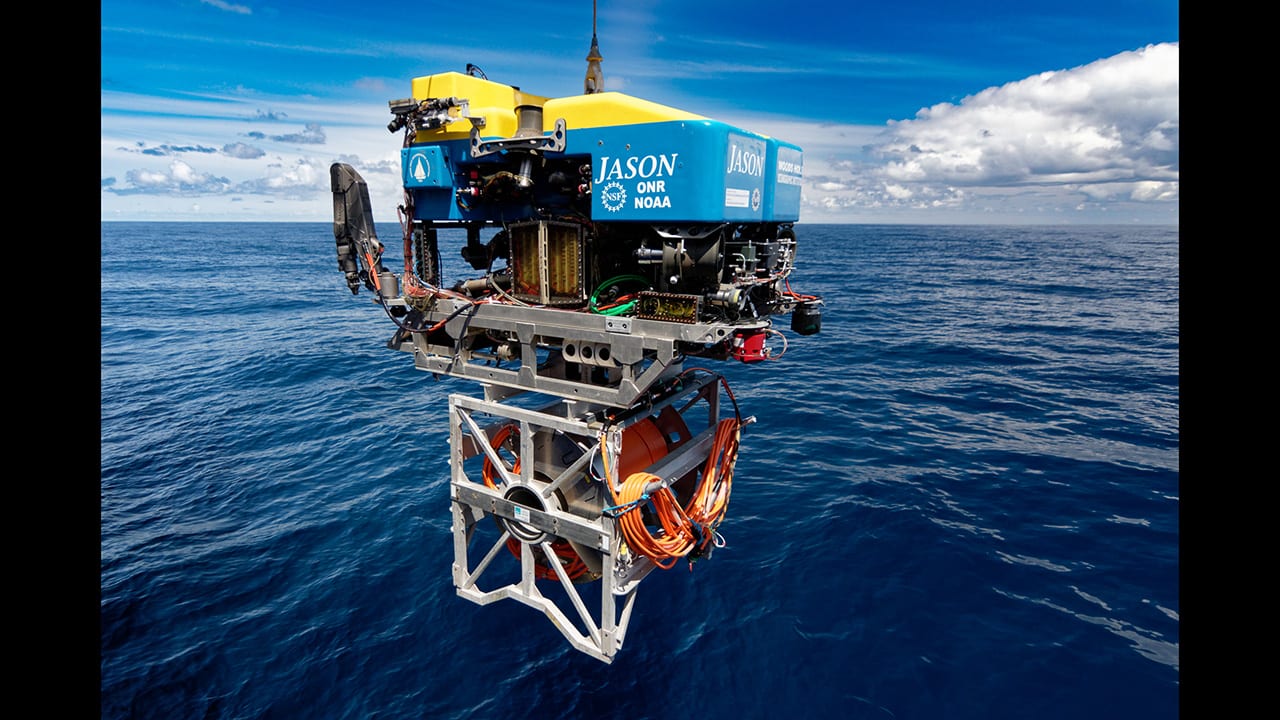
The remotely operated vehicle (ROV) Jason has had a storied career: it has located hydrothermal vent fields, captured footage of the deepest explosive erupting volcano, and rescued seismic equipment encased…
Read MoreI See a Purple Sea Cucumber
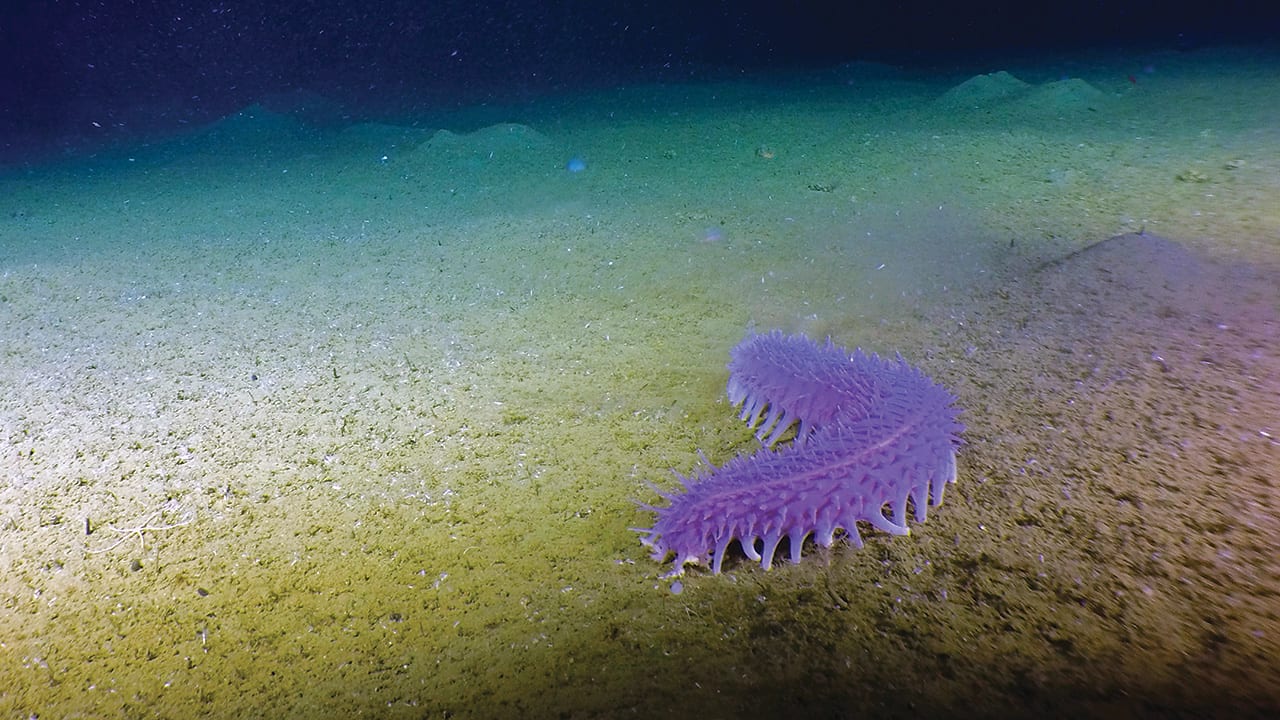
A purple elasipodida holothurian crawls on the seafloor more than 3,000 feet beneath the ocean surface at the base of a seamount off the Galápagos Islands. In August 2015, an…
Read MoreControl Group
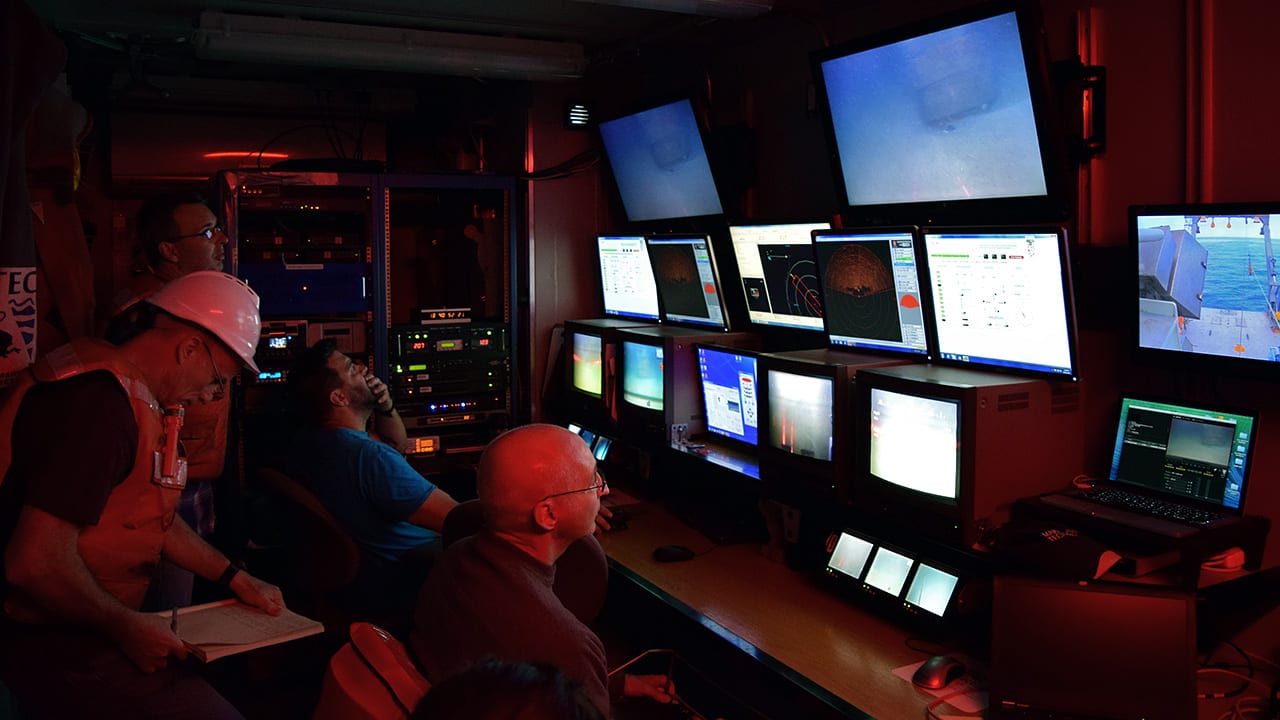
Inside the control van for the remotely operated vehicle Kraken-2, operators Mike McKee (left) and Dennis Arbige (right) from the University of Connecticut Northeast Underwater Research, Technology & Education Center (NURTEC)…
Read MoreA Full Deck
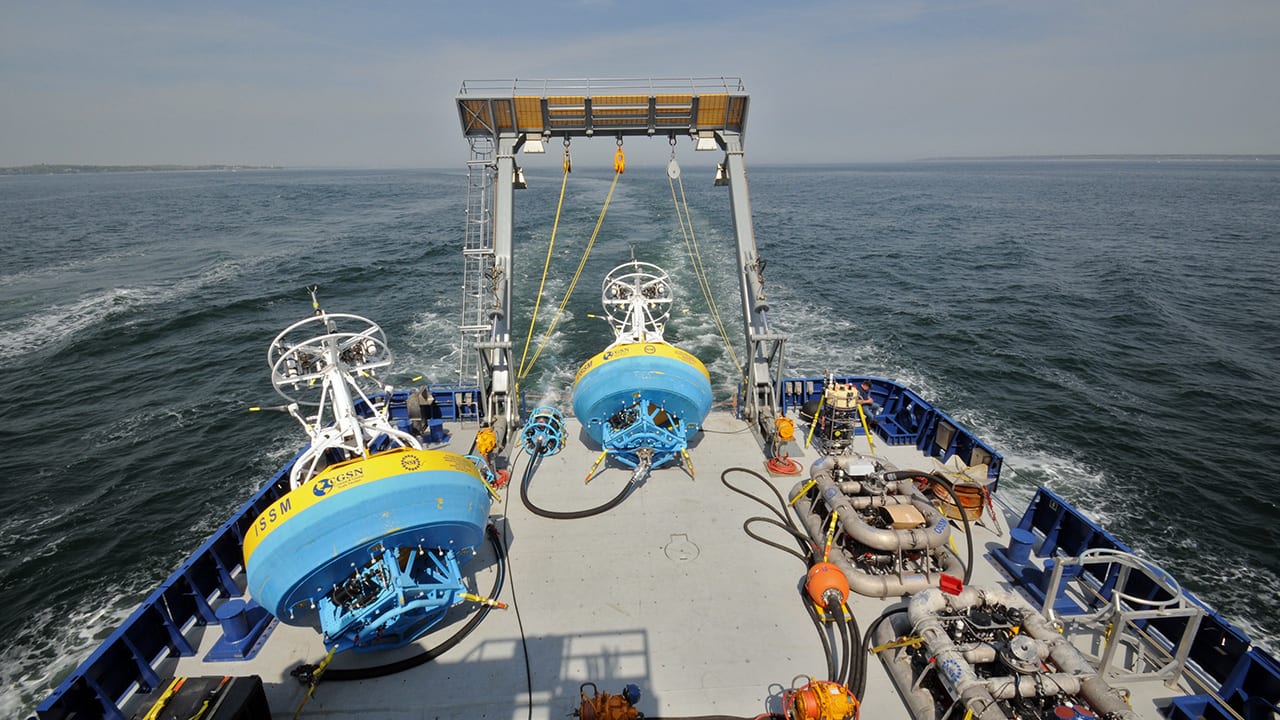
The research vessel Neil Armstrong heads to the Ocean Observatories Initiative Coastal Pioneer Array about 90 miles south of Martha’s Vineyard. Every six months, WHOI engineers, scientists, and crew travel…
Read MoreChemical Evidence
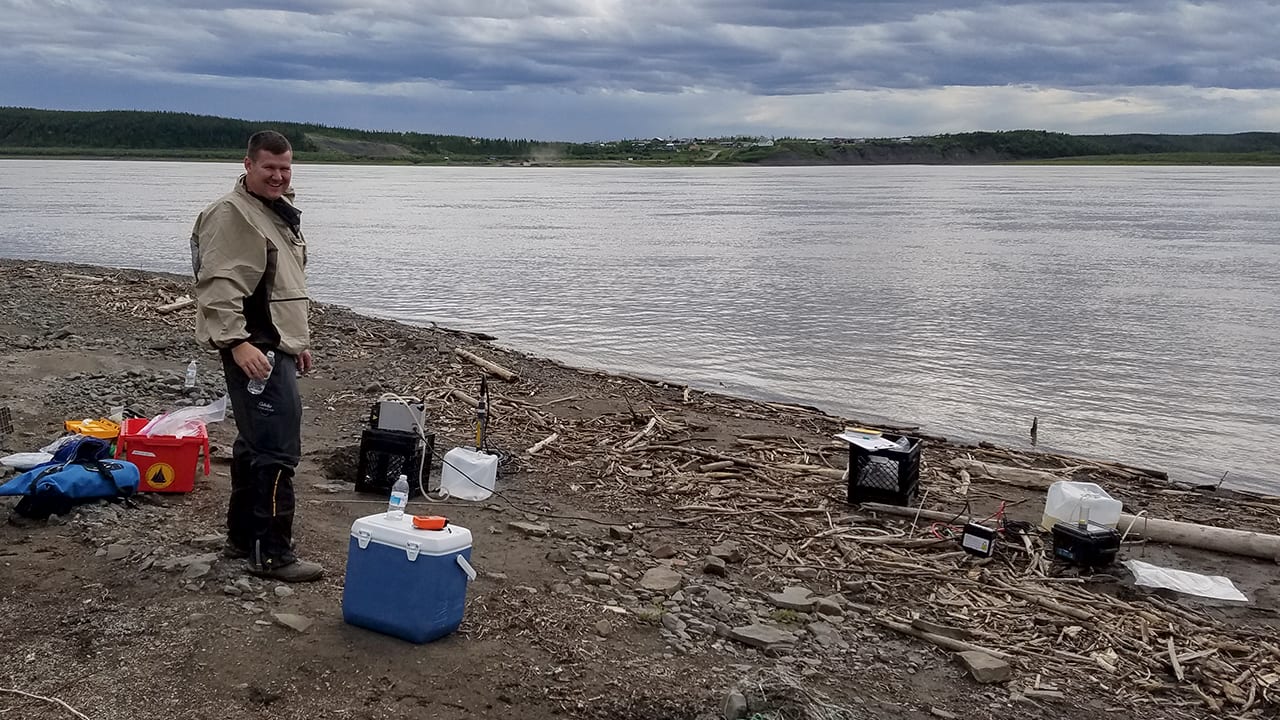
WHOI research assistant Paul Henderson watches over a water sampling station in the Northwest Territories, Canada. MIT-WHOI Joint Program student Lauren Kipp led the 2016 expedition to study processes on…
Read MoreA Break in the Action
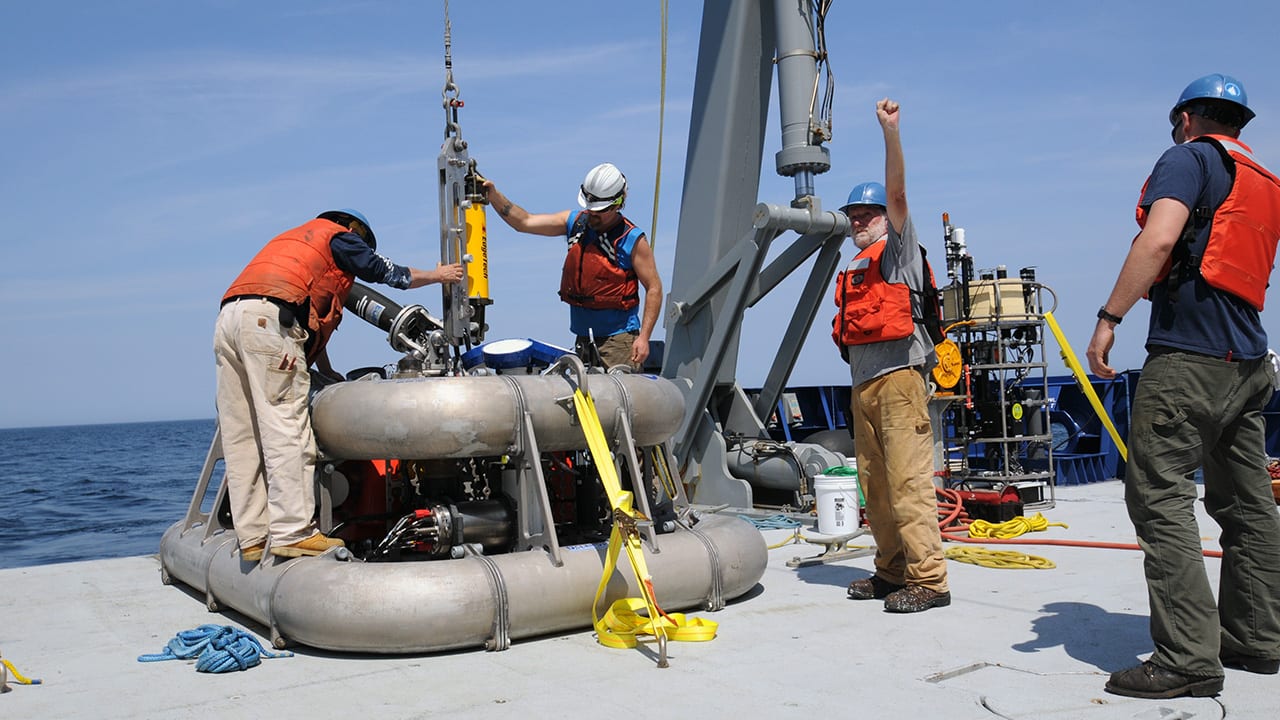
Bosun Pete Liarikos raises a fist to stop the action during the deployment of a multifunction node (MFN) from the deck of the research vessel Neil Armstrong. The gray metal…
Read MoreTracking Toxic Invaders
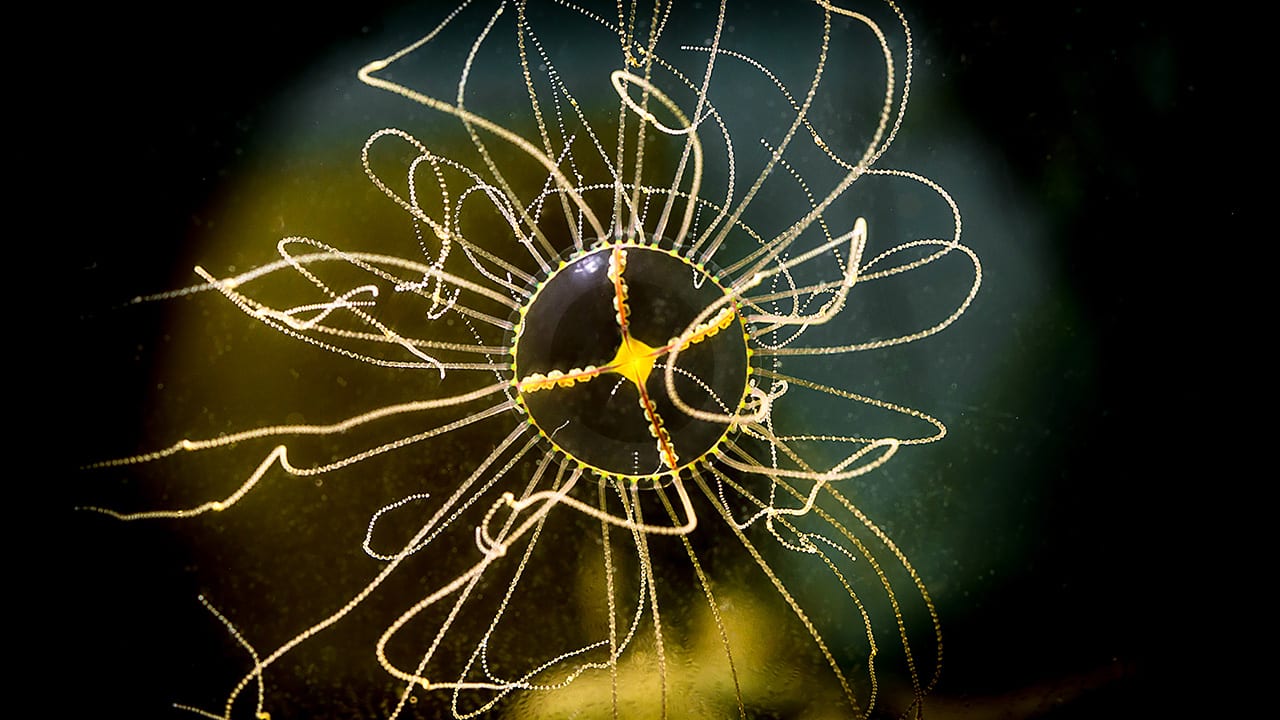
Clinging jellyfish such as this from the coastal ocean near Vladivostok, Russia, are known for toxic stings that cause a wide range of symptoms—severe pain, difficulty breathing, and even hallucinations.…
Read More