
Multimedia
Preparing for Recovery
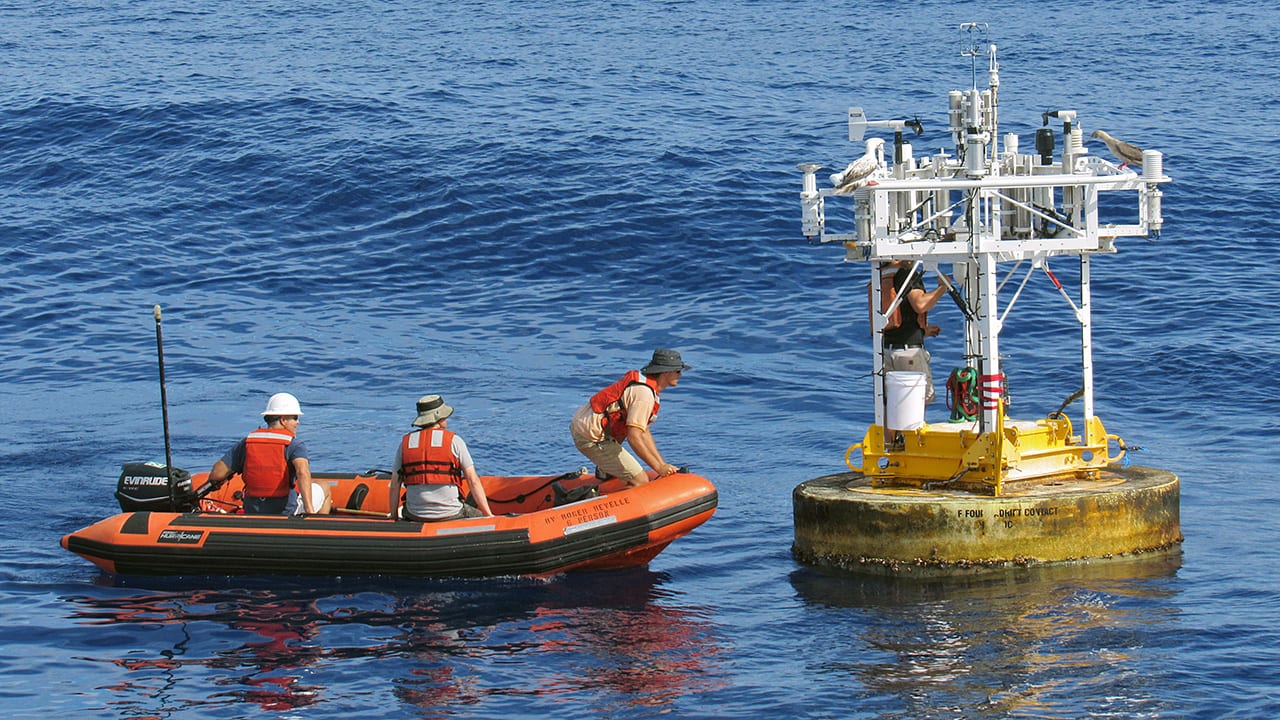
Raymond Graham (right, in lifeboat) gets into position to join Ben Pietro (far right) on the surface buoy of a scientific mooring to prepare it for recovery after its 14-month…
Read MoreGetting in Line
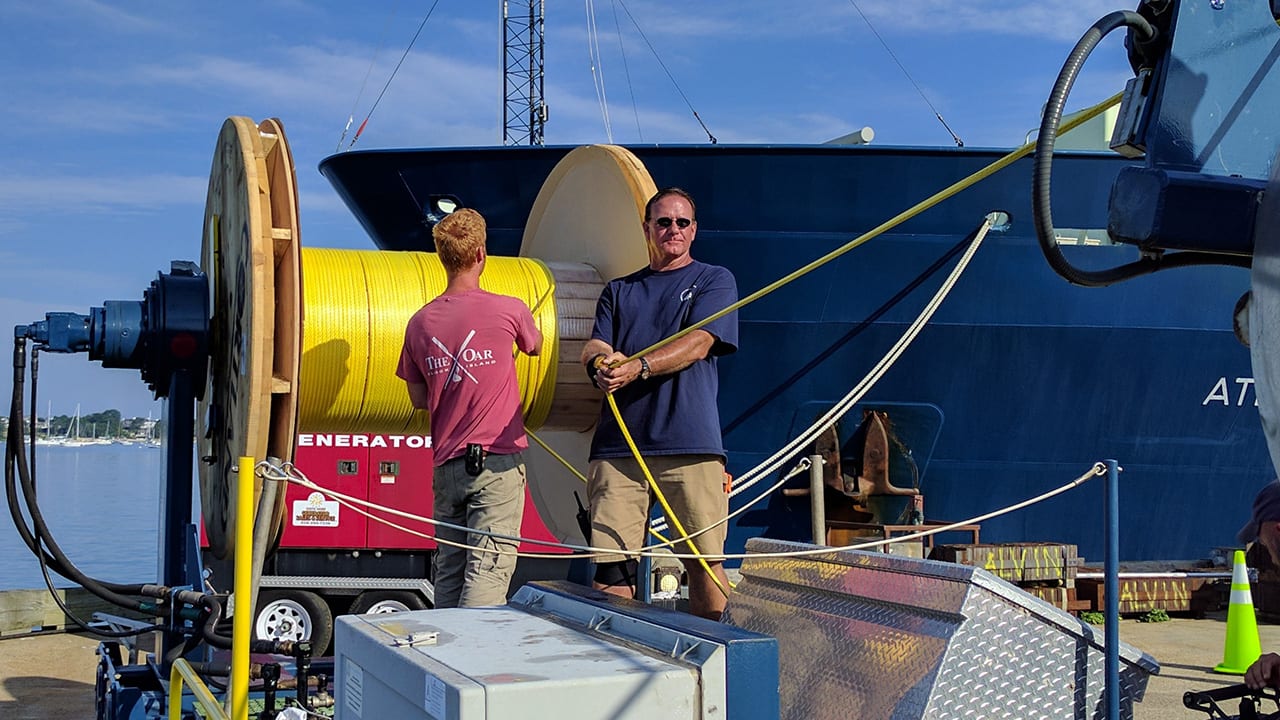
WHOI engineer Christopher Griner (facing camera) and Chris Mannka, a crewmember of the research vessel Neil Armstrong, wound more than 12 kilometers (over 7 miles) of high-strength synthetic rope prior…
Read MoreEight Arms, No Ears
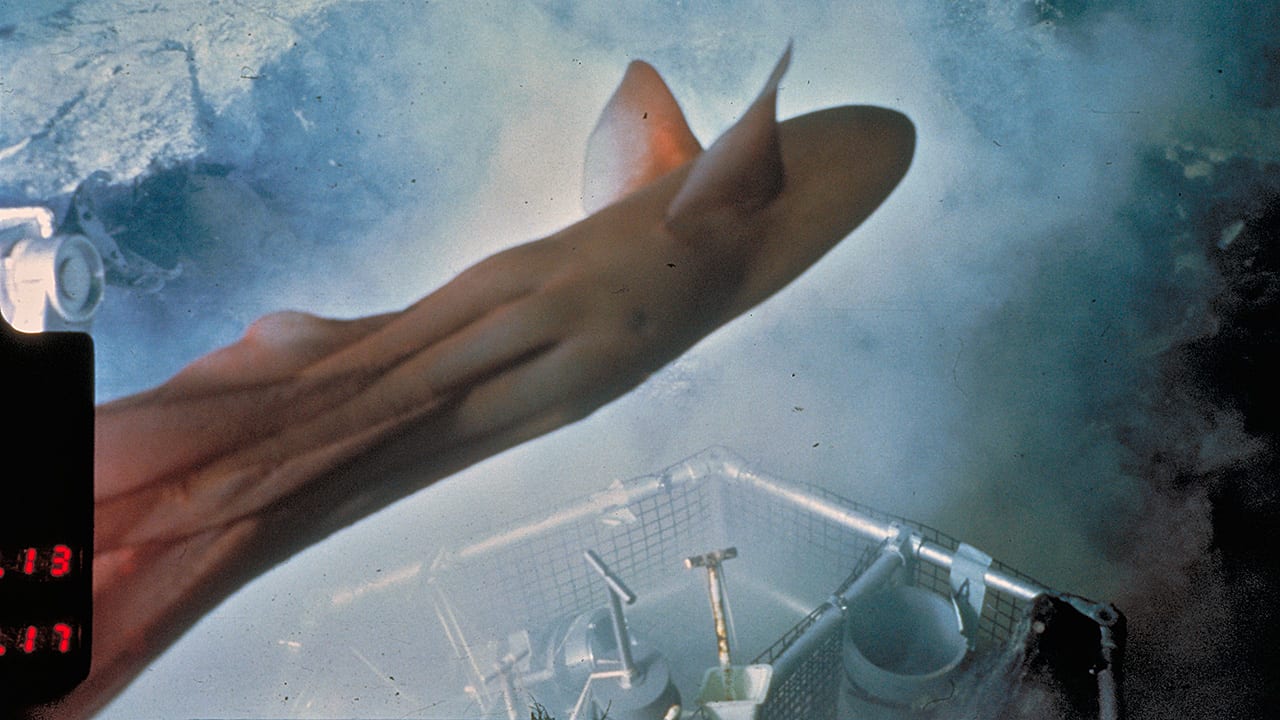
It’s a bird, it’s a plane … no, it’s a cirrate octopus that was spotted swimming past the viewport of the human-occupied deep-sea submersible Alvin in 1976. Cirrate octopuses have…
Read MoreHot Spots on the River
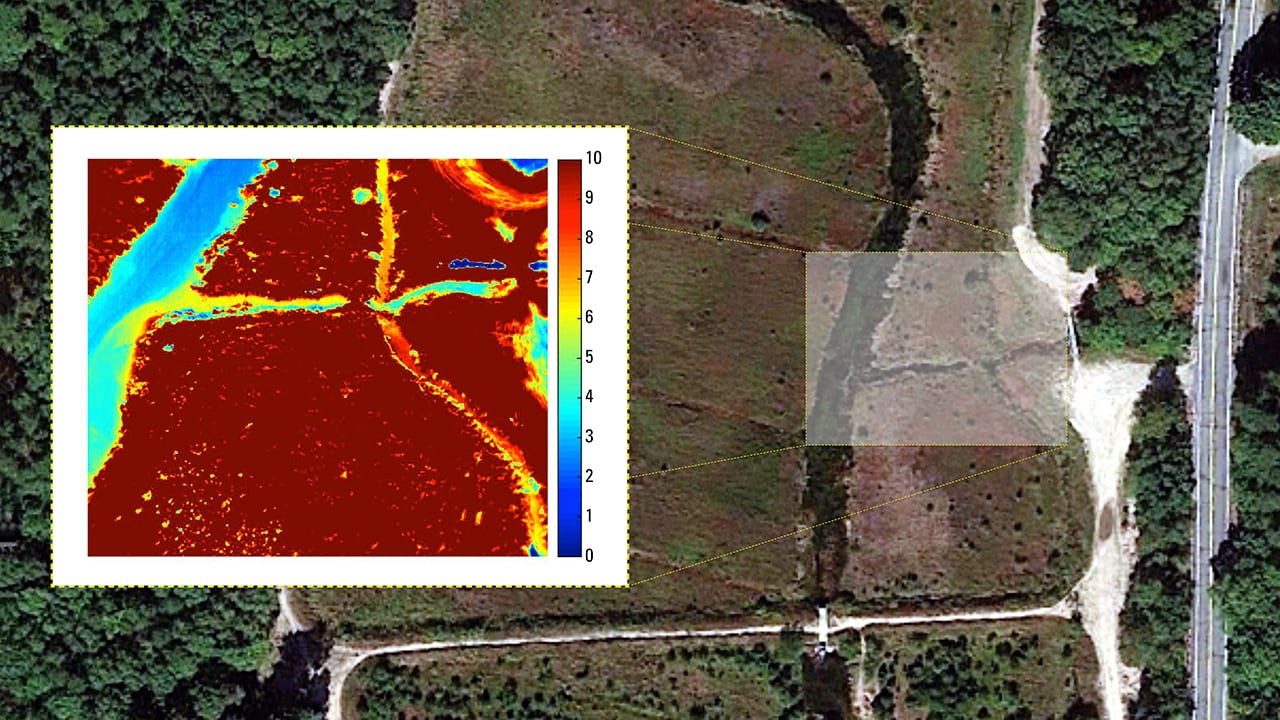
WHOI scientists used a drone equipped with a thermal imaging sensor to create this image (inset) of a section of the Coonamessett River watershed in Falmouth, Mass. The thermal image…
Read MoreFloe Jumping
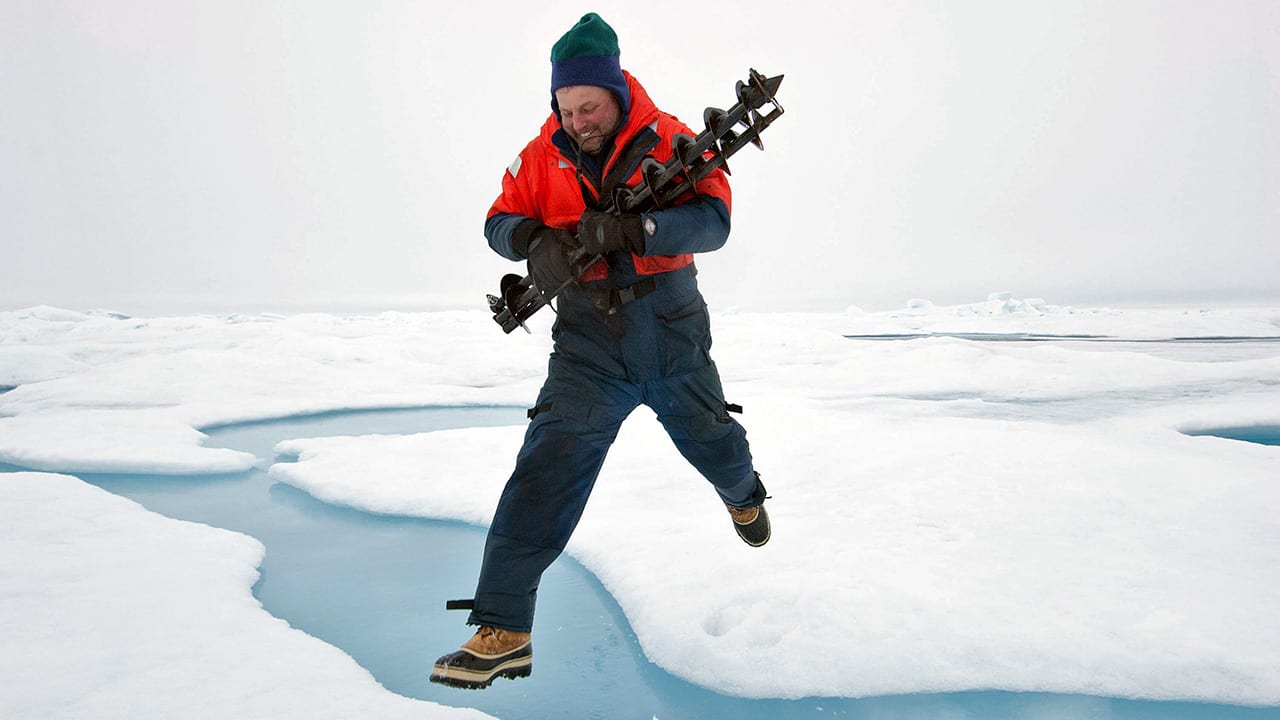
John Kemp, operations leader of the WHOI Mooring Operations and Engineering Group, leaps over melt pond in the Arctic carrying equipment to drill a hole into an ice floe to…
Read MoreSecuring the Tower
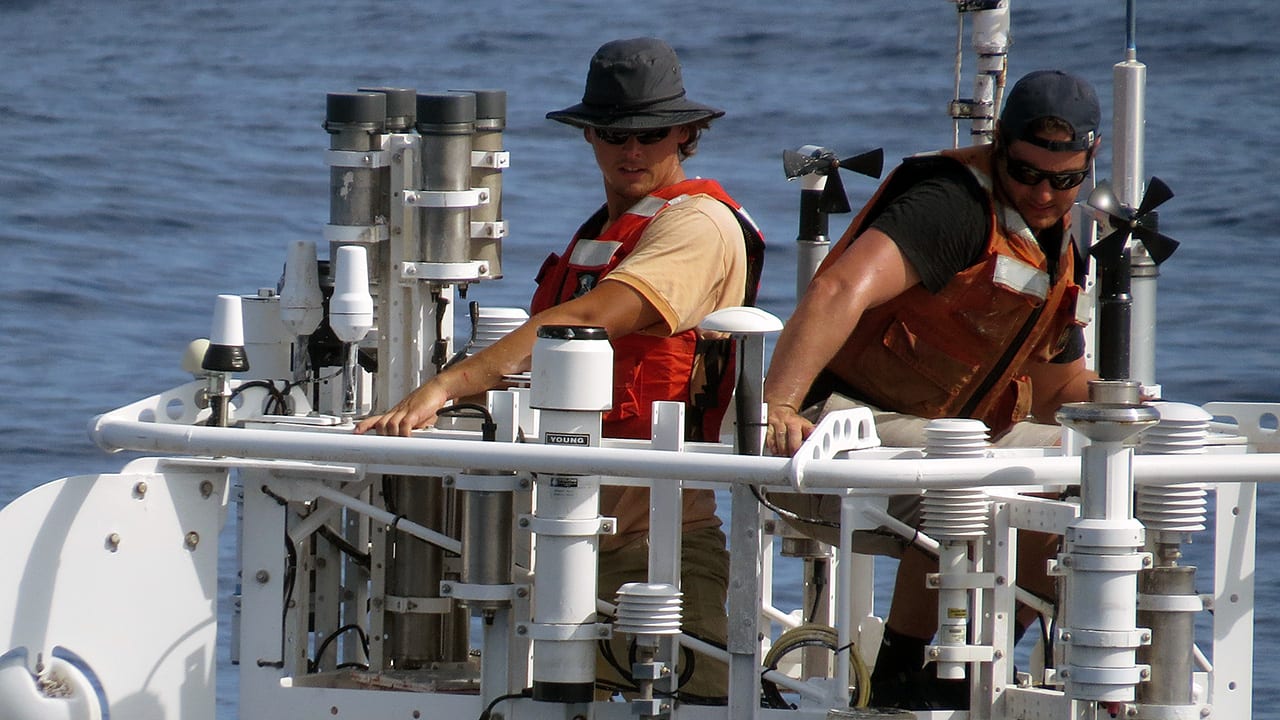
Raymond Graham and Ben Pietro of WHOI’s Upper Ocean Processes Group work to secure instruments atop a mooring buoy in the eastern equatorial Pacific Ocean. The mooring is one of…
Read MoreA Fresh Perspective
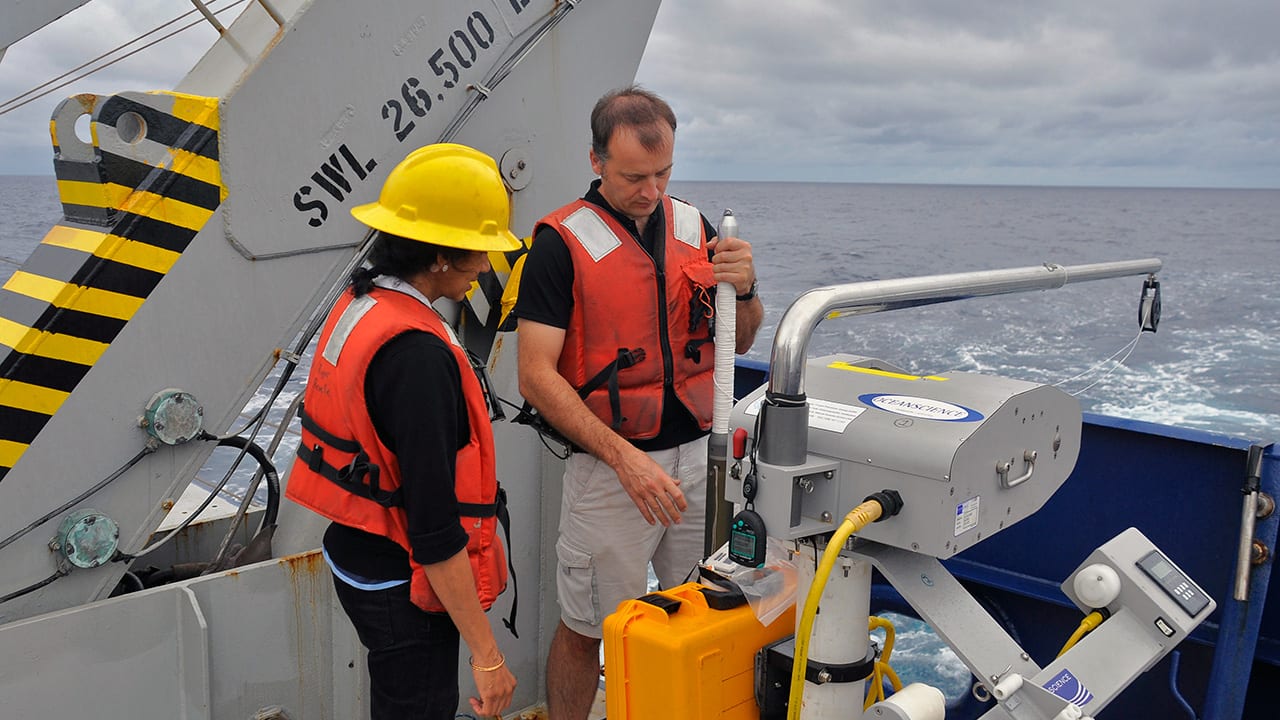
WHOI researcher Sebastien Bigorre talks with WHOI physical oceanographer Amala Mahadevan about measurements from an underway-CTD, an instrument that measures conductivity (salinity), temperature, and depth while a ship is in…
Read MoreCoral Bleaching
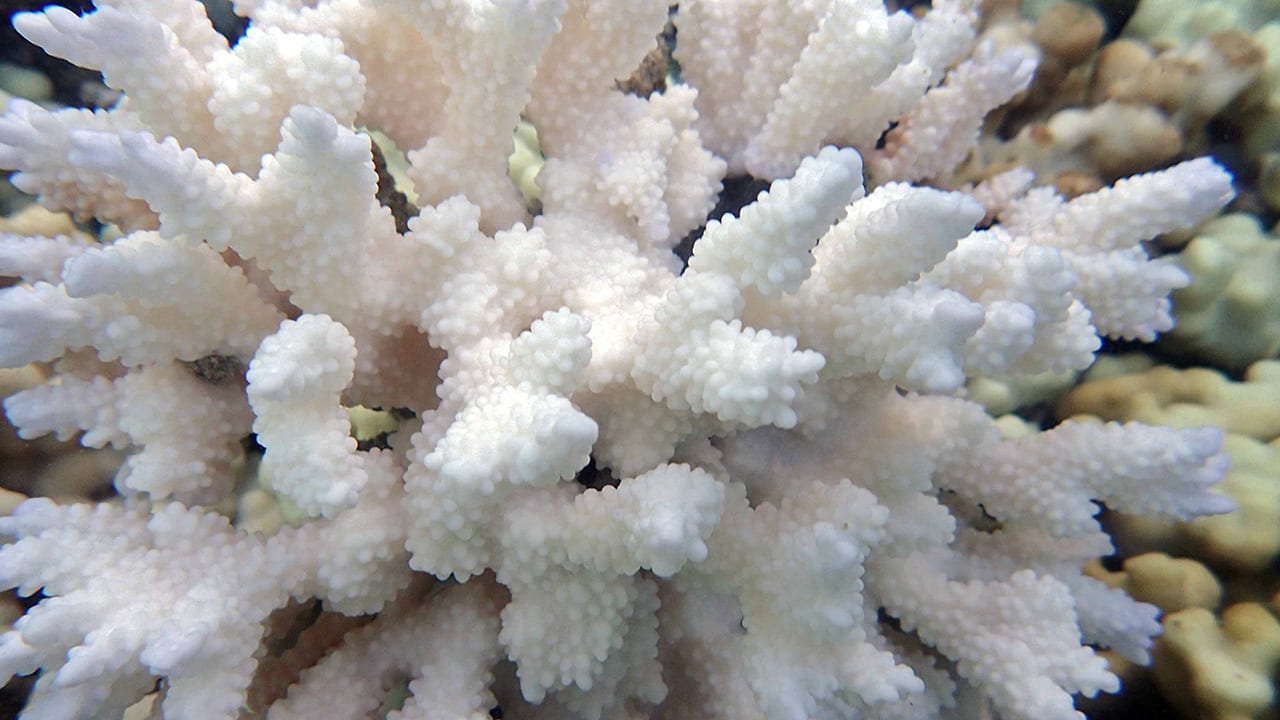
This coral’s stark white color indicates that it is stressed. Corals host symbiotic algae that produce food for corals and also give corals their vibrant color. When ocean waters warm,…
Read MorePEACH-y Project
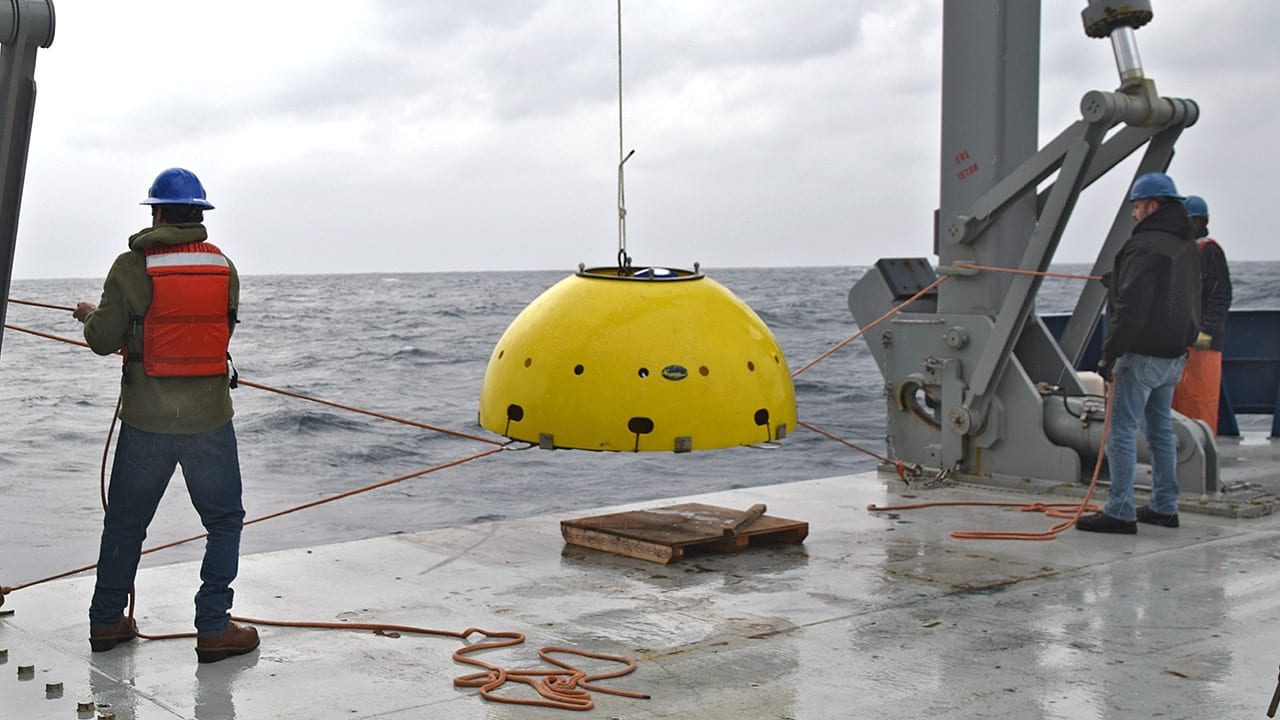
Gabriel Matthias (left) from the Skidaway Institute of Oceanography and WHOI senior engineering assistant Brian Hogue guide part of a mooring into the water from the research vessel Neil Armstrong…
Read MoreInto the Cold
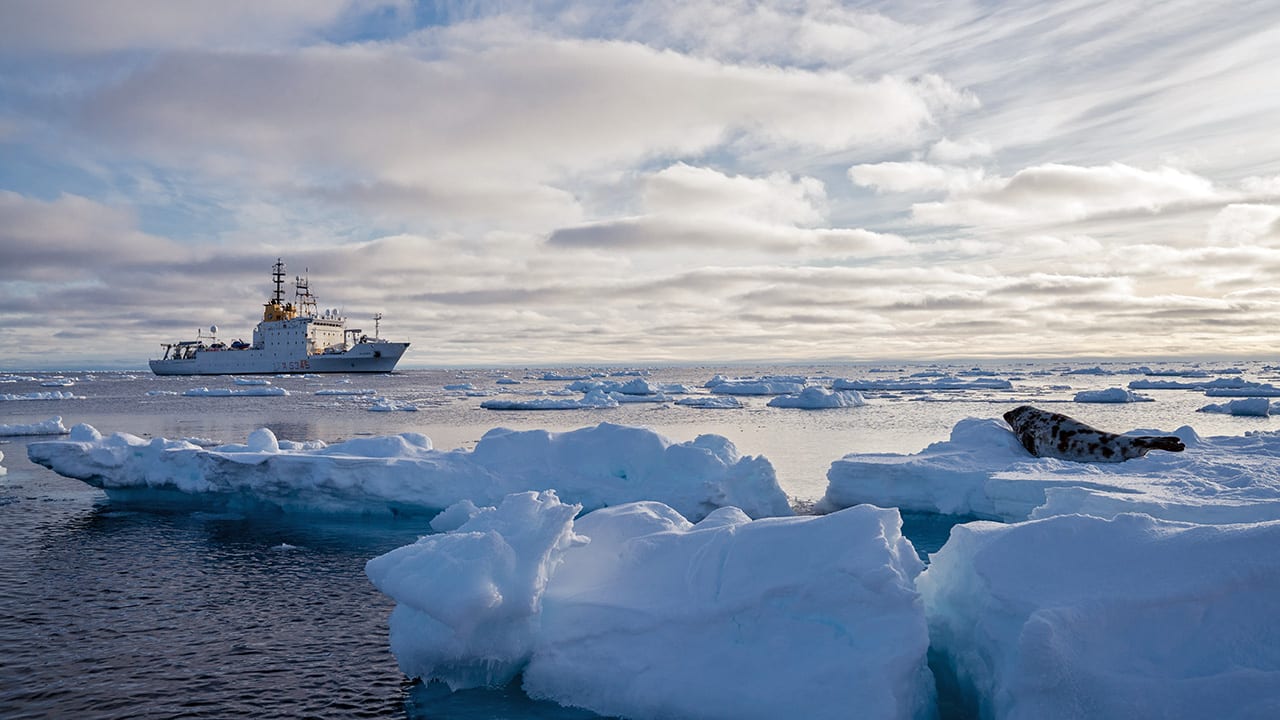
WHOI physical oceanographer Robert Pickart is currently leading an international team on board the NATO research vessel Alliance to get a close-up look at a poorly understood, but critical, part…
Read MoreRest Before Work
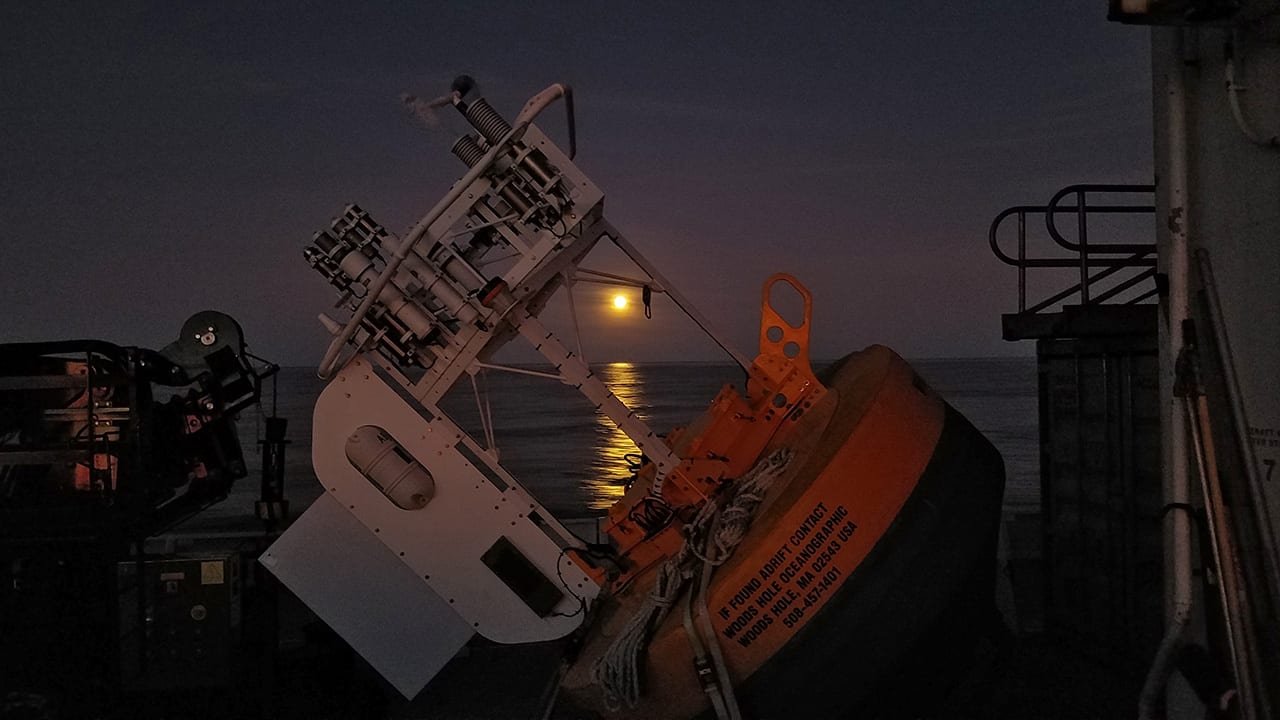
The moon rises over calm seas the night before the deployment of the sixteenth Stratus surface mooring in May of 2017. The mooring has been maintained since 2000 by WHOI’s Upper…
Read MoreWomen of the Deep
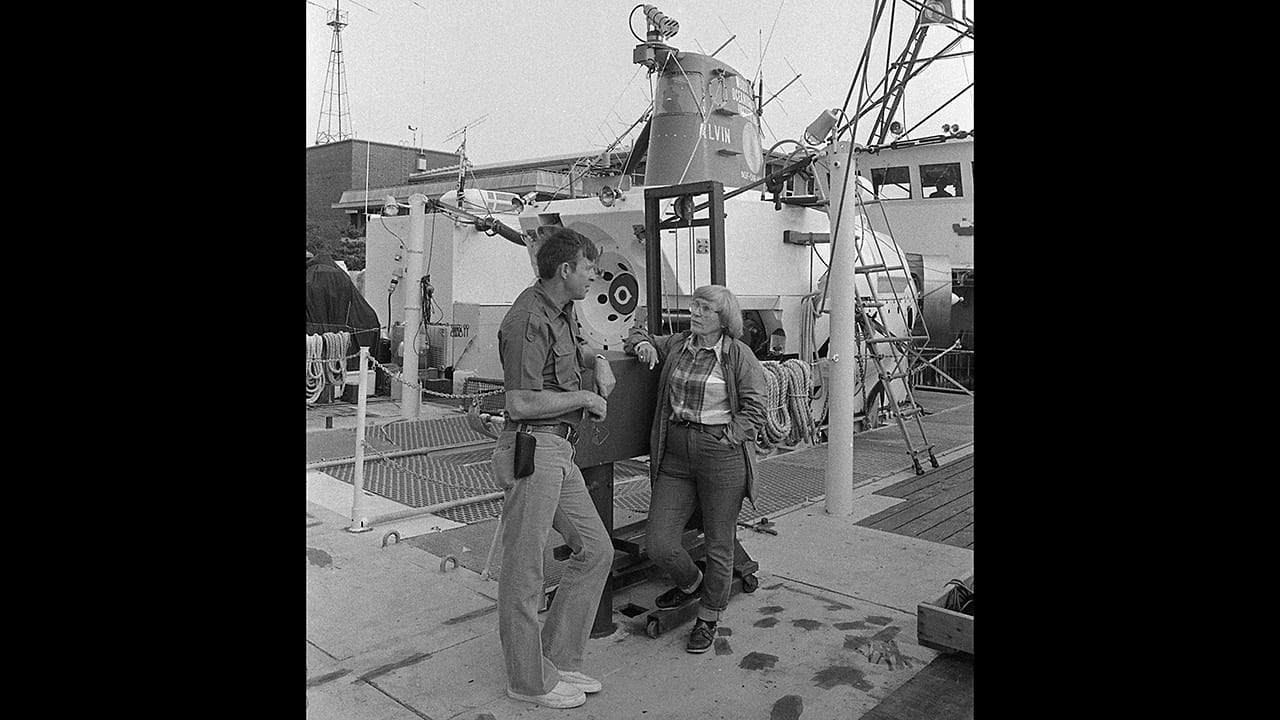
In 1971, marine biologist Ruth Turner became the first woman to dive in WHOI’s human-occupied submersible Alvin. Turner, pictured here with Alvin Chief Pilot Ralph Hollis aboard the research vessel…
Read MoreTakes a Lickin’
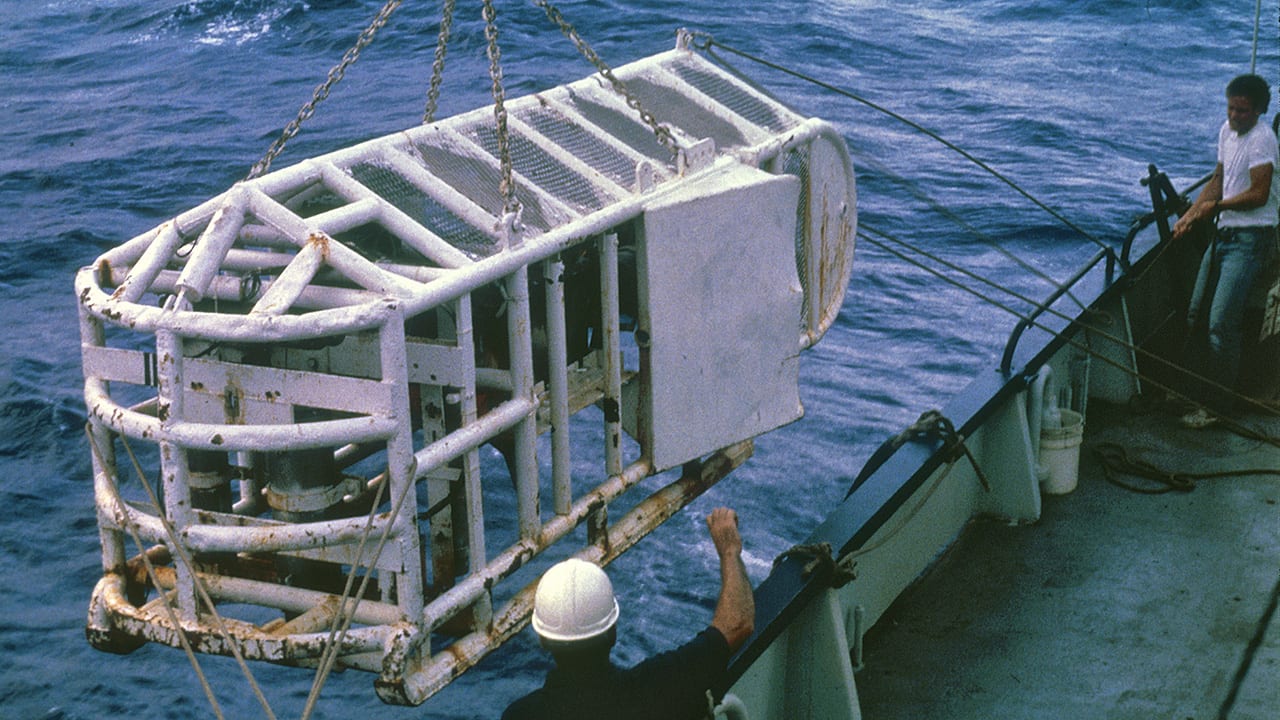
This vehicle’s unassuming appearance belies the fact that it was instrumental is some of the most important undersea discoveries: finding hydrothermal vents and chemosynthetic deep-sea life in 1977 and the…
Read MoreConserving our Coasts
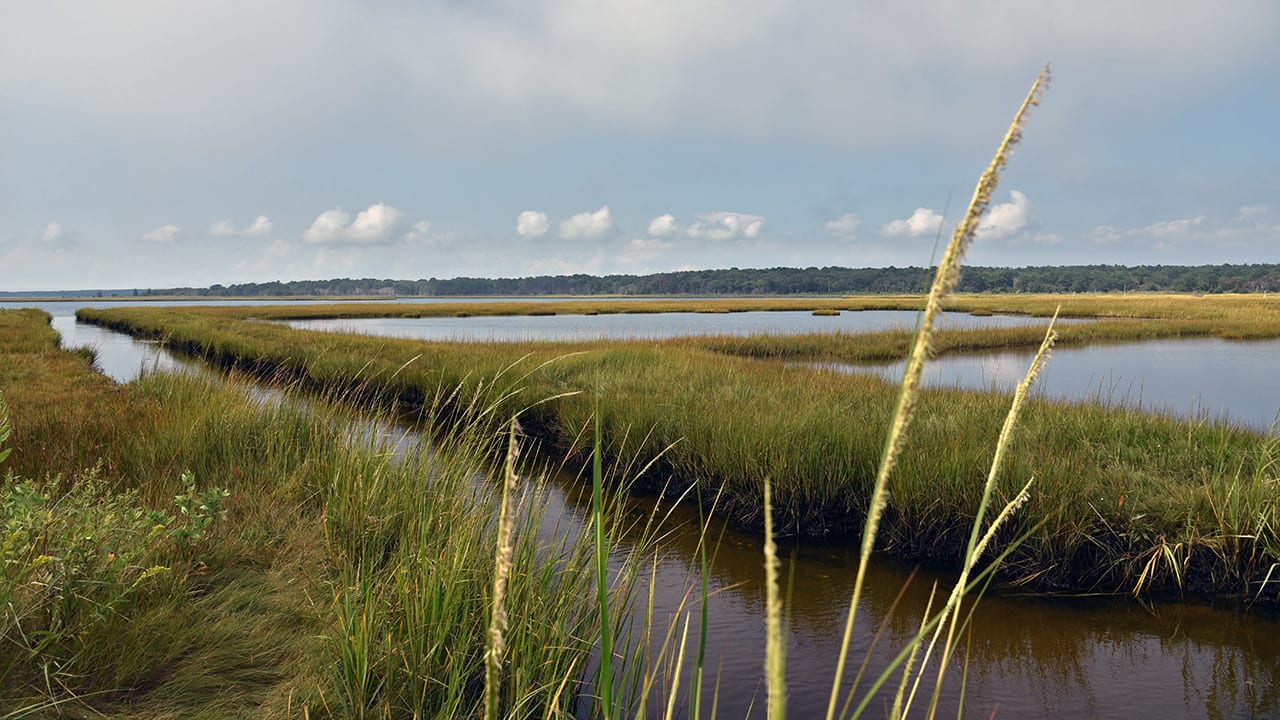
WHOI marine chemist Amanda Spivak studies salt marshes such as this one near Waquoit Bay in Mashpee, Mass. She is starting a project to understand how New England’s nearly century-old…
Read MoreLimited Visibility
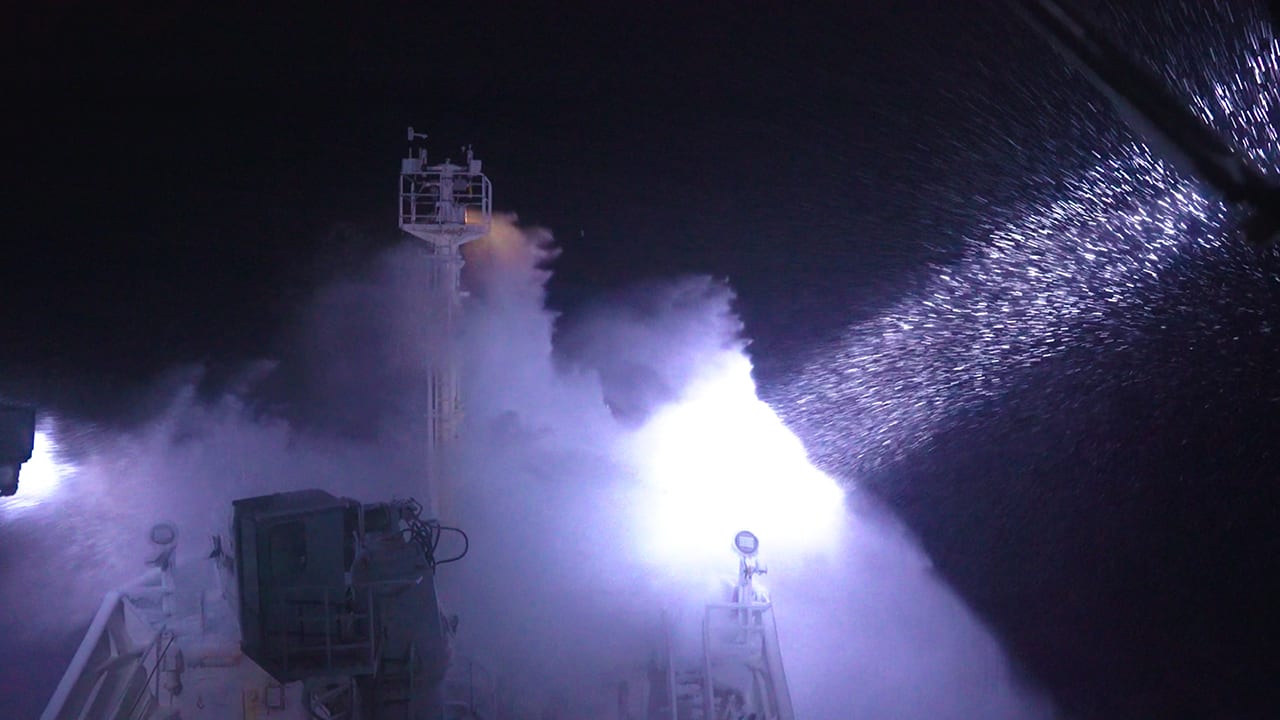
The North Atlantic can be an inhospitable place, especially in late winter, but that is exactly when WHOI physical oceanographer Robert Pickart needs to be there. Pickart and his international…
Read MorePart of the Whole
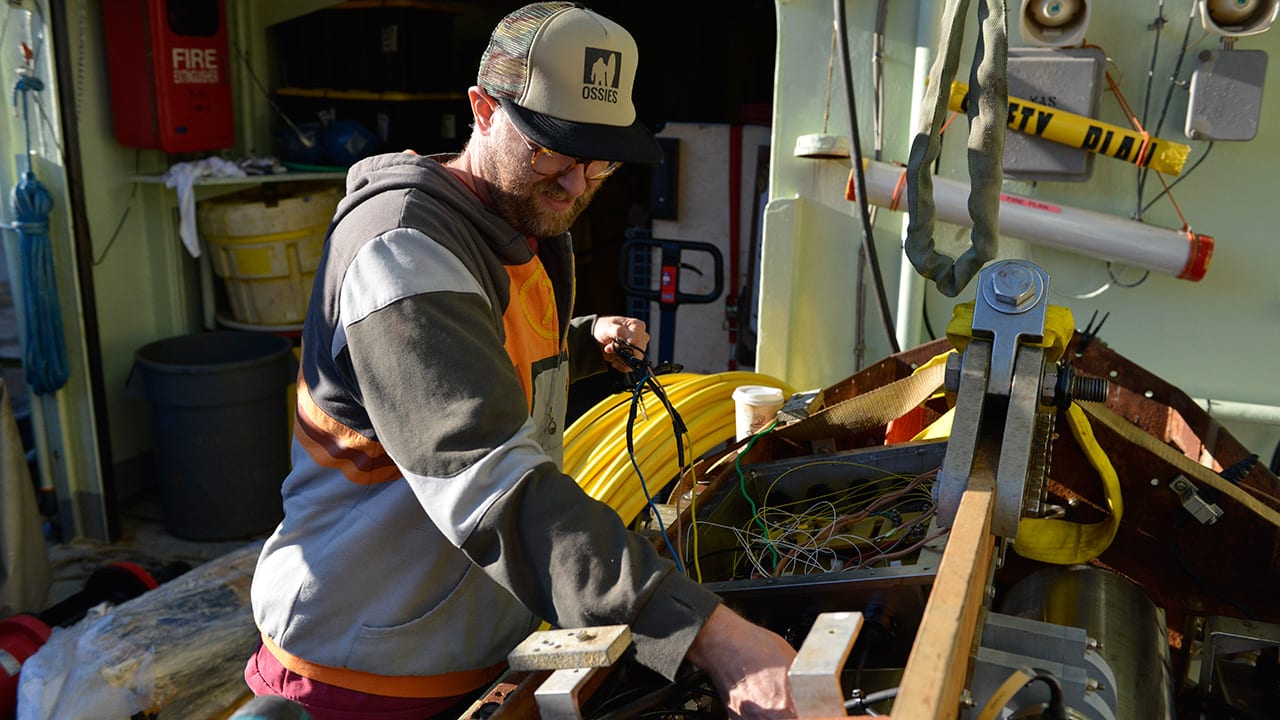
WHOI engineer Korey Verhein works on the remotely operated vehicle (ROV) Medea prior to departure on the research vessel Atlantis recently. Medea is part of the ROV Jason system and…
Read MoreMasked Researchers
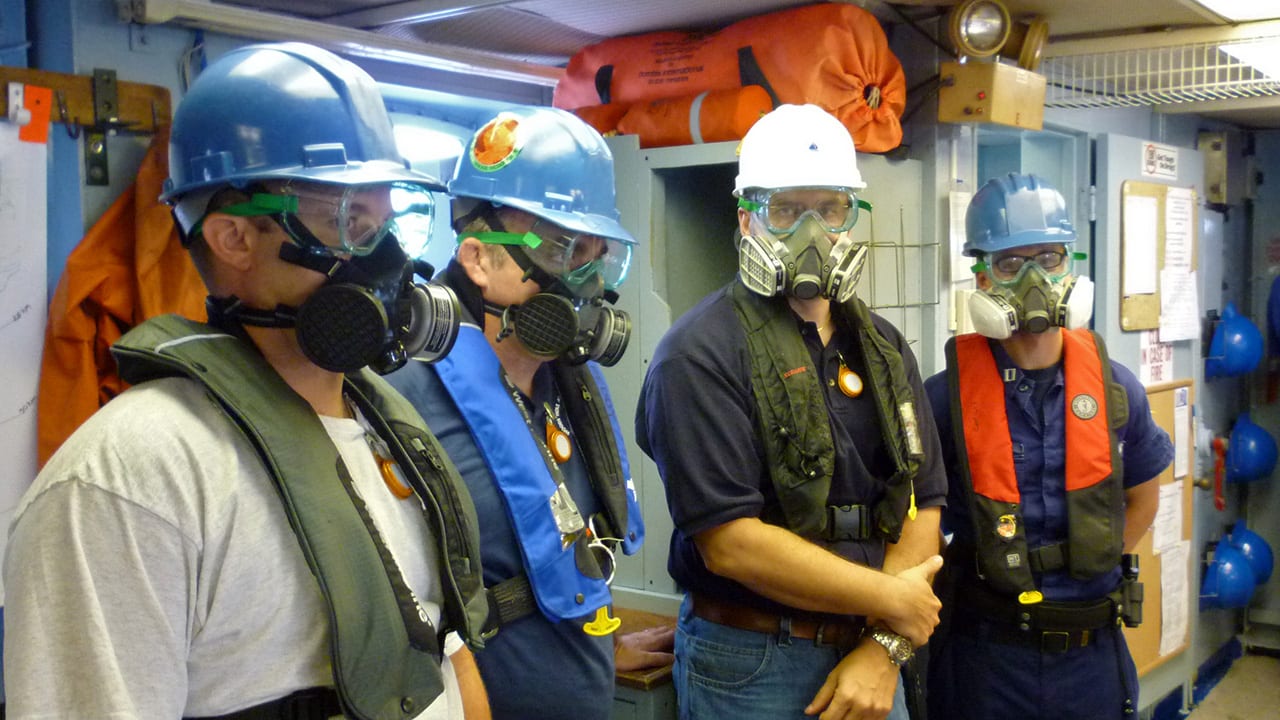
At times during the Deepwater Horizon crisis, WHOI researchers had to take safety precautions. From left, WHOI’s Sean Sylva, Chris Reddy, and Rich Camilli, and U.S. Coast Guard Lt. Jarrett…
Read MoreRobot Explorers
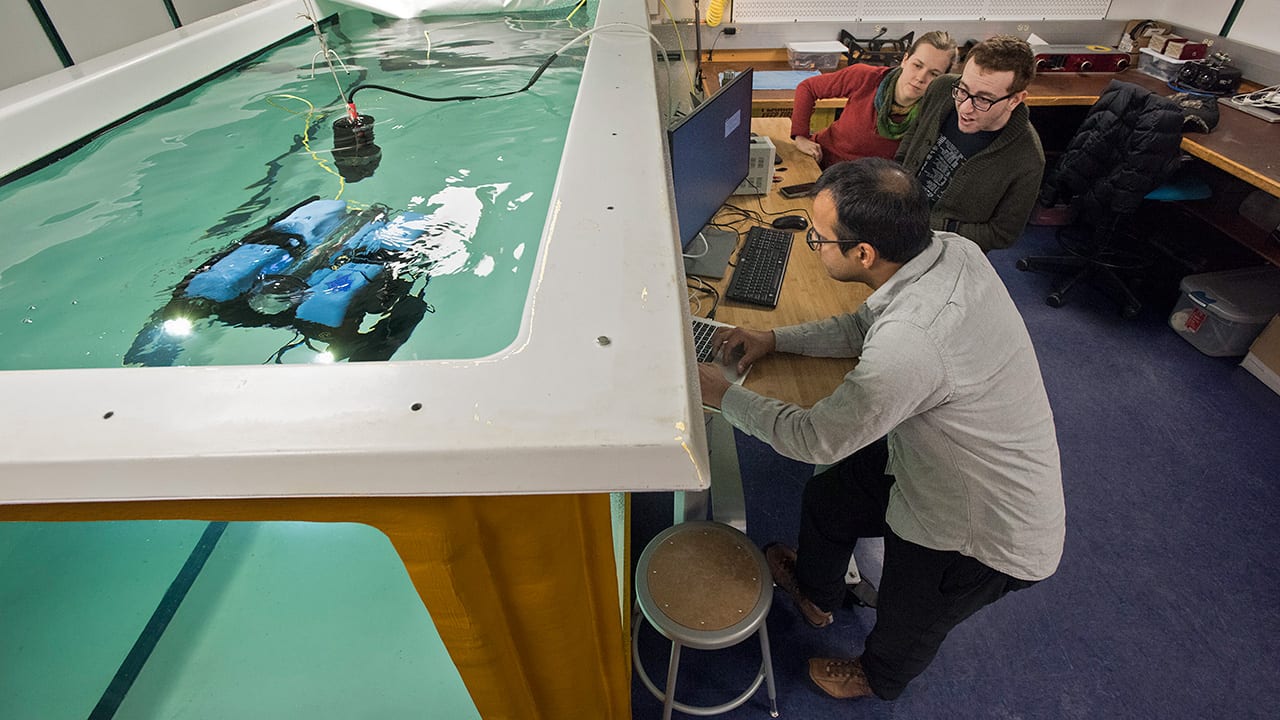
WHOI computer scientist and engineer Yogi Girdhar (foreground, at keyboard) works with MIT-WHOI Joint Program students Genevieve Flaspohler and Kevin Doherty to test and calibrate a robot in WHOI’s Autonomous…
Read MoreEye in the Skies
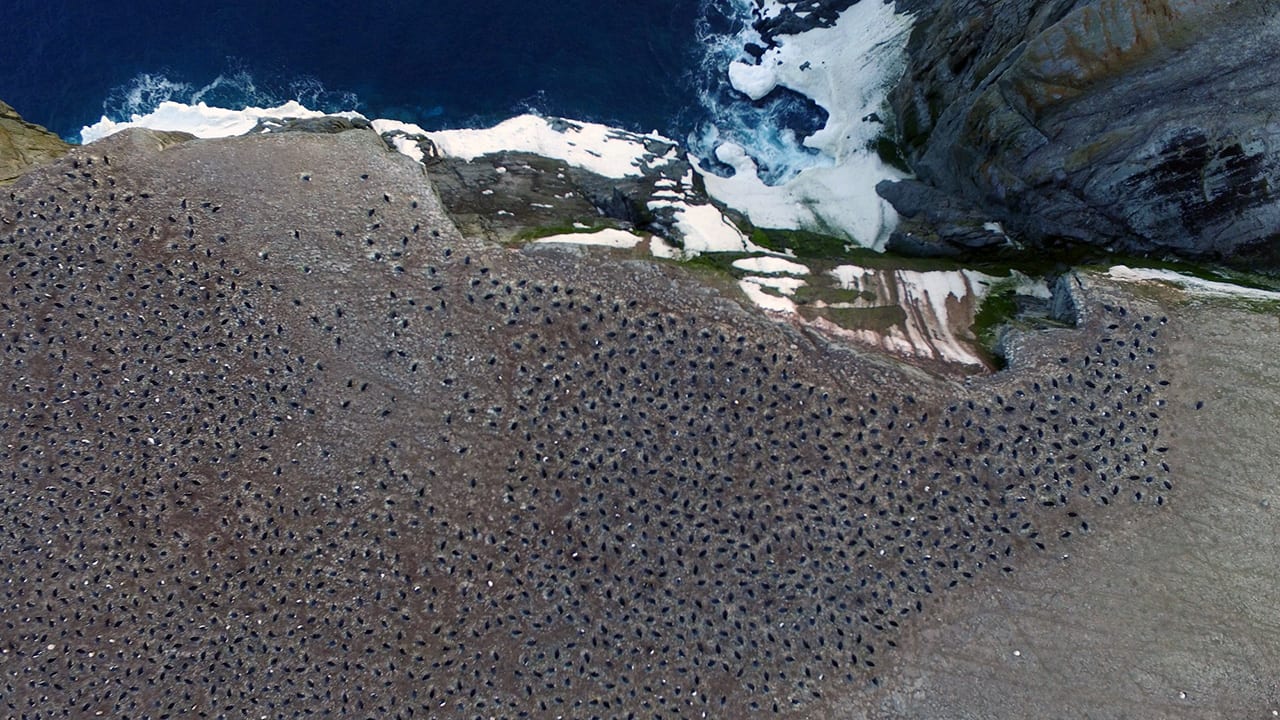
A modified quadcopter drone gave WHOI researchers and colleagues a bird’s-eye view and computer-automated counts of a new “supercolony” of more than 1.5 million Adelie penguins in the Danger Islands—a…
Read MoreHumpback Health
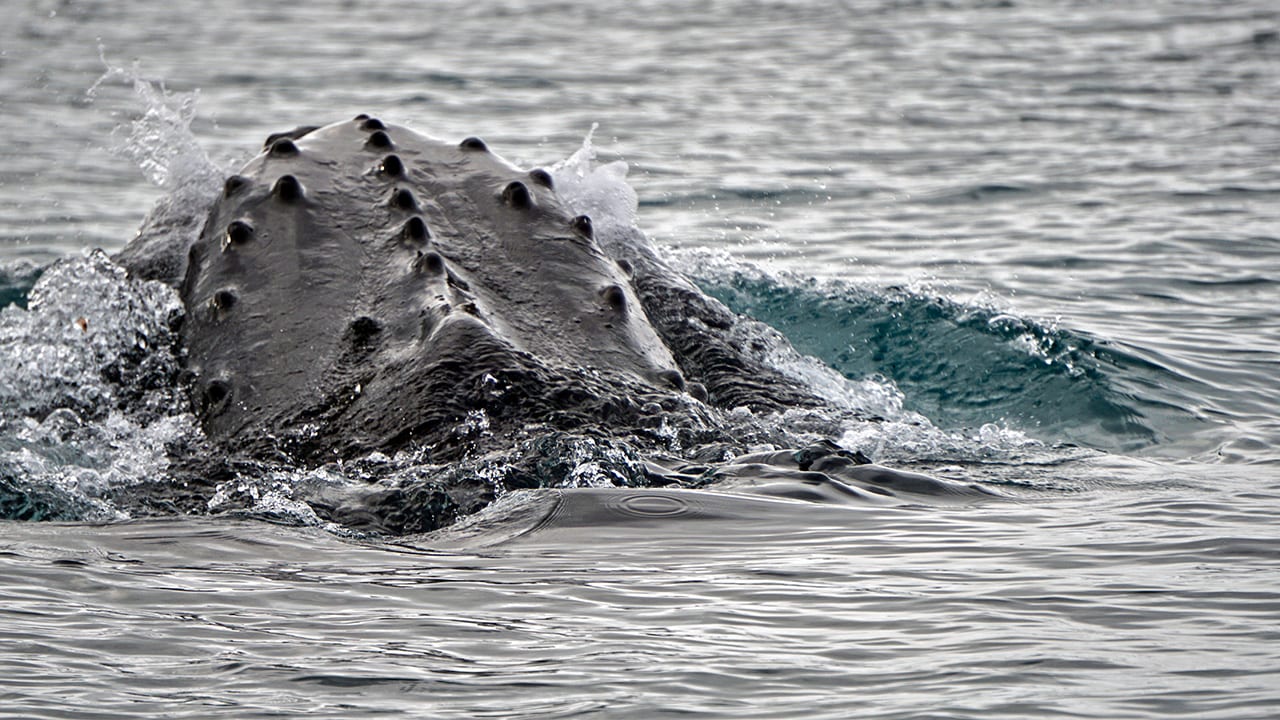
The microbes on a whale’s skin could provide clues to its health. In a recent study, WHOI microbiologist Amy Apprill collected skin samples from humpback whales in the North Atlantic,…
Read MoreToo Heavy? Use A Sled.
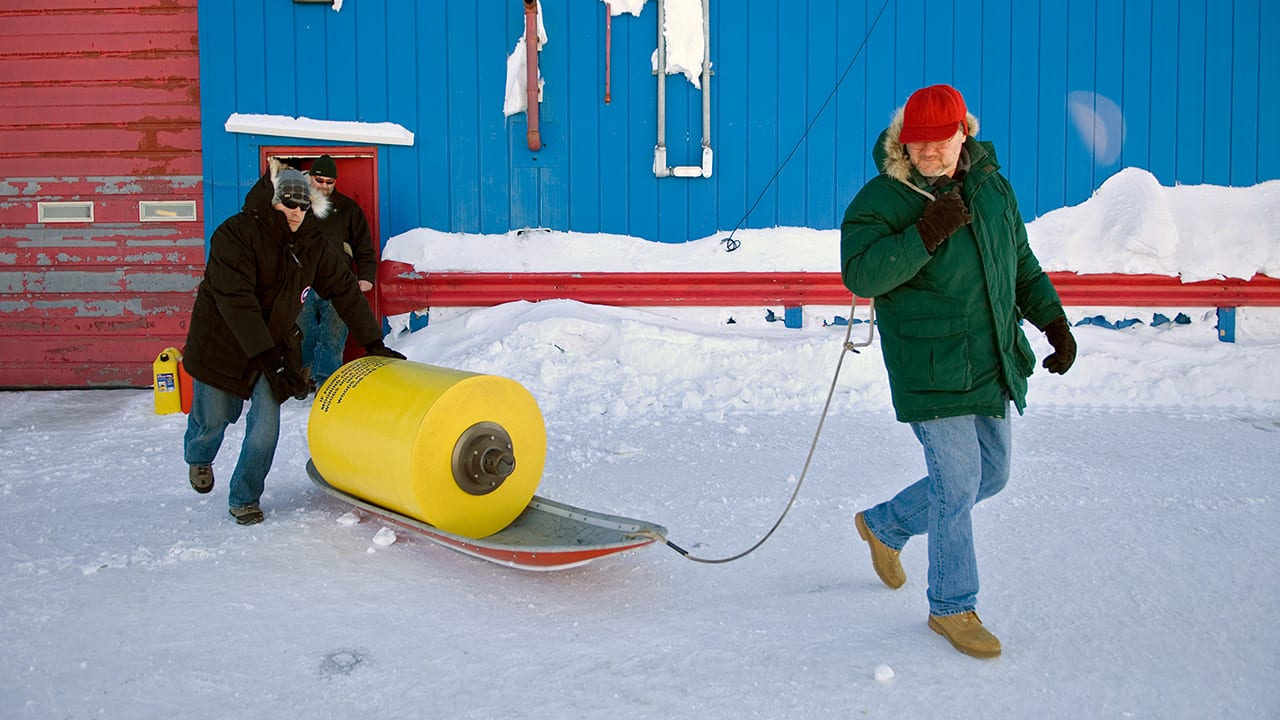
WHOI engineers Rick Krishfield (right) and Kris Newhall take part of an ice-tethered profiler (ITP) for a sled ride in Resolute Bay, Canada, before deploying it on an Arctic Ocean…
Read MoreEyes on Geobiology
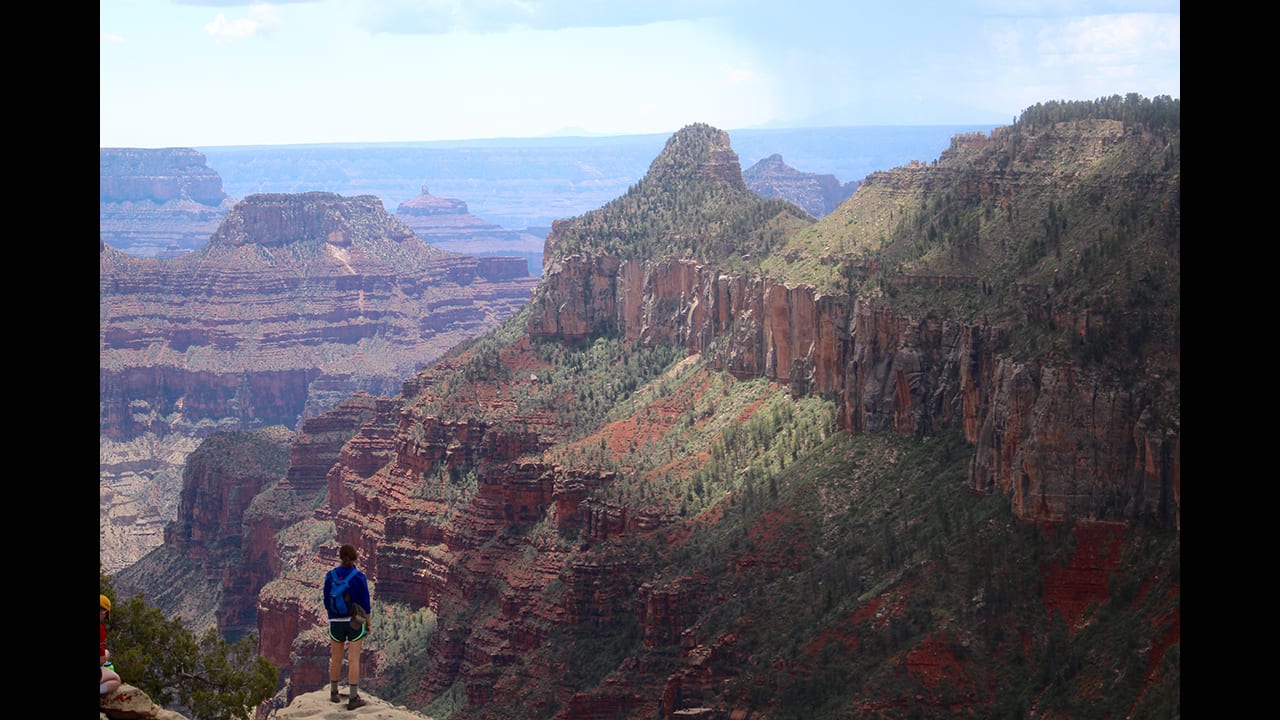
MIT-WHOI Joint Program graduate student Julia Middleton took this photo of her sister during a trip to the Grand Canyon, but her eyes were on the canyon walls. Formations like…
Read MoreBreaking Down Bulkheads
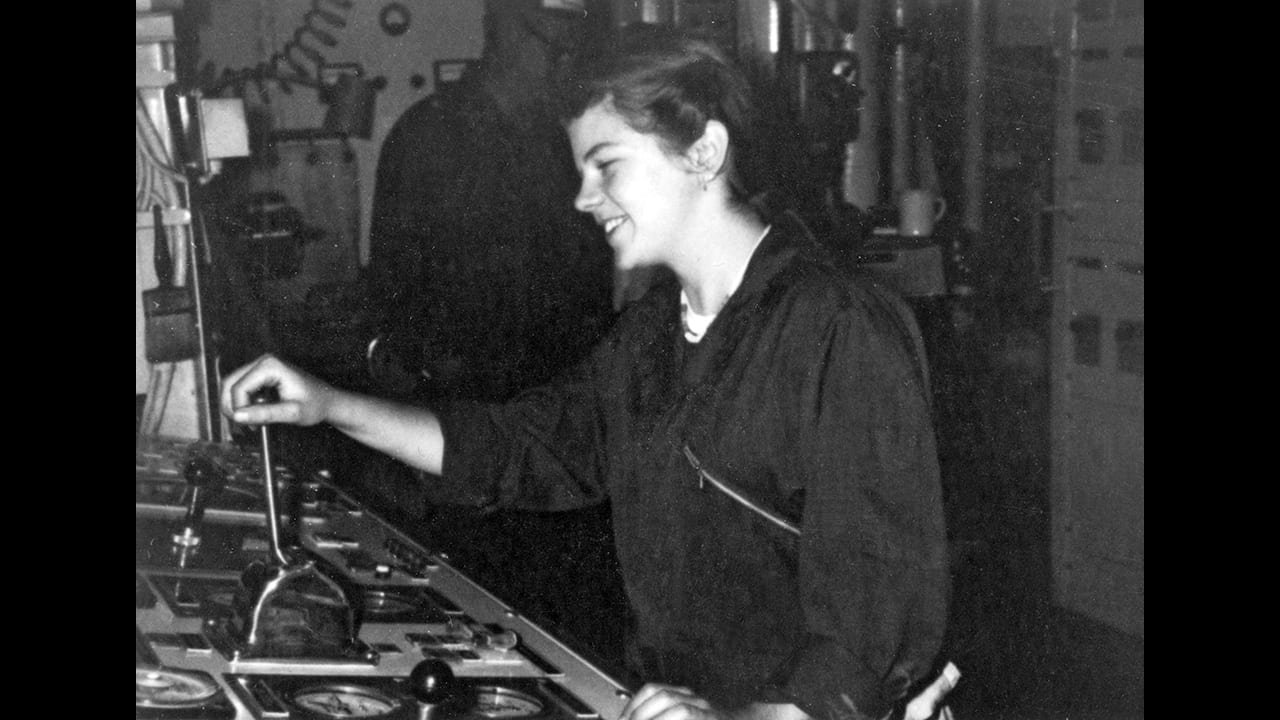
The history of women at sea on WHOI ships began quietly on April 8, 1952, when the husband-and-wife team of Harvard biologists Barbara Lawrence and William Schevill, who was a…
Read MoreBombs Beneath the Waves
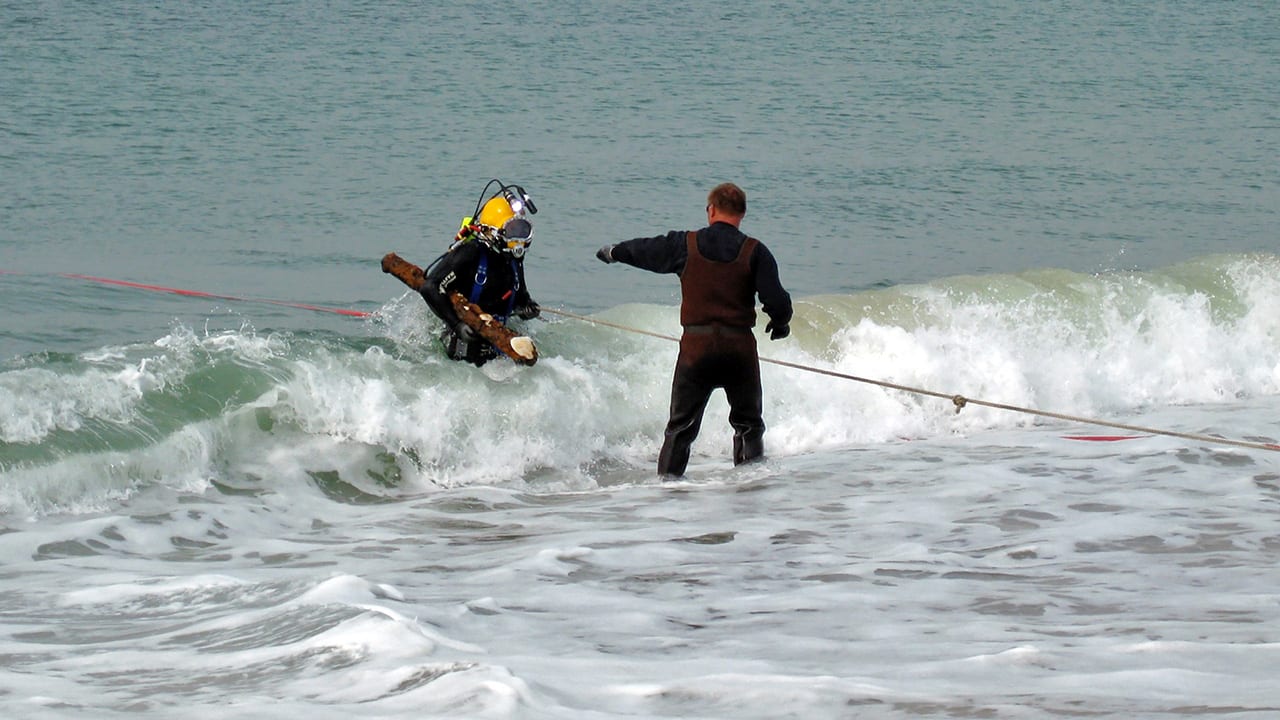
Divers from VRHabilis recover an unexploded munition off South Beach on Martha’s Vineyard in 2009. In the 1940s and 1950s, the U.S. Navy and Air Force conducted military exercises in…
Read More