
Multimedia
Hydrothermal Vents: Oasis in the dark
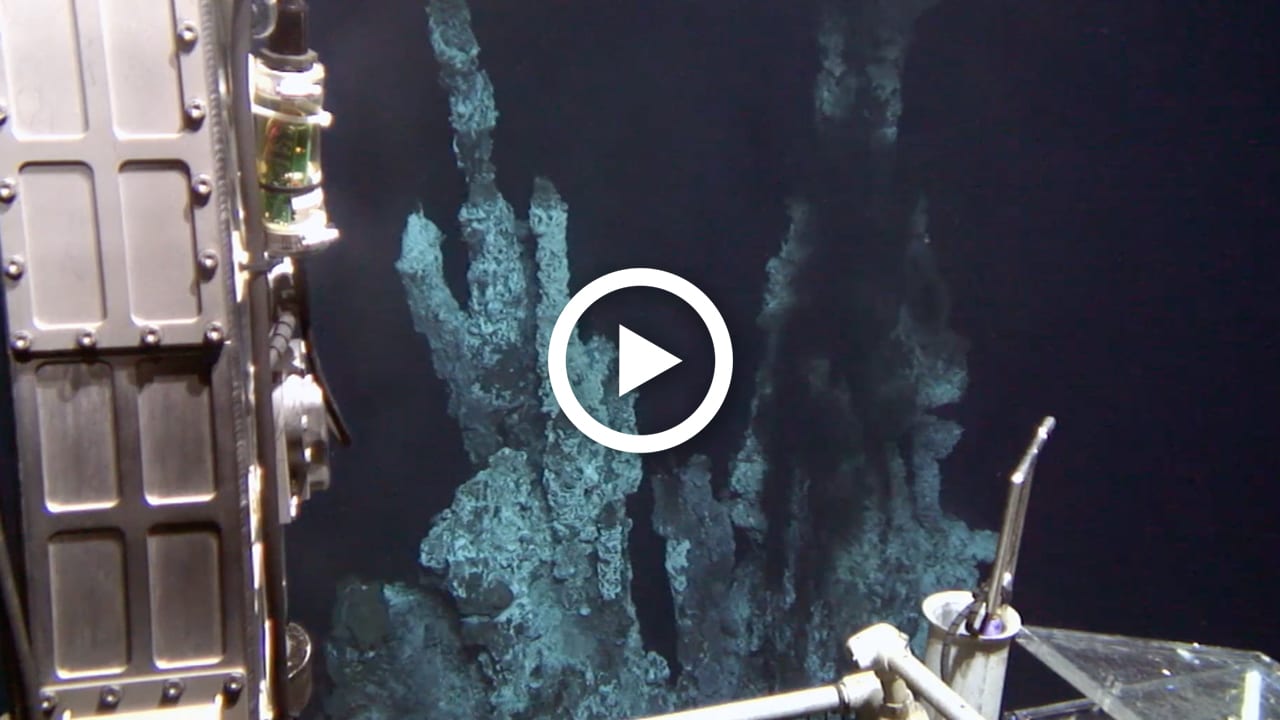
The waters around hydrothermal vents may seem inhospitable to life, but they support diverse ecosystems that survive on the chemicals that flow from the seafloor.
Read MoreA Mountainous Task
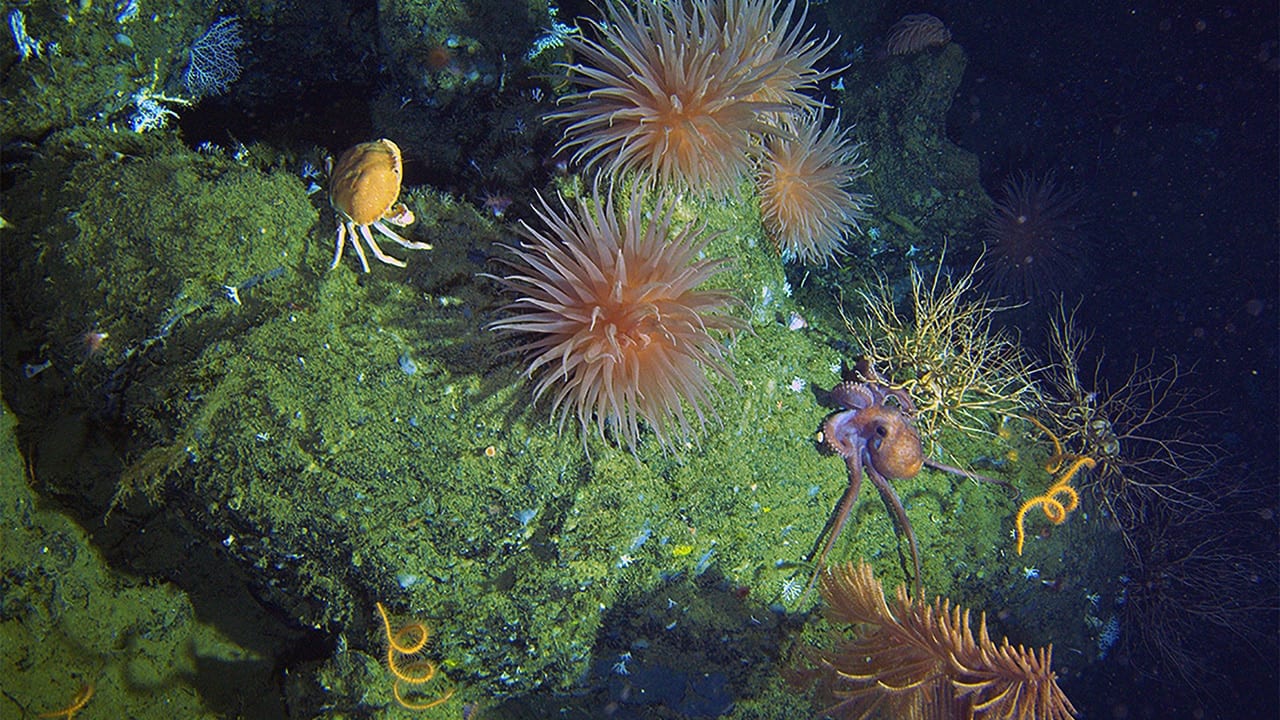
The Galápagos archipelago is made up of 13 major volcanic islands that occupy a submerged platform rising more than three kilometers (nearly two miles) above the seafloor. During an expedition…
Read MoreAbove the Reef Flat
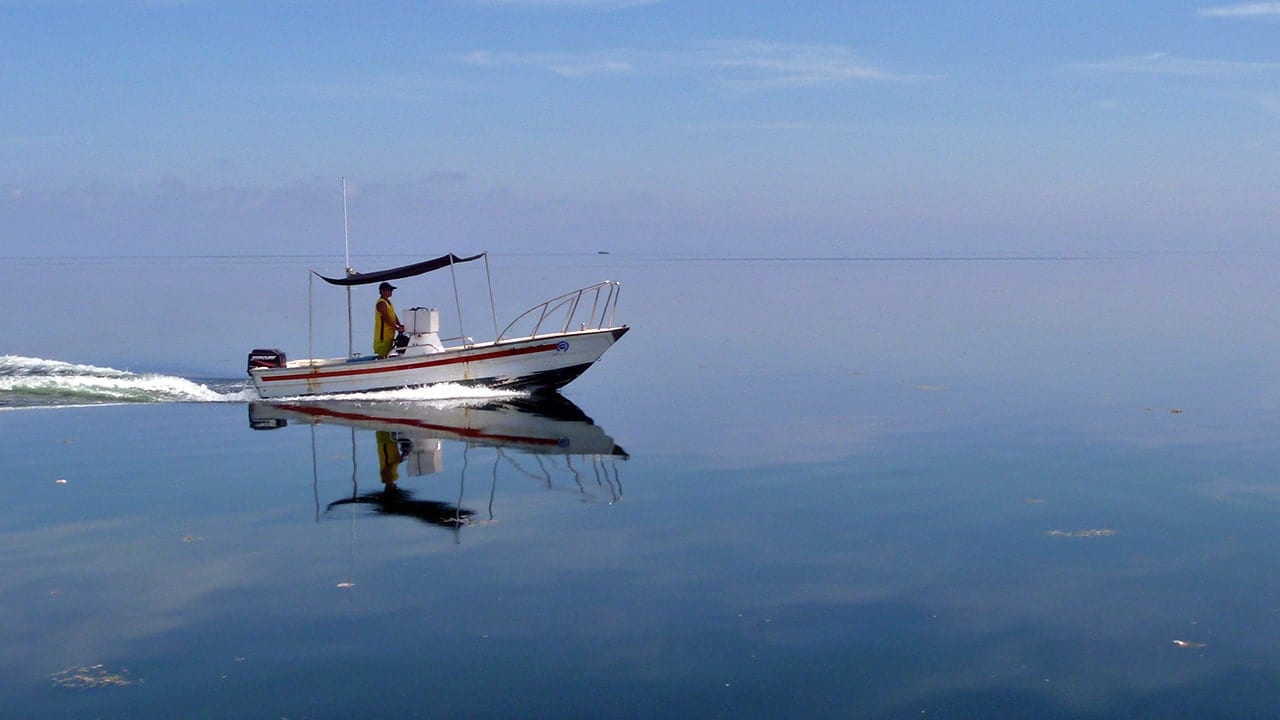
Kan-Min of the Dongsha Atoll Research Station steers a research vessel over Dongsha’s coral reef in the South China Sea, where former MIT-WHOI Joint Program student Tom DeCarlo conducted fieldwork.…
Read MoreHunting Zombie Microbes
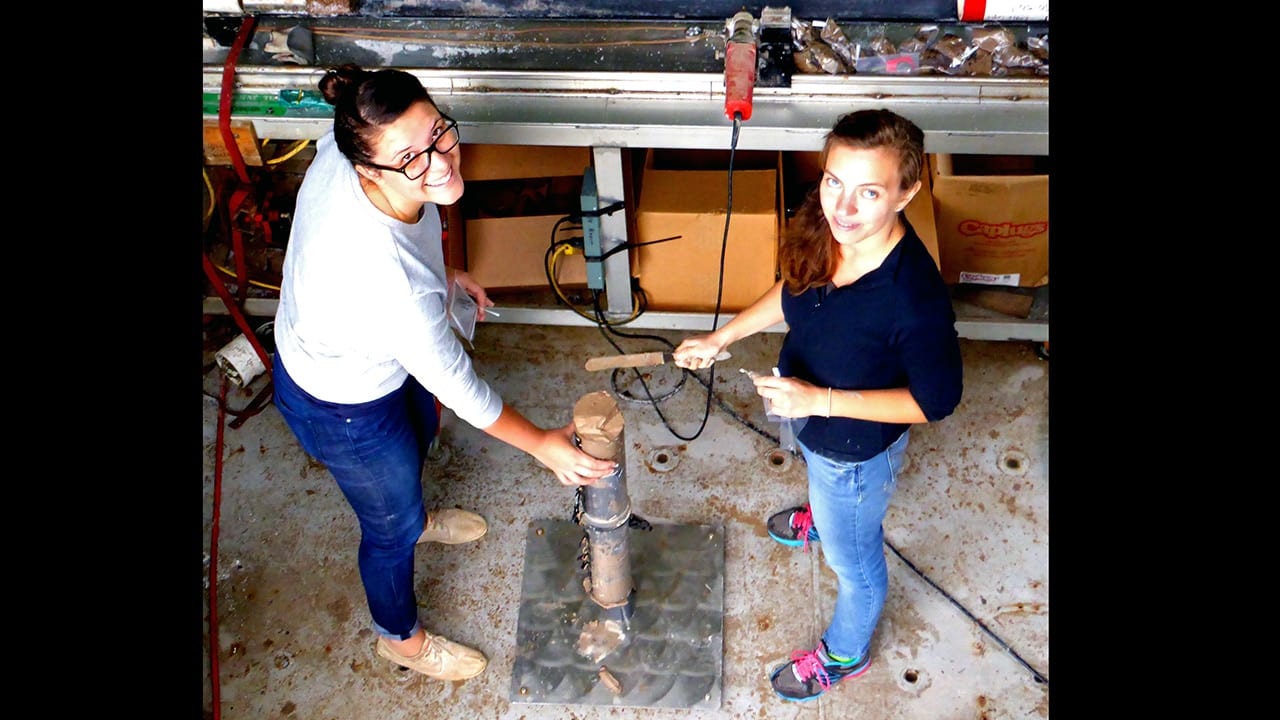
Far below the ocean floor, sediments are teeming with bizarre, zombie-like microbes. Although they’re technically alive, they grow in slow motion, and can take decades for a single cell to…
Read MoreIn Praise of Invertebrates
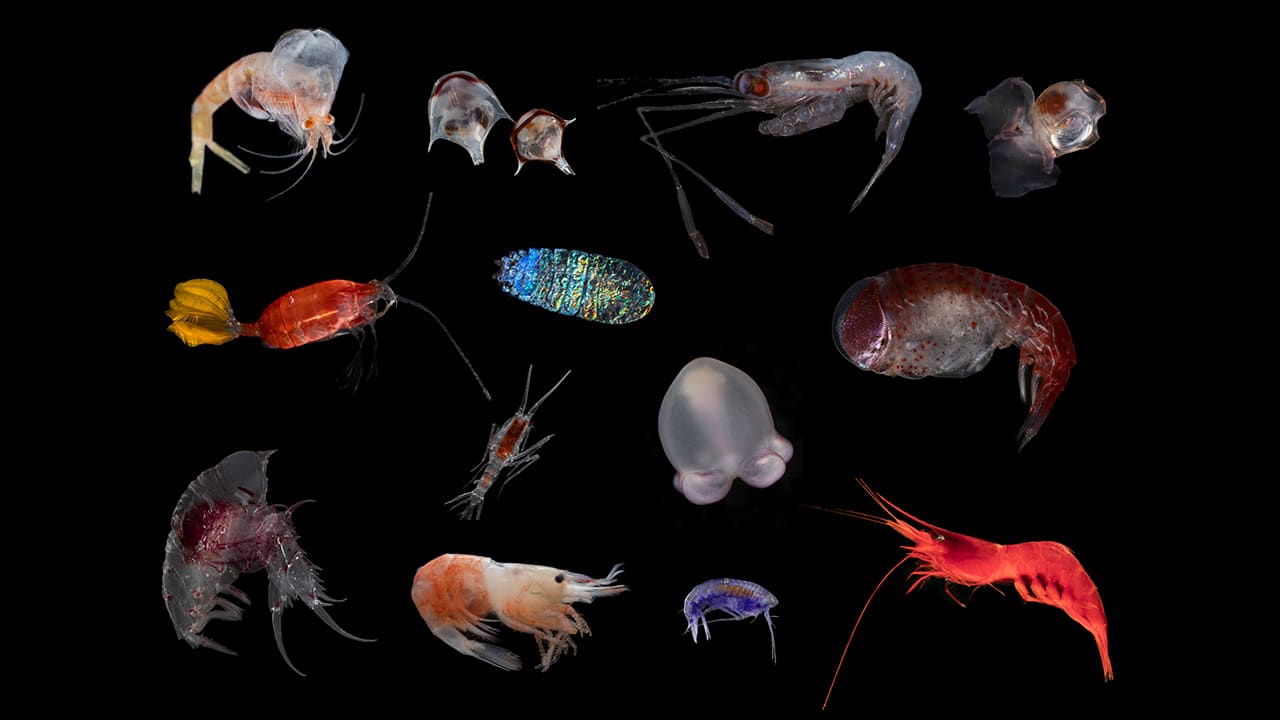
Most of the countless animals in the ocean twilight zone do not have a backbone. Invertebrates include zooplankton and jellies and account for much of the life beyond the reach of…
Read MoreFeatured image: Glider Pilot
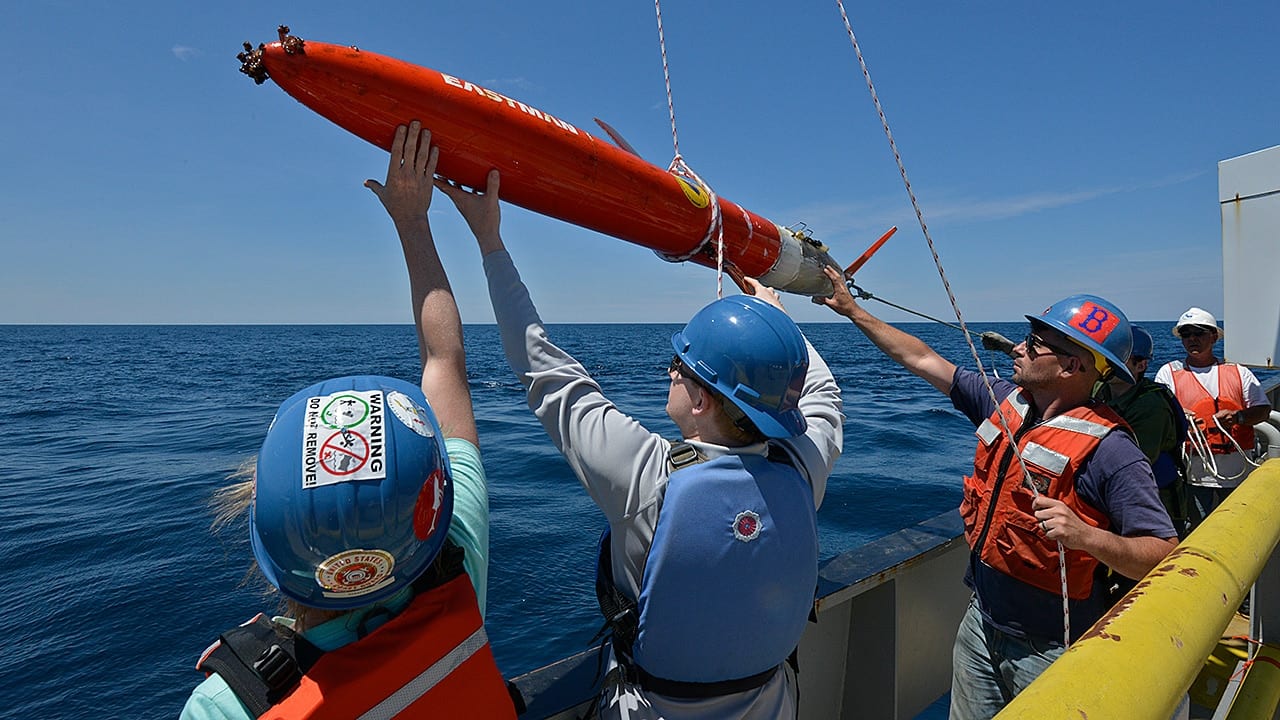
After a journey of more than two months from Miami, a team recovers a Spray glider on the continental shelf southeast of Cape Cod in June 2015. By changing its…
Read MoreSnuggles and Shellfish
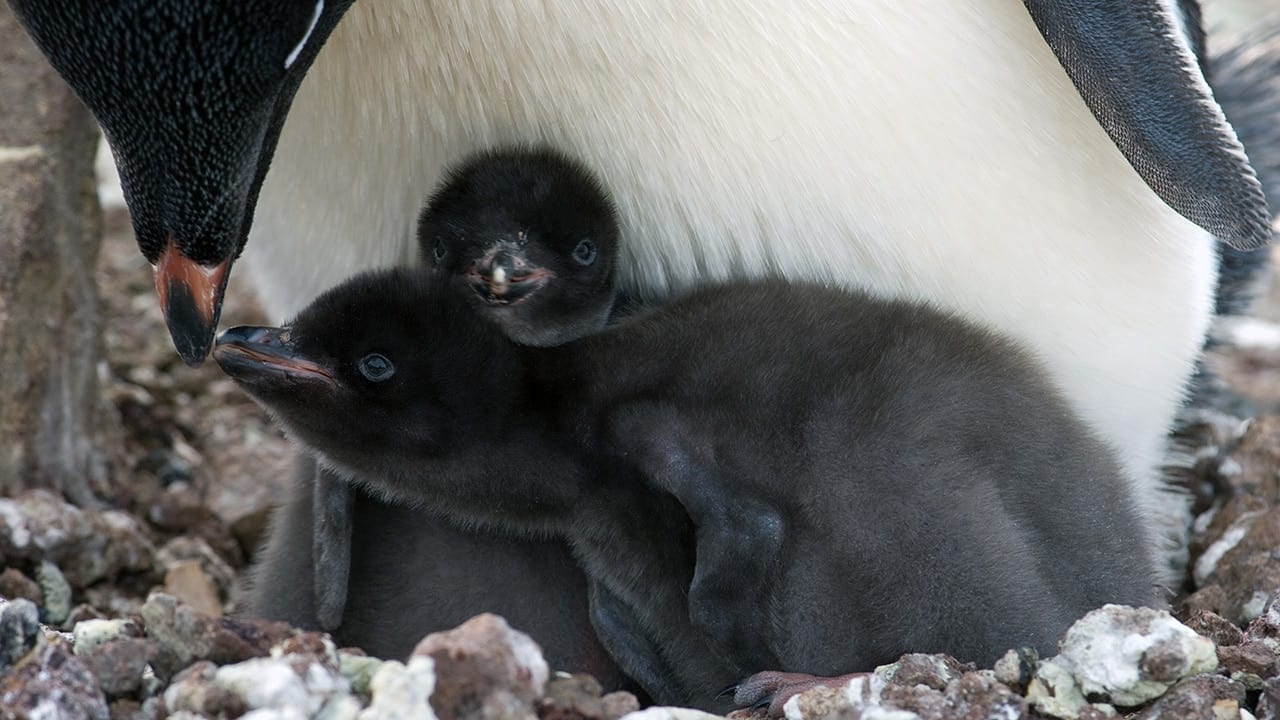
After being measured and tagged by researchers during a 2007 Polar Discovery expedition in Antarctica, an adult Adelie penguin snuggles back down over its chicks to warm and feed them. In…
Read MoreGood Omen
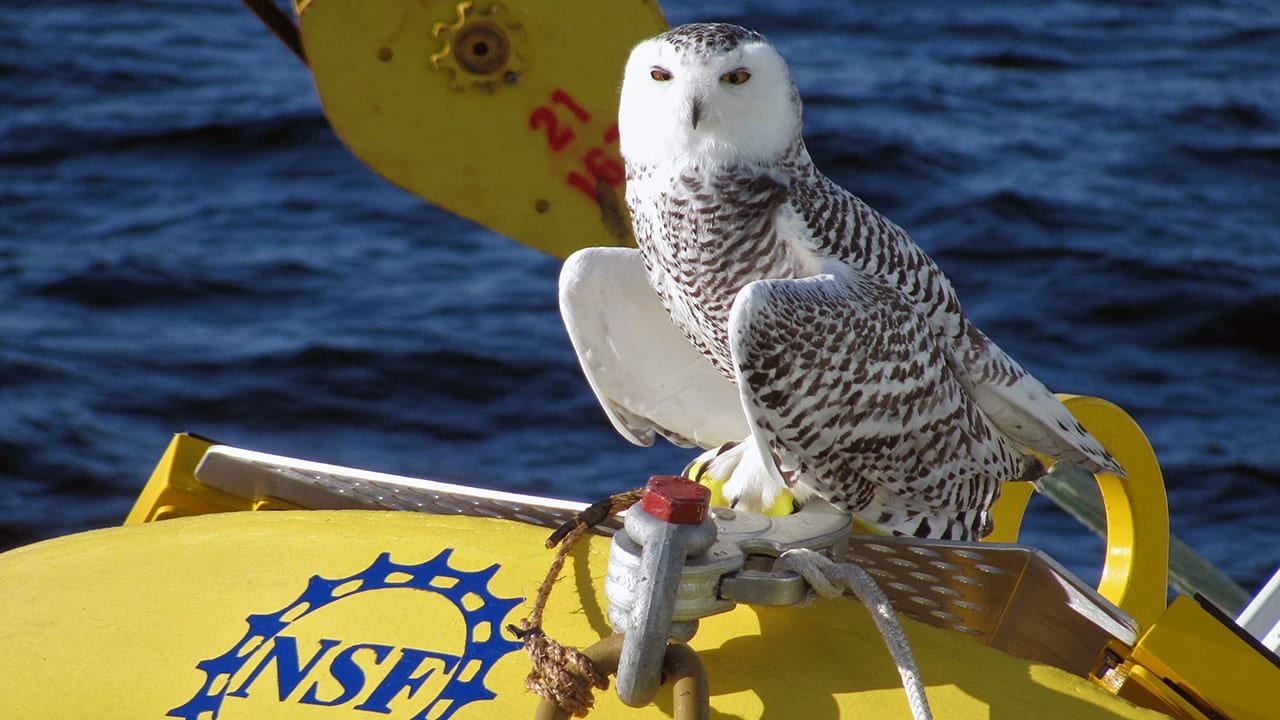
“I think it was a good omen, as everything has gone smoothly so far,” said WHOI senior scientist Al Plueddemann when describing the appearance of a snowy owl on the…
Read MoreCoral in a Warming World
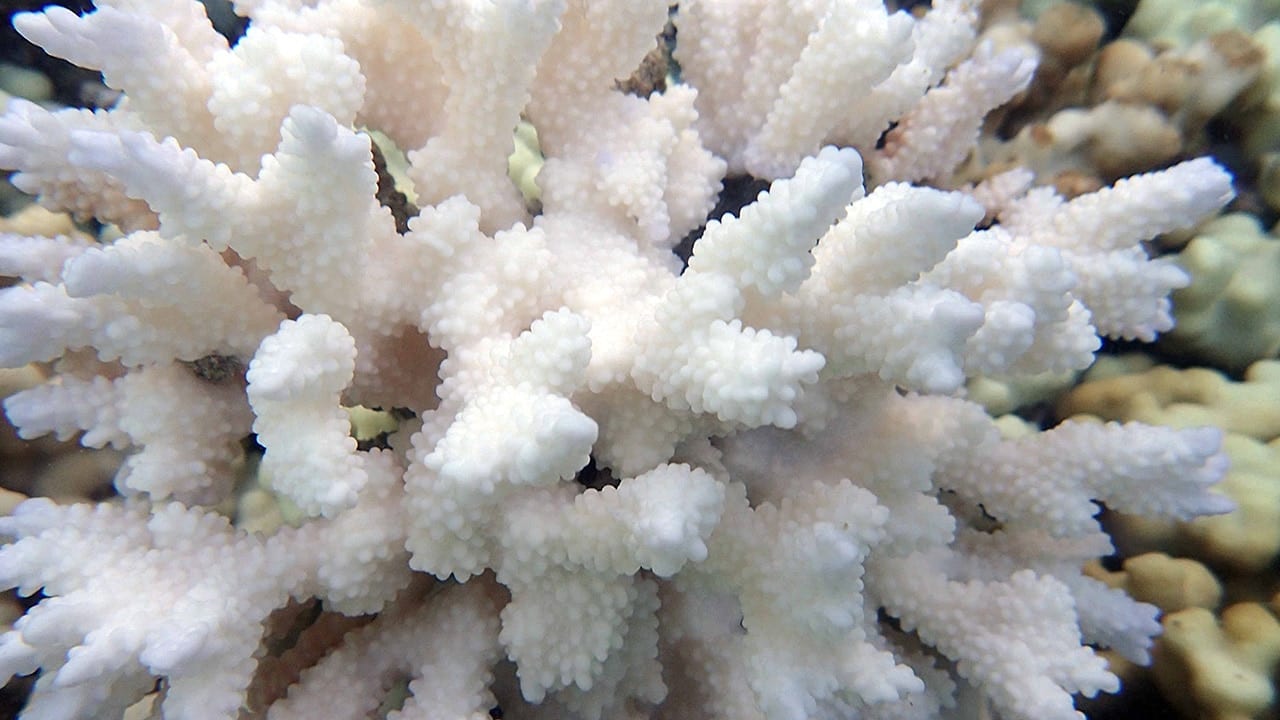
This coral’s stark white color indicates that it is stressed, probably by warming water. Most corals host a type of algae that produce food for the live coral polyps and…
Read MoreWomen on Ice

Join us for a conversation with five women who work on, near, and under ice
Read MoreSign of Stress
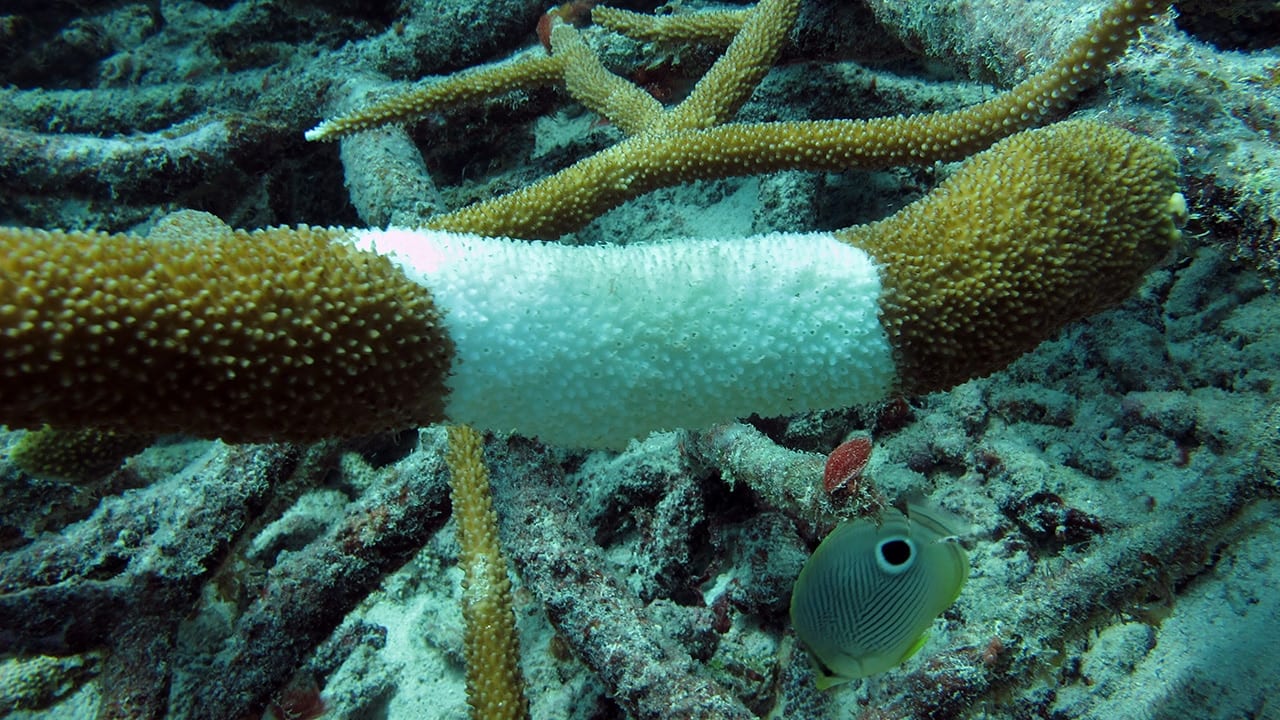
A staghorn coral branch (Acropora cervicornis) on a reef west of St. Thomas, U.S. Virgin Islands, suffers from White Band Syndrome, a coral disease that has been a significant source…
Read MoreMighty Mites
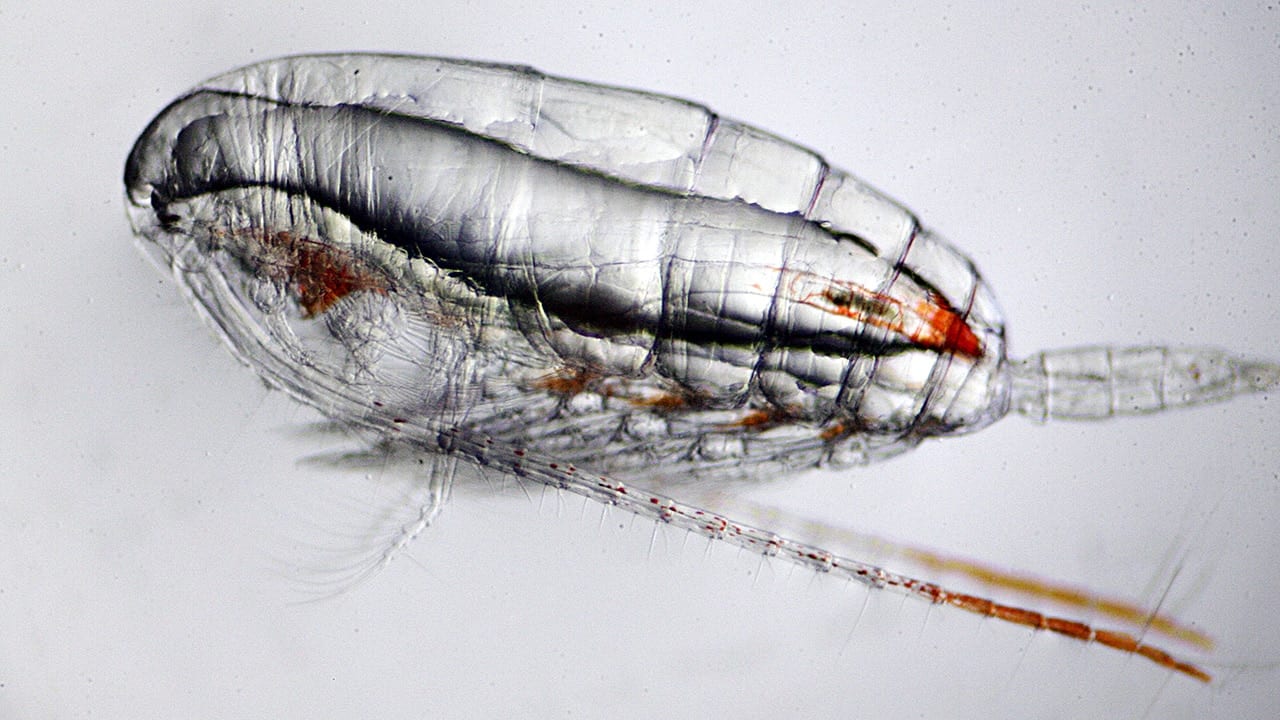
Under a microscope, a copepod looks fearsome, but at only one-sixteenth of an inch, it won’t bother anyone. People seldom see these tiny marine crustaceans, but they may be the…
Read MoreWebinar: Sweating the Small Stuff: Impacts of Marine Microplastics
WHOI scientists Anna Michel and Jake Gebbie discuss the impacts of marine microplastics.
Read MoreConsuming Coral
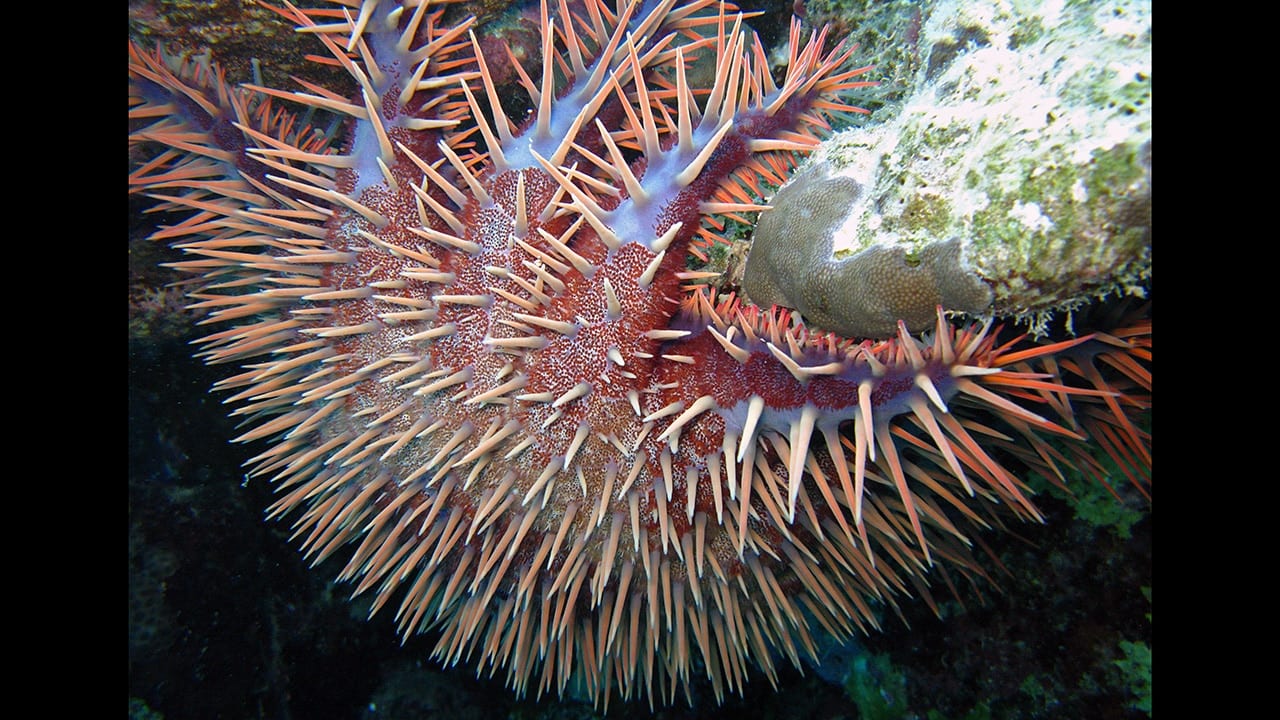
Gliding on hundreds of tiny suction-cup feet, A Crown-of-thorns sea star roams the reef, consuming immobile corals and leaving bare coral skeleton behind. Common in the Pacific and Indian Oceans…
Read MoreEscorting an Ocean Drone
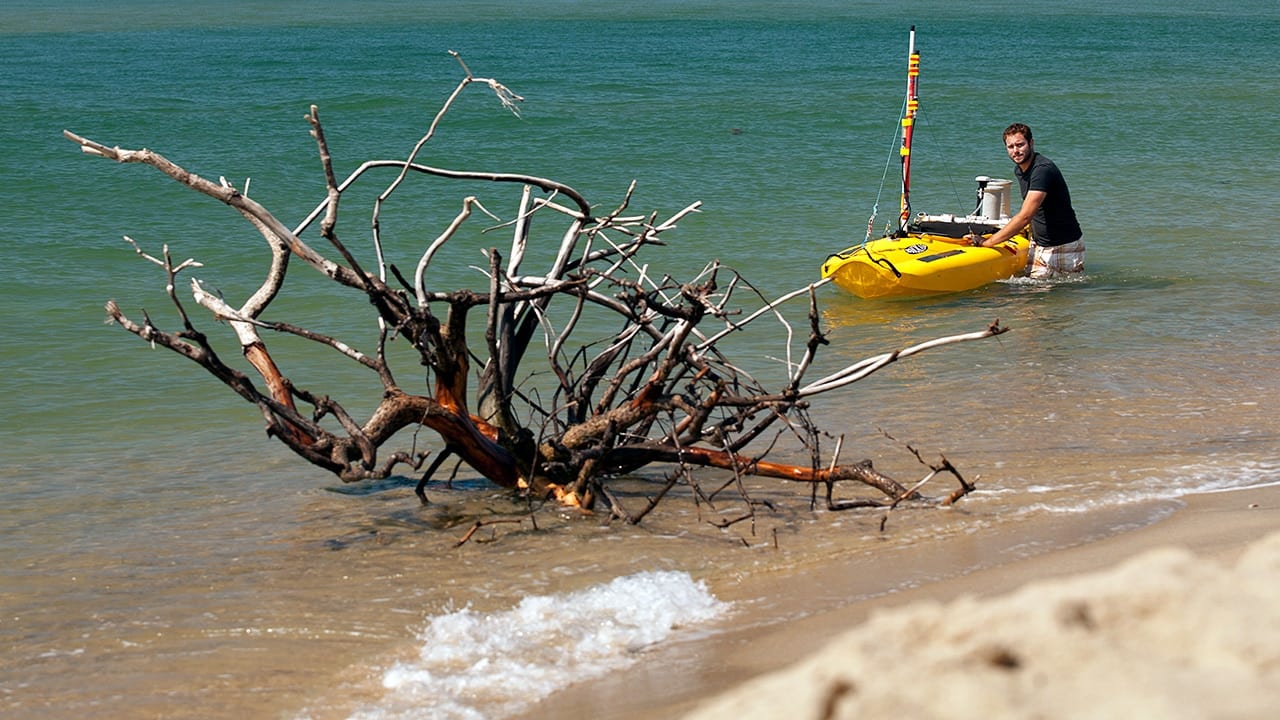
WHOI Engineer Kevin Manganini escorts a JetYak autonomous surface vehicle (ASV) through the waters off Chappaquidick, which became its own island in 2007 after a storm created an inlet that separated it…
Read MoreDNA Detective
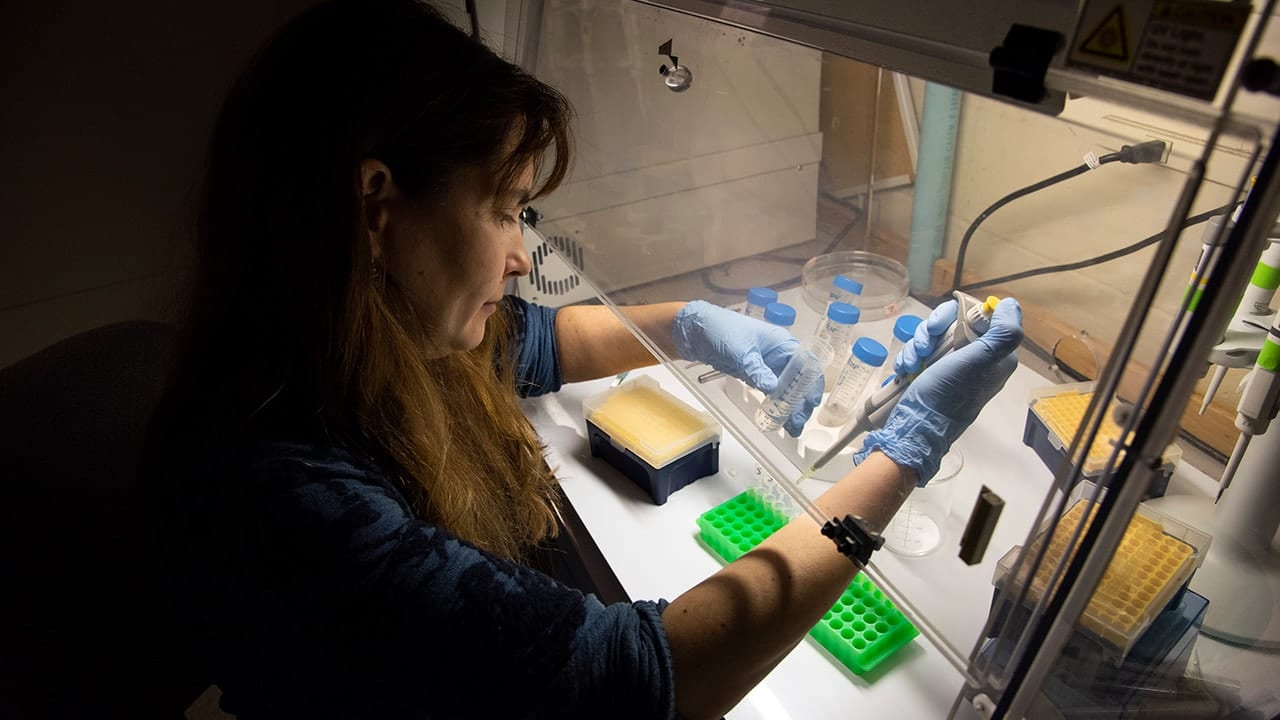
Genetic material in seawater provides WHOI biologist Annette Govindarajan with clues to investigate species in the ocean twilight zone. (Photo by Tom Kleindinst, Woods Hole Oceanographic Institution)
Read MoreJumping in
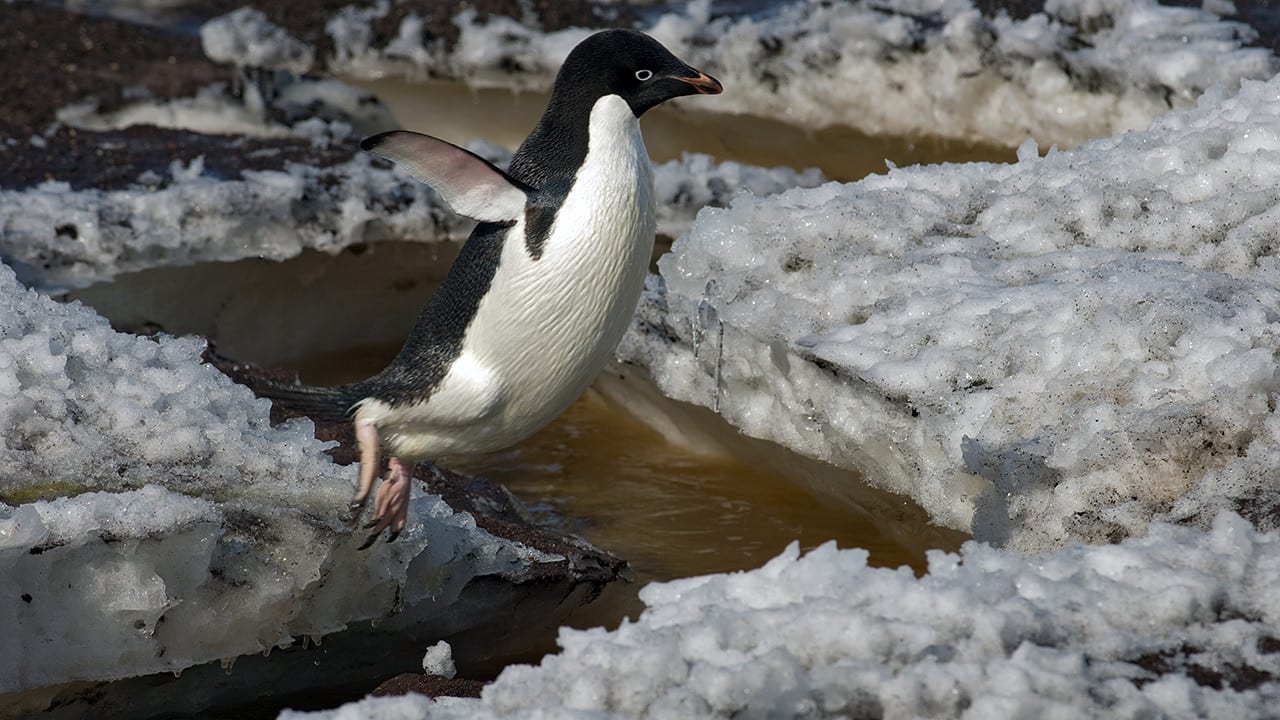
A plucky Adelie penguin clears a meltwater stream stained brown by the acres of guano it has trickled through. “The Adelie is this really tough little character that doesn’t have…
Read MoreHermit
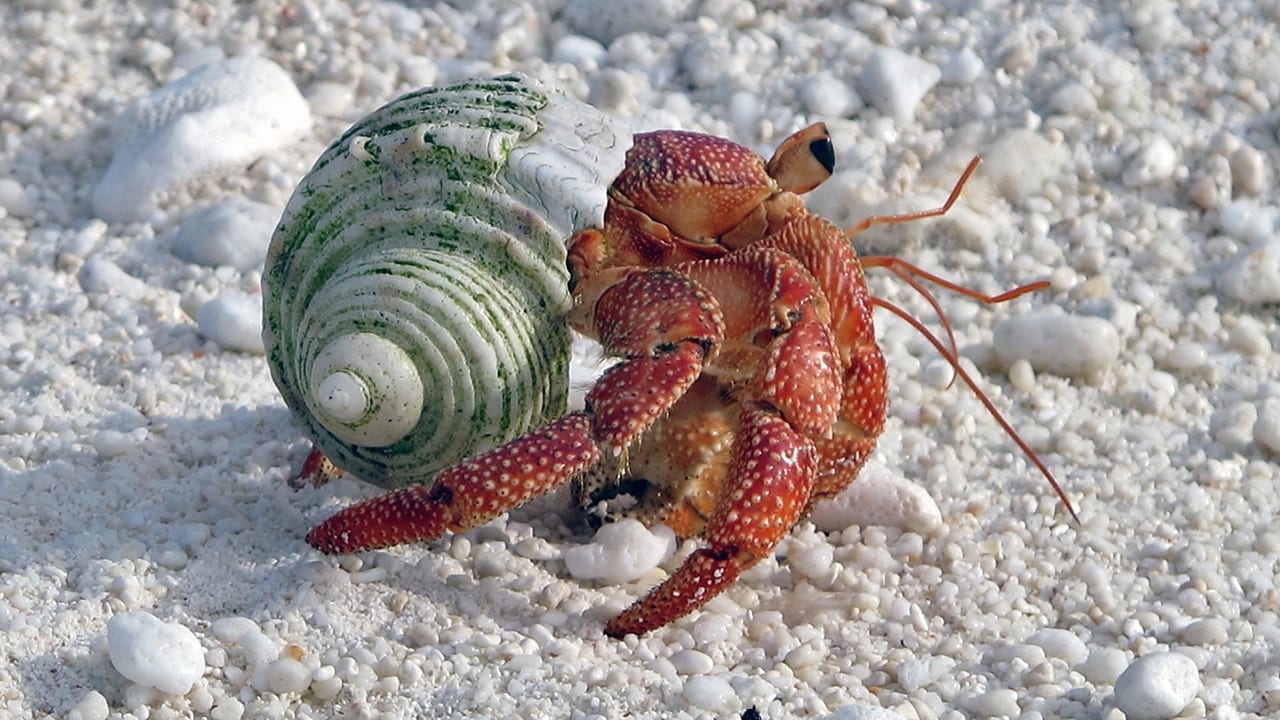
WHOI paleoclimatologist Konrad Hughen snapped this photo of a hermit crab during a 2015 expedition to the Chagos Archipelago in the Indian Ocean. Hughen studies climate change by looking at…
Read MoreMarine fireworks
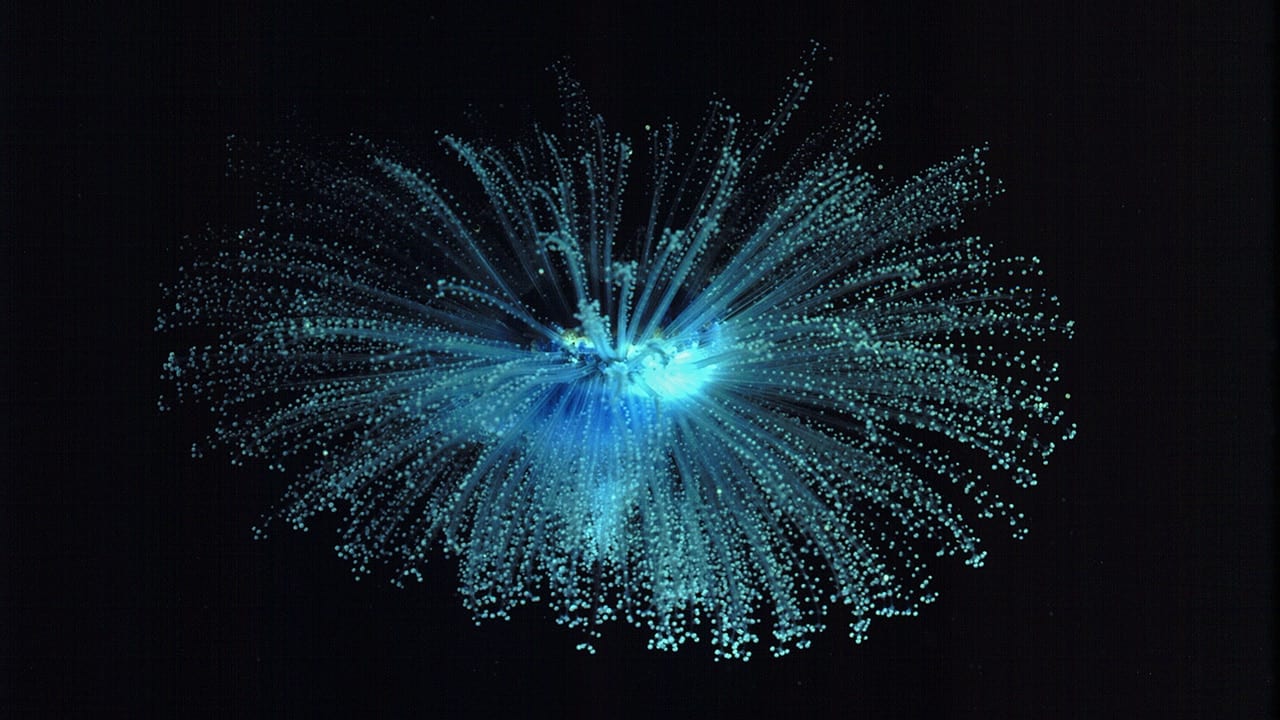
A siphonophore, which is closely related to the medusae. These animals are made up of multiple units, each specialized for a function like swimming, feeding, or reproduction. This “modular” construction…
Read MoreBlending Right In
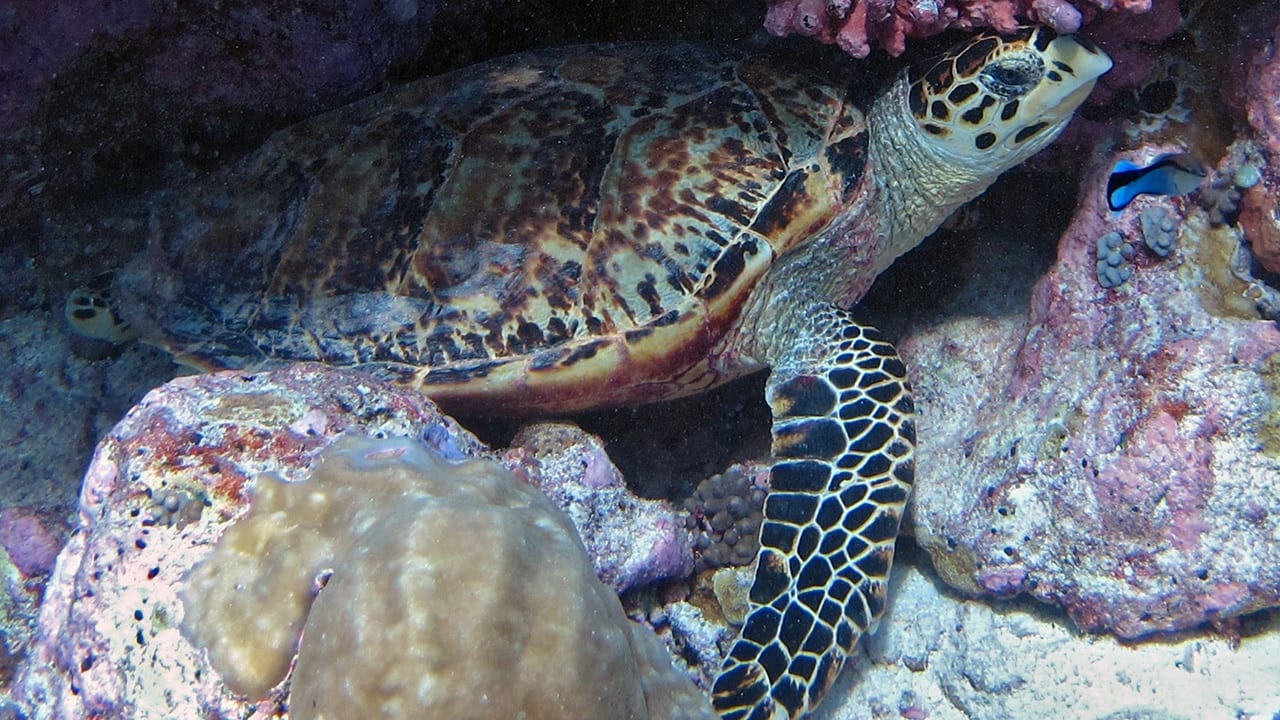
WHOI geologist Konrad Hughen took this photo during a 2015 expedition to conduct coral reef surveys and obtain coral core samples on several reefs within the Chagos Archipelago, a small…
Read MoreFloating Our Boat
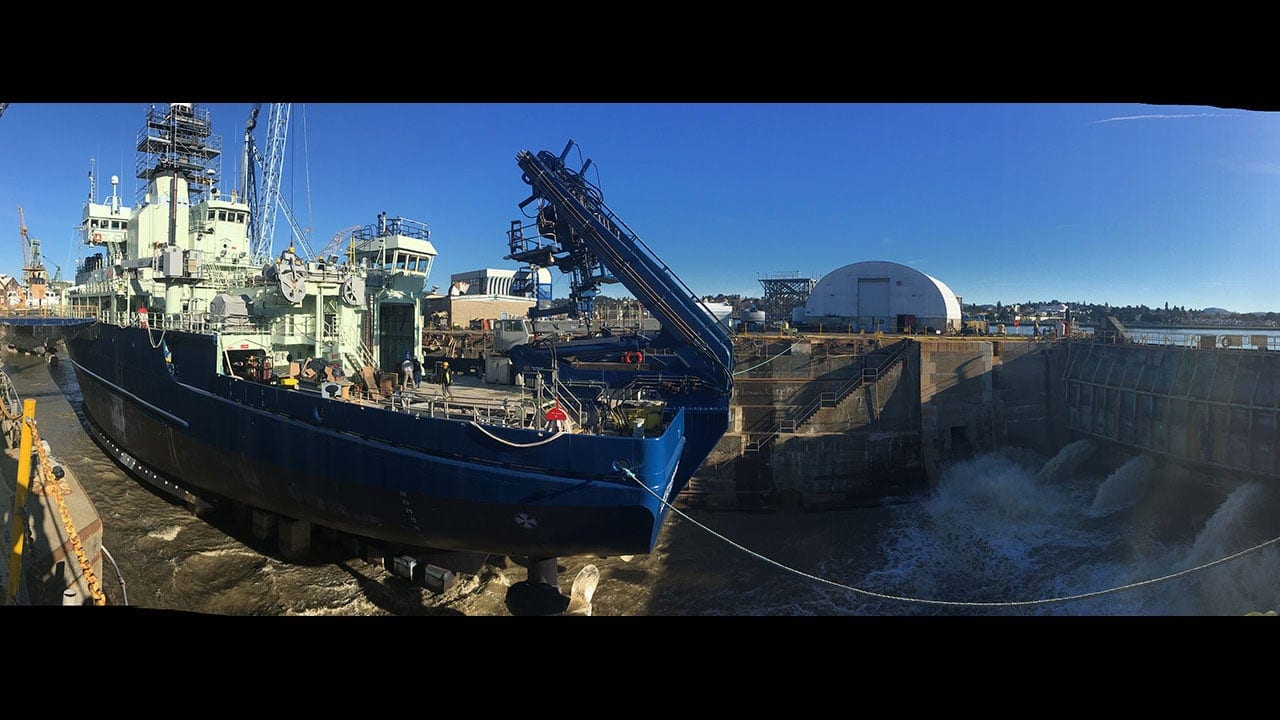
In a sign that the current maintenance period for the research vessel Atlantis is almost completed, yard workers at the Mares Island Naval Ship Yard recently flooded the drydock where they…
Read MoreSeafloor Up Close
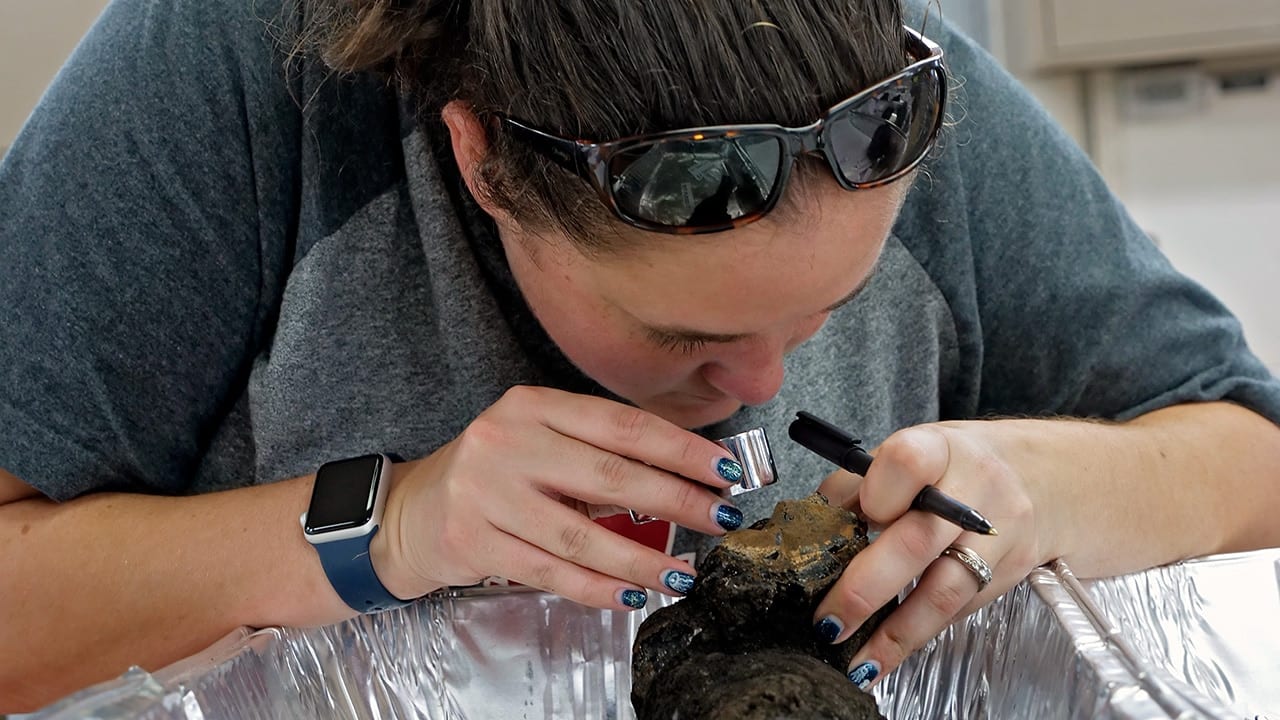
Molly Anderson, a master’s student at Boise State University, takes a close look at the inside of a piece of basalt recently recovered from the seafloor by the human-occupied submersible Alvin.…
Read MoreMarch of the Juveniles
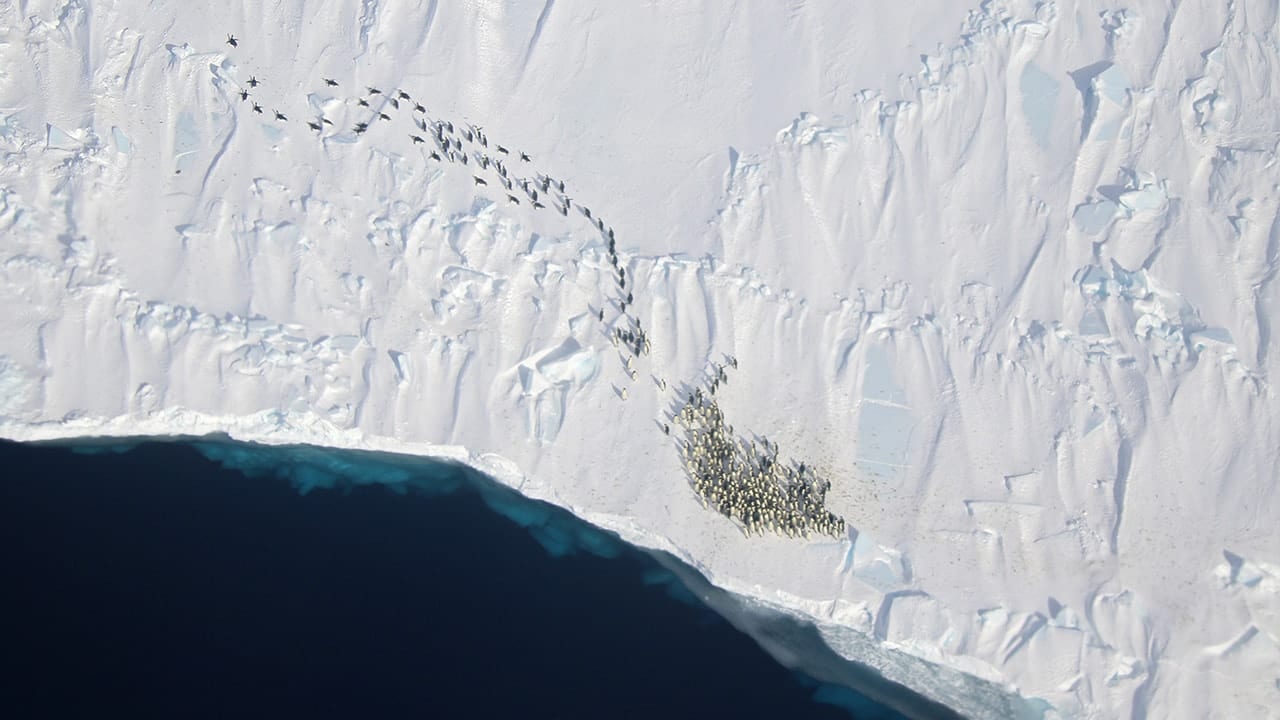
Emperor penguin chicks hatch into the frozen world of Antarctica—one of Earth’s most inhospitable places. A recent study reveals what the juveniles do in the critical early months when they…
Read MoreIt’s a Group Thing
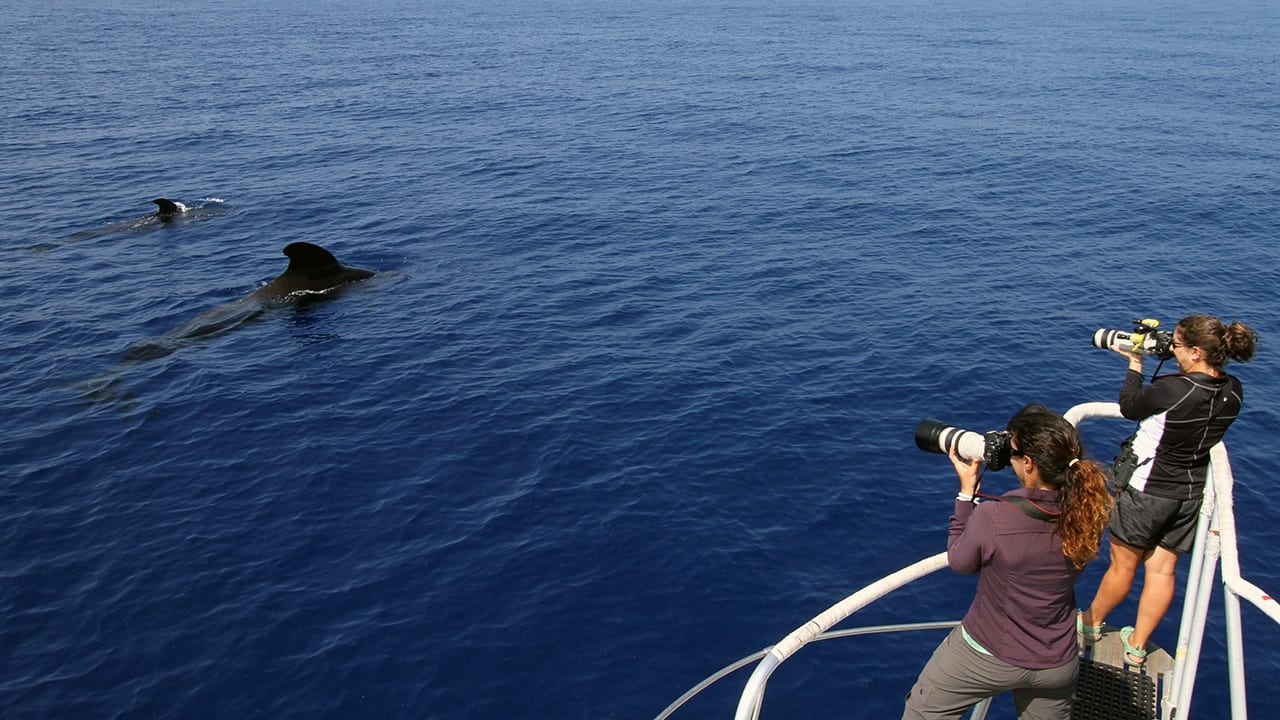
WHOI researcher Amy Van Cise and Annie Gorgone of the Cascadia Research Collective photograph pilot whales during field work in the Hawaiian Islands. The study found that short-finned pilot whales…
Read More