
Multimedia
The ghoulish grimace of the viperfish
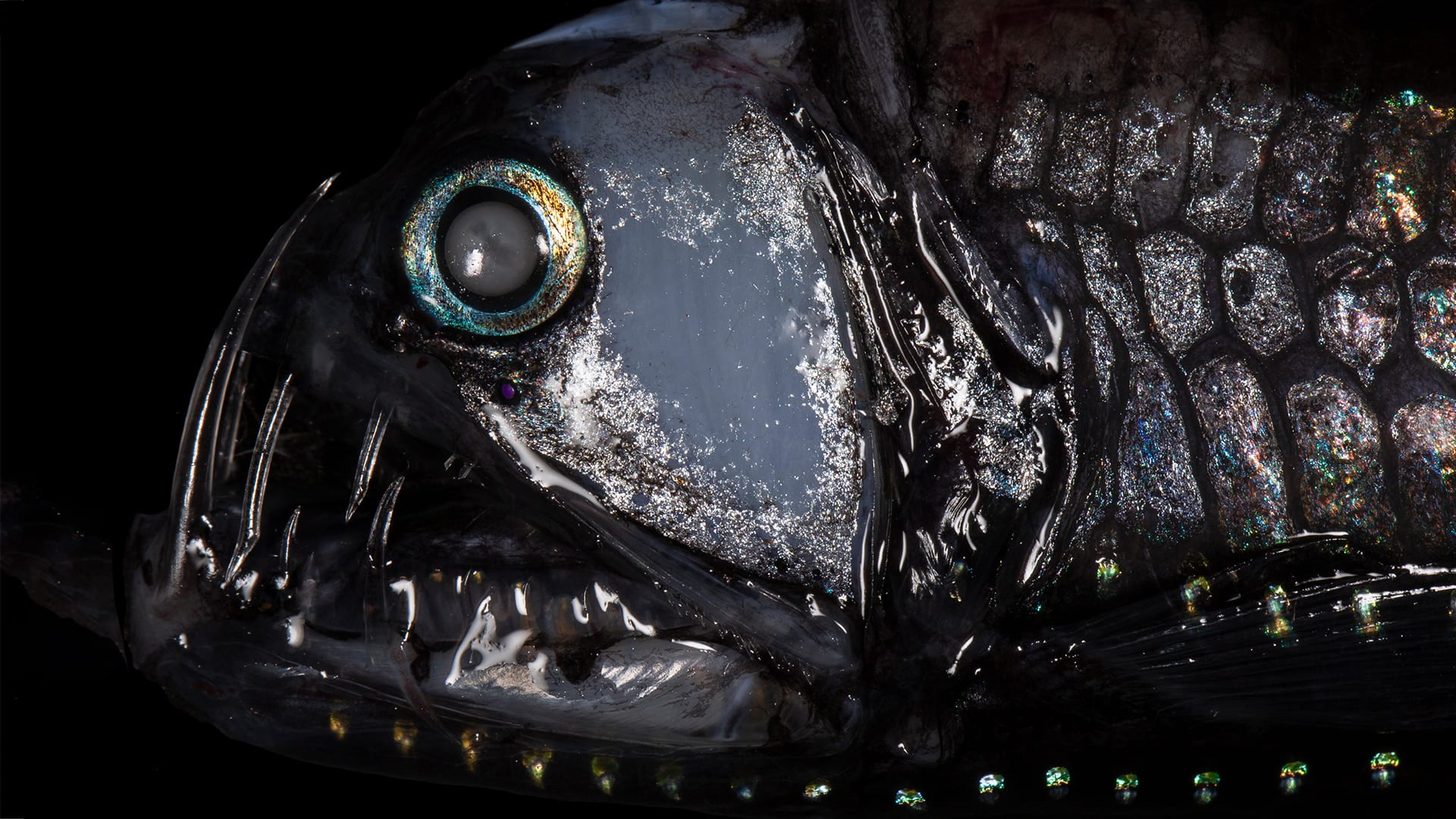
Bred in darkness, raised to kill, this is the fearsome viperfish – Chauliodus sloani. (Photo by Paul Caiger, Woods Hole Oceanographic Institution)
Read MoreMicroplastics in the Ocean: Emergency or Exaggeration
Watch Microplastics in the Ocean: Emergency or Exaggeration?—a public event featuring global experts on the science and solutions of ocean plastic pollution.
Read MoreMola mola parade
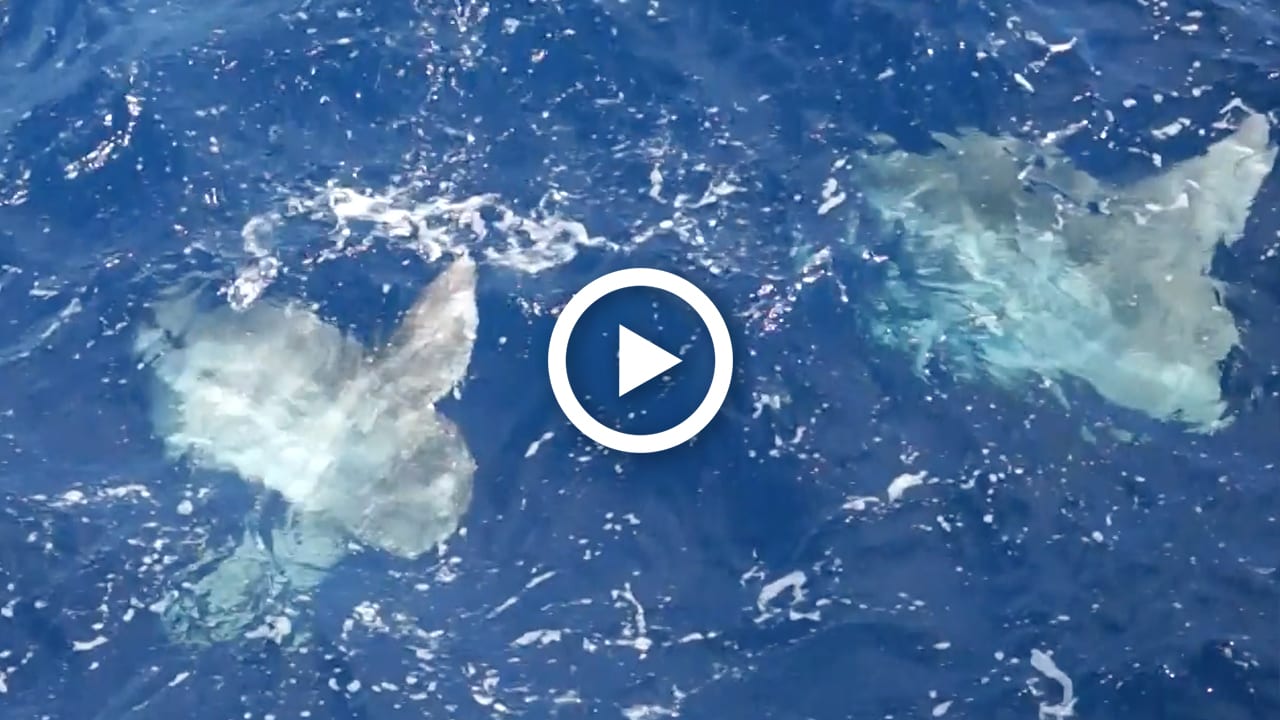
Four giant mola mola, the ocean’s largest bony fish, surprised WHOI crew near Martha’s Vineyard—an unusual and stunning sight at sea.
Read MoreNew Eyes in the Twilight Zone
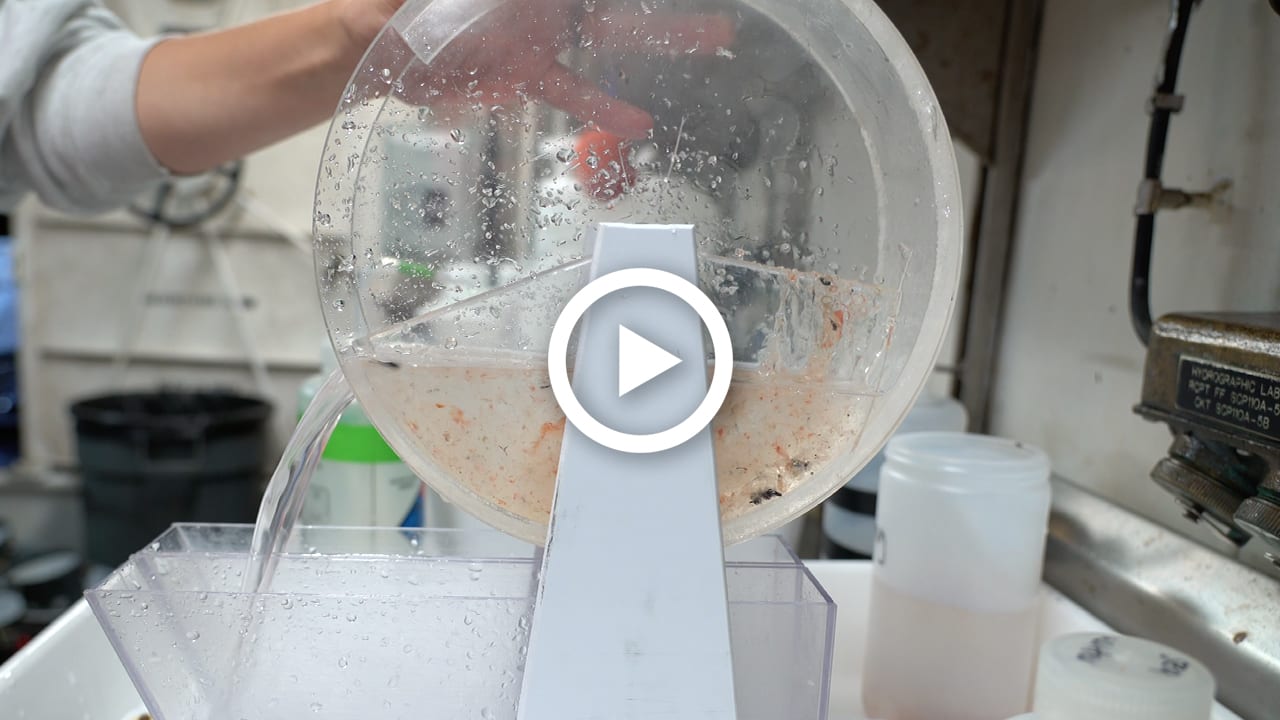
WHOI’s Ocean Twilight Zone team uses environmental DNA (eDNA) to reveal hidden life deep beneath the ocean’s surface.
Read MoreLightning Deployment
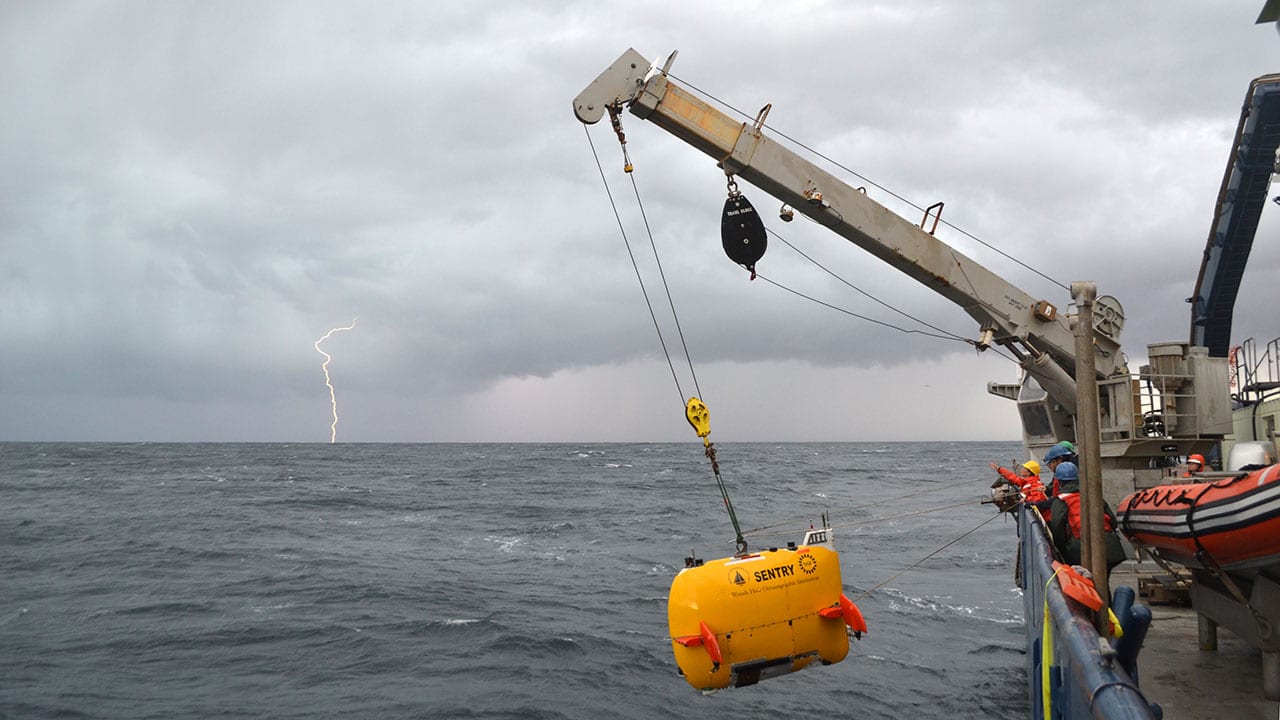
The Sentry Team and deck crew on the research vessel Atlantis had to move quickly in order to launch the autonomous underwater vehicle between squalls off the West Coast recently.
Read MoreExtraordinary Footage of Octopus Garden
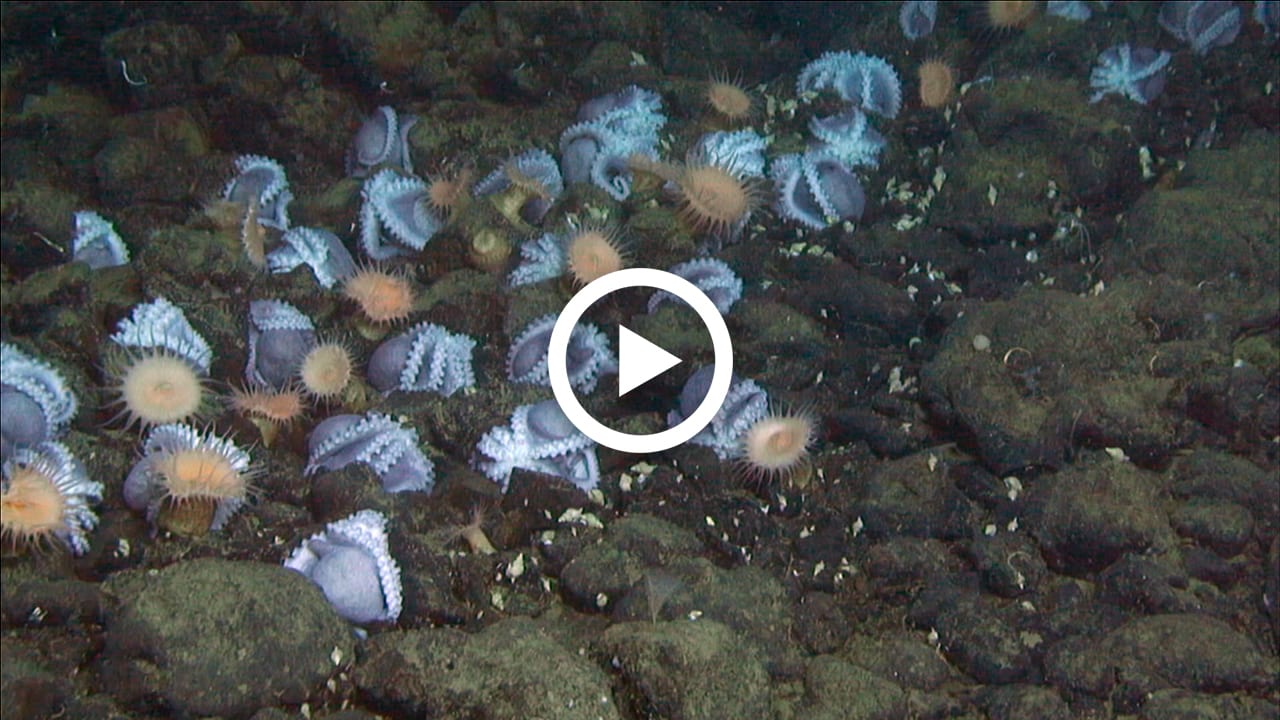
Take a break with calming deep-sea footage from Octopus Garden, where thousands of octopuses nest. Peaceful views and a meditative soundtrack await.
Read MoreDiving to Octopus Garden in a Submarine
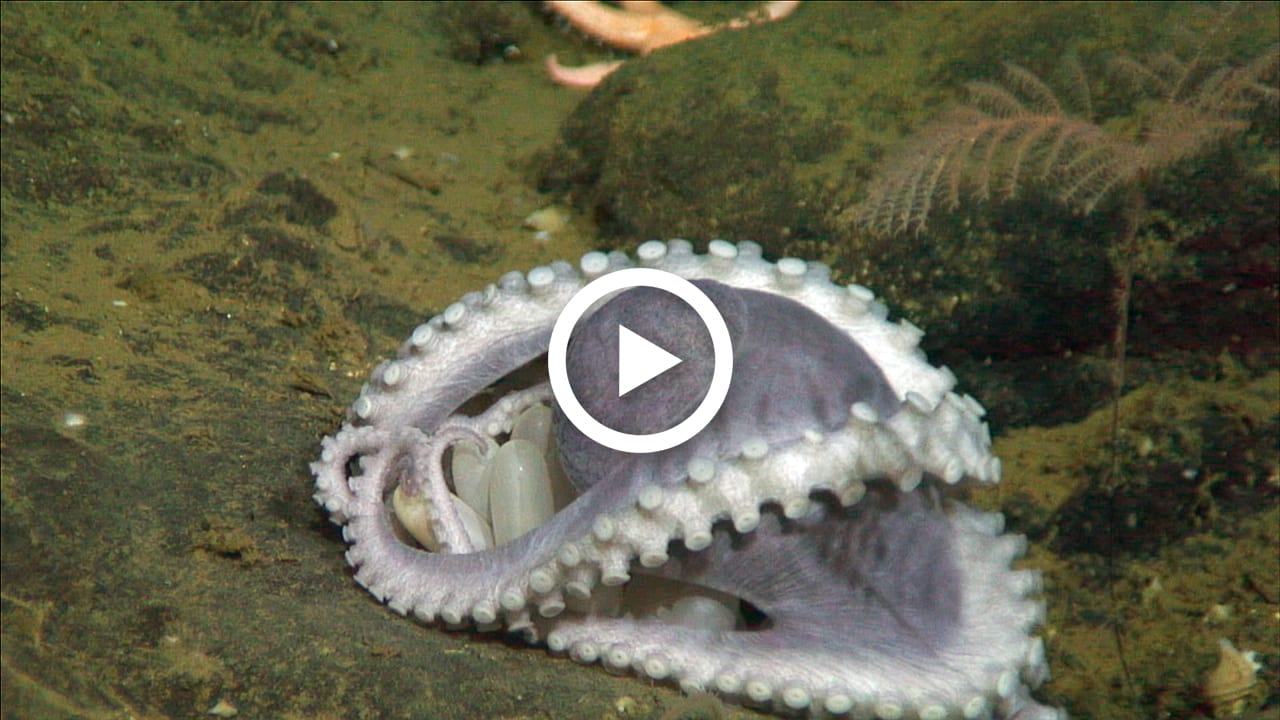
Explore rare Alvin footage of thousands of octopuses nesting in Octopus Garden, and learn why marine sanctuaries are key to protecting ocean life.
Read MoreDiscover Octopus Garden
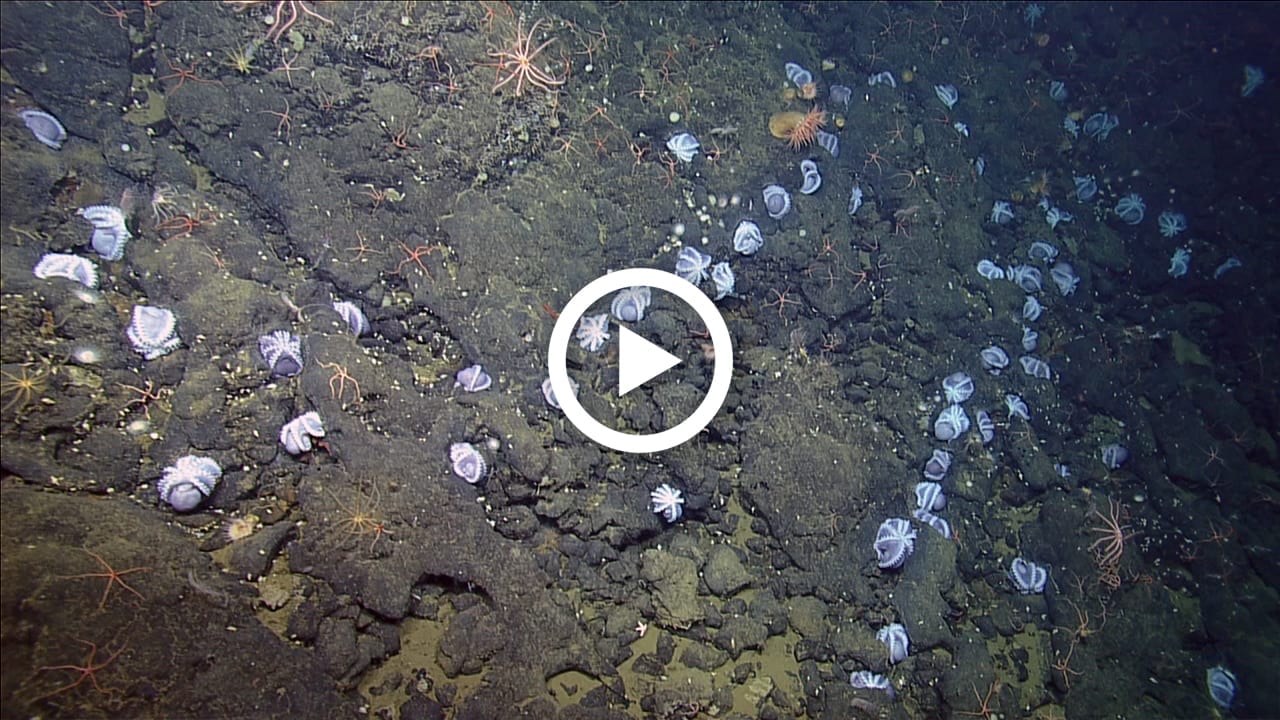
Watch this amazing footage, where thousands of mother octopuses were discovered nursing their eggs in a place known as Octopus Garden in Monterey Bay National Marine Sanctuary
Read MoreObserving Mooring Deployment at Pioneer Array
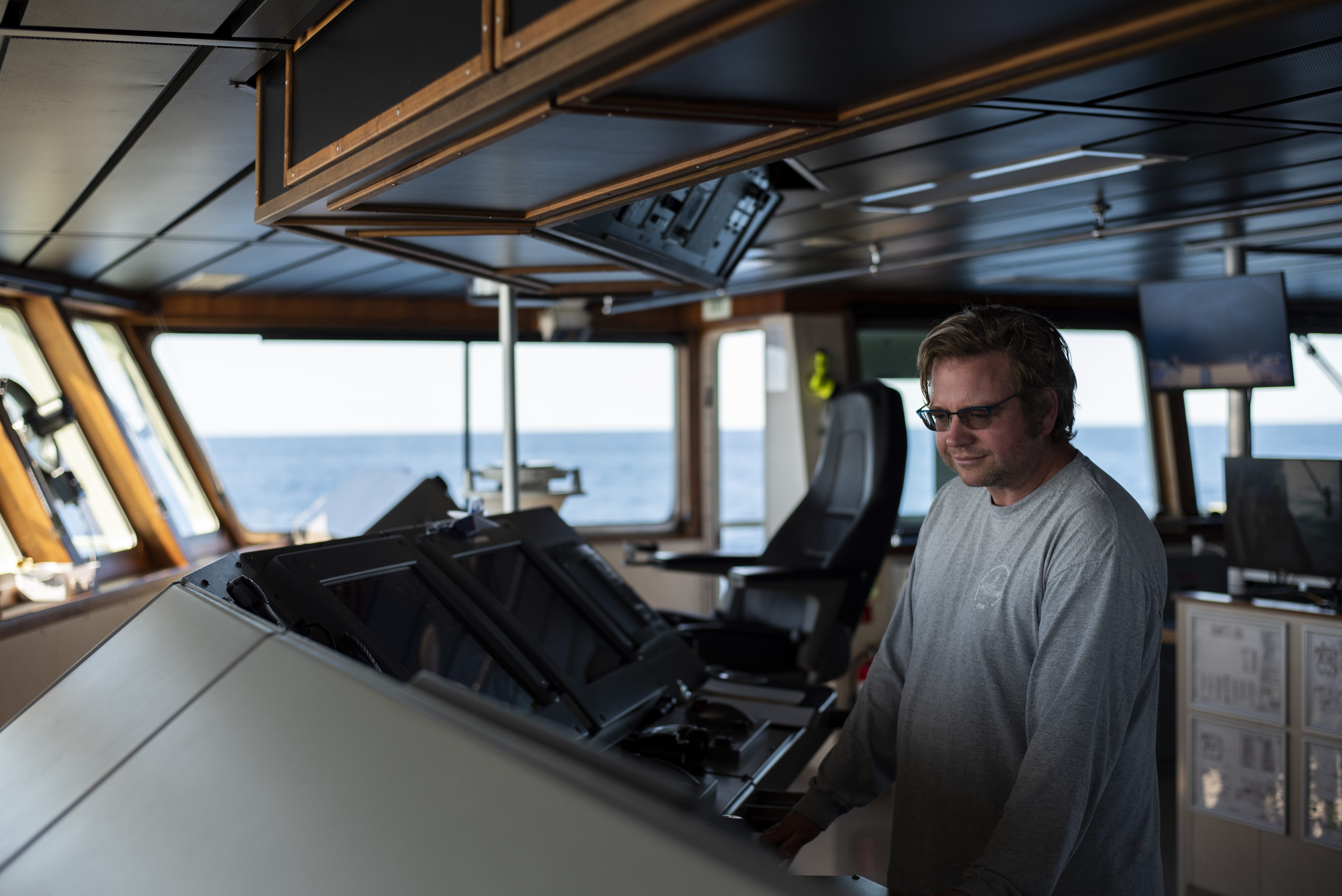
Logan Johnsen, chief mate on the research vessel Neil Armstrong, stood watch on the bridge recently during a mooring deployment at the Ocean Observatories Initiative (OOI) Pioneer Array. Instruments on the array record physical, chemical, and biological data from the seafloor to the surface and above around the clock, 365 days a year. Twice each year, a team from WHOI visits the Pioneer site, located about 100 miles south of Marthas Vineyard, to replace all of the moorings in the array and to deploy autonomous underwater vehicles that record data further afield.
Read MoreOrpheus explores the ocean’s greatest depths
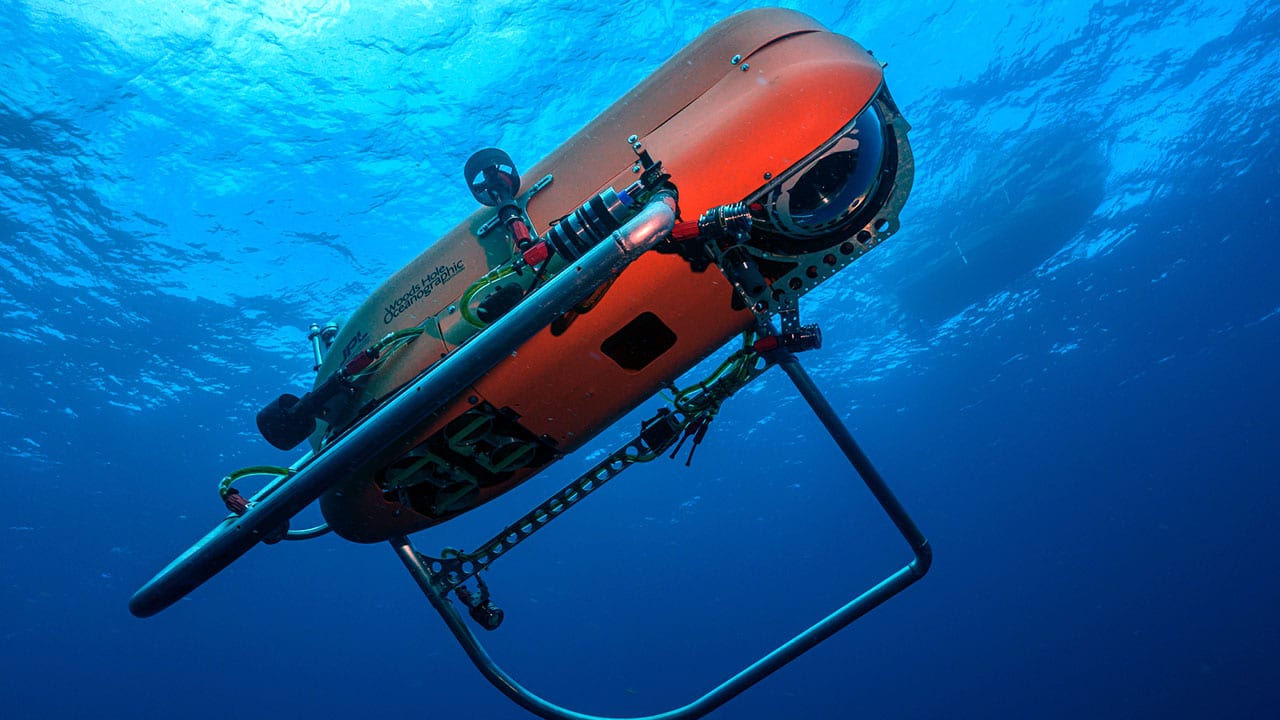
Orpheus, an autonomous underwater vehicle (AUV) developed by WHOI, begins its descent into Veatch Canyon on the continental shelf off of the U.S. Northeast during one of several dives from the R/V Neil Armstrong in September 2019.
Read MoreThree things you may not know about sea level rise
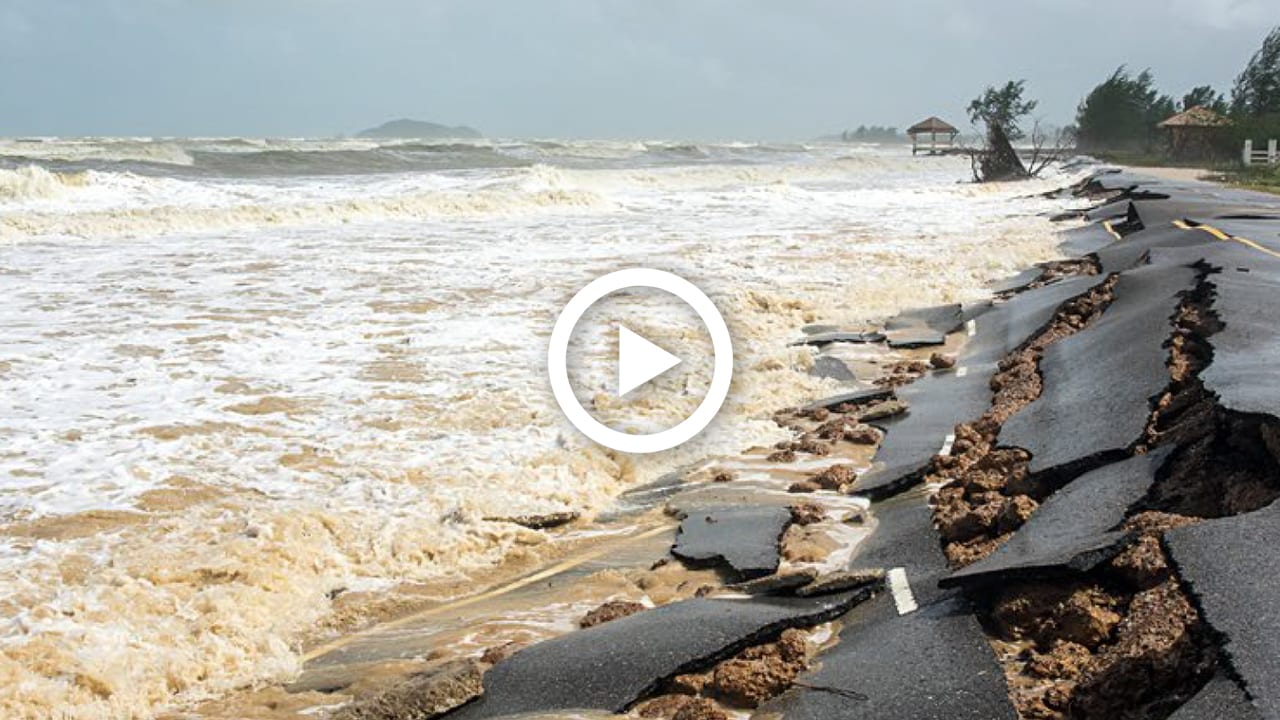
Discover key insights about sea level rise and how it’s shaping our coasts and future.
Read MoreCamp Harbor View Whale Watch
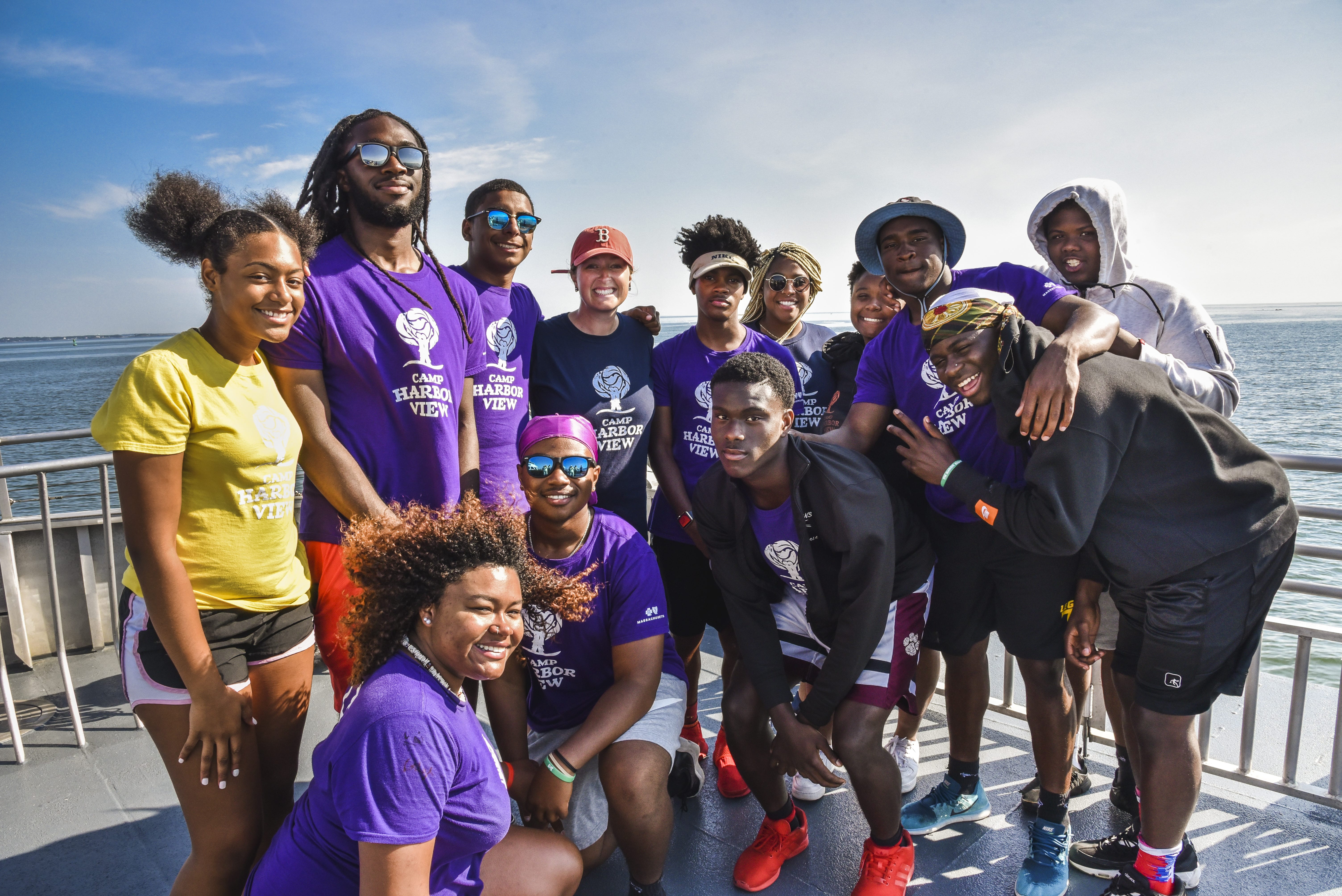
In August, WHOI participated in a whale watching trip for 85 Leaders-in-Training, ages 15 to 17, from Camp Harbor View, an organization that provides unique experiences for underserved youth in…
Read MoreBasking sharks filmed by an AUV for the first time
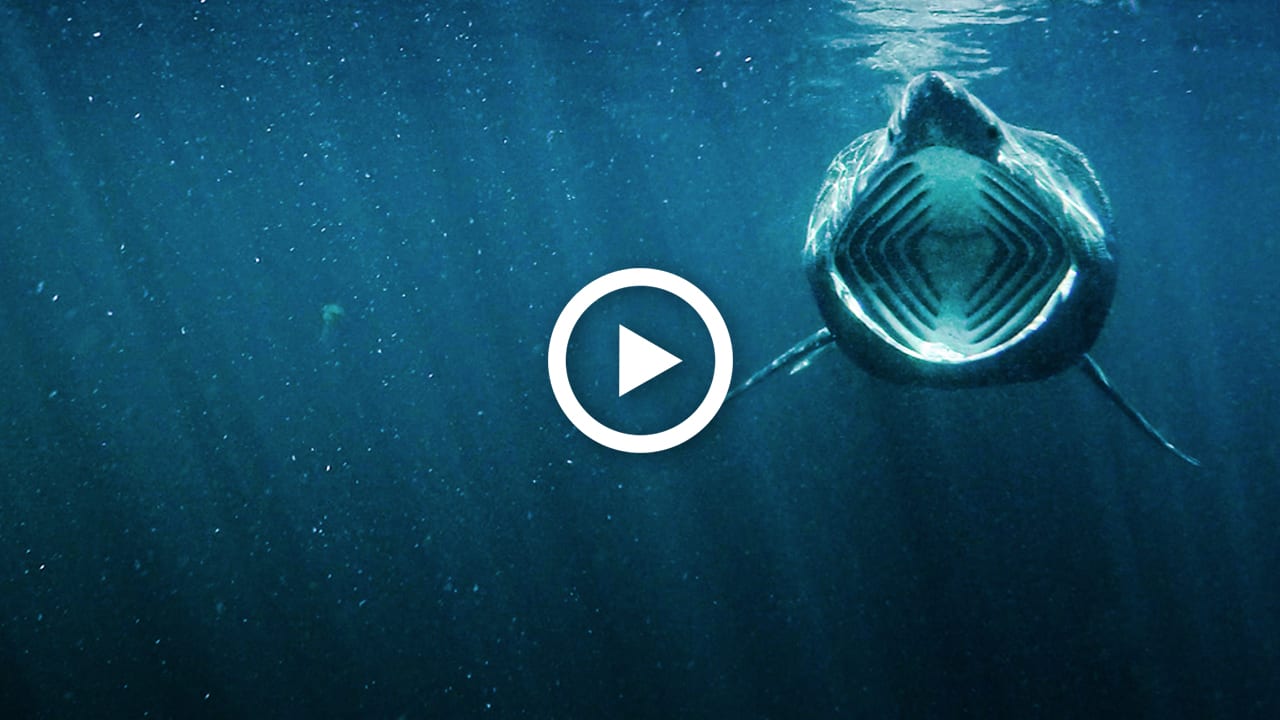
Discover the underwater behavior of basking sharks, the world’s second-largest fish, captured by WHOI’s SharkCam
Read MoreMinion robots in the Ocean Twilight Zone
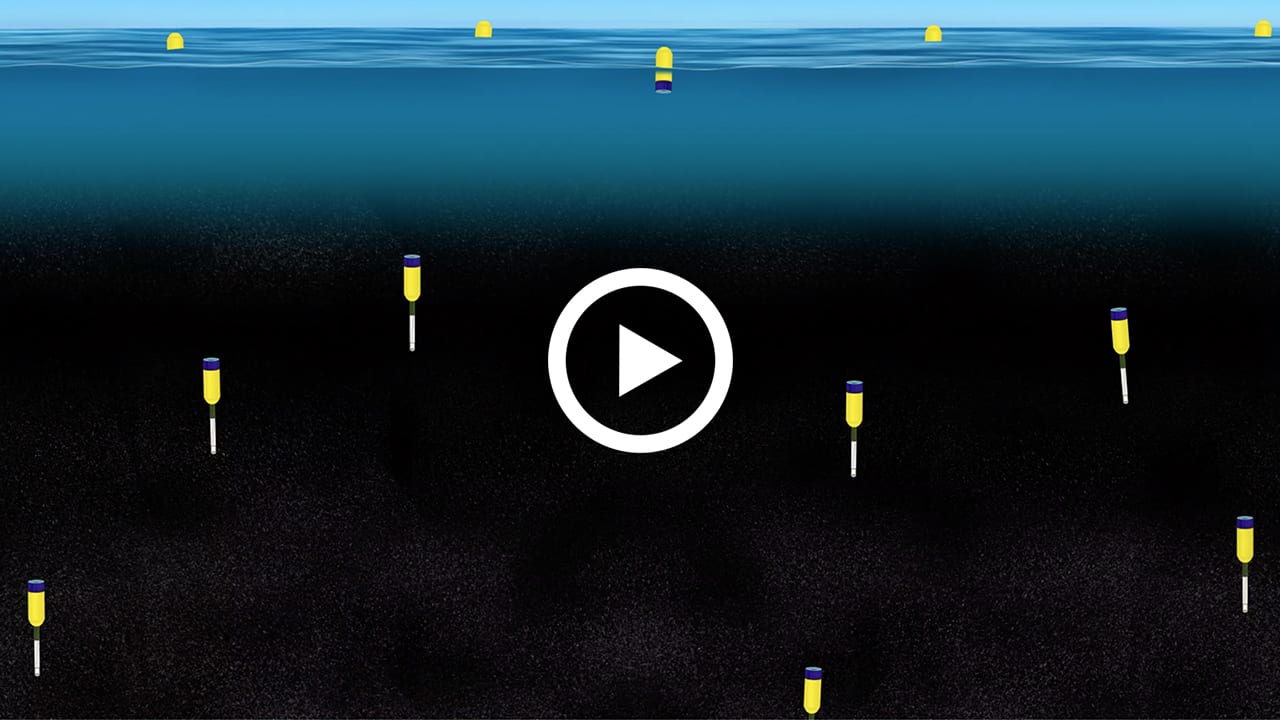
MINION is a small drifting instrument that tracks marine snow sinking into the twilight zone, helping scientists study the ocean’s role in the carbon cycle and climate.
Read MoreCreatures of the Ocean Twilight Zone
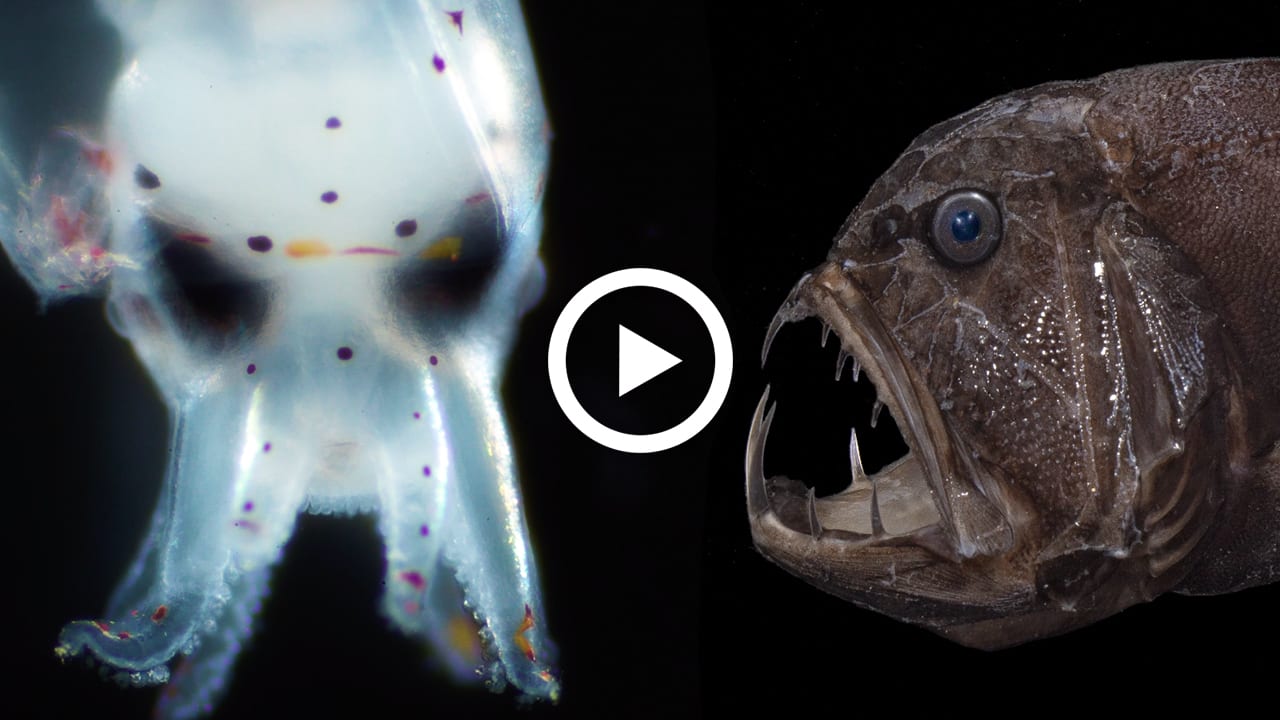
The ocean twilight zone teems with tiny, mysterious creatures—some glow, some are bizarre—all vital to the health of a deep, complex, and still little-known ecosystem.
Read MoreCarbon Dioxide, Shell Building, and Ocean Acidification
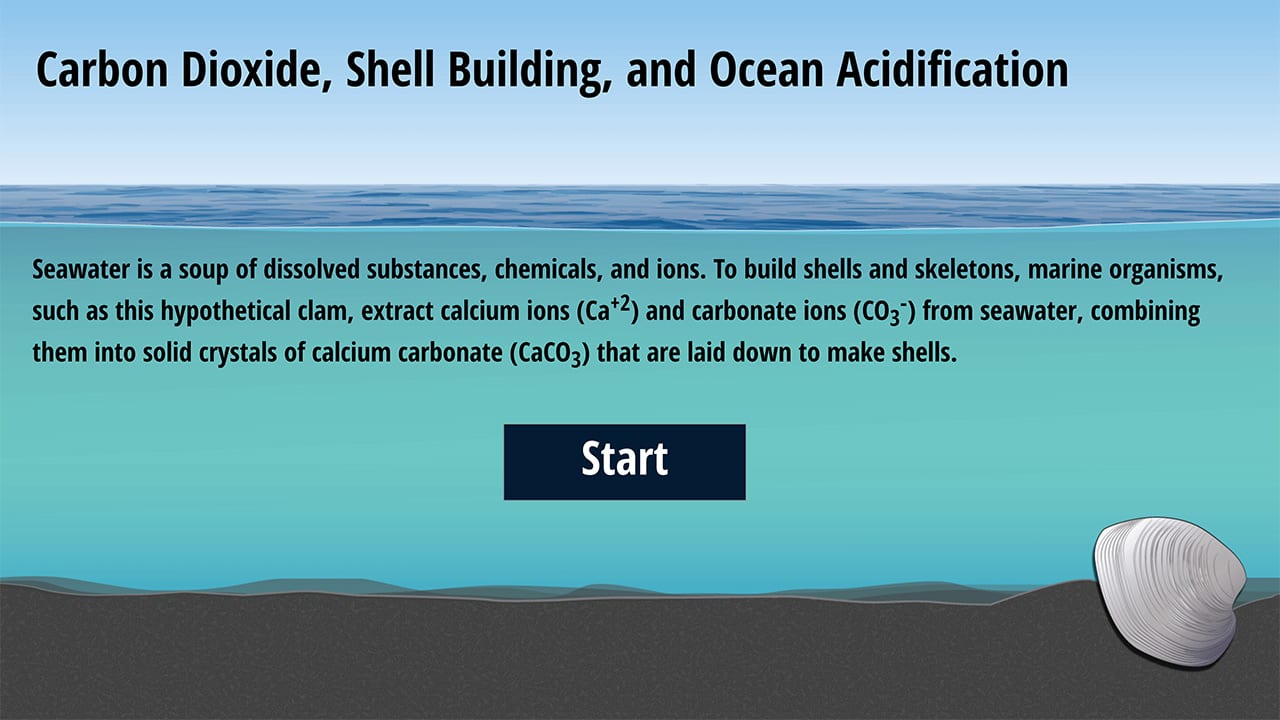
To build shells and skeletons, marine organisms extract calcium ions and carbonate ions from seawater to make shells.
Read MoreWhat’s it like in a submersible?
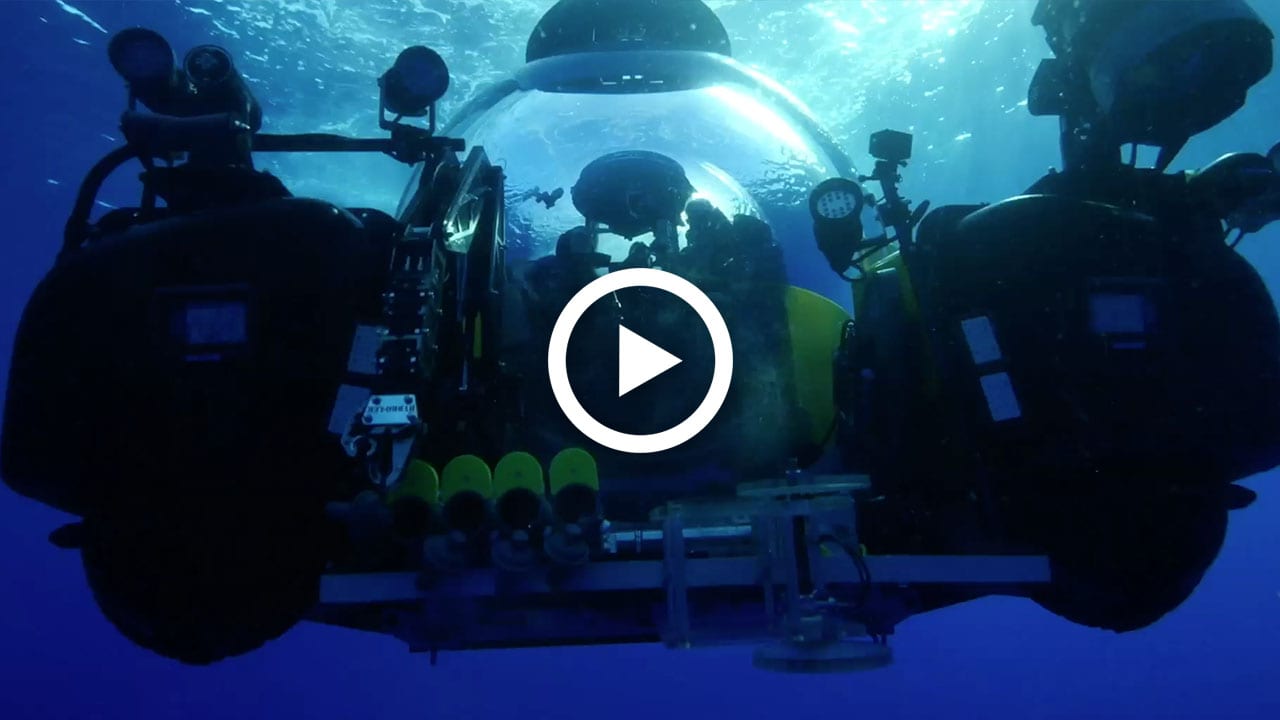
Scientists dove into the twilight zone in a submersible to explore deep-sea life off the Bahamas.
Read MoreWhat is the story behind Mesobot?
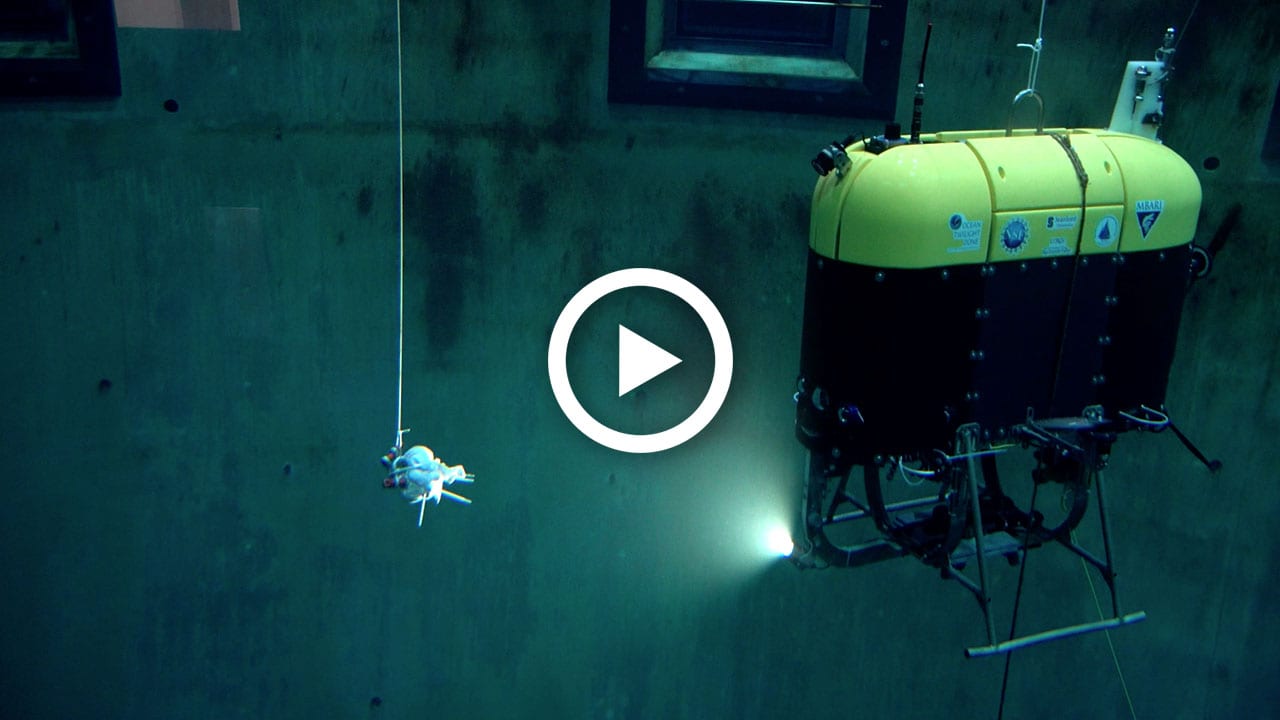
Interview with WHOI senior scientist Dana Yoerger on designing Mesobot.
Read MoreSelective breeding seaweed
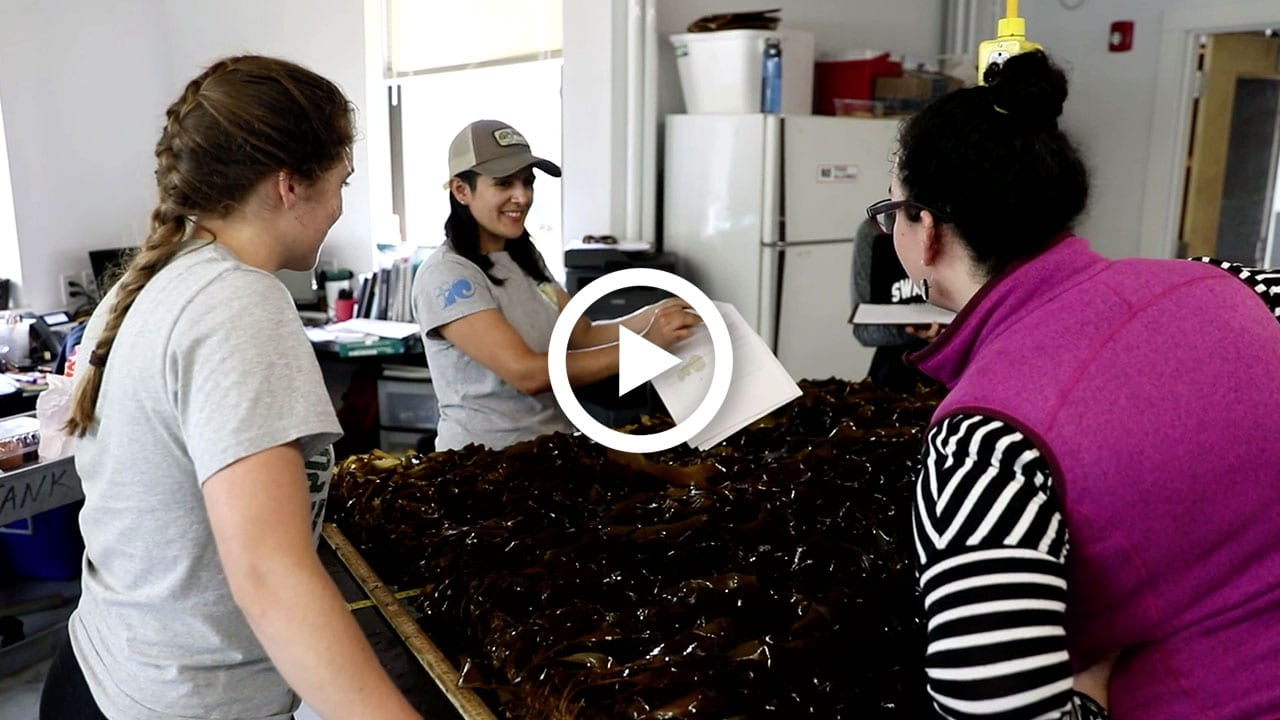
Scientists are measuring kelp to breed hardier strains for offshore farms—paving the way for seaweed-based biofuel production.
Read MoreDiscovering the Ocean Twilight Zone with Joel Llopiz
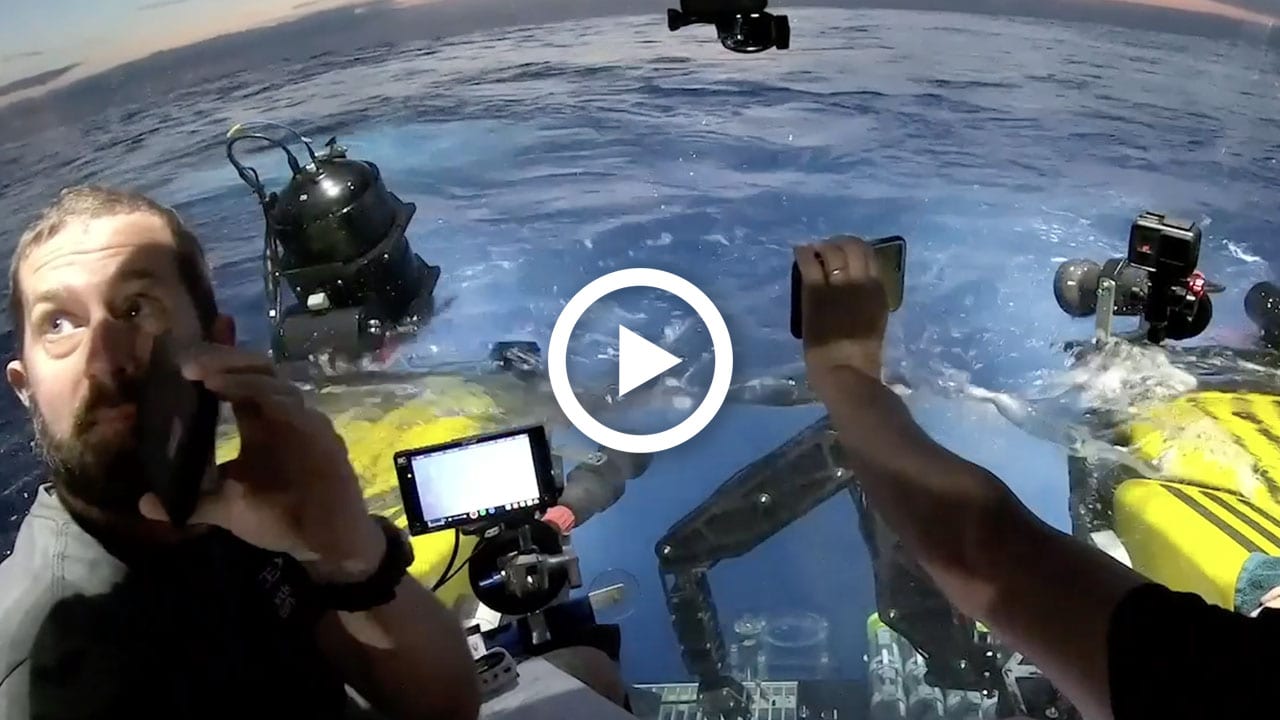
Most twilight zone animals are tiny—but powerful in number. WHOI’s OTZ team explores this vast, mysterious region to reveal its global secrets and wonders.
Read MoreConducting airlift and dive operations
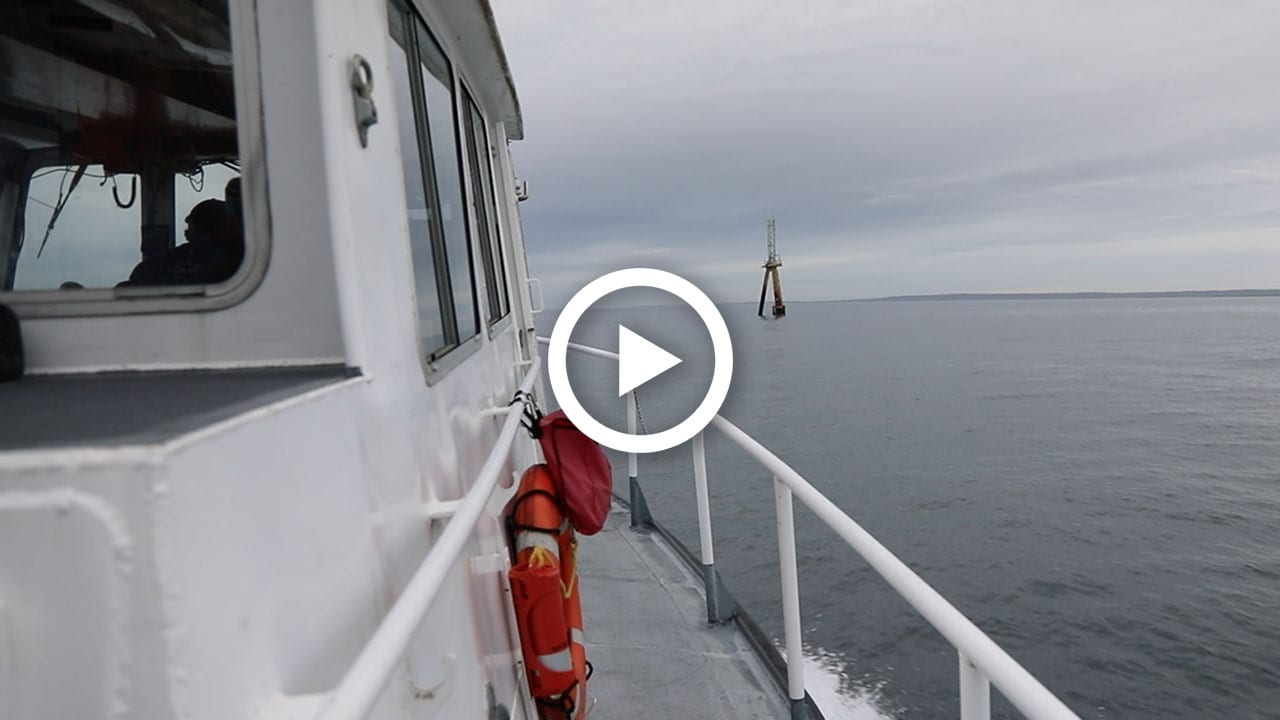
Join Captain Peter Collins aboard R/V Tioga at the Martha’s Vineyard Coastal Observatory.
Read MoreEntering the Ocean Twilight Zone with Heidi Sosik
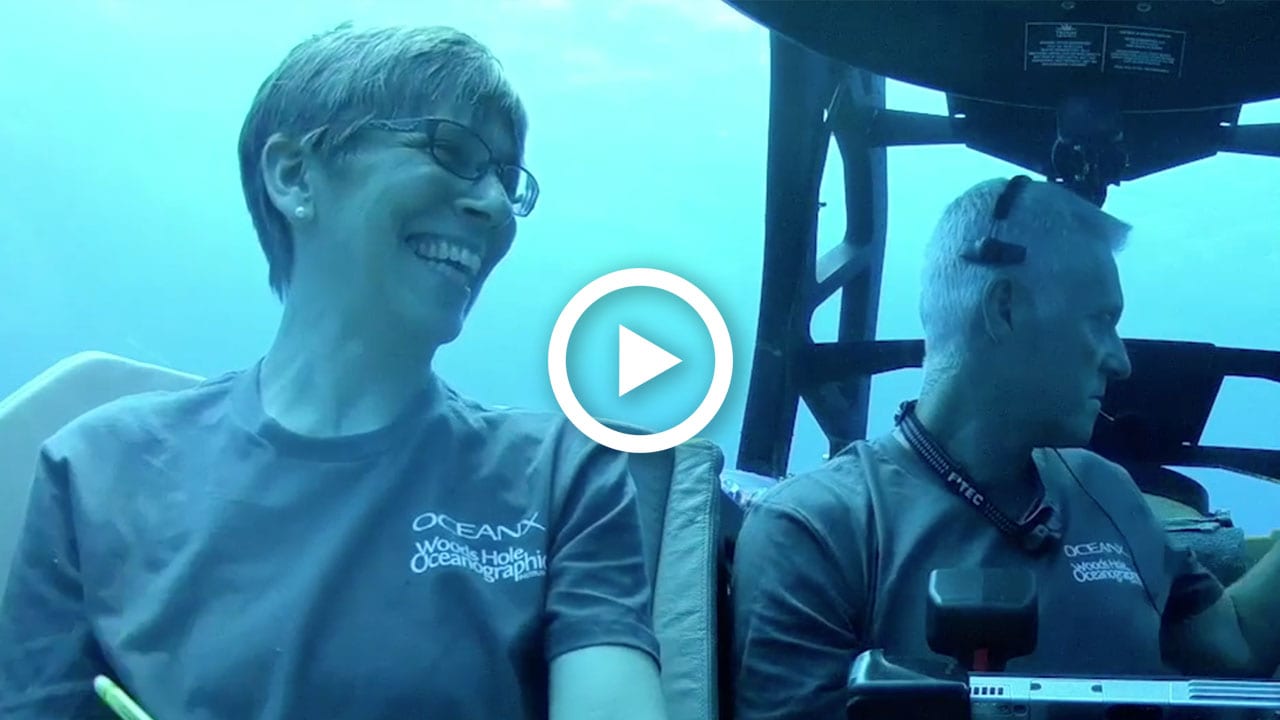
Travelling down to the twilight zone, scientists observed beautiful jellies and small fishes like bristlemouths, hatchet fish, and lanternfish, all in their natural habitat.
Read MoreWhat do ocean airlift operations look like?
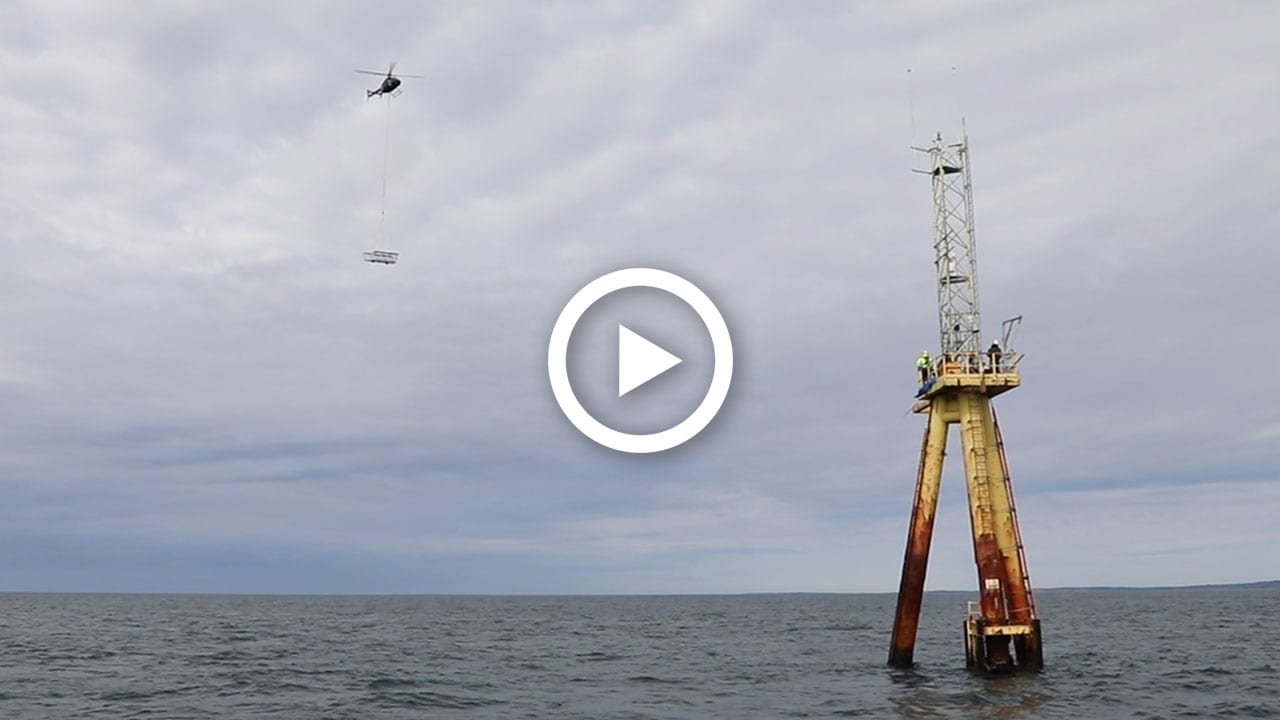
Watch how scientific instruments get airlifted and installed at the Martha’s Vineyard Coastal Observatory.
Read MoreMeet an Ocean Twilight Zone photographer
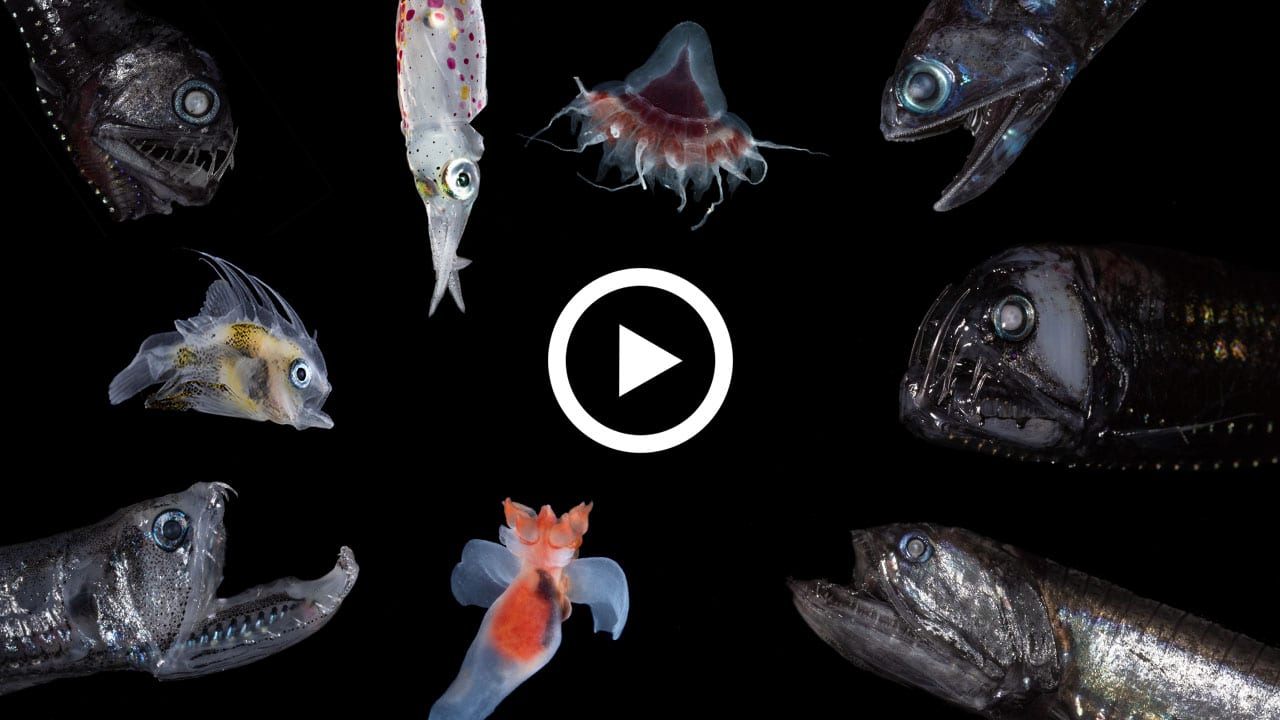
Fish ecologist Paul Caiger uses photography to reveal life in the Ocean Twilight Zone, sharing rare glimpses from a 2019 expedition aboard OceanX’s M/V Alucia.
Read More