
Multimedia
“Green” guts
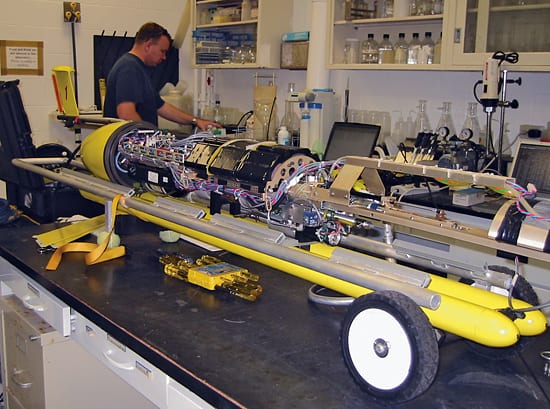
Take a look at the guts inside a “green”-powered thermal glider, and you’ll find bundles of wires, but no motor to propel it. As Research Associate John Lund (in photo)…
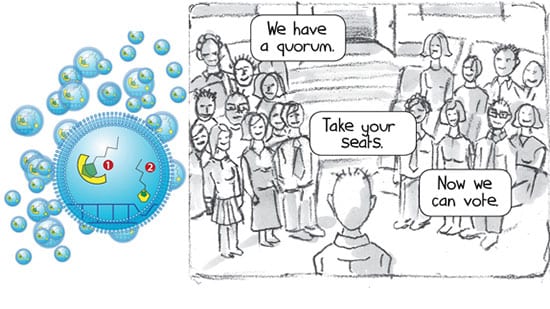
Read MoreE pluribus unum, politically and biochemically
World of ice and water
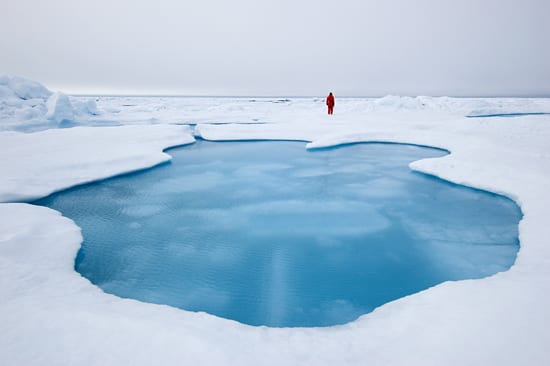
A large melt pond and Arctic sea ice extending to the horizon dwarf a human figure, but human impacts on the Arctic may be growing larger than the ice itself.…
Read MoreSampling the sea
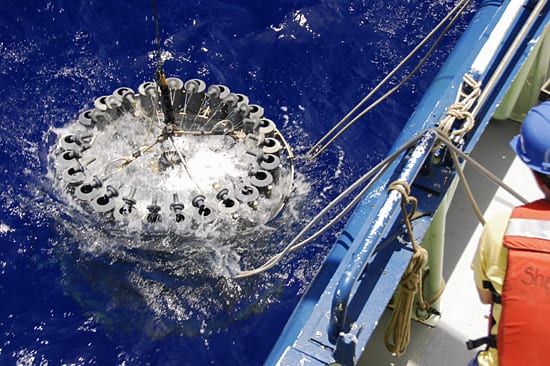
In August 2008 R/V Oceanus made a transect across part of the eastern Atlantic, from Barbados to Cape Verde. Chief scientist Edward Boyle (MIT) led a research group including Pheobe…
Read MoreBaja blues
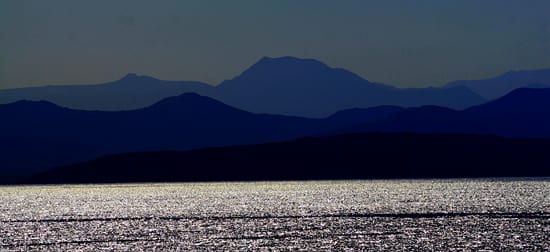
As dusk descends upon the Gulf of California, shadows darken the painted badlands of Mexico’s Baja Peninsula. Atlantis’ 2008 Baja expedition yielded geological samples valuable in tracing the rate of…
Read MoreHobgoblin from the depths
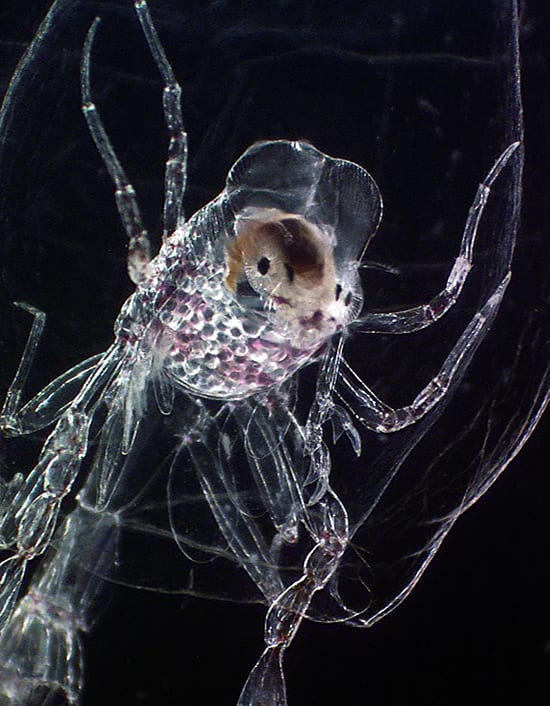
Seen from below, a creature between terrifying and unbelievable appears to fly by, with huge eyes and outstretched claws holding a clear parachute. Actually an inch long, this oceanic animal…
Read MoreThe Volcano Explorer
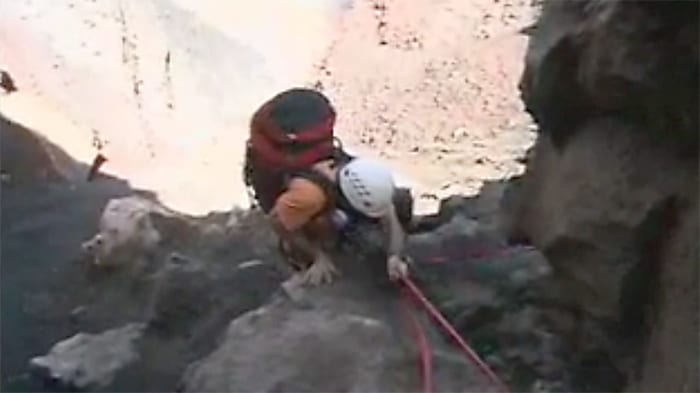
Interview with geologist Ken Sims on his experience researching volcanoes.
Read MoreYeti Crab
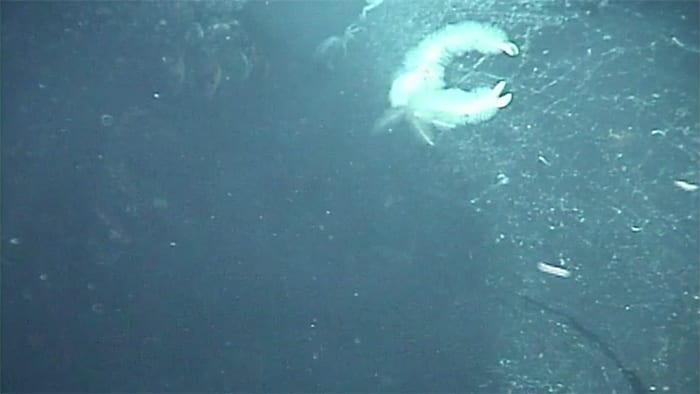
Alvin discovers a big white crab with long “fur” on its legs, now called Kiwa hirsuta.
Read MoreIce-Tethered Profiler Deployment
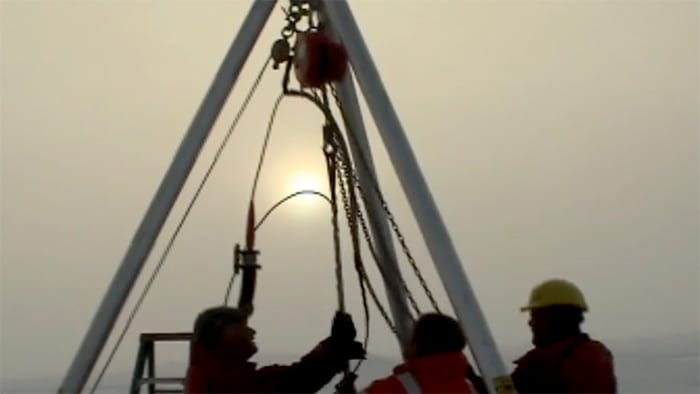
WHOI’s Ice-Tethered Profiler drifts with Arctic ice, sending daily data on ocean conditions via satellite—unless a polar bear gets curious.
Read MoreNorth Atlantic Right Whale
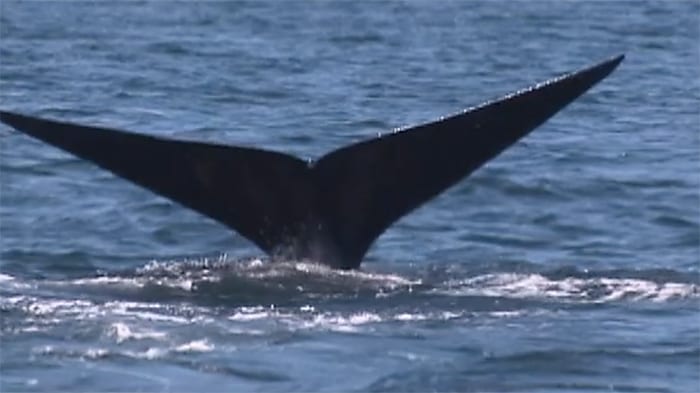
Dr. Michael Moore talks about the North Atlantic Right Whale and what the future may hold for this endangered charismatic species.
Read MoreHydrothermal Vents
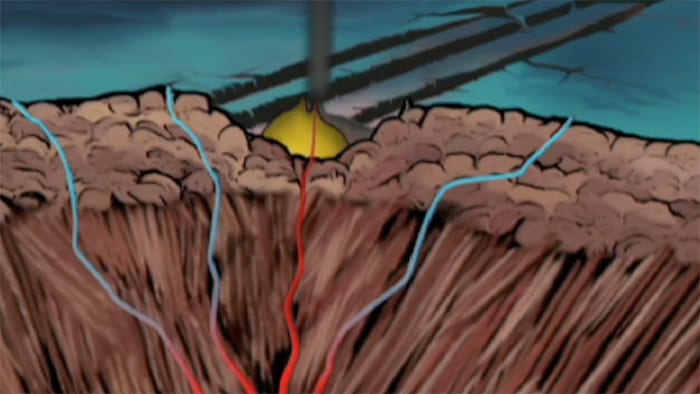
Geologist Susan Humphris explains hydrothermal vents — seafloor openings where heated, mineral-rich water escapes from Earth’s crust.
Read MoreGiant worm from the deep sea
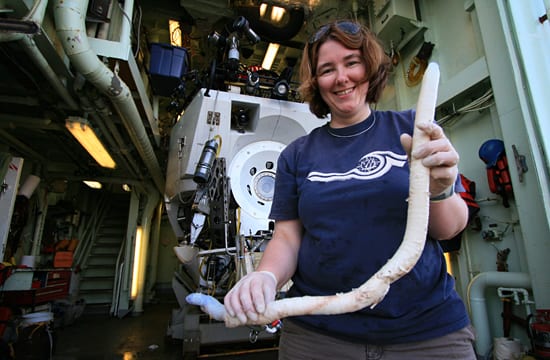
MIT/WHOI Joint Program student Kate Buckman stands in front of the submersible Alvin, holding the iconic animal from undersea hydrothermal vents: a giant tubeworm (Riftia pachyptila.) The fast-growing worms have…
Read MoreThe once and future Alvin
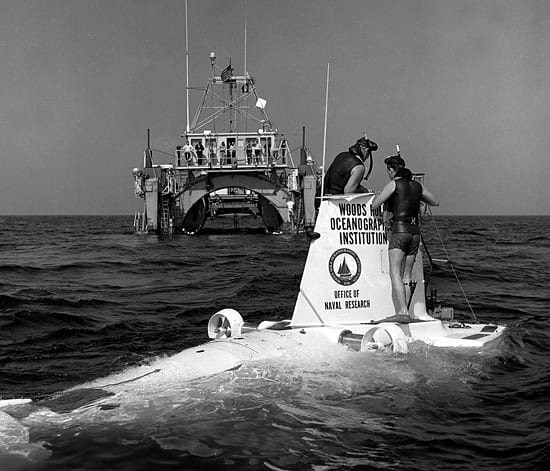
A photo, circa 1967, shows the research submersible Alvin with two support swimmers, as crew watch from Lulu, Alvin’s first tender ship. WHOI still operates the U.S. Navy-owned Deep Submergence…
Read MoreDeep-sea Corals
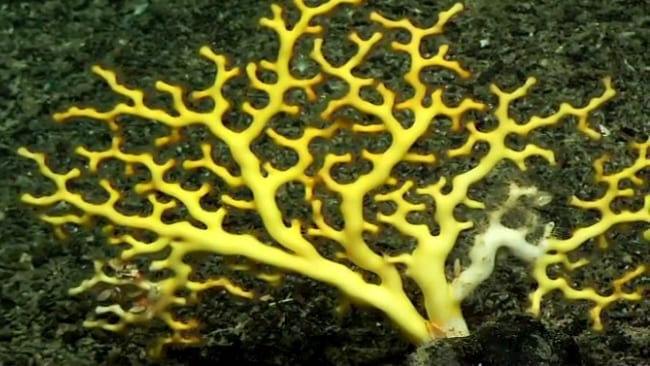
Deep-sea corals thrive without sunlight, filter-feeding in the deep ocean and forming ancient structures that reveal clues about past ocean conditions.
Read MoreWater is terrific! Bugs? Not so hot
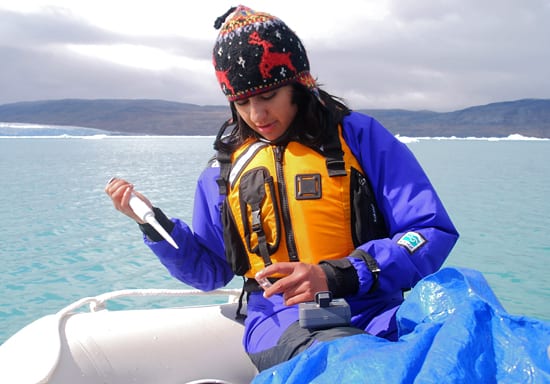
Maya Bhatia, a doctoral student at WHOI, took hundreds of water samples this summer to learn about water chemistry during seven weeks of research in western Greenland. Bhatia, who works…
Read MoreResearchers Band Together to Create a Band
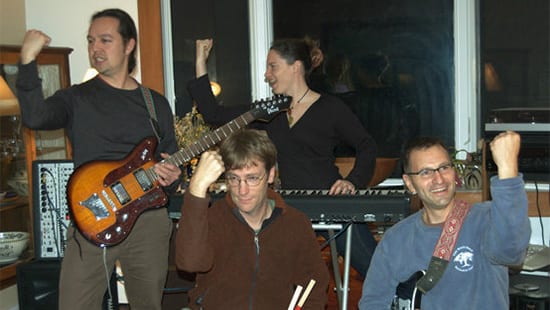
Four researchers at Woods Hole Oceanographic Institution mix music into their lives and, occasionally, science into their lyrics.
Read MoreLooking it over
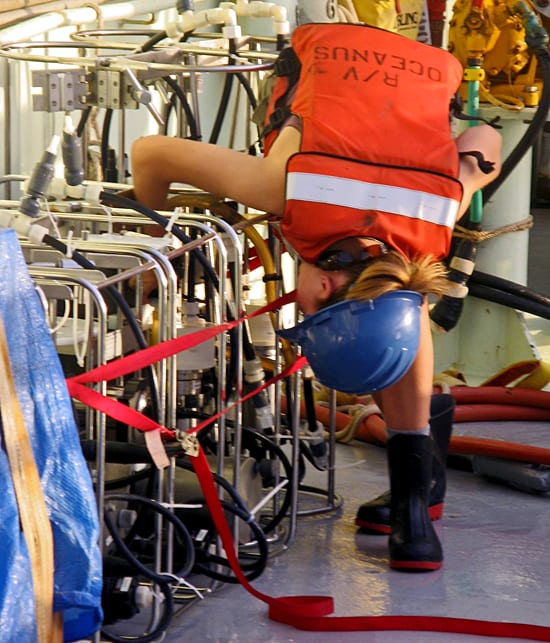
MIT/WHOI Joint Program student Stephanie Owens isn’t on a jungle gym—she’s checking specialized pumps used to filter water collected at various depths in the ocean and extract trace amounts of…
Read MoreGoing with the flow
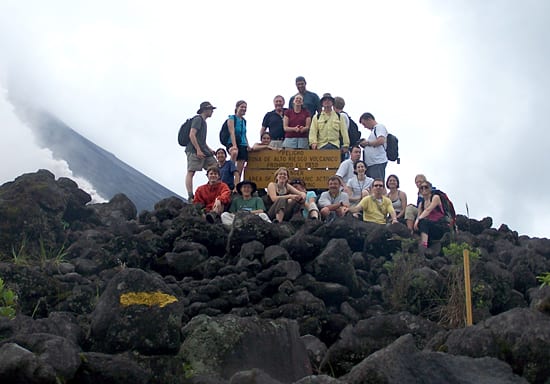
MIT/WHOI Joint Program graduate students and their instructors take a break from hiking for a group photo at the base of Arenal Volcano in Costa Rica during a June 2008…
Read MoreBuoys in the blue
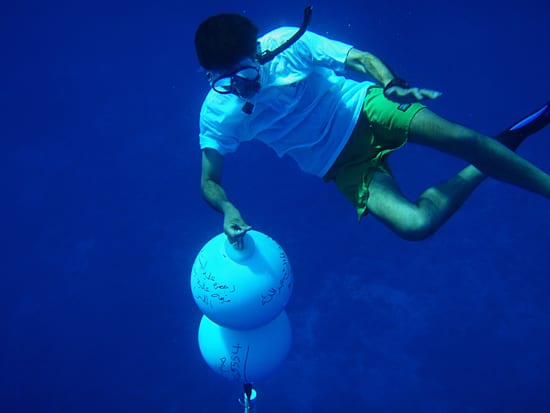
Free-diving, WHOI biologist Jesús Pineda checks the line securing two below-surface buoys to his mooring on a coral reef in the Red Sea, in June 2008. The buoys bear Arabic…
Read MoreConserving cold-water corals
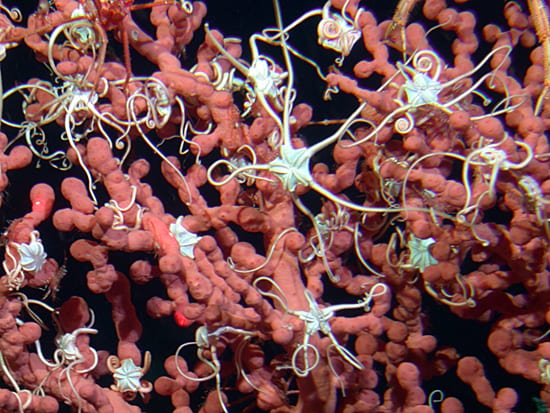
A large pink sea fan, which belongs to the genus Paragorgia, holds within its branches a thriving community of brittle stars, crabs, and shrimp. Deep coral ecosystems, which host extremely…
Read MoreOut from the sediments, into the water
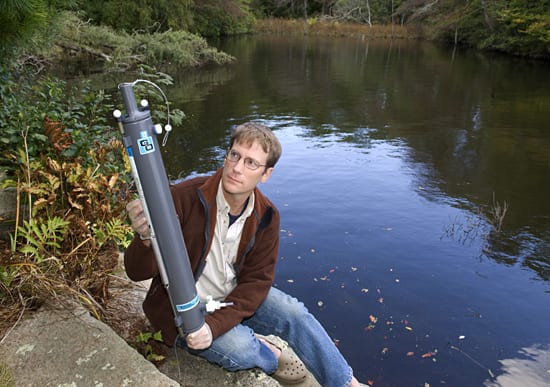
WHOI Chemist Carl Lamborg holds a Niskin bottle, which is used to collect water samples. During work conducted in Waquoit Bay in 2005, Lamborg, fellow chemist Matt Charette, and other…
Read MoreProtecting fish nurseries
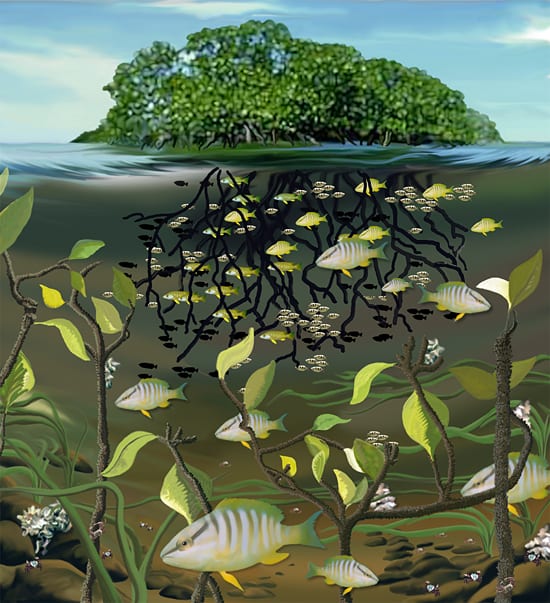
Juvenile coral reef fish get food and protection from predators among the roots and nutrient-rich waters of coastal mangrove swamps. These valuable fish nurseries are disappearing at an alarming rate.…
Read MoreAll Aboard, Standing Room Only
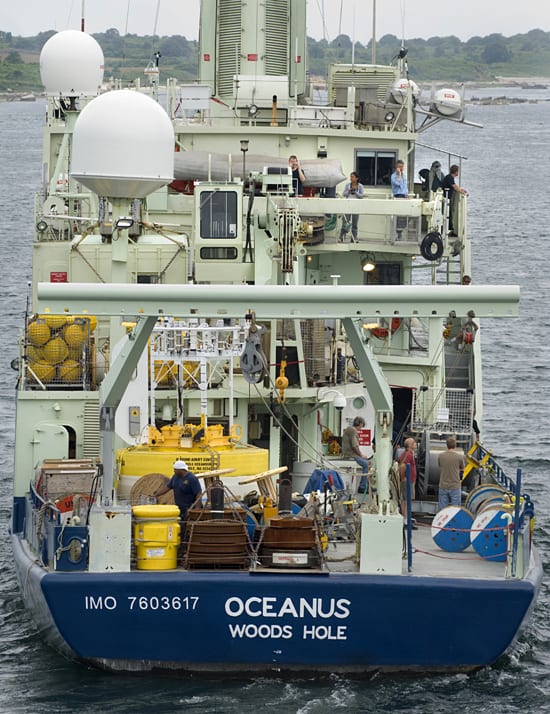
Woods Hole Oceanographic Institution’s “workhorse” research vessel, R/V Oceanus, leaves the WHOI dock in July 2007, more-than-fully loaded with equipment for the NTAS (Northwest Tropical Atlantic Station) project. In a…
Read MoreLaunching the Mooring
Deploying a 180-meter mooring is high-stakes science—years of work rides on a smooth launch and vital ocean data collection.
Read More