
Multimedia
Bead curtain

It looks like a curtain of Mardi Gras beads hung in a doorway, but fish should choose another door! These are a Physalia’s (Man-o’-War jelly’s) tentacles hanging beneath its ship-shaped…
Read MoreVintage sub
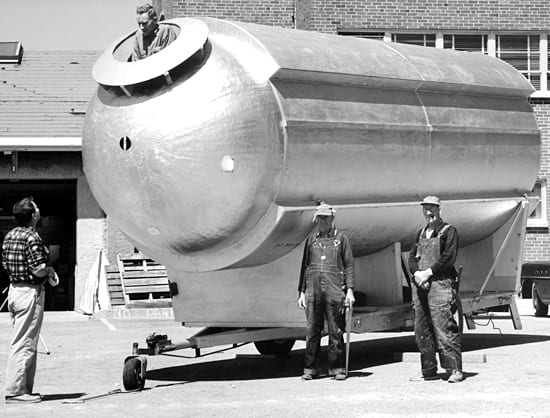
A mockup of the 42-foot Aluminaut, shown at WHOI in 1961. The deep submergence vehicle (DSV) was owned by the Reynolds Metals Co. (later Reynolds Aluminum) and operated briefly by…
Read MoreSpiral coil
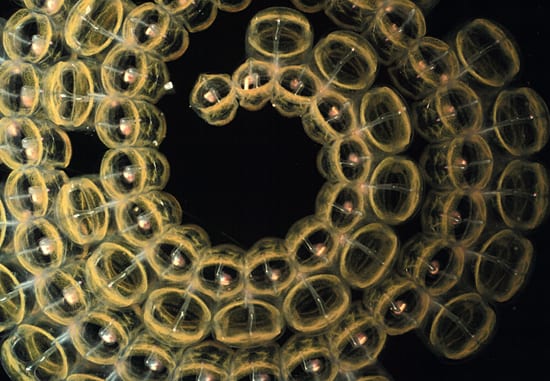
Salps are planktonic filter-feeders — each one a tireless vacuum continuously clearing phytoplankton cells from the sea by filtering water through a mucus net as it swims. These marine animals…
Read MoreThe eyes have it!
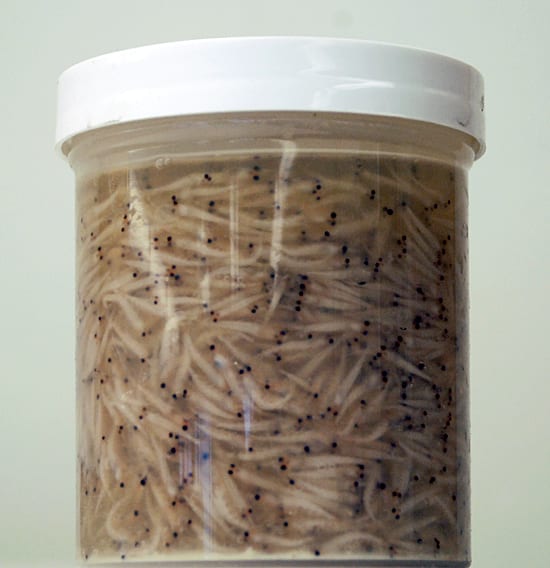
Krill are very small crustaceans of the sea that eat even smaller creatures called phytoplankton. Krill play a major role in the food chain because they provide food for a…
Read MoreLulu and Alvin
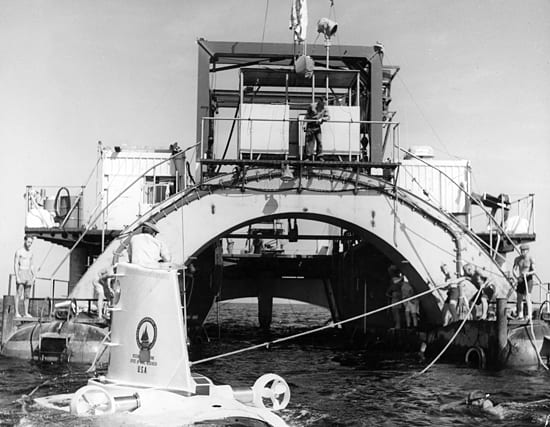
Early image of the catamaran Lulu, the first support ship for the submersible Alvin (in foreground), circa 1965. The 105-foot Lulu was built in Woods Hole from surplus minesweeping pontoons and…
Read MoreSearching seeps
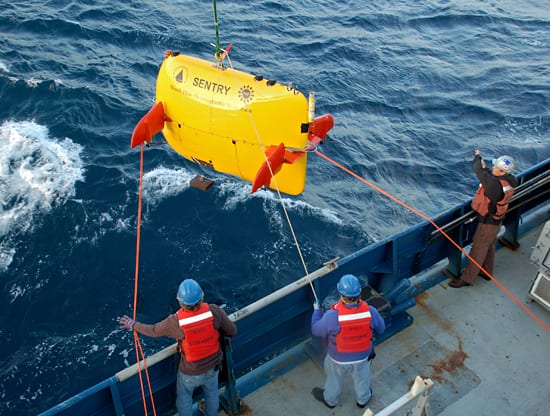
The crew aboard the R/V Atlantis launch the autonomous underwater vehicle (AUV) Sentry during a September 2009 cruise to study natural oil and methane seeps at a site about a…
Read MoreBasket stars
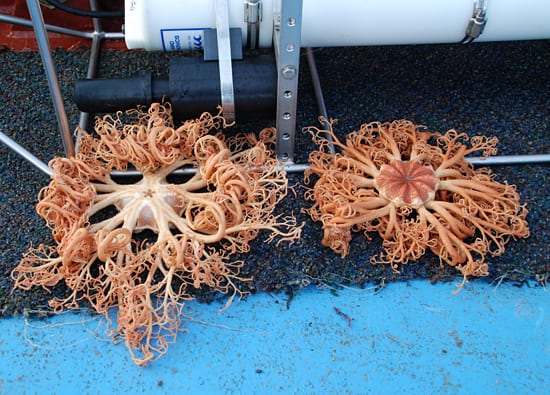
These Basket stars were collected in Barrow Canyon, Alaska, using a Tucker Trawl during a research cruise led by biologist Carin Ashjian in 2009. Basket stars are a type of…
Read MoreWest Mata Eruption 2009 (Clip 2)
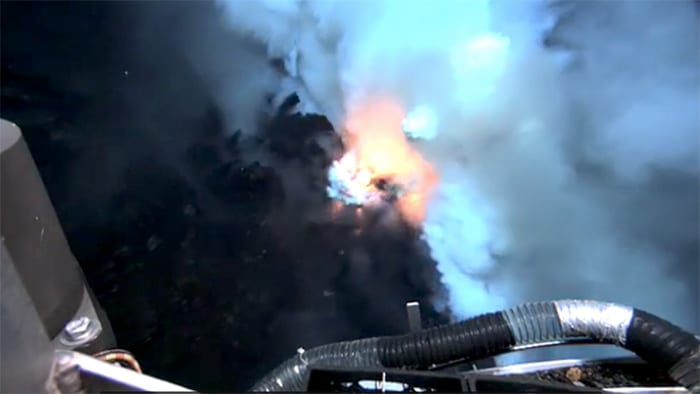
See the first video and still images of a deep-sea volcano actively erupting molten lava on the seafloor.
Read MoreWest Mata Eruption 2009 (Clip 1)
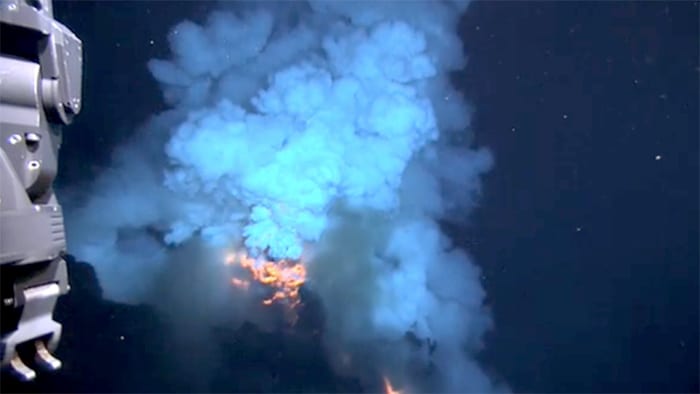
See the first video and still images of a deep-sea volcano actively erupting molten lava on the seafloor.
Read MoreAcidic ocean fallout
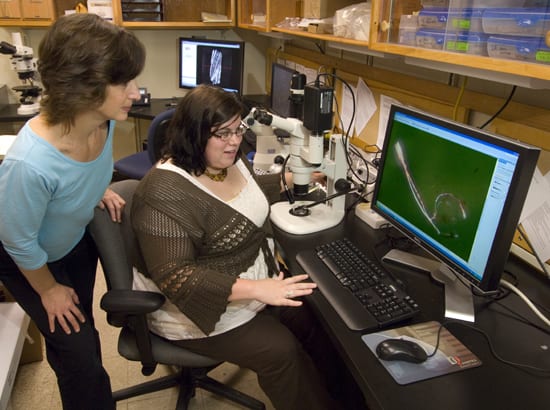
Research specialist Anne Cohen and MIT/WHOI Joint Program student Meredith White monitor baby sea urchins in the lab for possible effects from ocean acidification. The oceans have absorbed about one-third…
Read MoreSun and snow in the “Twilight Zone”
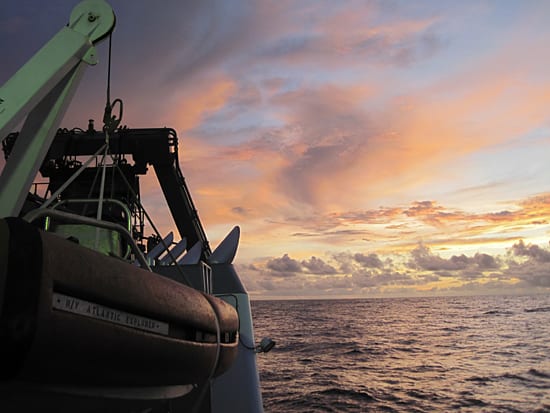
Sunset on the RV Atlantic Explorer during a research cruise in September 2009 in the Sargasso Sea as part of the Twilight Zone Explorer research project led by Ken Buesseler. …
Read MoreOne of a kind
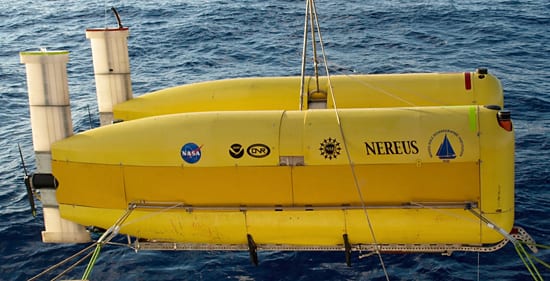
The new hybrid underwater robotic vehicle, called Nereus (rhymes with “serious”) prepares to launch during an October 2009 expedition to the Mid-Cayman Rise —one of the deepest points in the…
Read MoreRustoleum around hydrothermal vents
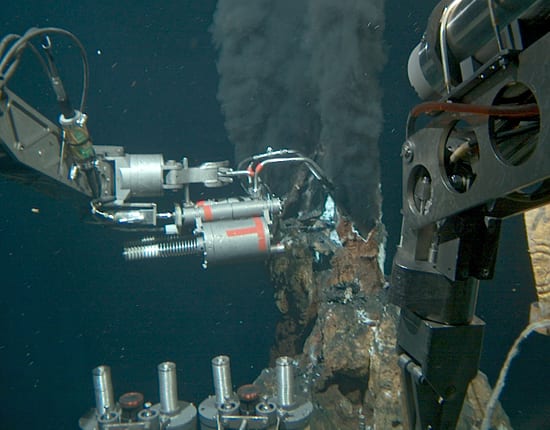
Seafloor hydrothermal vents spew hot fluids filled with minerals, including iron. To their surprise, scientists discovered that some of the iron does not get oxidized when it hits oxygen-rich seawater,…
Read MoreGobble, gobble?
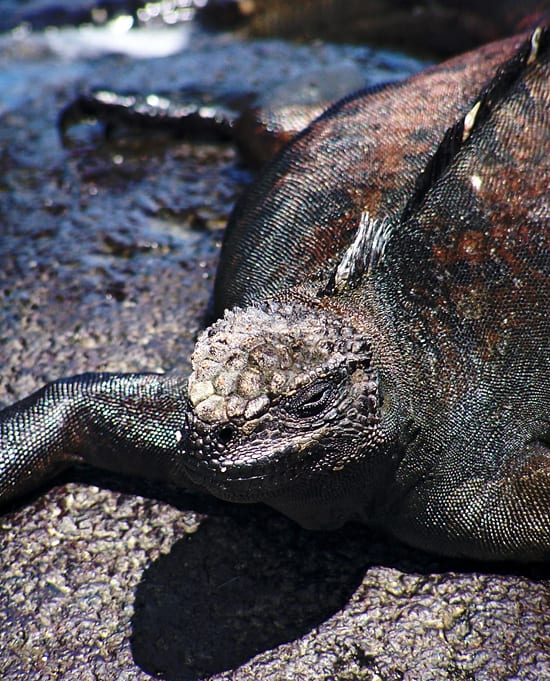
That’s no turkey! Marine Iguanas — like this one photographed in the Galapagos Islands during the Costa Rica Upwelling Dome cruise in 2005 — are among the most unusual creatures…
Read MoreWHOI, before expansion
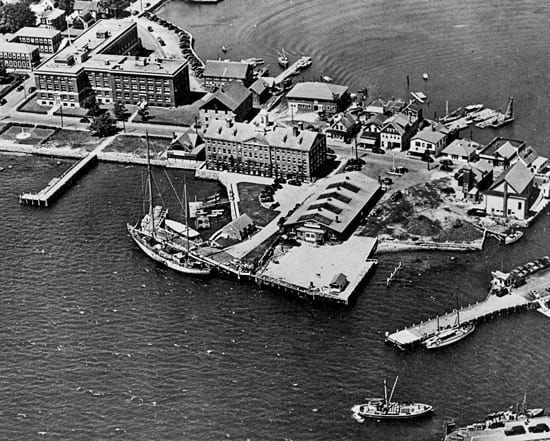
Before wartime expansion in the 1940’s and 50’s, WHOI facilities consisted of the laboratory, the pier for Atlantis, the small boat basin behind the pier, and a small pump house/utility…
Read MoreSkeleton records
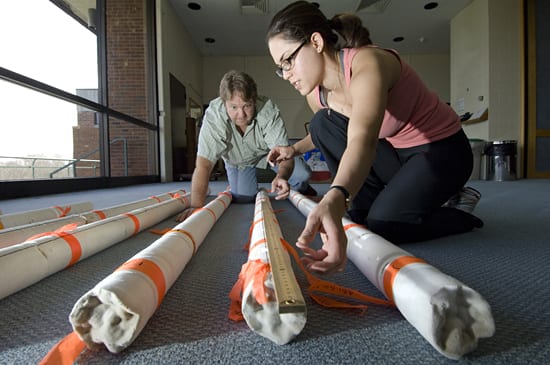
MIT-WHOI Joint Program student Whitney Bernstein and her advisor, Konrad Hughen of the Marine Chemistry & Geochemistry Department, sort and measure cores of massive corals (Porites spp.) collected from the…
Read MoreUnderwater sensing
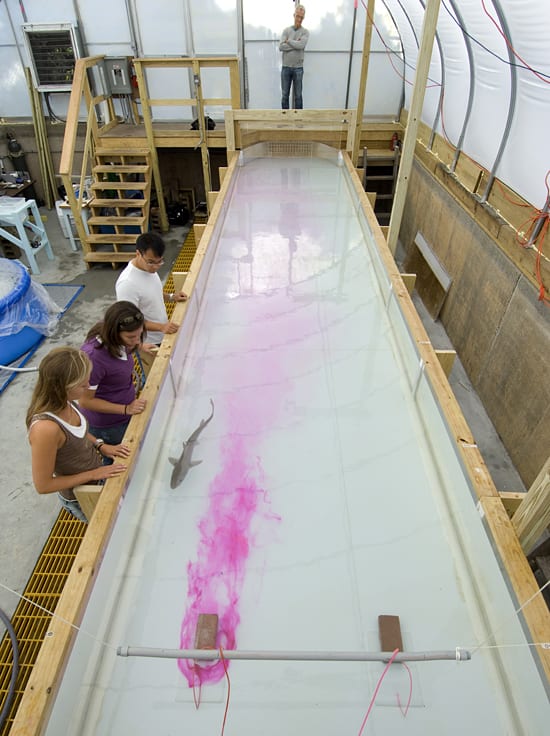
WHOI biology adjunct scientist Jelle Atema (top in photo) and students Julia Spaet, Danielle Dixson and Joel Buytkins perform a shark sensory experiment in the Environmental Systems Lab. The research…
Read MoreCurrent geeks
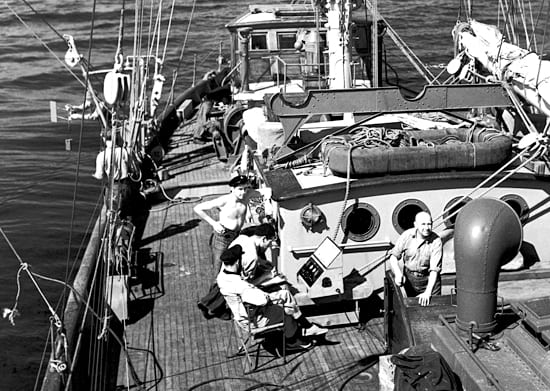
Bill von Arx and Henry Stommel developed a powerful method of observing surface currents from a ship underway. The procedure relied on the electric potentials induced by the movement of…
Read MoreBlackback in the Red Sea
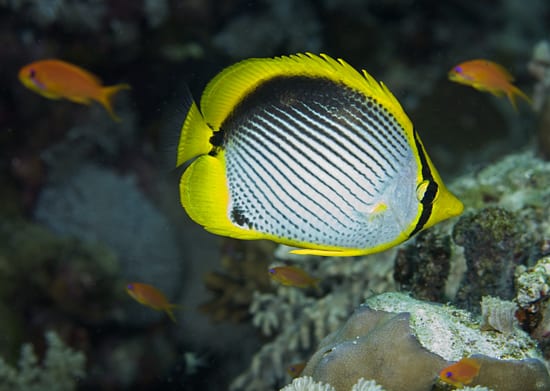
A blackbacked butterflyfish (Chaetodon melannotus) feeds on soft corals in the along the Red Sea coast of Saudi Arabia in an area known as the Farasan Banks. An international team…
Read MoreHeading off HABs
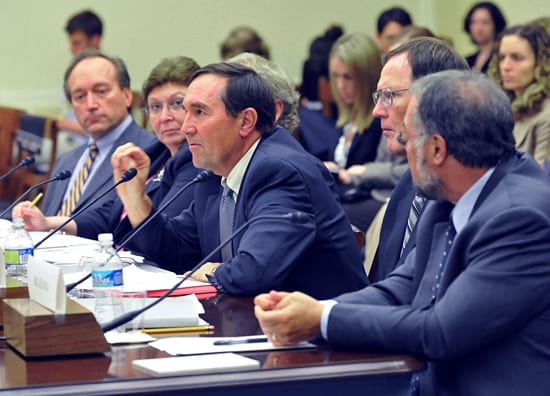
Don Anderson (center), a senior scientist in the WHOI Biology Department, testified in September 2009 before the U.S. House of Representatives Committee on Science and Technology, which is drafting legislation…
Read MoreScoping out seepage
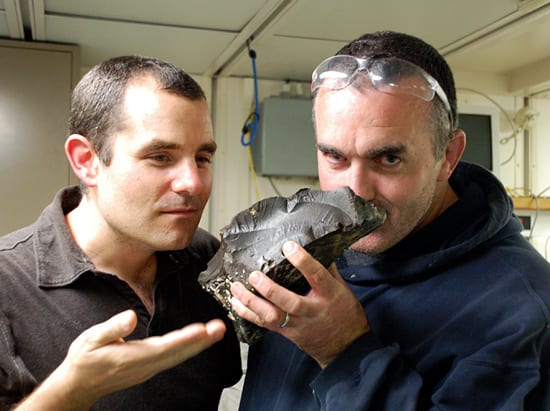
Each year, millions of tons of methane and thousands of barrels of oil seep out of the ocean floor. On a recent cruise aboard the RV Atlantis, Christopher M. Reddy…
Read MoreWatching the flow
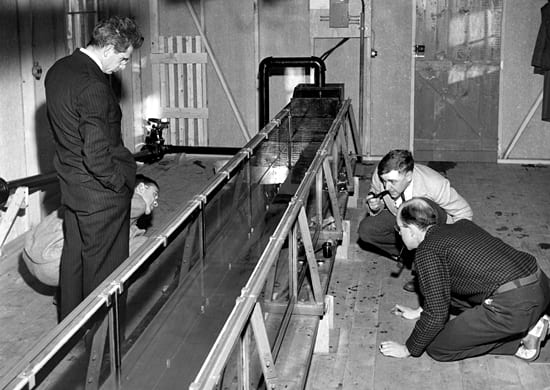
in 1948, this WHOI flume was located in a small building next to the white house, behind the Bigelow Laboratory, for studies of phenomena that included the flow of fresh-water…
Read MoreDeeper into the delta
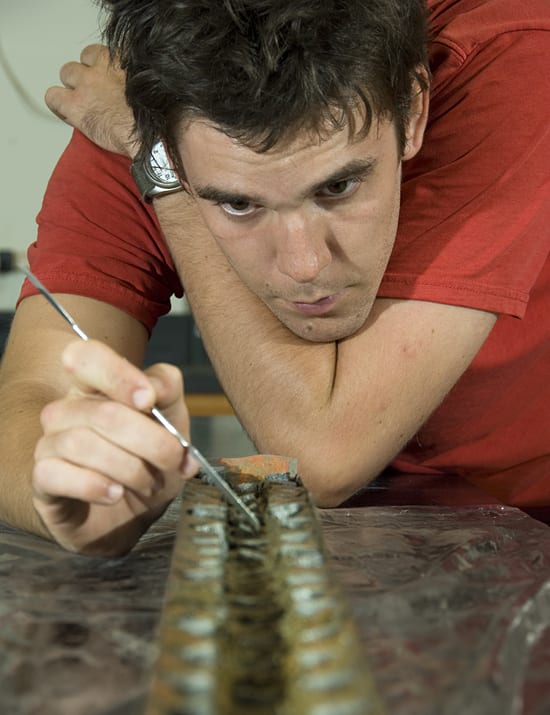
Summer Student Fellow Sam Zipper spent his summer on balmy Cape Cod studying the western Canadian Arctic. Zipper analyzed sediment cores from the Mackenzie River Delta with his WHOI sponsor,…
Read MoreSome serious teeth
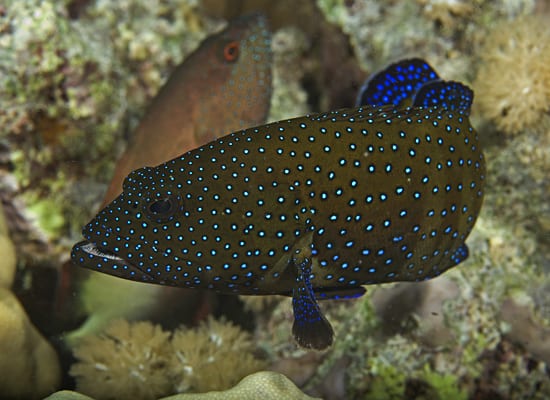
WHOI biologist Simon Thorrold snapped this image of a peacock grouper (Cephalopholus argus) while working in Saudi Arabia in June 2009. Thorrold and an international team conducted a rapid, ecological…
Read More