
Multimedia
Bright lights
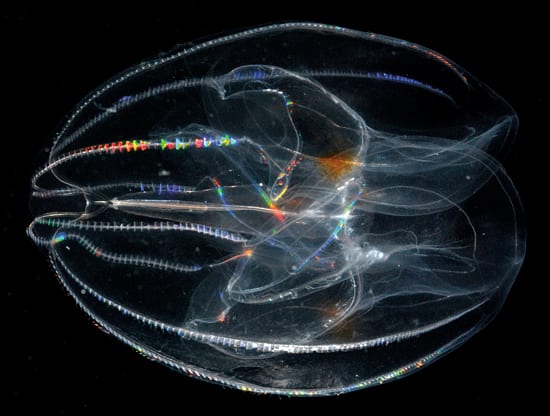
Ctenophores (comb jellies) swim by beating rows of tiny combs along their bodies. Sunlight—or a photographer’s strobe—on the combs creates diffraction patterns—flickering rainbows running down the rows. Most ctenophores are…
Read MoreProud parents
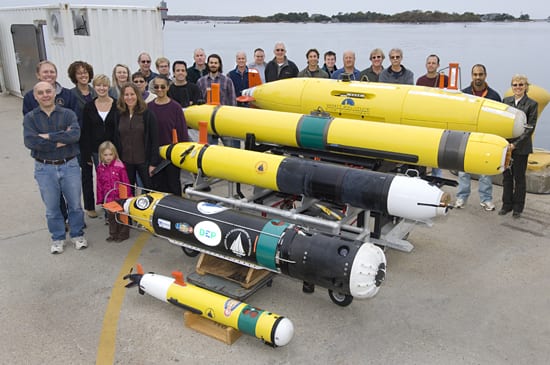
The Ocean Systems Lab group pose on the WHOI dock with a sample of their REMUS (Remote Environmental Monitoring UnitS) vehicles, which are designed for coastal monitoring as well as…
Read MoreA bustling science seaport
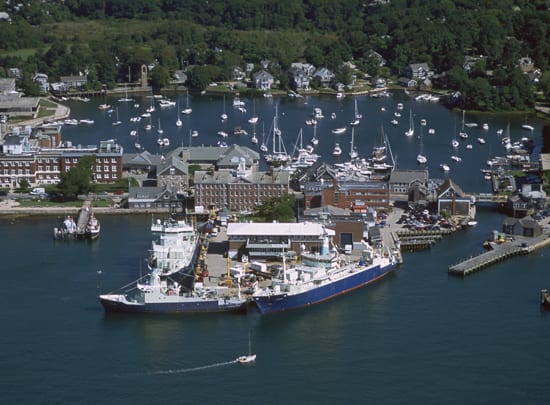
An aerial view of the village of Woods Hole, with the Institution dock facilities at the center. Woods Hole Oceanographic Institution (WHOI) research vessels Knorr, Oceanus, and Atlantis are at…
Read MoreSanta’s mailbox
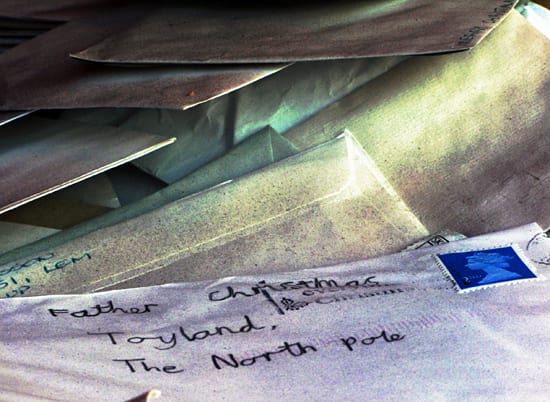
A stack of letters in “Santa’s Mailbox” in Nuuk, Greenland await delivery to the North Pole. A giant red mailbox located in downtown Nuuk stands right outside the town’s post…
Read MoreTest cruise
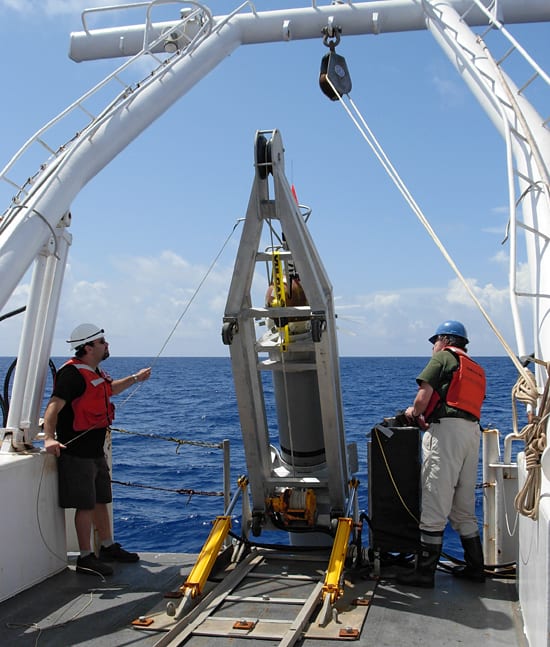
Lou St. Laurent and John Toole lower a High Resolution Profiler over the side of the R/V Endeavor during a September 2009 cruise. The instrument was being tested in preparation…
Read MoreMother ship beams up prey
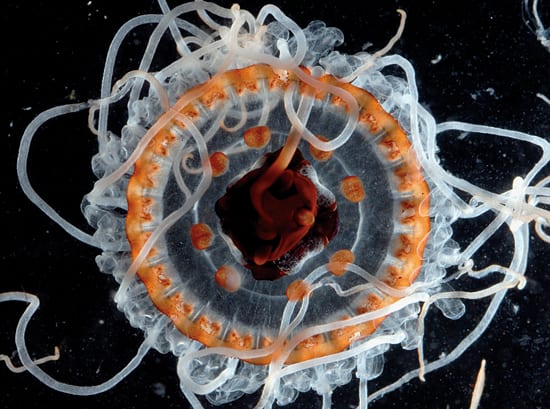
The jellyfish Atolla lives worldwide in the deep sea, where light levels are very low. The jellyfish is bioluminescent—emitting blue-green light—and so are most of its prey. Scientists think that…
Read MoreSinking particles
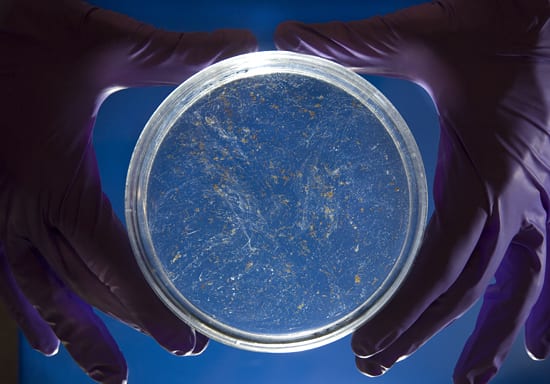
Andrew McDonnell, a joint program student in marine chemistry and geochemistry, holds a jar full of sinking particles collected at 150 meters depth during a cruise along the West Antarctic…
Read MoreOut of the classroom, into the pond
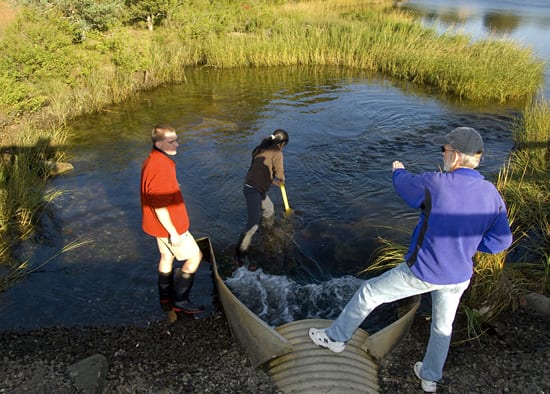
WHOI Senior Scientist Larry Pratt of the Physical Oceanography Department and MIT-WHOI Joint Program students Wilken-Jon von Appen and Ping Zhai test a volume flow rate formula developed in one…
Read MoreInvestigating the chemistry of a pond
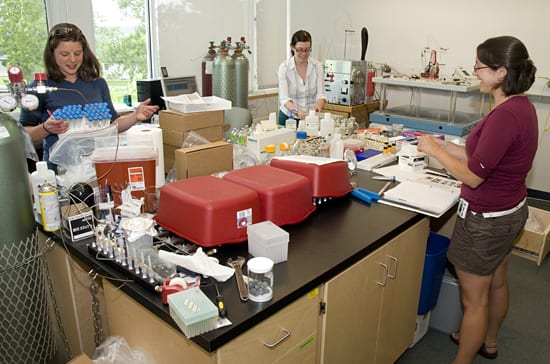
Cara Manning (center), a 2009 Summer Student Fellow from the University of Victoria, Canada, works in the lab. She investigated how much nitrous oxide — a potent greenhouse gas —…
Read MoreNeptune’s mask
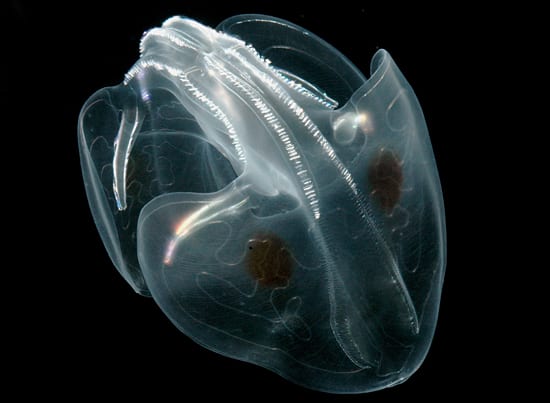
Depending on interpretation, this view of the ctenophore Ocyropsis maculata looks like either an ancient Greek helmet or a clamshell bucket for earth-moving machines. This large (to 6”) predator uses…
Read MoreA melting message
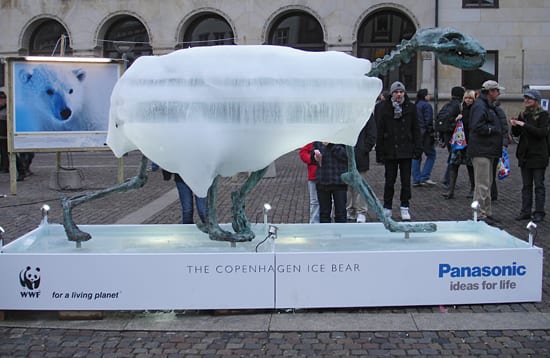
British sculptor Mark Coreth carved a polar bear out of ice, with a bronze skeleton inside, in hopes of sending an environmental message when the Arctic animal art piece melts.…
Read MoreCarousel Feeding
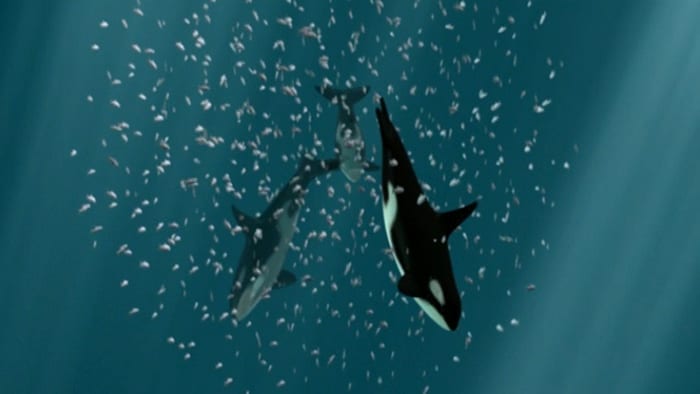
Orcas use coordinated movements and tail slaps to stun herring during carousel feeding. This video shows data captured by WHOI’s D-tags tracking their behavior.
Read MoreSurviving melting ice
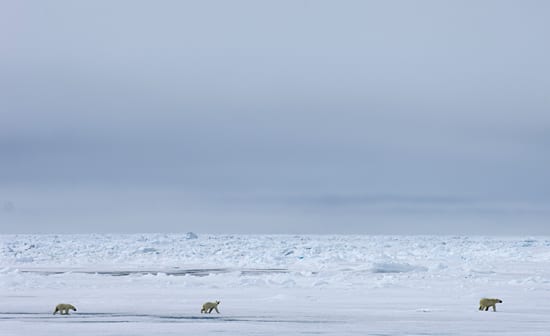
A recent U. S. Geological Survey study—using data from WHOI and other sources—determined that climate change in the Arctic is dramatically reducing polar bears’ survival and reproductive rates. The study…
Read MoreJason in Photos
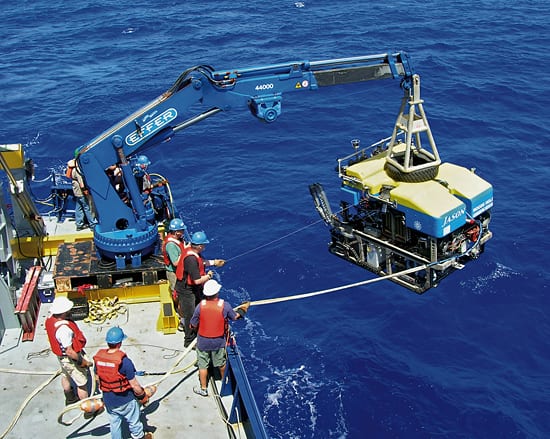
Jason in Photos
Risky shell game
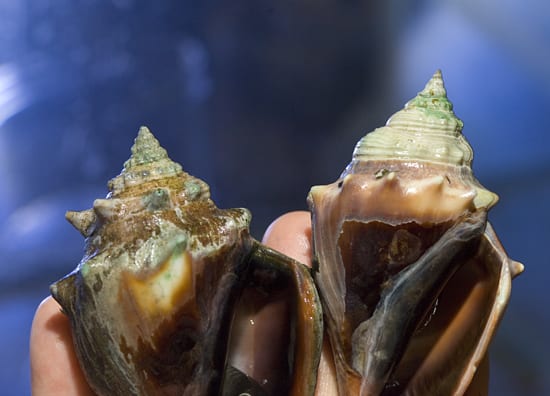
Justin Ries, a former postdoctoral scholar at WHOI, and colleagues Anne Cohen and Dan McCorkle grew 18 species of shell-building marine organisms in tanks under air containing different concentrations of…
Read MoreCrystal sea serpent
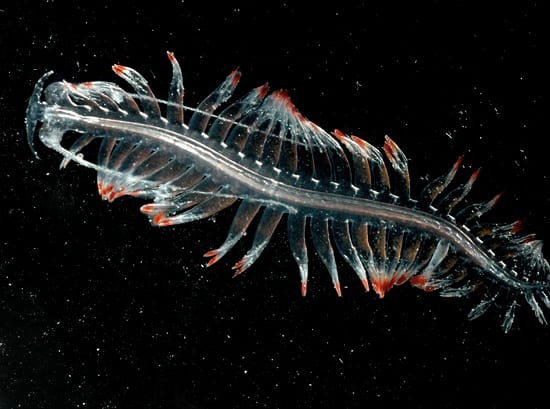
A miniature serpent? Scientists found this glassy planktonic worm in the Southern Ocean near Antarctica. A relative of earthworms, it uses its red-tipped swimming paddles to swim through the water…
Read MoreOceans Day at Copenhagen
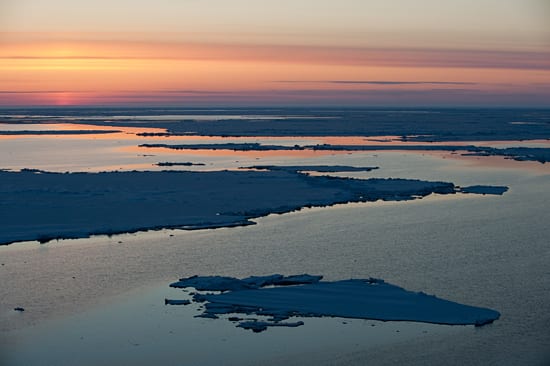
The ocean plays a critical role in Earth’s climate system. For the first time, the United Nations Climate Change Conference will include an Oceans Day. Held on December 14, Oceans…
Read MoreKnorr returns to Greenland
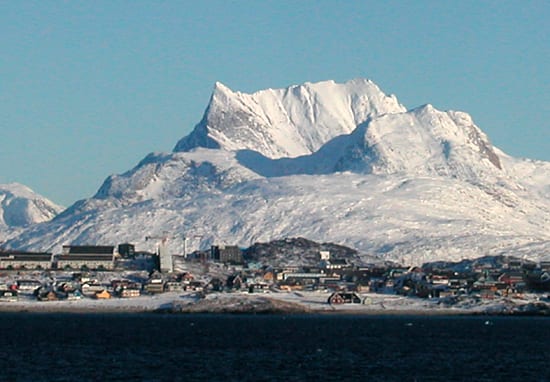
This photo was taken on Oct. 29, on the Knorr’s return to the port of Nuuk, Greenland. The mission is part of a seven-year international effort to monitor and measure…
Read MoreEbb and flow
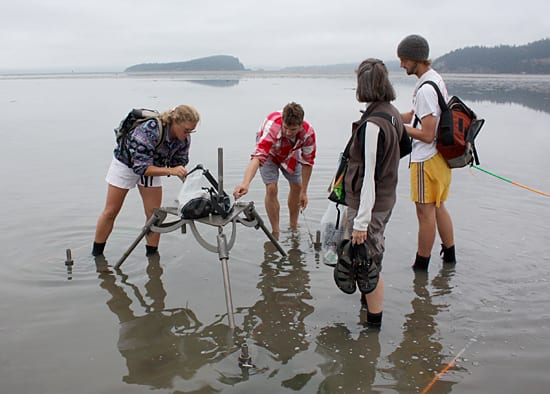
Associate Scientist Britt Raubenheimer, Evan Williams and Seth Zippel of the Applied Ocean Physics and Engineering department, disassemble an instrument tripod with a volunteer in Skagit Bay, Wa. As part…
Read MoreDancing in the dark
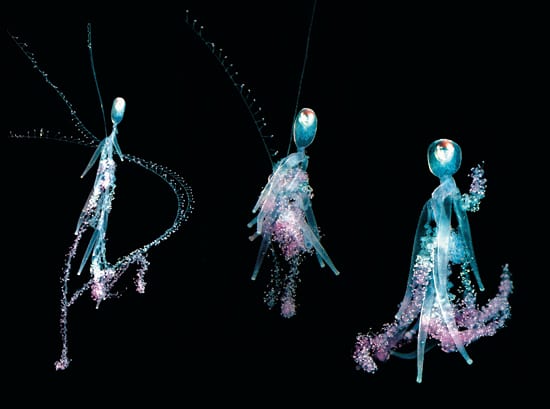
Three views of one animal look like a magical dancing sprite in the night sea. A relative of the Man-o’-War, the predatory siphonophore Rhizophysa, is four inches high when contracted…
Read MoreSecuring the sub
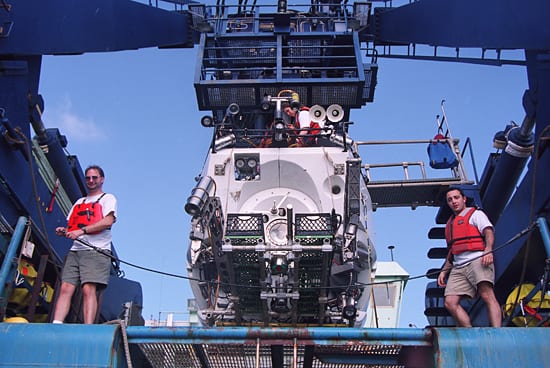
Back in 2006, engineering tech Andy Billings (left) and then Alvin pilot Anthony Tarantino finish securing the submersible on the deck of the research vessel Atlantis. The Human Occupied Vehicle…
Read MoreDeep dweller
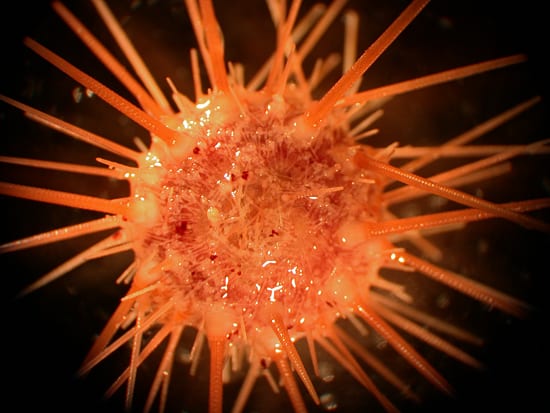
This tiny — about 1 centimeter in diameter — sea urchin made its way from the ocean floor near the Galapagos Rift into the collection basket of the Deep Submergence…
Read MoreMarine core
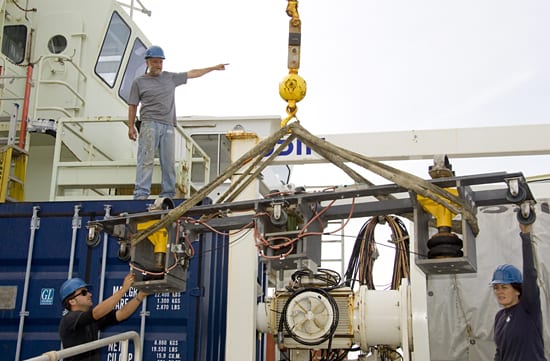
Crew members of the R/V Knorr offload the Long Core system ‘core barrel car’ as the Knorr arrives home from nearly eight months of work in the Pacific.The pneumatic car…
Read More