
Multimedia
A clear path
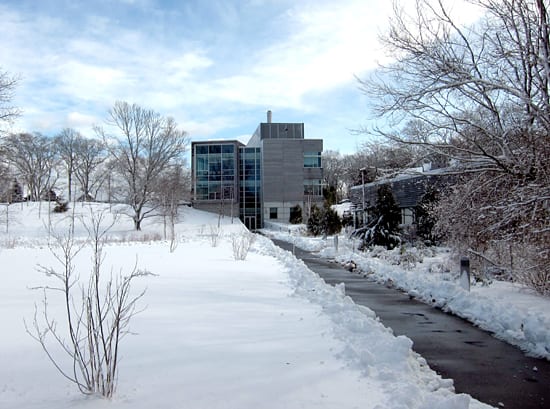
All paths are clear leading to the Stanley W. Watson Laboratory following a February 2010 snowfall. The 35,570-square-foot facility—located on the WHOI Quissett campus—opened its doors in 2005, providing new…
Read MoreMass spectrometry
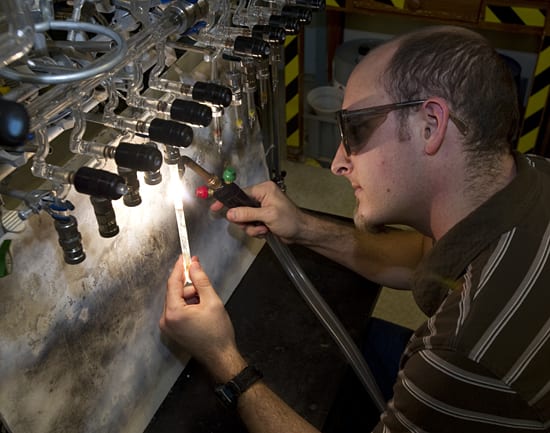
Brett Walker, a former Summer Student Fellow, working in the National Ocean Sciences Accelerator Mass Spectrometry Facility (NOSAMS) in 2004. Accelerator mass spectrometry is a method of radiocarbon analysis where…
Read MoreCharting the flow
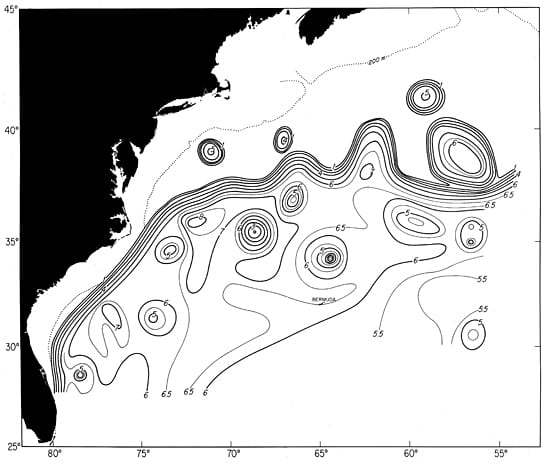
This chart of 1975 hydrographic and satellite data shows the path of the Gulf Stream and a number of warm-core and cold-core rings (north and south of the stream, respectively)…
Read MoreChain comes home
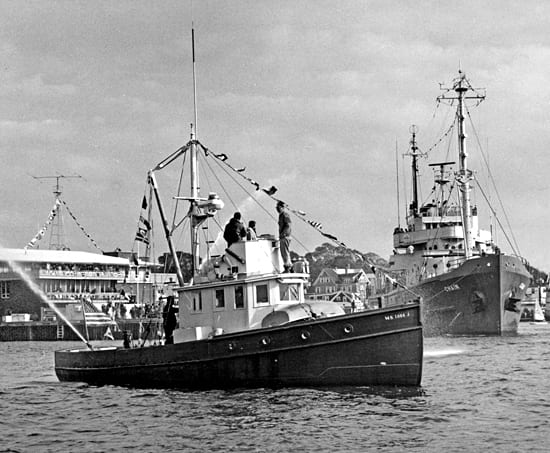
The Asterias (foreground) welcomes the Chain home from a 20-month, around-the-world cruise in 1970-71 that took investigators to the North and South Atlantic, the Indian Ocean, the Somali Current, the…
Read MoreAquaculture with Aqua Kids
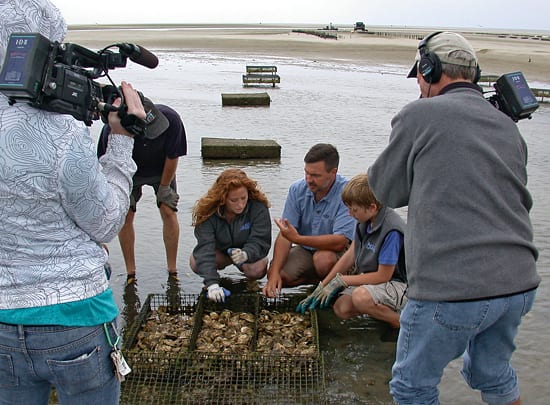
Woods Hole Sea Grant Aquaculture and Fisheries Specialist Bill Walton explains how oysters are raised to the co-hosts of TV’s Aqua Kids program, James and Molly. The cast and crew…
Read MoreBlogging in an extreme environment
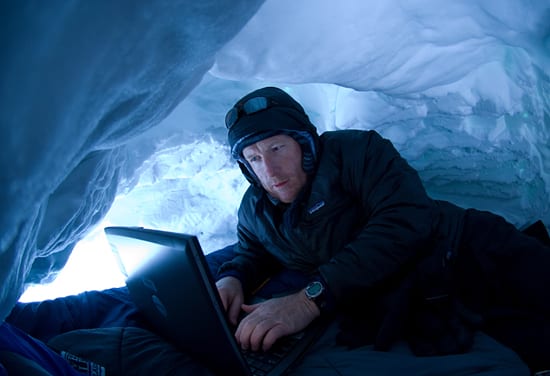
In winter 2007, Hugh Powell, a freelance science writer, filed daily dispatches from Ross Island, Antarctica, on Expedition 3 of WHOI’s Live from the Poles. Expedition members camped out in…
Read More“Green” glider
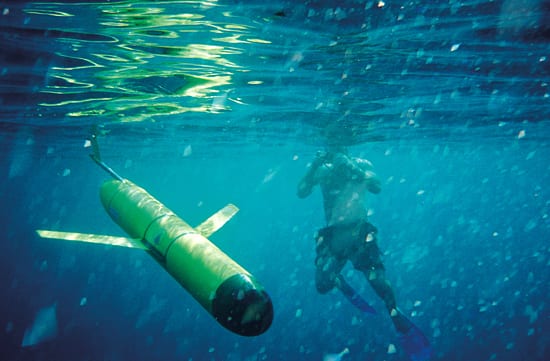
The Slocum glider is an autonomous vehicle that moves up and down in the ocean by changing buoyancy, using only heat energy from the ocean. The torpedo-shaped vehicle, measuring 2…
Read MoreA shell of their former selves
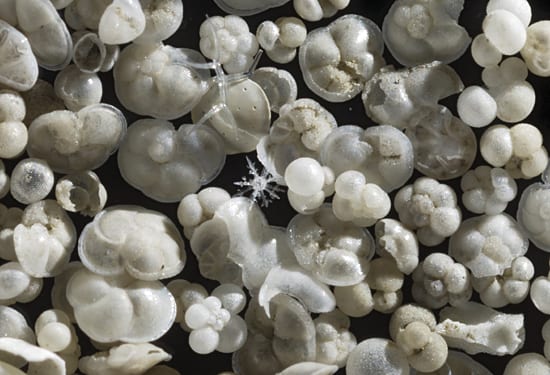
These fossilized, seafloor shells–seen under a microscope–are part of WHOI research to learn more about past ocean climate. The tiny shells of single-cell organisms that died and sank to the…
Read MoreEating its way up the food chain
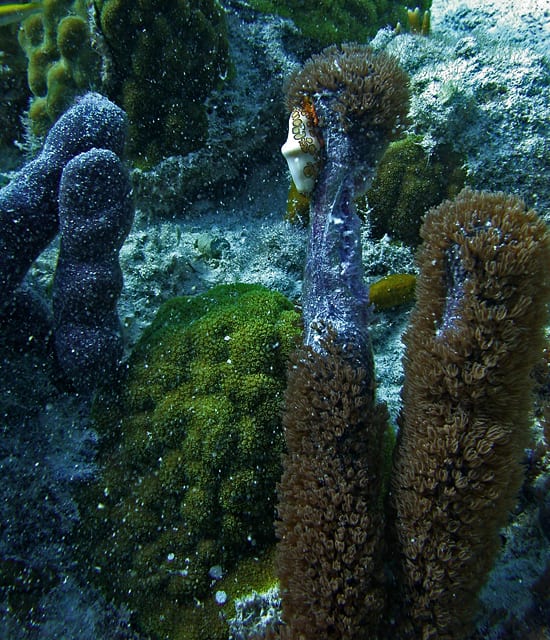
An orange-speckled snail, Cyphoma gibbosum, munches its way up one of its favorite meals, a purple gorgonian with brown grass-like polyps named Biareum asbestinum, known locally as “dead man’s fingers”…
Read MoreOver the edge
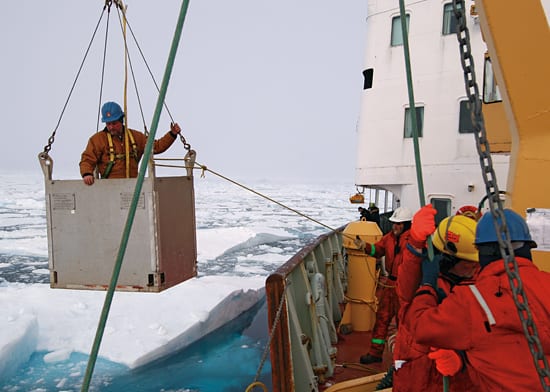
John Kemp of the WHOI Applied Ocean Physics & Engineering Department goes over the side in a ship’s basket to take hold of a 4,000-meter mooring being retrieved in heavy…
Read MoreScientist Who Loves the Cold
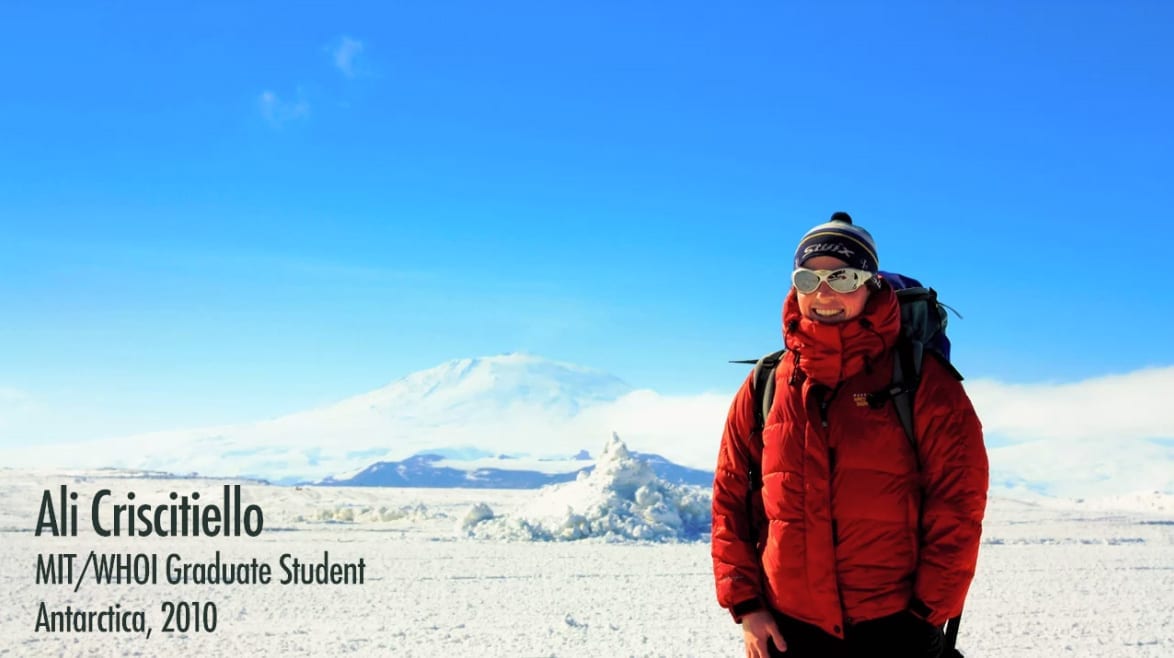
MIT/WHOI graduate student studies ice in a warming world.
Read MoreTwo halves make a larger whole
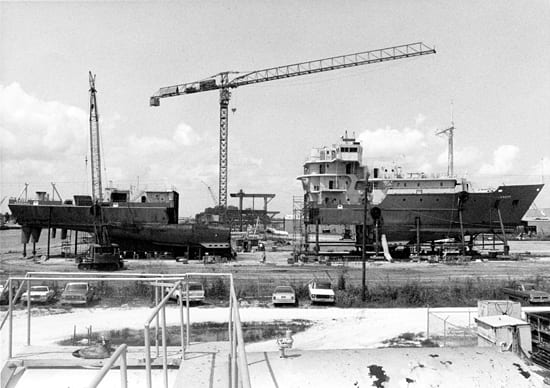
A R/V Knorr refit from 1989-1991 included lengthening the vessel by 33 feet (10 meters) to 279 feet (85 meters). The ship was cut in half at McDermott Shipyard in…
Read MoreLife in the Arctic…After Climate Change
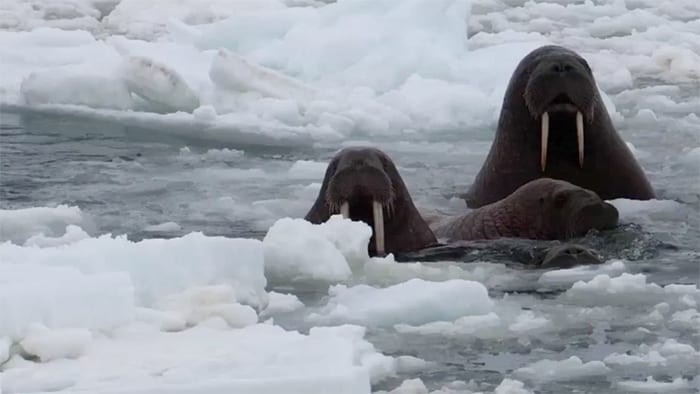
As spring sunlight returns to the Bering Sea, life blooms. Scientists explore how this rich Arctic ecosystem may shift with climate change.
Read MoreInto the open ocean
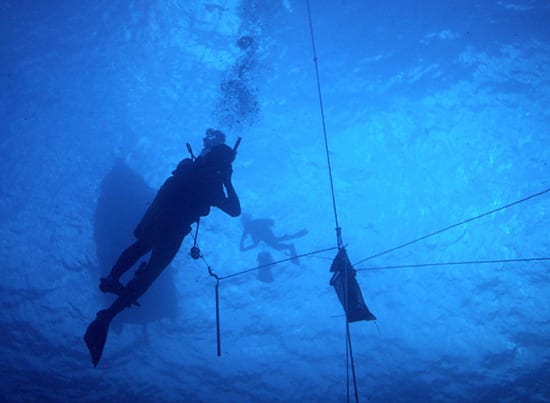
Open-ocean SCUBA diving from research vessels began to reveal more about the world of jellies during cruises in the 1970s. To make their collections and observations and avoid becoming lost…
Read MorePeering into a pit
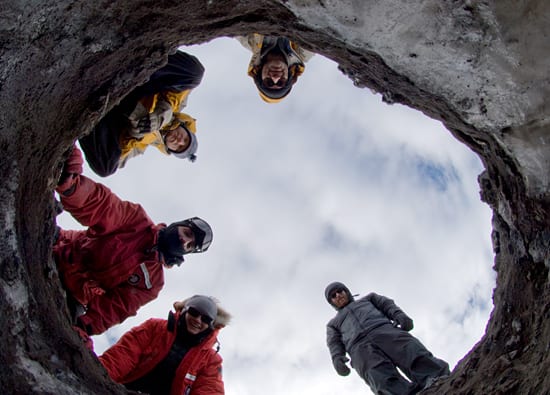
WHOI scientists set up an isolated research camp in the cold Dry Valleys in Antarctica in December 2007 on a monthlong expedition to explore how the volcanic landscape formed and…
Read MoreTentacled predators
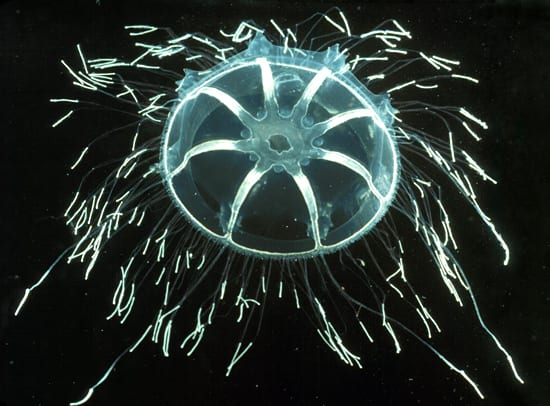
Probably the most familiar jellies are jellyfish, such as this one—technically called medusae, and belonging to two divisions of the phylum Cnidaria. Jellyfish are predators that use tentacles studded with…
Read MoreExploring a volcanic landscape
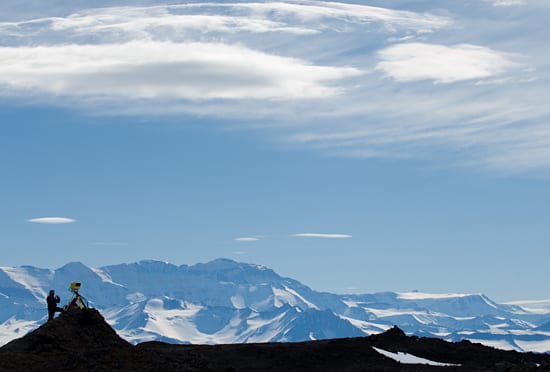
WHOI scientists set up an isolated research camp in the cold Dry Valleys in Antarctica in December 2007 on a month-long expedition to explore how the volcanic landscape formed and…
Read MoreA national leader in ocean sciences
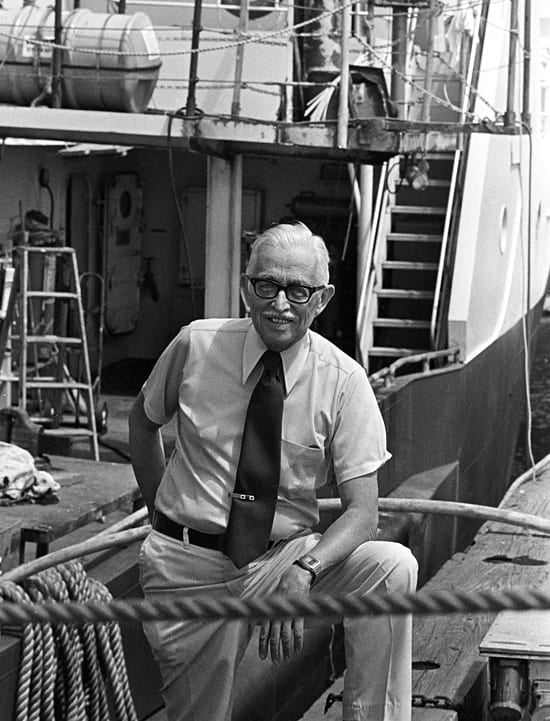
As the Institution’s fourth director, from 1958 to 1977, Paul Fye presided over a period of major change. It was a time of great national interest in basic science, including…
Read MoreRed beret
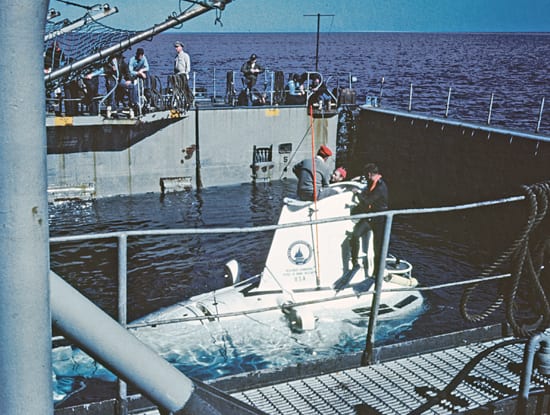
During the search for a U.S. hydrogen bomb lost in the Mediterranean off Spain in 1966, the Human Occupied Vehicle Alvin operated from a Navy dock landing ship. The red…
Read MoreTracking Greenland’s glacial retreat
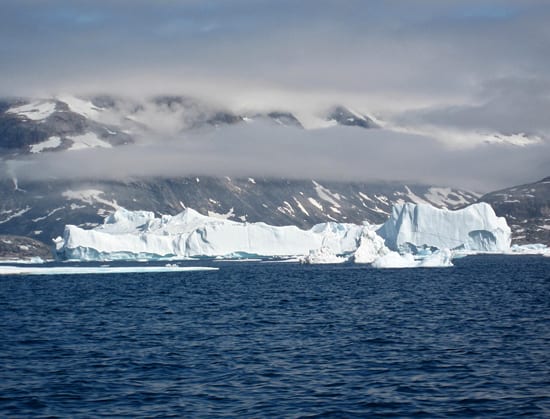
Recent changes in ocean circulation in the North Atlantic are delivering larger amounts of subtropical waters to the high latitudes. A research team led by Fiamma Straneo, a physical oceanographer…
Read MoreStill toxic after all these years
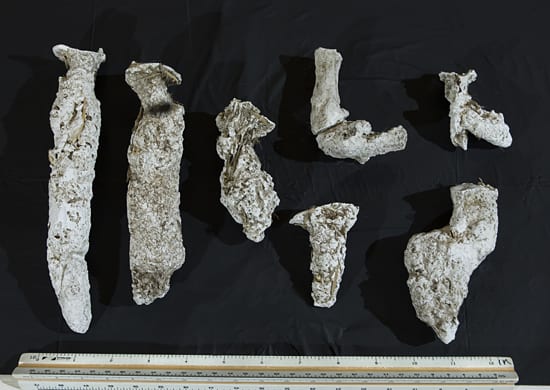
In 1969, the barge Florida ran aground off Cape Cod, spilling 189,000 gallons of fuel. Prevailing winds blew oil from the barge into Wild Harbor in Falmouth, Mass., where decades…
Read MoreLeading the way
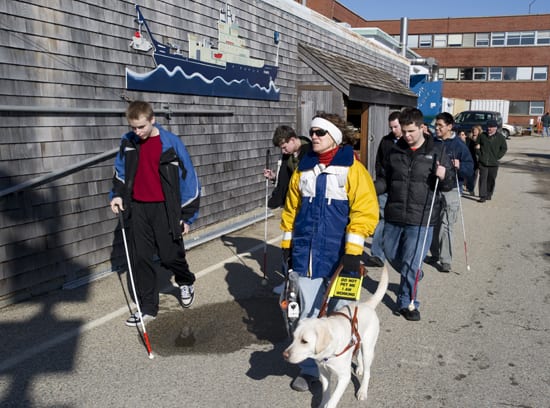
Physical oceanographer Amy Bower leads a group of students from the Perkins School for the Blind to the WHOI dock for an onboard tour of the R/V Oceanus. Students from…
Read MoreIndicators of ocean health
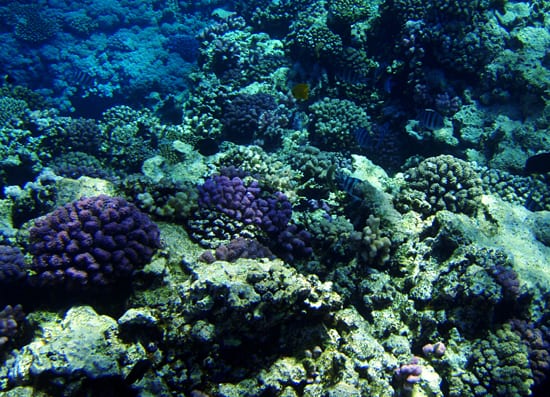
Tropical coral reefs make up a small part of Earth’s ocean but are among the most diverse, productive ecosystems in the world. The fisheries and tourism that reefs support make…
Read MoreDesigned for shallow water
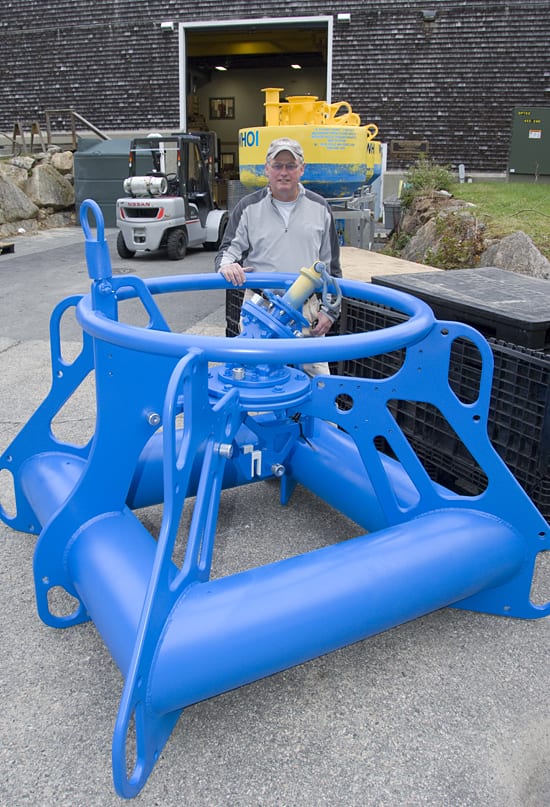
Engineering assistant John Kemp stands behind the Multi-Function-Node (MFN) designed for the Ocean Observatory Initiative for use in shallow water applications. Generally moorings have numerous sub-surface components, such as sub-surface…
Read More