
Multimedia
The Earl of Oil
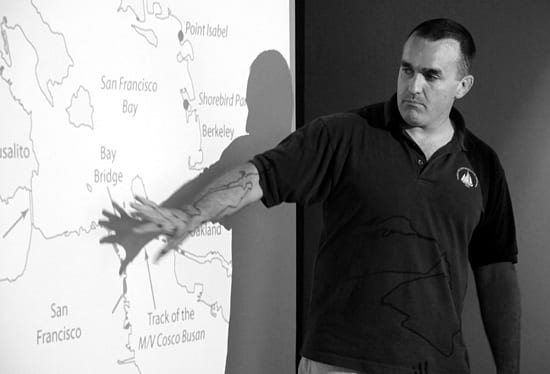
WHOI chemist Chris Reddy describes his work on the November 2007 San Francisco Bay oil spill, which occurred when the M/V Cosco Busan struck the San Francisco-Oakland Bay Bridge and…
Read MoreFrom the Bottom Up
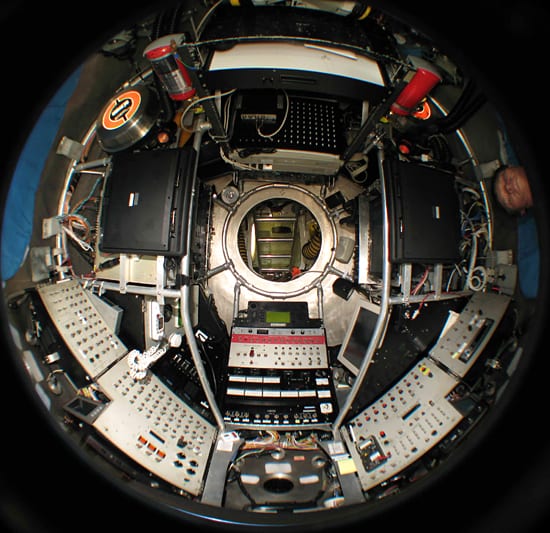
During a typical eight-hour dive, the Alvin personnel sphere carries a pilot and two science observers to the sea floor. This image of the sphere was taken with a fisheye…
Read MoreBuilding Deep Sea Vehicles
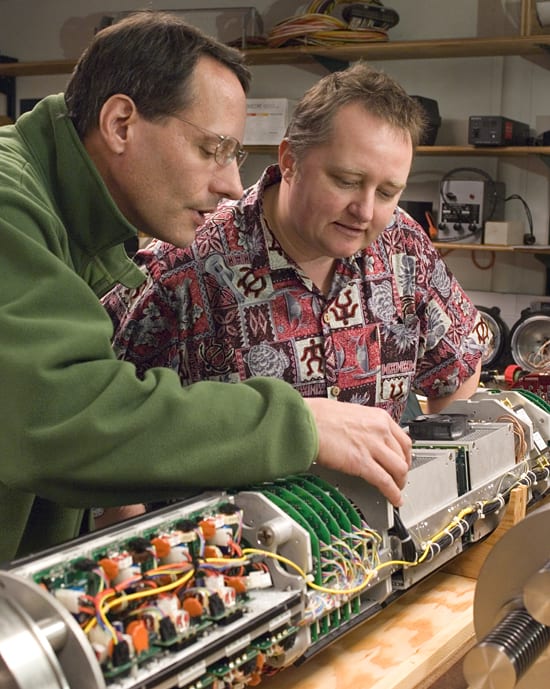
Andy Bowen and Chris German examine the interior of a robotic vehicle in the National Deep Submergence Laboratory at WHOI, a state-of-the-art lab for development of advanced vehicles for exploring…
Read MoreNew neighbors
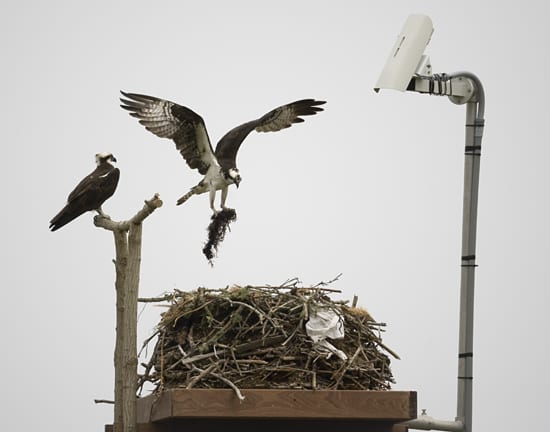
During the week of May 3, 2010, a pair of osprey settled onto the nest on the WHOI Quissett campus, allaying fears that the nest would go unoccupied this year.…
Read MoreAn important link
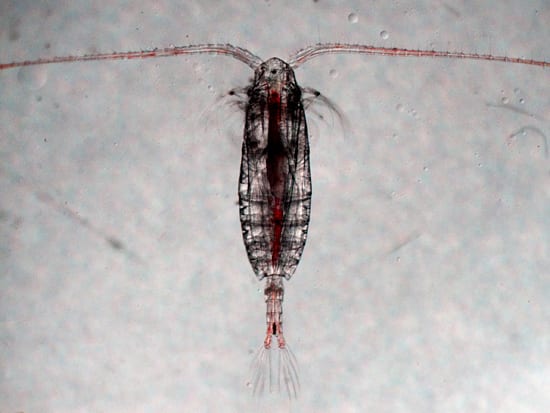
Crustaceans come in all sizes. At the top of the scale are crabs with foot-long legs and tasty lobsters. Down near the bottom are copepods — critters the size of…
Read MoreTaking the helm
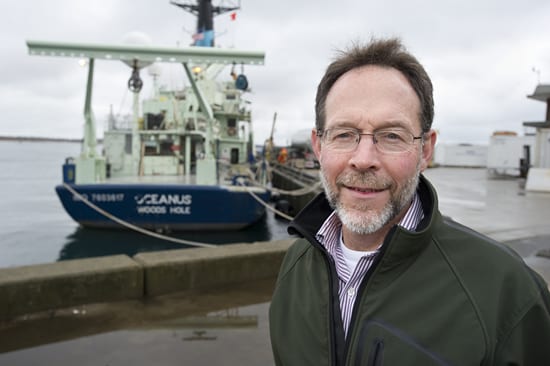
Rob Munier was named the newest vice president for Marine Operations and Facilities at WHOI on March 1. He has spent more than 500 days at sea during a 30-year…
Read MoreThat was just SUPR
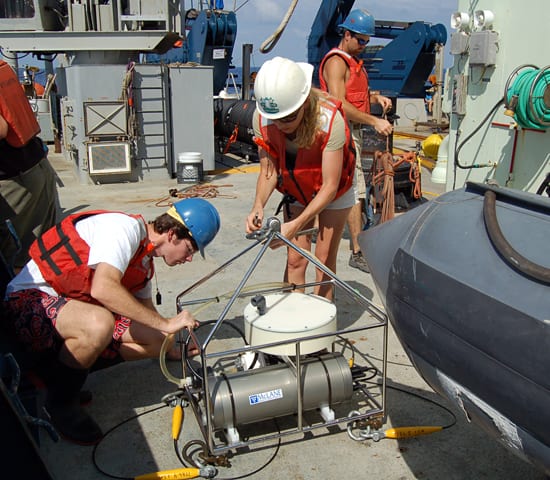
John (Chip) Breier (left) and Carly Strasser recover a plankton pump mooring and a new particulate sampler, the Suspended Particulate Rosette Sampler (SUPR), which Breier developed with funding from the…
Read MoreLava rocks!
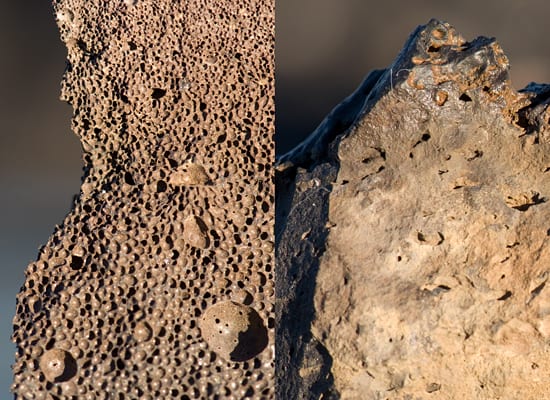
Two types of lava can form from the same volcano. These samples came from an eruption in Antarctica that occurred about 25,000 years ago. They were collected by WHOI geoscientists…
Read MoreWhat does dinner sound like to a whale?
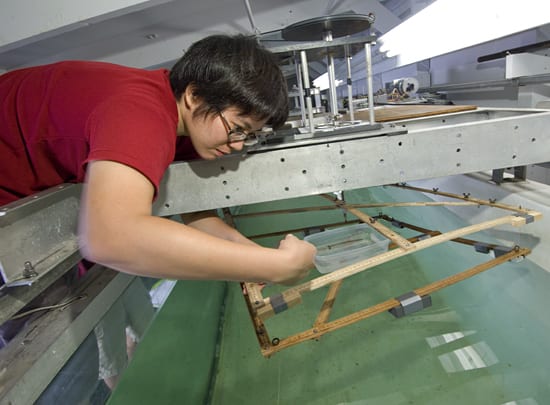
Wu-Jung Lee, a graduate student in the MIT/WHOI Joint Program, adjusts the apparatus that allows her to record sonar echoes from a squid at different orientations. She is trying to…
Read MoreThe Future of a Coral Reef
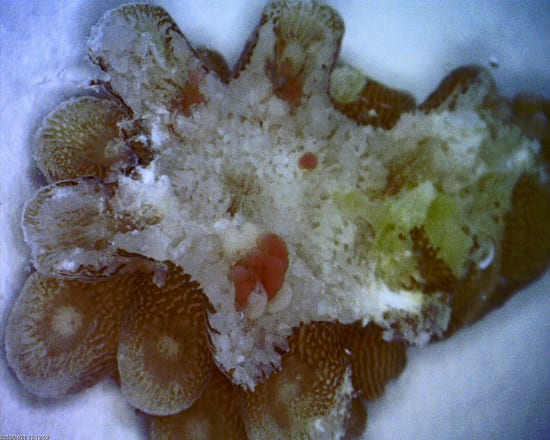
Dissection of the Red Sea coral Acropora reveals bright pink spheres surrounded by the coral’s white skeleton. These are the coral’s eggs. Each individual Acropora makes both eggs and sperm,…
Read MoreDive in and explore!
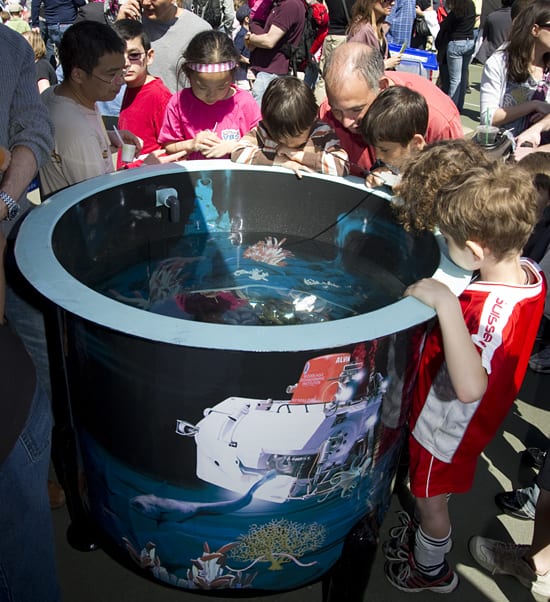
During the 2010 Cambridge Science Festival, kids of all ages took a try at navigating a remote-controlled submarine around a mock hydrothermal vent at the ocean floor while learning about…
Read MoreIce camp
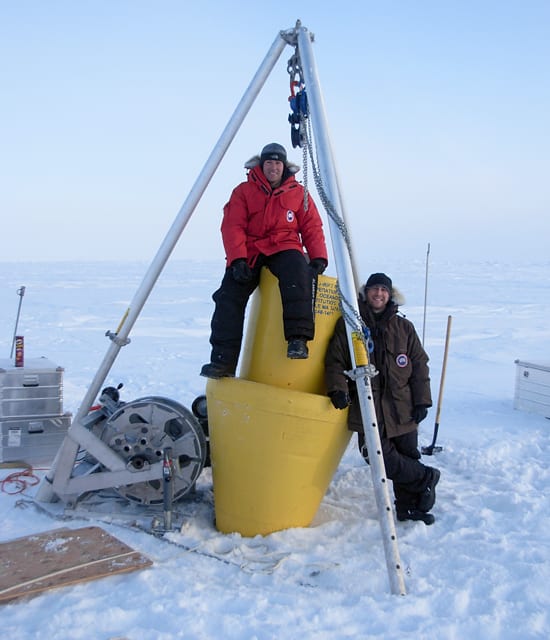
Kris Newhall and Jeff Pietro of the Applied Ocean Physics & Engineering Department with the latest ice-tethered profiler (ITP), which was deployed April 20, 2010, from their ice camp located…
Read MoreKetchum Award to James E. Cloern
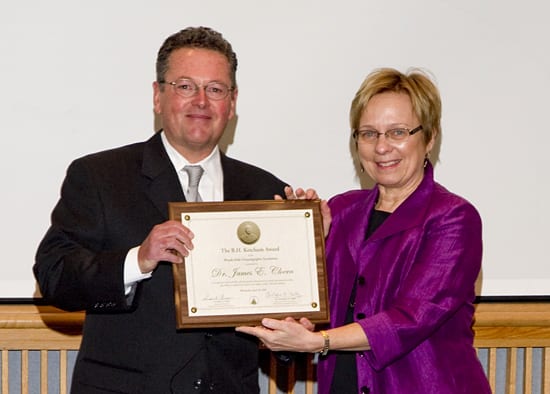
James E. Cloern, a senior research scientist at the U.S. Geological Survey, received the 15th B.H. Ketchum Award April 28 from WHOI President and Director Susan K. Avery. The WHOI…
Read MoreMass. Senate President Murray visits WHOI
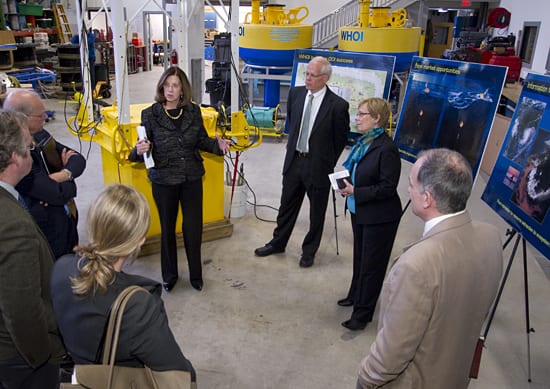
Massachusetts Senate President Therese Murray (center) recently visited WHOI’s Rinehart Coastal Research Laboratory and heard about work supported by the Commonwealth of Massachussetts, through the John Adams Innovation Institute for…
Read MoreClams, bacteria, and chemicals
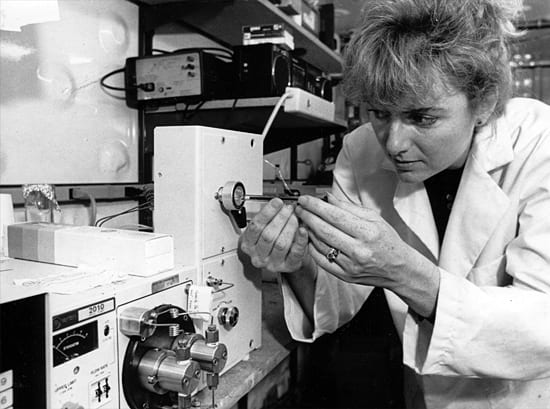
In the late 1980s, Noellette Conway Schempf, Joint Program graduate and current WHOI Corporation Member, used a chromatograph to analyze amino acids from shallow-water clams (Solemya velum) that harbor symbiotic…
Read MoreUnder pressure
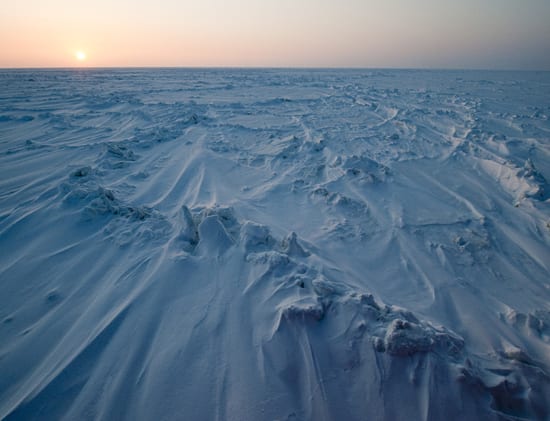
Pressure ridges form when ice floes break up and are pressed back together, similar to the way that mountain ranges form when two continents bump together. These ridges are located…
Read MoreMonitoring the Arctic Ocean
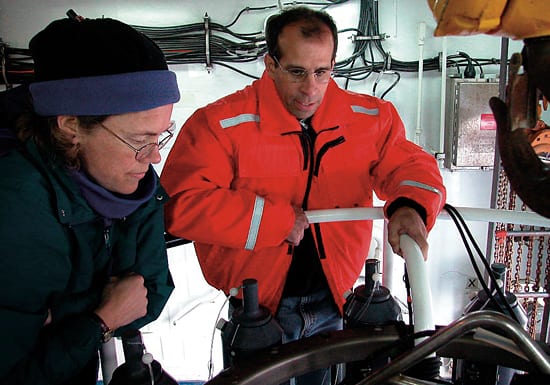
WHOI oceanographer Bob Pickart and colleagues have been studying water movement across the Arctic Shelf into the Arctic Ocean basin, part of a multi-year project to learn more about this…
Read MoreDay of departure
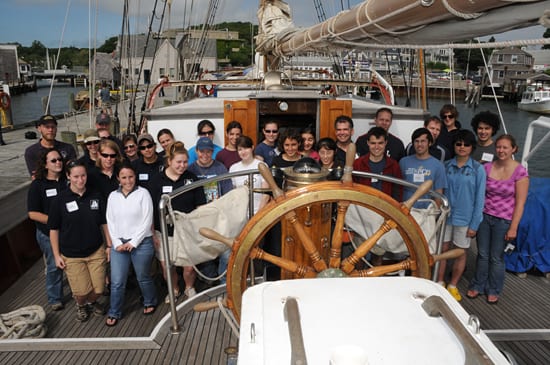
A group of graduate students in the MIT/WHOI Joint Program get ready to set sail on the (SSV) Corwith Cramer for the 2009 Jake Peirson Summer Cruise. Each year students…
Read MoreIce fishing for an AUV
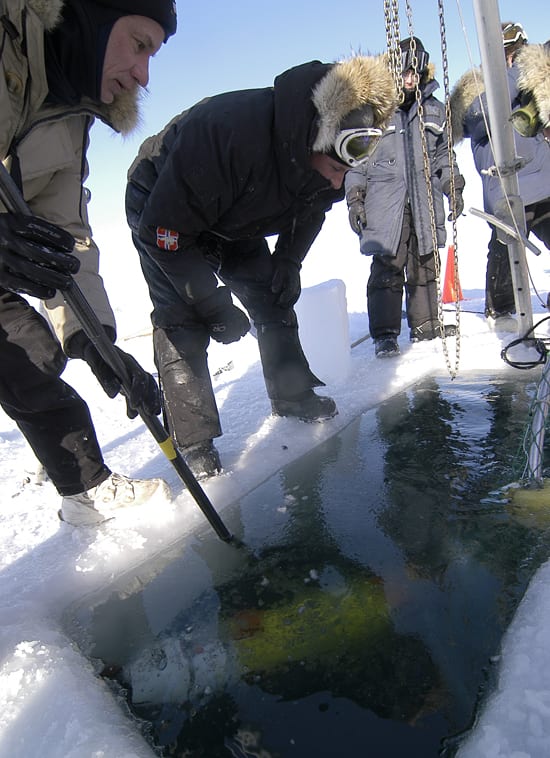
Al Plueddemann and Kris Newhall recover the autonomous underwater vehicle (AUV) REMUS 100 from an ice hole in Barrow, Alaska. The WHOI research team, led by Plueddemann and Amy Kukulya,…
Read MoreNereus in miniature
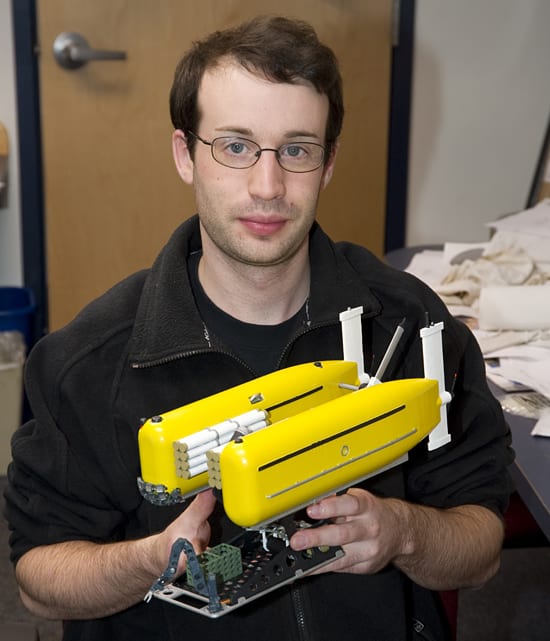
Casey Machado, of the Applied Ocean Physics & Engineering department, holds a model of the Hybrid Remotely Operated Vehicle Nereus. The model —a 1/14th scale replica of the deep-diving vehicle—…
Read MoreAsphalt Volcanoes on the Seafloor
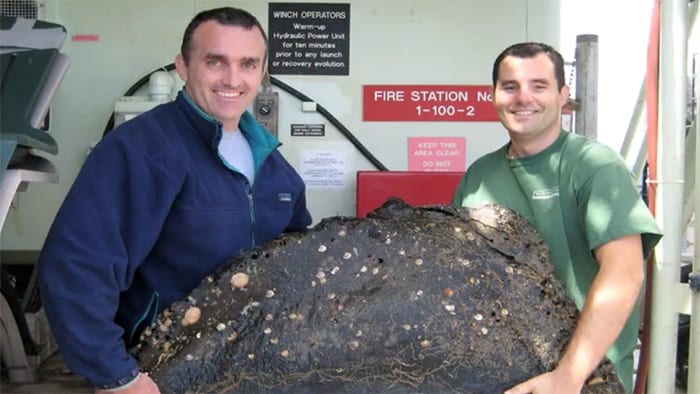
Scientists discovered asphalt volcanoes off California—solidified oil domes rich with marine life and clues to ancient geology and long-term oil breakdown.
Read MoreTesting the icy waters
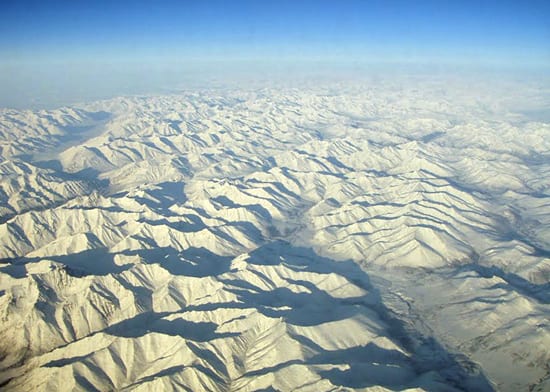
En-route to Barrow, Alaska, the northernmost city in the United States, researchers from WHOI pass over the remote, rugged terrain of the Arctic Circle. The WHOI research team, led by…
Read MoreKeeping a close eye on Haiti
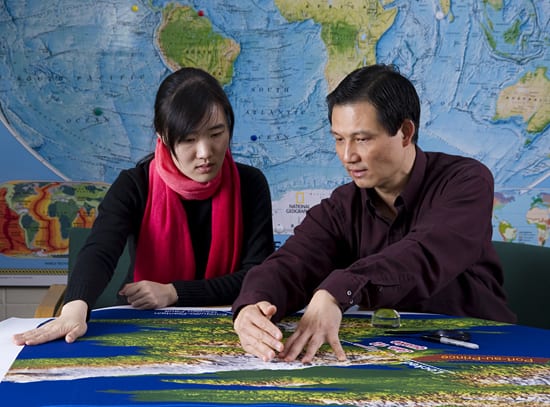
WHOI geophysics guest student Tingting Wang and senior scientist Jian Lin (right) study Haiti earthquake data on charts. Lin has studied Haiti and other tectonic areas of the Caribbean and…
Read MoreFrom walruses to worms
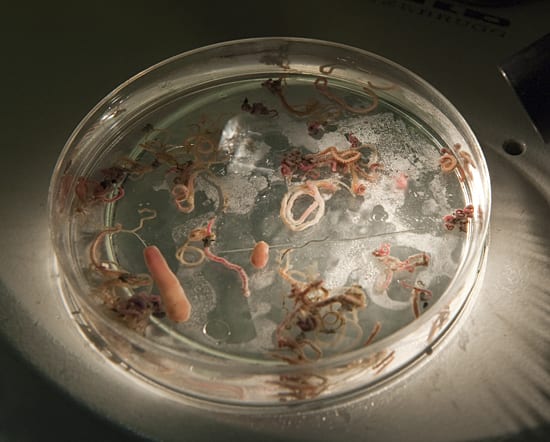
The Bering Sea is a cold place, but it’s home to animals from walruses to worms. A dish of polychaete worms and one mollusk (the light pink loop in the…
Read More