
Multimedia
Searching for the Plume
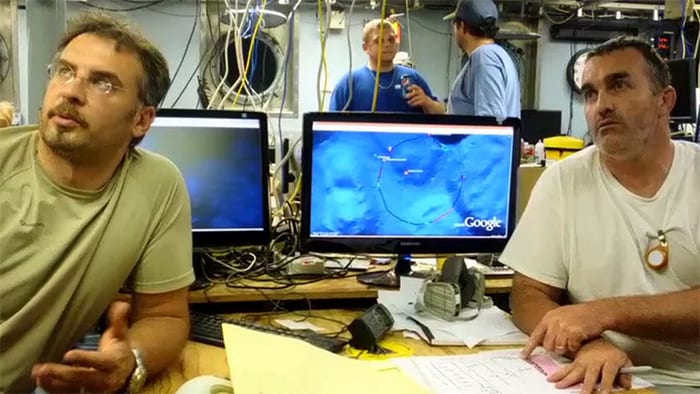
After the spill began, scientists sought the missing oil beneath the surface, concerned it threatened Gulf fisheries and deep-sea ecosystems.
Read MoreHow Much Oil?
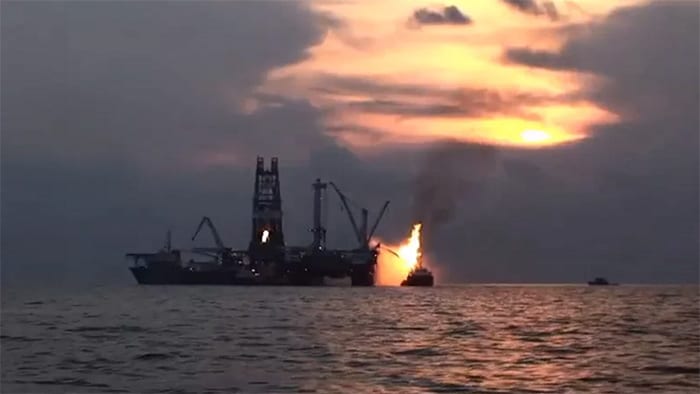
After the Deepwater Horizon spill, WHOI scientists used hydrothermal vent research techniques to help determine how much oil entered the Gulf of Mexico.
Read MoreTracking the Currents
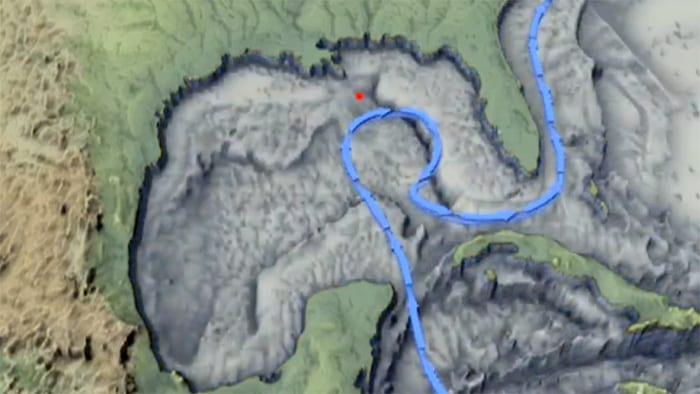
After the Deepwater Horizon spill, WHOI scientists used Spray gliders to track the Gulf’s Loop Current
Read MoreAssessing the Impacts
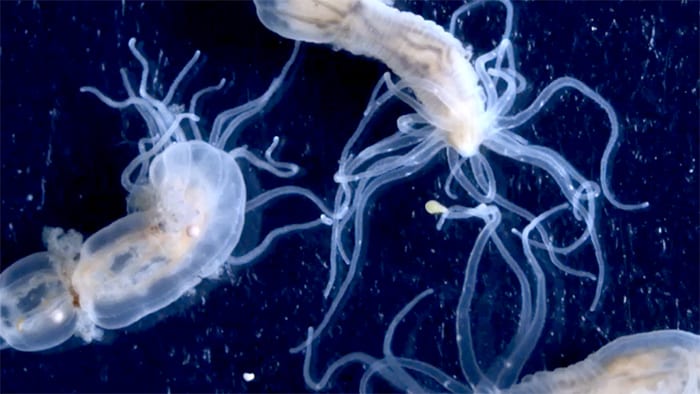
After the Deepwater Horizon spill, scientists began assessing impacts beyond oiled wildlife—down to deep-sea life, marsh mud, and the full water column.
Read MoreSparring with JASIN
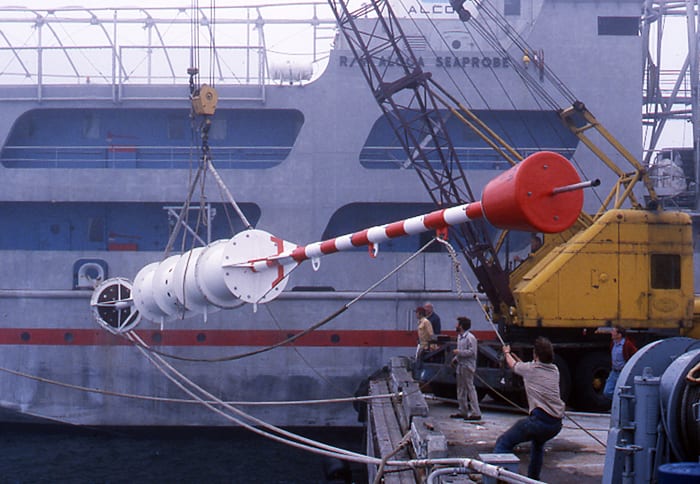
Between July and September of 1978 more than 50 teams of scientists from nine countries, including physical oceanographers from WHOI, participated in JASIN, the Joint Air-Sea Interaction Experiment. The experiment…
Read MoreTapping a Small, High-Pressure Keg
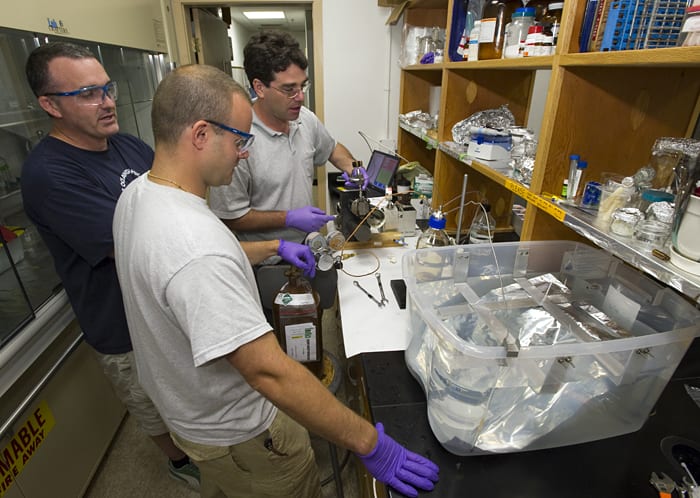
WHOI researchers (l to r) Chris Reddy, Sean Sylva, and Jeff Seewald prepare to tap into the pressurized chamber holding material collected from the damaged wellhead at the Deepwater Horizon…
Read MoreReady to Launch
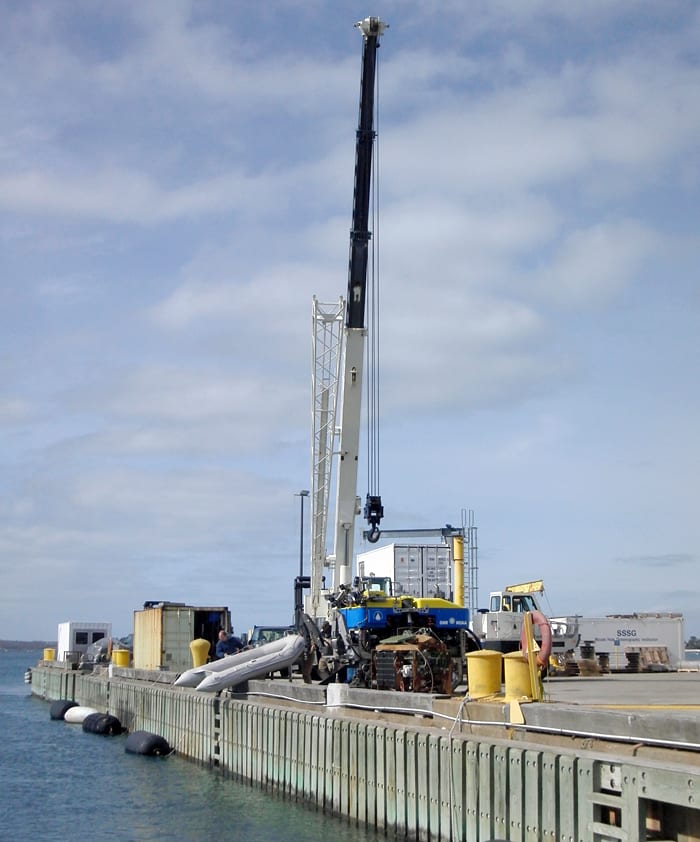
Team members ready the remotely operated vehicle (ROV) Jason for testing off the WHOI dock in March 2011 in preparation for an upcoming expedition. Engineers in the National Deep Submergence…
Read MoreOne Man’s Contribution
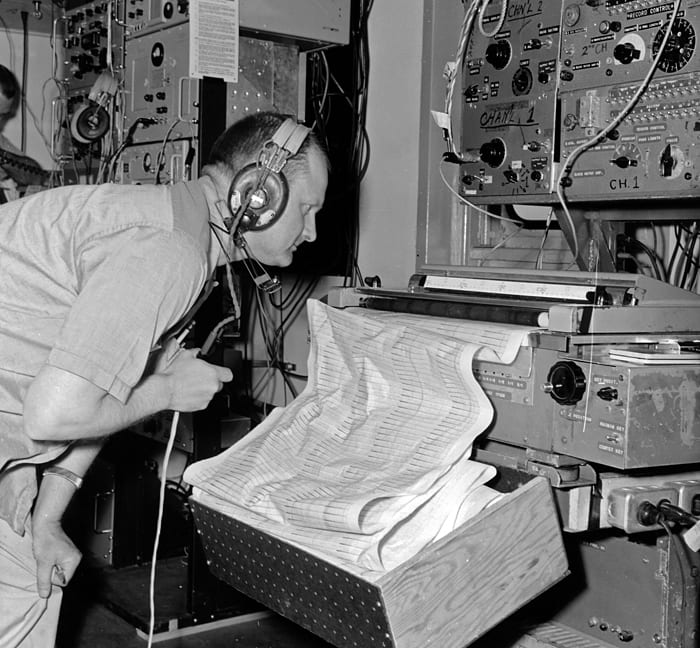
Research specialist and hydro-acoustics engineer Sydney “Bud” Knott (above) is considered the father of modern echo-sounding. In the 1950s, he was the principal developer, with Warren Witzell, of the precision…
Read MoreTop of the Hill, Bottom of the World
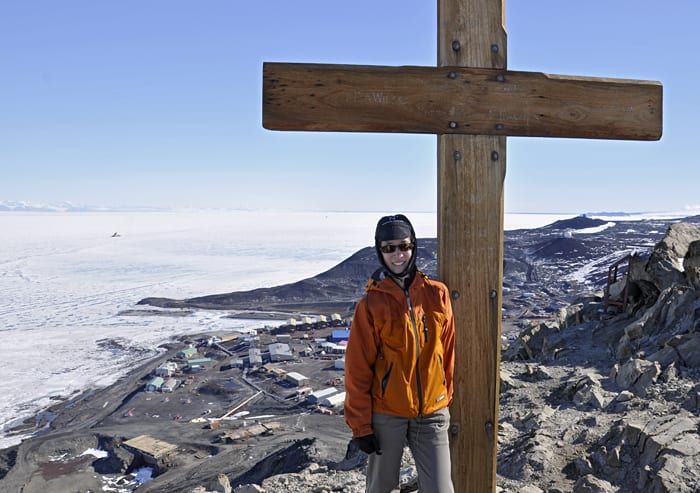
Biogeochemist Phoebe Lam took advantage of clear conditions to climb Observation Hill, adjacent to McMurdo Station in Antarctica. Lam and her team are working with three other institutions to determine the…
Read MoreKeeping Track
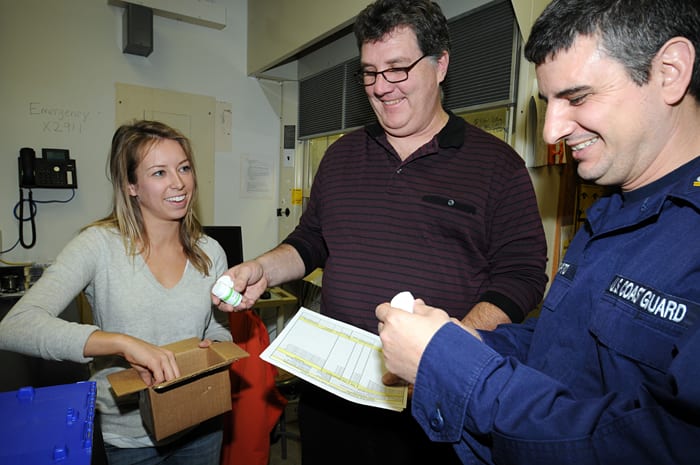
In February 2011, research assistant Catherine Carmichael and research specialist Robert Nelson transferred possession of critical oil samples and chain-of-custody records to U.S. Coast Guard Petty Officer John Agapito (right)…
Read MoreChernobyl’s Ocean Legacy
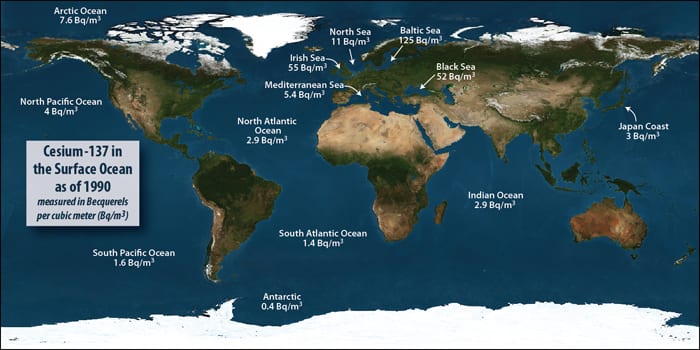
Twenty-five years ago today, the Chernobyl nuclear power plant in Ukraine exploded and burned, creating what was at the time the largest accidental release of radiation to the environment. Ken…
Read MoreSeafloor Oil Seep
Dave Valentine and his UCSB scuba team collected oil from a seafloor seep, discovering filamentous microbes likely feeding on the leaking oil.
Read MoreExplore Ocean Science
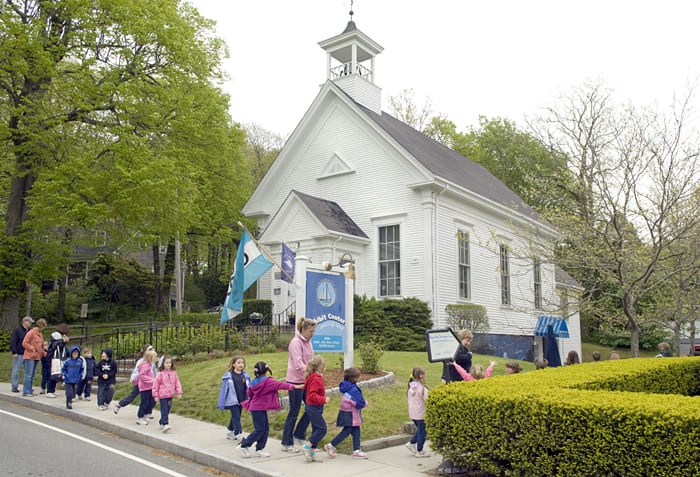
Visit the Woods Hole Oceanographic Institution’s Ocean Science Exhibit Center, now open for the season, where you can discover the world of ocean science. Featured exhibits include a full scale…
Read MoreHappy Easter (Island)
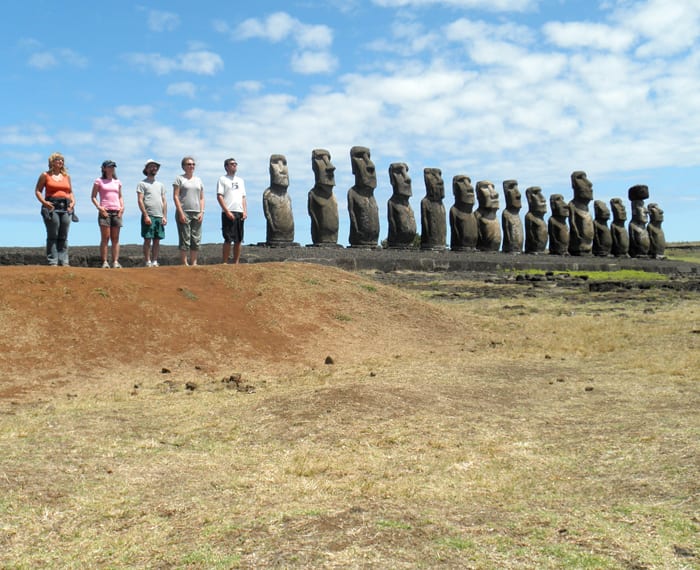
Conditions change markedly moving west across the South Pacific from Chile, where coastal waters are filled with essential nutrients–including nitrogen, phosphorus, and iron–to Rapa Nui (Easter Island), where nutrients are…
Read MoreStudying the Stream
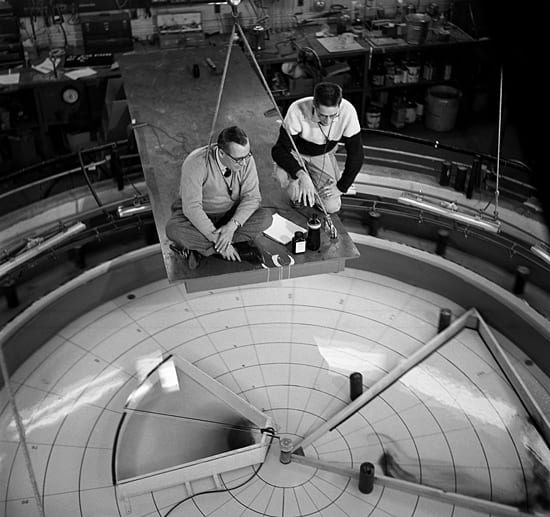
WHOI physical oceanographer Alan Faller (right) and a visiting colleague conduct a circulation experiment circa 1957. Building on early studies of the Gulf Stream, Faller’s lab did illustrative experiments on…
Read MorePatience in the Pulpit
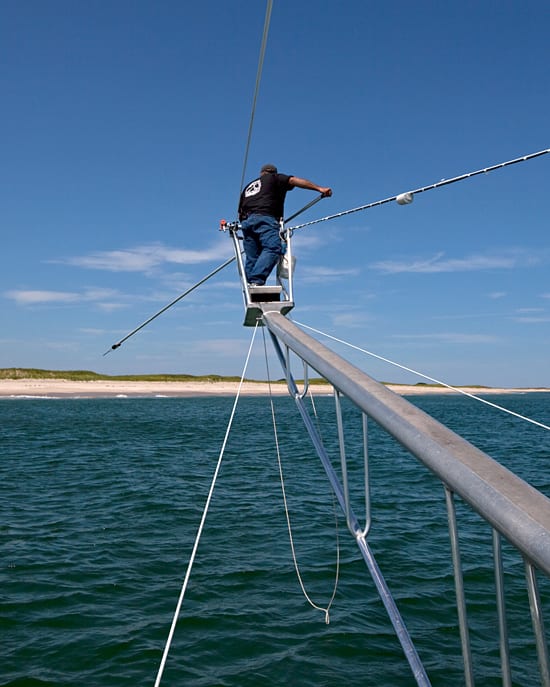
Captain Bill Chaprales of Cape Cod Shark Hunters prepares to tag a white shark off Chatham, Mass., in 2010. Captain Chaprales has worked with biologists Simon Thorrold, director of WHOI’s…
Read MoreIngenuity and Innovation
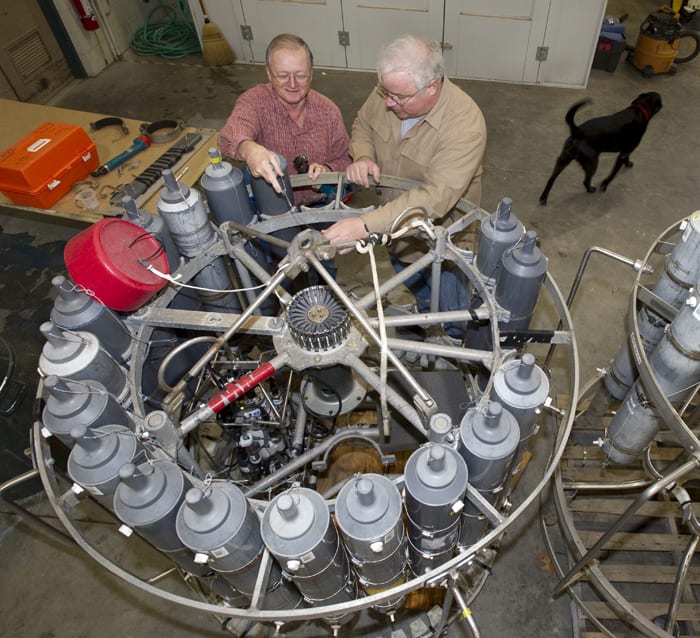
Research associates George Tupper (left) and Marshall Swartz check a CTD rosette, which measures the salinity and temperature of seawater at various depths, as Swartz’s dog Little Bear takes a…
Read MorePortrait of a Spill
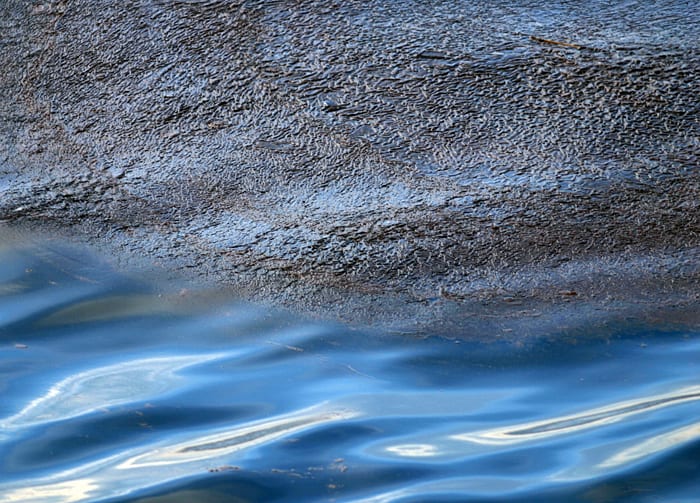
This photo of oil and water in the Gulf of Mexico, taken in June 2010, recalls the historic spill that spread millions of gallons of oil in the three months…
Read MoreSanta Barbara Oil Seeps
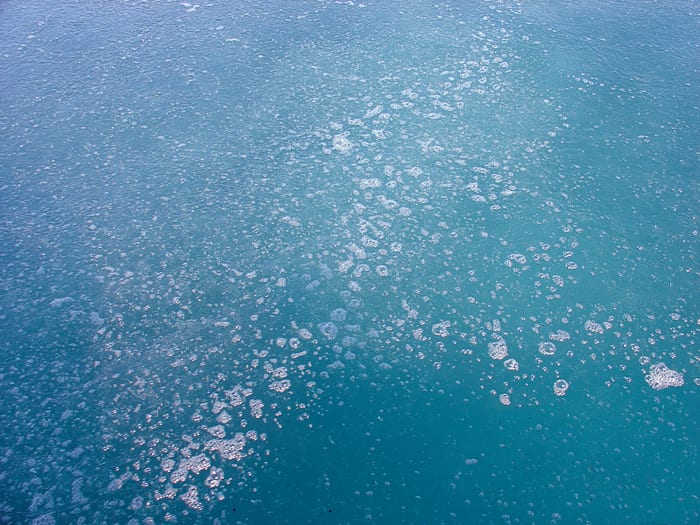
There’s an oil spill every day off the coast of Santa Barbara, Calif., where oil is seeping naturally from cracks in the seafloor into the ocean. Lighter than seawater, the…
Read MoreFolds Within Folds
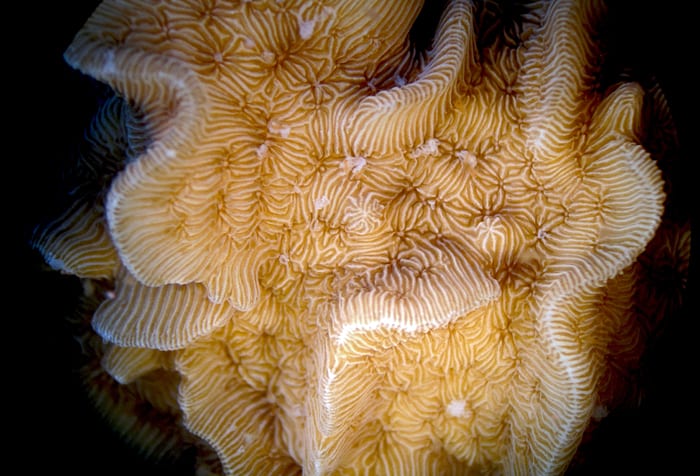
What seems like a fractal landscape of mountains and canyons is actually a “corrugated coral,” a reef-building species with a hard skeleton, photographed under a microscope. Pockets of tiny white…
Read MoreNot Always Smooth Sailing
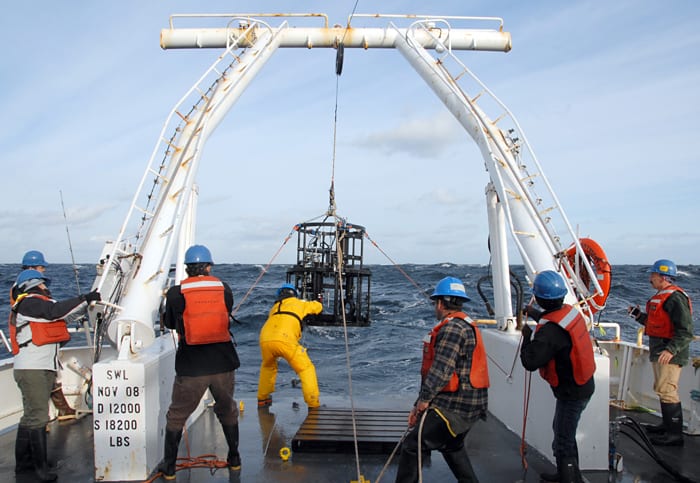
Georges Bank near Cape Cod is well known for it’s fish and its rough seas. In 2010 biologists Peter Wiebe and Gareth Lawson took a research team to Georges Bank…
Read MoreAll Systems Go
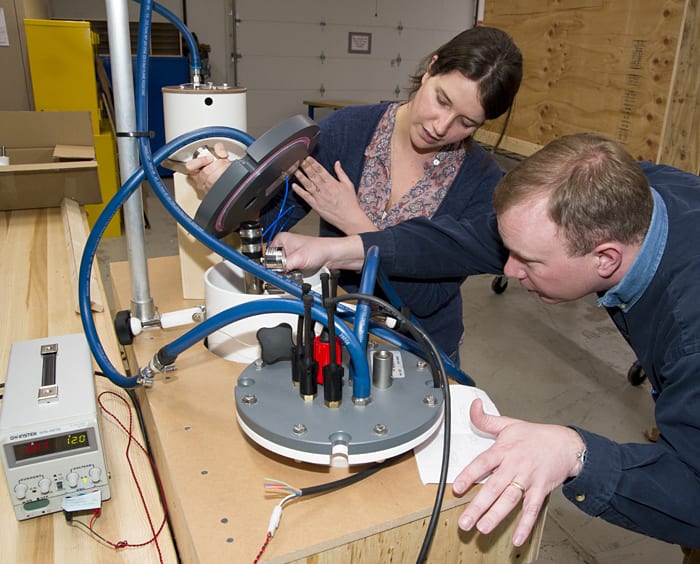
WHOI engineers Kate McMonagle and John Lund work on an instrument that measures the concentration of carbon dioxide in both the air and the surface water. It is one of…
Read MoreNice Splice
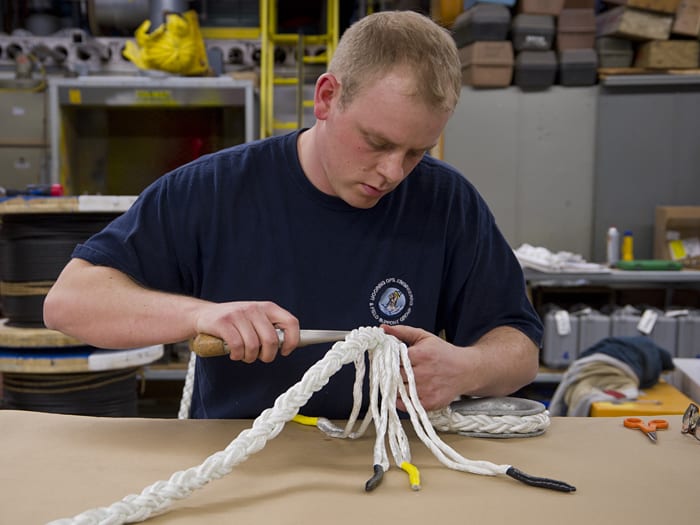
Engineering assistant Christopher Ross splices a “hardeye” (galvanized thimble) into 7/8-inch, 8-strand nylon line in the WHOI rigging shop. After positioning the hardeye, he spliced the rope back into itself–about…
Read MoreEndurance Testing
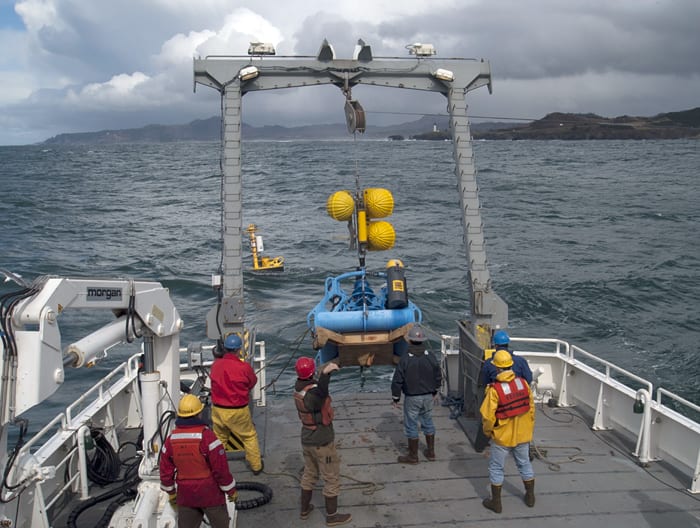
Workers from WHOI and Oregon State University deploy a Multi-Function Node (MFN) from the fantail of the R/V Wecoma near Newport, Oregon, in March 2011. After entering the water, the…
Read More