
Multimedia
Loading a Node
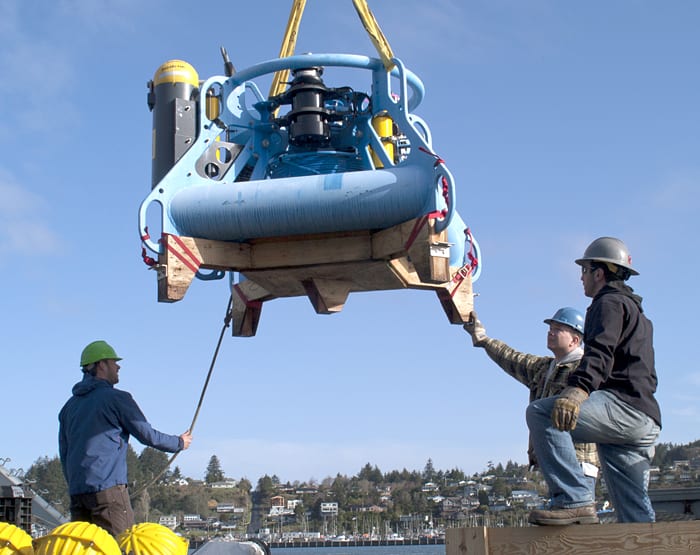
Chris Holm of Oregon State University and WHOI engineers John Lund and Jeff Pietro (left to right) help load a Multi-function Node (MFN) onto the R/V Wecoma in preparation for…
Read MoreSpotlight on Seafood
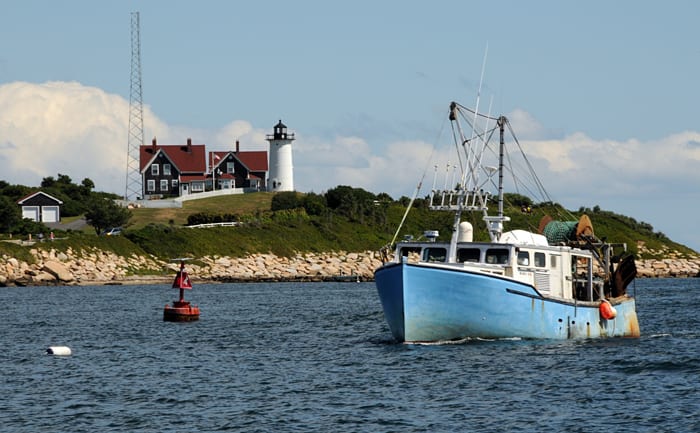
A fishing boat passes by Nosbka Point on its way into Woods Hole. The subject of seafood supply is the topic this week of the Morss Colloquium at Woods Hole…
Read MoreLife in the Fast Lane
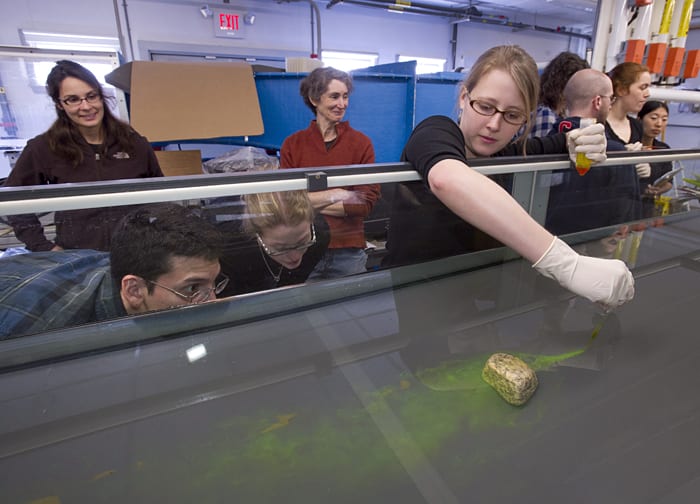
Observed by postdoctoral scholar Shawn Arellano (back left), Joint Program students Oscar Sosa and Jeanette Wheeler watch as fellow student Sara Bosshart adds fluorescein dye to WHOI’s racetrack flume to…
Read MoreCores for Climate History
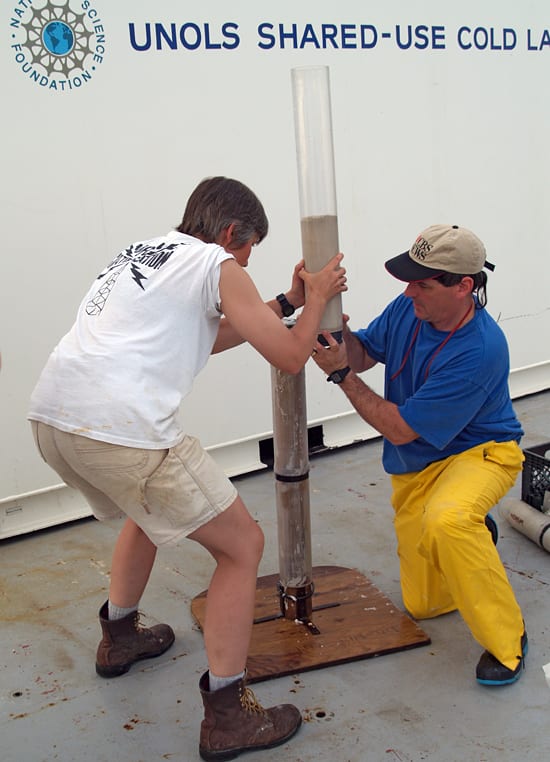
Ellen Roosen (left) and Dan McCorkle retrieve a sediment core during a 2006 cruise aboardf R/V Oceanus. The core contains fossil shells of single-celled organisms called foraminifera–“forams” for short. Some…
Read MoreBarnacle Build-Up
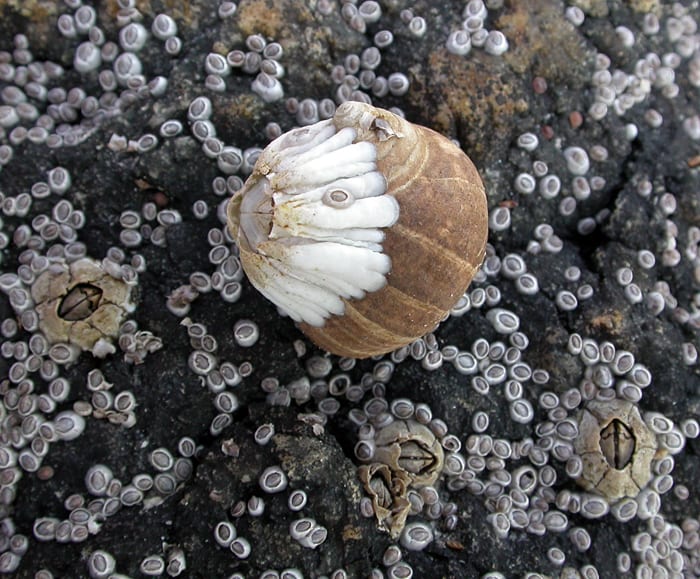
An adult snail (large brown shell) and Northern rock barnacles of various ages crust a rock in the intertidal zone of Buzzards Bay. A large white barnacle is attached to…
Read MoreAirborne Oceanographer
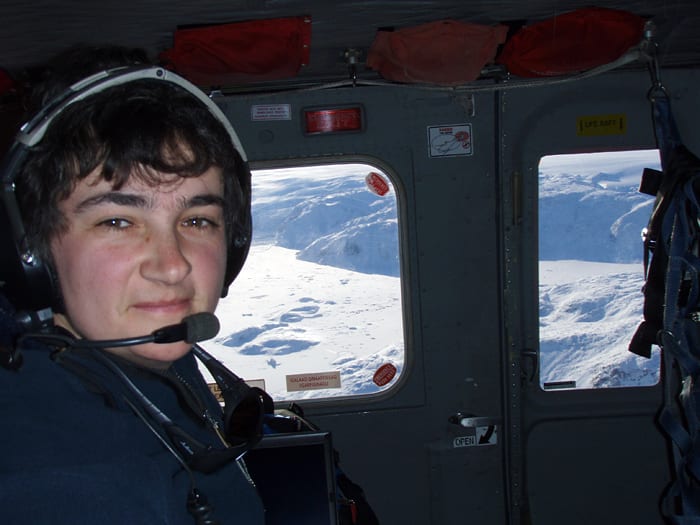
Last winter, WHOI physical oceanographer Fiamma Straneo rode a helicopter above Sermilik Fjord (visible through the window) in eastern Greenland. From the air, she was able to search for patches…
Read MoreChecking the Day’s Catch
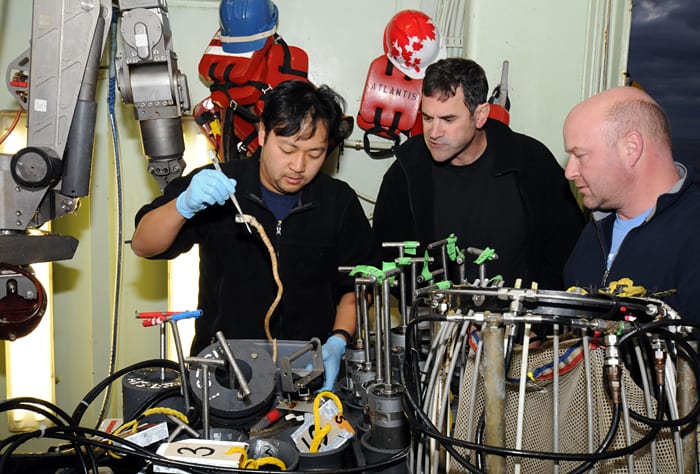
In December 2010 a multi-institution research team explored the bottom of the Gulf of Mexico with the submersible Alvin, to study deep-sea life. The expedition, funded as a National Science…
Read MoreFraming a Field
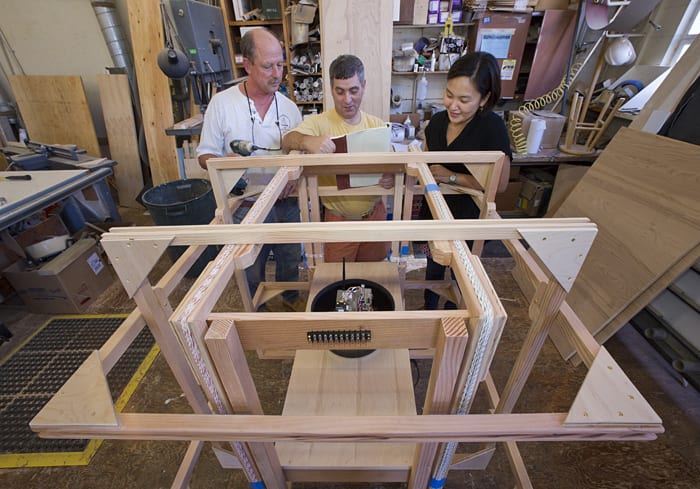
Fom left, Senior carpenter Rowland Cummings, engineer Paul Fucile, and post doctoral investigator Masako Tominaga view a custom Helmholtz Coil frame Cummings built, before winding wire on it. By passing…
Read MoreAssembling an Observatory
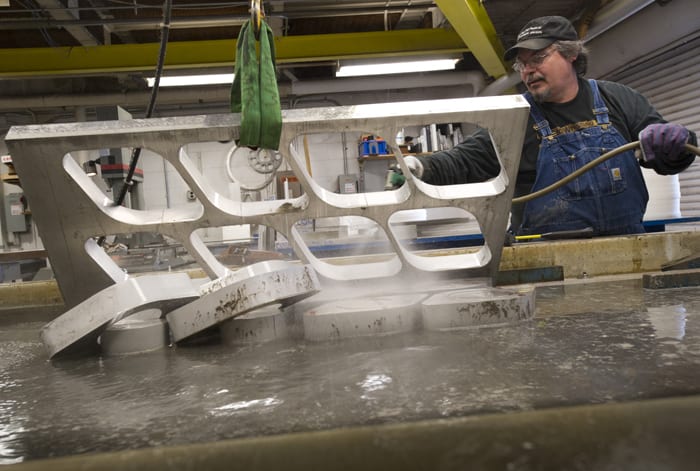
WHOI machinist Tim Kling uses a precision water-jet cutter to fabricate an internal frame member of a buoy destined to be part of an upcomig at-sea test of components of…
Read MoreKrill, Get Ready for Your Close-Up
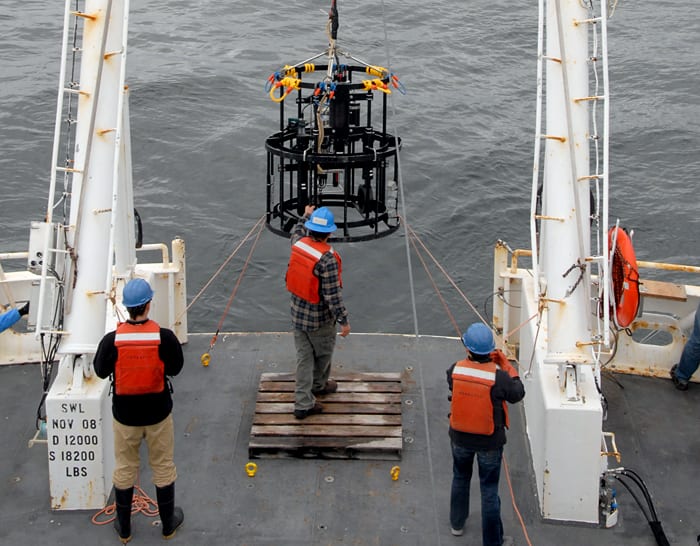
During a cruise on the R/V Endeavor in fall, 2010, Bosun Patrick Quigley deploys the Video Plankton Recorder (VPR), assisted by Joint Program students Nick Woods (left) and Wu-Jung Lee. The…
Read MoreRed River Valley
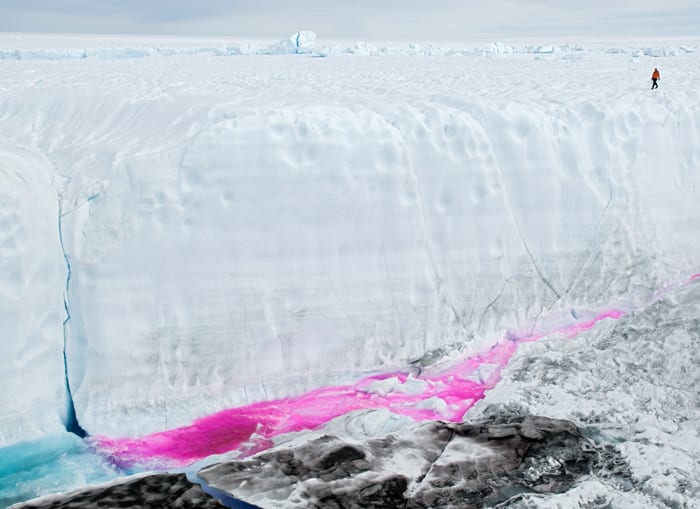
Summertime meltwater forms lakes on Greenland’s ice sheet that suddenly disappear. WHOI glaciologist Sarah Das showed why—the water’s weight cracks the ice, draining to bedrock and lubricating the ice’s seaward…
Read MoreOn the Scene
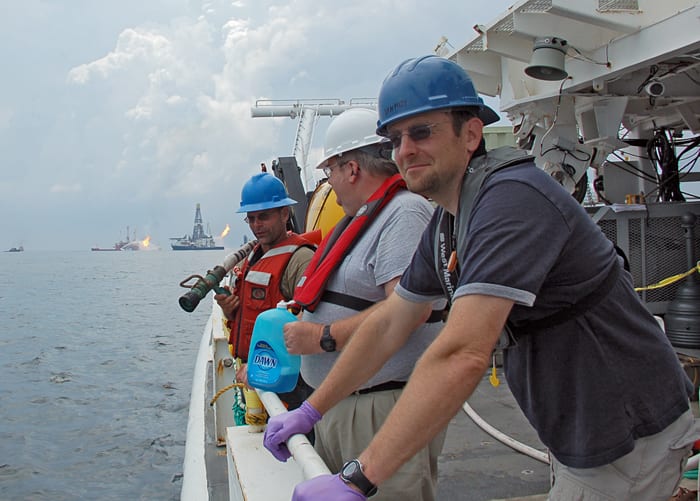
From the deck of the research vessel Endeavor, WHOI chemist Ben Van Mooy (right) and others survey the scene near the burning Deepwater Horizon oil rig in the Gulf of…
Read MoreA Day at the Beach
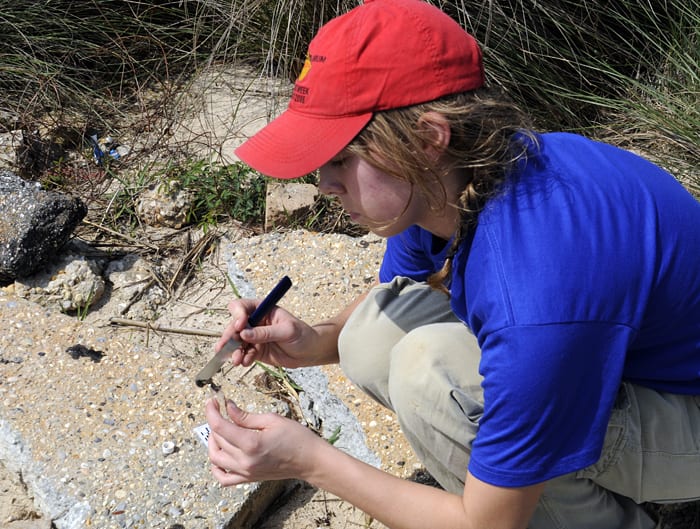
In April, Coastal Ocean Institute director Chris Reddy returned to the Gulf of Mexico with research assistant Catherine Carmichael (above). The pair visited several beaches around the Gulf to collect…
Read MoreUsing Tiny Animals to Study a Big Problem
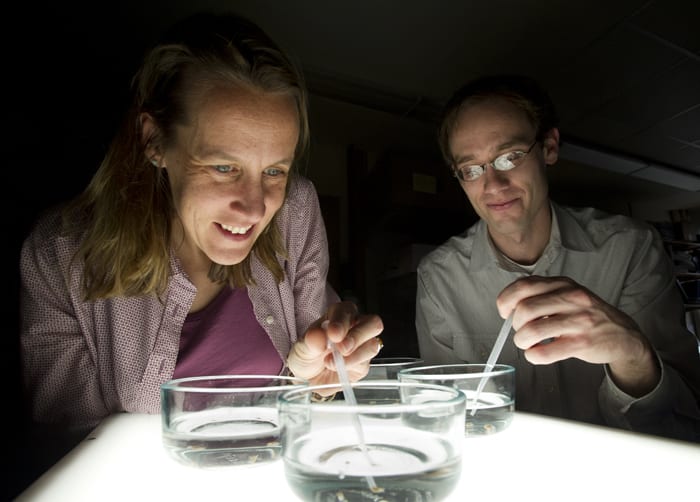
Biologist Ann Tarrant and postdoc Adam Reitzel examine tiny starlet anemones (Nematostella vectensis, the tan blobs visible in the dishes) that they culture. The anemones, from salt marshes all along…
Read MoreRecycling in the Ocean
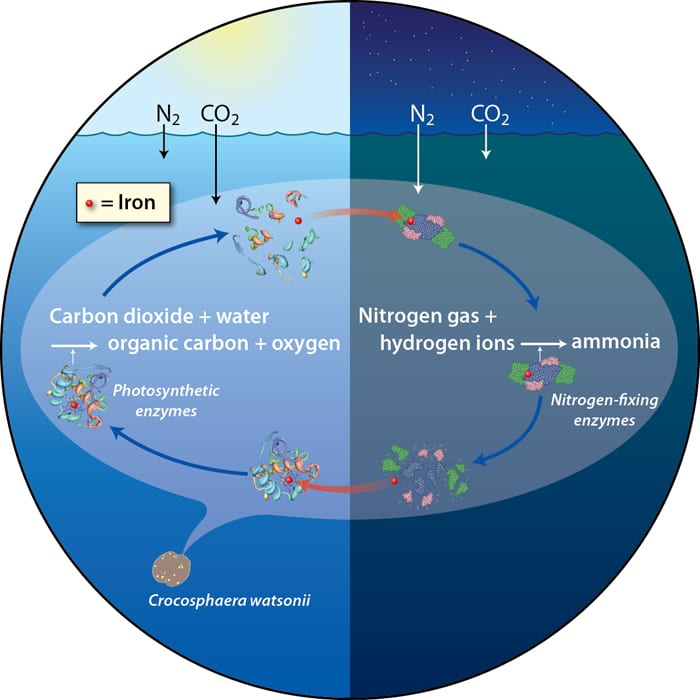
Iron is essential for life, but is remarkably scarce in the ocean. WHOI scientists led by biogeochemist Mak Saito recently discovered that a key marine bacterium, Crocosphaera watsonii, may have…
Read MoreAnd the Band Played On
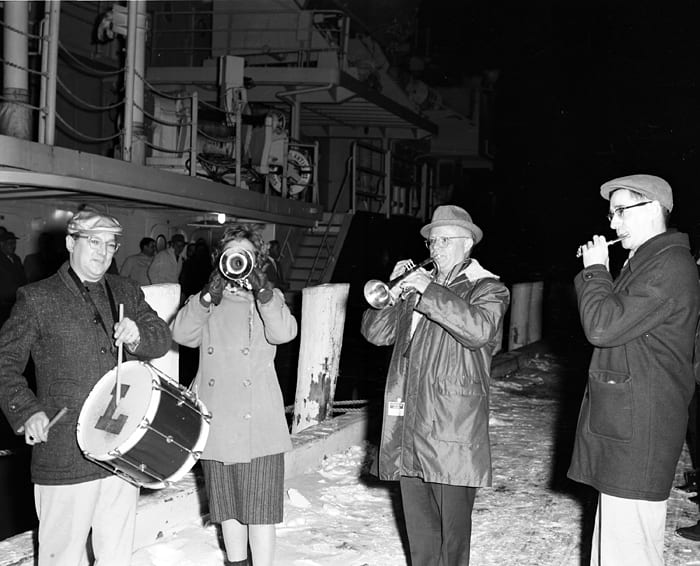
It’s a long-standing tradition for the Woods Hole Marching and Chowder Society to welcome WHOI ships and their crews back from long voyages. Welcoming Atlantis II to Woods Hole for the…
Read MoreColumbus Iselin, WHOI’s second director
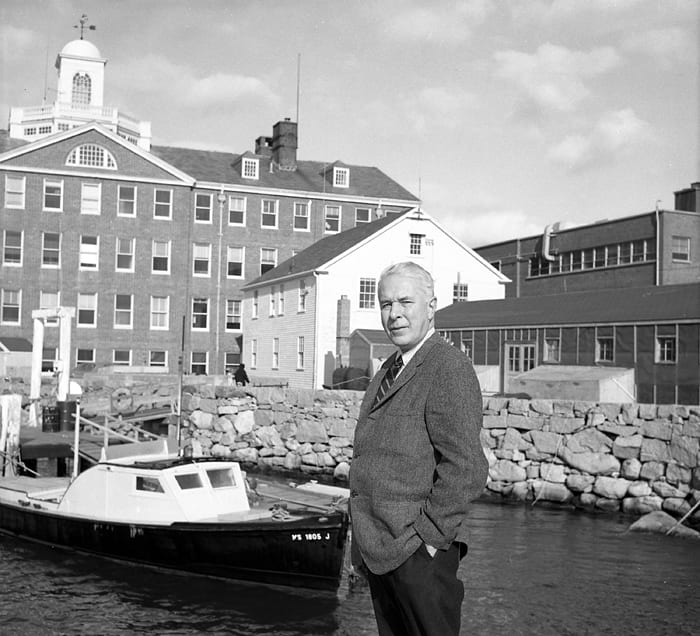
Columbus O’Donnell Iselin, on the WHOI dock in about 1964, with WHOI’s original building, the cupola-topped Bigelow Lab, in the background. Iselin served as WHOI’s second director, from 1940 to…
Read MoreSentry on Patrol
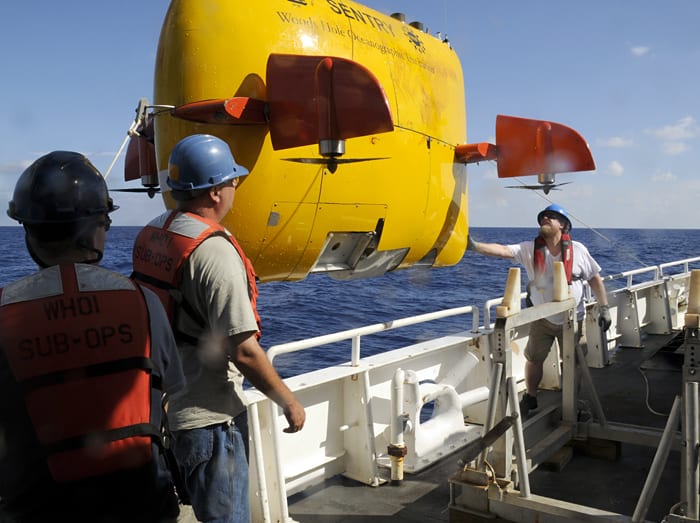
In June 2010, aboard R/V Endeavor, WHOI engineers Al Duester (right) and Andy Billings (center) helped recover the autonomous underwater vehicle (AUV) Sentry after a dive in the Gulf of…
Read MoreFlaring off in the Gulf
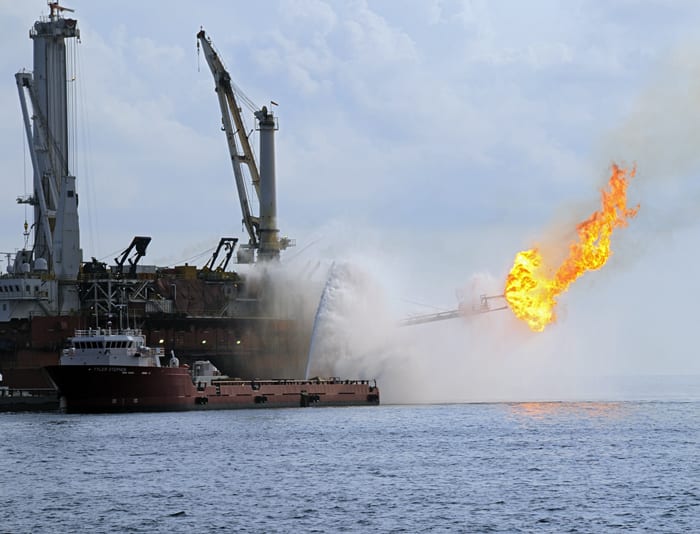
The recovery vessel Q4000 burns off gas after receiving oil from a “choke line” plumbed into the blowout preventer of the Deepwater Horizon in June 2010, some two months after…
Read MoreHardhats at Work
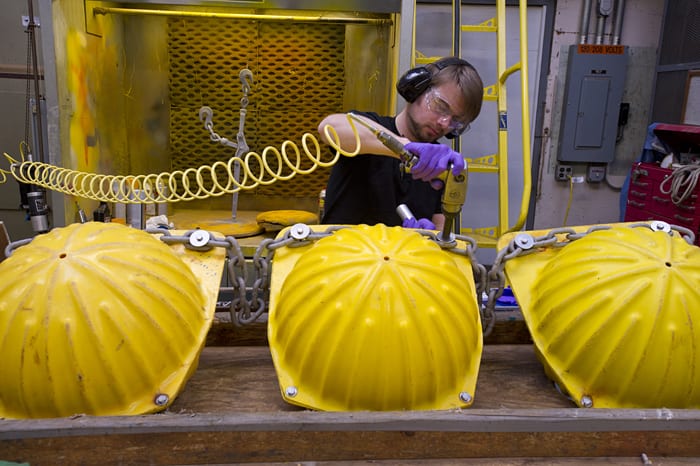
Engineering assistant Matthew Adams prepares “hardhat” floats for use in an upcoming project in the Lofoten Basin between Iceland and Norway in the far northern Atlantic. WHOI physical oceanographer Fiamma…
Read MoreOBS Recovery
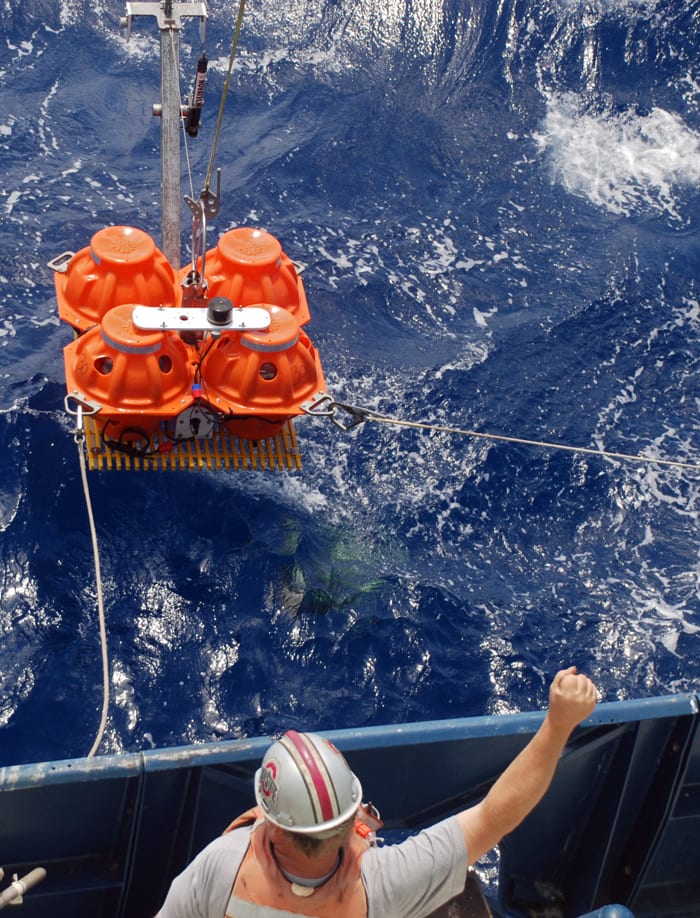
Crew aboard the R/V Atlantis recover an ocean bottom seismometer (OBS) during a January 2009 expedition. The sensitive instruments are deployed on the seafloor to record ground movements from undersea…
Read MoreA Coating of Many Colors
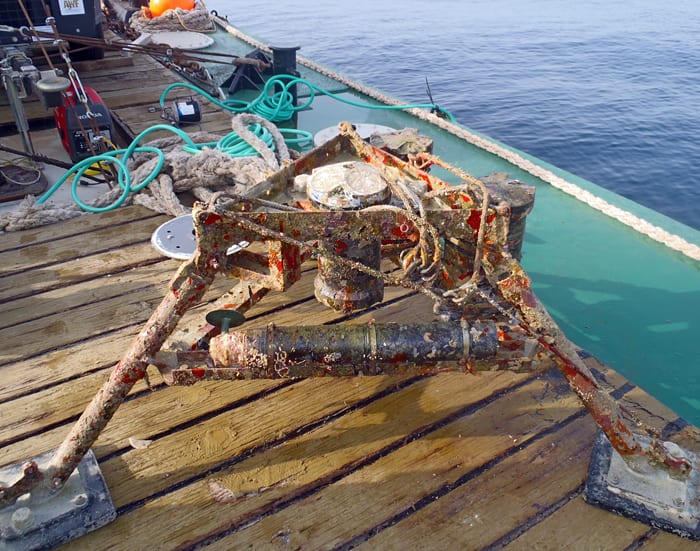
After a year in the Red Sea, this tripod is sporting a colorful growth of coral. It was recovered by John Kemp and Jim Ryder during a cruise led by…
Read MoreSampling the Source
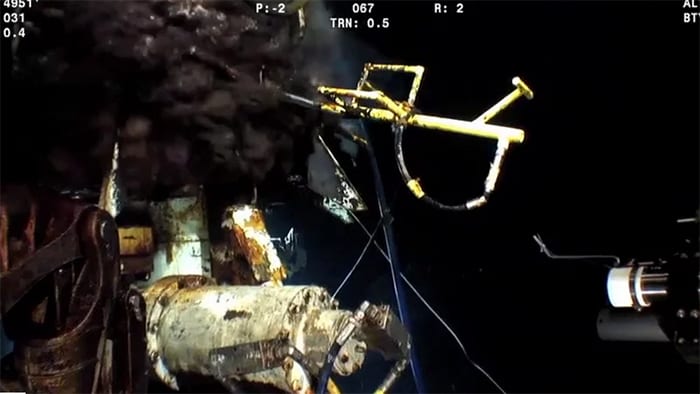
After measuring flow from the broken wellhead, WHOI scientists focused on collecting pure samples to identify the amount of oil and its chemical fingerprint.
Read MoreOil Spill Pioneers
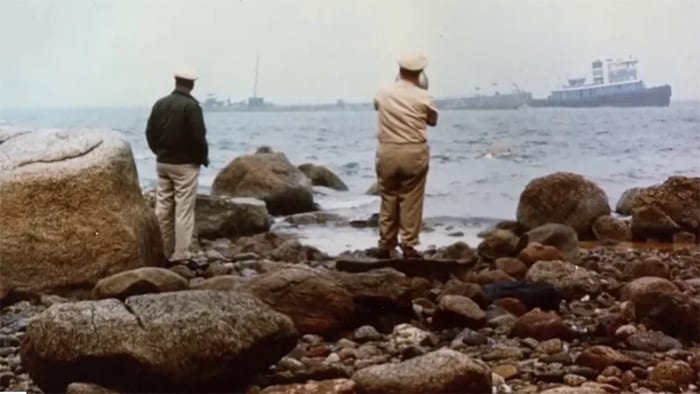
In 1969, an oil spill near Woods Hole spurred WHOI scientists to pioneer oil spill research—laying groundwork for responses like Deepwater Horizon.
Read More