
Multimedia
More than Skin Deep
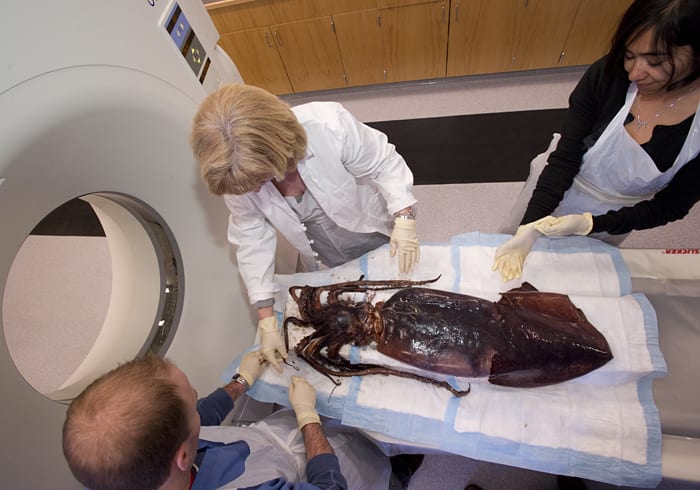
WHOI’s Aran Mooney (left) and Julie Arruda (middle) and Iliana Ruiz-Cooley (right) from NOAA’s Protected Resource Division in San Diego prepare a Humboldt squid (Dosidicus gigas) for a a CT scan at…
Read MorePatience Rewarded
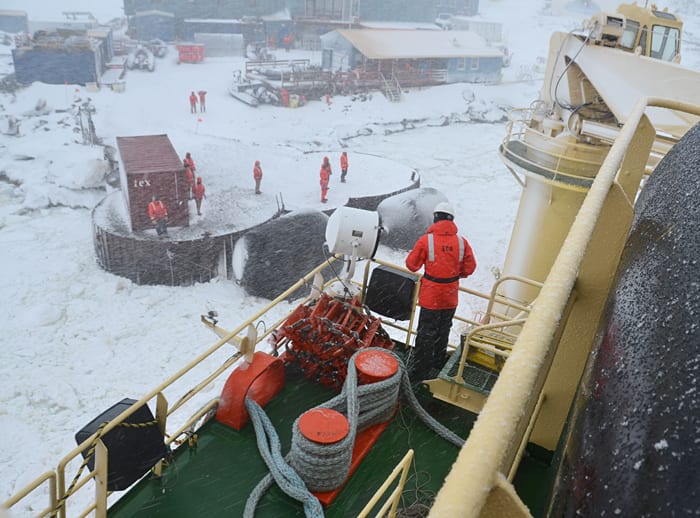
On November 7, 2011, WHOI biologist Peter Wiebe was on board the National Science Foundation research vessel Laurence M. Gould as the ship approached the dock at the Palmer Station…
Read MoreWhat Makes You Sick?
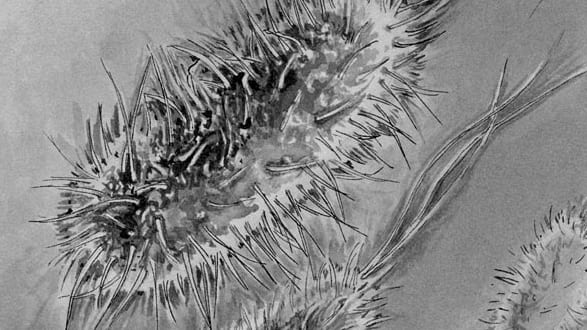
The Sea’s Bounty
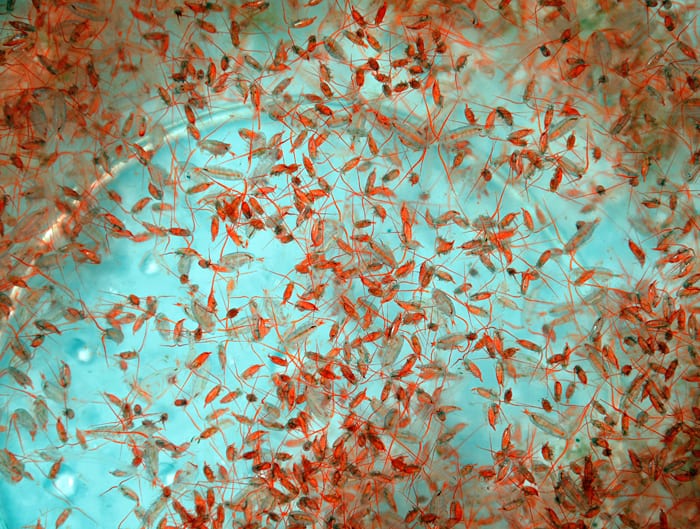
A collection of copepods fills a specimen dish to be identified and counted. Scientists on board the research vessel Ka’imikai-o-Kanaloa collected the sample off the northeast coast of Japan in…
Read MoreLaunching the Video Plankton Recorder
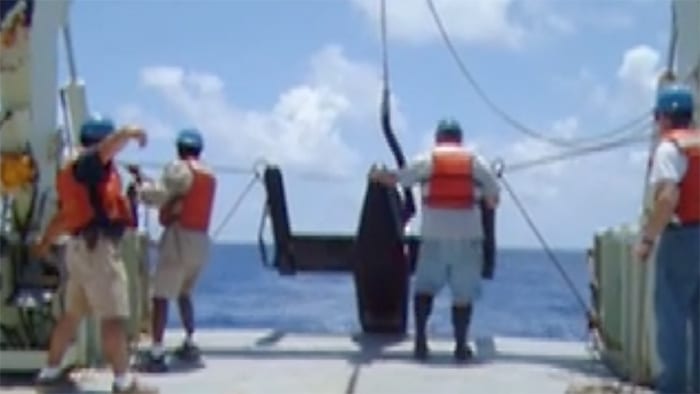
The Video Plankton Recorder is an underwater video microscope system that captures images of plankton and particulate matter ranging from 50 microns to a few centimeters in size.
Read MoreOut of Antarctica
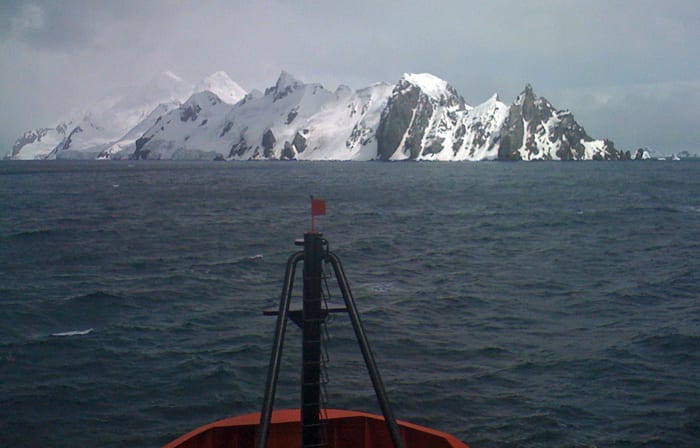
Livingston Island in the South Shetlands rises sharply in front of the L.M. Gould’s bow in December 2011 after the ship departs Palmer Station, the U.S. research station on the…
Read MoreSurvival Suits You
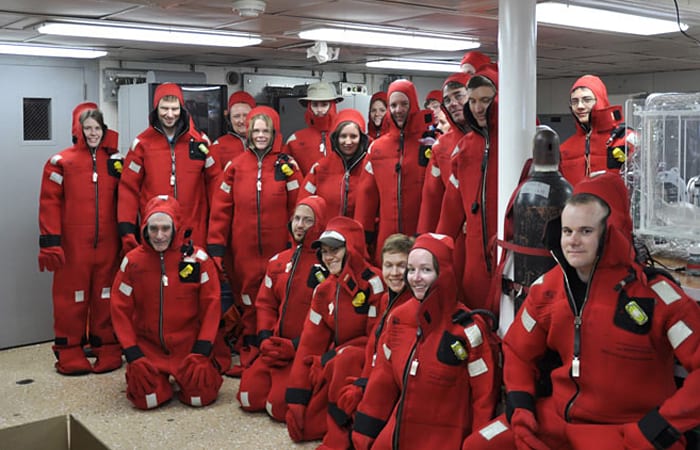
The science crew on board any UNOLS (University-National Oceanographic Laboratory System) research vessel spends part of the first day of every cruise in safety briefings and drills. One activity involves…
Read MoreGrumpy Grouper
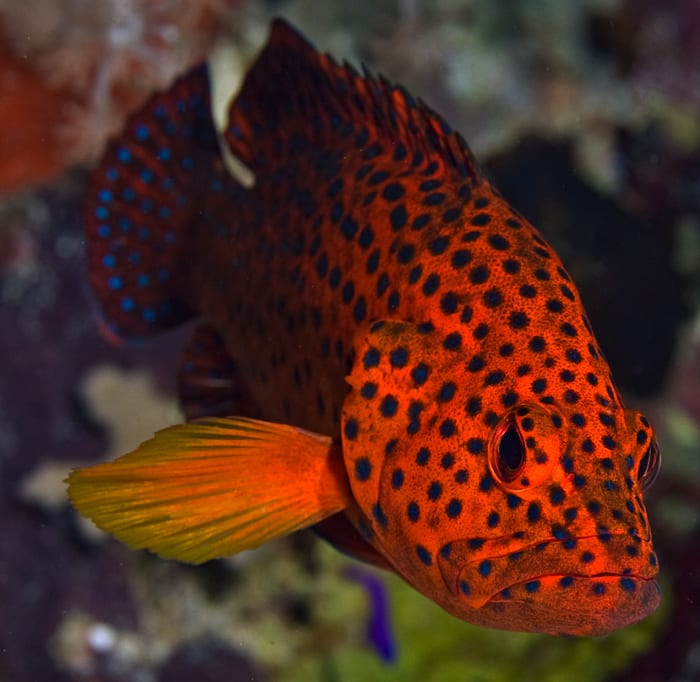
Despite its expression of perpetual disgust, this jewel grouper (Cephalopholis miniata), also known as coral cod or vermillion seabass, enjoys balmy waters and rich feeding grounds in the clear water…
Read Moreshipstech
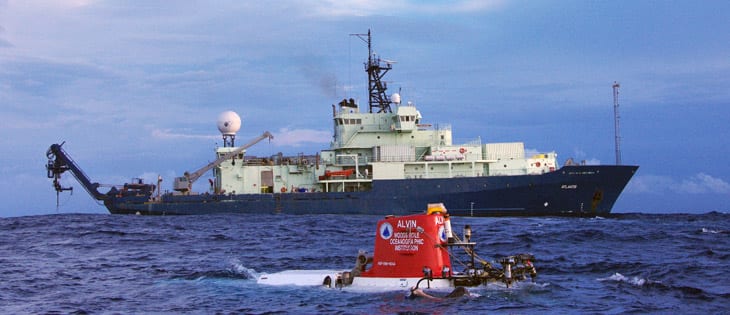
Thar It Blows
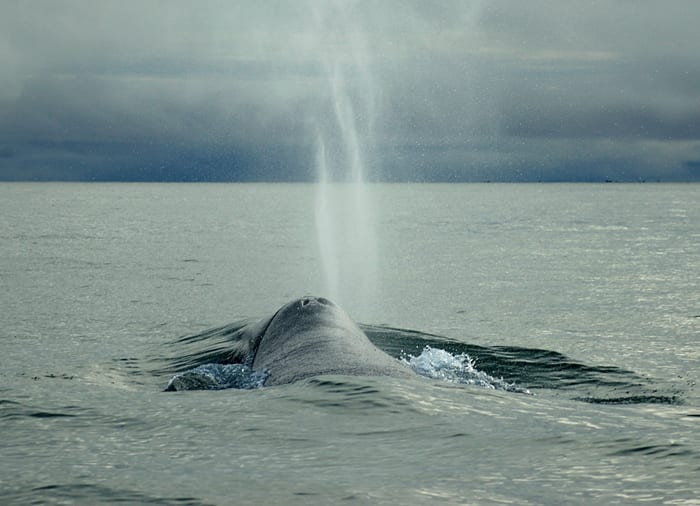
A bowhead whale surfaces and blows in the Bering Sea. Because polar regions are seasonally ice-covered, it is impossible for scientists to visually track whales year-round. Instead, researchers install moorings…
Read MoreNew Horizons
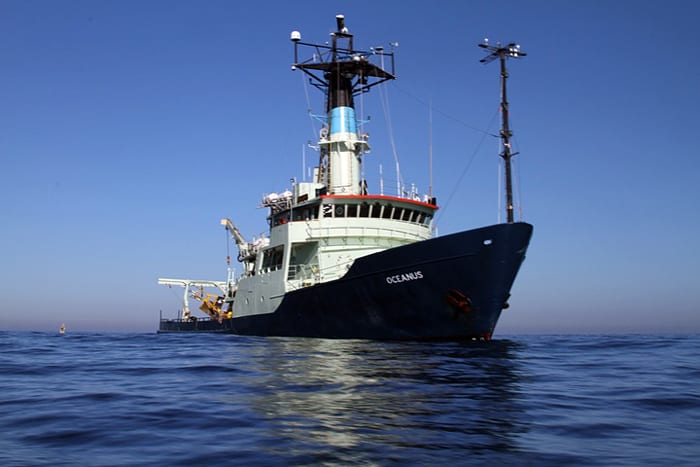
After 36 years and 500 missions for WHOI, the research vessel R/V Oceanus will be changing home ports and oceans. The 177-foot vessel arrived at WHOI in November 1975. Since…
Read MoreA Titanic Puzzle
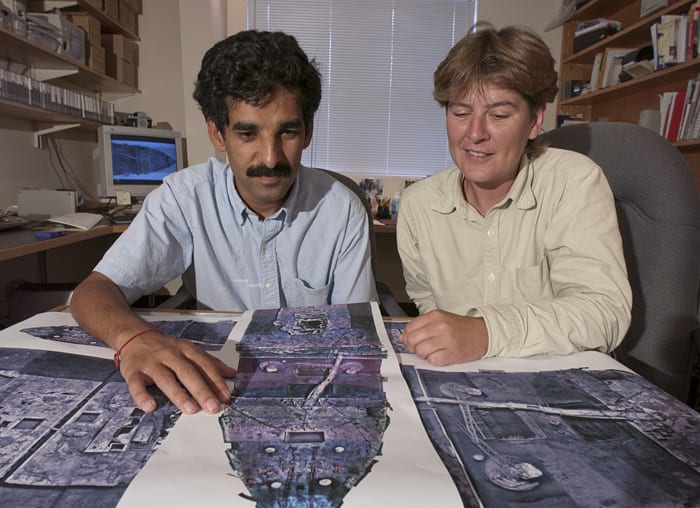
WHOI scientist Hanu Singh and former graduate student Sacha Wichers examine a photo mosaic of the wreck of RMS Titanic. The 866 individual photos that make up the mosaic were…
Read MoreTiny Eyes
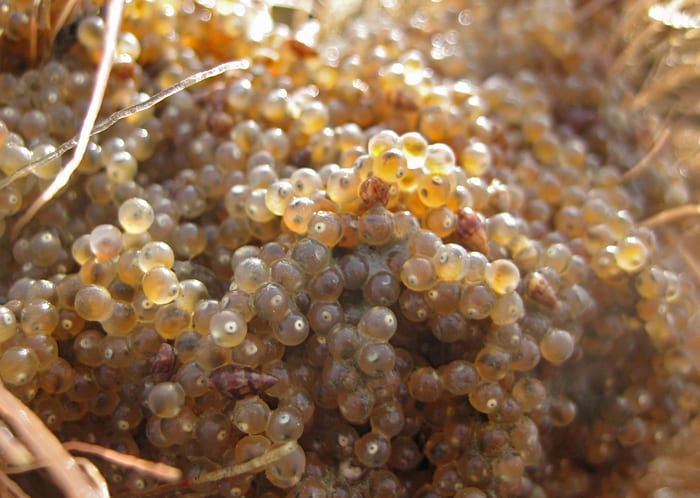
Look closely and you will see black and white eyes in these fish eggs. Mussels, snails, sponges, and other marine life commonly use cables and instruments left in the sea…
Read MoreResearch Top Images
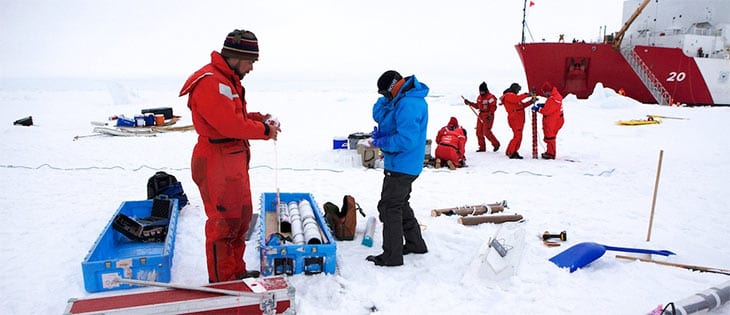
Dressed for the Deep
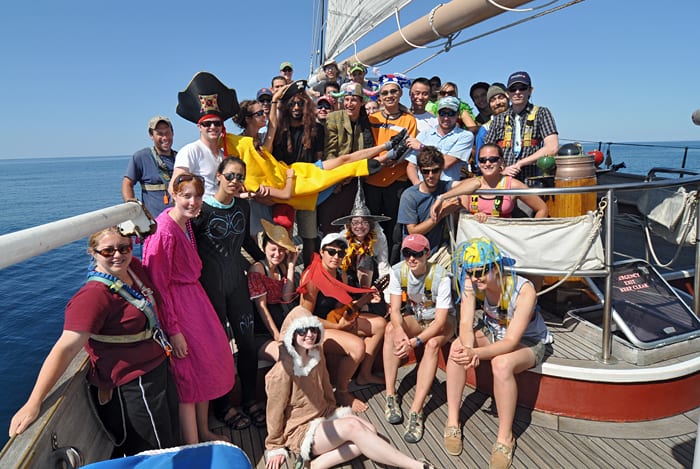
Each summer, graduate students in the MIT-WHOI Joint Program are welcomed to Woods Hole and to oceanography with the ten-day Jake Peirson Summer Cruise aboard the Sea Education Association ship SSV Corwith Cramer. Students learn how to do…
Read MoreKnockout
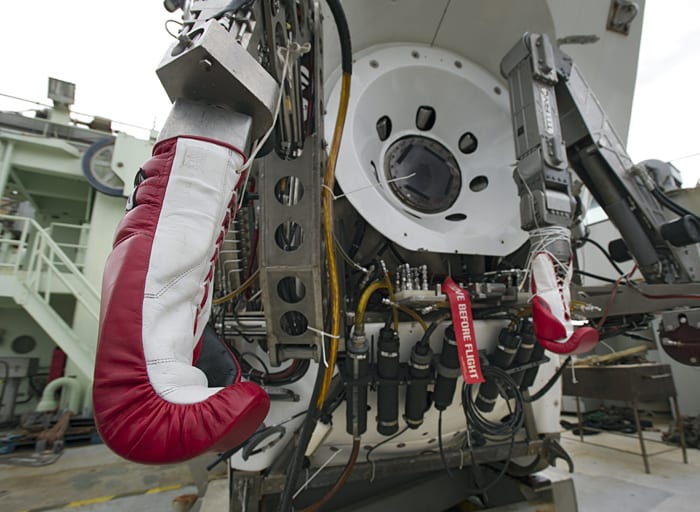
Somewhere during the 47-year life of the deep-submergence vehicle Alvin, someone found that padded boxing gloves did a perfect job of protecting the submerisble’s manipulator arms while it sat on…
Read MoreSearching for the Past
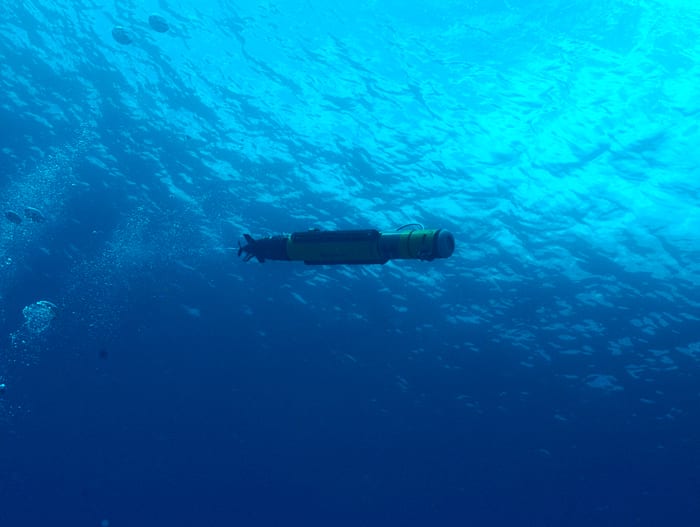
A REMUS 100 autonomous underwater vehicle dove through the clear, blue waters of the Mediterranean in September 2011 on a mission to find and survey Bronze Age shipwrecks off the…
Read MoreA “Beach” in the Mediterranean
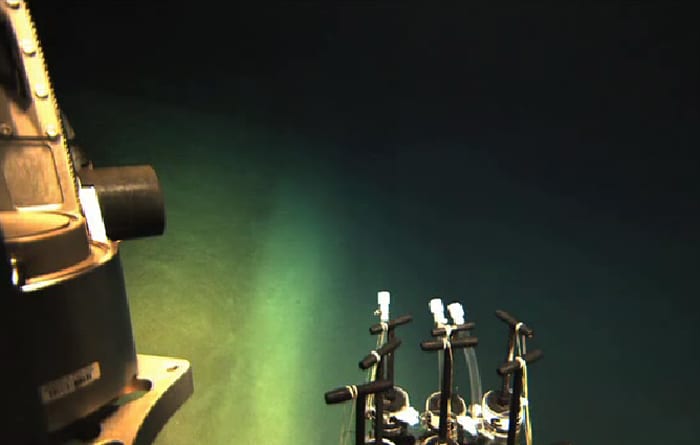
During a 2011 Dive & Discover cruise in the Mediterranean, scientists from WHOI and other institutions explored three super-salty “lakes” called DHABs at the bottom of the sea. They used…
Read MoreIn the ‘Washing Machine’
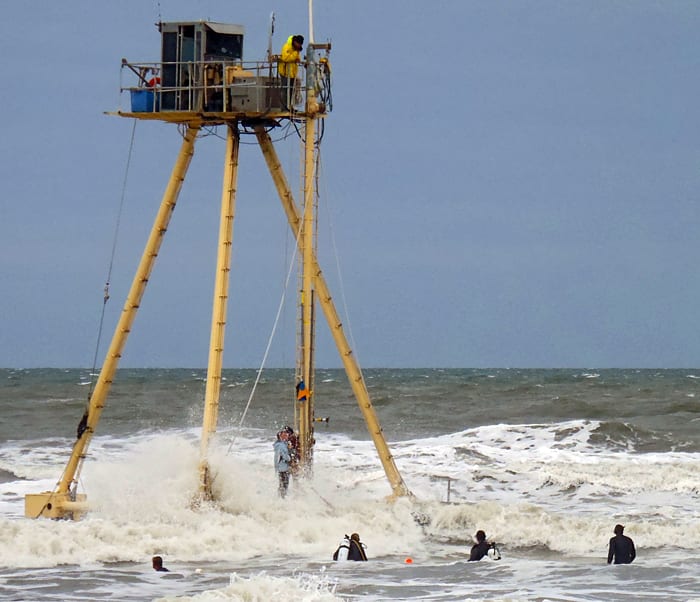
With a storm approaching, a team worked “in the washing machine” of a raging surf zone at the Field Research Facility in Duck, N.C. in 2011 to recover instruments measuring…
Read MorePsychotherapy for Plankton
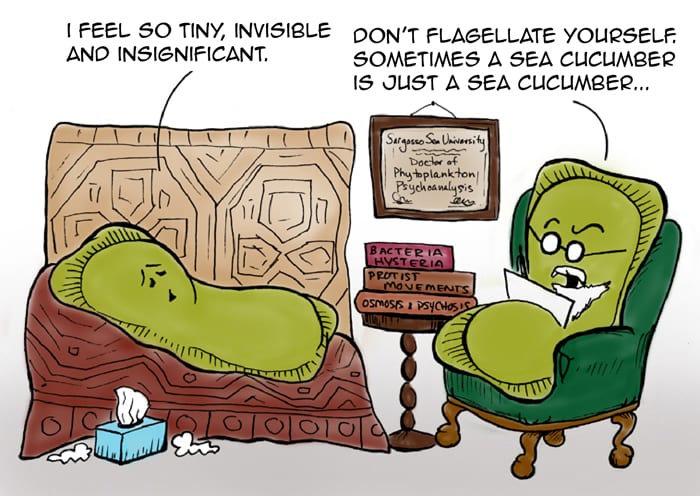
WHOI graphic artist Amy Caracappa-Qubeck drew this humorous cartoon after Erin Bertrand described her research on environmental “stressors” that govern the productivity of microscopic marine plants, or phytoplankton, at the…
Read MoreREMUS Reef Reconnaissance
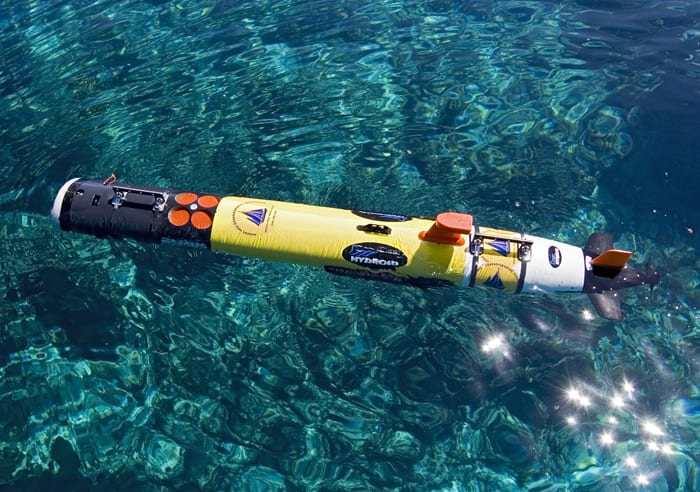
In order to design marine preserves that best protect fish, conservationists need to know more about where and how fish move from their larval to adult stages. In 2006, WHOI…
Read MoreSomething FISH-y
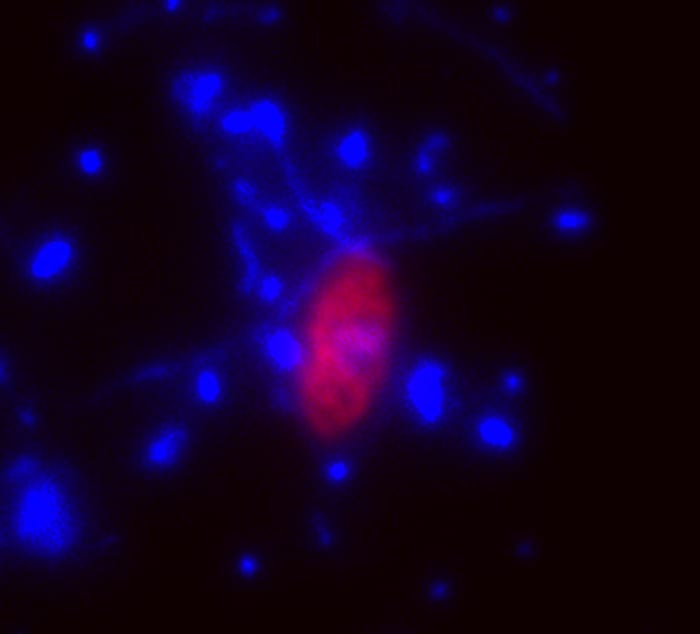
FISH (fluorescence in situ hybridization) is a powerful technique in which a fluorescent tag is attached to an RNA fragment that in turn binds to specific kinds of cells. This…
Read MoreHistory, Written in Mud
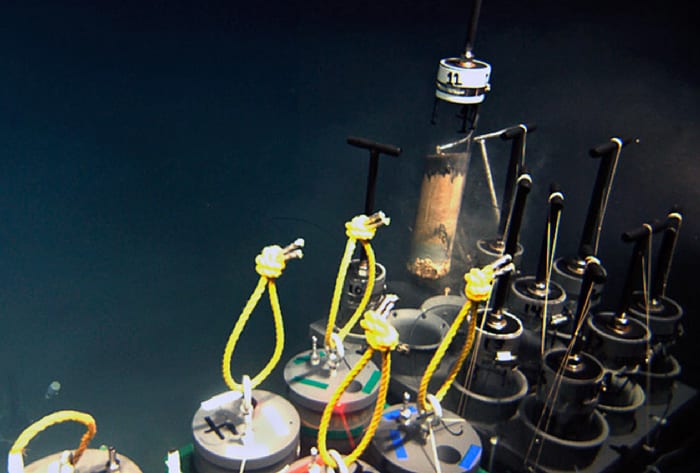
A sediment sample in a push core taken from the upper reaches of a deep, hypersaline, anoxic basin (DHAB) hints at a complex history for the 3,000 to 35,000 year-old…
Read MoreA Welcome Sight
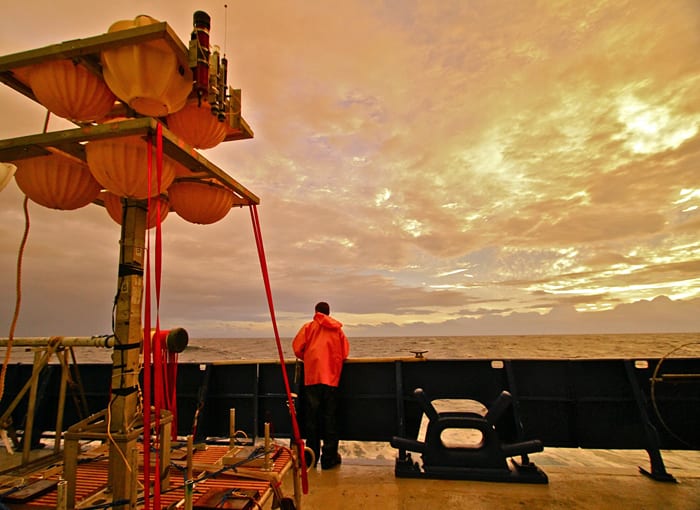
Ben Tradd, a pilot with the Jason operations group, takes in the sunset aboard the R/V Atlantis following days of heavy rain, high winds and rough seas in October 2011.…
Read More