Multimedia
All Stop
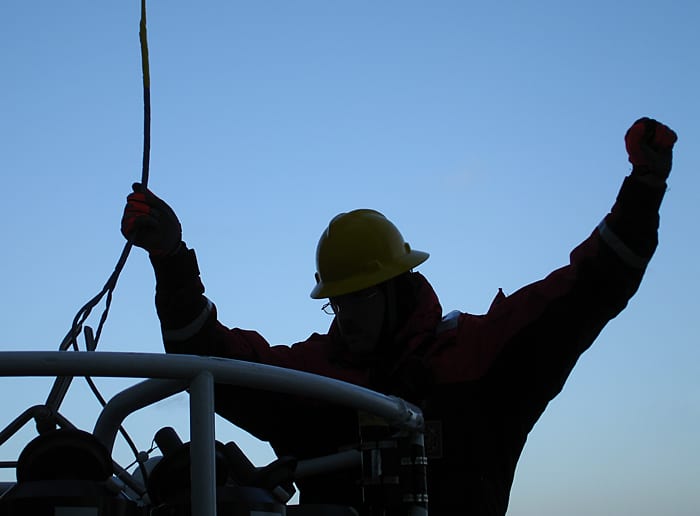
Communication is critical at sea. Here, a crew member from the U.S. Coast Guard iceabreaker Healy signals a winch operator to stop lowering at CTD (conductivity, temperature, depth) rosette to…
Read MoreDance the Arctic Blues Away

During long research cruises, particularly when bad weather keeps people indoors for periods, ship and science crews organize “morale events” to raise spirits and help keep the group working as…
Read MoreWhale of a Shark
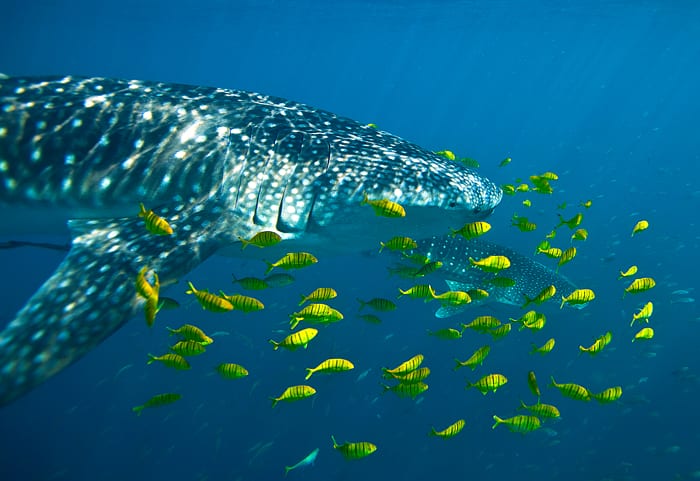
Two whale sharks feeding with jacks in the Red Sea in May 2010. Whale sharks (Rincodon typus) are rare but widely distributed throughout the world’s tropical oceans. Despite their distribution,…
Read MoreDisaster on the Ground
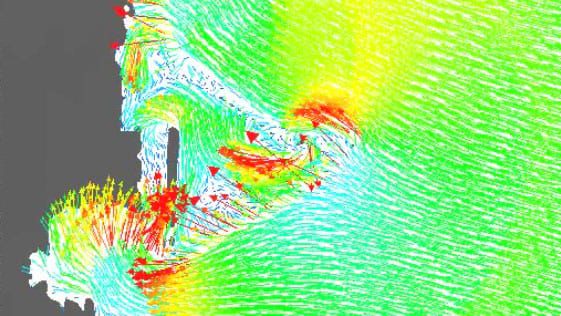
Watch this detailed simulation of the 2011 tsunami, depicting a series of waves hitting and flooding the Fukushima Dai-ichi Nuclear Power Plant.
Read MoreShark Secrets
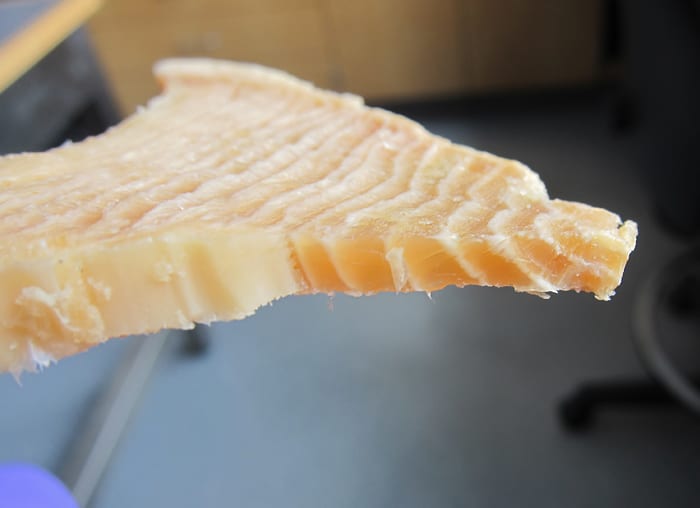
To help devise effective strategies that protect endangered sharks, scientists need basic information about where elusive species live, mate, and give birth. MIT/WHOI Joint Program graduate student Li Ling Hamady…
Read MoreWater Flowing Undersea
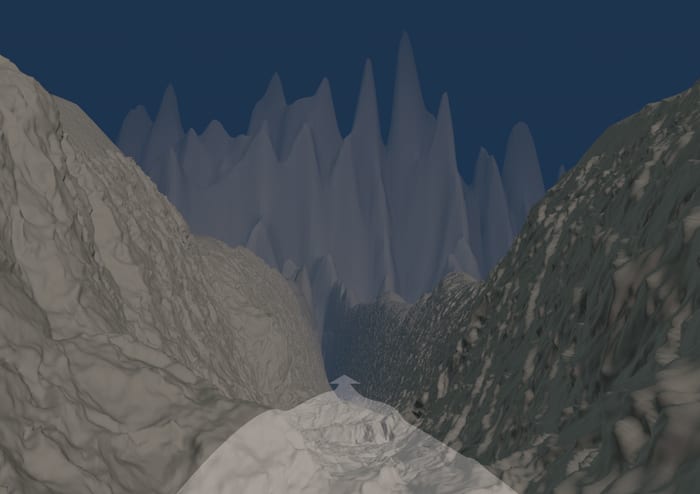
Concealed from view, the bottom of the ocean is covered with of mountains and canyons as steep and deep as the Grand Canyon. Scientists have had indications that powerful ocean…
Read MoreIndian Ocean Dipole
An Icy Burden
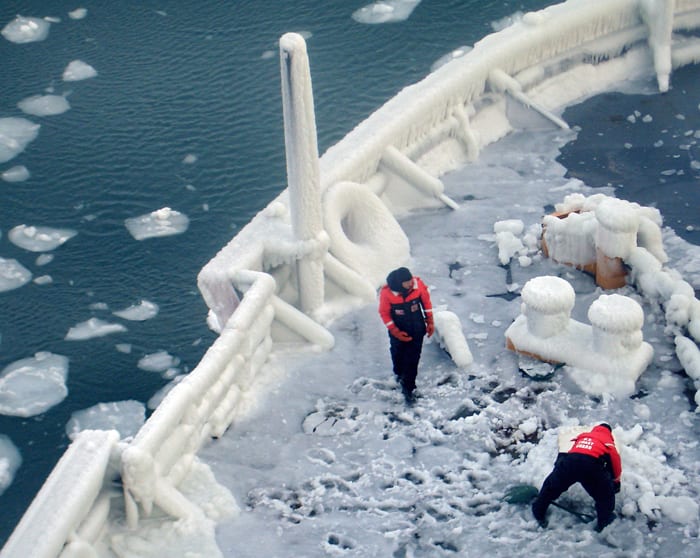
Clearing ice from the decks of the U.S. Coast Guard icebreaker Healy was a regular task for ship’s crew during a 2011 cruise in the Chukchi, Beaufort, and Bering Seas. Wintertime Arctic conditions…
Read MoreNorth Atlantic Oscillation
Outreach Reaches Outer Space
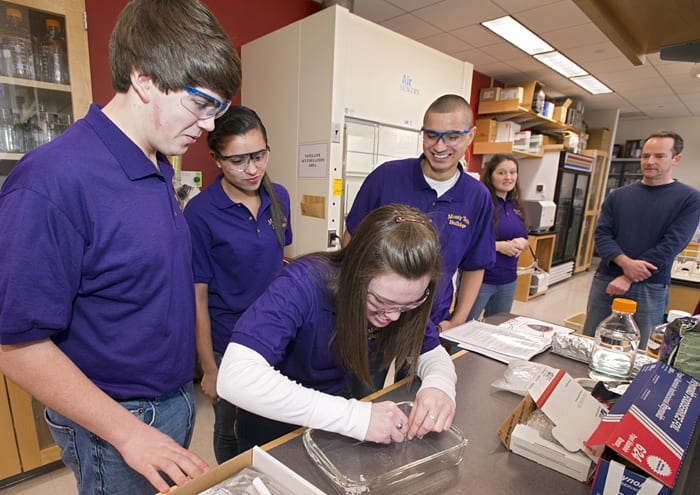
Four students from Montachusett Regional Vocational Technical School in Fitchburg, Mass., visited the lab of WHOI microbiologist Tracy Mincer (far right) in February to set up an experiment they designed…
Read MorePsychotherapy for Plankton
Hurricane Cross Section
Fire and Ice
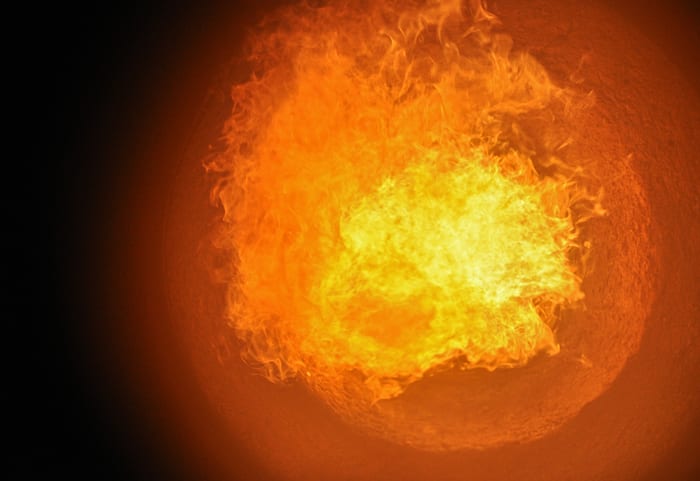
The U.S. Coast Guard icebreaker Healy operates in the North Pacific and Arctic Oceans from late spring until early winter, helping scientists carry out research in the far north. It…
Read MoreHydrologic Cycle in Coastal Zones
Look Ma, No Lines
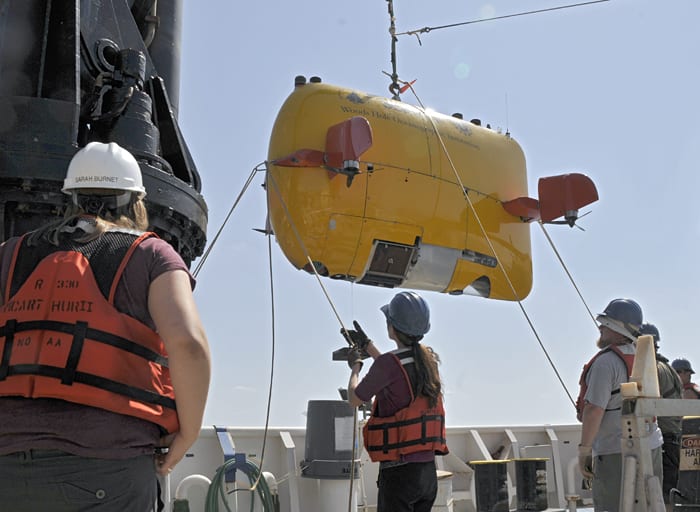
WHOI biologist Annette Frese Govindarajan (center, blue hard hat) and data manager Sarah Burnet (left), assisted with the launch of the autonomous underwater vehicle Sentry in the Gulf of Mexico in…
Read MoreGo to Sea, Young Man
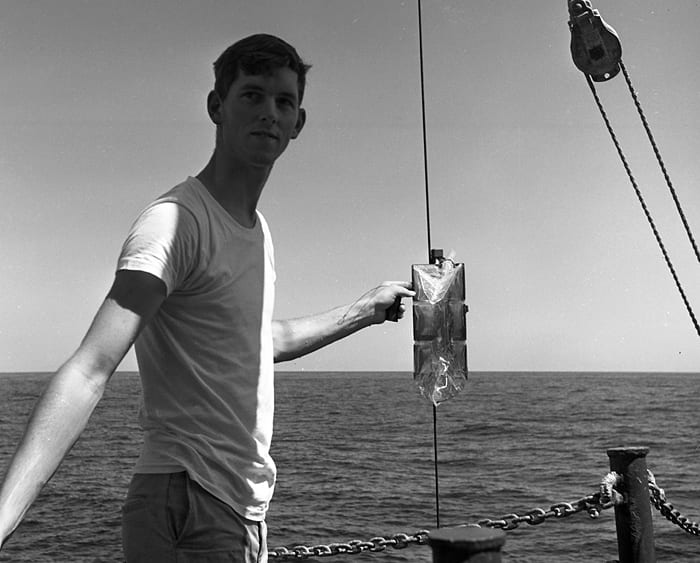
In 1965, WHOI microbiologist John Waterbury was a young researcher studying microorganisms in the upper ocean that convert inorganic nitrogen into a form that phytoplankton can use to drive the…
Read MoreSmooth Sailing Through Pancake Ice
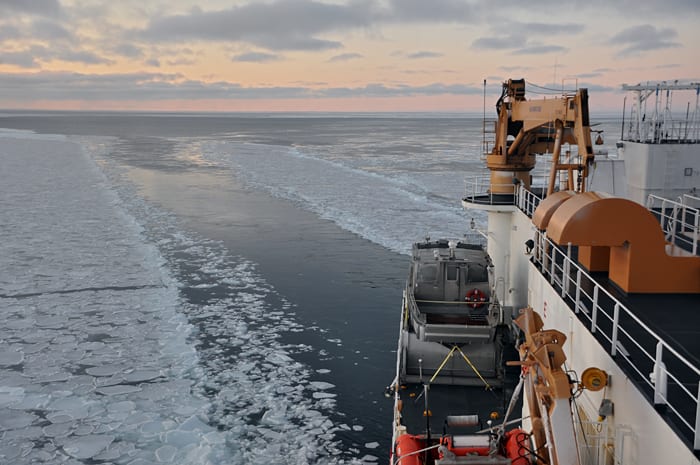
The icebreaker USCGC Healy opens a path through first-year pancake ice in the Amundsen Gulf during a 2011 mooring cruise in the Arctic Ocean. Though pancake ice can cover large…
Read MoreVoyage to the Remote Phoenix Islands
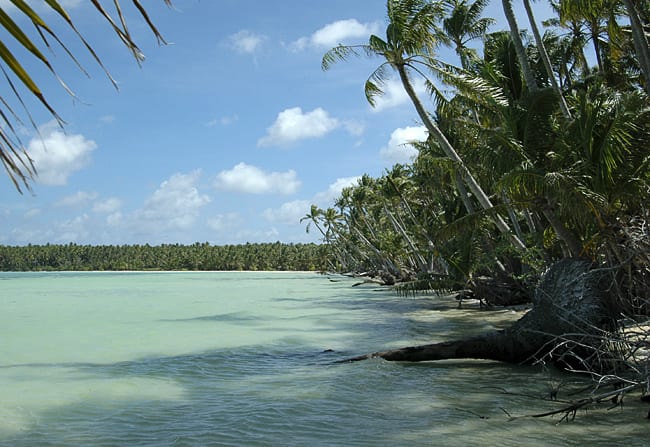
Voyage to the Remote Phoenix Islands
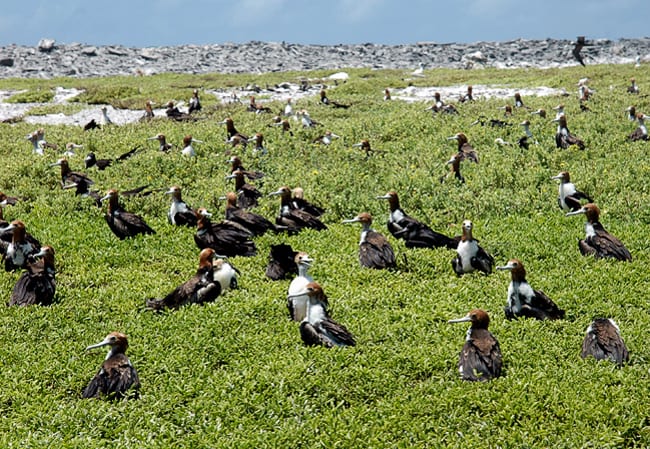
We’re Outta There!
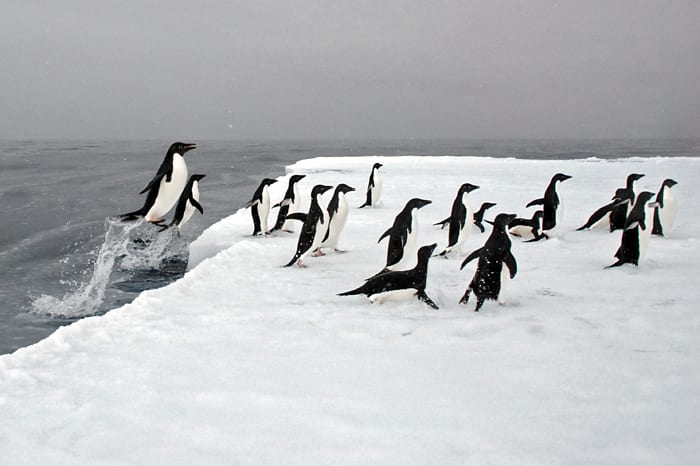
Associate Scientist Mak Saito saw plenty of Adélie penguins during his International Polar Year expedition to Antarctica in 2009. His study focused on the collection of sea-ice and water column algae, but another project soon emerged.…
Read MoreA Swell Time on Healy
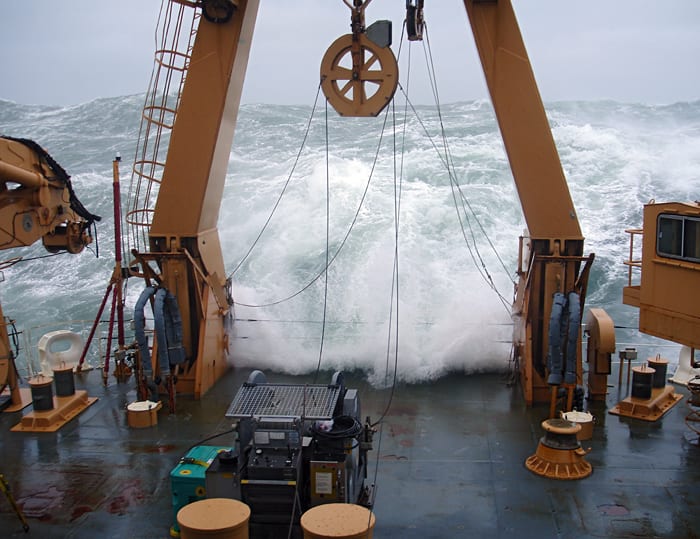
Icy Arctic swells rocked the U.S. Coast Guard icebreaker Healy during a six-week science expedition in 2011. WHOI biologist Carin Ashjian and colleagues Sam Laney and Krista Longnecker visited the Arctic…
Read MoreTesting, 1, 2, 3
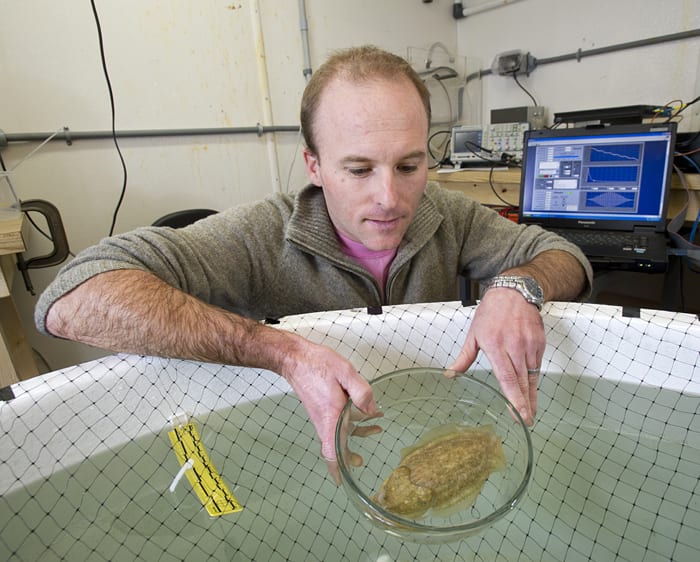
WHOI biologist Aran Mooney places a cuttlefish, a close relative of squid, into a tank to test how it responds to sound. Mooney previously showed that sounds provoke nerve responses…
Read More1986 images from the debris field
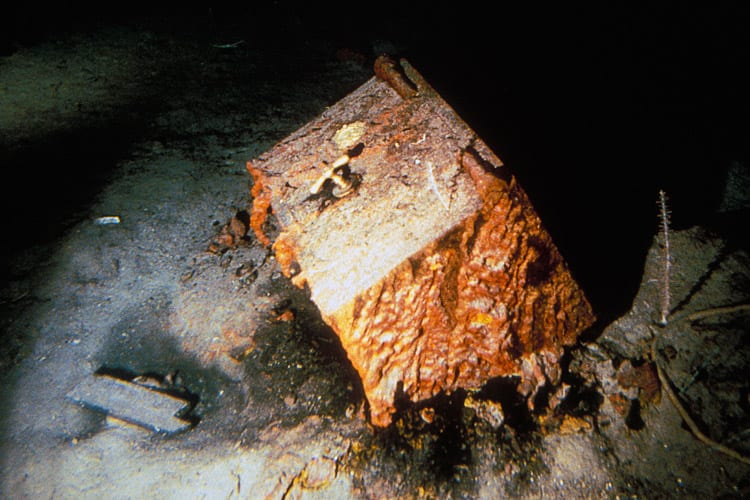
1debrissafe_210922.jpeg
Read More