
Multimedia
Life, Smoke, and Fire Underwater
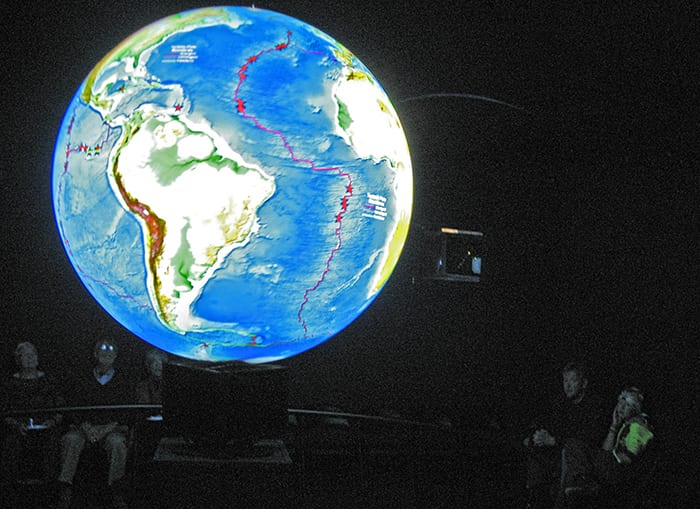
Wednesday, December 4, is opening night for Global Viewport to Deep-Sea Vents, a collaborative exhibit created by WHOI and the Ocean Explorium in New Bedford. Visitors will learn about the…
Read MoreBack from Below
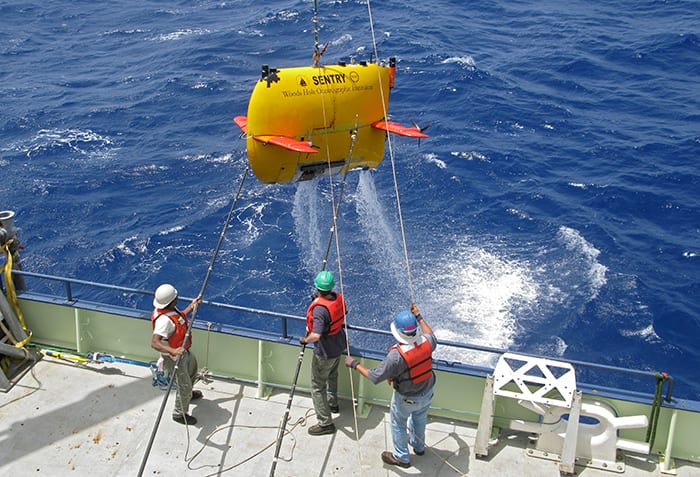
During a June 2013 trip from Barbados to Woods Hole, scientists and engineers on board R/V Knorr took a close look at regions of the seafloor along the Mid-Atlantic Ridge…
Read MoreOne Cell, Many Rooms
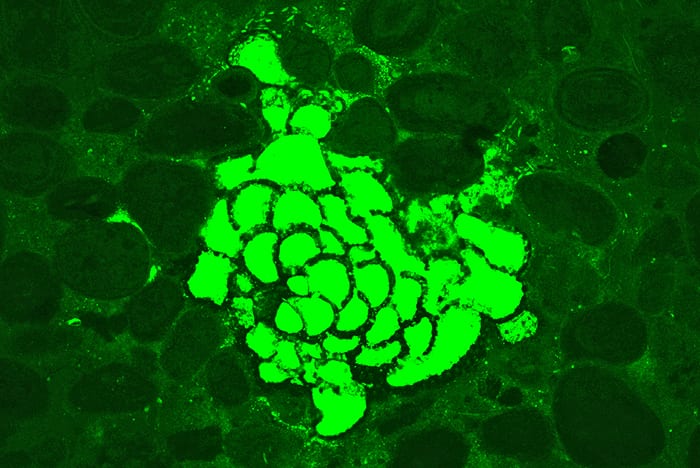
What look like grapes or bubbles are actually chambers of a single-celled foraminiferan (or foram). Almost 1mm in diameter, the foram is large enough to see with the naked eye.…
Read MoreThe First of Many
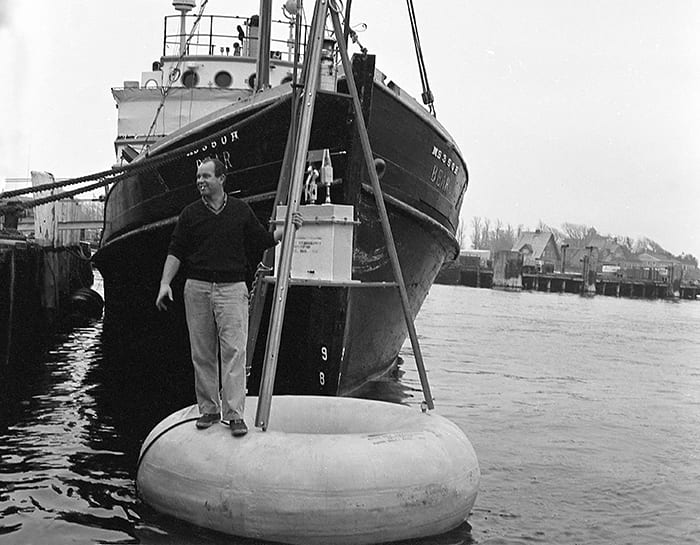
Today, WHOI’s mooring and instrument engineers are world-renowned for their expertise in designing and deploying deep-sea mooring arrays. That expertise dates back more than 50 years, when researchers first attempted…
Read MoreBridge to the Future
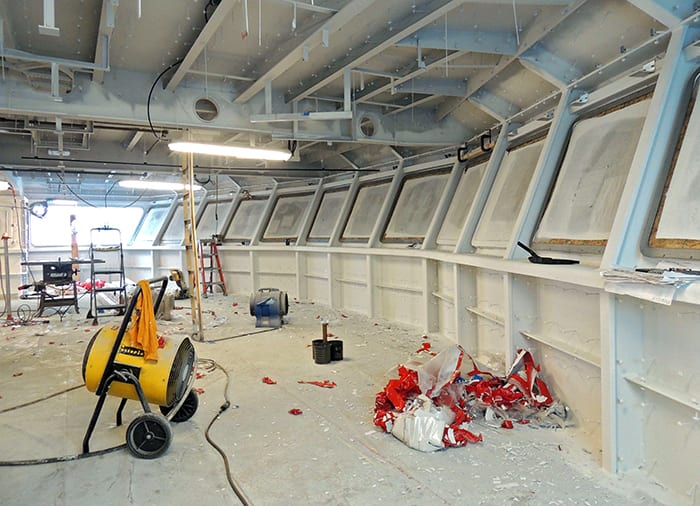
The inside of the bridge of R/V Neil Armstrong was left to dry after workers sprayed a thermal coating that will prevent condensation buildup on the steel bulkheads and ceiling…
Read MoreIndisputable Evidence
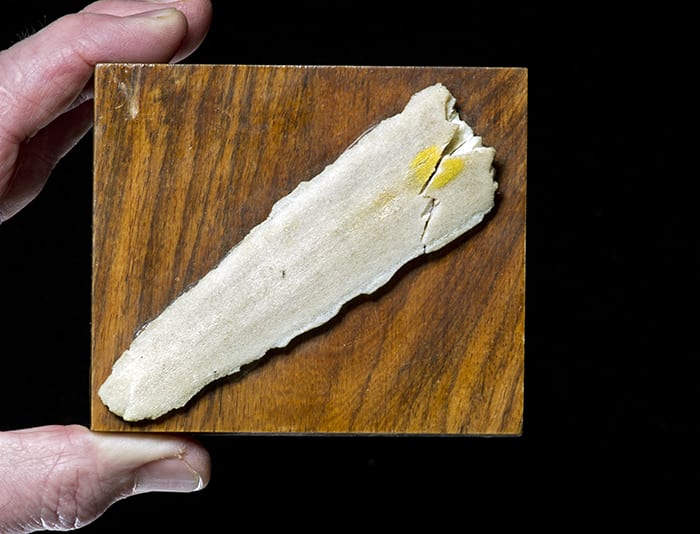
The tip of this swordfish bill was found embedded in a deep-sea mooring in the 1980s. For years, WHOI engineers suspected that fish were damaging mooring components by biting them,…
Read MoreCalm Before Deploy
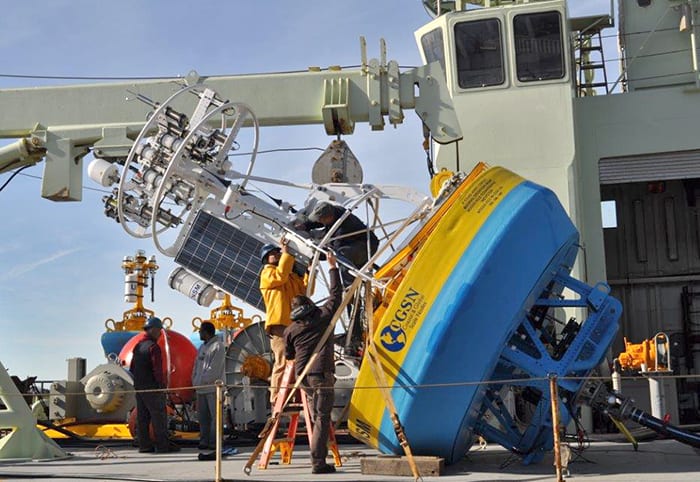
A coastal surface mooring buoy was fastened to the main deck of R/V Knorr on Tuesday, November 19 in preparation for deployment. The buoy and other instruments on deck are…
Read MoreDay at the Beach
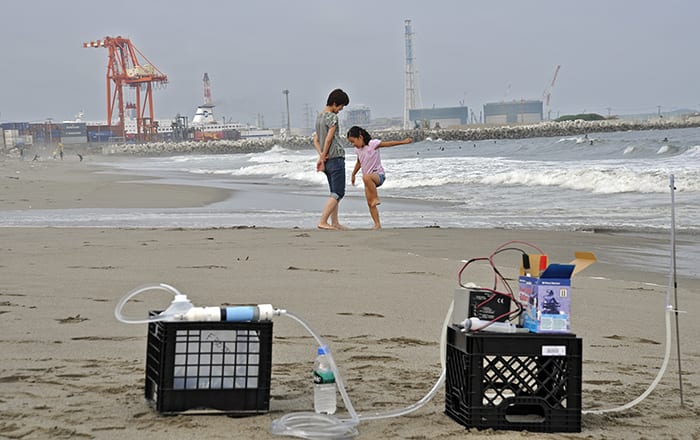
Members of the lab run by WHOI chemist Matt Charette installed equipment on a beach during a recent trip to Northeast Japan. In addition to collecting groundwater samples near the…
Read MoreA Good Omen
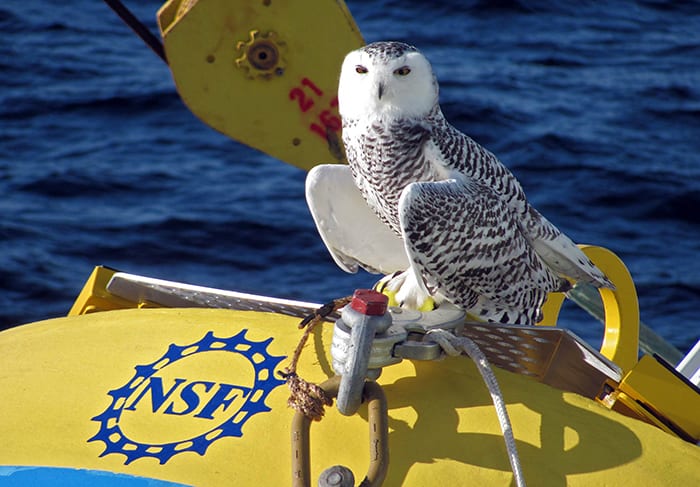
“I think it was a good omen, as everything has gone smoothly so far,” is how WHOI senior scientist Al Plueddemann described the appearance of a snowy owl on the…
Read MoreInto the Murk
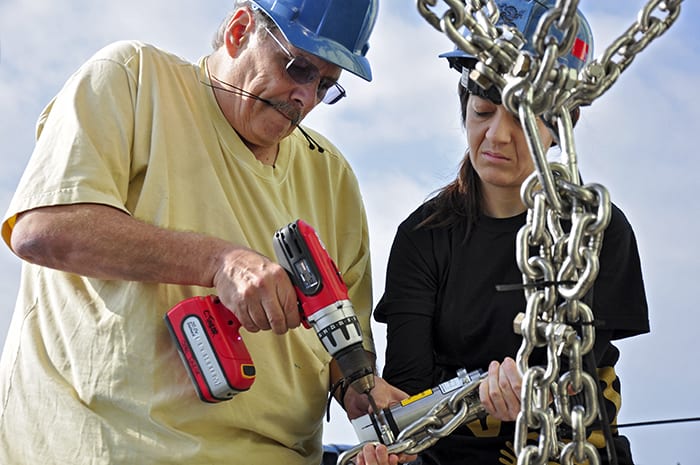
Researchers Craig Taylor and Maria Pachiadaki bolt a turbidity meter to a chain hanging from a Microbial Sampler-Submersible Incubation Device (MS-SID). They used the MS-SID to collect water and microbes…
Read MoreSmall Changes, Big Impacts
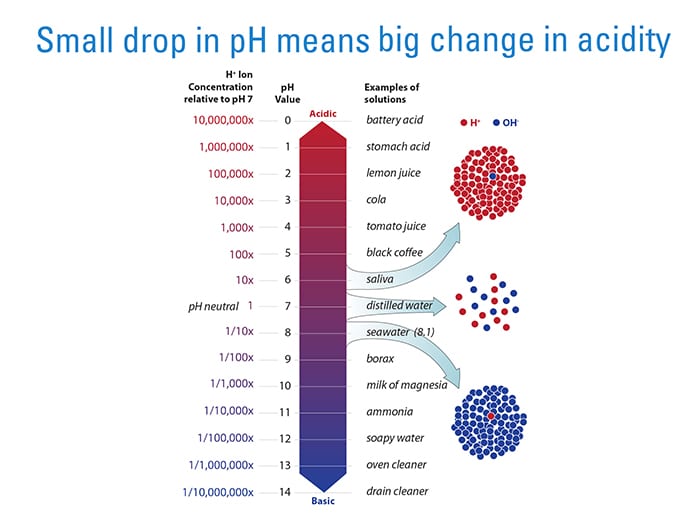
The pH scale, shown here, indicates the concentration of hydrogen ions (H+) in a liquid. Above pH=7, a fluid is alkaline; below 7, it is acidic. Seawater is slightly alkaline,…
Read MoreTiny, Delicate, Vulnerable
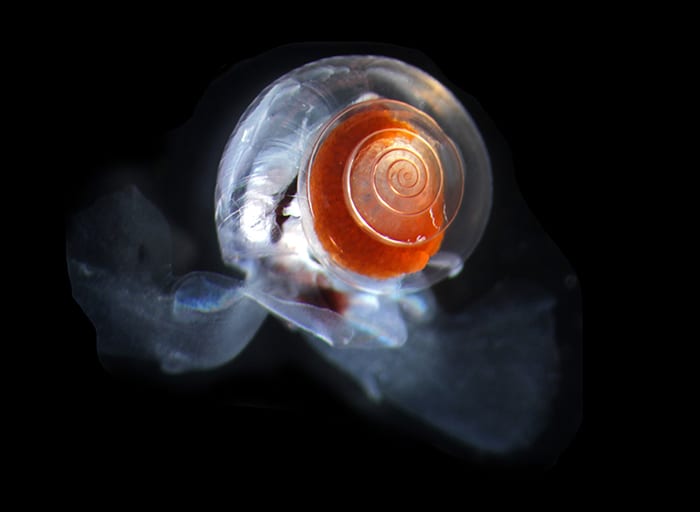
Drifting with currents, tiny swimming marine snails called pteropods (“wing-foot”) are an important source of food for fish, whales, and other marine animals. Also called “sea butterflies,” pteropods have shells…
Read MoreAction
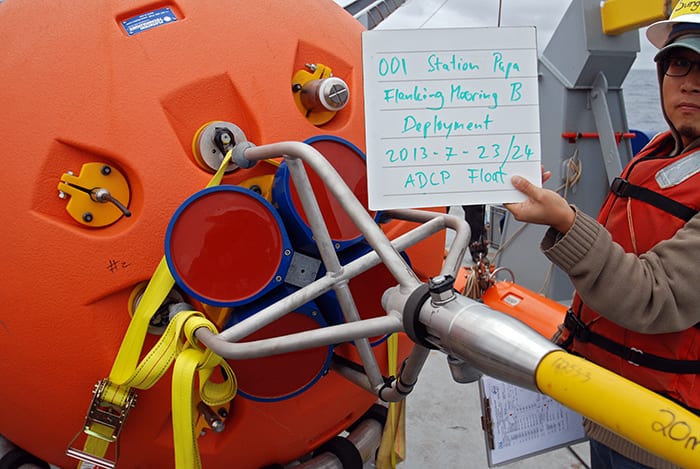
In July 2013, researchers aboard the research vessel Melville deployed a set of moorings at Station PAPA in the Northeast Pacific. The instruments, including this acoustic doppler current profiler (ADCP),…
Read MoreSitting Pretty
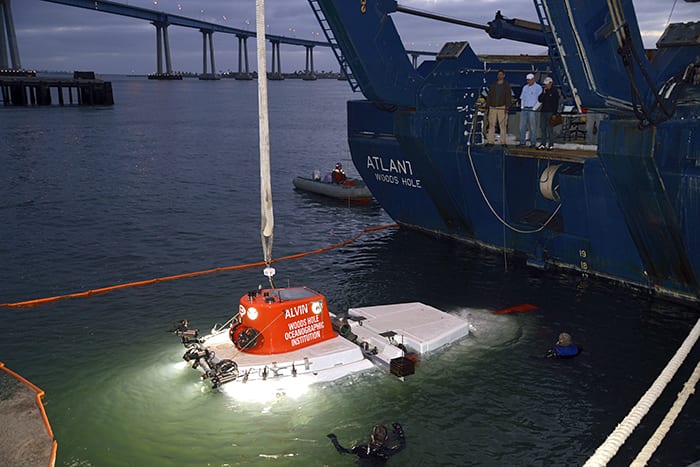
During dock trials in San Diego Harbor recently, the rebuilt and upgraded submersible Alvin underwent an incline test while attached to the stern of its support ship, R/V Atlantis. The test…
Read MoreField of Clams
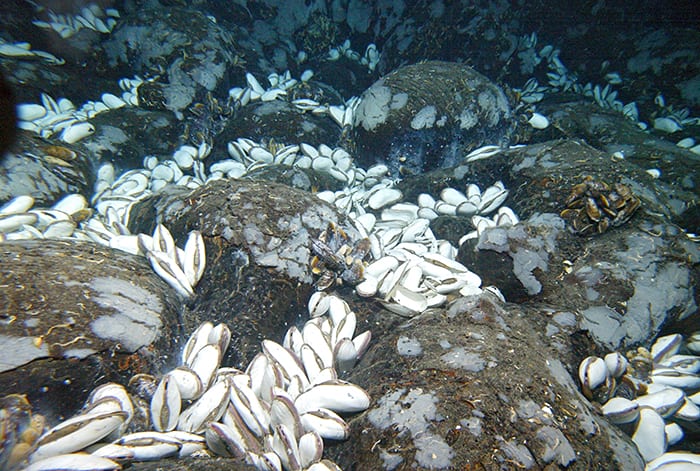
Giant clams, some up to one foot long, line nooks in the seafloor off the Galápagos Islands where warm fluids flow up through cracks in rocks and feed the clams.…
Read MoreRemote Sensing
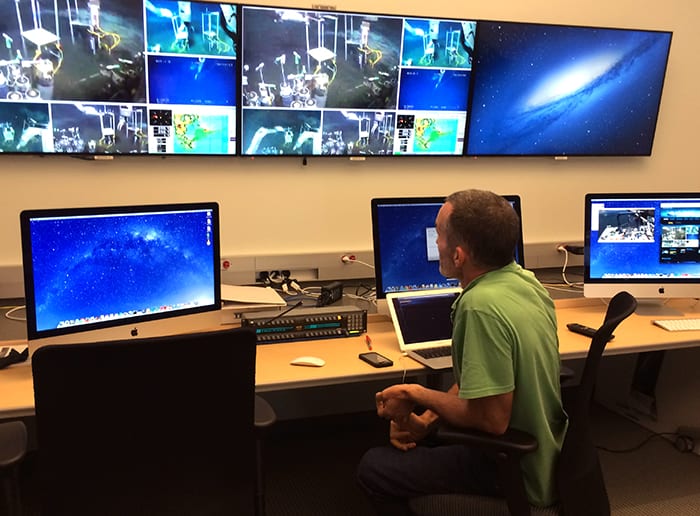
Marine chemist Chris Reddy recently joined a research cruise off the West Coast virtually via the new telepresence equipment installed in the Coleman and Susan Burke Ocean Observing Operations Room…
Read MoreWorking the Line
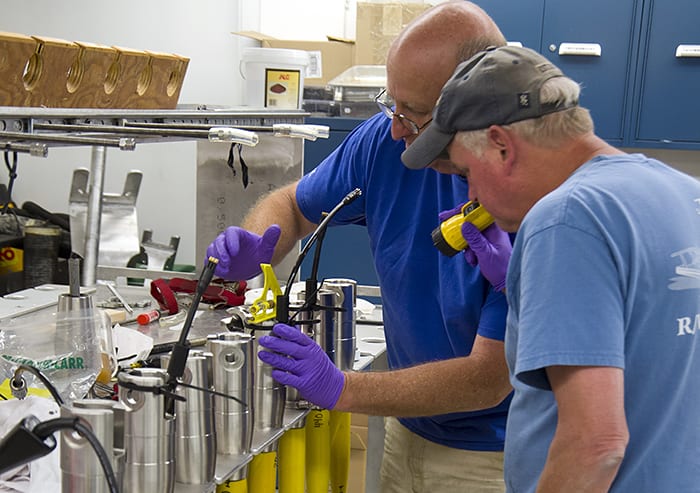
WHOI engineers Stephen Murphy and John Kemp (holding flashlight) assemble end-pieces for mooring cables destined to be used in the Ocean Observatory Iniative. The hollow stainless steel tubes are electromechanical…
Read MoreIt’s a Bird. It’s a Plane
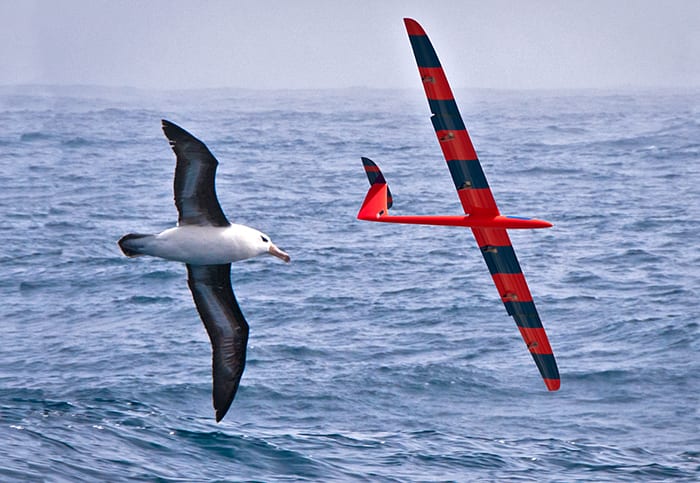
After years of observing albatrosses on the high seas, WHOI oceanographer Phil Richardson combined his interests in waves, sailing, flying, and physics to figure how the large seabirds extract energy…
Read MoreOcean Toolbox
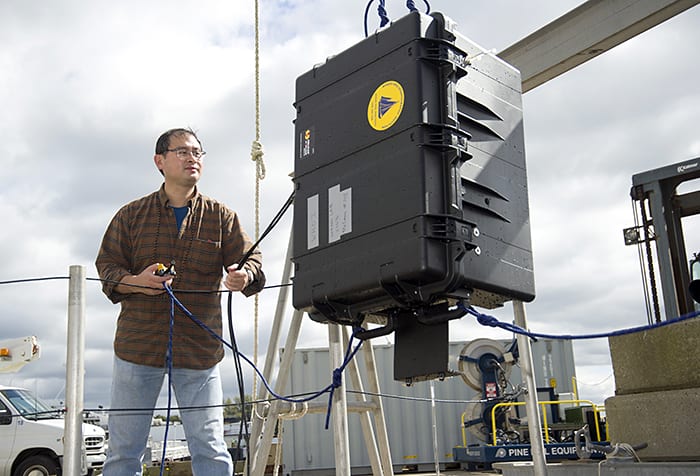
Marine chemist Zhaohui “Aleck” Wang recently tested an instrument he developed in collaboration with WHOI engineers for his research on ocean acidification and the carbon cycle. This all-in-one sensor package…
Read MoreKnife’s Edge
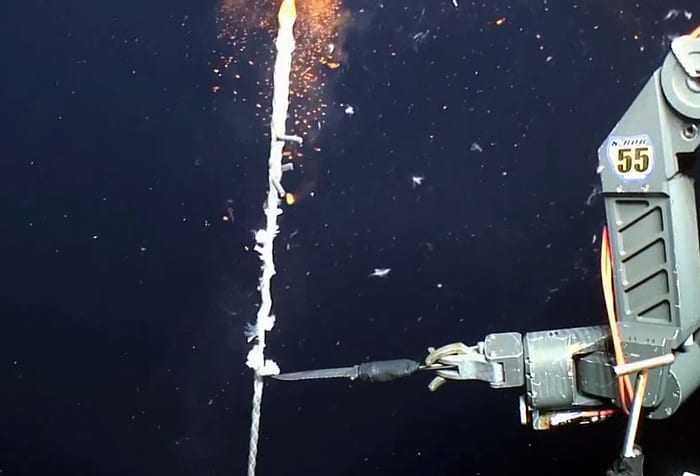
The long arm of Jason, the deep-diving remotely operated vehicle, was equipped with a serrated knife in 2012 to cut a mooring line 6,000 meters (nearly 4 miles) beneath the…
Read MoreShark Tail
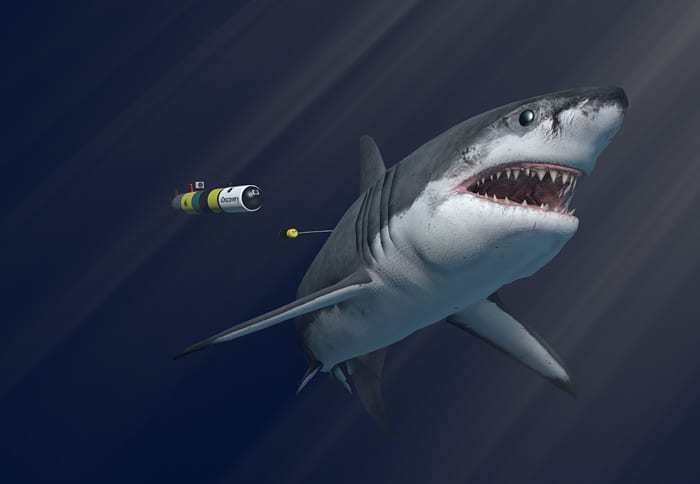
Could a robotic vehicle follow a live, moving shark in the ocean? Engineers in WHOI’s Oceanographic Systems Lab took up that challenge, creating a system called SharkCam. It allowed a…
Read MoreUnexpected Guests
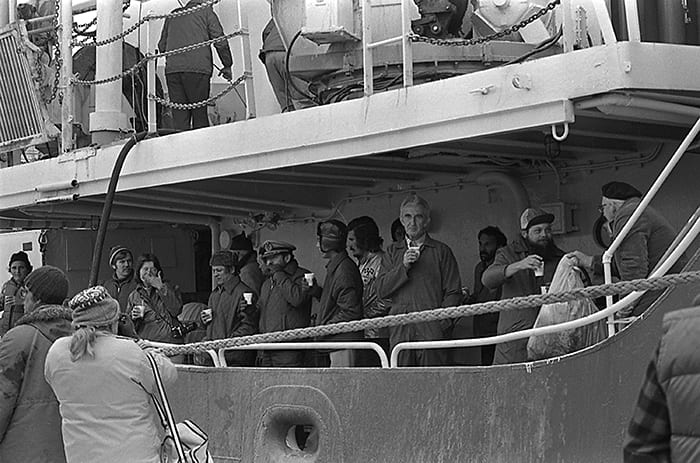
The WHOI ship Atlantis II tied up at the dock in Woods Hole on December 13, 1977, with 11 seamen rescued from the Puerto Rican freighter Ensenada on board. Sipping hot…
Read MoreExplorers in Training
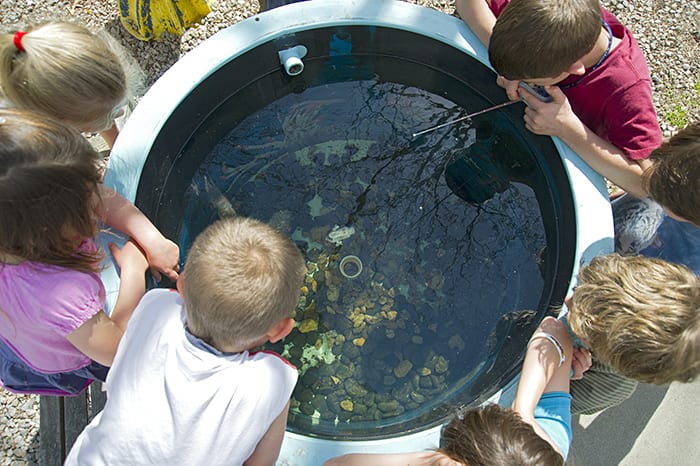
Visitors to the Woods Hole Oceanographic Insitution Ocean Science Exhibit Center take turns at navigating a radio controlled sub through a mock hydrothermal vent field. The activity allows visitors to…
Read MoreGulf Coast Beachcombers
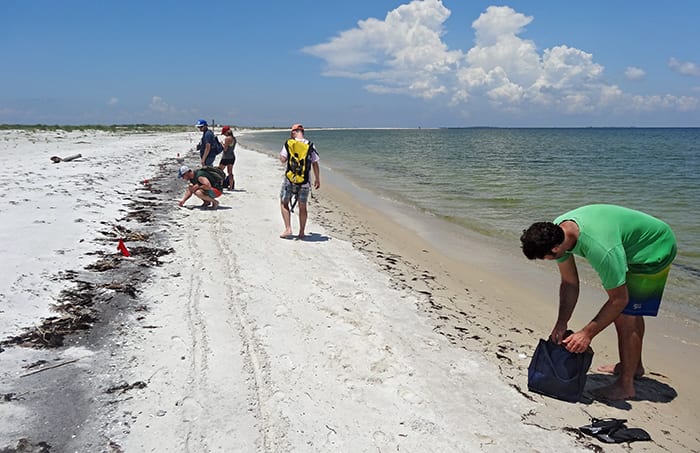
Students and volunteers search a beach along the Gulf of Mexico for “sand paddies,” clumps of sand and oil. The sand paddies they collected were logged into a weathered oil…
Read More