Oceanus Online Archive
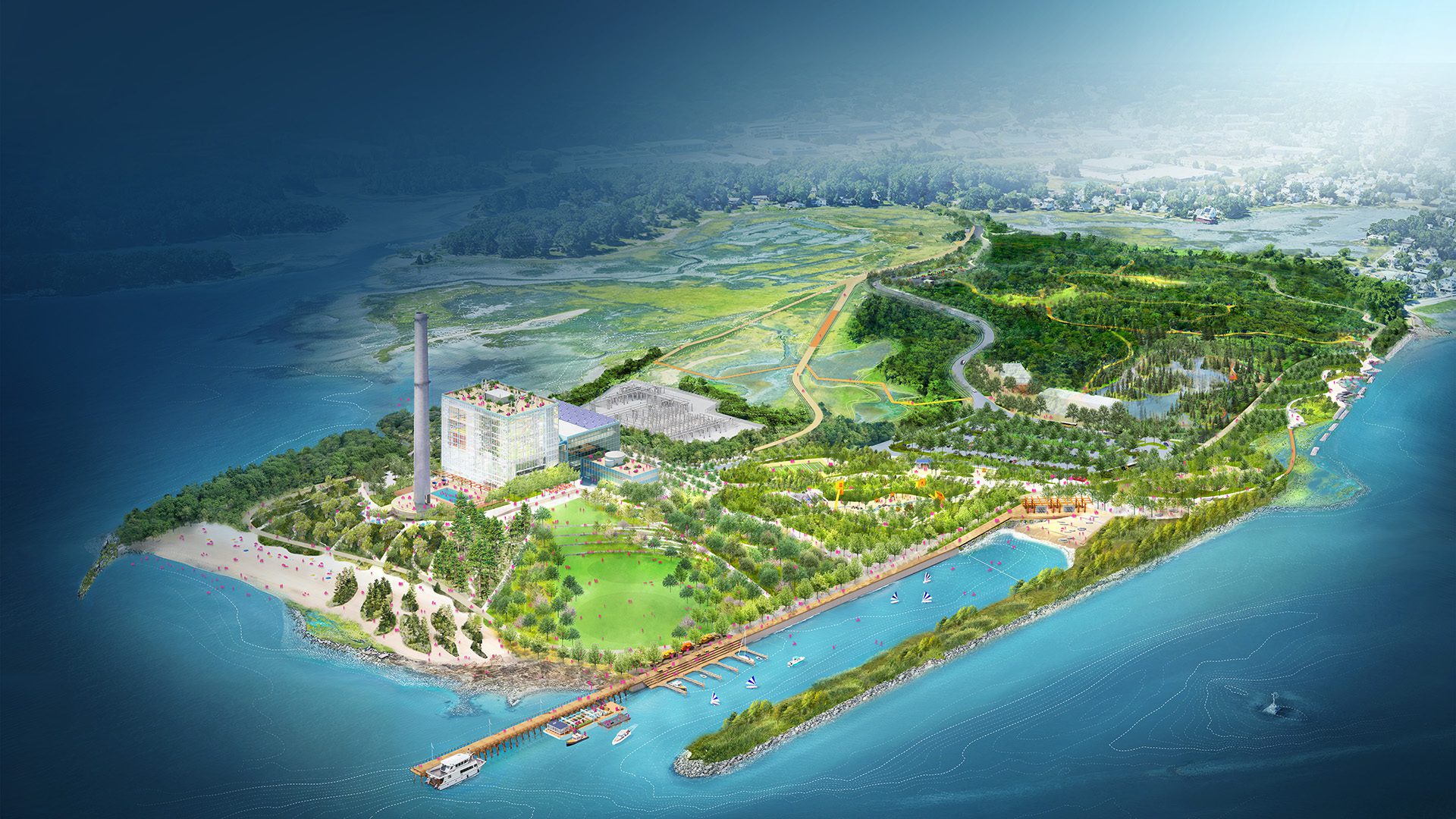
WHOI joins Manresa Wilds Project to help restore part of Connecticut’s coastline
Development of a new coastal green space and public park opens up access to ocean science in Long Island Sound
Read More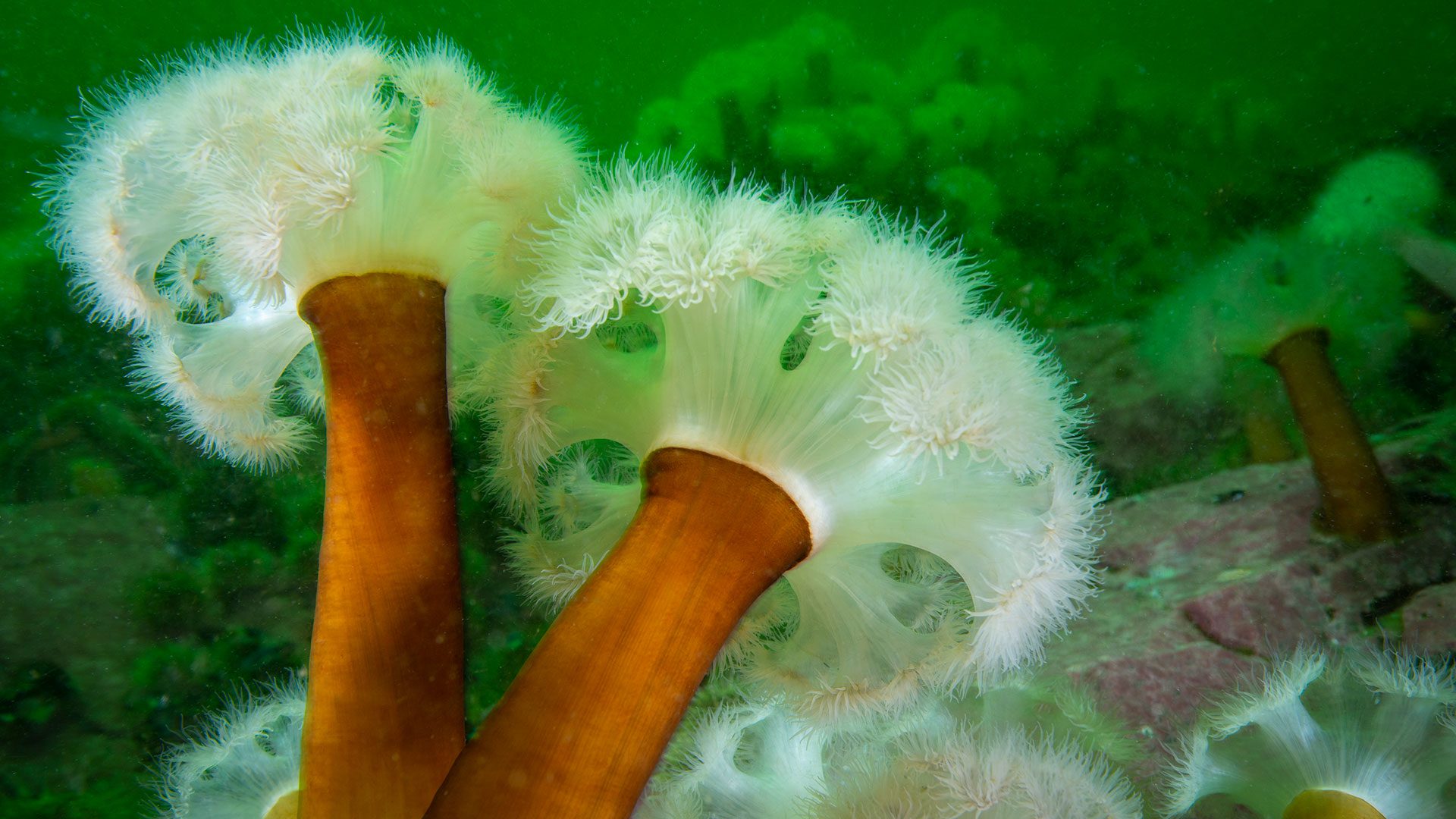
How shipwrecks helped a cold-water anemone move south
Researchers find fluffy anemones spreading south via shipwrecks, revealing how artificial reefs and ocean currents connect marine habitats
Read More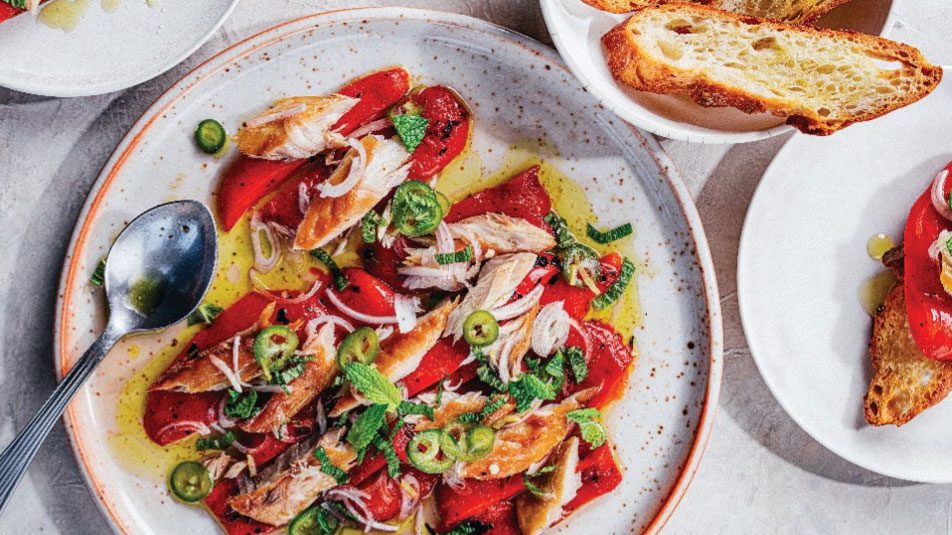
Recipe: Roasted peppers with smoked mackerel, mace, and mint
This seafood recipe by chef and author Barton Seaver is a great introduction to sustainable seafood
Read More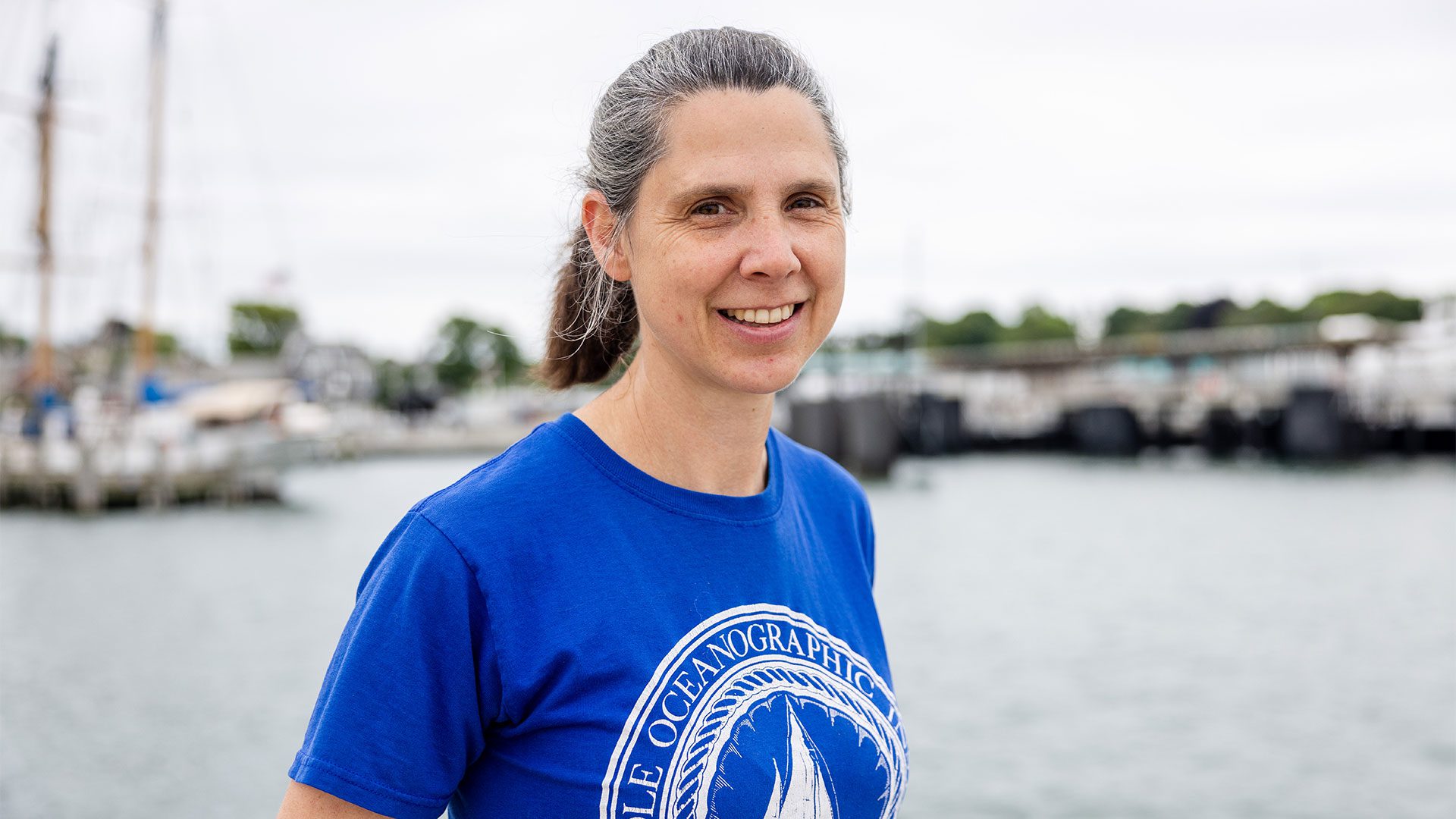
Sampling Gulf Stream plankton, one teaspoon at a time
Three questions with marine research technician Emily Peacock
Read More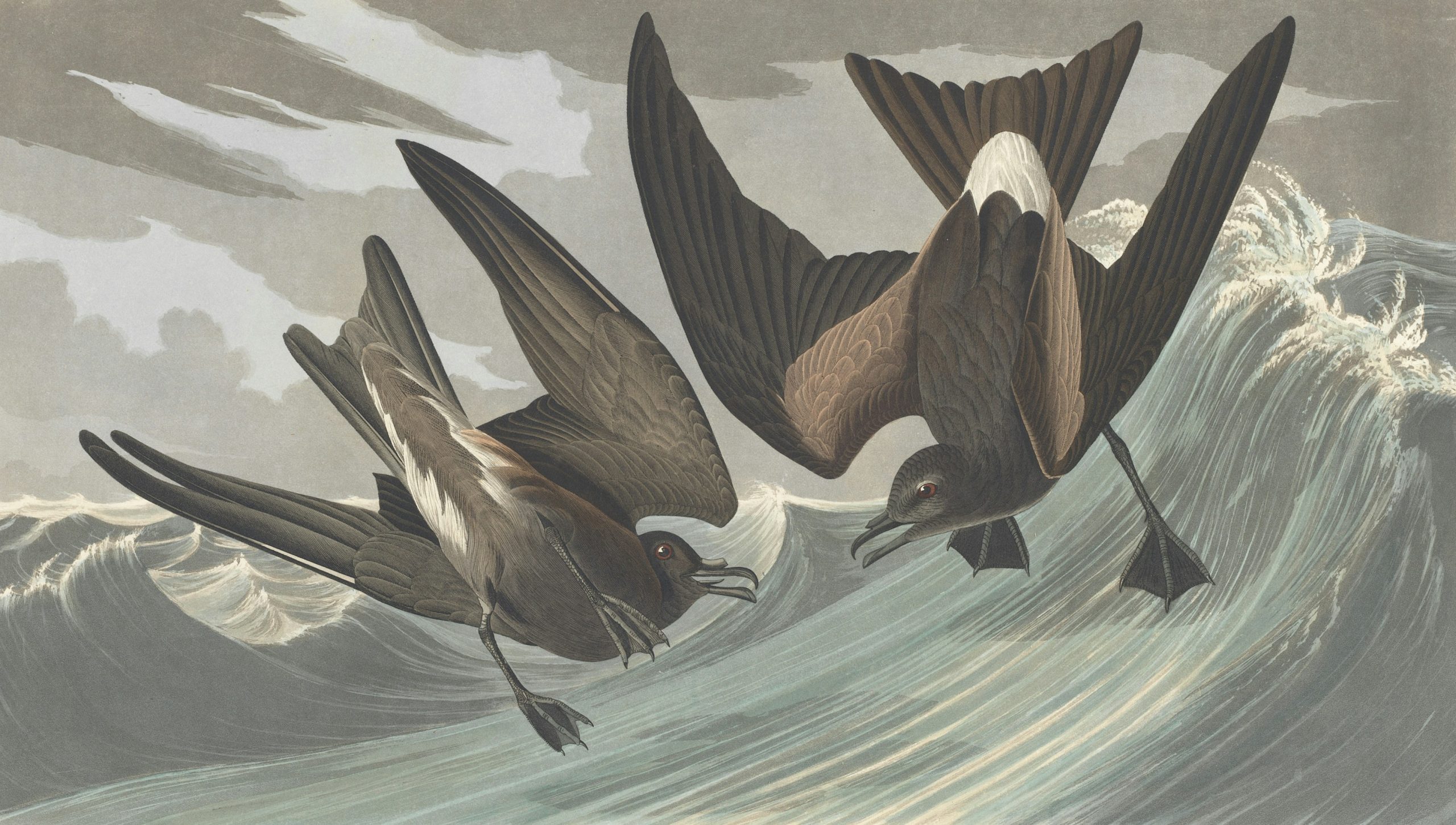
These seabirds fly toward cyclones, not away from them
New GPS tracking on petrels reveals a surprising survival strategy hidden in the eye of the storm
Read More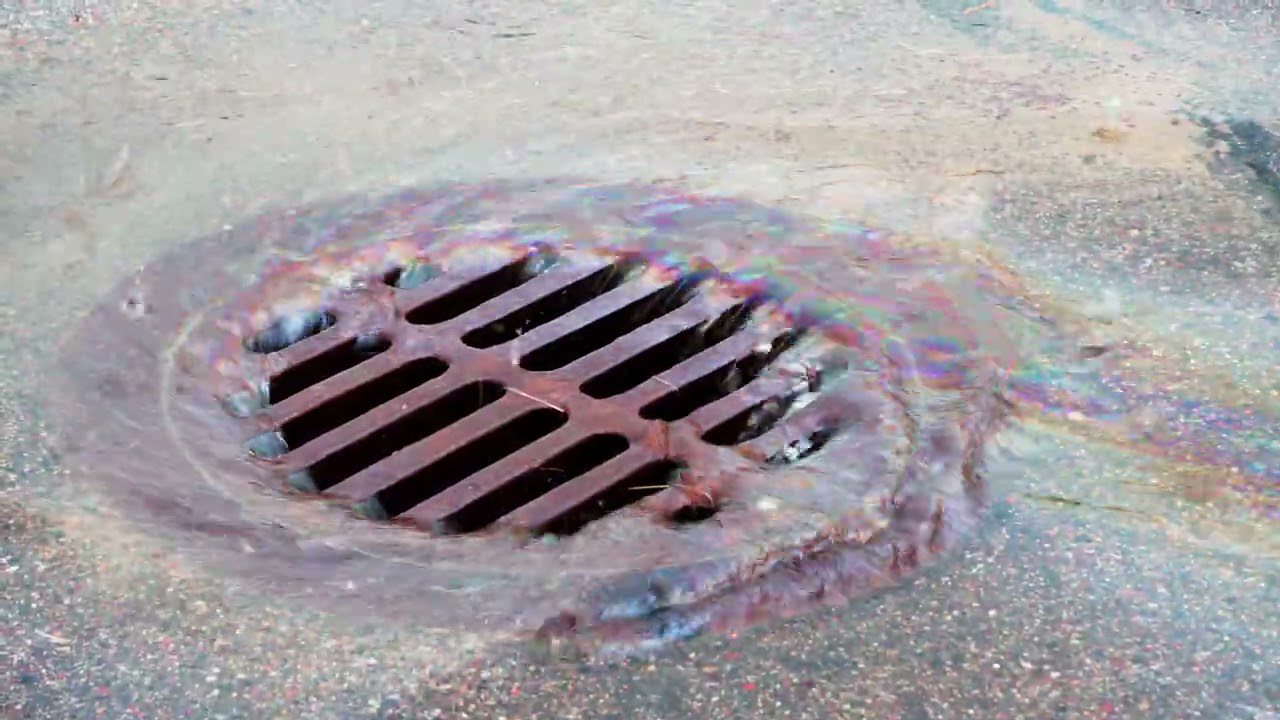
Are big spills the main source of ocean oil?
Evidence shows that smaller leaks on land contribute far more oil to our oceans
Read More
Reclaiming knowledge from the sea
Jordan Kennedy combines Indigenous knowledge, engineering, and observation to rethink how coastal landscapes are studied and restored. Her work on clam gardens and autonomous mapping systems explores how revitalizing these ancient systems can also reclaim knowledge and relationships between people, place, and practice.
Read More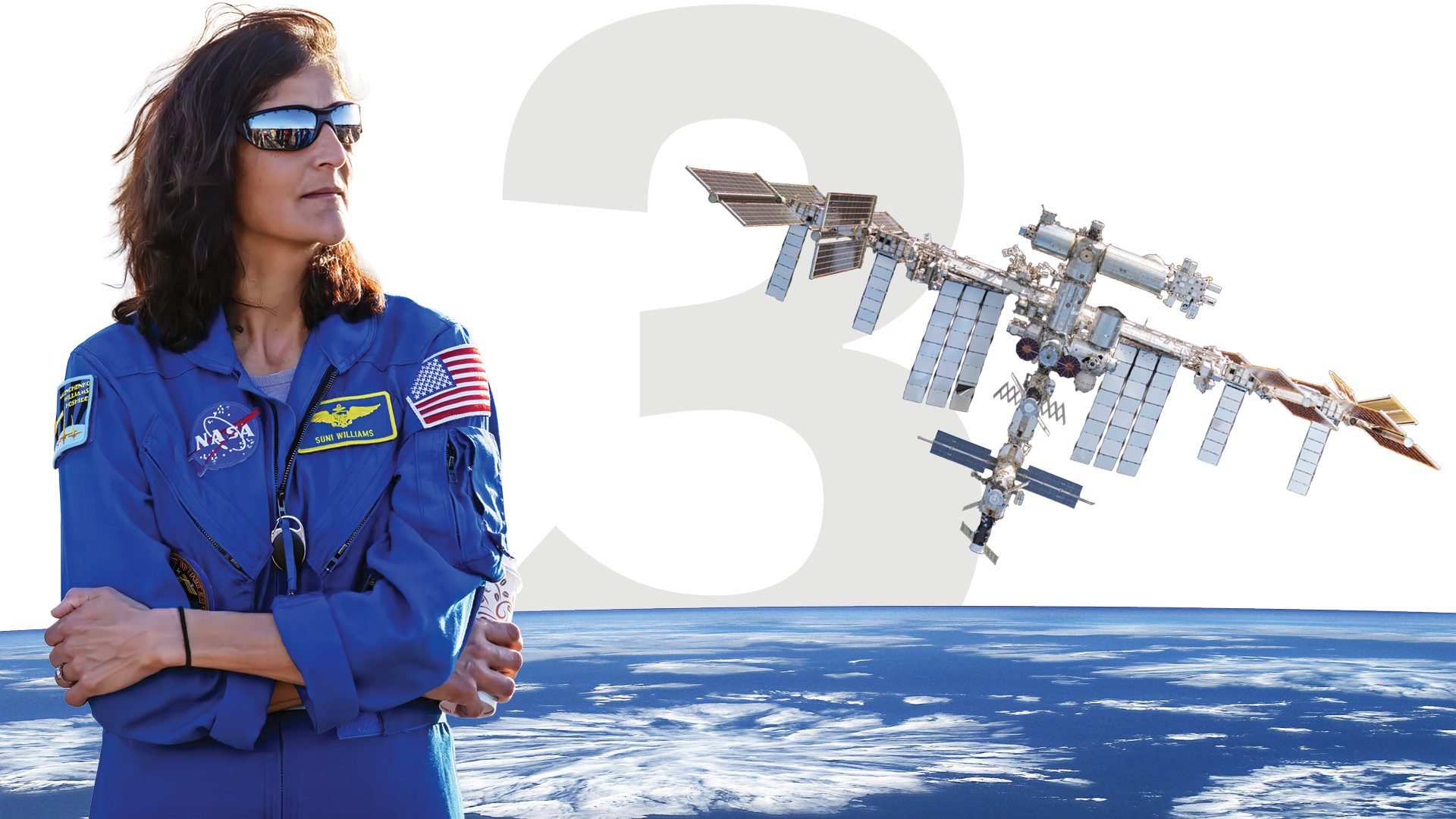
3 questions with a former NASA astronaut
WHOI Corporation Member Sunita Williams discusses space exploration, ocean science, and environmental stewardship
Read More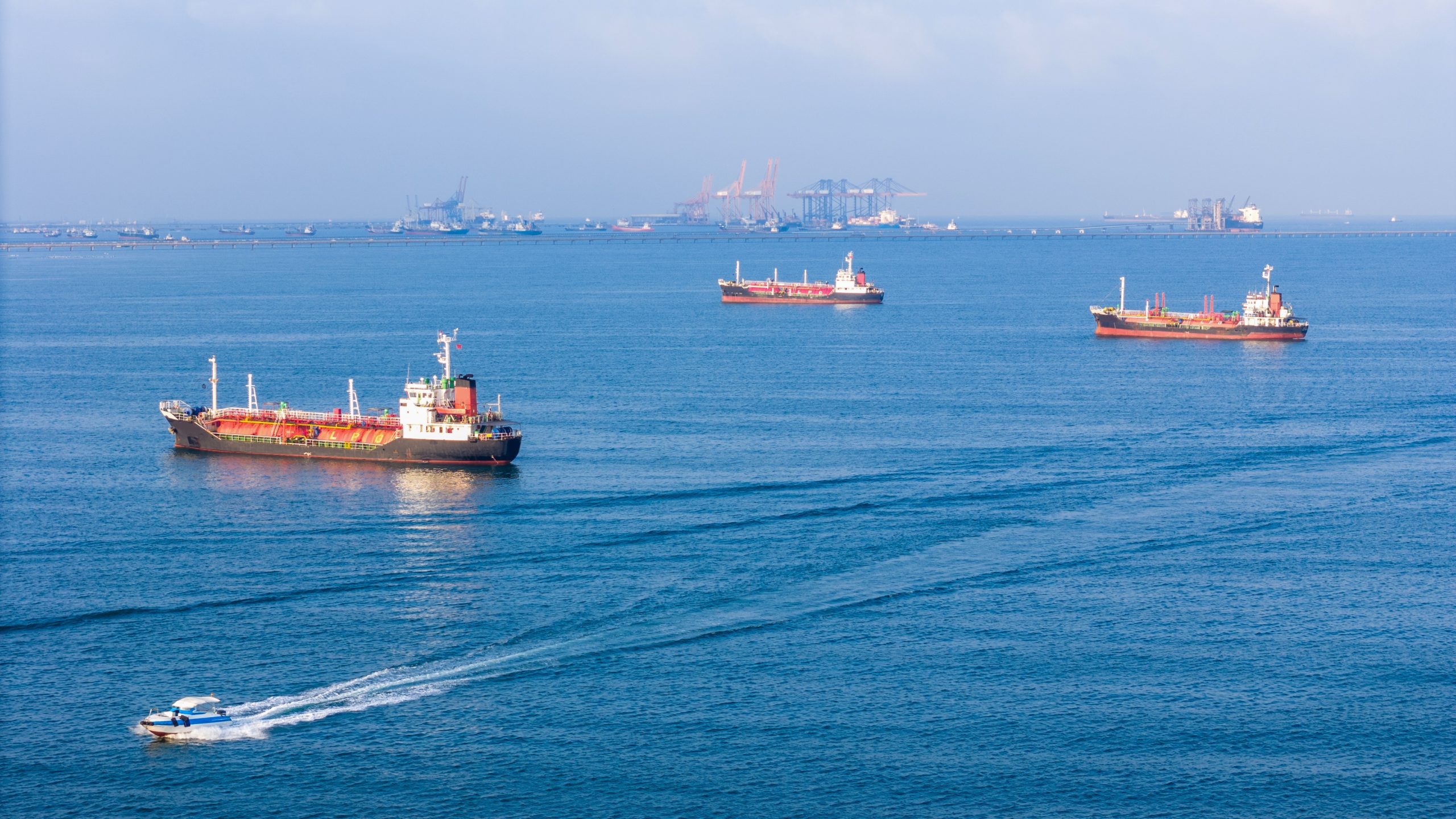
Ships in the Strait of Hormuz are becoming invasive species breeding grounds
Beneath the waterline of every ship stalled in the Persian Gulf, a thriving underwater city takes shape—barnacles, algae, mussels, sea squirts. Some of those hitchhikers could reach coastlines they’d never find on their own.
Read More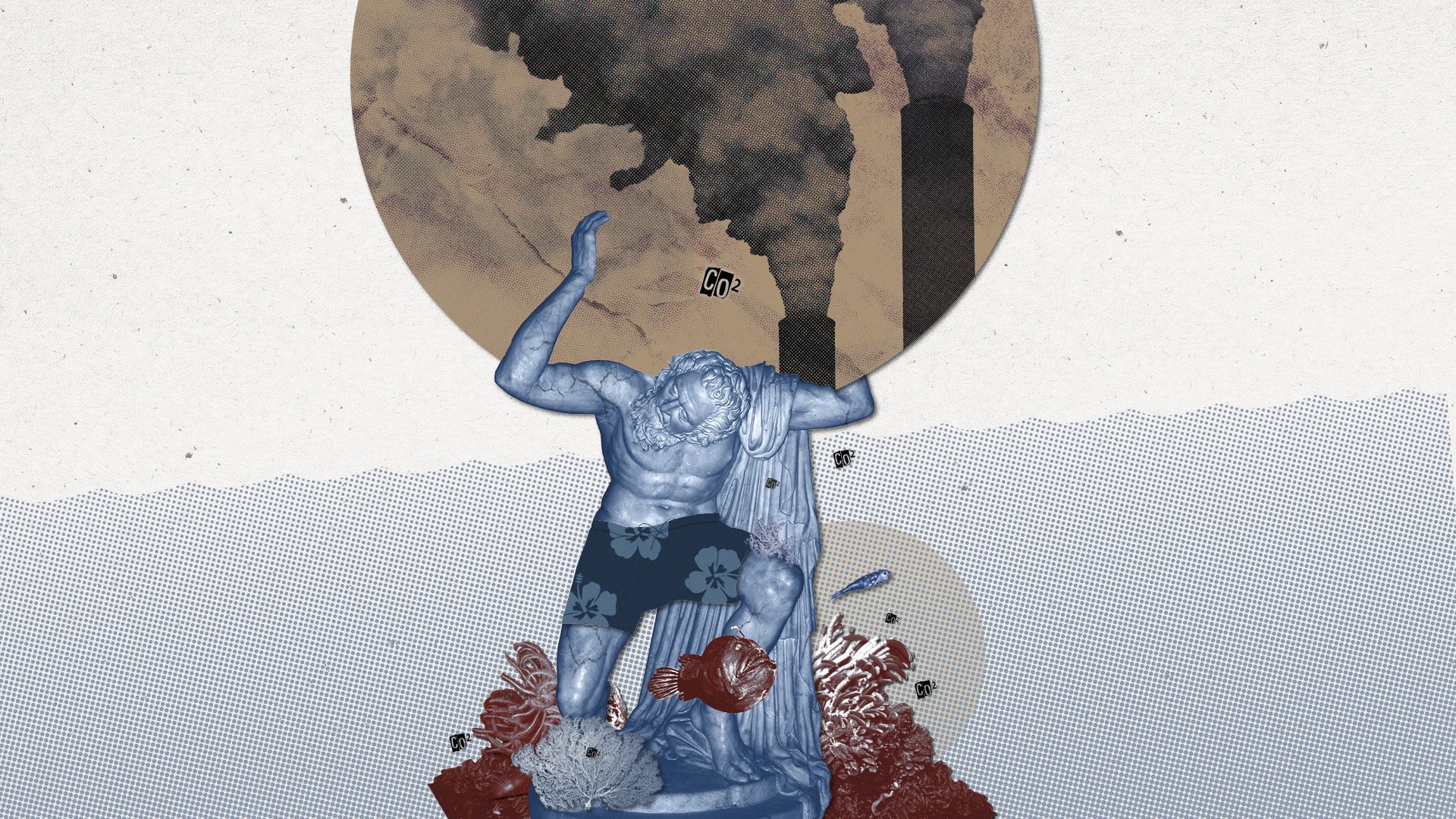
Is the ocean carbon sink at risk of faltering?
WHOI scientists explain how the ocean mitigates climate change—and could be compromised by it
Read More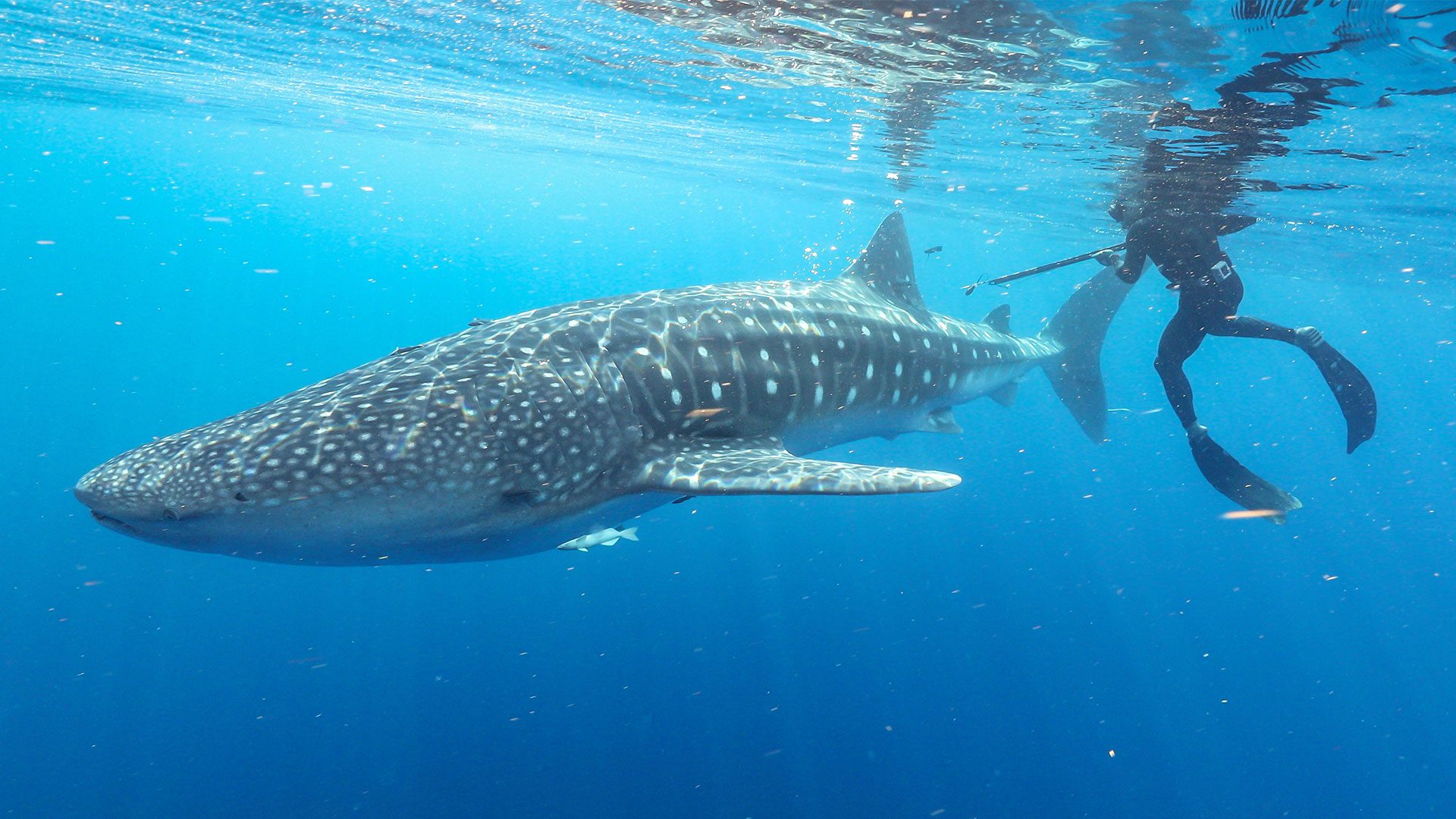
3 questions with Cam Braun
Marine biologist Camrin Braun explains why the world’s largest fish visit waters off Cape Cod—and what their epic migrations reveal about a changing ocean
Read More
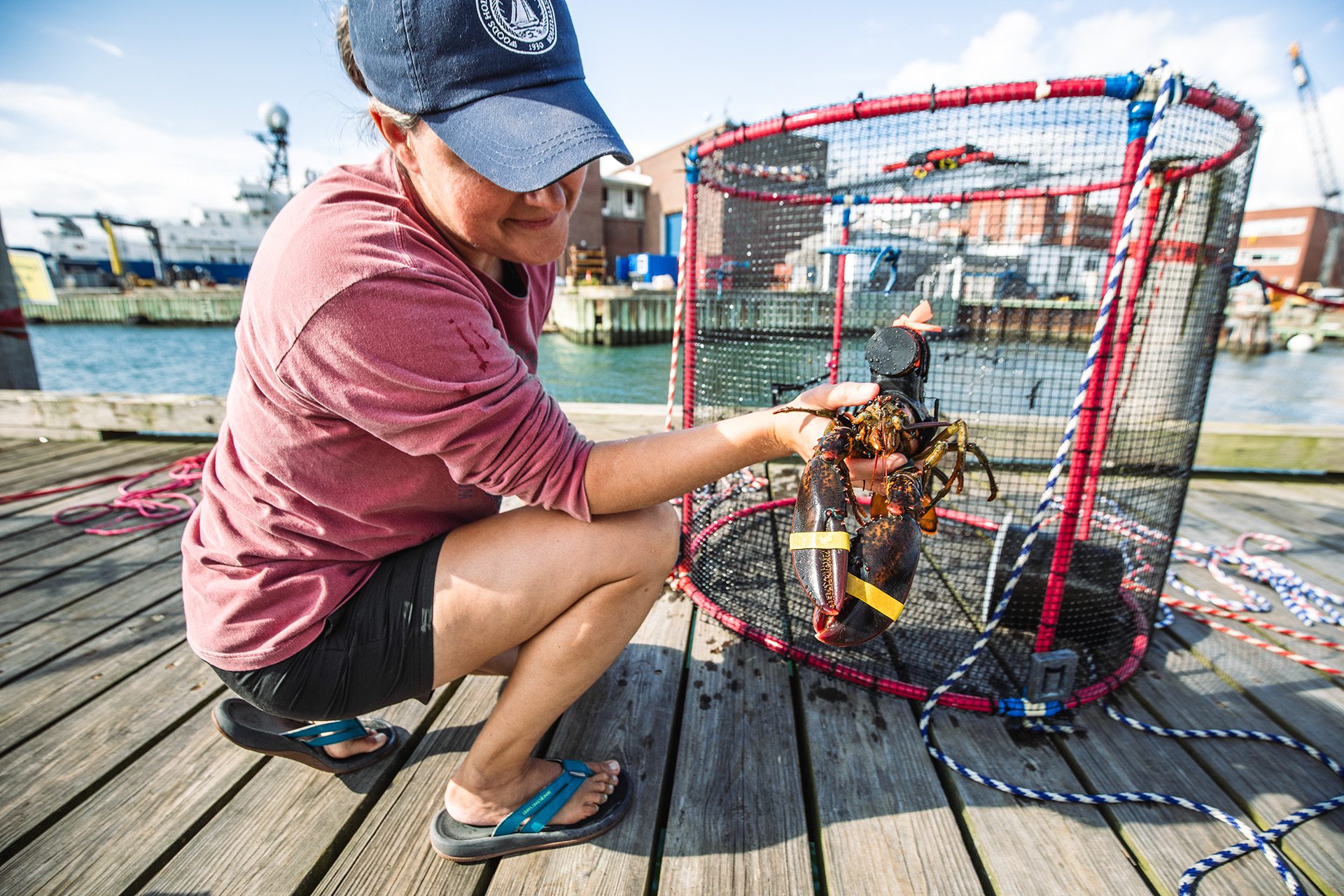
Is underwater noise from construction affecting the American Lobster?
WHOI’s Sensory Ecology Lab investigates whether an industrialized soundscape impacts the health of a New England icon
Read More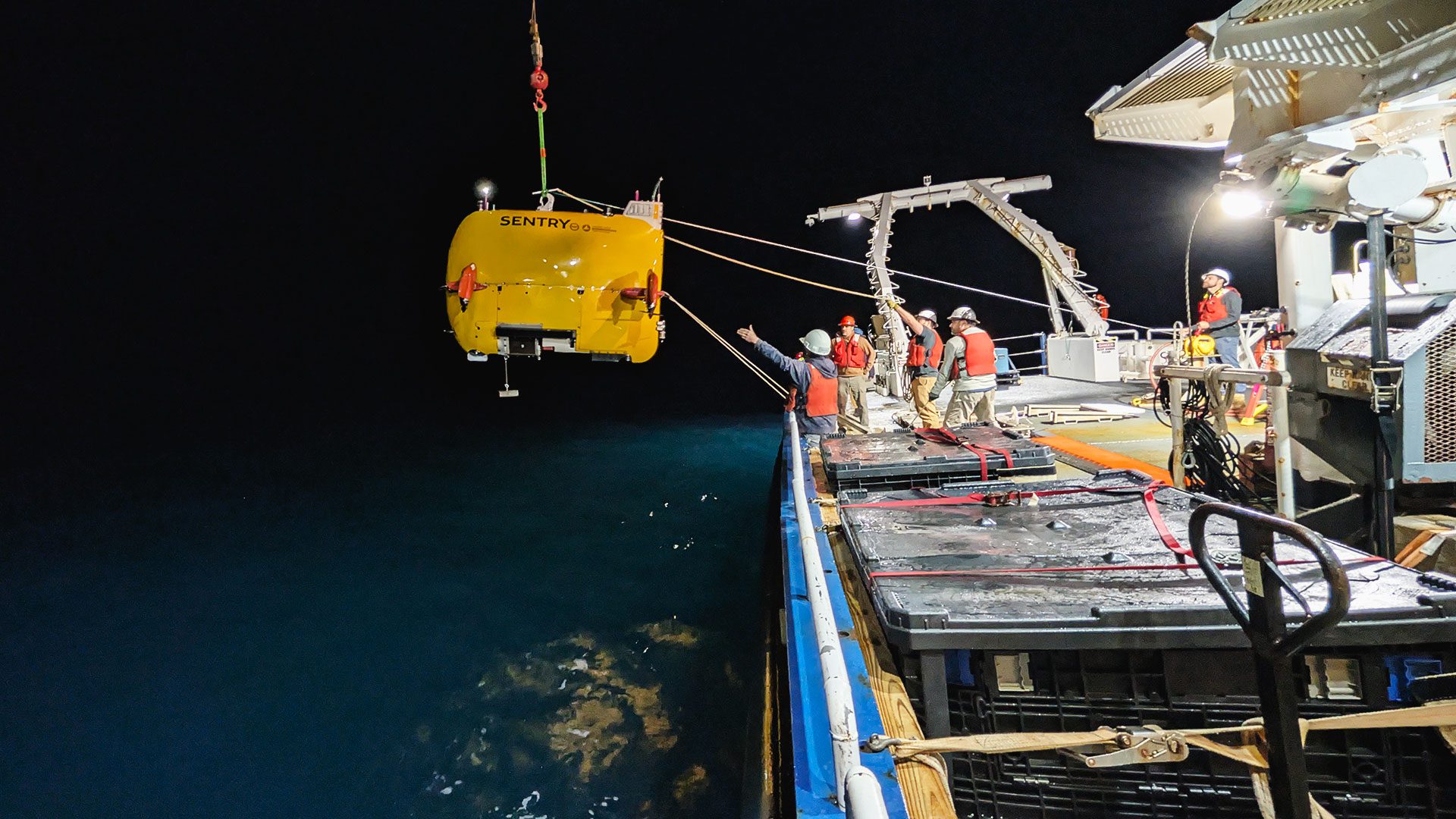
Exploring Atlantic seeps
AUV Sentry leads the way in mapping and monitoring methane bubbling from the seafloor
Read More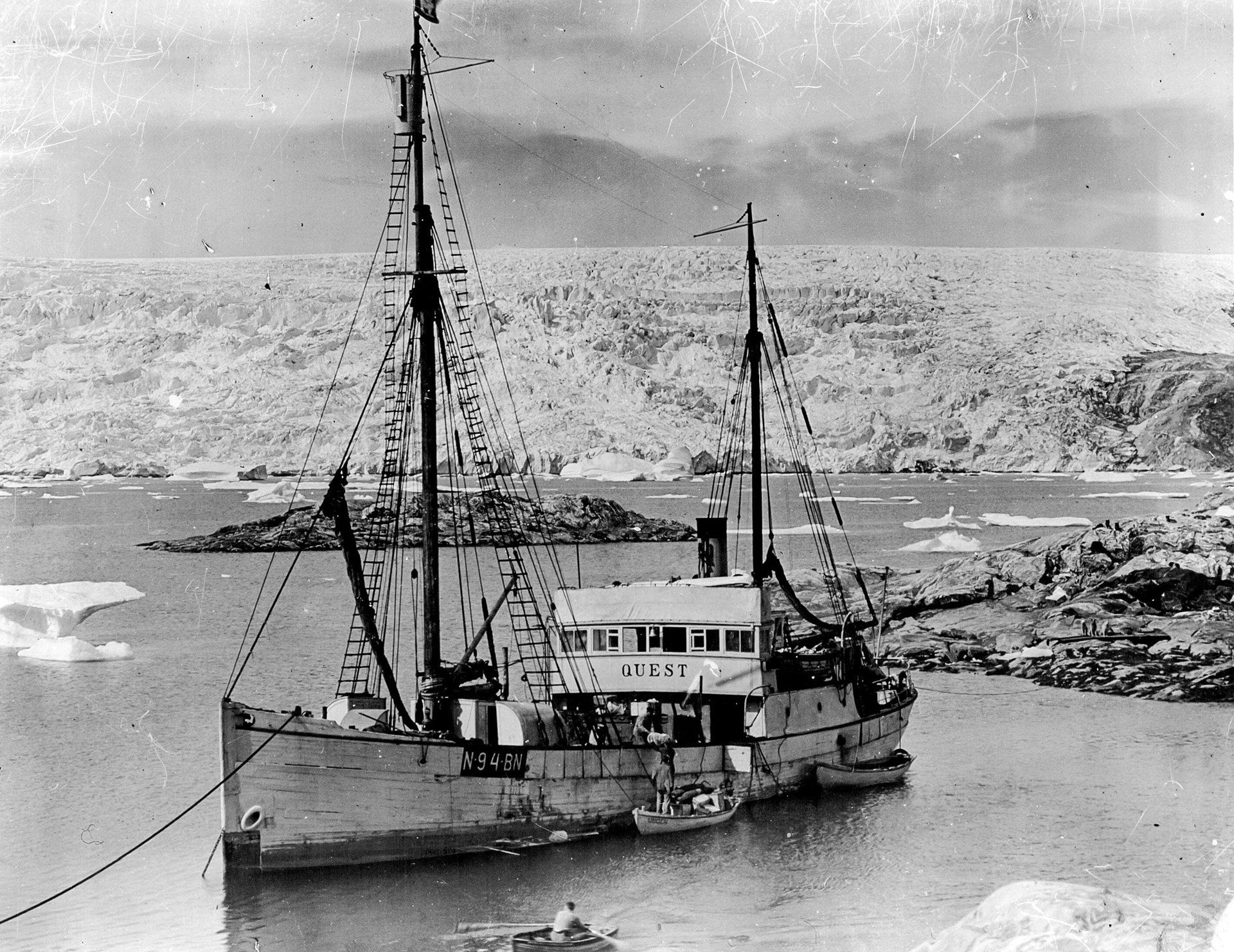
A once-in-a-generation dive into polar history
40 years after helping reveal the Titanic, Alvin returns to the North Atlantic to document two other legendary shipwrecks
Read More
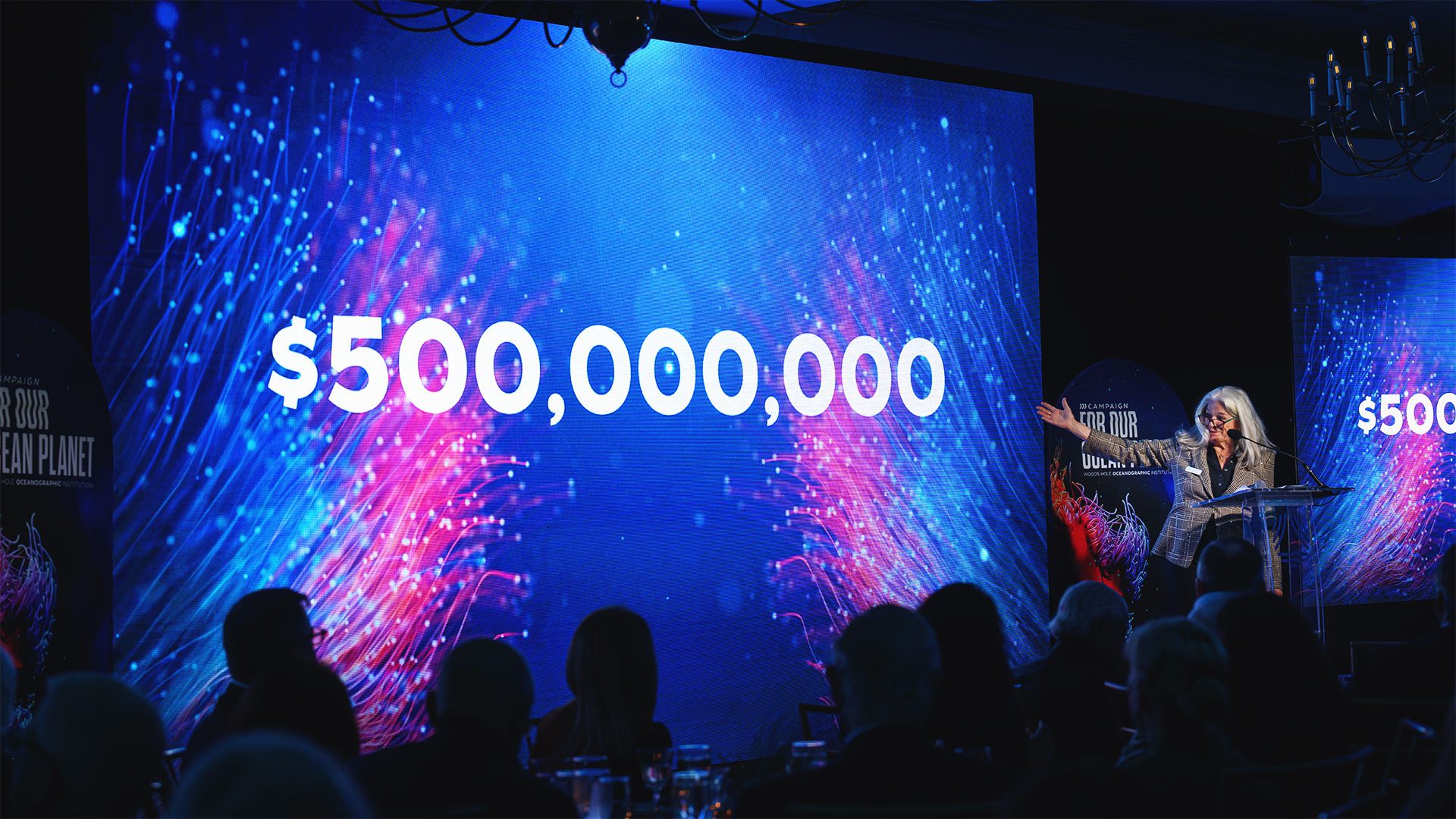
Campaign for Our Ocean Planet
WHOI launches an audacious fundraising effort for ocean science
Read More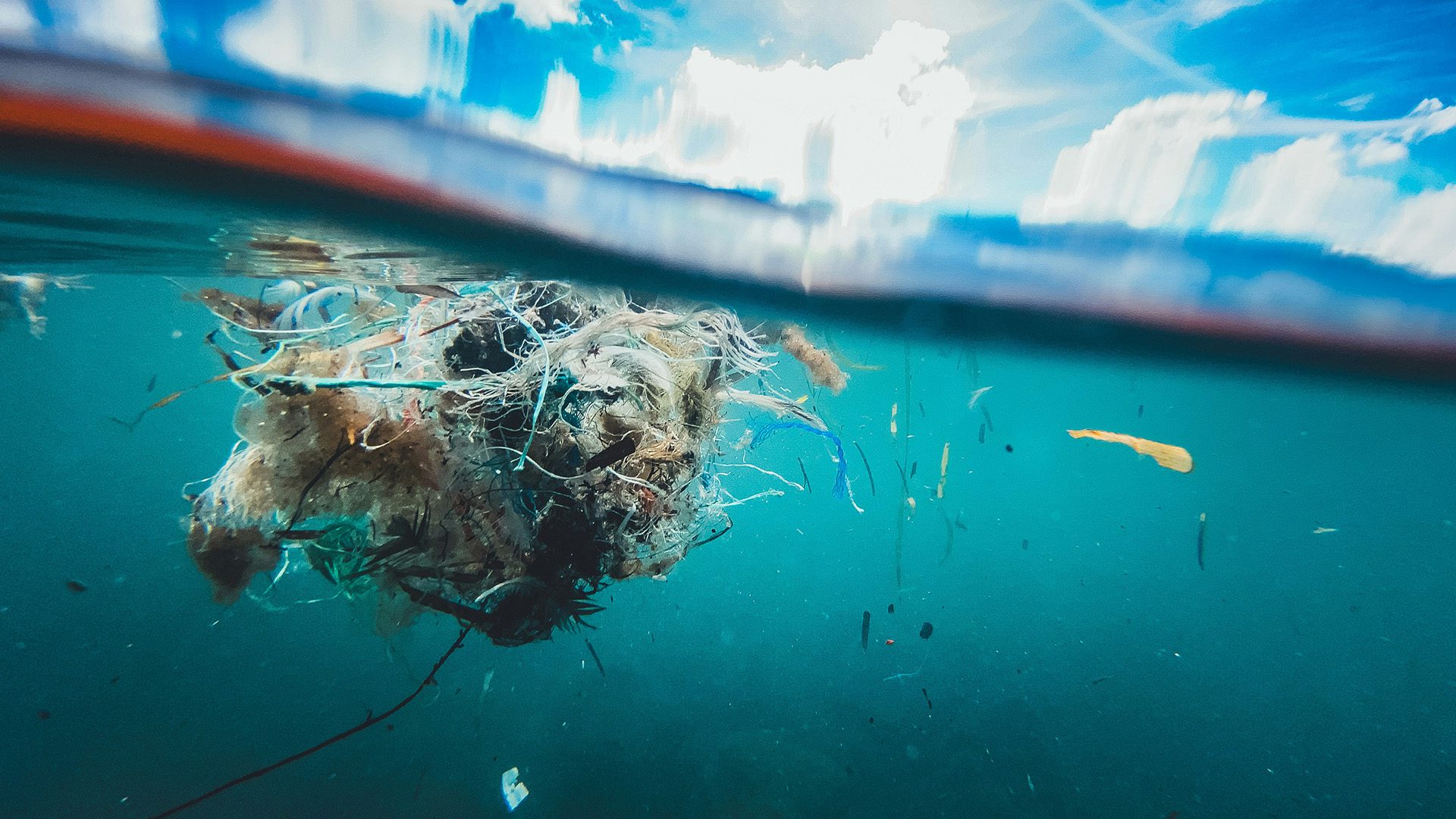
Deep-sea dustbins
The marine debris concentrating in the Northwest Atlantic’s underwater canyons
Read More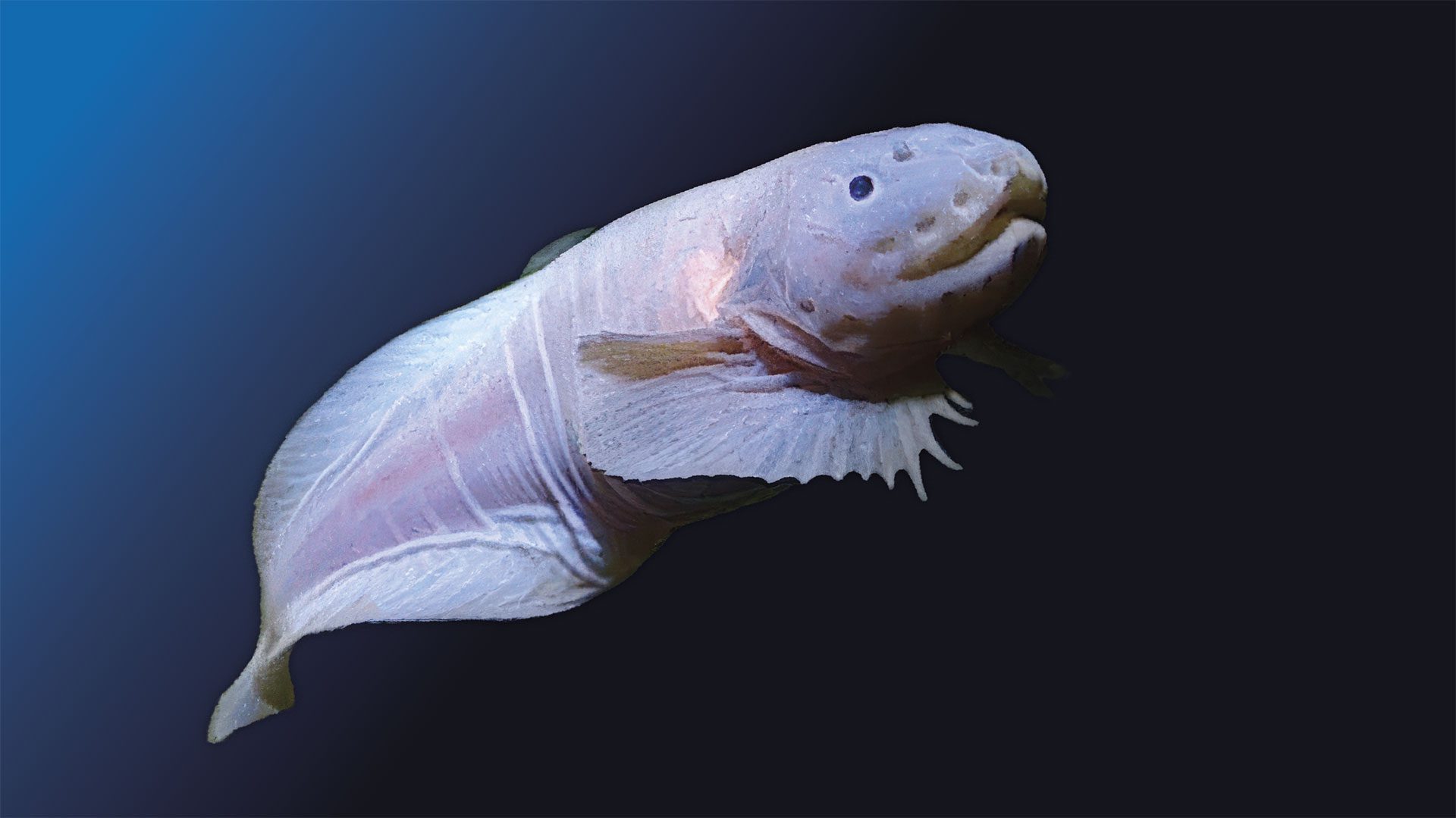
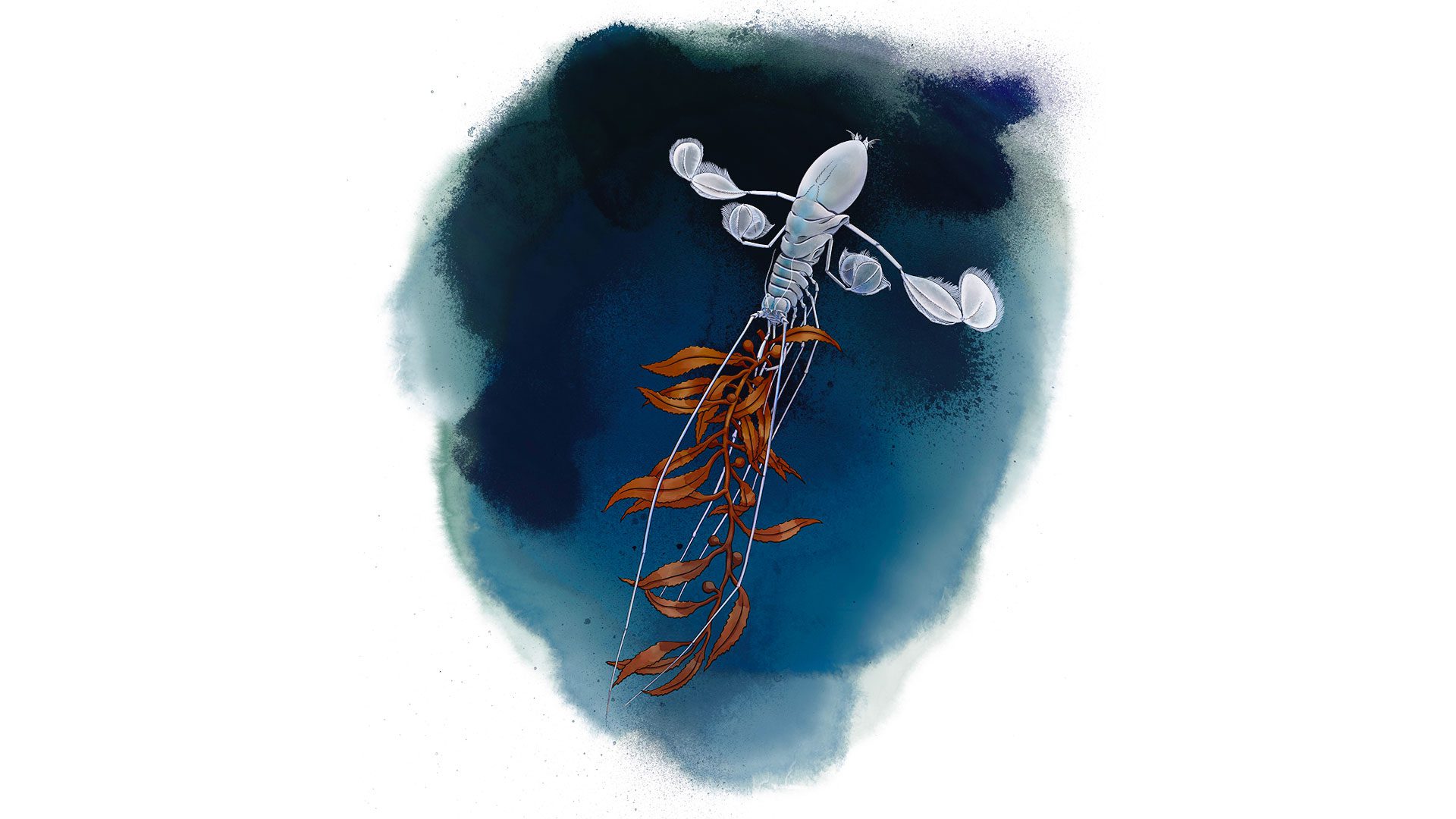
A hadal zone mystery solved
An upside-down swimming isopod shows how tightly we are connected to the deep ocean
Read More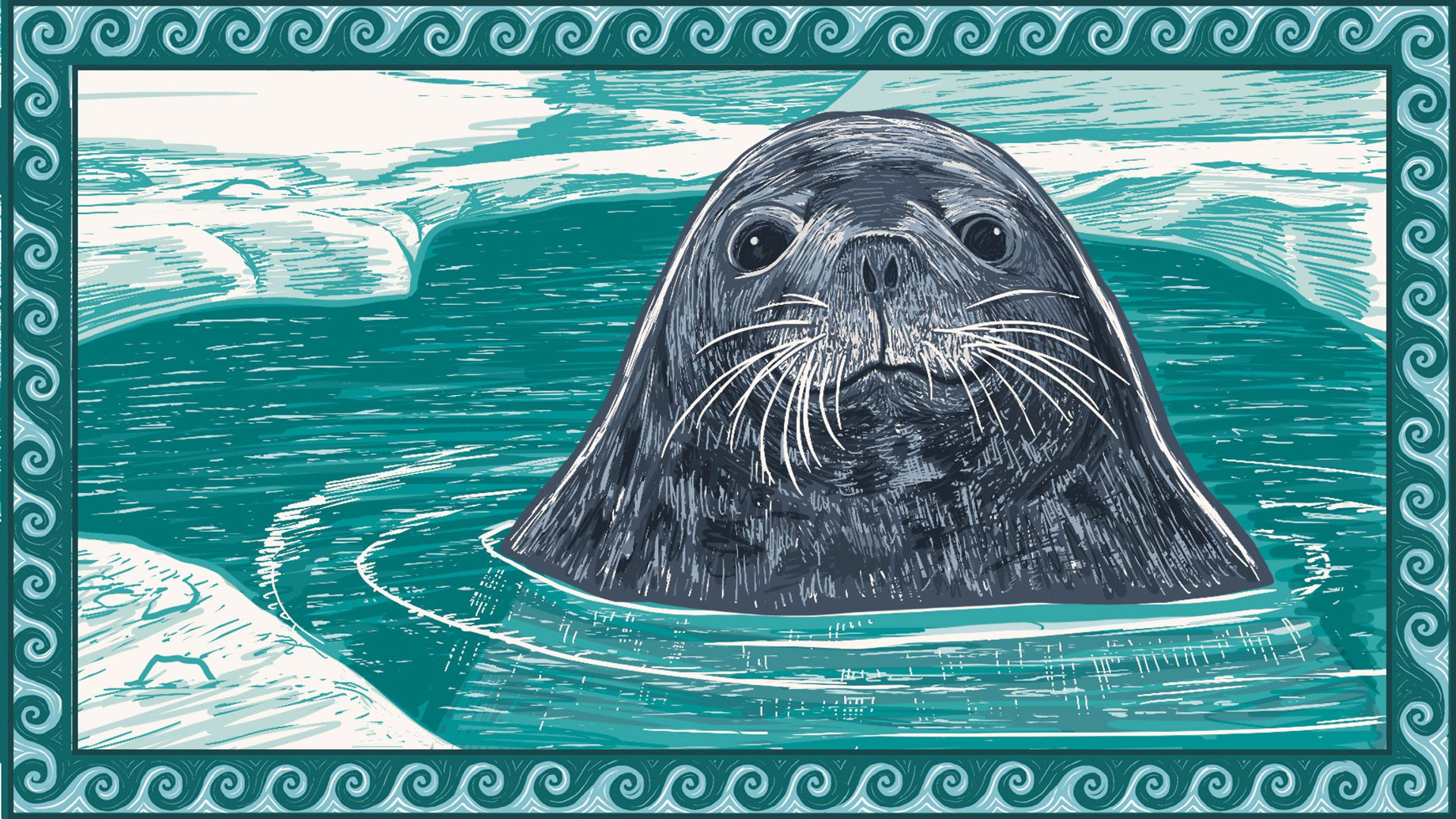
A mother seal dives
Follow a Weddell seal as her body adapts to foraging in deep, frigid waters
Read More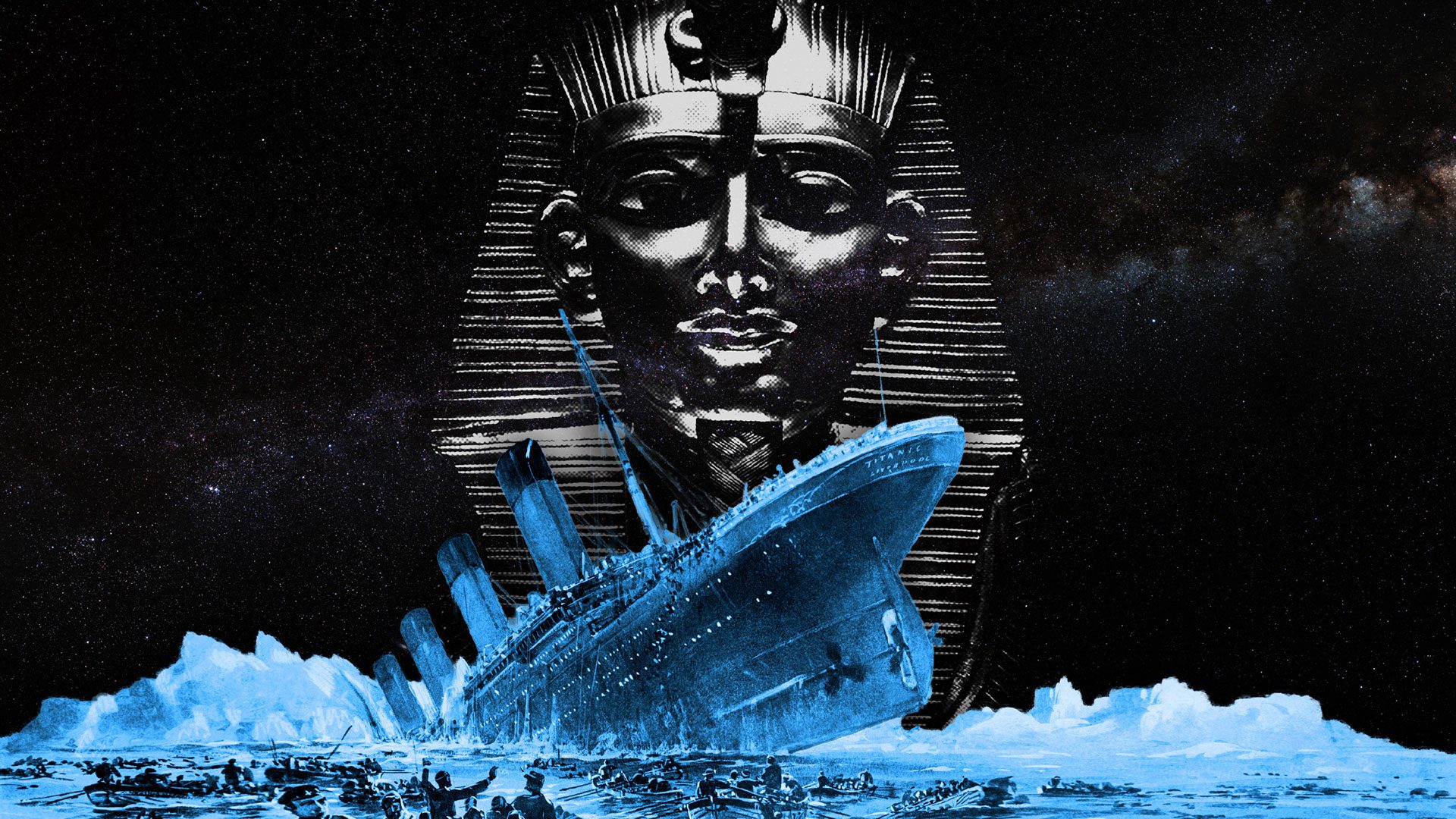
A mummy, a myth, and the Titanic
A 1986 handwritten letter to Bob Ballard revisits one of the Titanic disaster’s strangest myths
Read More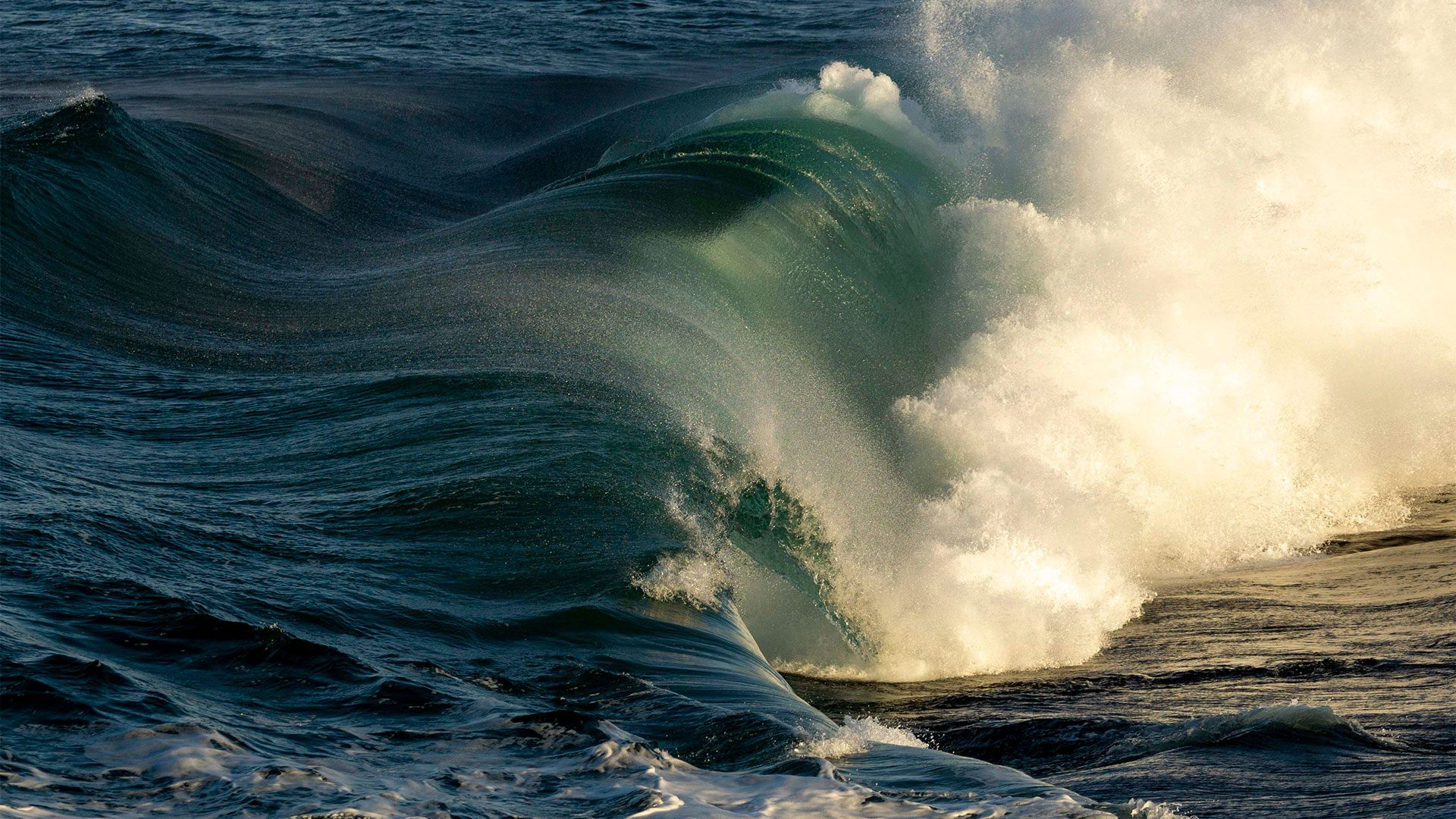
Turning motion into power: Wave energy converters for sustainable ocean monitoring
In the rapidly evolving world of ocean technology, wave energy is emerging as a promising pathway toward resilient, low-maintenance ocean observation systems. Julie Fouquet, CEO of 3newable LLC, and her team…
Read More