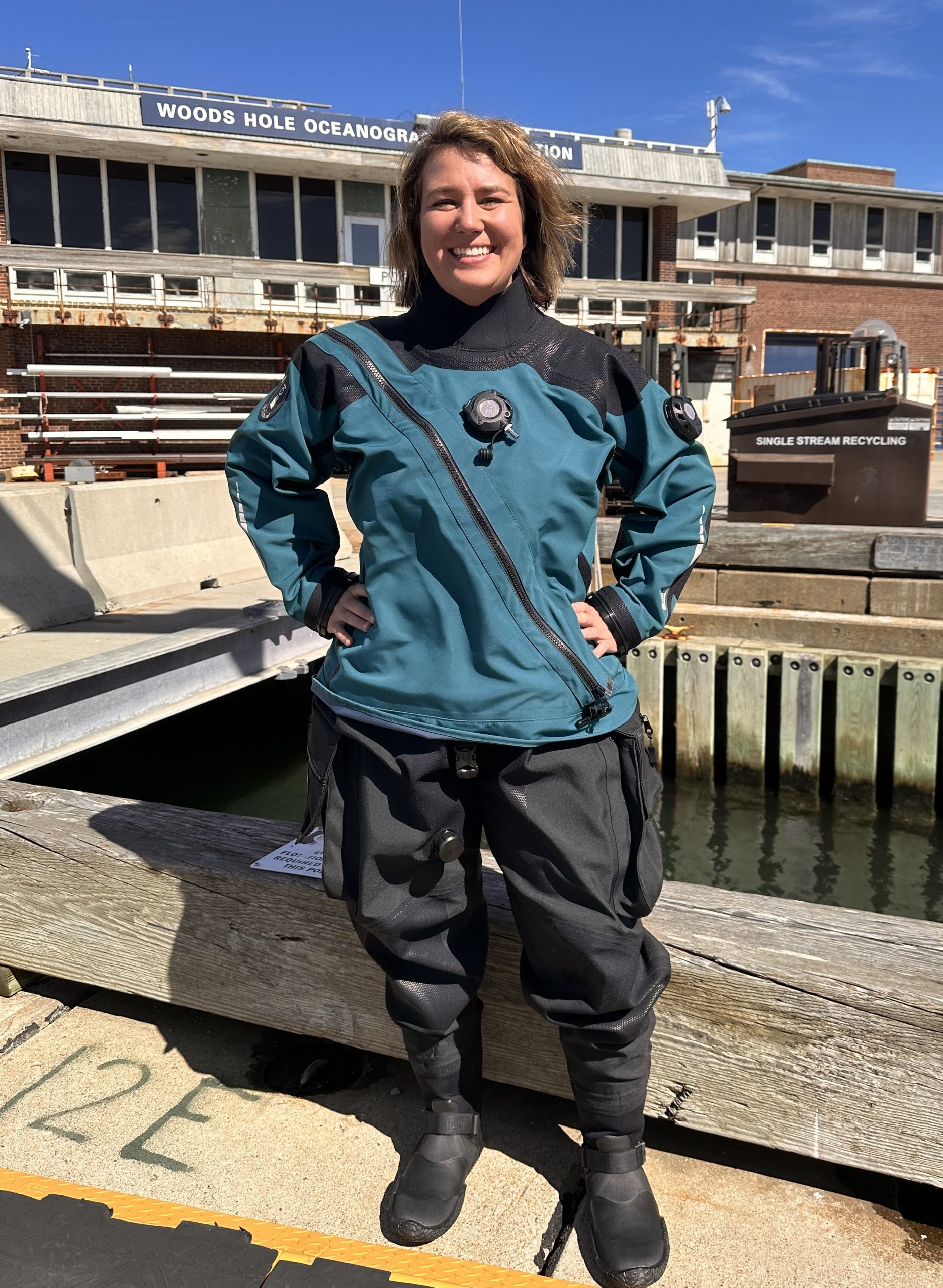
I grew up right off of Cape Cod, so I've always kind of been surrounded by water. My dad was a dive instructor, so diving's kind of always been a part of my life. I got certified when I was 13, so I've been diving for close to 25 years at this point. It’s kind of crazy but that's probably more than half my life I've spent underwater!
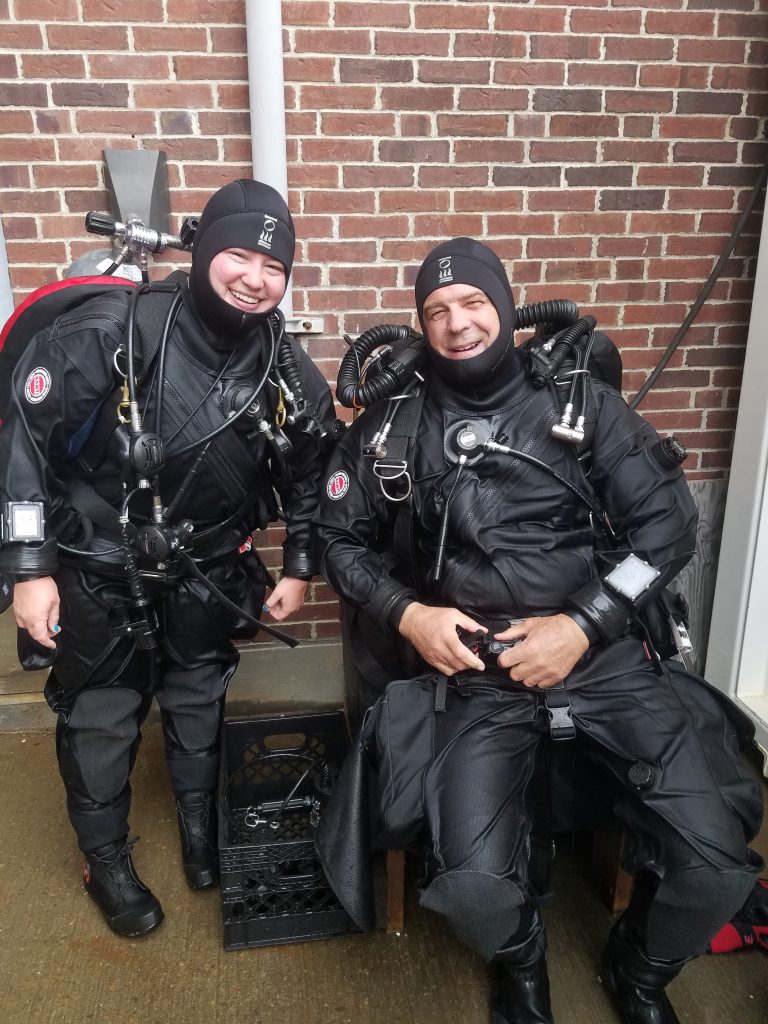
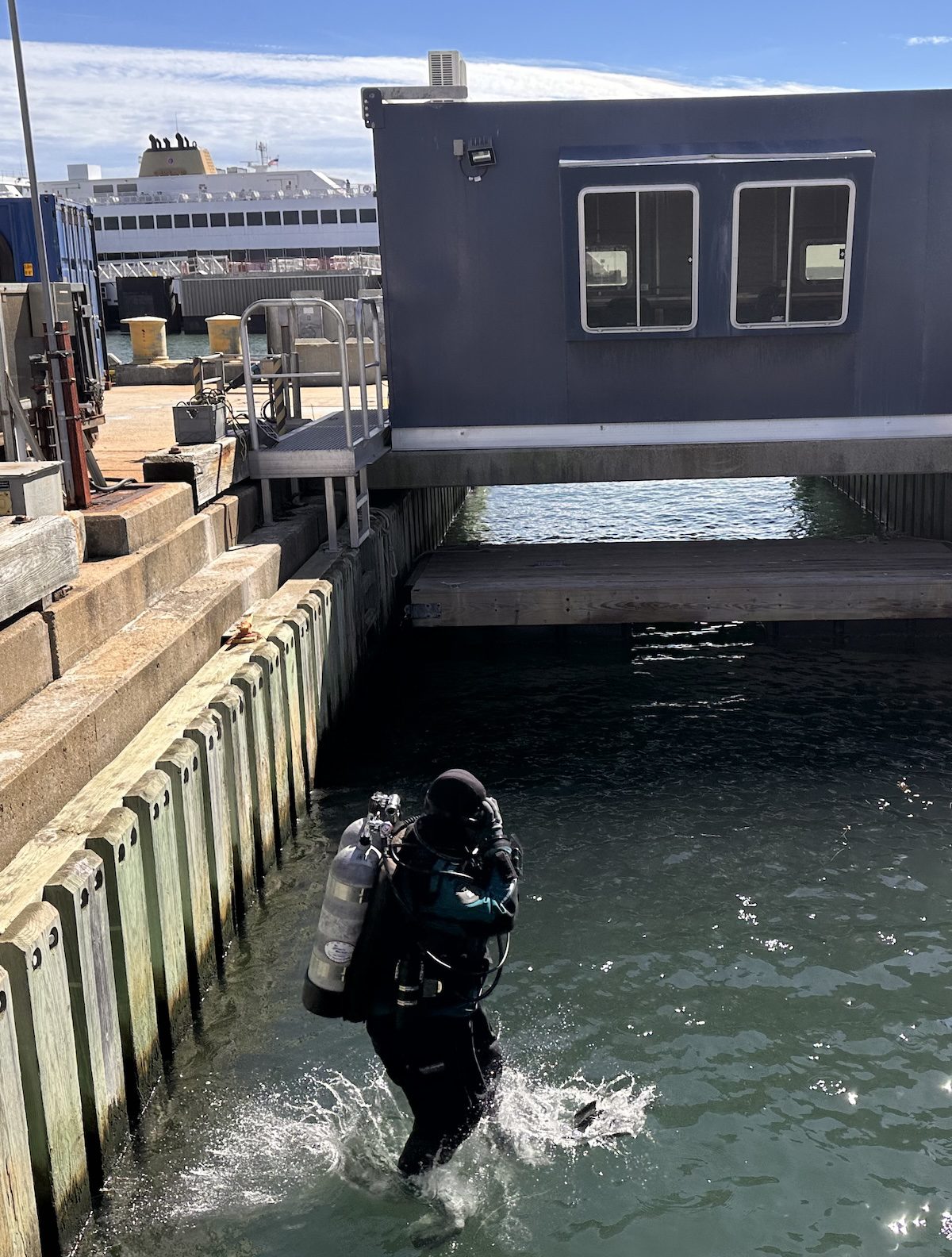
Scientific diving is not what most would know as recreational diving, as it is not a certification. It builds on those same basic skills, adds additional training and tools, and keeps divers active through their host organization. We have about 60 science divers here at WHOI and usually up to 12 students every year, and we need to get them up to speed with either becoming a scientific diver or expanding their skills to dive in a new environment. The equipment can range from basic SCUBA to CCR [rebreather] diving, allowing scientists to go deeper or stay longer at data sites.
From an early age, I just had this dream of wanting to get paid to travel the world and dive. I really figured out my direction after an internship my freshman year with the Boston Sea Rovers. Then I took a break between undergrad and grad school and worked at the Monterey Bay Aquarium in their dive office. And that's kind of what solidified me wanting to be in a dive officer role. I realized pretty quick that I'm a field person. I love being in the field, doing the data collection.
Anytime I can just be in the field, driving boats and diving, I'm a lot happier than being in a lab myself.
I kind of view the ocean as home in two ways. So one, it's where I grew up. And two, when I'm in the water, it's really peaceful and quiet. So it's kind of like a home in that sense too, just quieting the noise that happens on land. So I do escape New England every once in a while to see other oceans and other tropical areas. But I still have partial views to New England and our heartier waters up here.
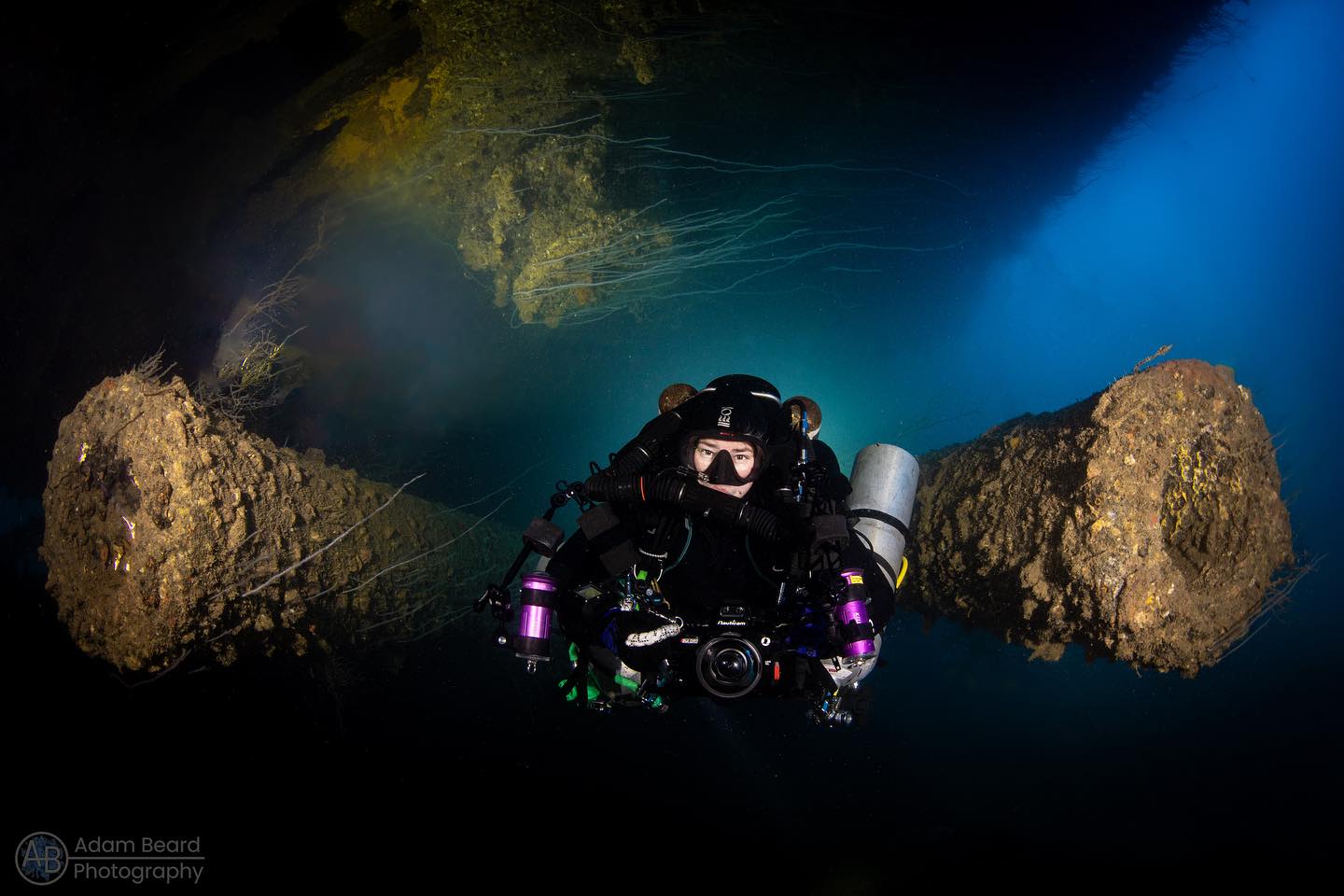
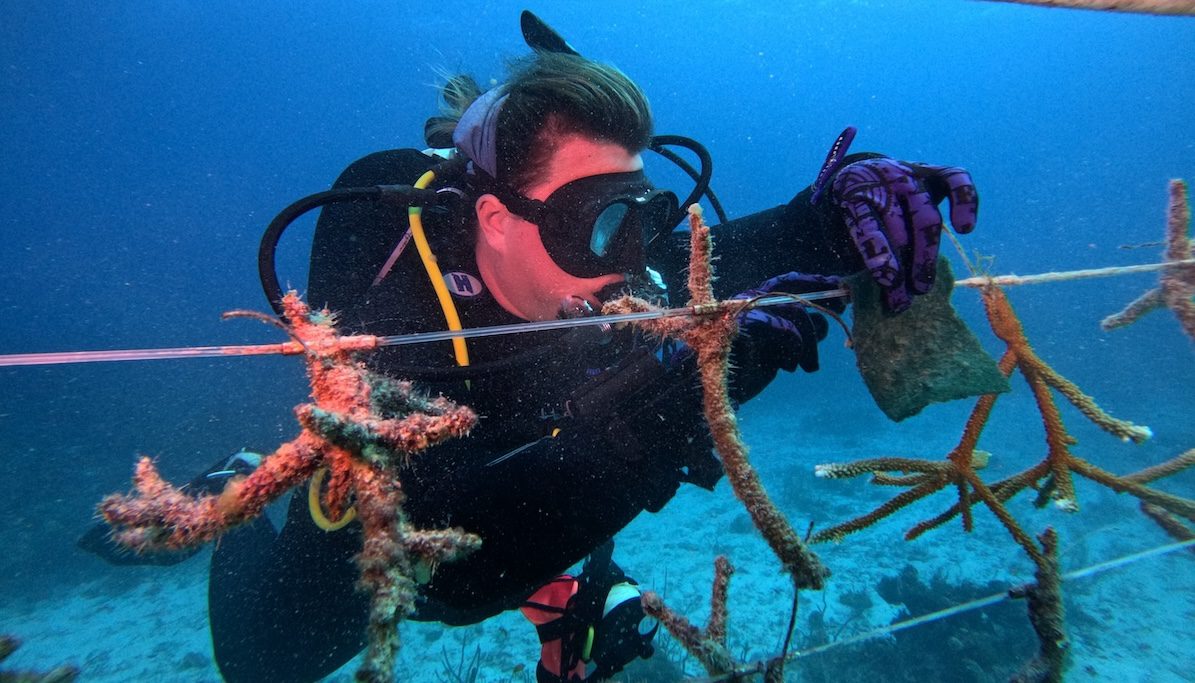
I've dove almost everywhere in the world, which has been really fantastic. And then I dove a lot of variety of environments from everything under ice to tropical waters, open blue sea, and then like the shallows. Socorro is one of the most memorable places, where you might see six different shark species, mantas, whales, dolphins, kind of all tuna, all kind of coming in and interacting. There's only a few places in the world that have that many species that kind of interact all at the same time.
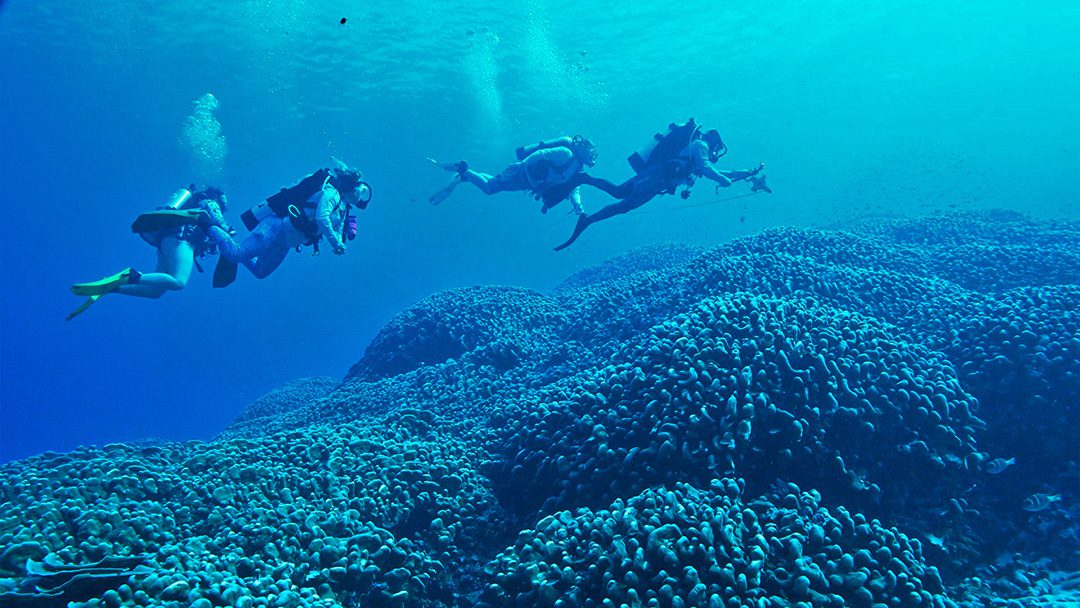
For really pristine, never-before-seen stuff, that would probably be an expedition I did with Reef Solutions last year to the Solomon Islands. So we were scouting a lot of new reefs where no one's really dove before, putting in instruments to capture data from the really healthy reefs there. Those are some of the probably healthiest reefs I've ever seen, with 90 to 95% coral coverage. And so that was really special because that's just not something you see a lot nowadays. A Nat Geo Pristine Seas expedition had found the largest coral there the year before. And so we went back to help verify some information for them and do other surveys that they weren't able to do that previous year. Yeah, it was definitely something you don't see every day!