
Raising Awareness
News
NEWS RELEASES
Study links swings in North Atlantic Oscillation variability to climate warming
Using a 218-year-long temperature record from a Bermuda brain coral, researchers at the Woods Hole Oceanographic Institution (WHOI) have created the first marine-based reconstruction showing the long-term behavior of one of the most important drivers of climate fluctuations in the North Atlantic. The North Atlantic Oscillation (NAO) is a wide-ranging pressure seesaw that drives winter climate over much of North America, Europe and North Africa. Past reconstructions of the NAO have relied mainly on terrestrial,…
Extinction of Neanderthals Was Not a Climate Disaster Scenario
For the past few decades, scientists have offered several competing theories for what led to the extinction of the Neanderthals, with much of the debate focusing on the relative roles of climate change versus conflict with modern humans. Now one theory can be ruled out. New research by a multidisciplinary, international team?including paleoclimatologist Konrad Hughen of the Woods Hole Oceanographic Institution?shows that Neanderthals did not die out at a time of extreme and sudden climatic change, as some researchers have suggested.
WHOI Geologists Compile Longest Ever Record of Atlantic Hurricane Strikes
The frequency of intense hurricanes in the Atlantic Ocean appears to be closely connected to long-term trends in the El Ni?o/Southern Oscillation and the African monsoon, according to new research from the Woods Hole Oceanographic Institution (WHOI). Geologists Jeff Donnelly and Jonathan Woodruff made that discovery while assembling the longest-ever record of hurricane strikes in the Atlantic basin.
Ice-Covered Arctic Lakes May Harbor Signs of Climate Change
Arctic coastal environments are some of the most vulnerable to climate change. A team of WHOI researchers visited Canada’s Mackenzie River Delta in April 2007 to find out just how vulnerable. Marine geochemists Tim Eglinton, Daniel Montluçon, and Angie Dickens, and geologist Liviu Giosan trekked into the frozen wilderness to drill through ice and water and into the sediments on the bottoms of lakes within the delta. Each spring, as the Canadian interior thaws and…
Should We Pump Iron to Slow Climate Change?
One of the solutions offered for the global greenhouse gas problem is the fertilization of the ocean; that is, spreading iron into the open ocean to promote the growth of floating microscopic plants. In at least 12 experiments over the past 14 years, researchers have shown that the presence of dissolved iron is critical to blooms of phytoplankton, which draw large amounts of carbon dioxide out of Earth’s atmosphere and deposit a fraction of it…
WHOI | OCEANUS
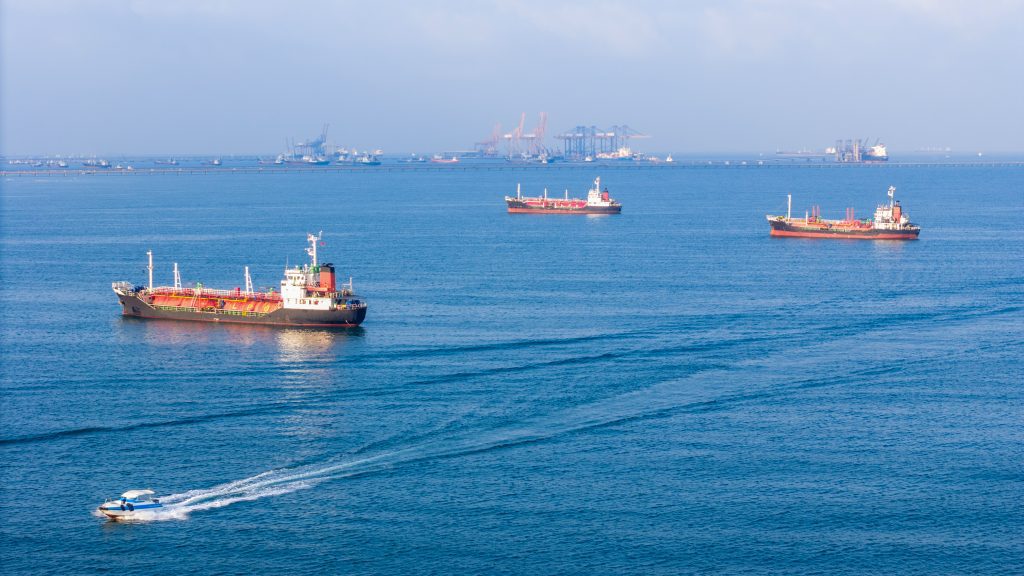
Ships in the Strait of Hormuz are becoming invasive species breeding grounds
Beneath the waterline of every ship stalled in the Persian Gulf, a thriving underwater city takes shape—barnacles, algae, mussels, sea squirts. Some of those hitchhikers could reach coastlines they’d never find on their own.
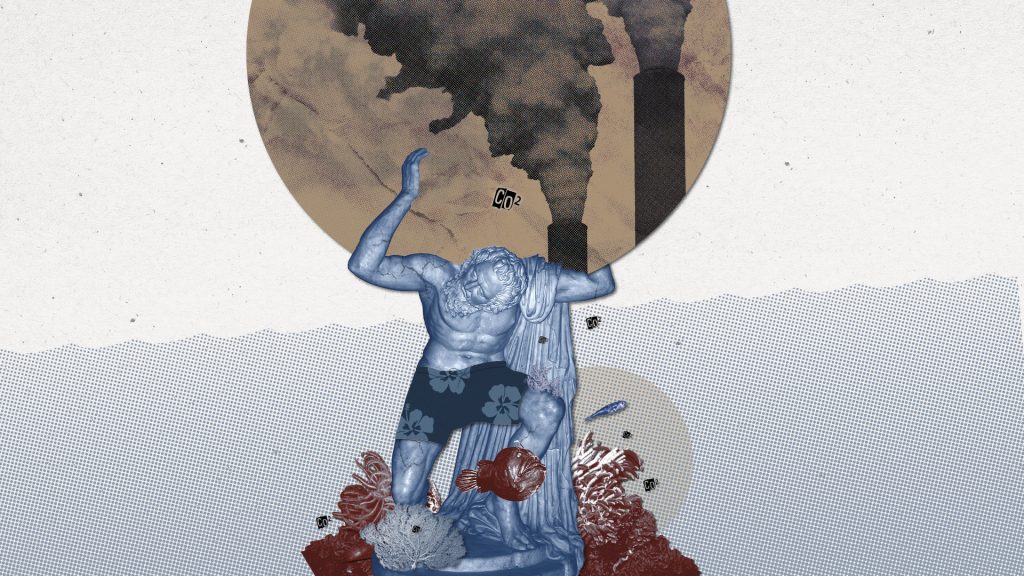
Is the ocean carbon sink at risk of faltering?
WHOI scientists explain how the ocean mitigates climate change—and could be compromised by it

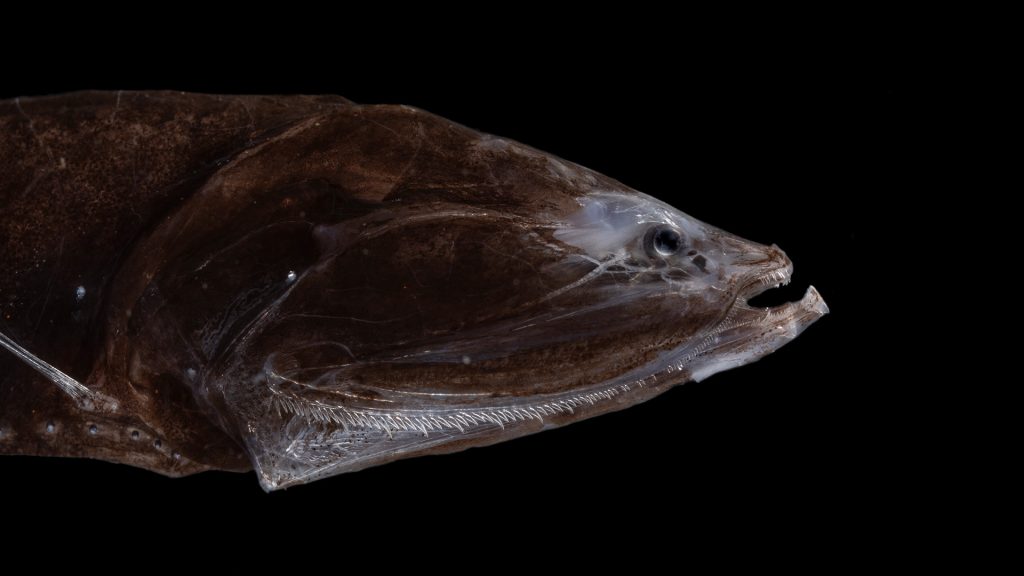
The world’s most abundant fish once thrived in an extreme climate
Fossilized teeth show bristlemouth fish evolved during one of the ocean’s hottest periods
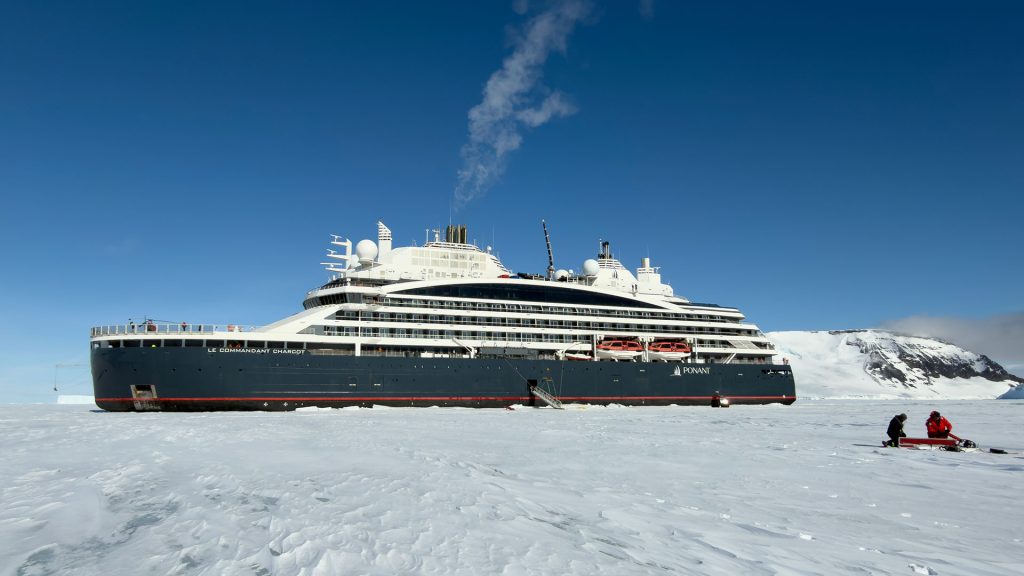
Luxury cruises with a side of climate science
A new partnership gives scientists rare access to remote Antarctic glaciers—and a new way to engage the public
Publications
IN THE NEWS - RESEARCH HIGLIGHTS
Study offers first definitive proof that Gulf Stream has weakened
“New research from the Woods Hole Oceanographic Institution offers the first conclusive evidence that the Gulf Stream has weakened. The powerful ocean current off the East Coast influences regional weather, climate and fisheries, and the finding could have significant implications both for New England and the global climate.”
What Happens to Marine Life When There Isn’t Enough Oxygen?
In September of 2017, Woods Hole Oceanographic Institution postdoctoral scholar Maggie Johnson was conducting an experiment with a colleague in Bocas del Toro off the…
Maine’s having a lobster boom. A bust may be coming.
The waters off Maine’s coast are warming, and no one knows what that’s going to mean for the state’s half-billion-dollar-a-year lobster industry—the largest single-species fishery in North America. Some fear that continued warming could cause the lobster population to collapse. To understand what’s happening to the ecosystem of the Gulf of Maine, says Glen Gawarkiewicz, an oceanographer at Woods Hole Oceanographic Institution, in Massachusetts, you have to look beyond it—see how it’s affected by the atmosphere, ocean currents, and rivers that flow into it.