
Raising Awareness
News
NEWS RELEASES
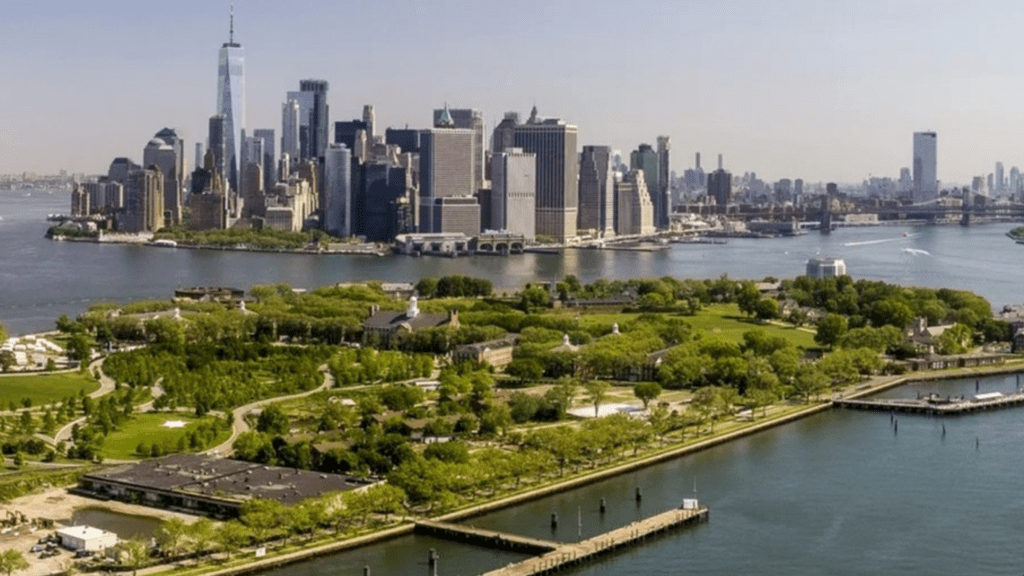
Woods Hole Oceanographic Institution selected as finalist for Governors Island Climate Solutions Center
Woods Hole Oceanographic Institution (WHOI, a global leader in ocean research and exploration, is partnering with two teams selected as finalists in the development of the new Governors Island Climate Solutions Center in New York City. The announcement was recently made by former New York City Mayor Bill de Blasio and The Trust for Governors Island.
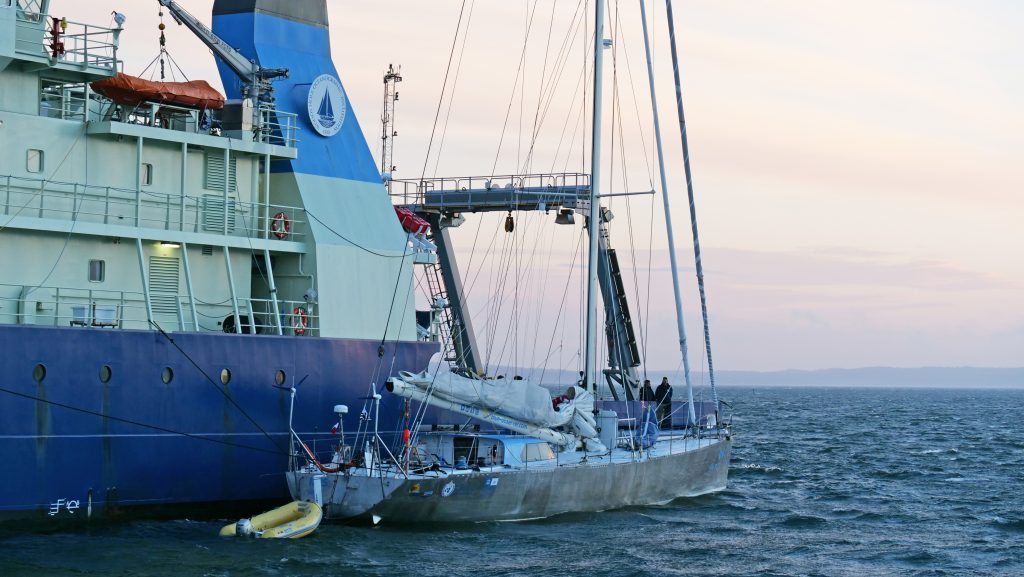
New ocean floats to boost global network essential for weather, climate research
WHOI and partners join together to launch approximately 100 new Argo floats across the Atlantic Ocean to collect data that supports ocean, weather and climate research and prediction
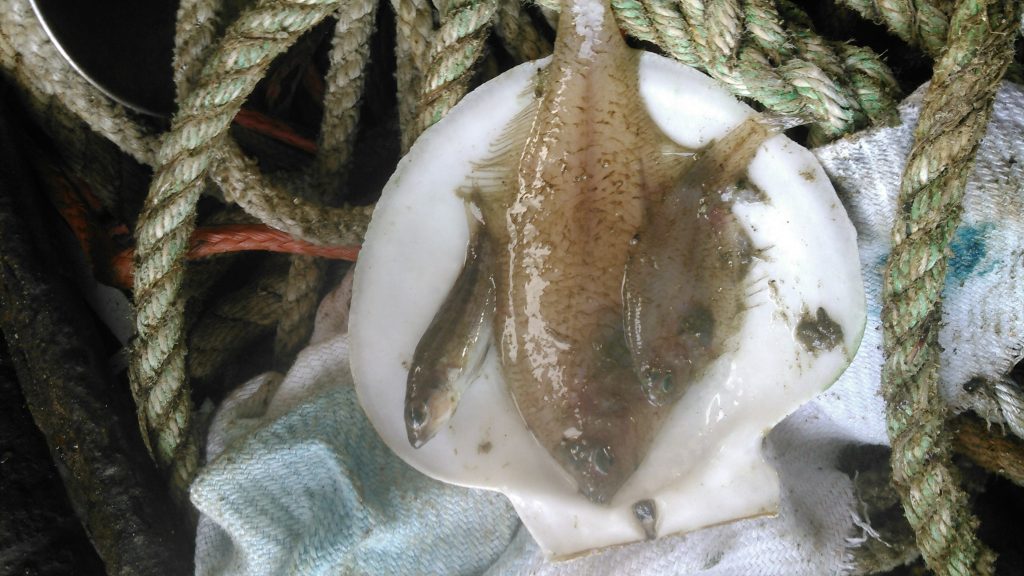
Tropical fish…up north? How ocean physics play a role in altering water temperature and salinity
A study led by Woods Hole Oceanographic Institution scientists is explaining why warm and salty water along with warm water fish species, such as the deep-sea dwelling Gulf Stream flounder and Black Sea bass, were found far inshore in New England in the middle of winter 2017. How did this happen? Researchers say it is due to an intrusion of offshore water from the open ocean onto the Northeast U.S. Shelf, caused by eddies (a circular current of water) and wind.
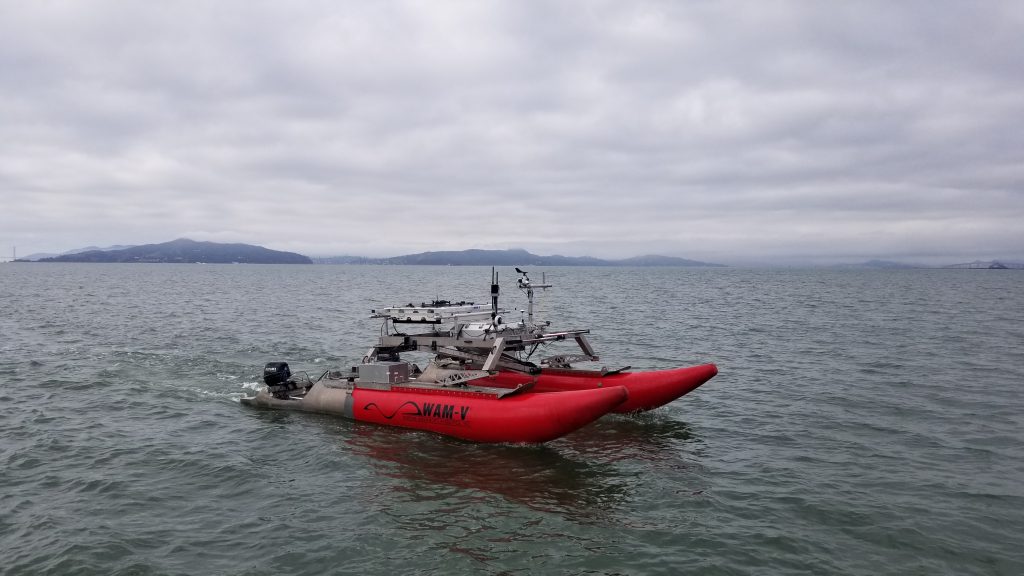
DOE Funding will Support WHOI Research to Support Sustainable Development of Offshore Wind
Woods Hole, MA – The Woods Hole Oceanographic Institution (WHOI) has received $750,000 in funding from the U.S. Department of Energy (DOE) to develop next‐generation autonomous robotic technology for environmental monitoring of marine organisms and the seafloor at potential wind energy development areas on the U.S. West Coast. In addition, WHOI is part of a consortium on another project, led by Duke University, which has received $7.5 million DOE to assess the risk that offshore…
WHOI Arctic experts present at international climate conference overseas
Experts from WHOI and Woodwell Climate Research Center are on the ground at COP26 in Glasgow, Scotland, sharing critical perspective on the implications of a warming Arctic
WHOI | OCEANUS
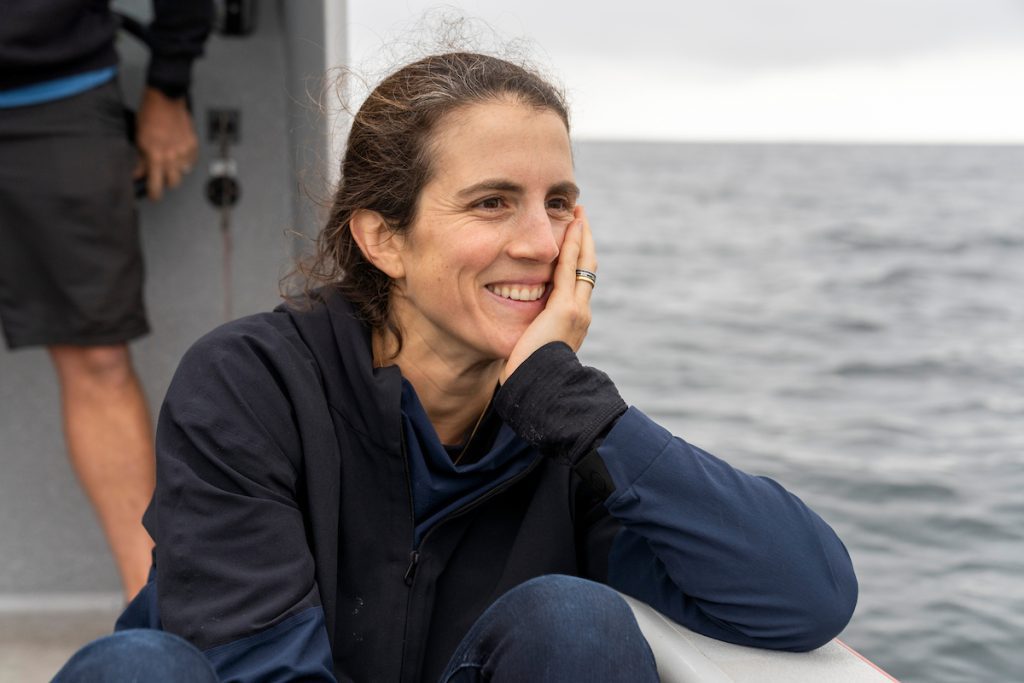
Remembering Tatiana Schlossberg, a voice for the ocean
Environmental journalist and author Tatiana Schlossberg passed away after battling leukemia on December 30, 2025. During the last few years of her life, Tatiana crossed paths with Oceanus magazine, first as a reader and then as a valued contributor. When she had initially expressed interest in writing for the magazine, we welcomed her years of environmental reporting experience, her genuine care about the ocean, and her curiosity. One day in early May, 2023, I reached…
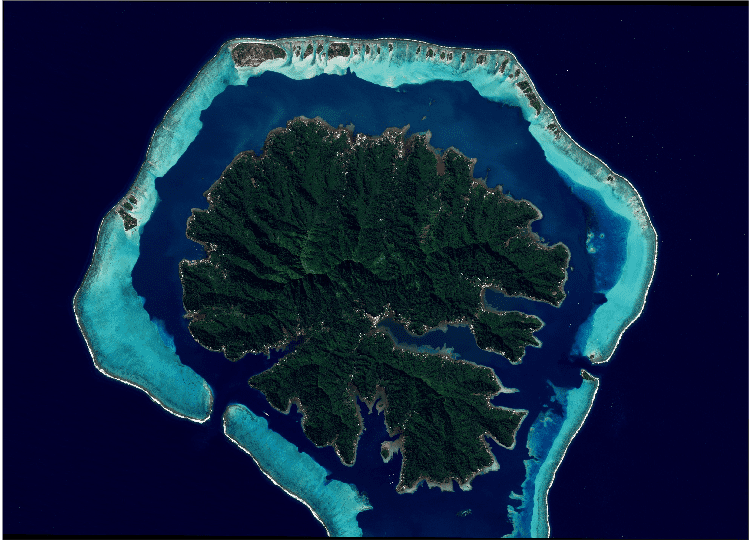
How an MIT-WHOI student used Google Earth to uncover a river–coral reef connection
Google Earth helps researcher decode how rivers sculpt massive breaks in coral reefs
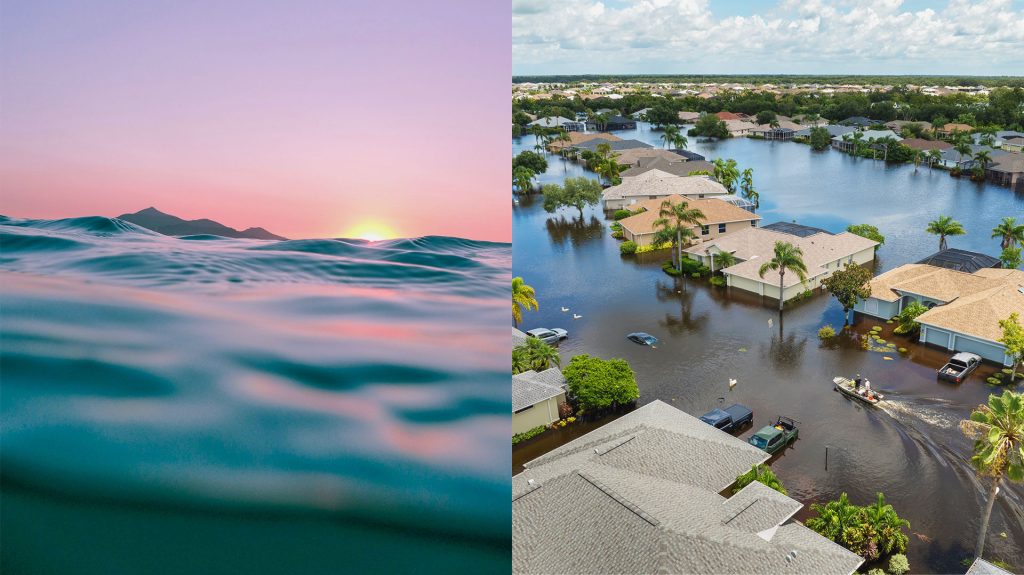
The ocean weather nexus, explained
The vital role of ocean observations in extreme weather forecasting
Harnessing the ocean to power transportation
WHOI scientists are part of a team working to turn seaweed into biofuel
Publications
IN THE NEWS - RESEARCH HIGLIGHTS
Study offers first definitive proof that Gulf Stream has weakened
“New research from the Woods Hole Oceanographic Institution offers the first conclusive evidence that the Gulf Stream has weakened. The powerful ocean current off the East Coast influences regional weather, climate and fisheries, and the finding could have significant implications both for New England and the global climate.”
What Happens to Marine Life When There Isn’t Enough Oxygen?
In September of 2017, Woods Hole Oceanographic Institution postdoctoral scholar Maggie Johnson was conducting an experiment with a colleague in Bocas del Toro off the…
Maine’s having a lobster boom. A bust may be coming.
The waters off Maine’s coast are warming, and no one knows what that’s going to mean for the state’s half-billion-dollar-a-year lobster industry—the largest single-species fishery in North America. Some fear that continued warming could cause the lobster population to collapse. To understand what’s happening to the ecosystem of the Gulf of Maine, says Glen Gawarkiewicz, an oceanographer at Woods Hole Oceanographic Institution, in Massachusetts, you have to look beyond it—see how it’s affected by the atmosphere, ocean currents, and rivers that flow into it.