A once-in-a-generation dive into polar history
40 years after helping reveal the Titanic, Alvin returns to the North Atlantic to document two other legendary shipwrecks
Estimated reading time: 3 minutes
More than a century after the era known as the Heroic Age of Antarctic Exploration ended, a new expedition is bringing its stories back into the spotlight—this time from the bottom of the North Atlantic.
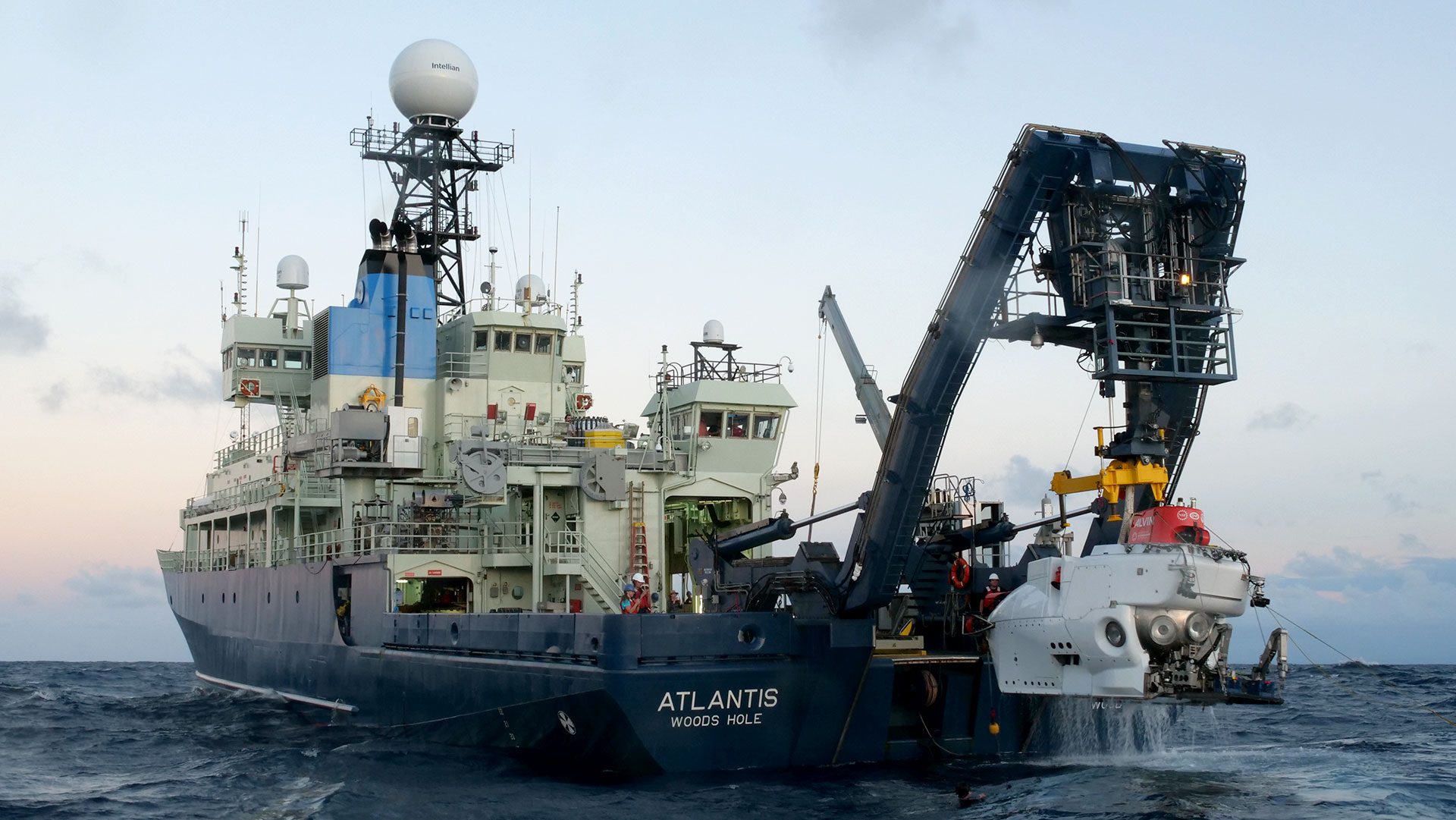
On July 2, the R/V Atlantis departed Woods Hole carrying scientists, engineers, and technicians from WHOI and the Royal Canadian Geographical Society on an expedition to document two historic shipwrecks tied to legendary polar explorers Sir Ernest Shackleton and Captain Robert Falcon Scott.
“The bravery and leadership demonstrated by these two polar heroes have inspired generations of explorers over the years, and our hope is that by documenting their last ships with the latest technology we too can inspire the next generation of explorers worldwide,” said David Mearns, co-chief scientist and one of the world’s foremost shipwreck experts.
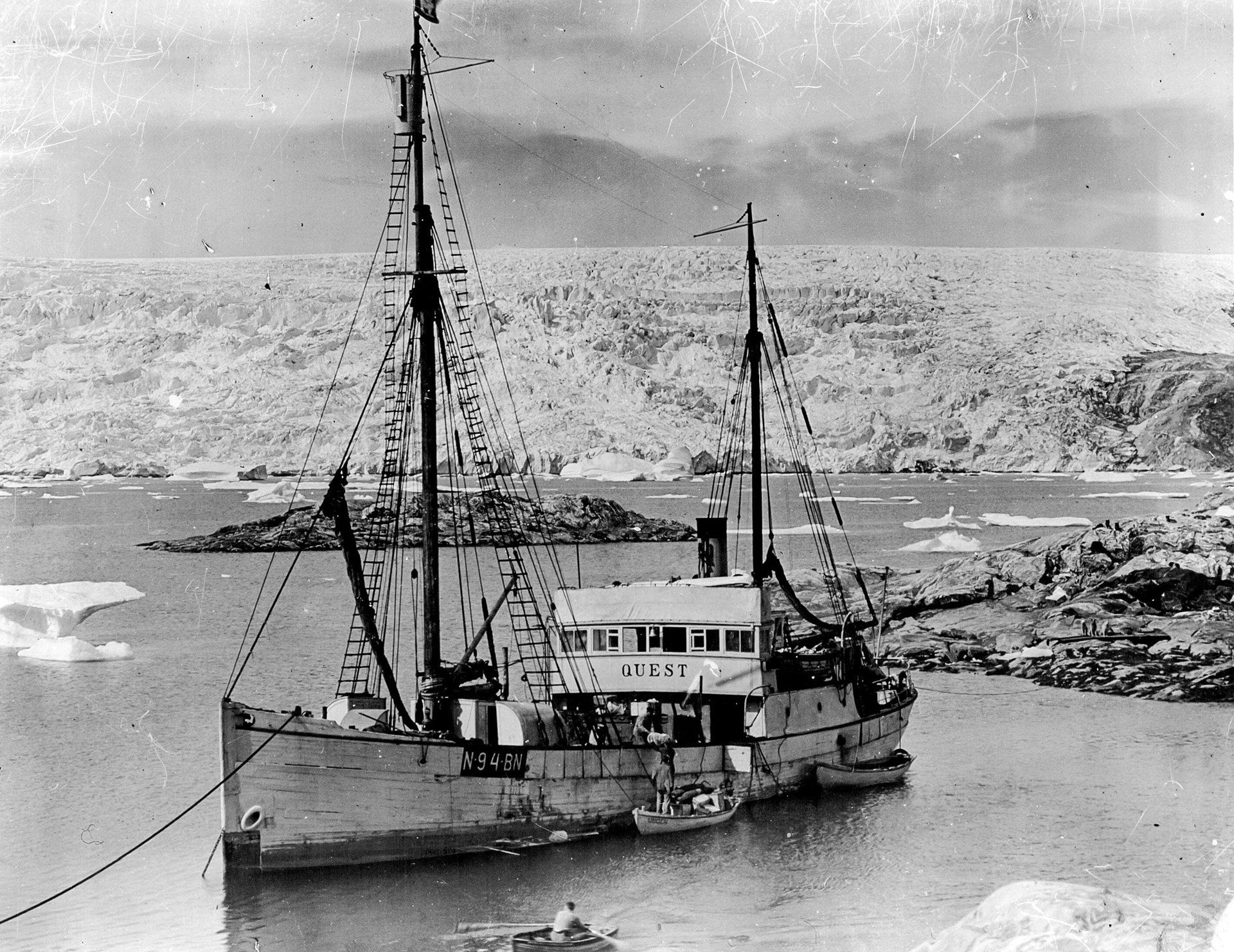
At the heart of the mission, known as the Heroic Age Expedition, is Alvin, the human-occupied submersible that has defined deep-sea exploration for decades. Nearly 40 years after its groundbreaking surveys of the Titanic, Alvin will once again descend into the North Atlantic, this time to study the wrecks of Shackleton’s Quest off Newfoundland and Labrador and Scott’s Terra Nova near Greenland.
Both ships hold a powerful place in exploration history. Quest, discovered only in 2024, represents the final chapter in Shackleton’s extraordinary career and was the ship he died on in 1922 while anchored off South Georgia Island. Terra Nova, which sank in 1943 and was discovered in 2012 by Schmidt Ocean Institute, WHOI, University of New Hampshire, and IFREMER, is forever linked to one of the most ill-fated polar expeditions in history as the ship that carried Scott and his crew to Antarctica. Although neither explorer lived to see their ships sink, the wrecks remain silent witnesses to the risks, ambition, and endurance that defined early 20th-century exploration.
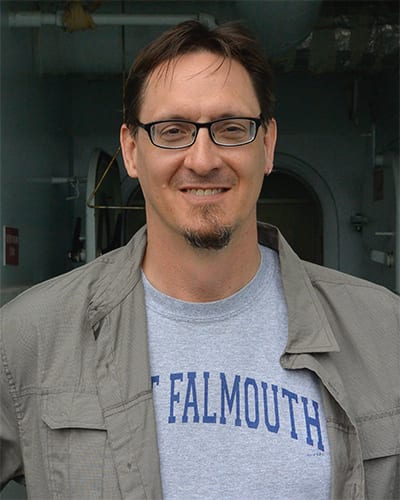
“By using advanced imaging tools, ROVs, and the legendary Alvin submersible we will be able to see and re-create two historically significant shipwrecks and bring the stories of two great explorers to life,” said Dwight Coleman, co-chief scientist for the expedition and director of Ocean Imaging at WHOI.
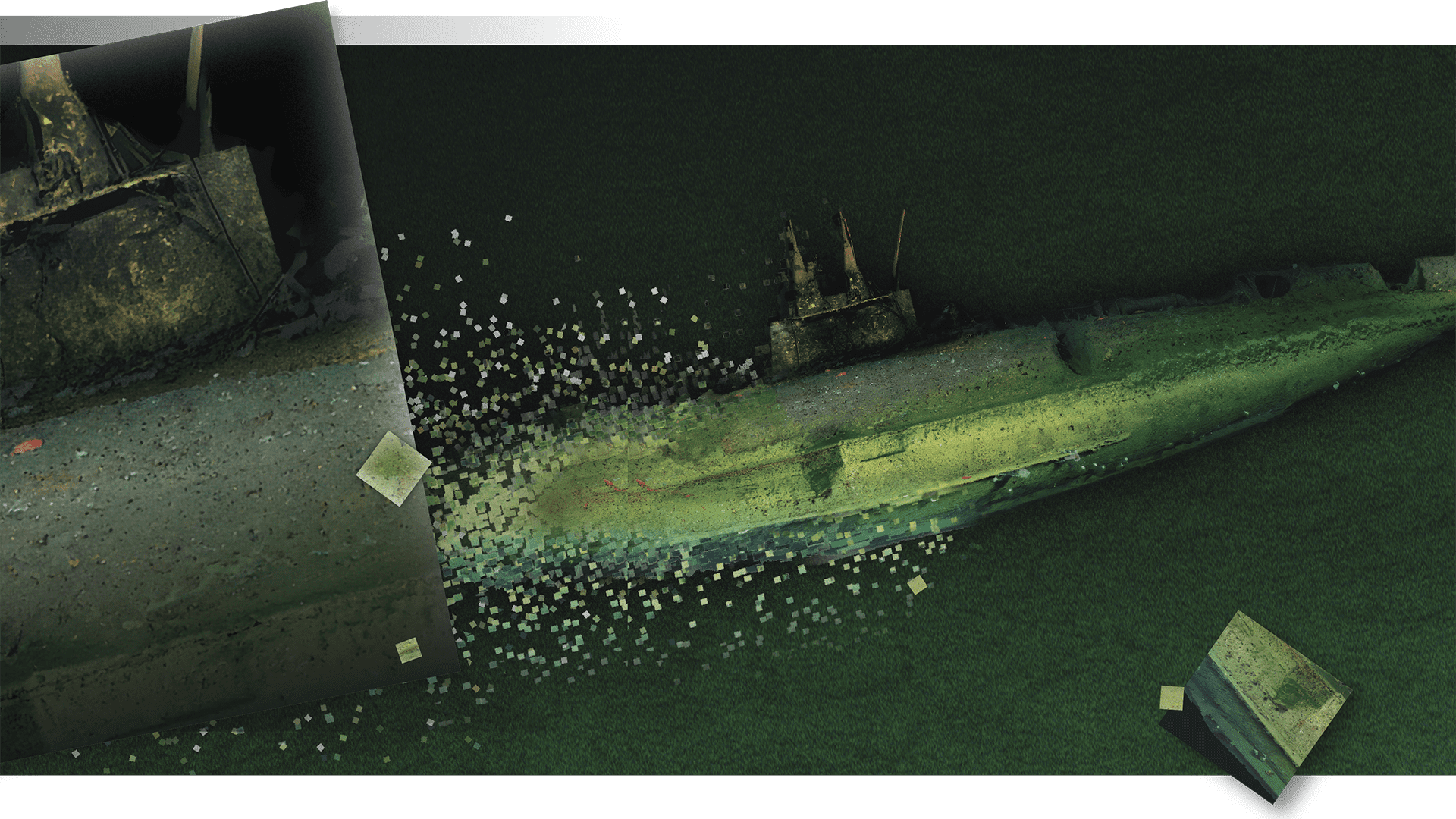
This expedition marks the first time both sites will be systematically surveyed in detail. Researchers from WHOI and the Royal Canadian Geographical Society will deploy ultra-high-resolution cameras, advanced imaging tools, and robotic vehicles to create “digital twins”—precise 3D models that capture each wreck’s structure and surrounding environment. These digital records will preserve the sites for future generations while also offering new scientific insights, including how marine life has evolved around the wrecks over time.
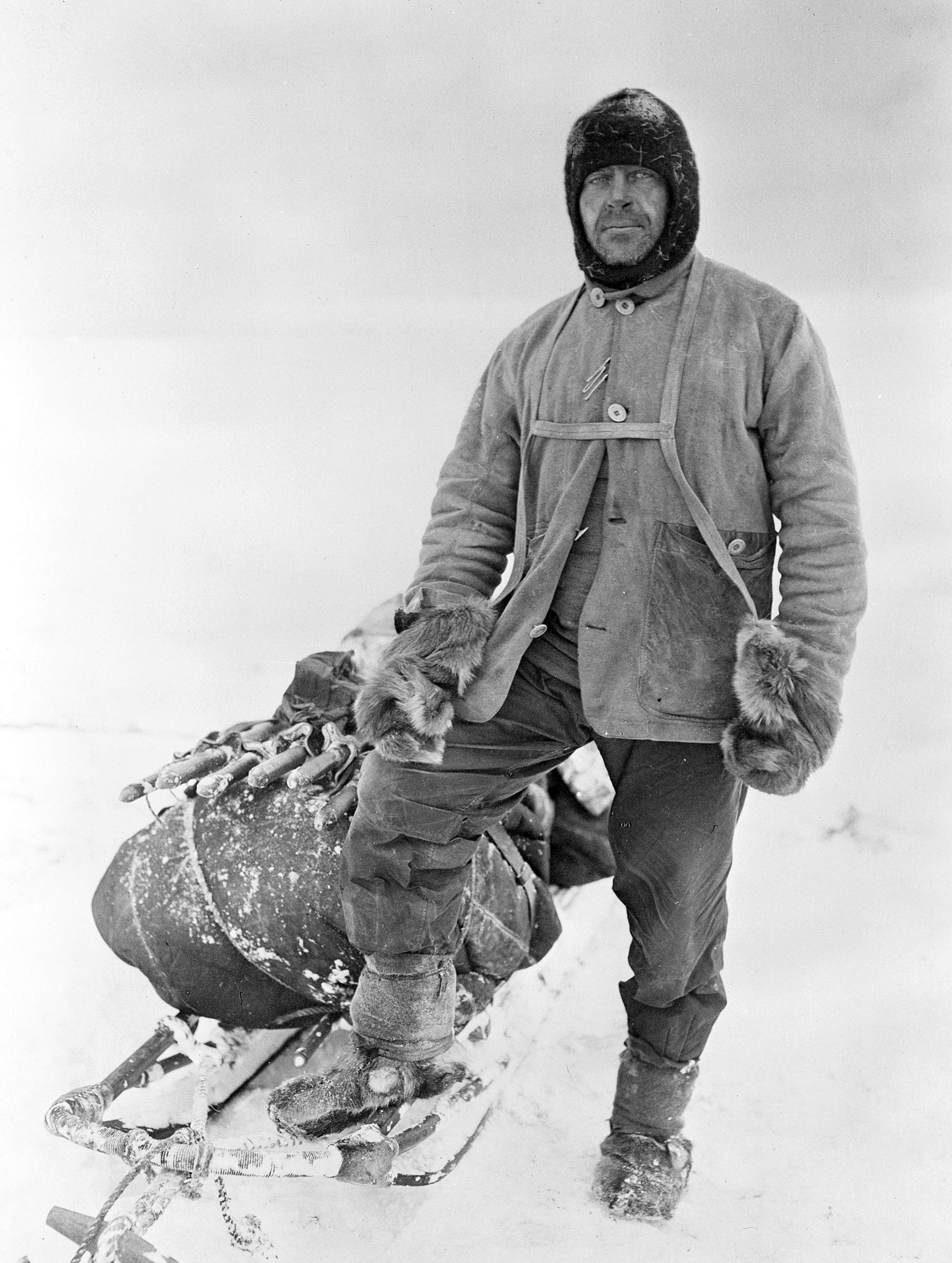
Captain Robert Falcon Scott was a British Royal Navy officer and explorer who led two expeditions to the Antarctic. While the second expedition proved fatal to all party members, their supply ship, the Terra Nova returned to England with over 2,000 specimens, including plants, animals, and fossils. (Photo by Herbert Ponting)
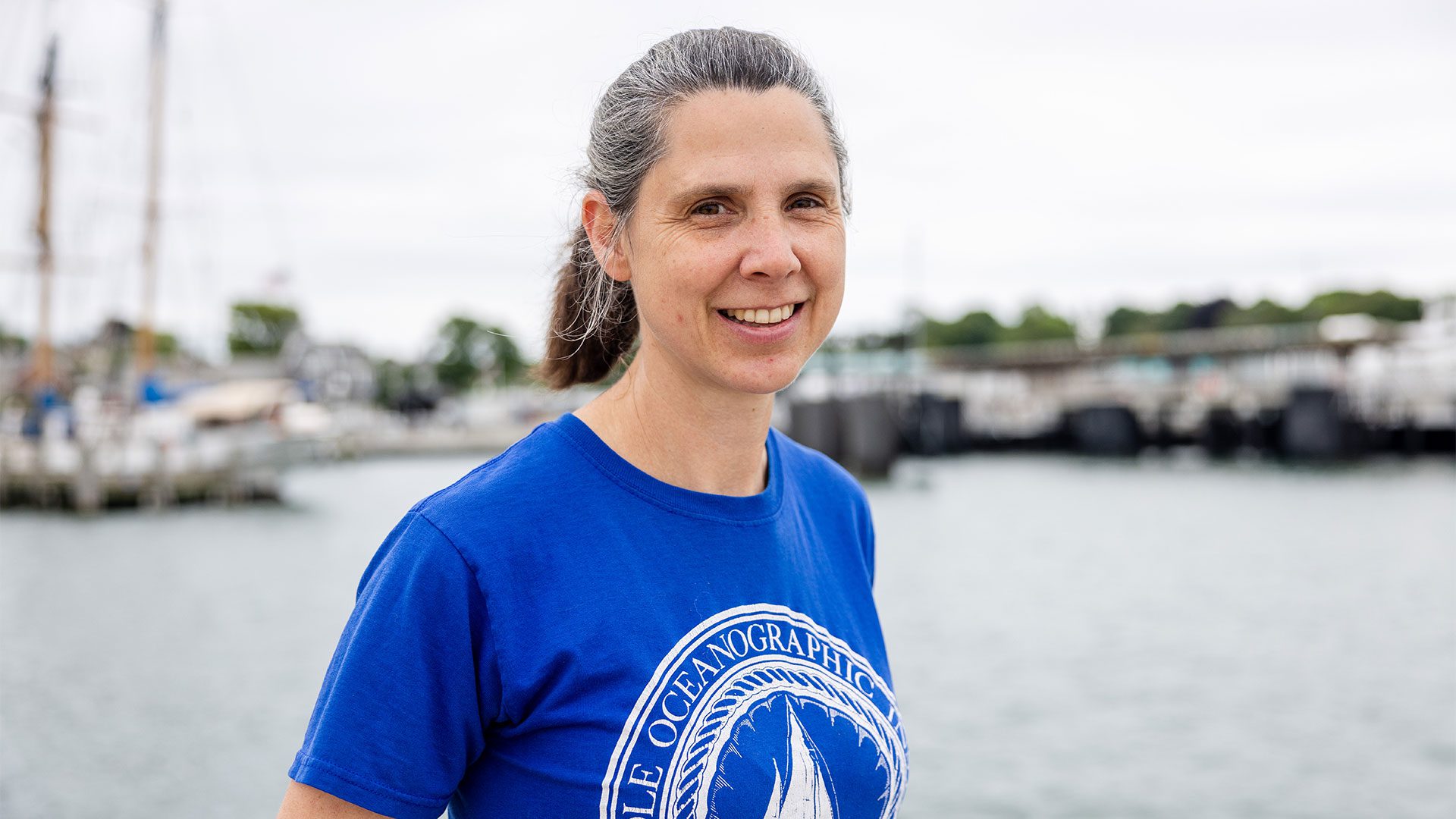
“Shipwrecks offer an island for life to take hold and thrive on desolate, muddy expanses of deep seafloor,” said WHOI biologist Kirstin Meyer-Kaiser, who will join the expedition as an expert on shipwreck ecosystems. “Because we know when these ships sank, we have an excellent opportunity to document how these unique ecosystems develop and how they serve as stepping-stones for organisms to propagate through the ocean.”
The North Atlantic, with its powerful storms, dense fog, and unpredictable currents, remains as challenging today as it was for the explorers of the past. Yet the expedition team is prepared face these conditions and share their discoveries widely. Through a partnership with Canadian Geographic and the Canadian Broadcasting Corporation, images and footage will be released in near real time online.
By blending cutting-edge science with powerful storytelling, the Heroic Age Expedition hopes to reconnect modern audiences with a defining chapter of human exploration—revealing, at last, the full story of two ships that helped shape the history of exploration.