A mother seal dives
Follow a Weddell seal as her body adapts to foraging in deep, frigid waters
Estimated reading time: 2 minutes
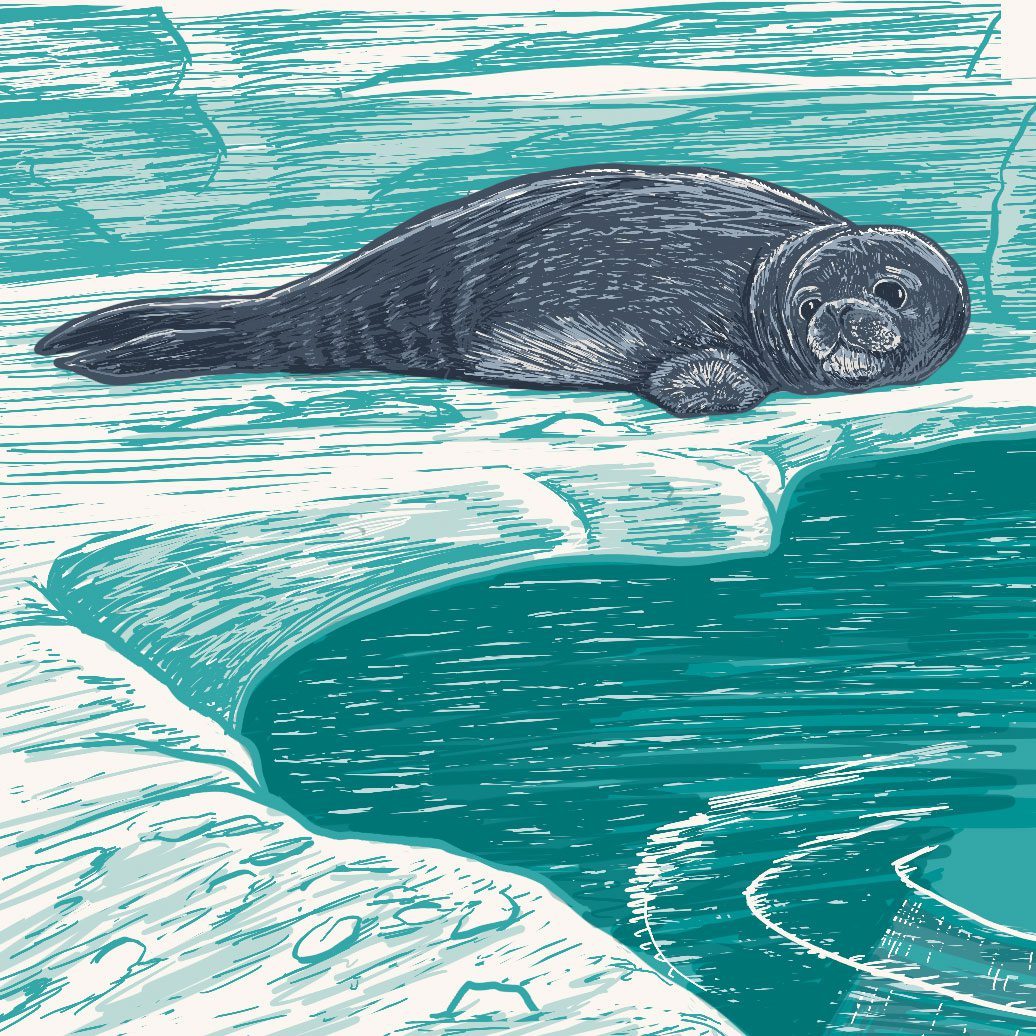
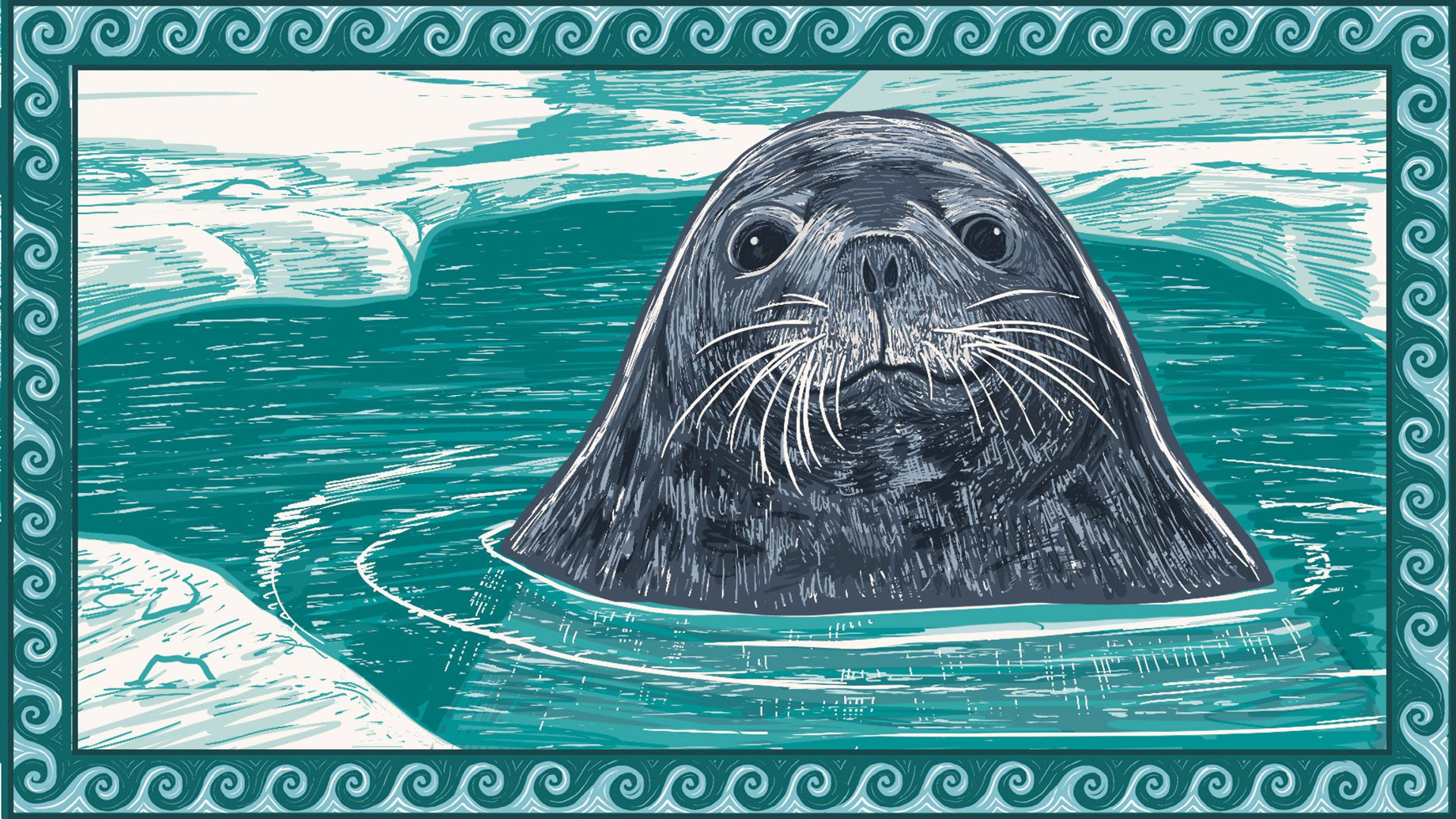
Clumsily, she galumphs along the Antarctic sea ice—seven weeks of lactation behind her; a third of her body mass gone. Her pup is finally weaned.
She’s noticeably leaner than before pupping season. Less rounded, more tapered. Her torso has hollowed where her fat reserves once were.
It’s time for this Weddell seal to forage.
At the ice’s edge, she inhales—then exhales, purging the oxygen from her lungs. She closes her nostrils, sealing them tight for the journey ahead.
Her body slips forward and vanishes into the Southern Ocean.
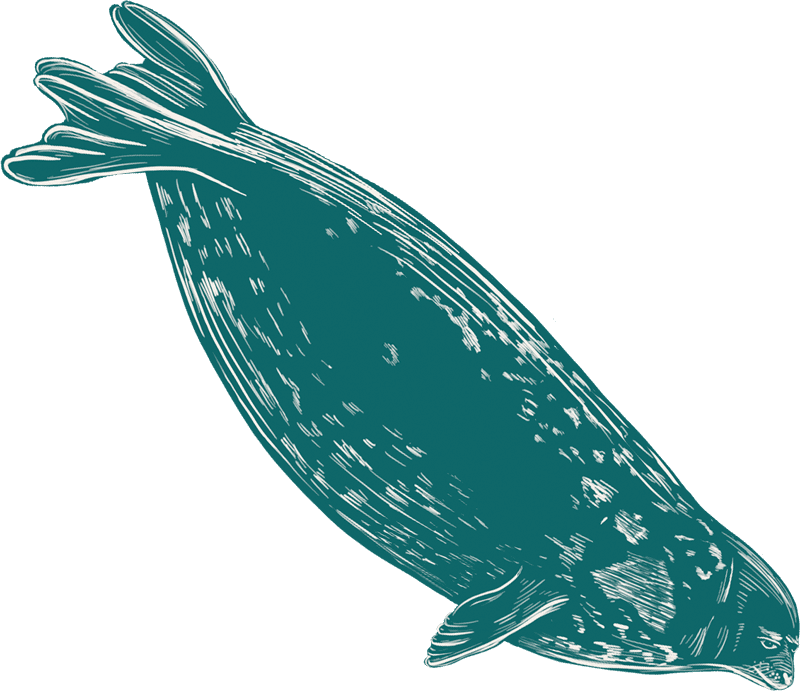
Her heart slows as she descends—to twenty-beats-per-minute at twenty-meters deep. Then, half that.
Her calls fill the ocean soundscape with Geiger counter-like ticks and pulses that sound like distant sonar.
She thrusts her rear flippers in sweeping fashion, gliding through the fractured light beautifully as the invisible squeeze of the ocean presses in.
At fifty meters, her chest folds inward. Her lungs collapse, safely.
All the while, her body makes decisions. Decisions on which organs to direct oxygen-rich blood flow to. Her brain and adrenal glands remain replete while her liver, spleen, and kidneys are temporarily shut off.
The oxygen in her blood begins to plummet. By two hundred meters, it falls to less than half its normal level—a threshold that, in humans, is often fatal.
And still it falls, steadily, toward a limit she can tolerate for only so long.
Iron, once abundant as she nursed, is now depleted from her body’s reserves, further limiting her ability to carry oxygen. Her body, in response, floods itself with antioxidants, staving off the damaging effects of hypoxia.
In the darkness, she hunts mostly with her whiskers. They’re sensitive to the faintest disturbances left in the wake of fish and other prey.
After forty minutes, her clock is running out. The longer she forages, the more recovery time she’ll need. She begins her accent to a breathing hole nearly one kilometer away from where she started her journey.
As her head and shoulders poke through, she grips the rough ice with her fore flippers and exhales sharply, clearing the stale gas trapped in her trachea. After a few steady breaths, she arches and flexes her torso like an inchworm and wriggles herself onto the ice.
Her heart rate and blood oxygen levels quickly rebound to pre-dive levels.
Lying there on the ice, she sleeps for a few hours before slipping back under to do it all again.