Estimated reading time: 3 minutes
As WHOI’s original ketch-rigged research vessel, R/V Atlantis made some 300 cruises and logged more than 700,000 miles between 1931 and 1966. During those years, crew members contended not only with heavy weather and long watches, but with injuries and illnesses that arose far from any port or physician.
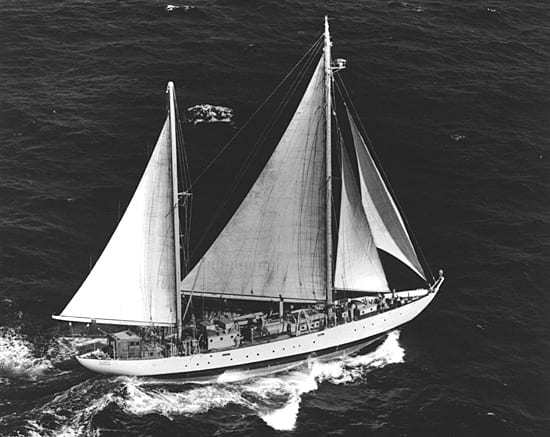
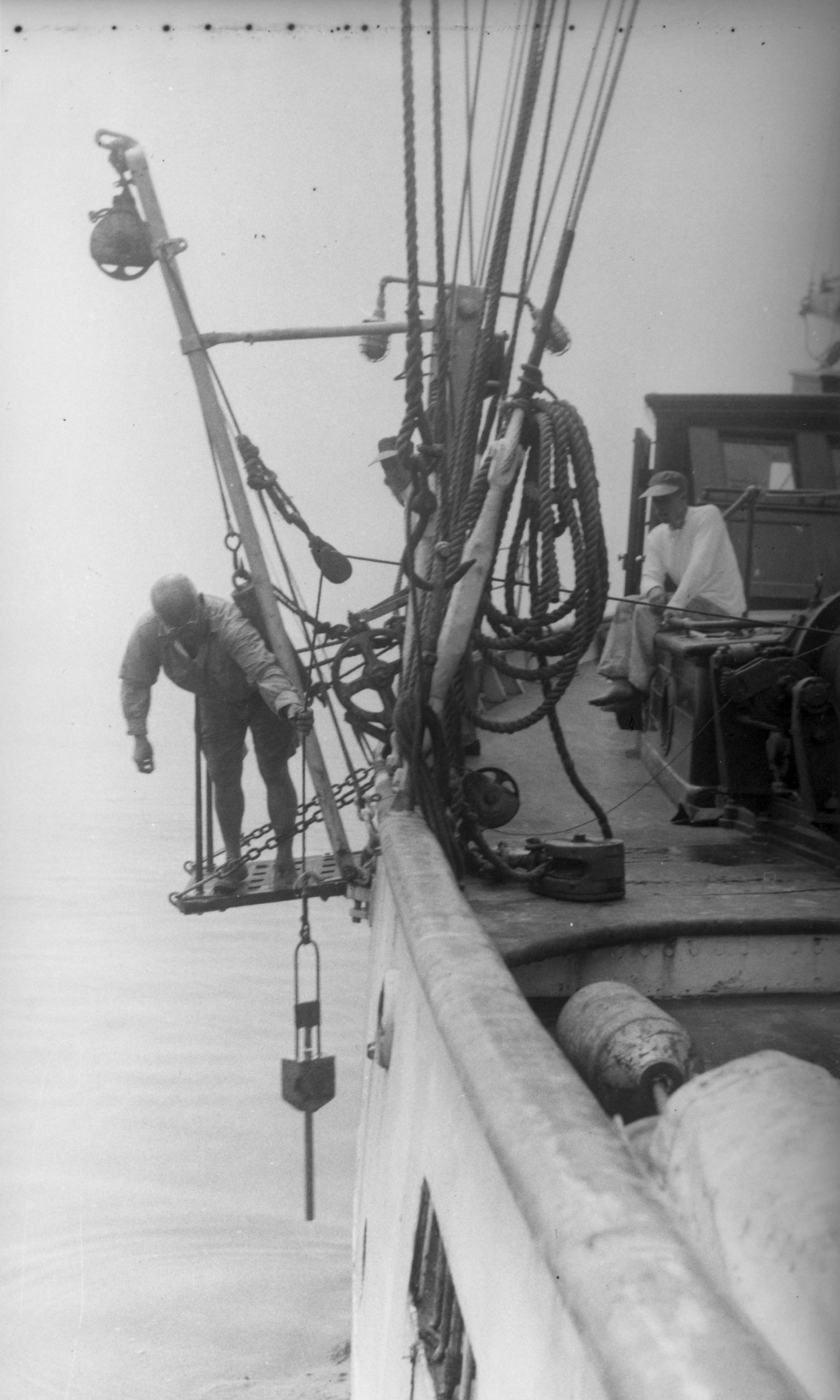
“Back in the 1930s and even today, research vessels present unique health and safety risks and challenges,” said Rob Munier, WHOI vice president for marine facilities and operations. “Missions often go to unique operating areas, often far from shore, and the experience of the personnel aboard can vary greatly. And there’s no 911; first response to a health situation relies on the crew member(s) trained and designated as the medical officer and the resources available on board."
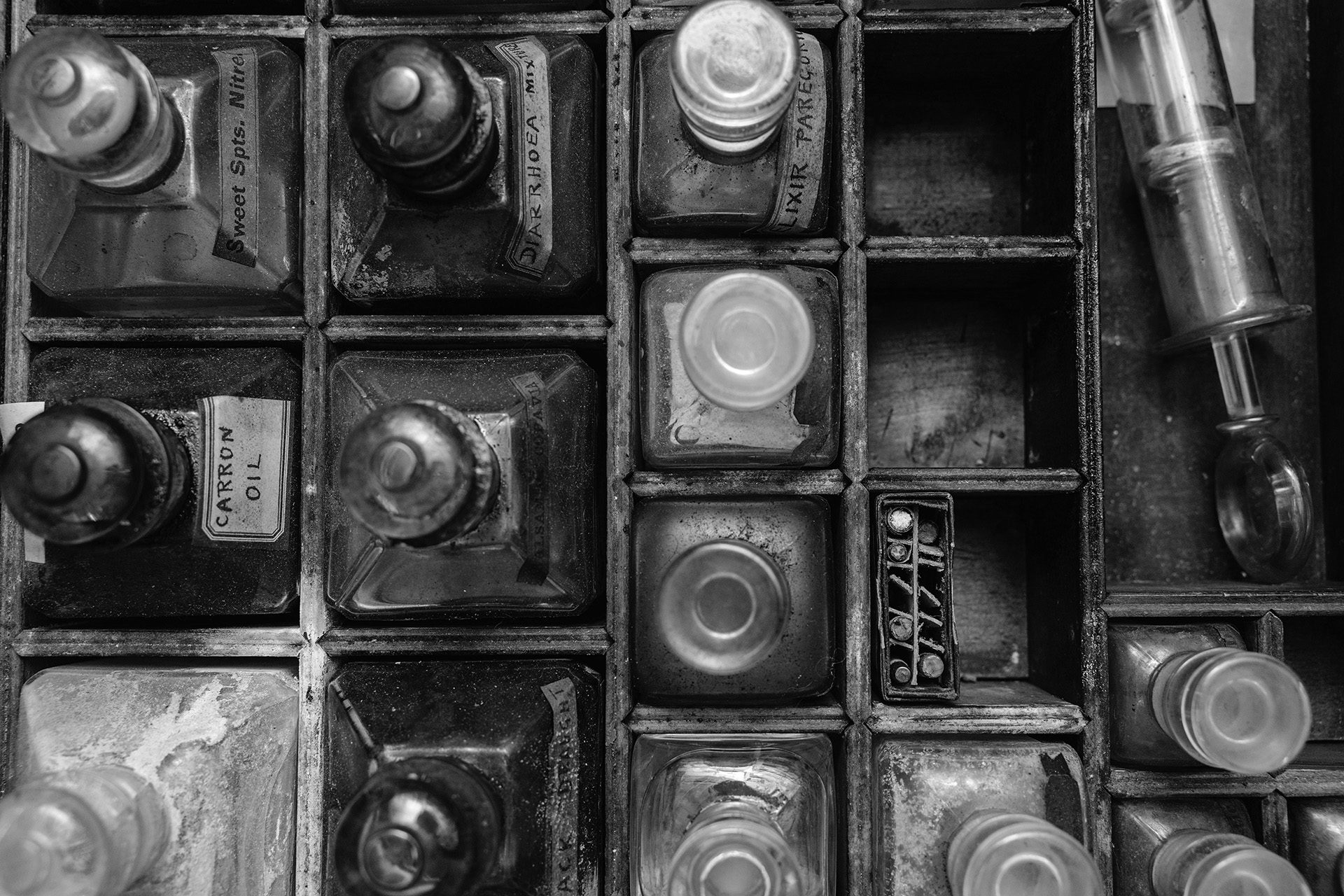
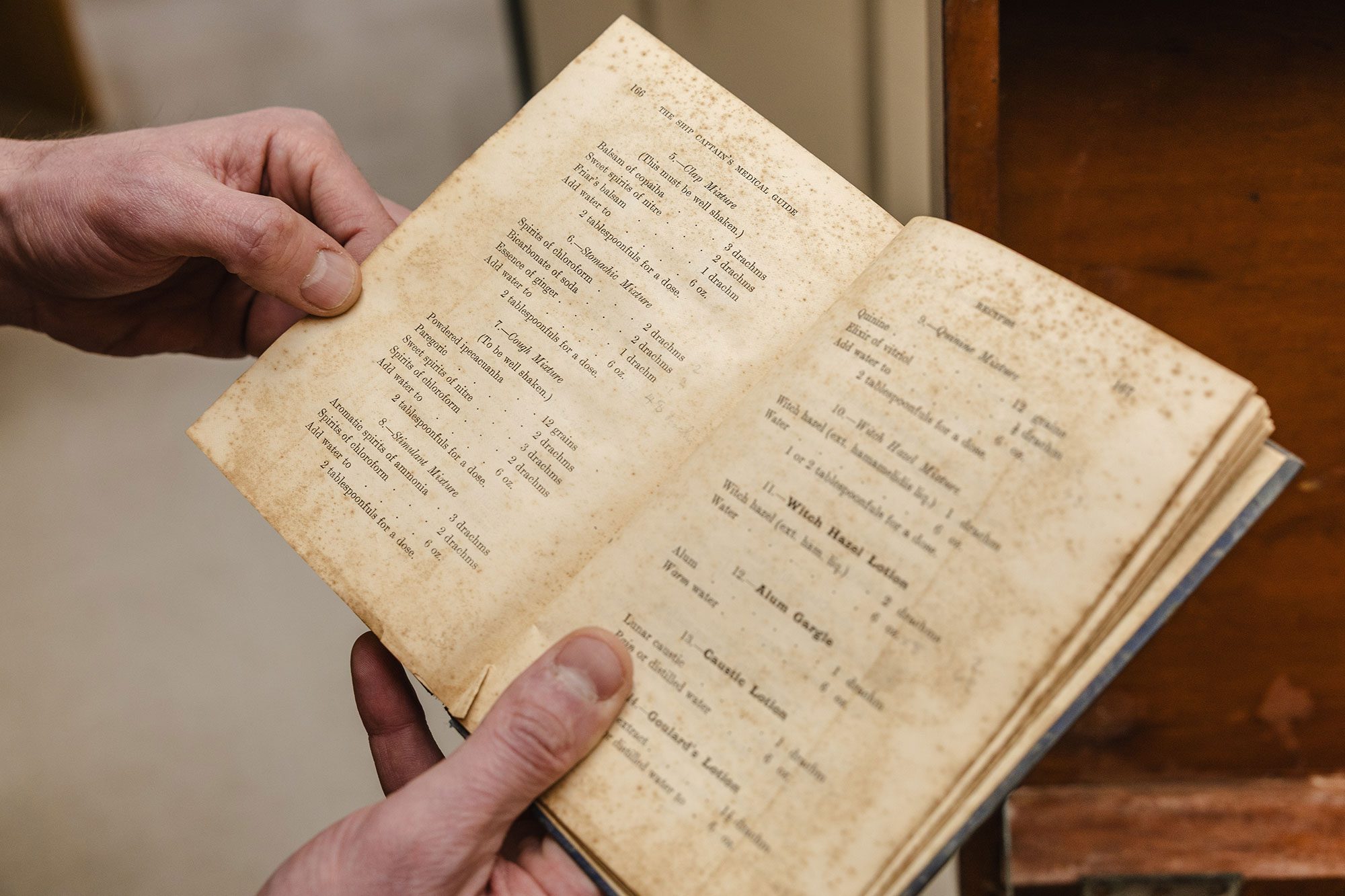
Since 1798, U.S. ships with crews larger than 10 have been required to provide medical care onboard. The medicine chest shown here was the central to that care—a compact apothecary filled with remedies, instruments, and written instruction on how to provide medical and surgical relief.
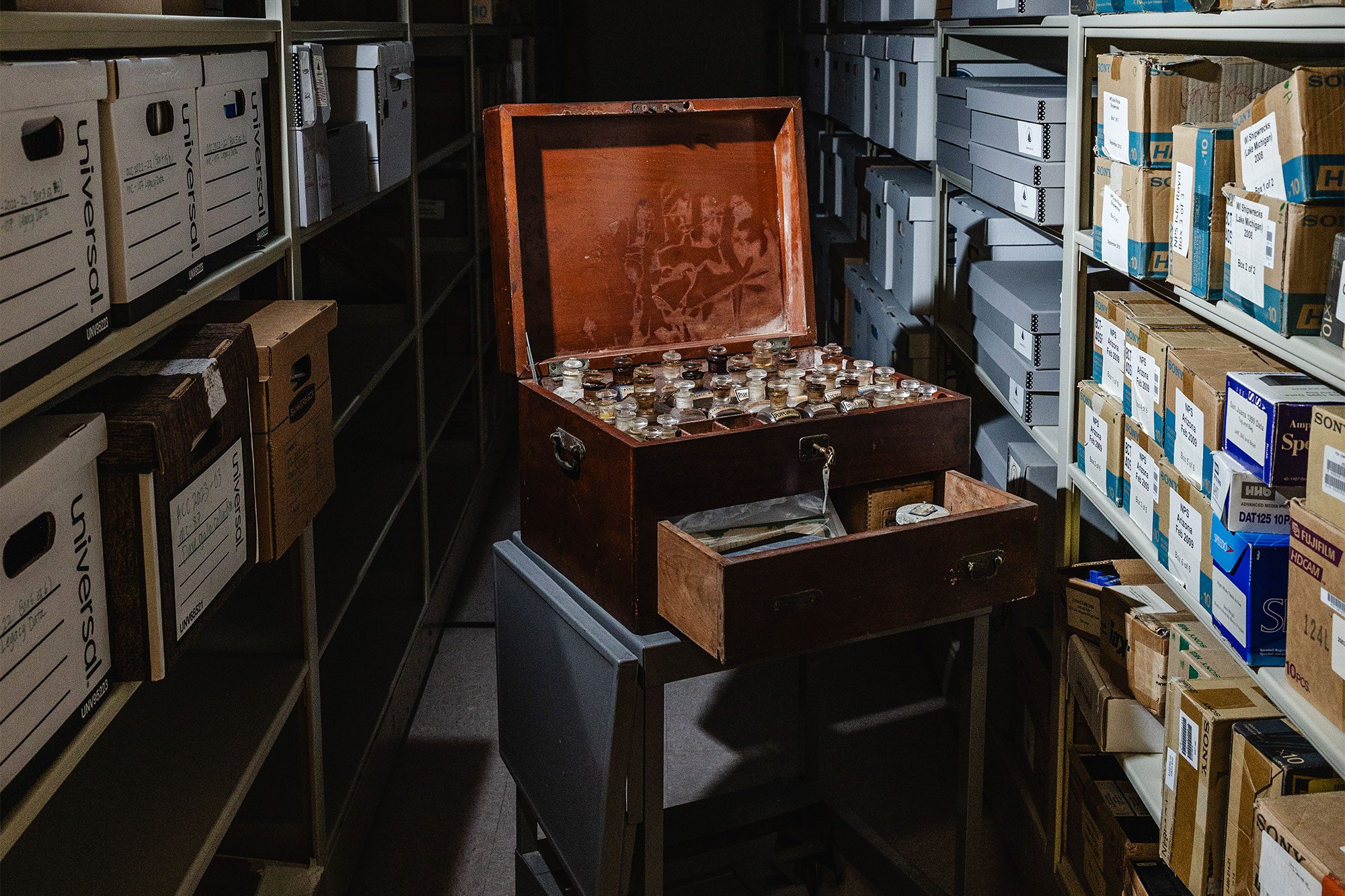
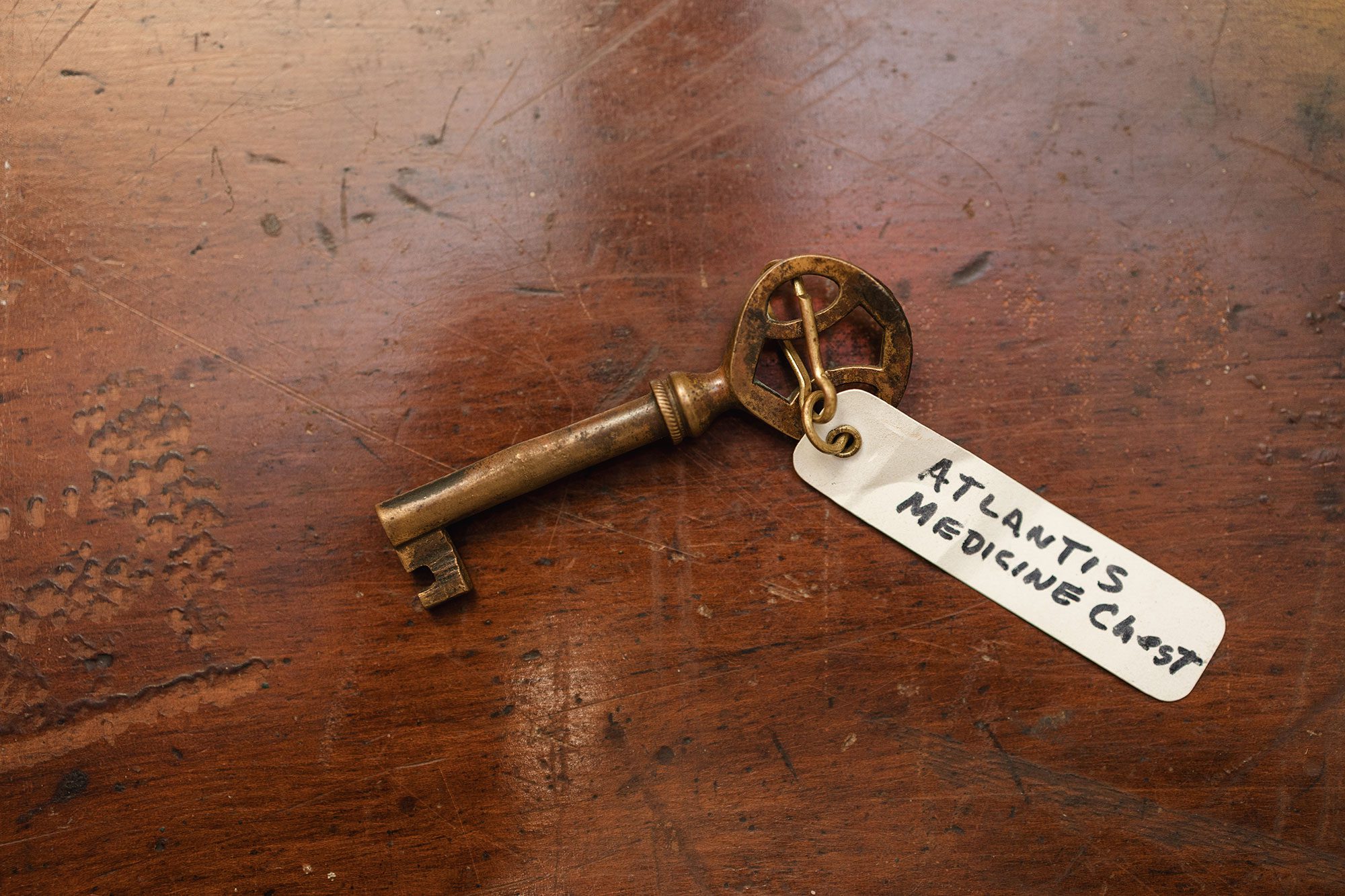
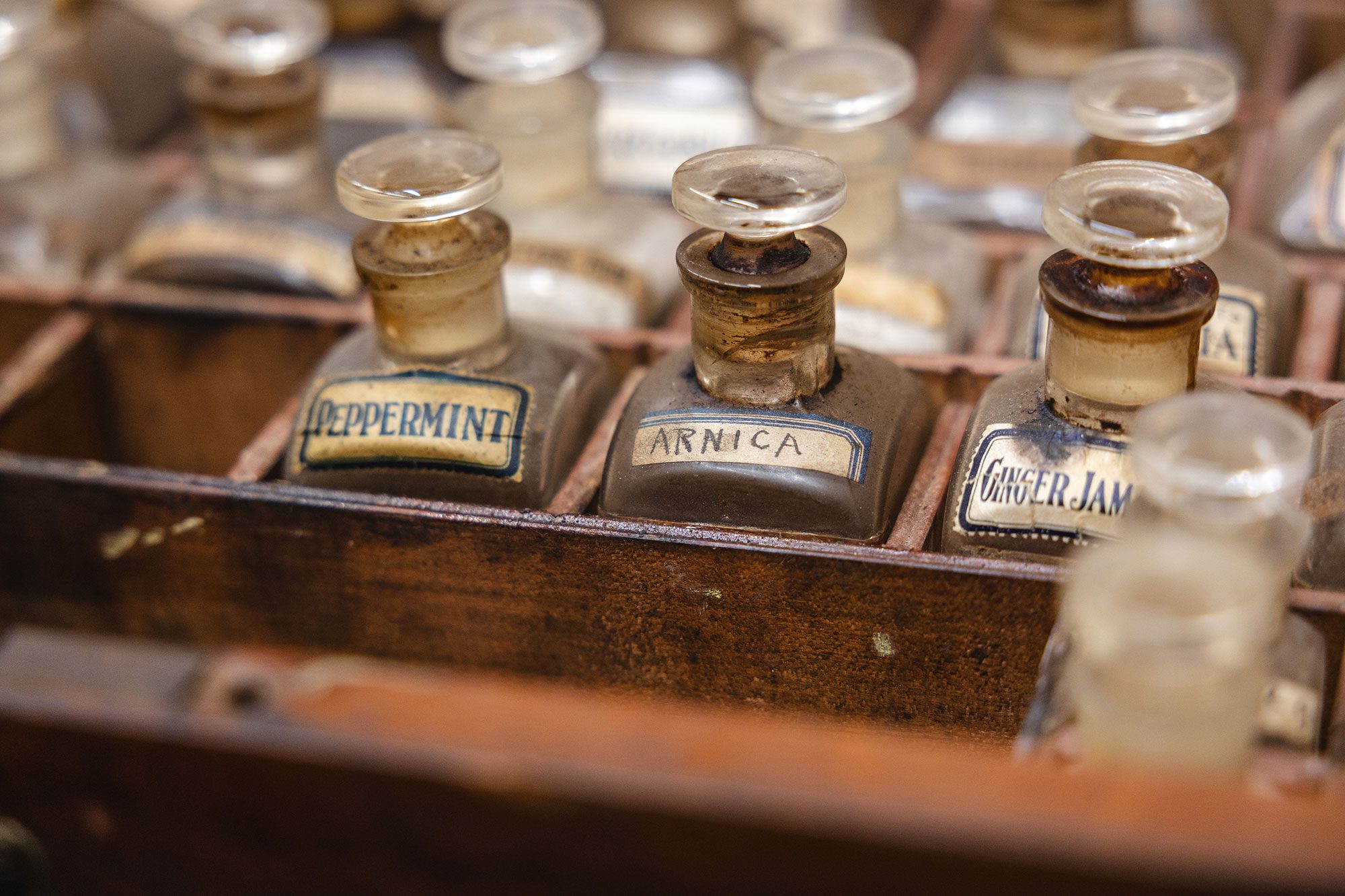
“Our chest, designed by a pharmacy in New York, is made of wood, with metal fixtures including a special pin that keeps the drawer from opening until removed that seems designed to withstand the jostling at sea,” said Ashley Jester, WHOI director of research data and library services. “The medicine bottles themselves are made of glass and still bear their original labels. Many of these medicines are no longer used as they were when this chest was assembled, but the thoughtful construction of the chest has kept the bottles secure all these years.”
In 1940, the U.S. Public Health Service published a guide called “The Ship’s Medicine Chest and First Aid at Sea,” a contemporary source for how this chest was to be used. “While many of its contents are expected – clove oil for treating toothaches – others are now known to be poisonous, including the lozenges simply labeled as ‘blue pills’ that contained mercury! These were used to treat infections like syphilis prior to the development of penicillin,” said Jester.
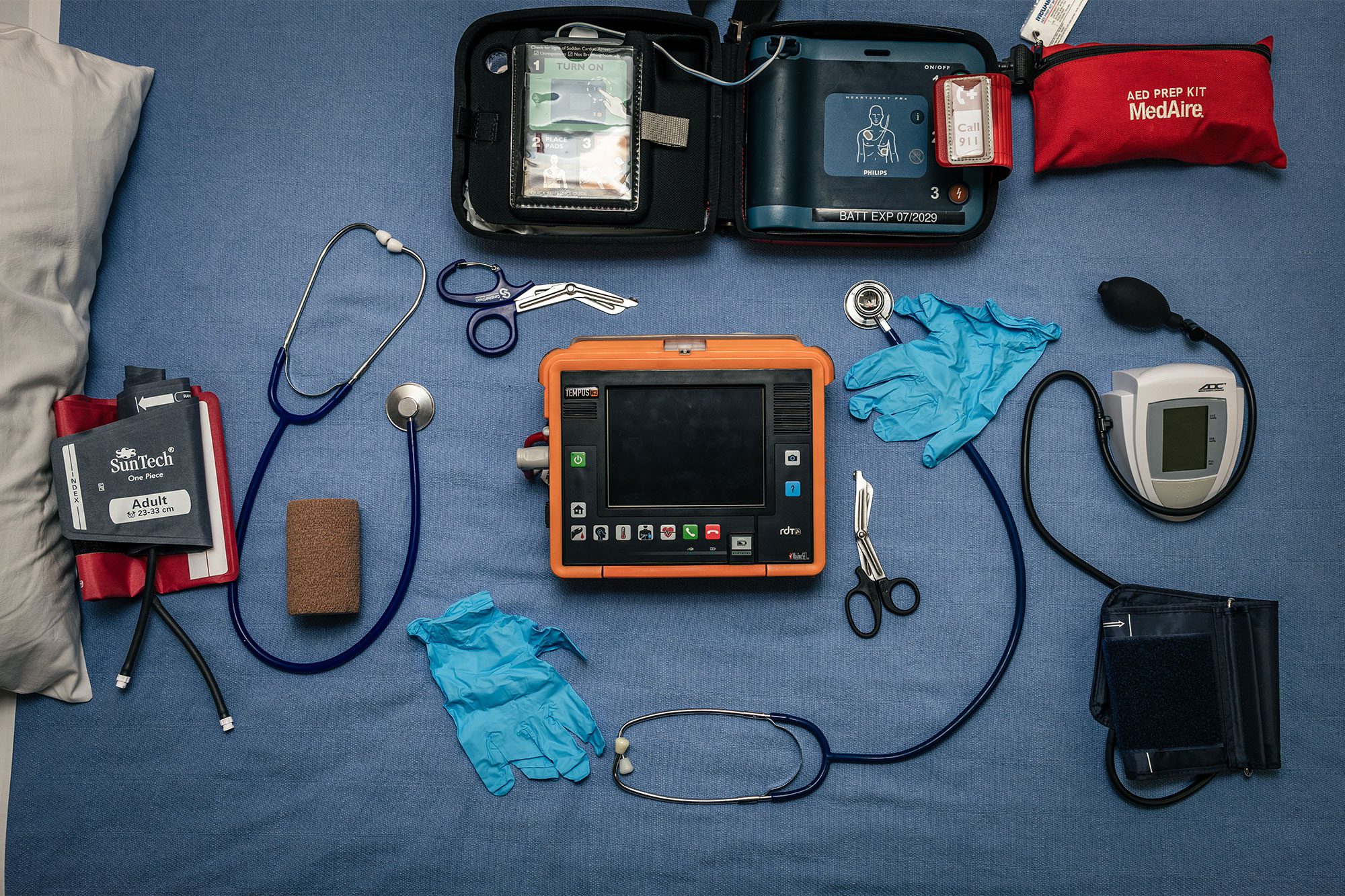
These days, shipboard medicine looks very different. Large steel medicine cabinets on ships like the R/V Neil Armstrong have replaced wooden chests, and there are plenty of digital instruments used from electrocardiographs and glucose monitors to pulse oximeters. “We carry a lot better medicines now,” said Mike Singleton, relief captain for the Armstrong, “and our kit is comprehensive enough to prepare us for emergencies that happen in the middle of the ocean. And, today we can do a test like an EKG and stream it to doctors on shore while talking to them. They’re seeing the data you’re transmitting live.”
But even with highly trained crews and access to doctors via satellite communications, not all medical issues can be handled at sea. In January 2026, a scientist on board today’s Atlantis had an excruciatingly painful infected tooth while the vessel was in transit off the coast of Mexico. On the advice of George Washington Medical, WHOI’s telemedicine provider, the ship’s crew altered course to Cabo San Lucas, evacuated the scientist, and arranged for flights home. “Decisions like this can fall heavy on a ship captain; sometimes it’s a very tough call since you only have so much time for the trip,” said Singleton. “But if the doctor says get this person to shore, you have to get the person to shore.”

MEET THE AUTHOR Evan Lubofsky
Evan Lubofsky is a science writer and editor at Woods Hole Oceanographic Institution. After studying journalism at UMass Amherst, he began writing about sensor and...
Read more