A scientist’s quest to find Earth’s oldest ice
After recovering ice that dates back 6 million years, Sarah Shackleton hopes to dig deeper into Earth’s history from a remote Antarctic moraine
Estimated reading time: 3 minutes
Sarah Shackleton is on a mission.
The WHOI geoscientist hunts for old ice — really old ice that has survived for millions of years. Like the 6-million-year-old ice core she and her colleagues brought back from the Allan Hills region of Antarctica in 2023.
“We’re trying to understand what the climate was like on timescales of early human evolution, when the planet was warmer,” said Shackleton. “Old ice is a window into our planet’s past.”
You might think 6 million years sounds, well, old enough. But Shackleton and her colleagues from the NSF Center for Oldest Ice Exploration (COLDEX) are not stopping there. They plan to head back to East Antarctica in November (pending NSF funding) to a different site known as Elephant Moraine. This prolific meteorite recovery site was named in the early 1970s for its dark rocky ridge that resembles an elephant from space. There, Shackleton hopes to find ice even older than the samples from Allan Hills.
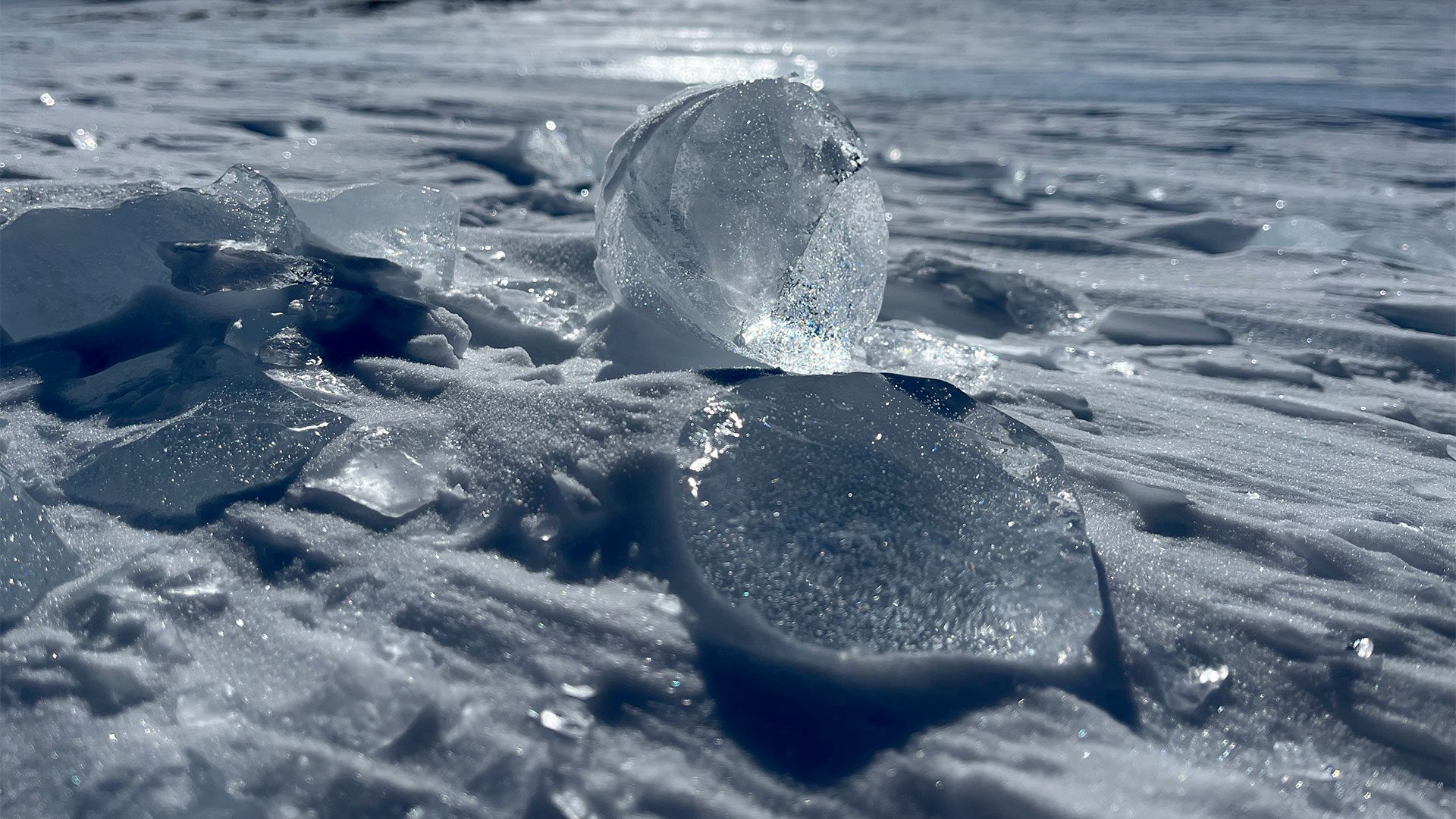
“We’re hoping to extend these records, possibly back to 10 million years ago,” said Shackleton. “That was a little after the mid-Miocene, when the Earth was quite a bit warmer. We don’t have a good understanding of what the world looks like when it was that much warmer, why it was warmer, and what that meant for the rest of the climate.”
The key will be extracting ice cores that have air bubbles preserved inside. As the weight of snowfall bears down on ice sheets and pressure increases, tiny gaps between individual snow grains get sealed off. Eventually, after many years of compression, the snow densifies into hardened ice layers known as firn, and then into solid glacial ice — with the trapped air bubbles locked inside.
For Shackleton, these ancient bubbles of air are the real fossils: She and her team date the ice by measuring the amount of argon they hold. The trapped air can also tell scientists things about the atmosphere like the carbon dioxide levels, how fast snow accumulated, the thickness of the ice sheet, and fluctuations in air and ocean temperatures.
There’s a lot of potential information to be gleaned, but how likely is Shackleton to find ice that’s 10-million-years-old? She thinks she has a fair shot for a few reasons. Back in 2017, some of her colleagues from Korea struck ice that was approximately 350,000 years old in the top 10 meters (32 feet) of ice at Elephant Moraine. “That’s really old ice that was found pretty close to the surface,” she said.
Another encouraging factor is that the velocity of ice flowing along the moraine is slow, which means that it is likely to stay in one place longer. This old ice is gradually exposed as constant winds shave off snow and ice from the surface, a process known as ablation.
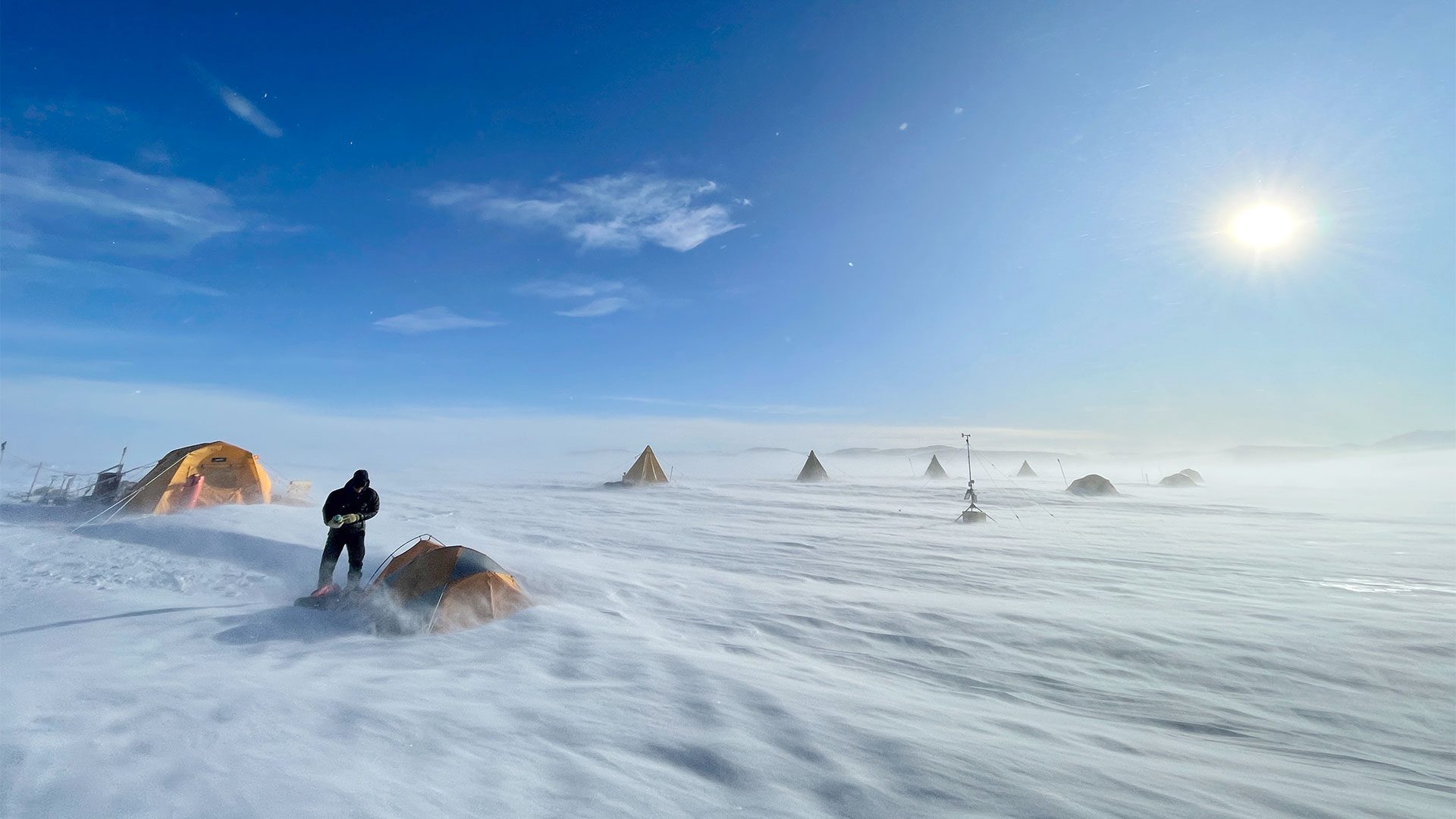
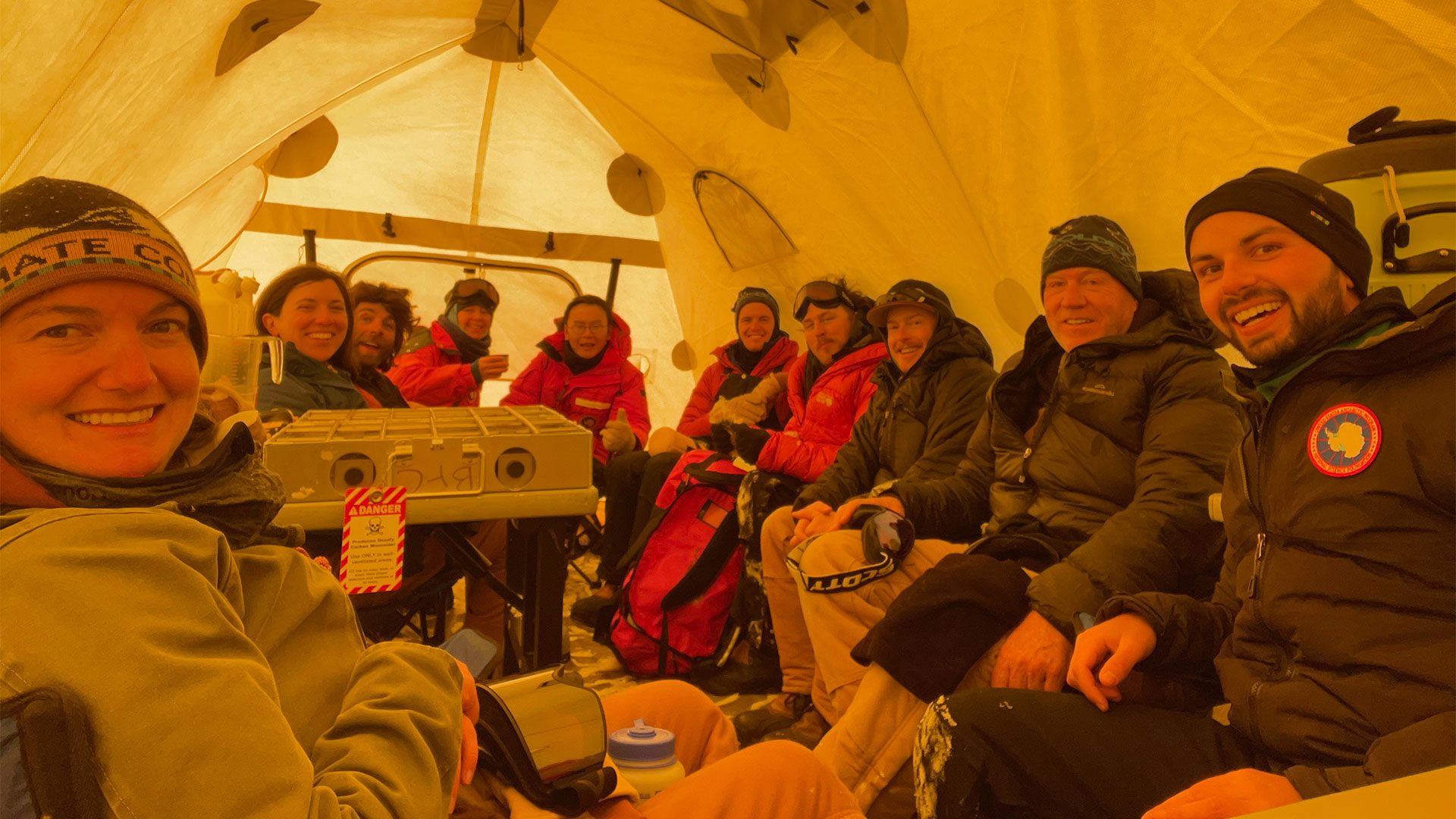
Provided that funding comes through for the November field work, Shackleton and her team will fly to McMurdo Station on Ross Island, Antarctica, and then board an hour-long flight out to Elephant Moraine to set up camp where they’ll stay for a month or two, along with equipment and staff from the U.S. National Science Foundation Ice Drilling Program.
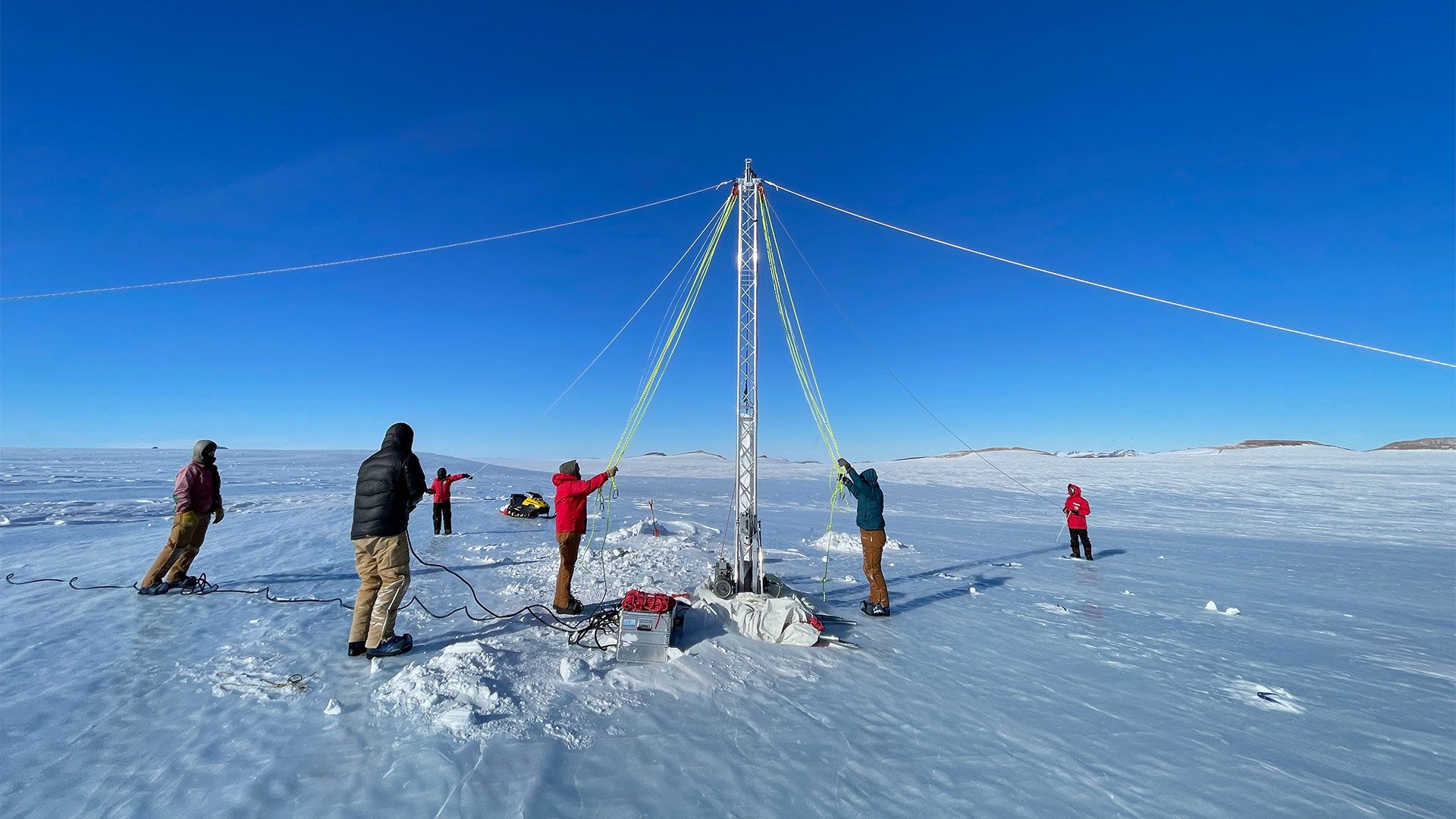
Ice core scientists traditionally work at the center of the ice sheet, where the ice is thickest. Shackleton and her colleagues, on the other hand, have focused their efforts on the edges, where the ice is much thinner. “We’re working at the ice margins where we already know you can find old ice close to the surface,” she said. “We’ll see what we can find when we drill to bedrock.” At Elephant Moraine, the team expects to hit bedrock at about 200 meters (656 feet), significantly shallower than the approximately 2,000 meters (6,562 feet) or more they would need to drill through at sites near the interior of the continent.
In terms of the ice’s implications for the near future, Shackleton was somewhat reserved. “If you want to know exactly how warm it will be or how high sea level will get by 2050, I’m not sure 10-million-year-old ice would be the first place I’d go looking.” But the information that Shackleton and her colleagues may extract from these ice samples should provide new insight into what Earth looked like during a far warmer era, deepening our understanding of the climate system and how it behaves in a warmer world.
Sarah Shackleton is supported by The J. Lamar Worzel Assistant Scientist Fund and The Penzance Endowed Fund in Support of Assistant Scientists.