
News Releases
New harmful algal blooms report
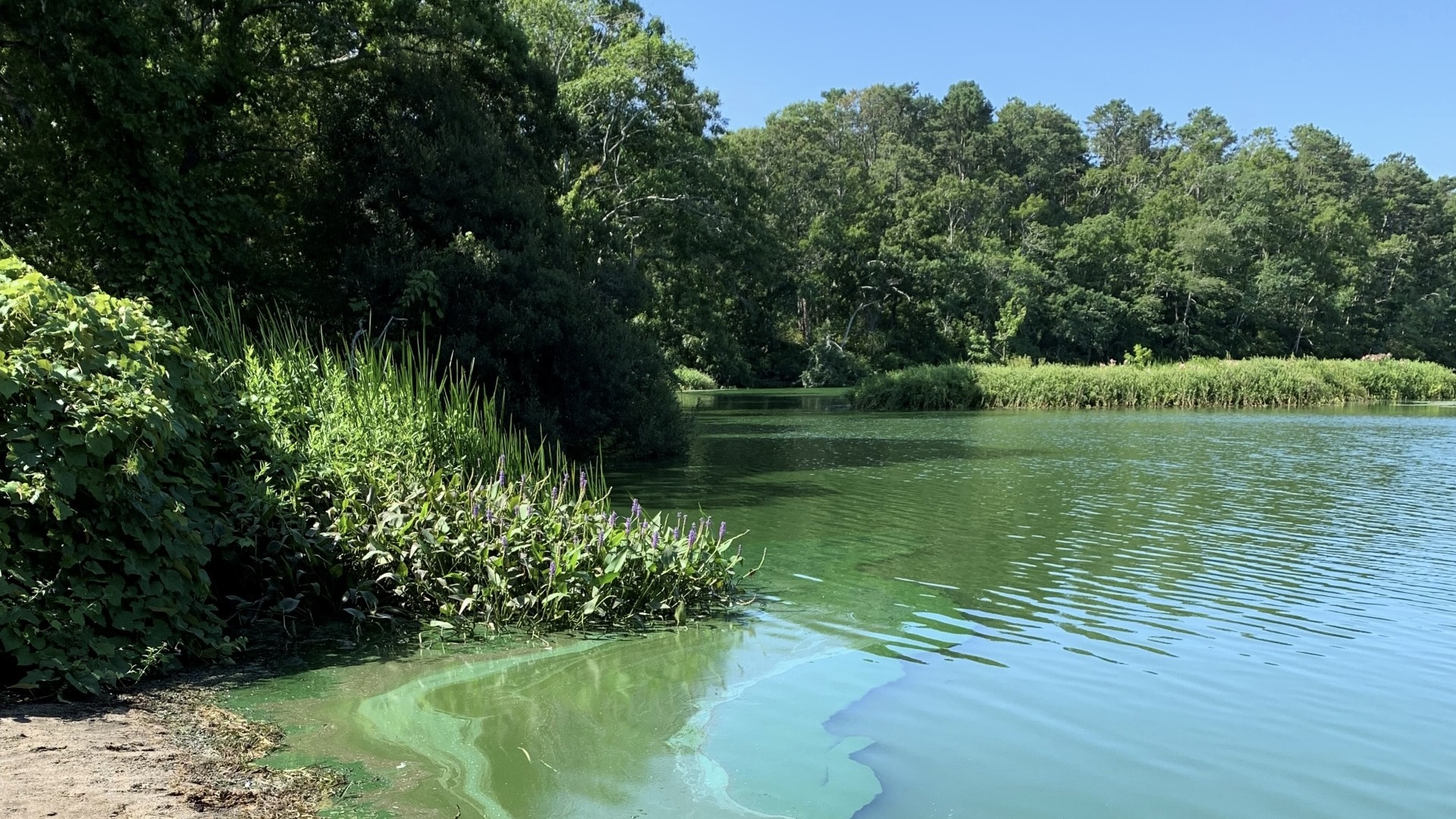
Updated national science strategy for harmful algal research and response builds on major accomplishments, findings.
Read MoreThe Detection of a Massive Harmful Algal Bloom in the Arctic Prompts Real-Time Advisories to Western Alaskan Communities
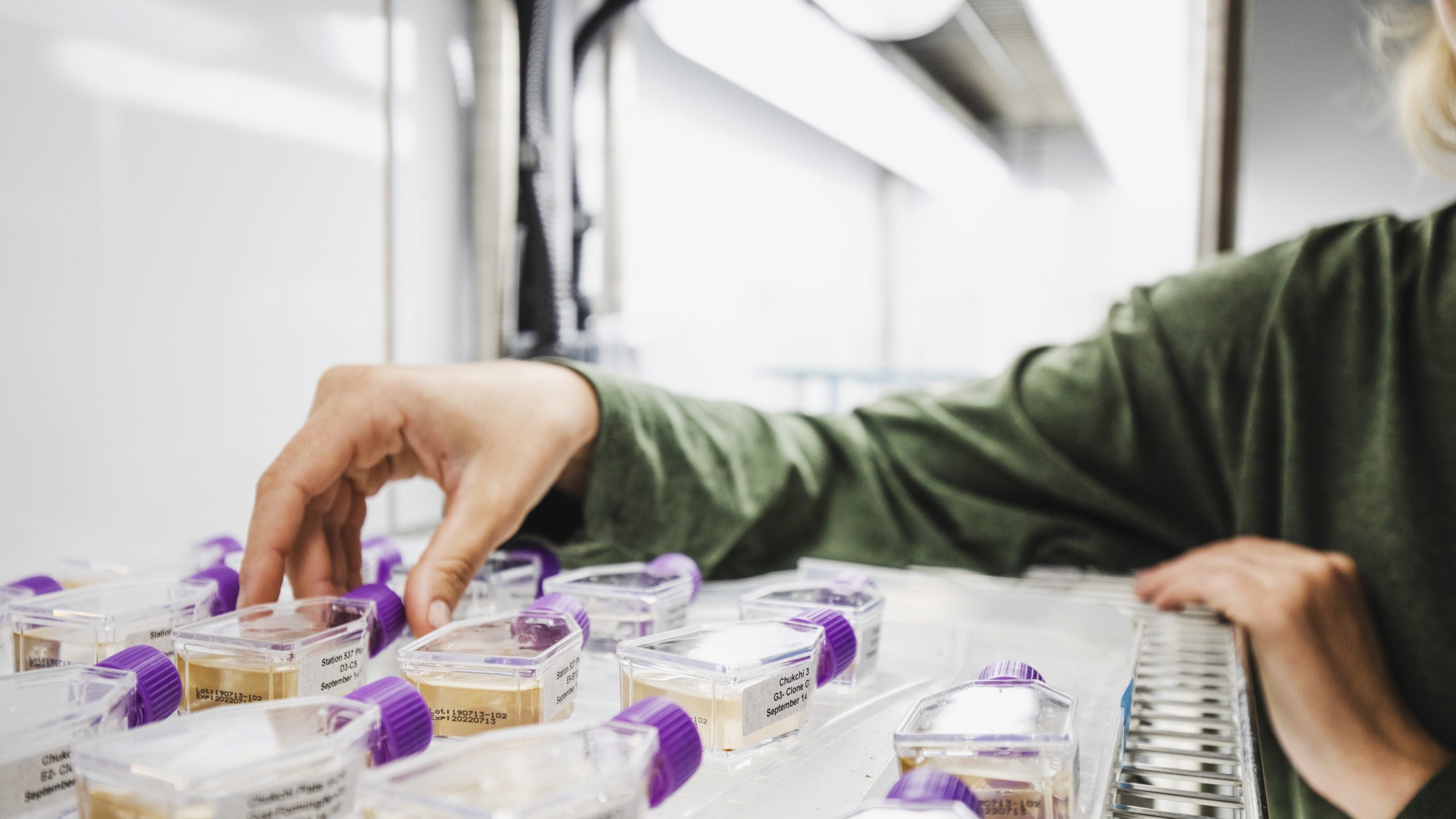
The potent toxicity of the 2022 HAB event “posed an unprecedented risk to human and ecosystem health.”
Read MoreWoods Hole Center for Oceans and Human Health Receives Additional Five Years of Funding
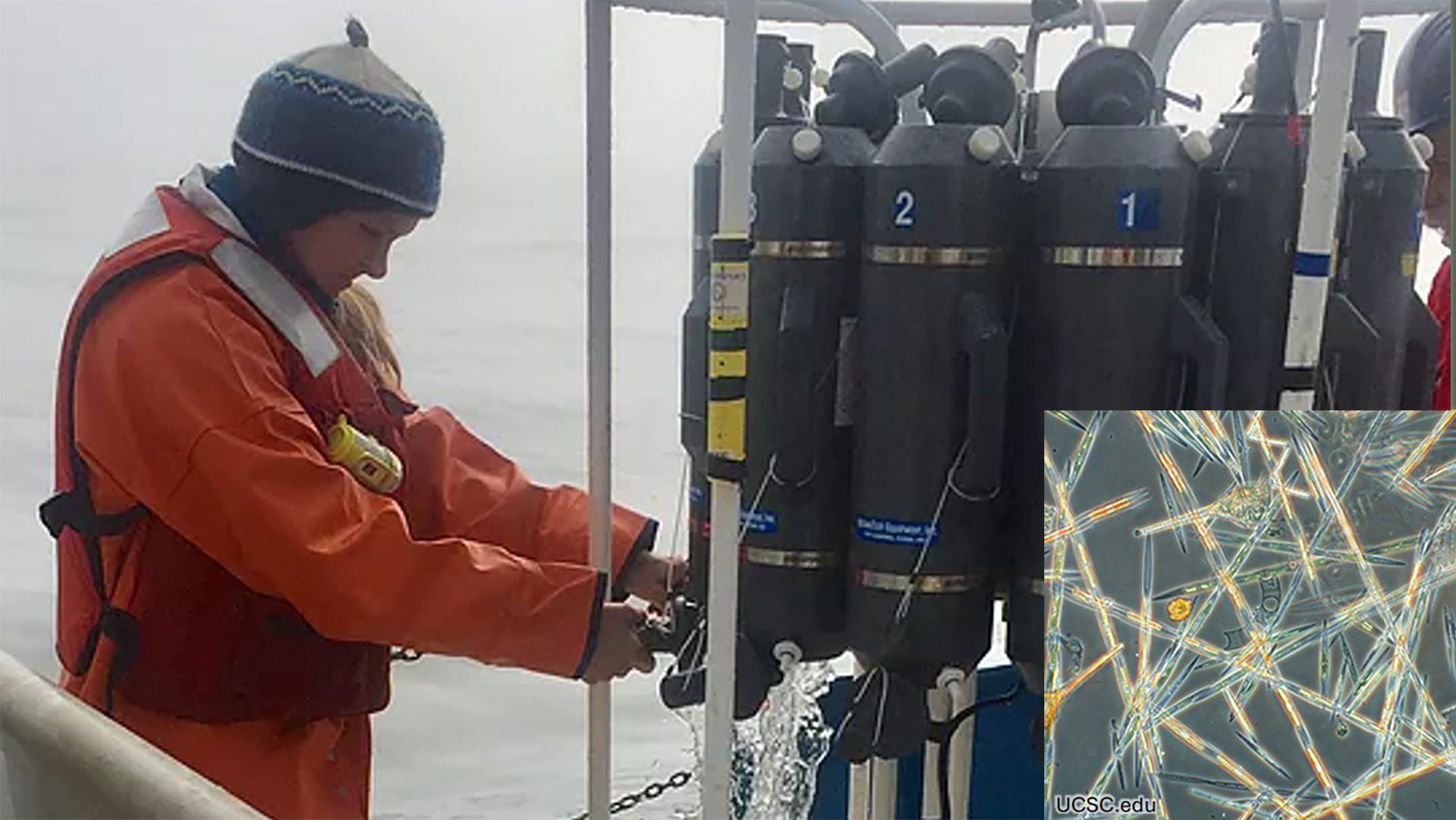
The National Institute of Environmental Health Sciences (NIEHS) and National Science Foundation (NSF) have announced that the Woods Hole Oceanographic Institution (WHOI) will receive funding to continue operating the Woods Hole Center for Oceans and Human Health (WHCOHH).
Read MoreStudy Finds Growing Potential for Toxic Algal Blooms in the Alaskan Arctic
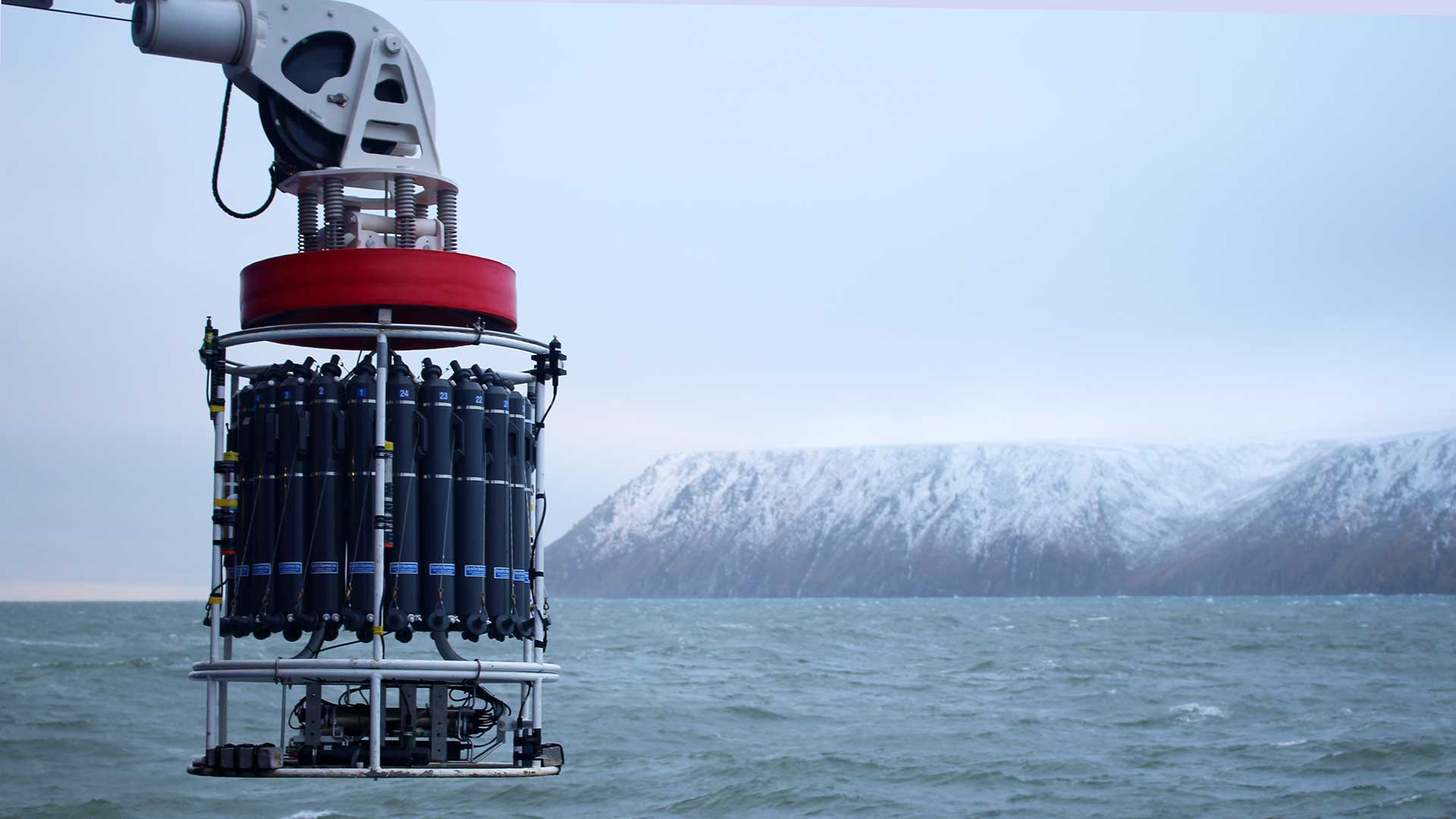
A warming Arctic presents potential new threats to humans and marine wildlife in the fast-changing region Changes in the northern Alaskan Arctic ocean environment have reached a point at…
Read MoreFirst Global Statistical Analysis of Harmful Algal Blooms
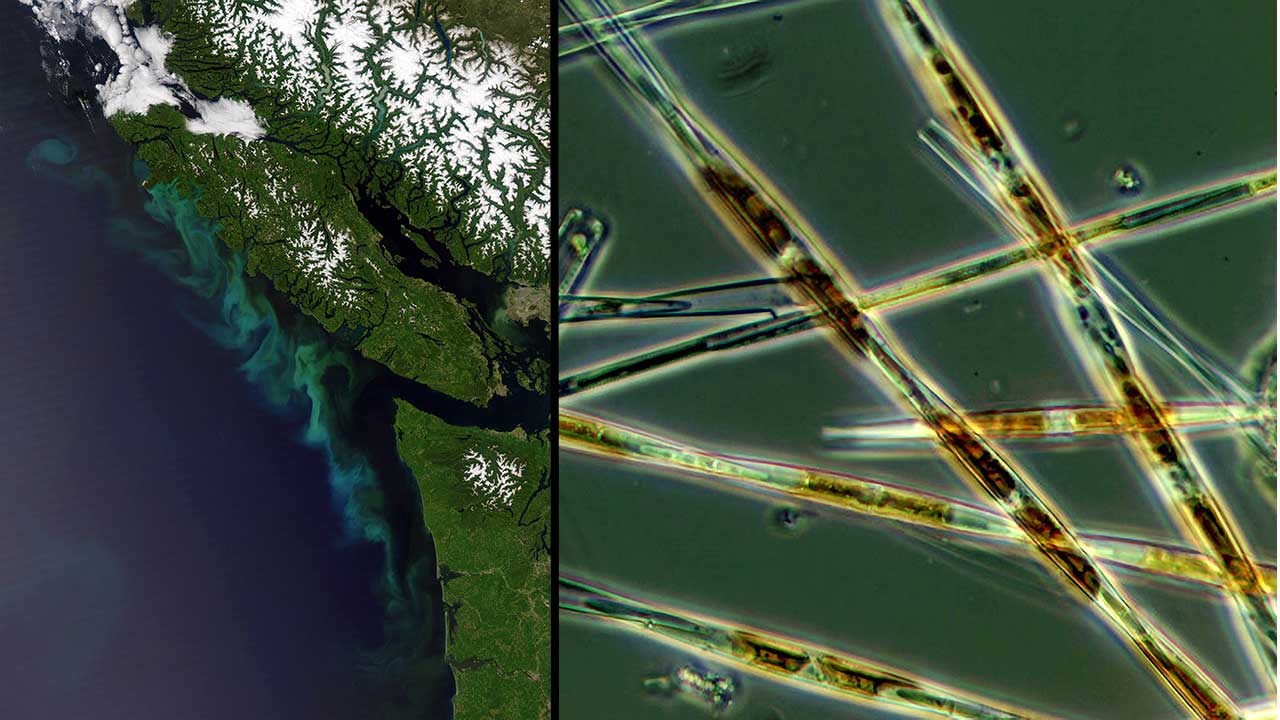
International study finds no worldwide trend in blooms, but significant increases in some regions and of certain species, pointing to the need for better monitoring and data collection—especially in light…
Read MoreWHOI and NOAA Release Report on U.S. Socio-economic Effects of Harmful Algal Blooms
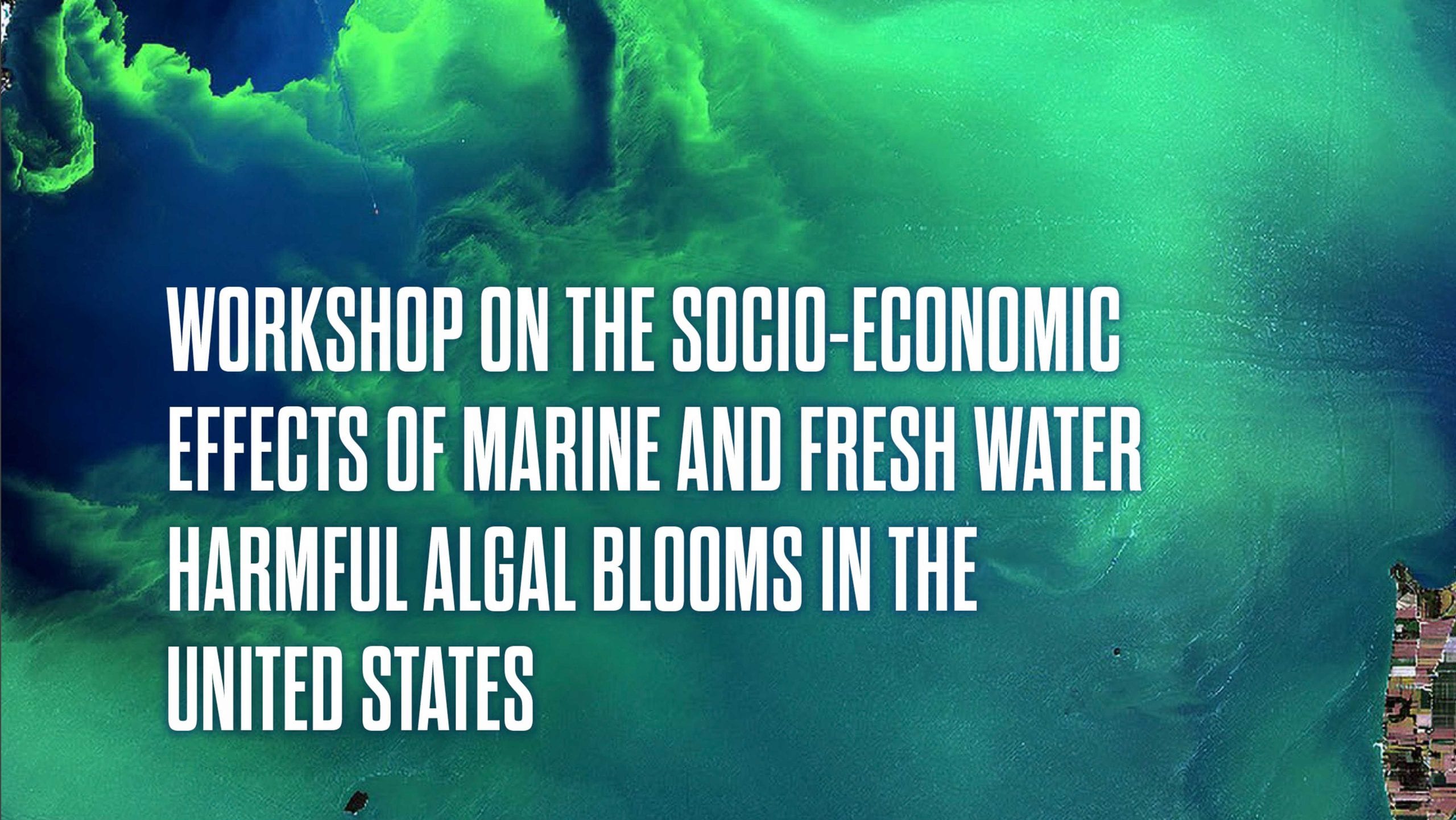
Woods Hole, Mass. — Harmful algal blooms (HABs) occur in all 50 U.S. states and many produce toxins that cause illness or death in humans and commercially important species. However,…
Read MoreWHOI receives NOAA awards to study, predict harmful algal blooms
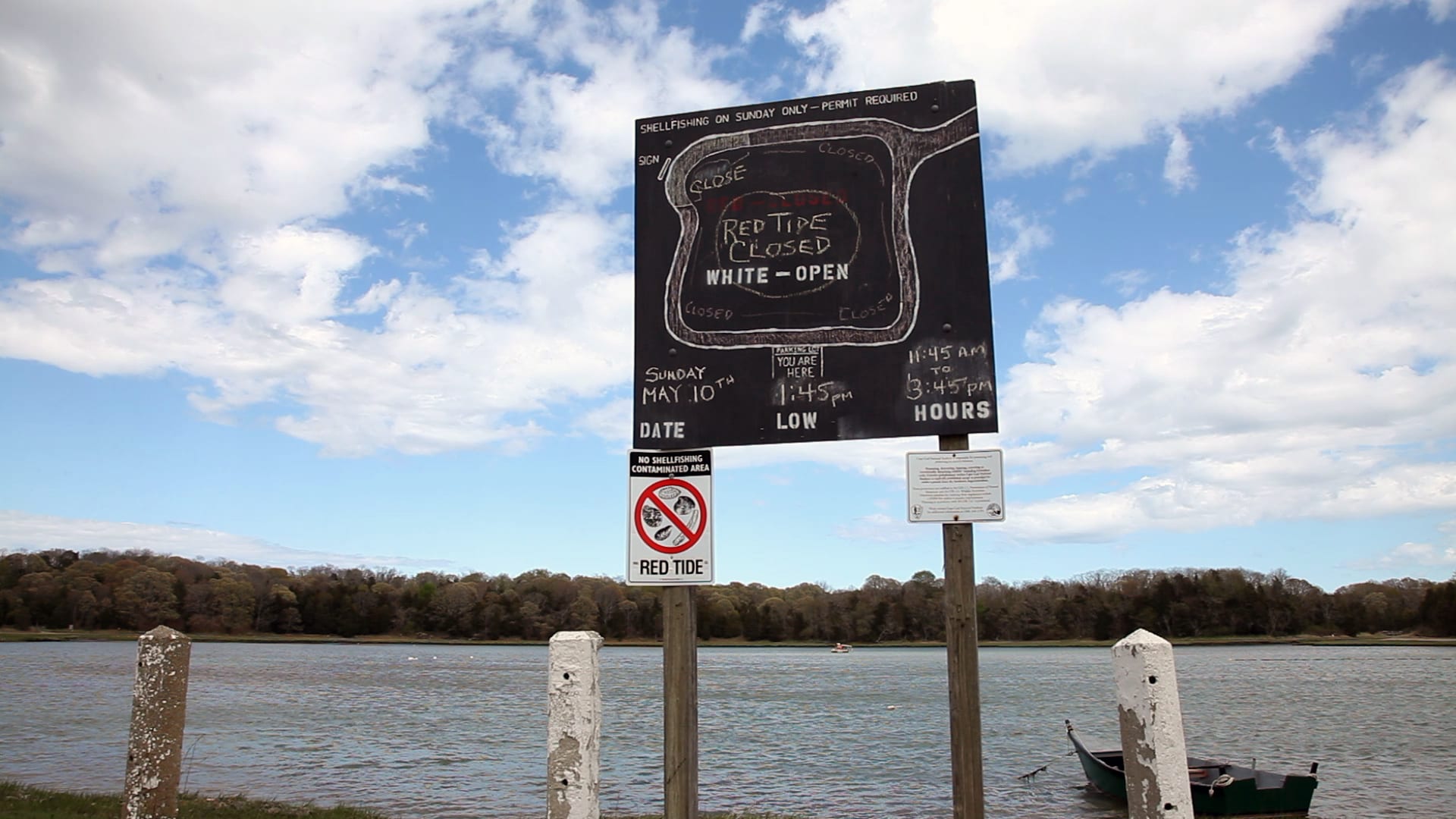
Projects will help enhance monitoring and determine socioeconomic impacts of blooms nationwide Researchers at Woods Hole Oceanographic Institution (WHOI) were recently named in a list of 17 new research projects…
Read MoreNOAA awards WHOI $2.9 million for harmful algal bloom research
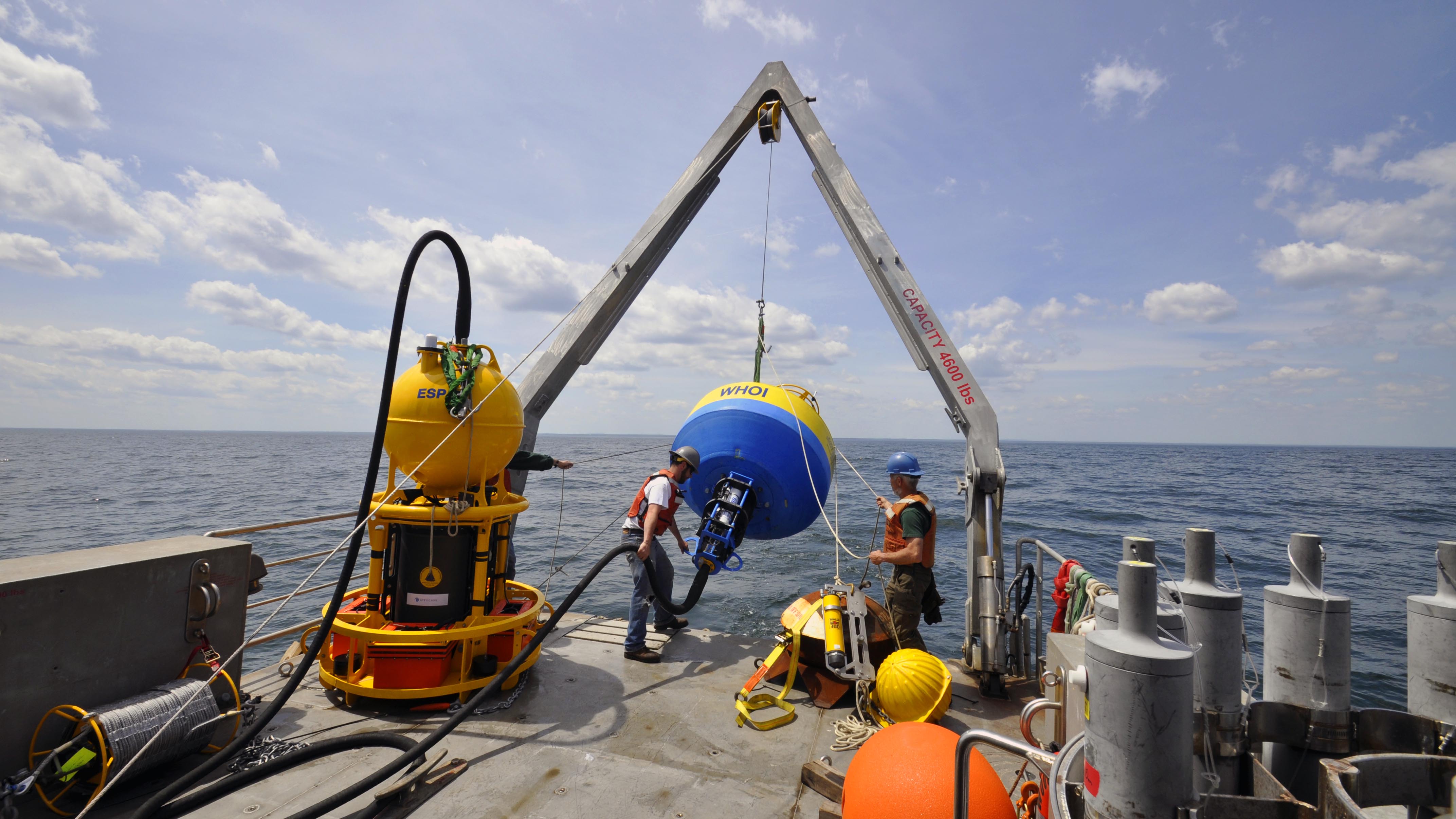
NOAA’s National Centers for Coastal Ocean Science recently announced funding for 12 new research projects to better understand and predict harmful algal blooms (HABs) and improve our collective response to them.
Read MoreWoods Hole Center for Oceans and Human Health Receives Five-year Funding from NSF and NIEHS
The National Science Foundation (NSF) and National Institute of Environmental Health Sciences (NIEHS), one of the National Institutes of Health, have announced that the Woods Hole Oceanographic Institution (WHOI) will…
Read MoreGulf of Maine Red Tide Bloom Expected to Be Similar to Past Three Years
New England’s spring and summer red tides will be similar in extent to those of the past three years, according to the 2015 Gulf of Maine red tide seasonal forecast. The forecast is the eighth seasonal Gulf of Maine red tide forecast funded by NOAA and issued by scientists from the Woods Hole Oceanographic Institution and North Carolina State University.
The forecast is part of a larger NOAA effort to deliver ecological forecasts that support human health and well-being, coastal economies, and coastal and marine stewardship.
Red tide, a type of harmful algal bloom (HAB) caused by the alga Alexandrium fundyense, produces a toxin that can lead to paralytic shellfish poisoning, which can result in serious or even fatal illness in humans who eat contaminated shellfish. In 2005, an unusually large red tide event caused $23 million in lost shellfish sales in Massachusetts and Maine.
Read MoreNew Sensor Array to Monitor Impacts of Changing Gulf of Maine Conditions on New England Red Tide
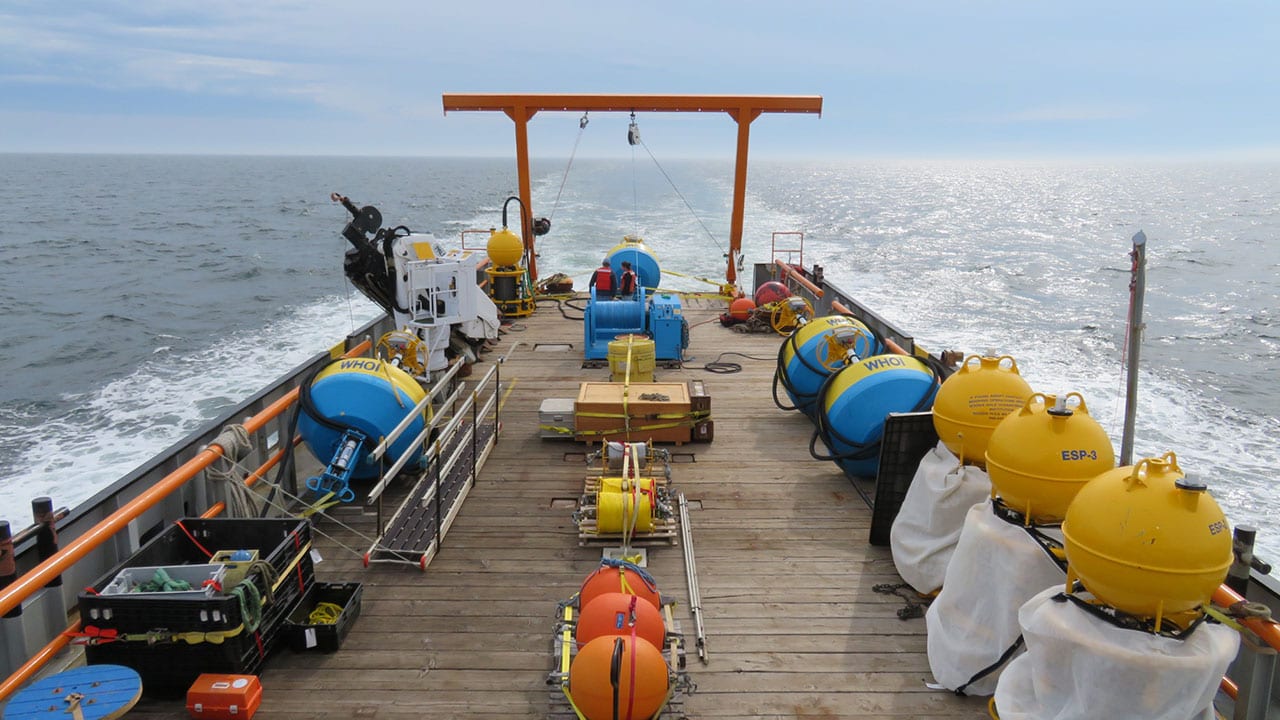
Scientists from the Woods Hole Oceanographic Institution (WHOI) are kicking off an innovative NOAA-funded pilot program using robotic instruments and computer modeling analysis to shed light on changing ocean conditions in the Gulf of Maine as they relate to the harmful algal bloom (HAB) phenomenon commonly known as the New England red tide.
Read MoreNew Robotic Instruments to Provide Real-Time Data on Gulf of Maine Red Tide
A new robotic sensor deployed by Woods Hole Oceanographic Institution (WHOI) in Gulf of Maine coastal waters may transform the way red tides or harmful algal blooms (HABs) are monitored…
Read MoreResearch Enables Fishermen to Harvest Lucrative Shellfish on Georges Bank
Combined research efforts by scientists involved in the Gulf of Maine Toxicity (GOMTOX) project, funded by NOAA’s Ecology and Oceanography of Harmful Algal Blooms (ECOHAB) program, and administered by the…
Read MoreResearchers Issue Forecast for ‘Moderate’ New England Red Tide in 2013
New England is expected to experience a “moderate” red tide this spring and summer, report NOAA-funded scientists studying the toxic algae that cause blooms in the Gulf of Maine. The…
Read MoreResearchers Report Potential for a “Moderate” New England “Red Tide” in 2012
New England is expected to experience a “moderate” regional “red tide” this spring and summer, report NOAA-funded scientists working in the Gulf of Maine to study the toxic algae that causes the bloom. The algae in the water pose no direct threat to human beings, however the toxins they produce can accumulate in filter-feeding organisms such as mussels and clams— which can cause paralytic shellfish poisoning (PSP) in humans who consume them.
Read MoreResearchers Report Potential for a Moderate New England ‘Red Tide’ in 2011
Scientists from the NOAA-funded Gulf of Maine Toxicity (GOMTOX) project issued an outlook for a moderate regional bloom of a toxic alga that can cause ‘red tides’ in the spring…
Read MoreNauset Marsh Estuary Red Tide Study to Begin
A three-year study into the cause of local area red tides is set to begin March 21. A team of researchers from the National Park Service, U.S. Geological Survey, and…
Read MoreFirst Harmful Algal Bloom Species Genome Sequenced
The microscopic phytoplankton Aureococcus anophagefferens, which causes devastating brown tides, may be tiny but it’s a fierce competitor. In the first genome sequencing of a harmful algal bloom species, researchers…
Read MoreResearchers Issue Outlook for a Significant New England ‘Red Tide’ in 2010
Today, scientists from the NOAA-funded Gulf of Maine Toxicity (GOMTOX) project issued an outlook for a significant regional bloom of a toxic alga that can cause ‘red tides’ in the…
Read MoreResearchers Report Potential for “Moderately Large” Red Tide Outbreak in the Gulf of Maine Region for 2009
The potential for an outbreak of the phenomenon commonly called “red tide” is expected to be “moderately large” this spring and summer, according to researchers with the Woods Hole Oceanographic…
Read MoreIn Computer Models and Seafloor Observations, Researchers See Potential for Significant 2008 “Red Tide” Season
Researchers from WHOI and North Carolina State University are preparing for a potentially big bloom of harmful algae in New England waters this spring. A combination of abundant beds of algal seeds and excess winter precipitation have set the stage for an Alexandrium bloom similar to the historic “red tide” of 2005. Weather patterns and ocean conditions over the next few months will determine whether this year’s algal growth affects coastal shellfishing.
Read MoreUnderwater Microscope Helps Prevent Shellfish Poisoning Along Gulf Coast of Texas
Through the use of an automated, underwater cell analyzer developed at WHOI, researchers and coastal managers were recently able to detect a bloom of harmful marine algae in the Gulf of Mexico and prevent human consumption of tainted shellfish.
Read MoreHarmful Algal Bloom (Red Tide) Models and Forecasts to be Expanded in Gulf of Maine
A new observation and modeling program focused on the southern Gulf of Maine and adjacent New England shelf waters could aid policymakers in deciding whether or not to re-open, develop,…
Read MoreNew Maps Provide Clues to the Historic 2005 Red Tide Outbreak in New England And Hints for 2006
Scientists at the Woods Hole Oceanographic Institution (WHOI) have completed two extensive survey and mapping efforts to better understand why the 2005 New England red tide was so severe and…
Read More