
Raising Awareness
News
NEWS RELEASES
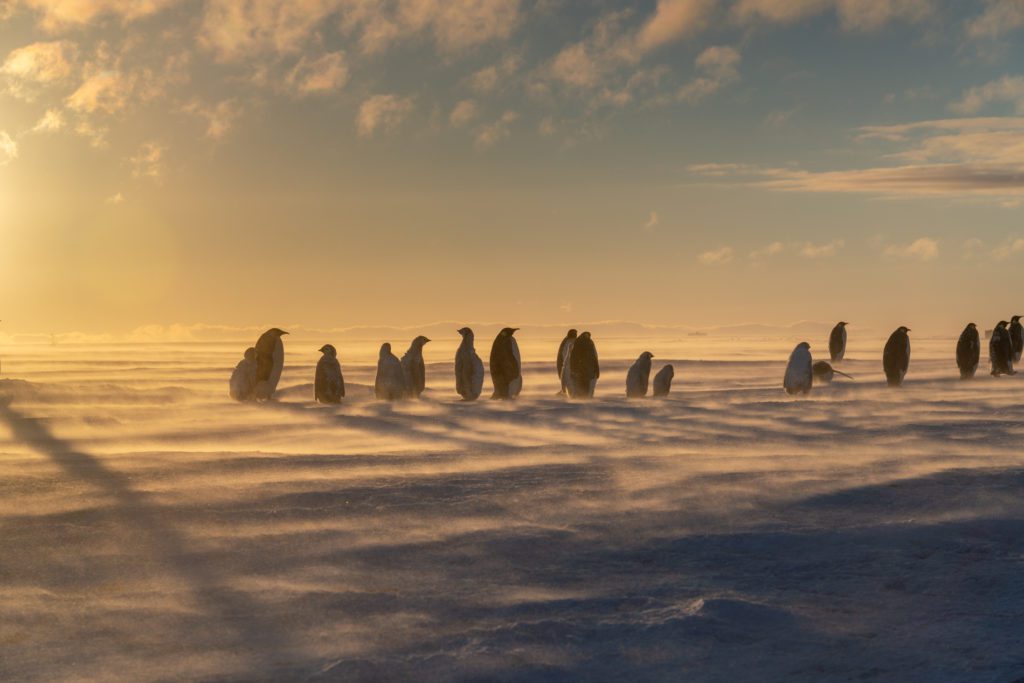
Emperor penguins granted protections under Endangered Species Act
Woods Hole Oceanographic Institution among research groups that offer key findings to support federal protection of species, increasingly under siege by climate change
Propeller Announces $100 Million Fund to Invest in Ocean-Climate Companies
Unique partnership with Woods Hole Oceanographic Institution and veteran leadership team deploys vital capital to blue economy ‘narwhals’ at the nexus of ocean innovation, science and technology.
First ever ocean-focused pavilion in the Blue Zone
Leading ocean science and philanthropic organizations to highlight the global ocean at UN climate conference

Resilient Woods Hole Awarded Grant from Massachusetts Office of Coastal Zone Management
Resilient Woods Hole (RWH), a private/public collaboration to prepare the village and blue economy of Woods Hole for major climate impacts such as sea-level rise, coastal flooding, and shoreline loss, has been awarded a second grant from the Massachusetts Office of Coastal Zone Management to continue its work in implementing community climate resiliency solutions.
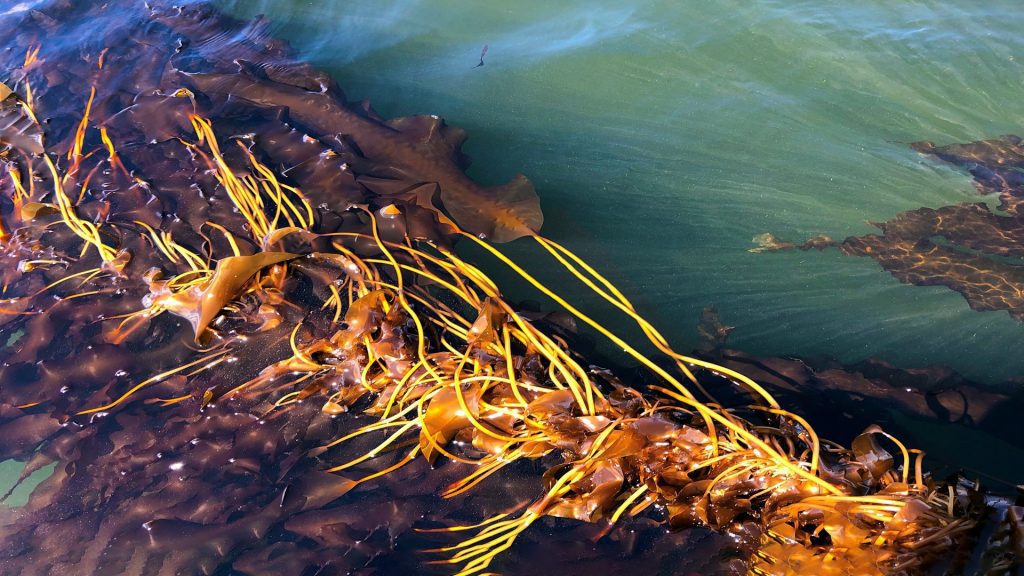
Woods Hole Oceanographic Institution receives Seagriculture Innovation Awards
Woods Hole Oceanographic Institution (WHOI)-led teams earned Gold and Silver Innovation Awards for seaweed solutions projects, presented at the first annual Seagriculture Conference USA 2022 in Portland, Maine.
WHOI | OCEANUS
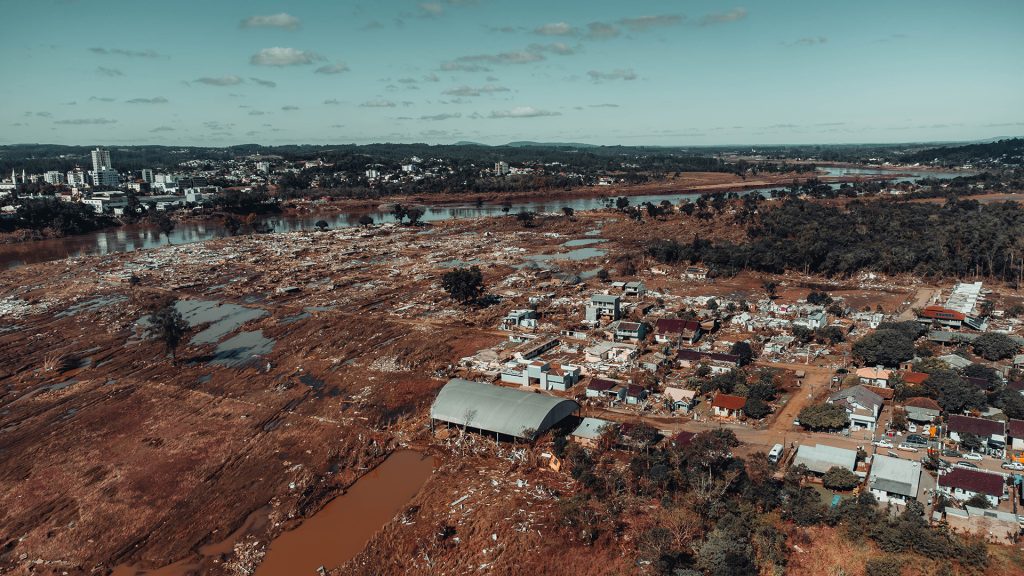
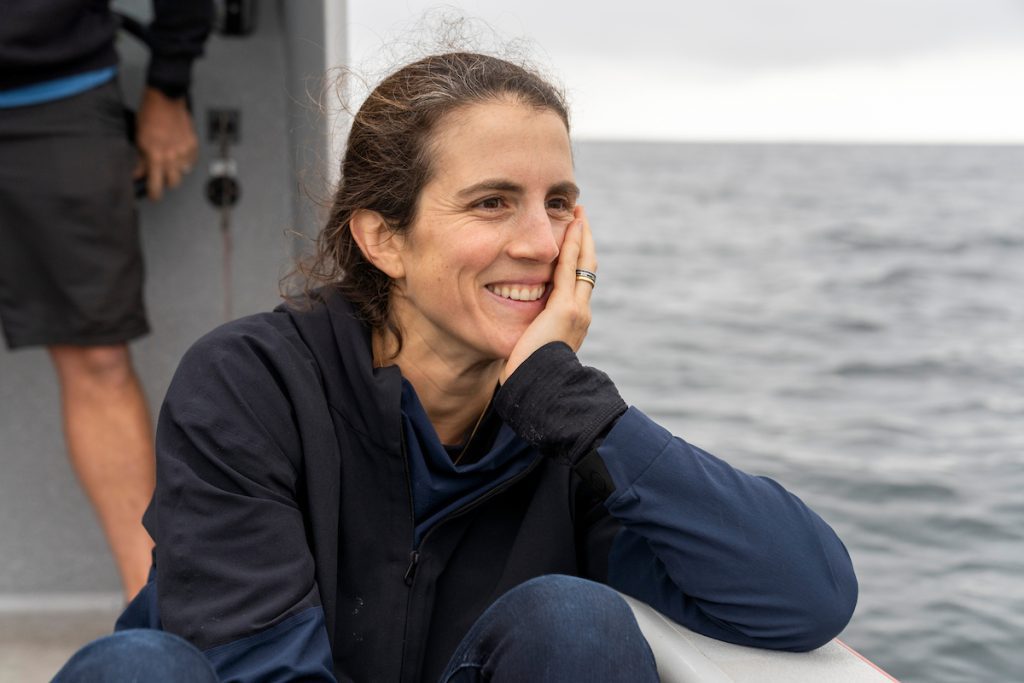
Remembering Tatiana Schlossberg, a voice for the ocean
Environmental journalist and author Tatiana Schlossberg passed away after battling leukemia on December 30, 2025. During the last few years of her life, Tatiana crossed paths with Oceanus magazine, first as a reader and then as a valued contributor. When she had initially expressed interest in writing for the magazine, we welcomed her years of environmental reporting experience, her genuine care about the ocean, and her curiosity. One day in early May, 2023, I reached…
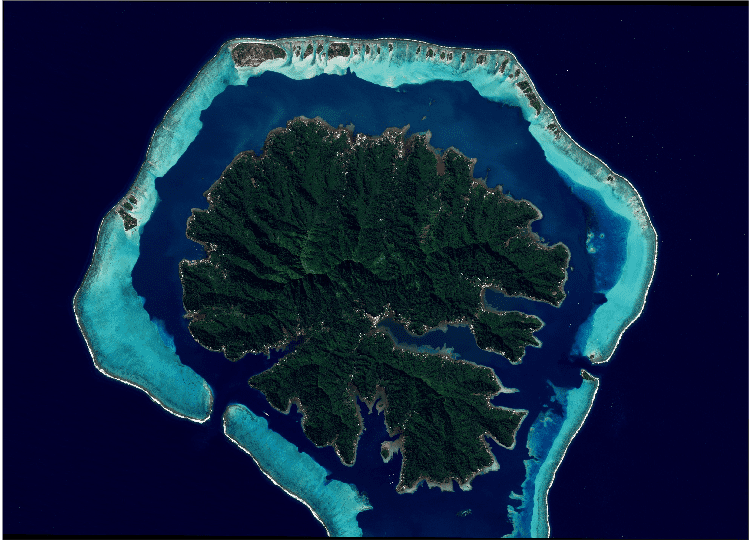
How an MIT-WHOI student used Google Earth to uncover a river–coral reef connection
Google Earth helps researcher decode how rivers sculpt massive breaks in coral reefs
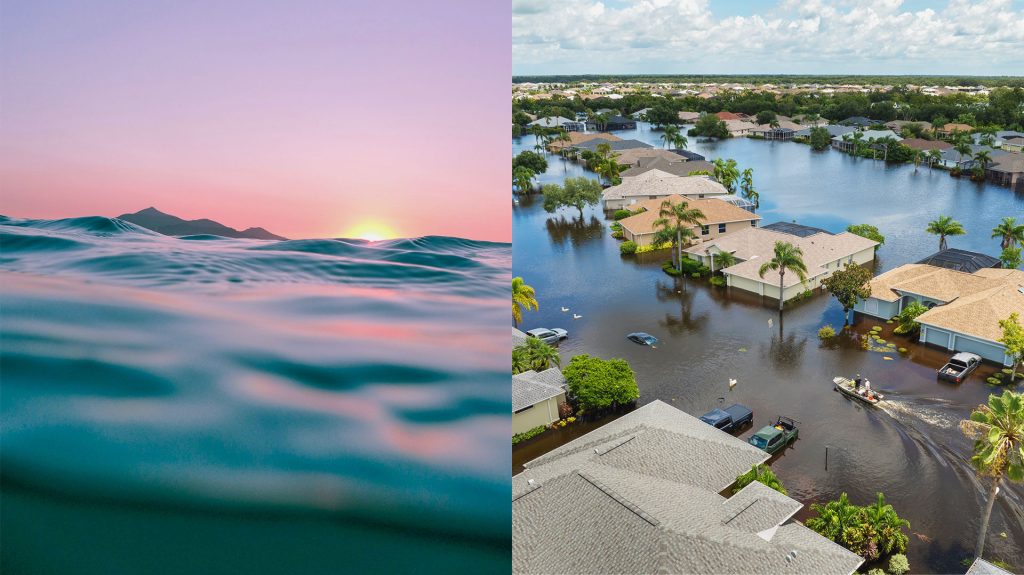
The ocean weather nexus, explained
The vital role of ocean observations in extreme weather forecasting

Publications
IN THE NEWS - RESEARCH HIGLIGHTS
Study offers first definitive proof that Gulf Stream has weakened
“New research from the Woods Hole Oceanographic Institution offers the first conclusive evidence that the Gulf Stream has weakened. The powerful ocean current off the East Coast influences regional weather, climate and fisheries, and the finding could have significant implications both for New England and the global climate.”
What Happens to Marine Life When There Isn’t Enough Oxygen?
In September of 2017, Woods Hole Oceanographic Institution postdoctoral scholar Maggie Johnson was conducting an experiment with a colleague in Bocas del Toro off the…
Maine’s having a lobster boom. A bust may be coming.
The waters off Maine’s coast are warming, and no one knows what that’s going to mean for the state’s half-billion-dollar-a-year lobster industry—the largest single-species fishery in North America. Some fear that continued warming could cause the lobster population to collapse. To understand what’s happening to the ecosystem of the Gulf of Maine, says Glen Gawarkiewicz, an oceanographer at Woods Hole Oceanographic Institution, in Massachusetts, you have to look beyond it—see how it’s affected by the atmosphere, ocean currents, and rivers that flow into it.