

Drive Breakthrough Ocean Science And Technology
Throughout human history, the ocean has inspired wonder and sparked imagination.
The drive to explore and understand the ocean's mysteries has spurred innovation and discovery, aiding humanity and transforming societies for the better. Today, ocean science and technology offer unprecedented opportunities to address some of our generation's most pressing problems-from hunger to intensifying storms to energy security.

IMPACT STORIES
More Stories of Impact
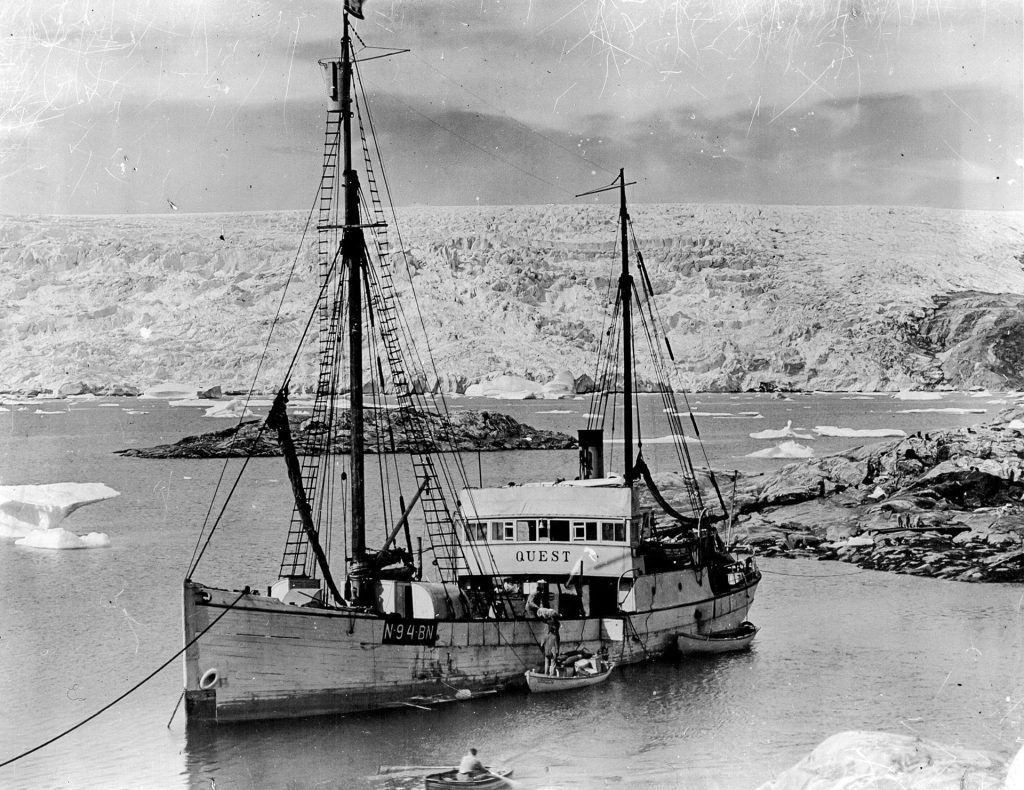
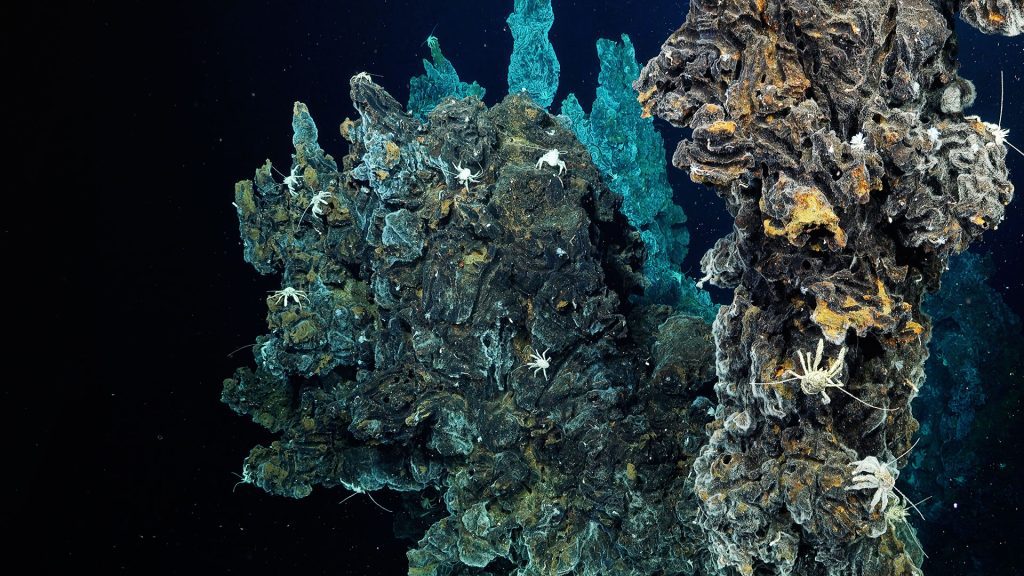
A once-in-a-generation dive into polar history
40 years after helping reveal the Titanic, Alvin returns to the North Atlantic to document two other legendary shipwrecks
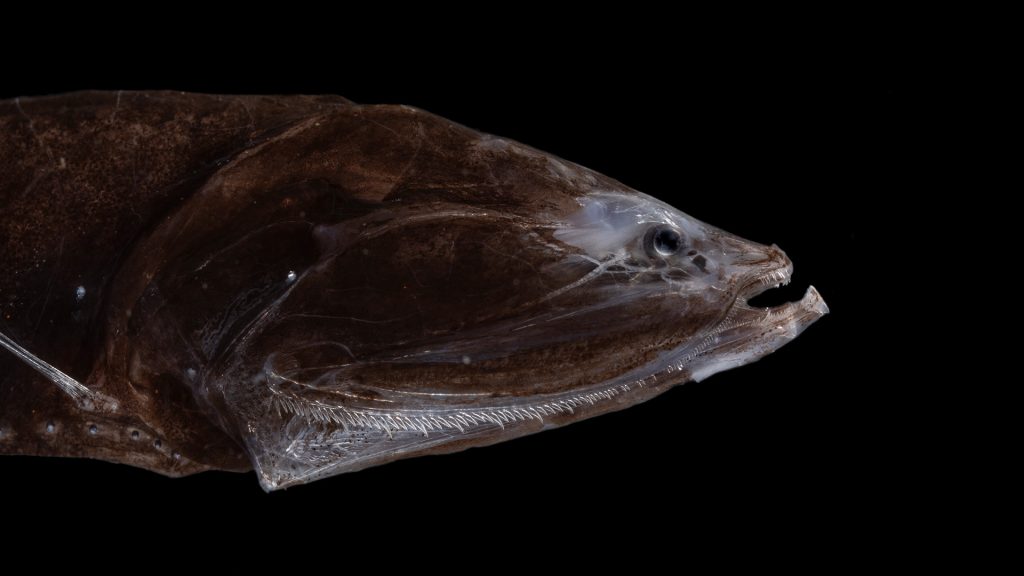
The world’s most abundant fish once thrived in an extreme climate
Fossilized teeth show bristlemouth fish evolved during one of the ocean’s hottest periods

Inside Room 71: WHOI history in seven artifacts
Some of the technology, art, and gifts that tell the story of the institution’s early days
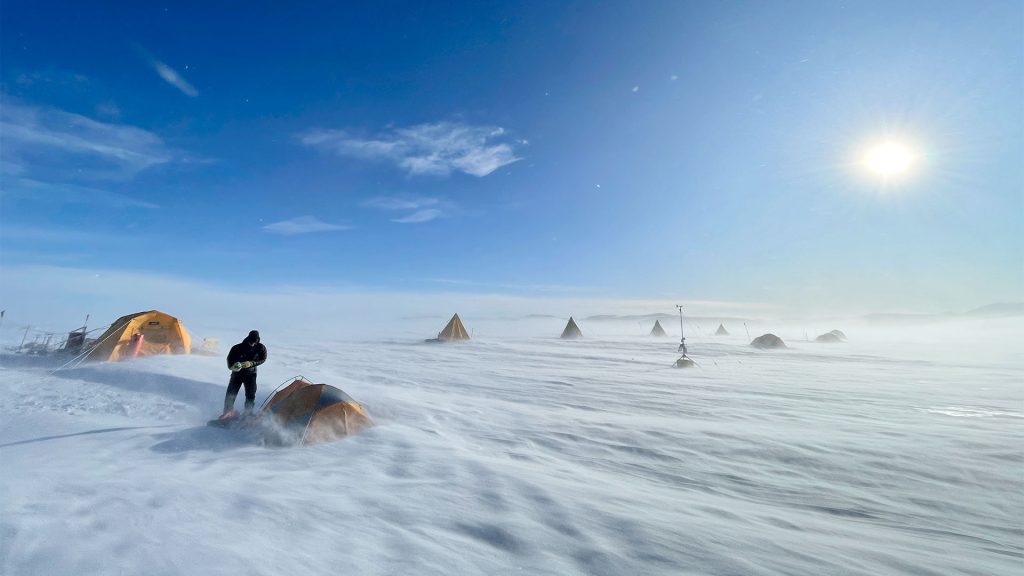
A scientist’s quest to find Earth’s oldest ice
After recovering ice that dates back 6 million years, Sarah Shackleton hopes to dig deeper into Earth’s history from a remote Antarctic moraine
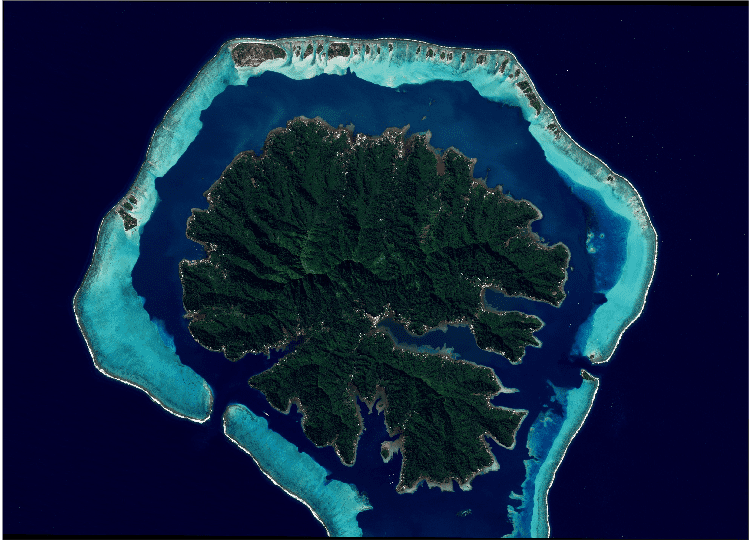
How an MIT-WHOI student used Google Earth to uncover a river–coral reef connection
Google Earth helps researcher decode how rivers sculpt massive breaks in coral reefs

Mary Sears and the race to solve the ocean in World War II
How her expertise on tides, currents, and swells saved American lives overseas
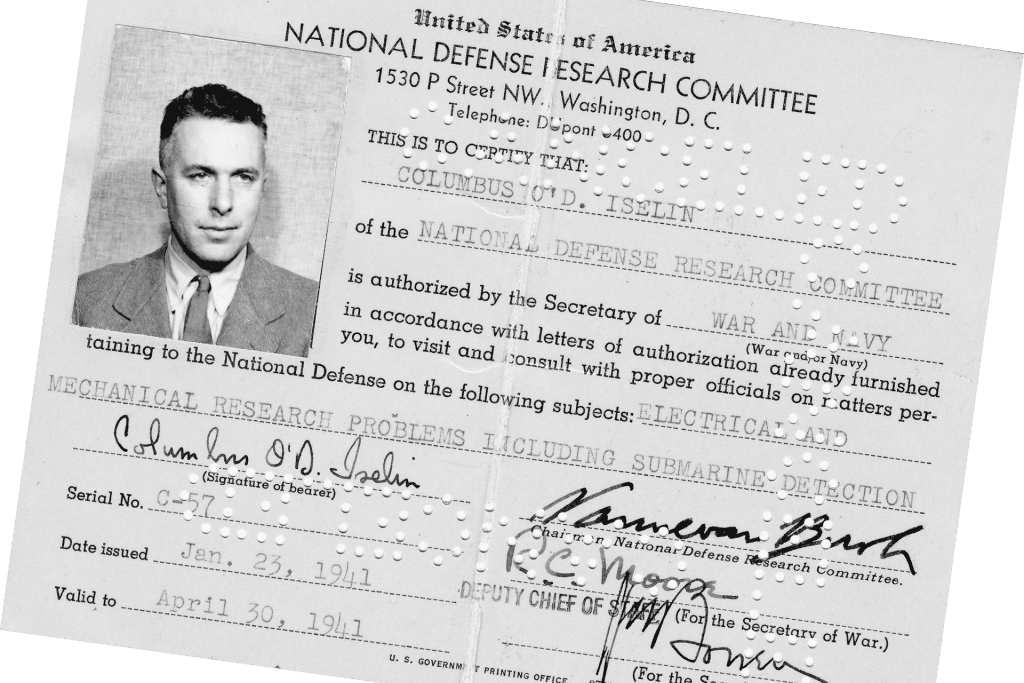
How WHOI helped win World War II
Key innovations that cemented ocean science’s role in national defense
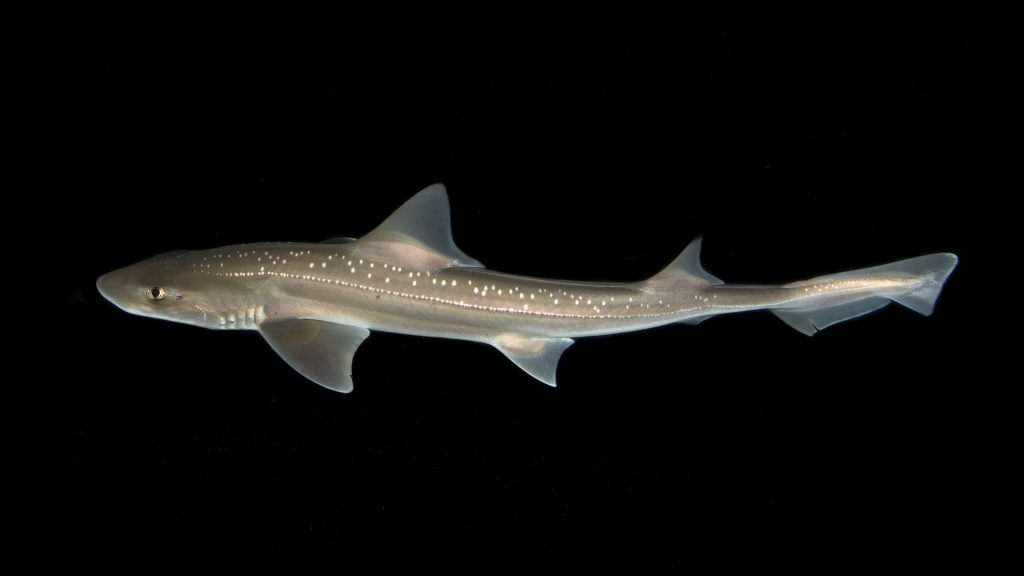

Tracking big fish at fine scales
Scientists from Woods Hole Oceanographic Institution track how shortbill spearfish take advantage of local ocean currents when foraging.
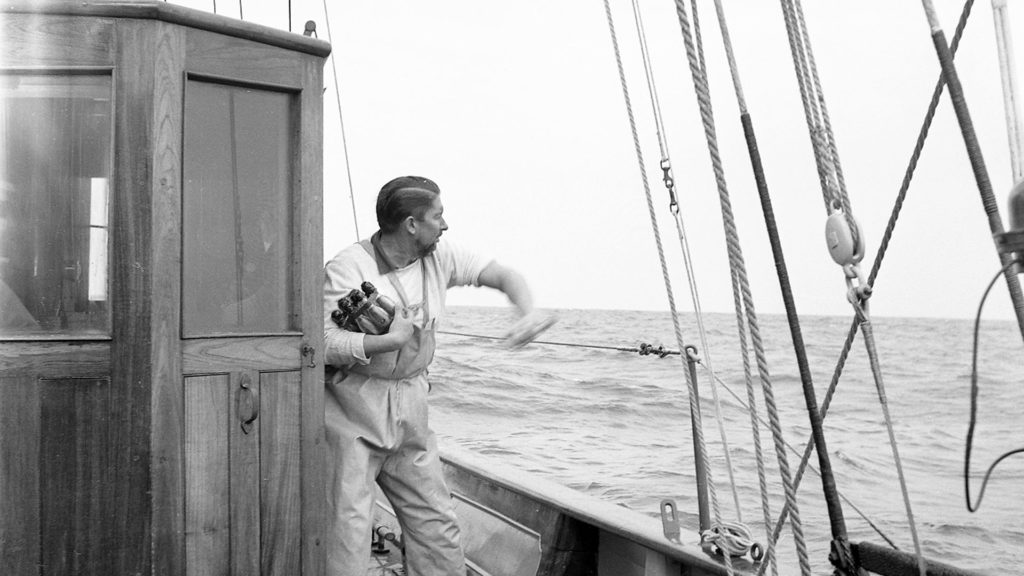
The long journey of Bottle No. 71645
Drift bottle released in 1968 to study ocean currents found on Maine beach
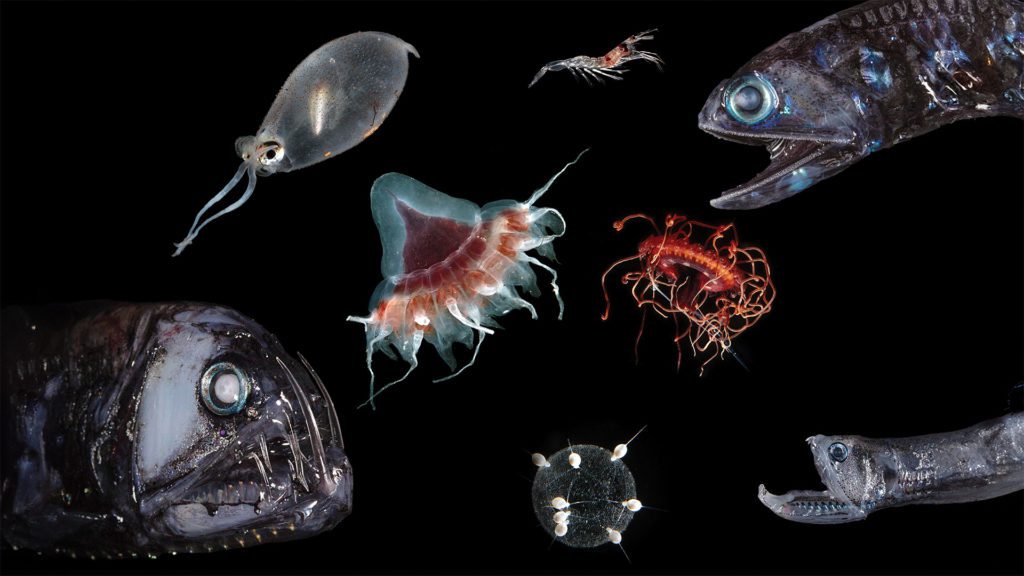
Five big discoveries from WHOI’s Ocean Twilight Zone Project
Six years since it began, WHOI’s Ocean Twilight Zone project brings new and exciting insights to bear
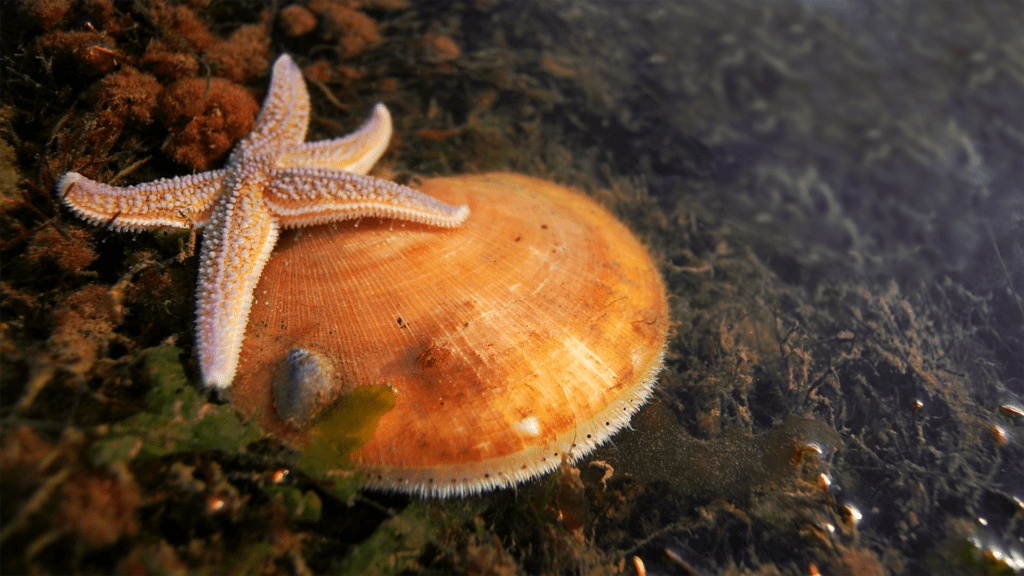
Is underwater construction noise leaving scallops defenseless?
Sea scallops expend a lot of energy reacting to noisy pile drivers
A once-in-a-generation dive into polar history
40 years after helping reveal the Titanic, Alvin returns to the North Atlantic to document two other legendary shipwrecks
The world’s most abundant fish once thrived in an extreme climate
Fossilized teeth show bristlemouth fish evolved during one of the ocean’s hottest periods
Inside Room 71: WHOI history in seven artifacts
Some of the technology, art, and gifts that tell the story of the institution’s early days
A scientist’s quest to find Earth’s oldest ice
After recovering ice that dates back 6 million years, Sarah Shackleton hopes to dig deeper into Earth’s history from a remote Antarctic moraine
How an MIT-WHOI student used Google Earth to uncover a river–coral reef connection
Google Earth helps researcher decode how rivers sculpt massive breaks in coral reefs
Mary Sears and the race to solve the ocean in World War II
How her expertise on tides, currents, and swells saved American lives overseas
How WHOI helped win World War II
Key innovations that cemented ocean science’s role in national defense
Tracking big fish at fine scales
Scientists from Woods Hole Oceanographic Institution track how shortbill spearfish take advantage of local ocean currents when foraging.
The long journey of Bottle No. 71645
Drift bottle released in 1968 to study ocean currents found on Maine beach
Five big discoveries from WHOI’s Ocean Twilight Zone Project
Six years since it began, WHOI’s Ocean Twilight Zone project brings new and exciting insights to bear
Is underwater construction noise leaving scallops defenseless?
Sea scallops expend a lot of energy reacting to noisy pile drivers
Giving Opportunities
What will your Impact be?
Support the ideas, people, and tools solving global ocean challenges.