
News Releases
Heroic Age Expedition to survey two of the world’s most famous shipwrecks
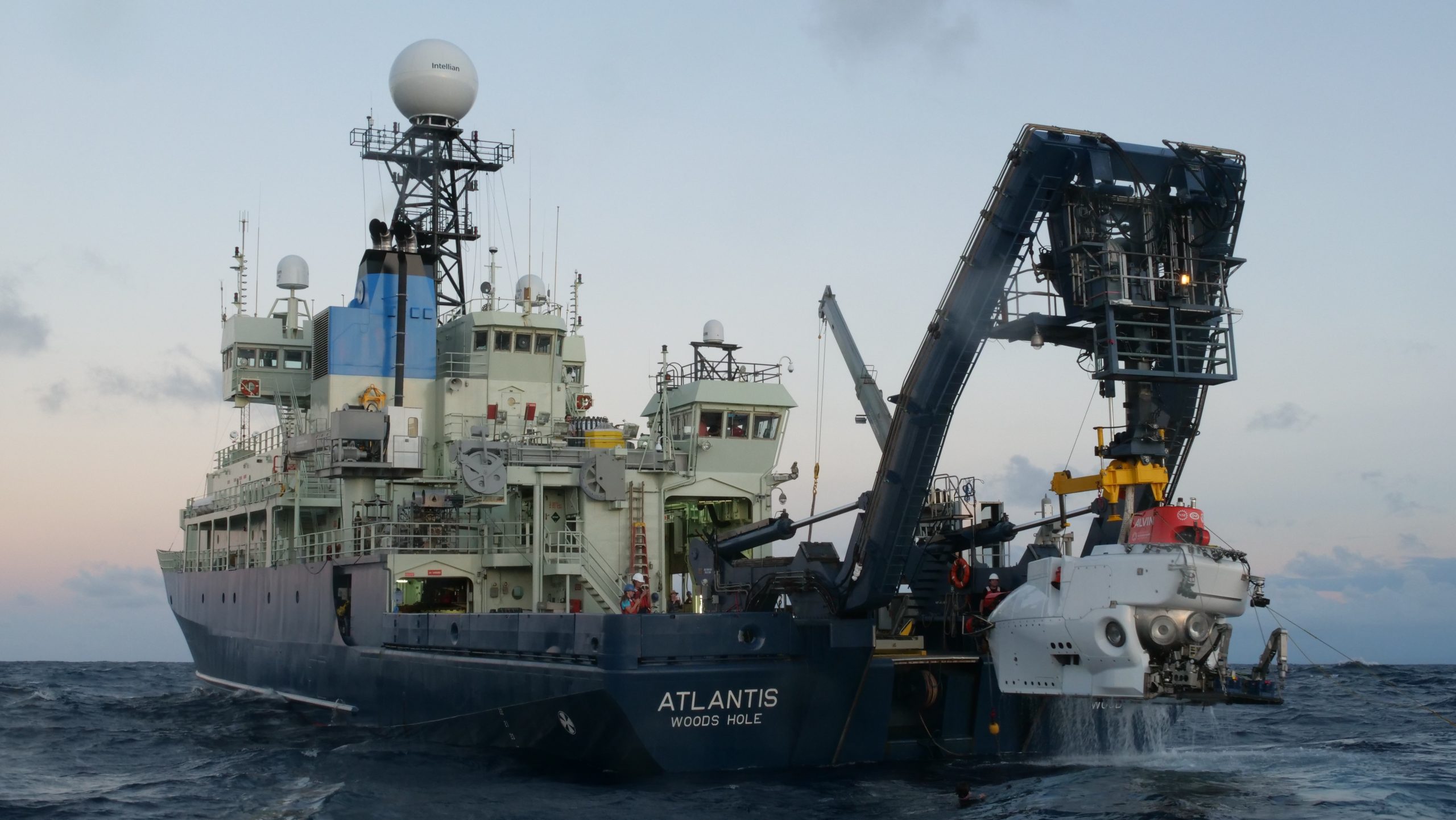
The Royal Canadian Geographical Society, in partnership with WHOI, will undertake “once-in-a-generation” expedition to survey Sir Ernest Shackleton’s Quest and Captain Robert Falcon Scott’s Terra Nova
Read MoreShip-mounted camera systems increase protections for marine mammals
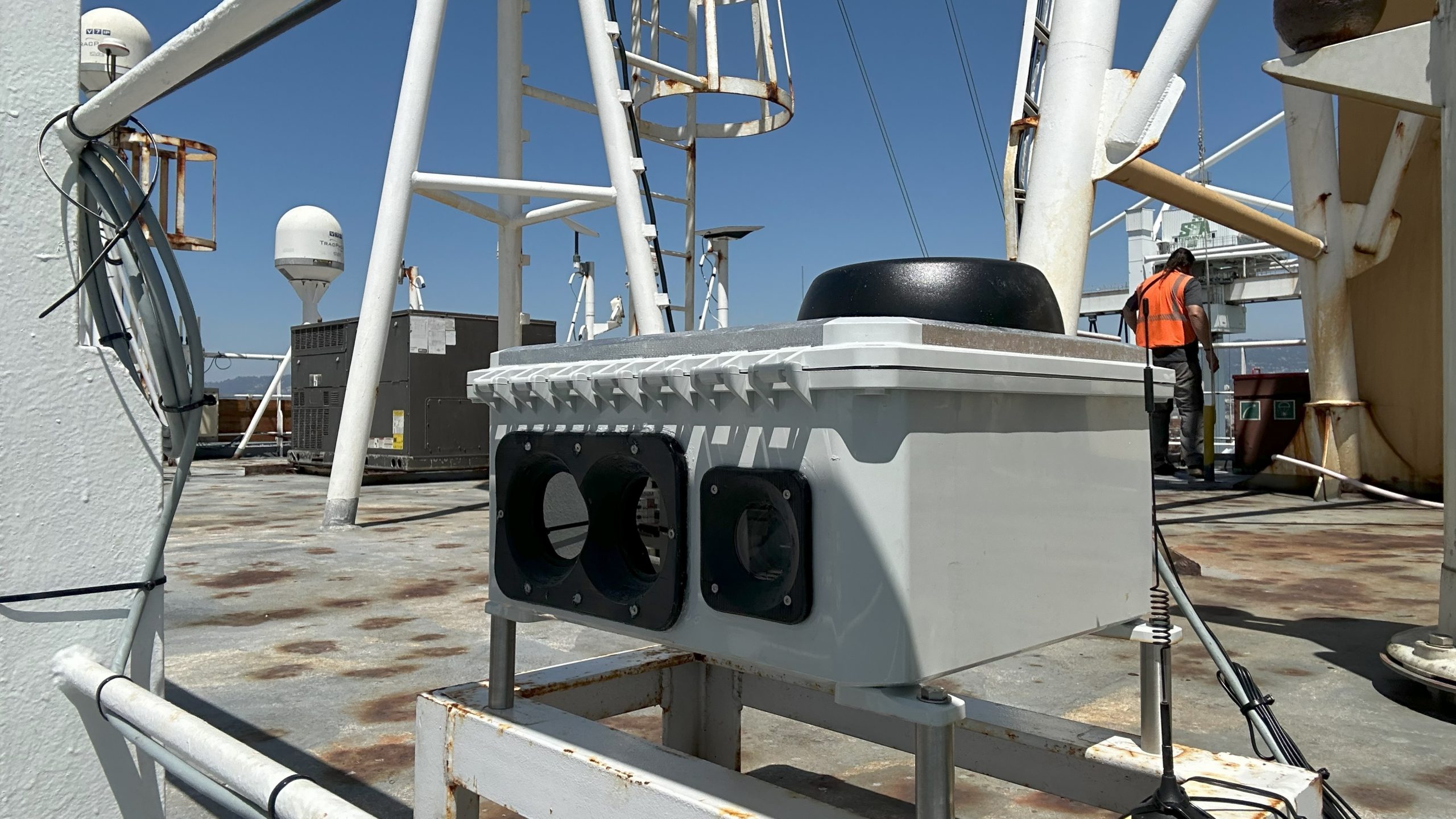
This technology uses thermal imaging to detect a whale’s body or spout and provides real-time information on their distance and bearing from a vessel.
Read MoreWoods Hole Oceanographic Institution partners with zoological facilities to find new ways to study heart rate, respiration in wild animal populations
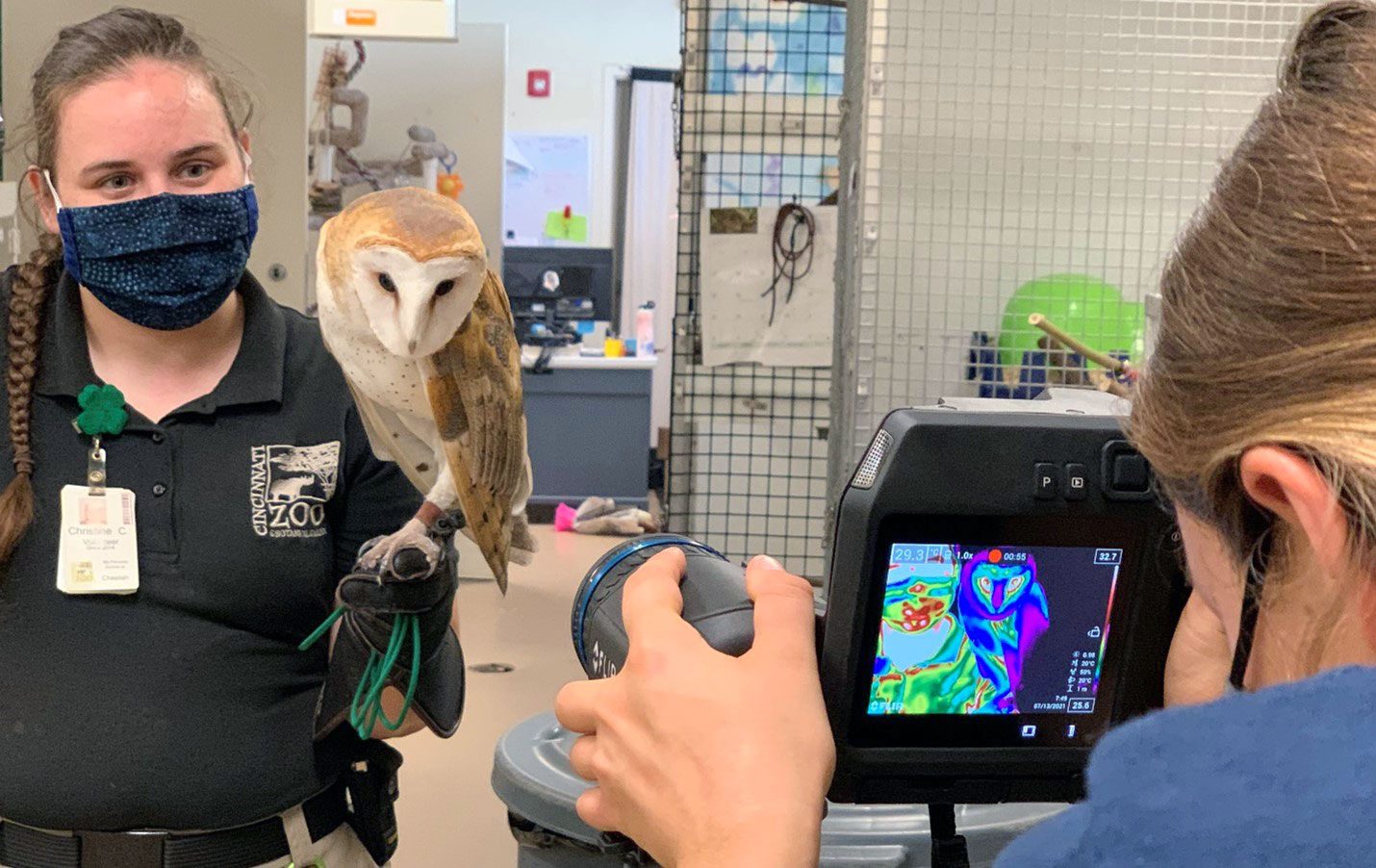
Baseline data collected in controlled settings offers a glimpse into how researchers might be able to use the technique to study animals in the wild
Read MoreHeidi Sosik Selected as a Fellow of The Oceanography Society
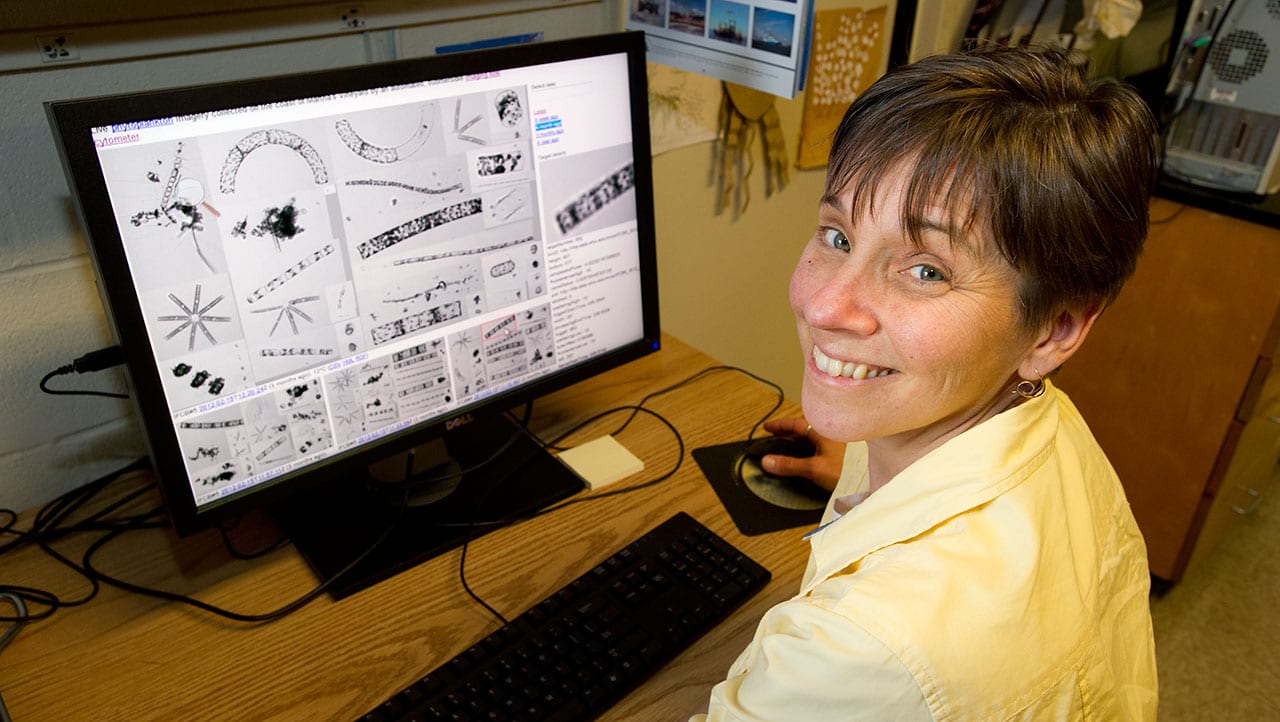
Heidi Sosik, a senior scientist in the Biology Department at Woods Hole Oceanographic Institution (WHOI) has been named a 2018 Fellow of The Oceanography Society (TOS). Sosik’s accomplishments will be formally recognized on Feb. 13, 2018, during a ceremony at the 2018 Ocean Sciences Meeting in Portland, Oregon.
Read MoreA Close-up Look at a Rare Underwater Eruption
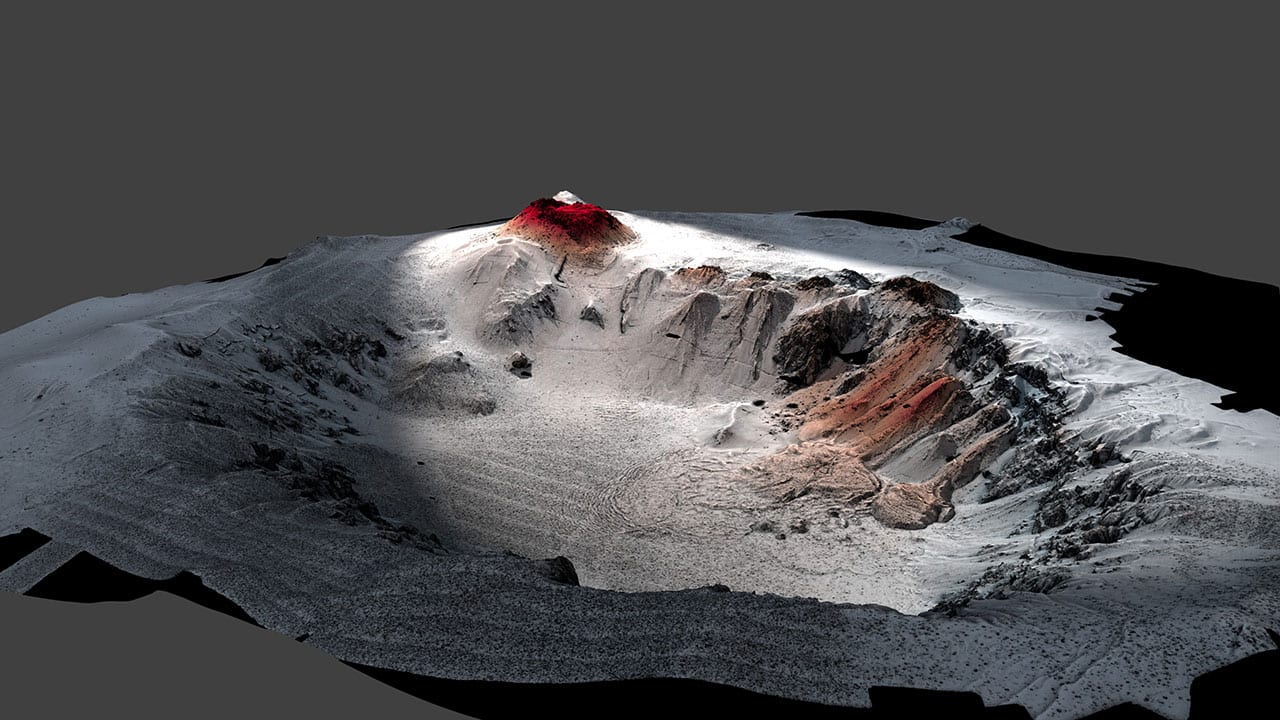
A new paper published January 10, 2018, in the journal Science Advances describes the first up-close investigation of the largest underwater volcanic eruption of the past century. The international research team led by the University of Tasmania and the Woods Hole Oceanographic Institution (WHOI) used the autonomous underwater vehicle (AUV) Sentry and the remotely operated vehicle (ROV) Jason to explore, map, and collect erupted materials from the Havre volcano during a 2015 expedition. They found that the eruption was surprising in many ways.
Read MoreRe-envisioning Underwater Imaging
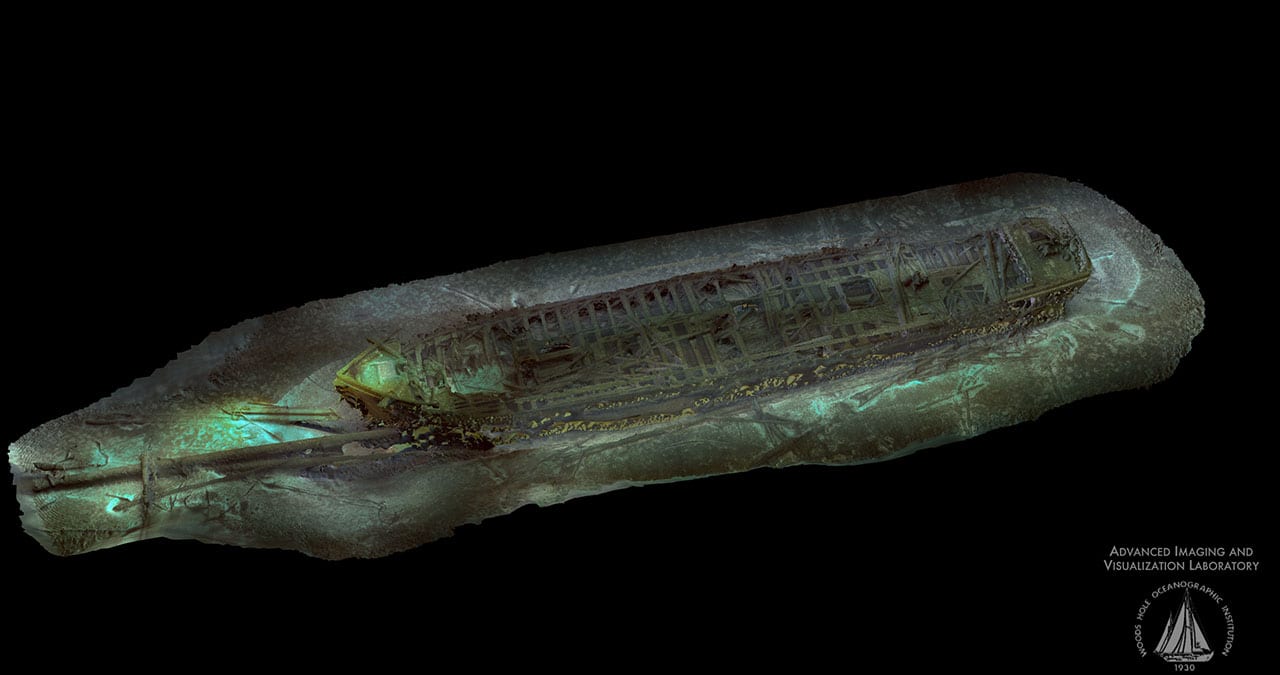
The Advanced Imaging and Visualization Laboratory (AIVL) at the Woods Hole Oceanographic Institution (WHOI) working with Marine Imaging Technologies has developed a revolutionary new multi-function, underwater imaging system capable of generating ultra-high definition television (UHDTV) video, 2-D mosaic imaging, and 3-D optical models of seafloor objects and environments. The new state-of-the-art technology is currently being field-tested on several submerged shipwreck sites in both the U.S. and Europe.
Read MoreDeep-Sea Images Give New View of Arctic Ocean Methane Seeps
Working with colleagues from the Centre for Arctic Gas Hydrate, Environment and Climate (CAGE) in Norway, Dan Fornari from Woods Hole Oceanographic Institution’s (WHOI) Geology & Geophysics Department collected nearly 30,000 high definition images at known methane release sites in the Arctic Ocean north of Norway. The detailed images will provide new insights into the most remote areas of natural methane releases in the world.
Read MoreCamera’s Eye Sees Large Numbers of Young Scallops Off Delaware Bay
NOAA researchers and colleagues from the Woods Hole Oceanographic Institution (WHOI) have reported what appears to be a banner year for young sea scallops off the Delmarva Peninsula in mid-Atlantic waters of the U.S. NOAA’s HabCamV4, a towed imaging and sensor platform, has photographed miles of sea bottom packed with as many as 350 sea scallops in less than 1 square meter (less than three square feet). Other colorful images captured by the HabCam showed swimming scallops, sea stars and crabs—both scallop predators—and many species of fish, squid and sponges.
Read MoreNereid Under Ice Vehicle: A Powerful New Tool for Polar Science
Scientists studying the harsh and rapidly changing Arctic environment now have a valuable new tool to advance their work—an innovative robot, designed and built at the Woods Hole Oceanographic Institution (WHOI) that is changing the way scientists can interact with and observe the polar environment.
Read MoreEstablishing World-Class Coral Reef Ecosystem Monitoring in Okinawa
Enduring two typhoons over a three-week period in August, Woods Hole Oceanographic Institution (WHOI) researchers, working in partnership with the Okinawa Institute of Science and Technology Graduate University (OIST), have…
Read MoreWHOI Scientists and Engineers Partner with World-Renowned Companies to Market Revolutionary New Instruments
Woods Hole Oceanographic Institution (WHOI) researchers have partnered with two companies to build and market undersea technology developed at WHOI: the Imaging FlowCytobot, an automated underwater microscope, and BlueComm, an underwater communications system that uses light to provide wireless transmission of data, including video imagery, in real or near-real time.
Read MoreWHOI Team Uses Advanced Imaging Data to Bring a New View of Titanic to the World
Newly released images of the Titanic wreck site provide the first unrestricted view of the world’s most notable maritime heritage site. These new images add to the already unprecedented collection…
Read MoreWHOI Team Joins NOAA’s Battle of the Atlantic
WHOI researchers have embarked on a 10-day mission to provide the first underwater, 3-D optical survey of ships sunk by German U Boats during World War II off the North Carolina coast.
Read MoreWoods Hole Oceanographic Institution’s Advanced Imaging Lab Assists in Location of Thunder Bay Shipwrecks
When a group of five high school students embarked on Project Shiphunt, an expedition in search of lost shipwrecks, in May in Lake Huron, the Woods Hole Oceanographic Institution’s Advanced Imaging and Visualization Lab (AIVL) was there, surveying and capturing 3D footage of the finds. The work was conducted as part of Project Shiphunt, an initiative developed by Sony and Intel Corp and led by National Oceanic and Atmospheric Association (NOAA).
Read MoreWHOI Receives Gordon and Betty Moore Foundation Grant for Oceanography Imaging Informatics
In a significant step toward a new era in the collection and understanding of ocean science data, the Woods Hole Oceanographic Institution (WHOI) has received a grant of more than $2 million from the Gordon and Betty Moore Foundation for work in imaging informatics in oceanography.
Read MoreNow in Broadband: Acoustic Imaging of the Ocean
Researchers at Woods Hole Oceanographic Institution (WHOI) have developed two advanced broadband acoustic systems that they believe could represent the acoustic equivalent of the leap from black-and-white television to high-definition…
Read MoreUnderwater Microscope Helps Prevent Shellfish Poisoning Along Gulf Coast of Texas
Through the use of an automated, underwater cell analyzer developed at WHOI, researchers and coastal managers were recently able to detect a bloom of harmful marine algae in the Gulf of Mexico and prevent human consumption of tainted shellfish.
Read MoreNew Imaging Vehicle Maps Coral Reefs to Determine Health of Reef and Fisheries
Deepwater coral reefs in the US Virgin Islands may occupy a much larger area and be in better health than previously thought, based on evidence gathered by a new autonomous underwater vehicle which flies through the sea like a helicopter.
Read More