
Raising Awareness
News
NEWS RELEASES
Accelerated Warming of the Continental Shelf Off Northeast Coast
A new study by physical oceanographers at Woods Hole Oceanographic Institution (WHOI), published in the Journal of Geophysical Research, shows that water temperatures in this continental shelf region have been trending upward, with unprecedented warming occurring over the last 13 years. The study also suggests a connection between sea level anomalies and water temperature along the continental shelf.
Sudden Draining of Glacial Lakes Explained
In 2008 scientists from Woods Hole Oceanographic Institution (WHOI) and the University of Washington documented for the first time how the icy bottoms of lakes atop the Greenland Ice Sheet can crack open suddenly—draining the lakes completely within hours and sending torrents of water to the base of the ice sheet thousands of feet below. Now they have found a surprising mechanism that triggers the cracks.
Scientists had theorized that the sheer weight of the water in these supraglacial lakes applied pressure that eventually cracked the ice, but they could not explain why some lake bottoms cracked while others did not.
Securing the Supply of Sea Scallops for Today and Tomorrow
Good management has brought the $559 million United States sea scallop fishery back from the brink of collapse over the past 20 years. However, its current fishery management plan does not account for longer-term environmental change like ocean warming and acidification that may affect the fishery in the future. A group of researchers from Woods Hole Oceanographic Institution (WHOI), NOAA’s National Marine Fisheries Service, and Ocean Conservancy hope to change that.
Swirling Currents Deliver Phytoplankton Carbon to Ocean Depths
A new paper published March 26 in the journal Science that highlights the significant role that swirling currents, or eddies, play in pushing non-sinking carbon to ocean depths.
Monster hurricanes reached U.S. during prehistoric periods of ocean warming
Intense hurricanes, possibly more powerful than any storms New England has experienced in recorded history, frequently pounded the region during the first millennium, from the peak of the Roman Empire into the height of the Middle Ages, according to a new study. The findings could have implications for the intensity and frequency of hurricanes the U.S. could experience as ocean temperatures increase as a result of climate change, according to the study’s authors.
WHOI | OCEANUS
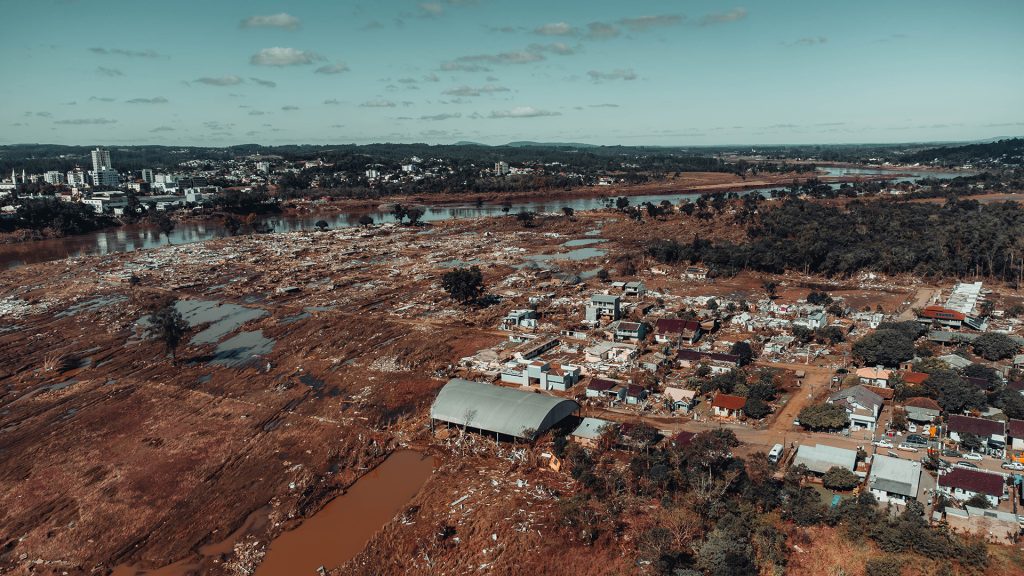
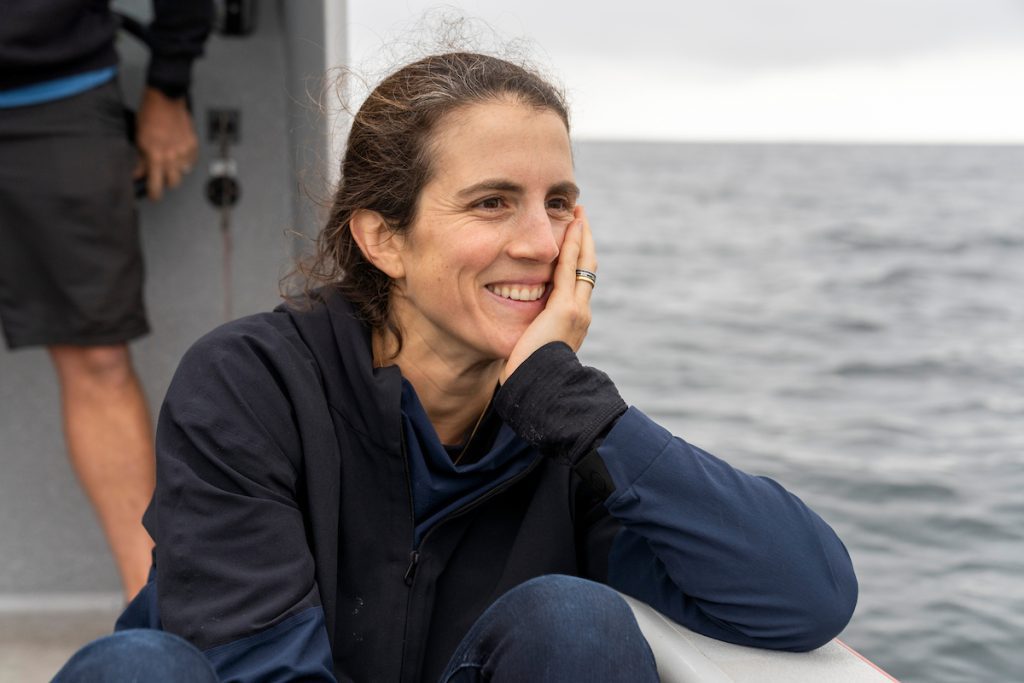
Remembering Tatiana Schlossberg, a voice for the ocean
Environmental journalist and author Tatiana Schlossberg passed away after battling leukemia on December 30, 2025. During the last few years of her life, Tatiana crossed paths with Oceanus magazine, first as a reader and then as a valued contributor. When she had initially expressed interest in writing for the magazine, we welcomed her years of environmental reporting experience, her genuine care about the ocean, and her curiosity. One day in early May, 2023, I reached…
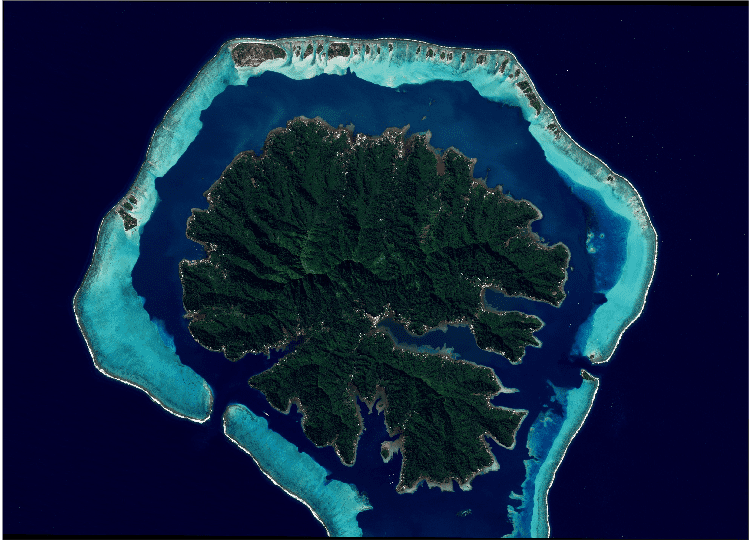
How an MIT-WHOI student used Google Earth to uncover a river–coral reef connection
Google Earth helps researcher decode how rivers sculpt massive breaks in coral reefs
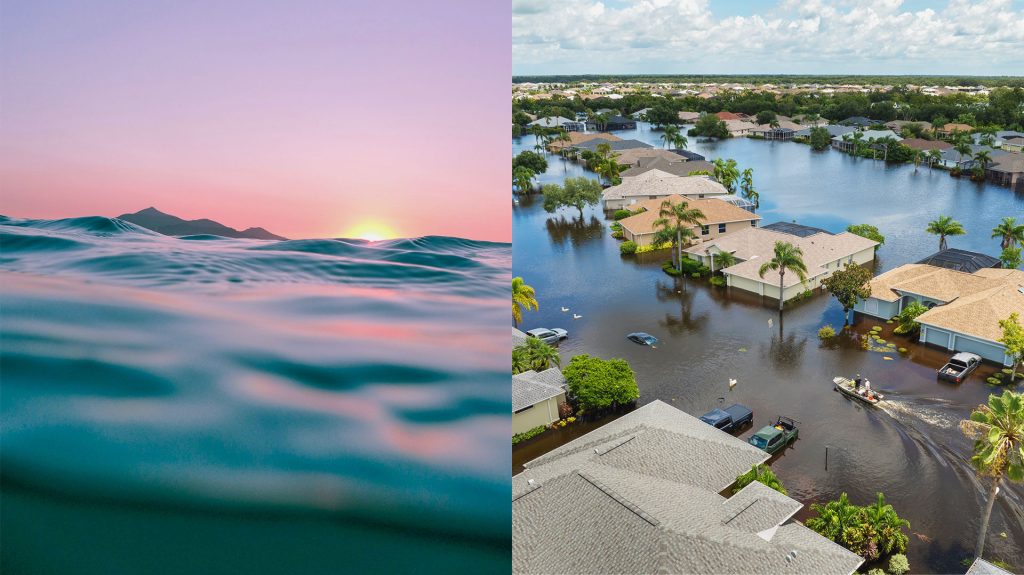
The ocean weather nexus, explained
The vital role of ocean observations in extreme weather forecasting
Publications
IN THE NEWS - RESEARCH HIGLIGHTS
Study offers first definitive proof that Gulf Stream has weakened
“New research from the Woods Hole Oceanographic Institution offers the first conclusive evidence that the Gulf Stream has weakened. The powerful ocean current off the East Coast influences regional weather, climate and fisheries, and the finding could have significant implications both for New England and the global climate.”
What Happens to Marine Life When There Isn’t Enough Oxygen?
In September of 2017, Woods Hole Oceanographic Institution postdoctoral scholar Maggie Johnson was conducting an experiment with a colleague in Bocas del Toro off the…
Maine’s having a lobster boom. A bust may be coming.
The waters off Maine’s coast are warming, and no one knows what that’s going to mean for the state’s half-billion-dollar-a-year lobster industry—the largest single-species fishery in North America. Some fear that continued warming could cause the lobster population to collapse. To understand what’s happening to the ecosystem of the Gulf of Maine, says Glen Gawarkiewicz, an oceanographer at Woods Hole Oceanographic Institution, in Massachusetts, you have to look beyond it—see how it’s affected by the atmosphere, ocean currents, and rivers that flow into it.