
News Releases
WHOI scientist joins global Tara Coral expedition to unlock secrets of climate-resilient reefs
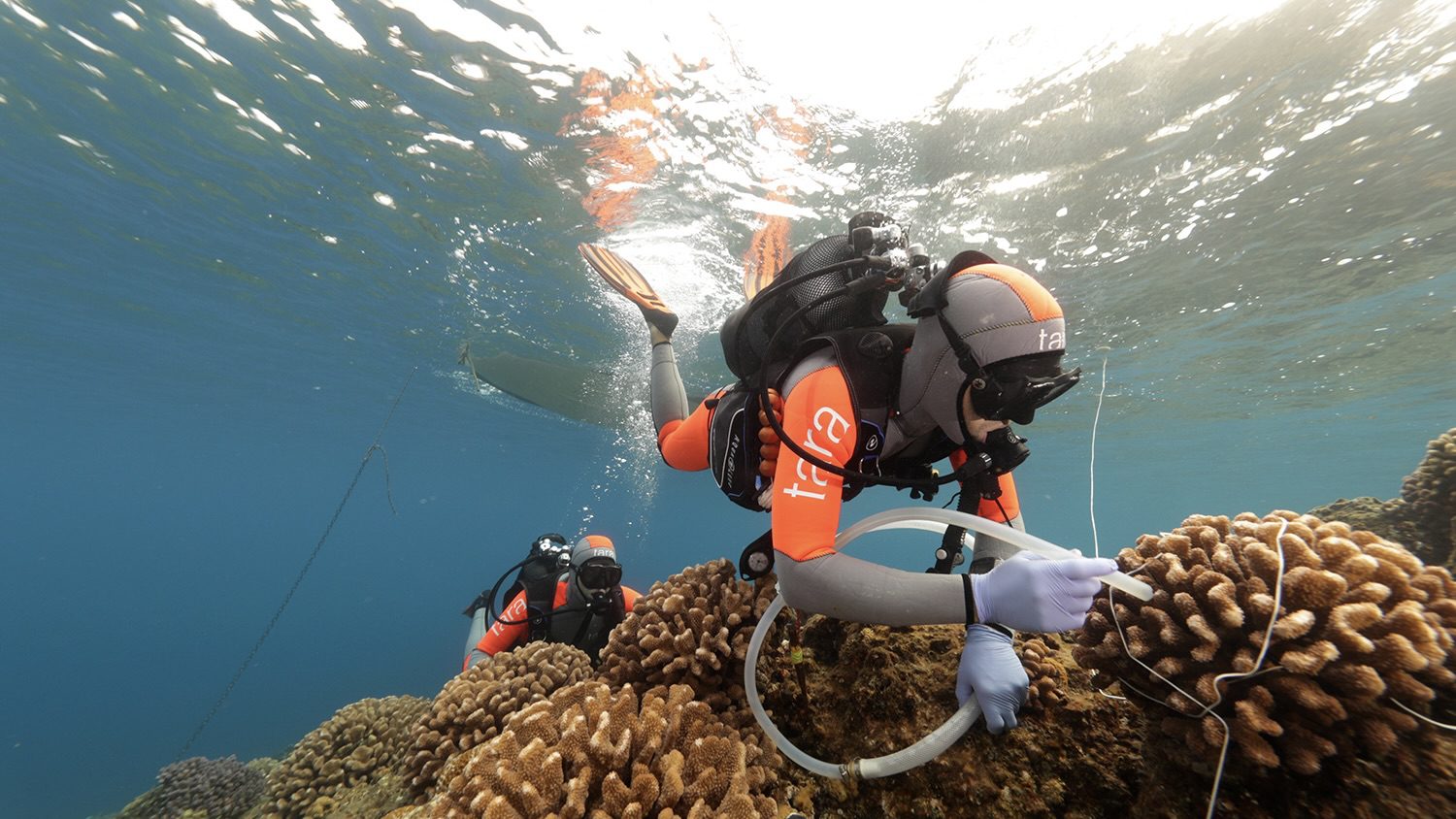
A two-year mission across the Coral Triangle will probe how viruses and reef ecosystems could help some corals withstand rising ocean temperatures.
Read MoreWHOI scientists aim to improve the study of marine heatwaves
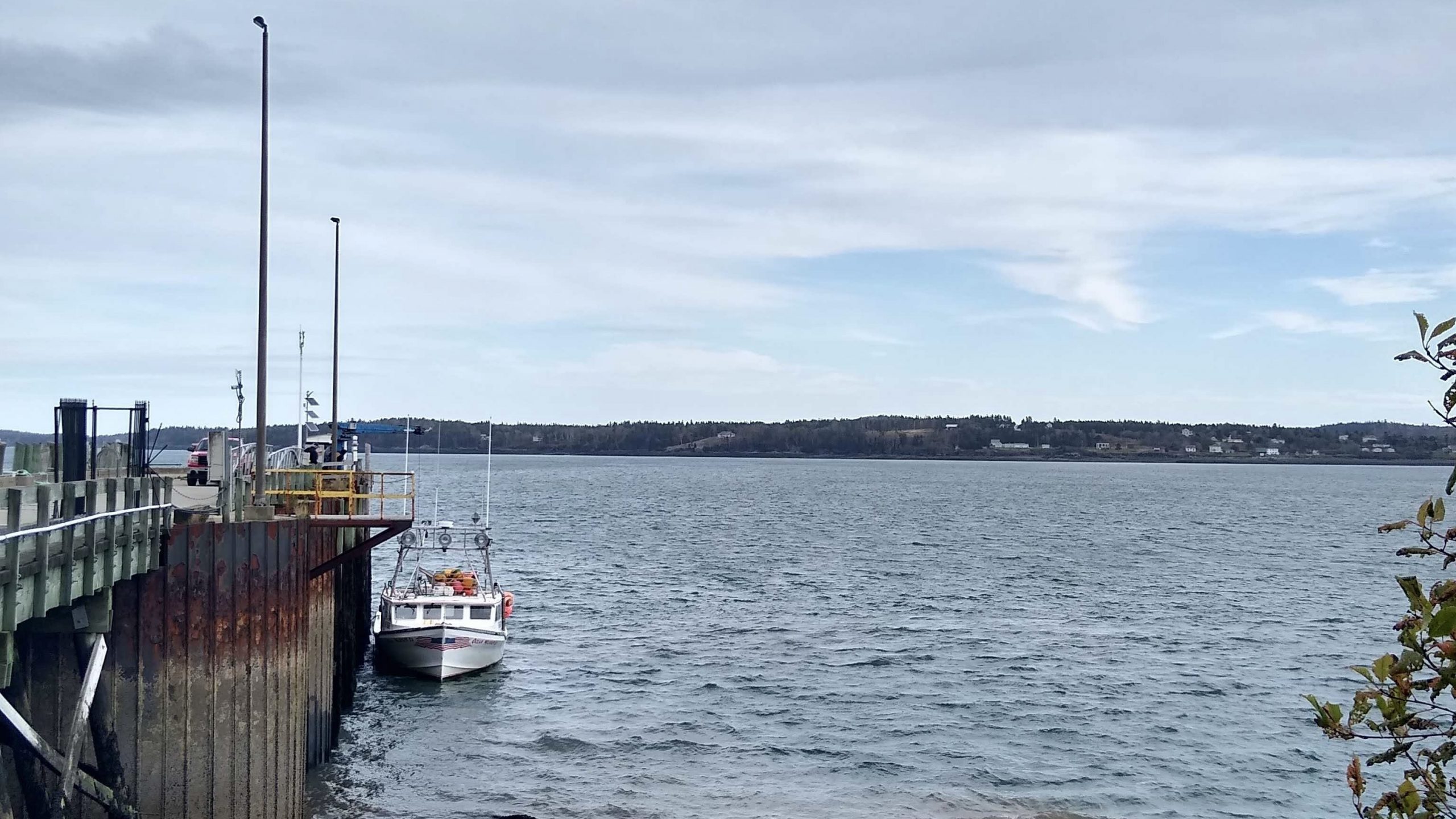
Researchers call for regional and context-specific approaches to these extreme events
Read MoreEvidence of Climate Change in the North Atlantic can be Seen in the Deep Ocean, Study Finds
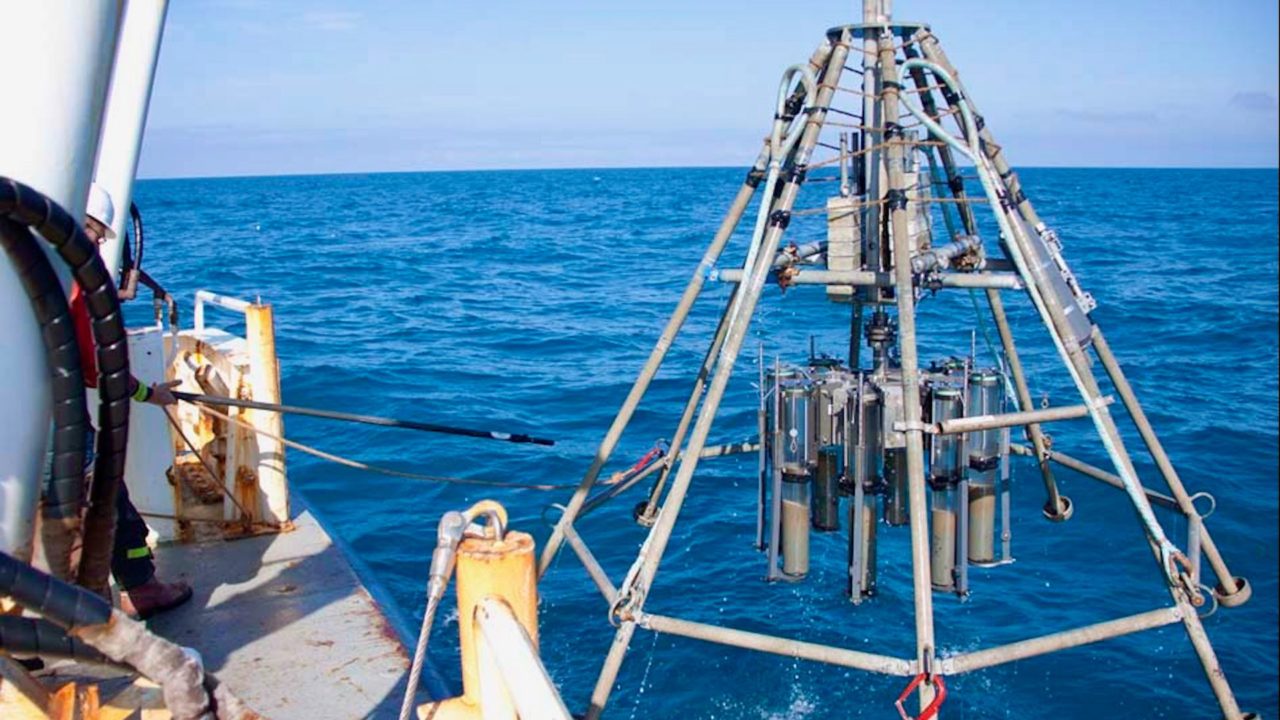
Woods Hole, Mass. –Evidence of climate change in the North Atlantic during the last 1,000 years can be seen in the deep ocean, according to a newly published paper led…
Read MoreStudy Clearly Identifies Nutrients as a Driver of the Great Atlantic Sargassum Belt
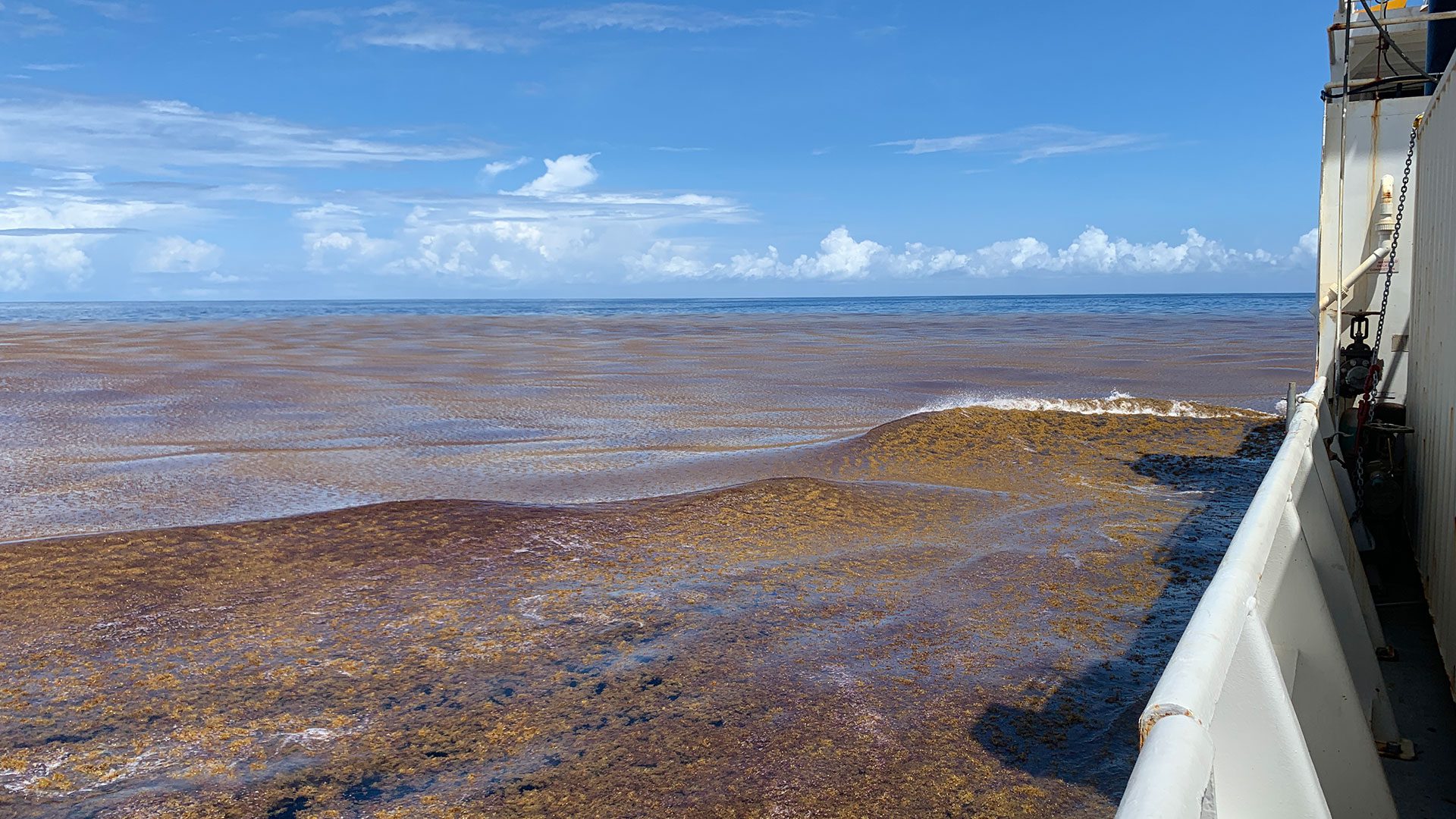
Findings could lead to locating nutrient sources and providing management options
Read MoreNew Study Finds That the Gulf Stream is Warming and Shifting Closer to Shore
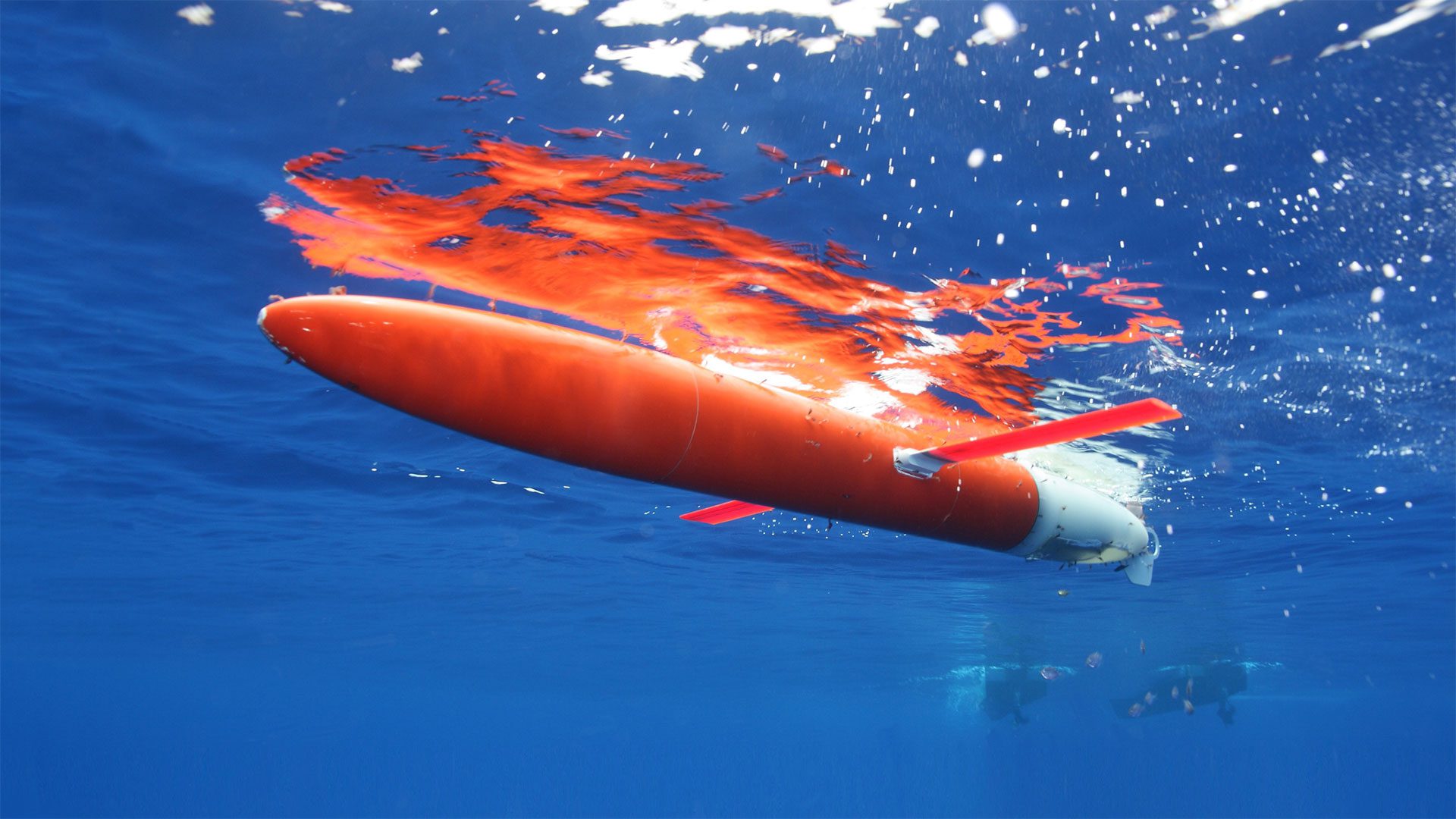
WHOI scientists document changes in the Gulf Stream using two decades of measurements from Argo floats and Spray underwater gliders Woods Hole, MA (Oct. 9, 2023) — The Gulf Stream…
Read MoreToward a New Era of Reef Solutions
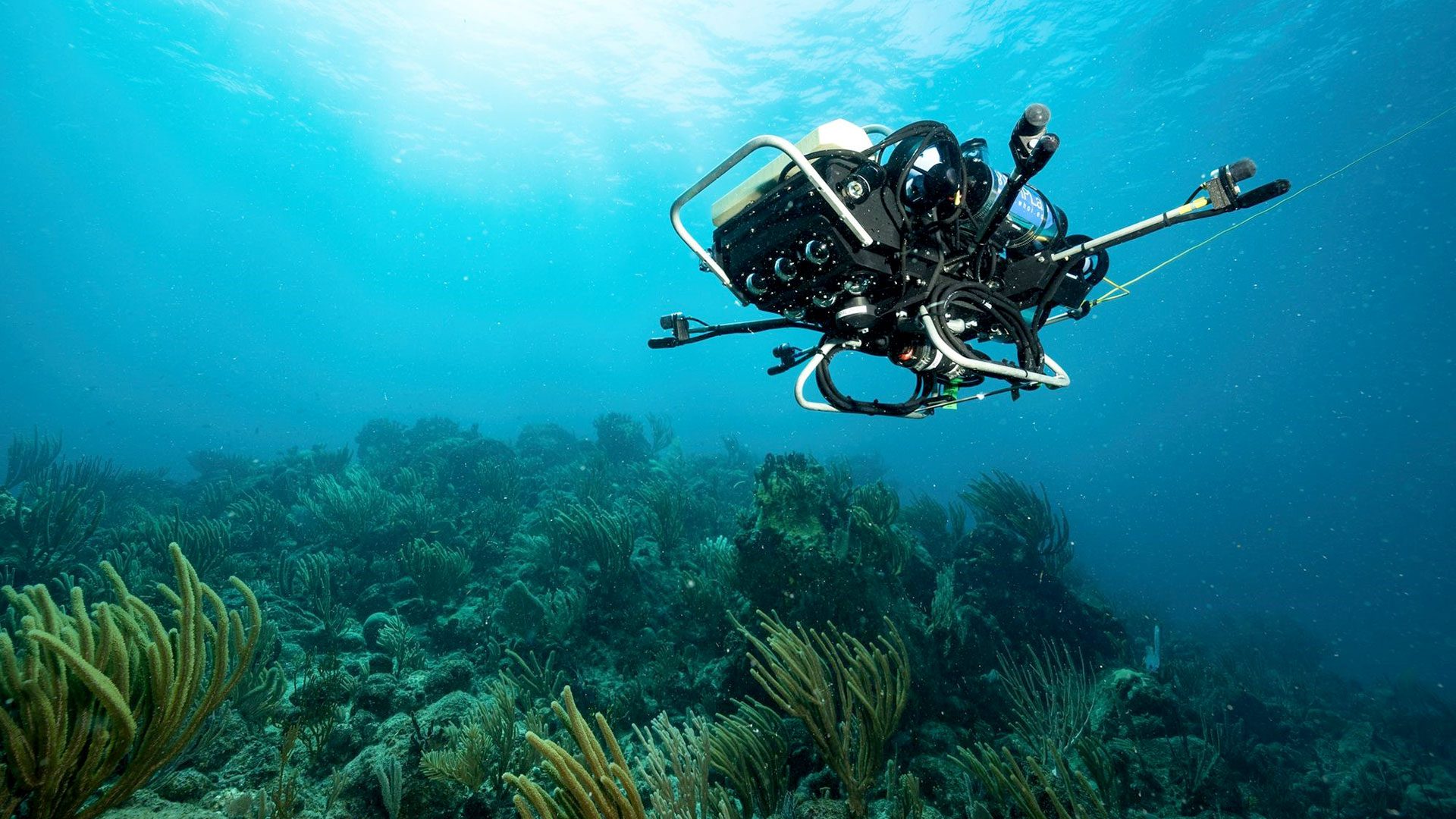
WHOI coral reef researchers propose a new technology-centered focus to study and conserve coral reefs
Read MoreThe Great Atlantic Sargassum Belt
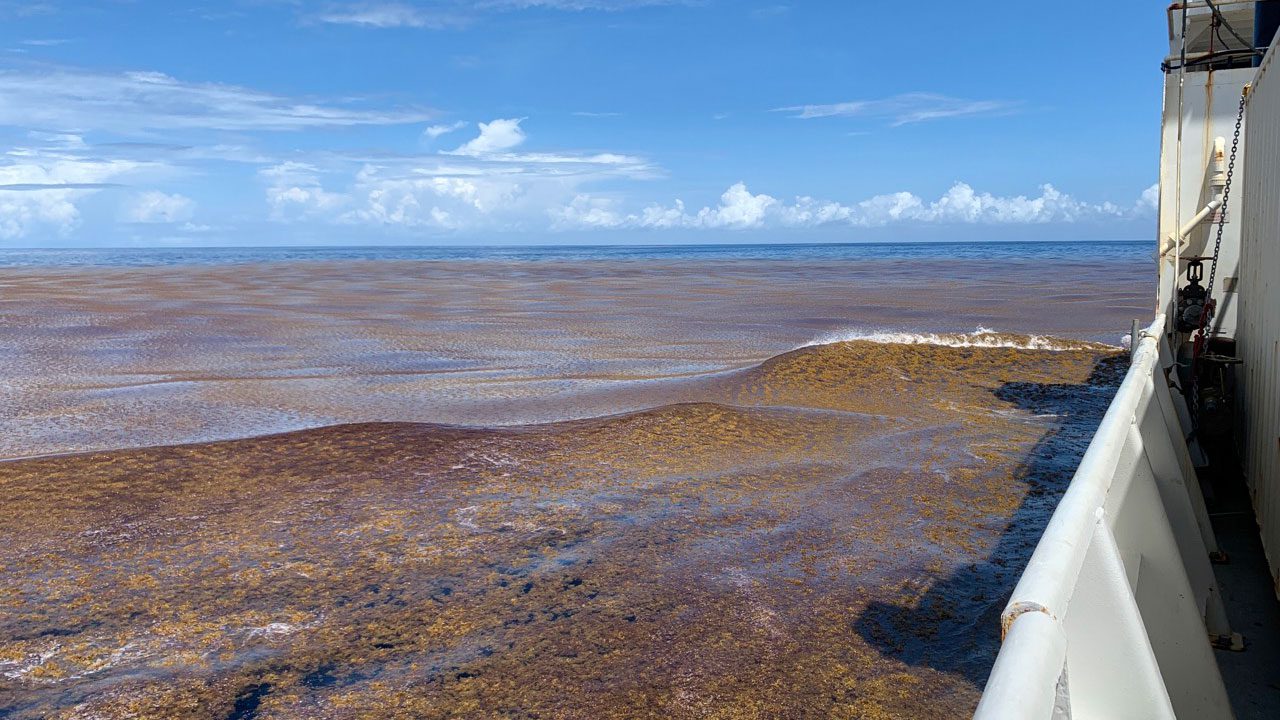
Opportunistic sampling shows geographic scope of distribution, offer some of the first sampling opportunities
Read MoreExcess Nutrients Lead to Dramatic Ecosystem Changes in Cape Cod’s Waquoit Bay
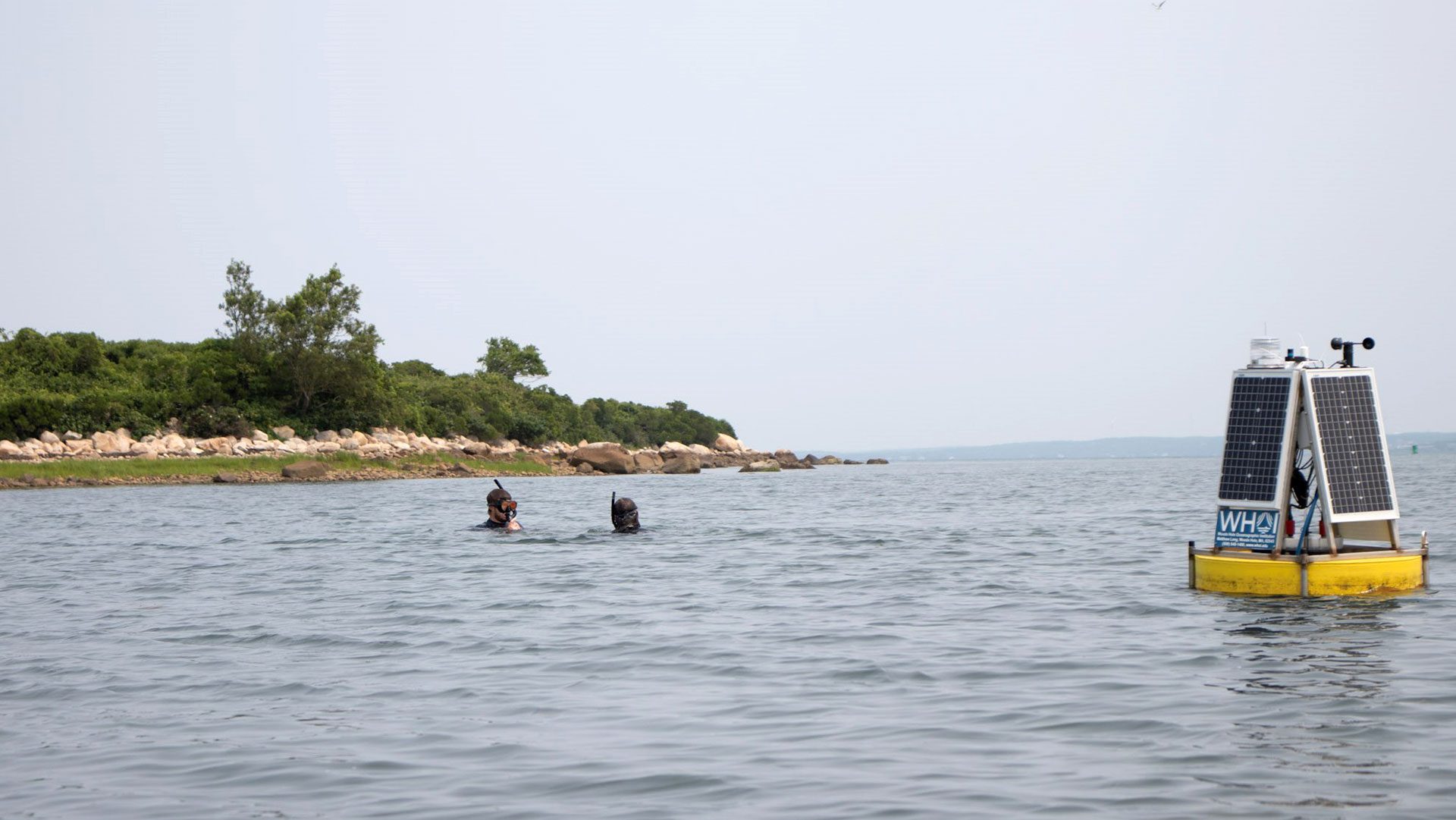
The Bay Is a harbinger for estuaries worldwide, say researchers
Read MorePalau’s Rock Islands Harbor Heat-resistant Corals
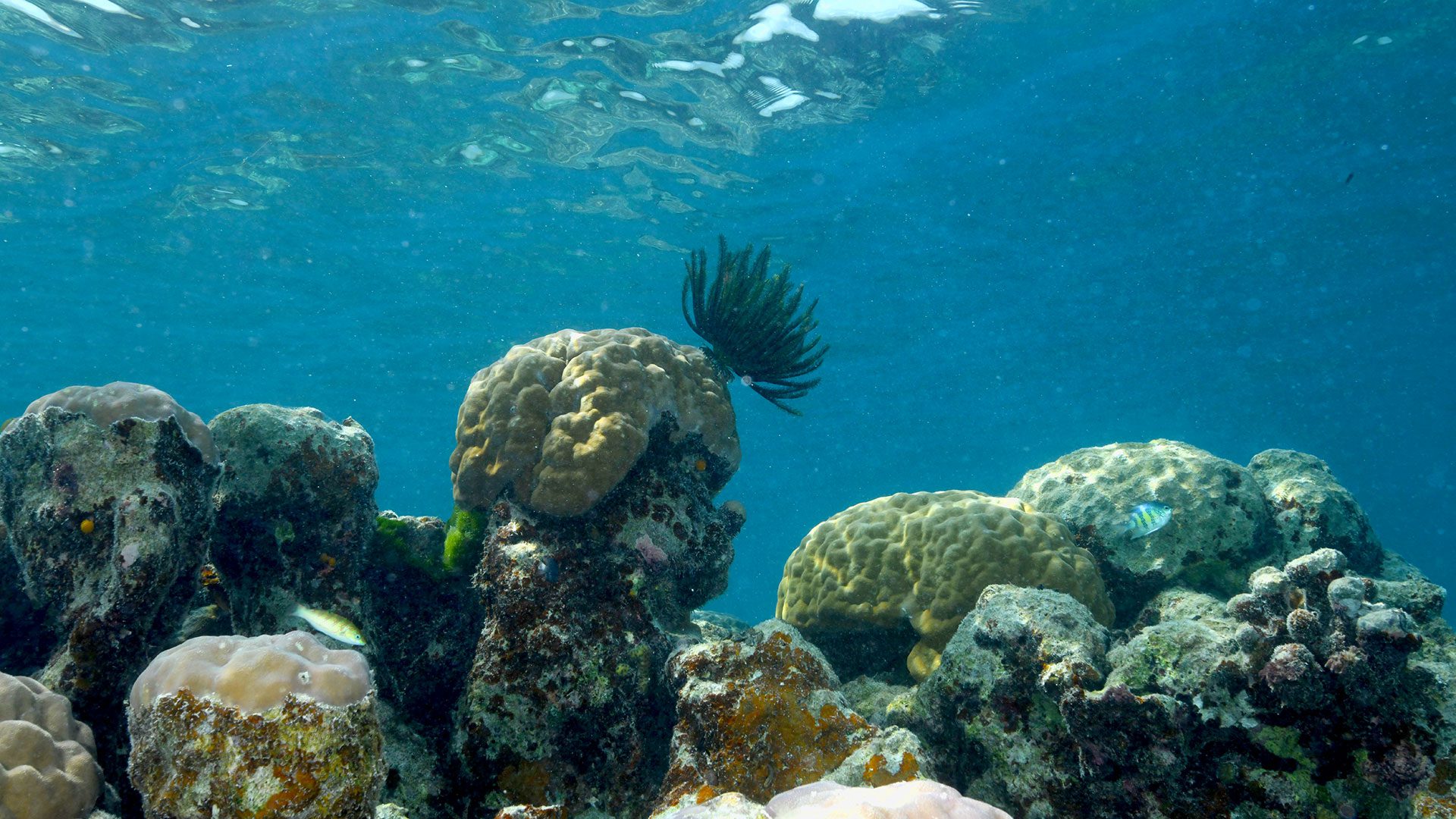
Scientists studying reefs in Palau have identified subgroups of a coral species that exhibit remarkable tolerance to the extreme heat associated with marine heatwaves
Read MoreRapid warming in the Gulf of Maine reverses 900 years of cooling
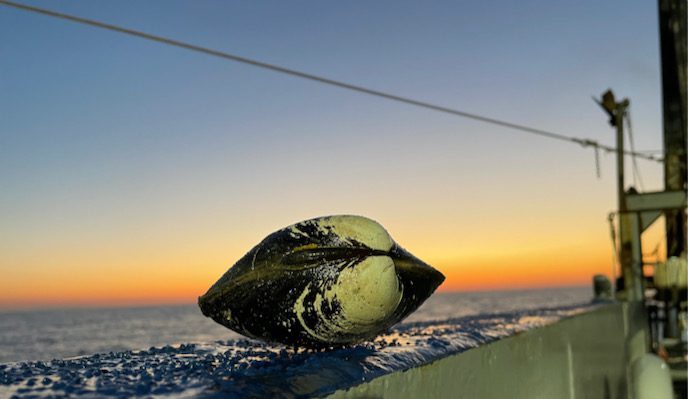
Rapid 20th century warming in the Gulf of Maine has reversed long-term cooling that occurred there during the previous 900 years, according to new research that combines an examination of shells from long-lived ocean quahogs and climate model simulations.
Read MoreTropical fish…up north? How ocean physics play a role in altering water temperature and salinity
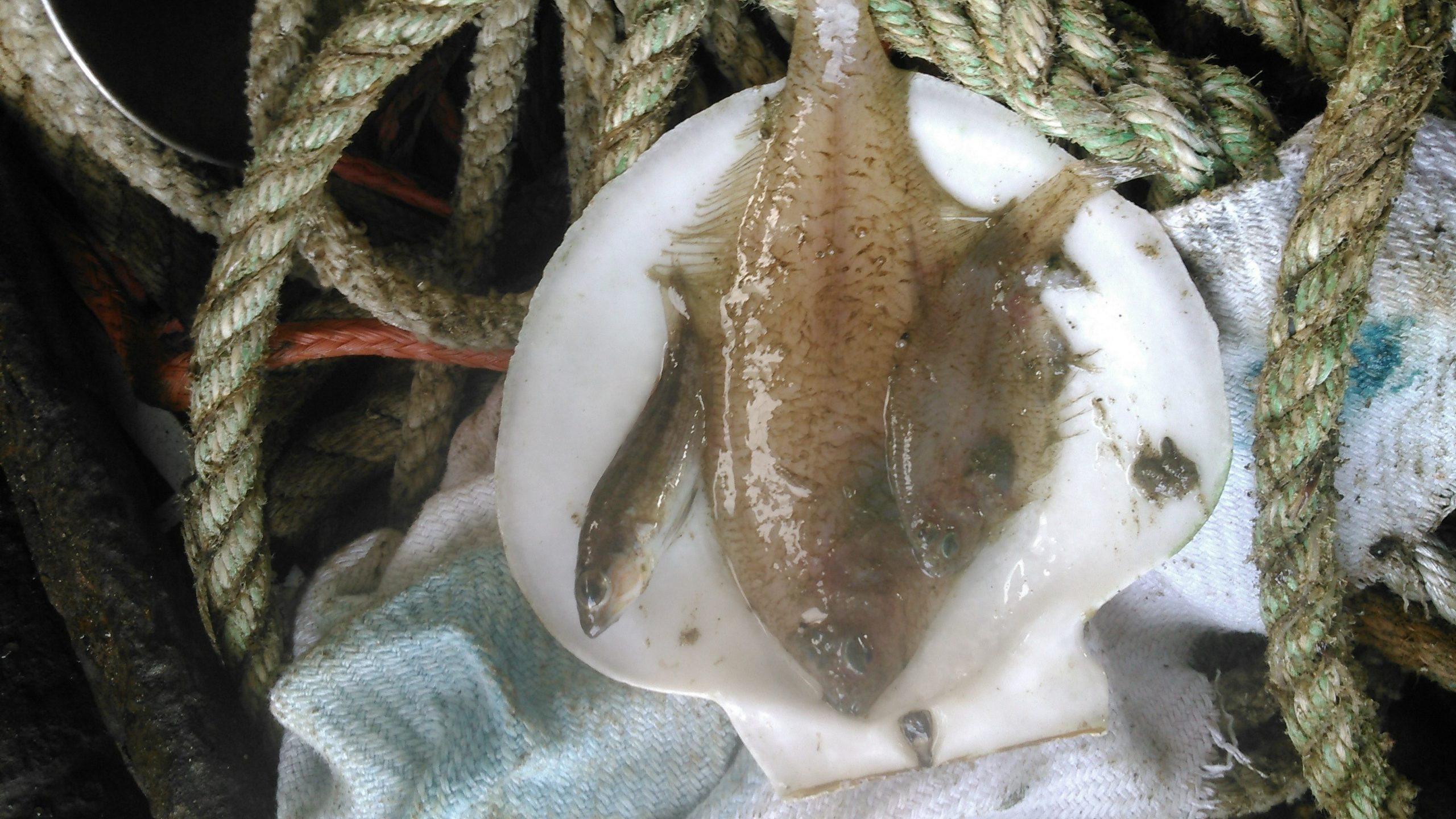
A study led by Woods Hole Oceanographic Institution scientists is explaining why warm and salty water along with warm water fish species, such as the deep-sea dwelling Gulf Stream flounder and Black Sea bass, were found far inshore in New England in the middle of winter 2017. How did this happen? Researchers say it is due to an intrusion of offshore water from the open ocean onto the Northeast U.S. Shelf, caused by eddies (a circular current of water) and wind.
Read MoreStudies investigate marine heatwaves, shifting ocean currents
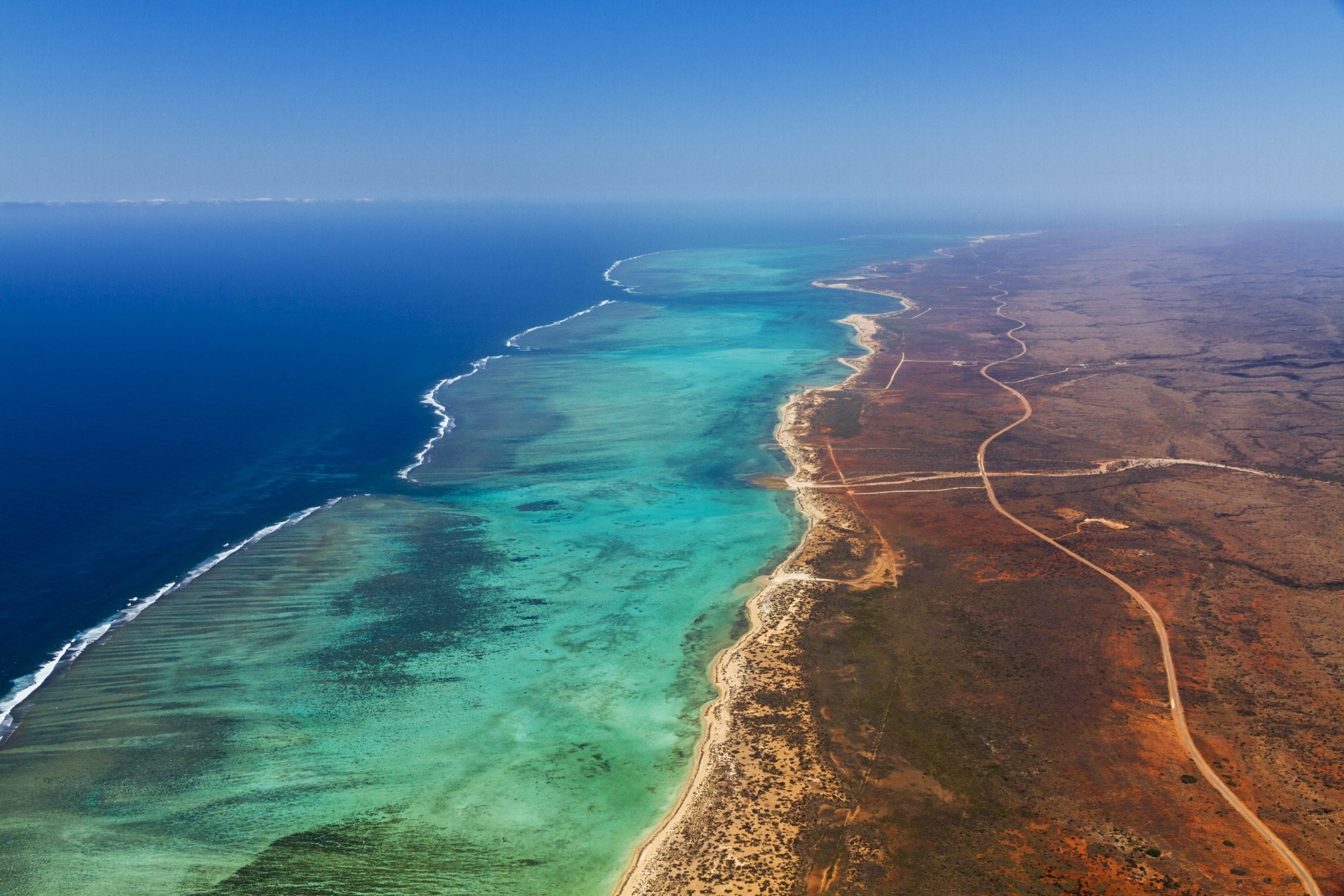
North America experienced a series of dangerous heatwaves during the summer of 2020, breaking records from coast to coast. In the ocean, extreme warming conditions are also becoming more frequent and intense.
Read More