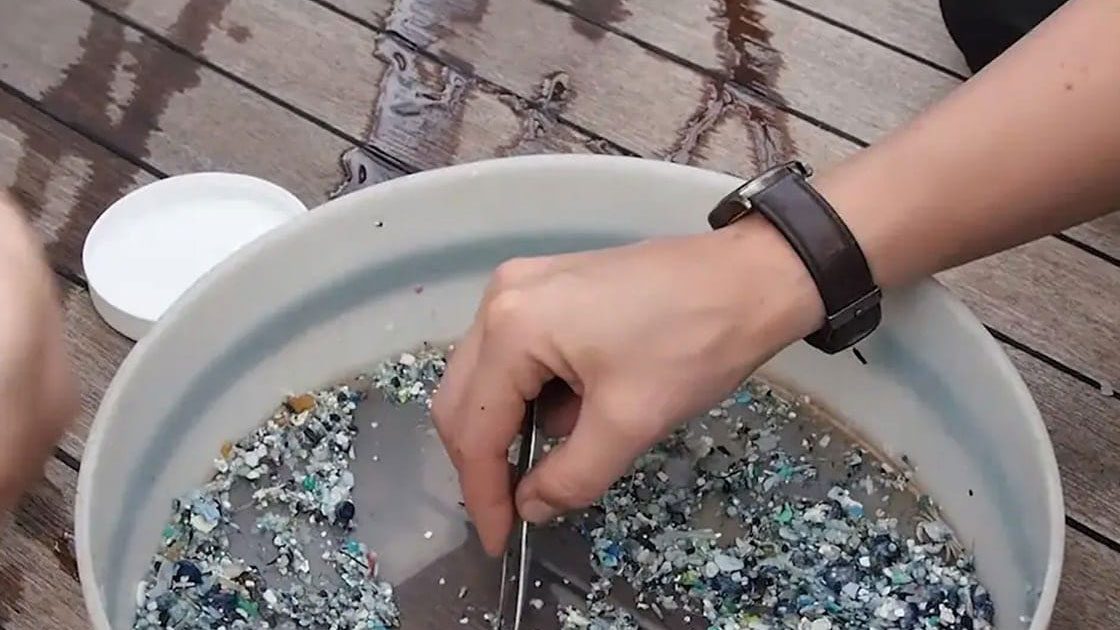
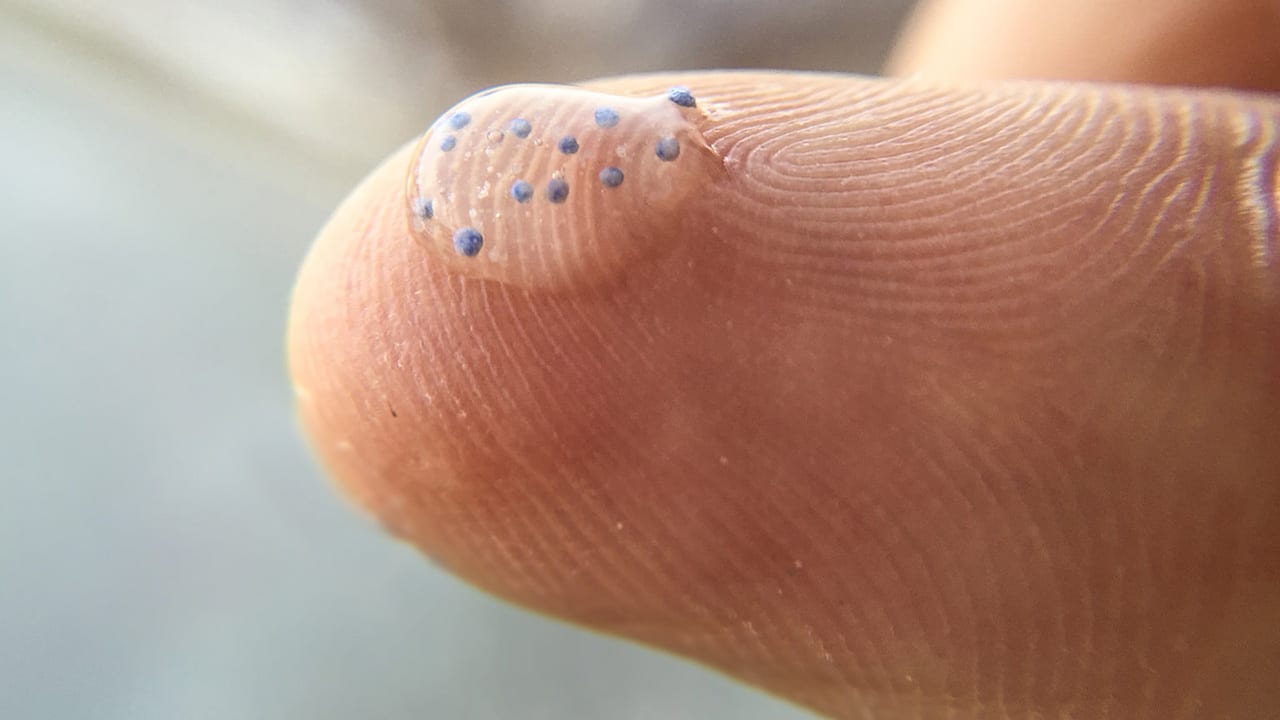
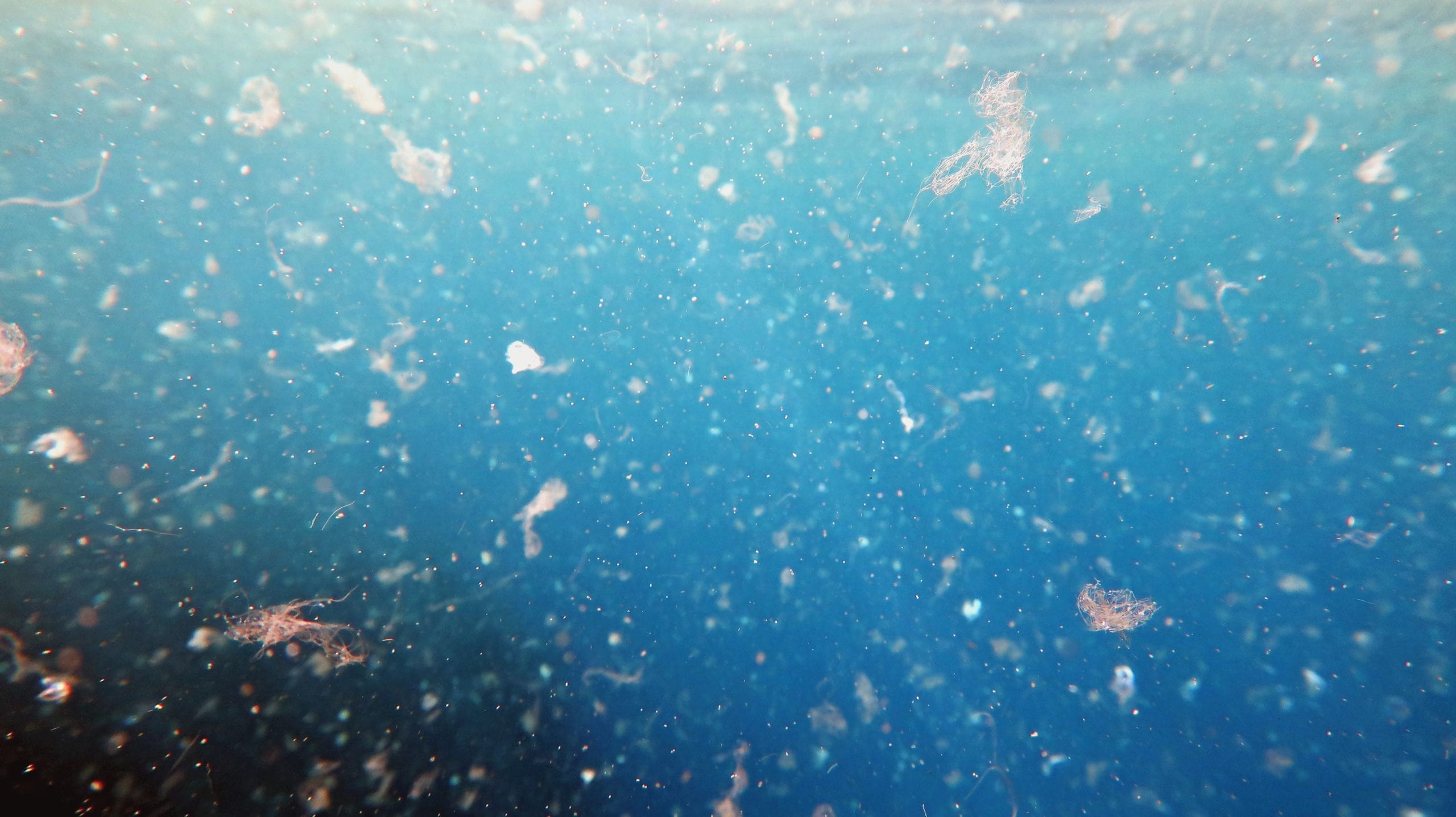
Plastics are tough and durable—that’s what makes them so useful. But those qualities also make them a problem. If they get into the environment, they can break into smaller pieces, but they don’t really go away. Instead, those tiny bits, called microplastics, travel far and wide. Some have been found in Arctic sea ice, others in the deepest reaches of the ocean. They wind up inside plants, animals, and other organisms, where they can cause harm.
Plastic is a unique problem. Most waste doesn’t last long in the environment, thanks to nature’s clean-up crew. Bacteria, fungi, and other tiny microbes excel at breaking down waste and turning it into nutrients. Plants and algae use those nutrients to grow; they, in turn, feed animals. But since microbes can’t eat most types of plastic, it doesn’t become part of that cycle.
Scientists are working to change that by making biodegradable plastic. The goal is to build plastic that is tough and durable when we need it but easy for microbes to eat once we’re done with it.
Traditional plastic contains chemical bonds that microbes can’t break. Biodegradable plastics are specifically designed to let microbes start chowing down. If these plastics get into the environment, they shouldn’t last long.
So, can the new plastics break down in the ocean? Yes—but one type of bacteria can’t do it alone. It takes a community of microbes living together to completely decompose biodegradable plastic—and that’s a good thing.
Like people, bacteria use enzymes to break their food into smaller nutrients. In order to do so, they need the right kinds of enzymes. Not all bacteria make all the enzymes needed to break down biodegradable plastic. (It’s kind of like someone who is lactose intolerant not having the enzyme needed to break down the sugar found in milk.)
When biodegradable plastics first enter the ocean, bacteria with the right enzymes break the big pieces into smaller components. After that’s done, other microbes in the community get to work. They break those pieces into still smaller ones. Then other bacteria join in. Together, the community breaks down the plastic into basic nutrients, which can then go on to feed other marine organisms.
The trick for scientists is to build plastics that can quickly decompose in the environment but don’t fall apart when we need them. So, they build big, complex molecules with a variety of chemical structures. That way, a single species of bacteria can’t eat through the plastic while we’re using it—but should that plastic wind up in the ocean, the microbial community will take care of it in a matter of months.
learn more
Ocean Topic: Marine Microplastics
What are marine microplastics, where are they found, and why are they important
Microplastics Initiative at WHOI
Interdisciplinary research program designed to understand the fate and impacts of plastics in the marine environment
Does plastic last for thousands of years in the environment?
Plastics don’t last forever, but break down slowly through physical, chemical, biological processes, posing environmental harm
Related News Releases
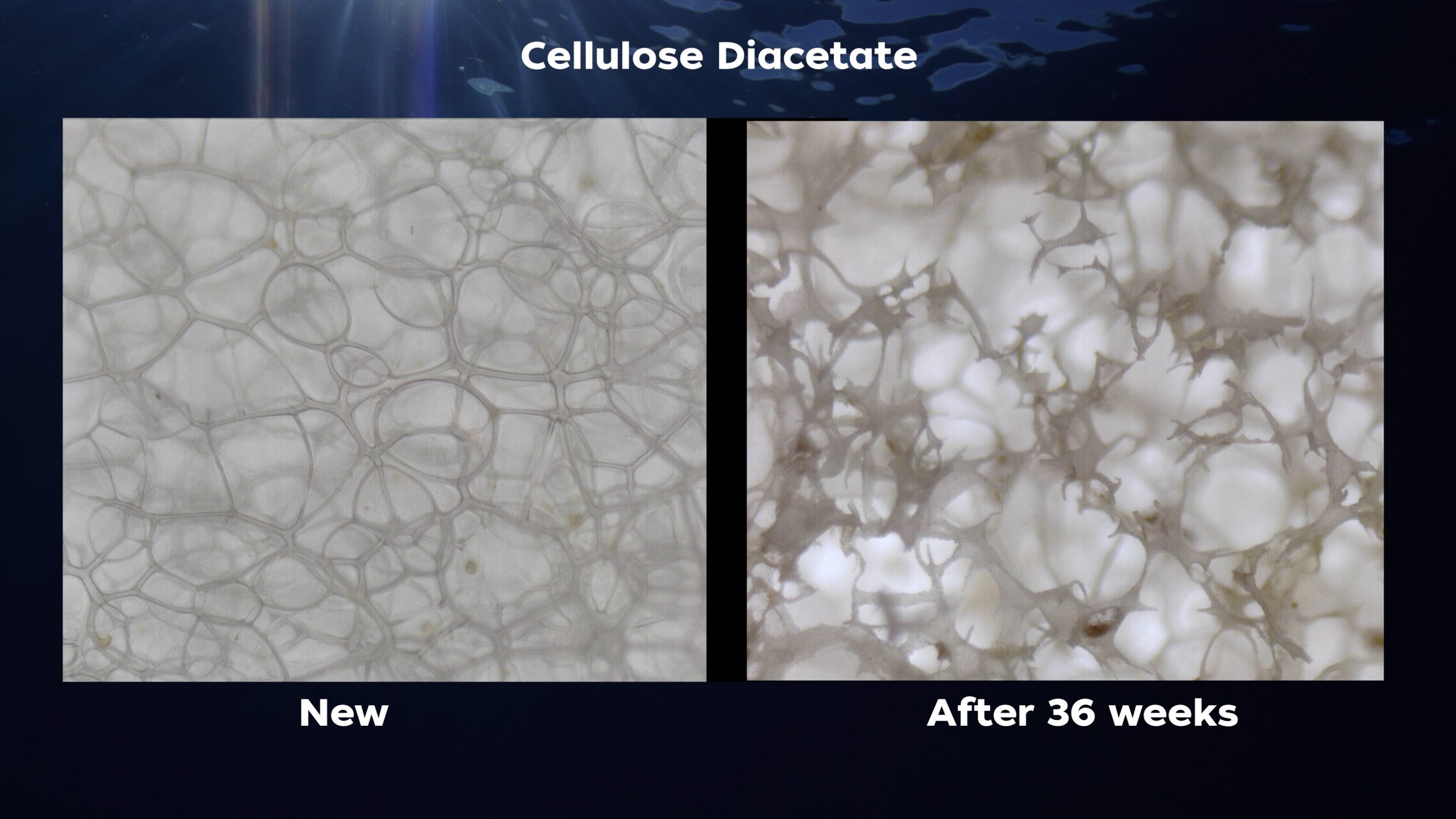
WHOI scientists discover fastest degrading bioplastic in seawater
A new version of CDA was found to be the fastest degrading bioplastic material tested in seawater and is a promising replacement for other long-lasting foam plastic materials.
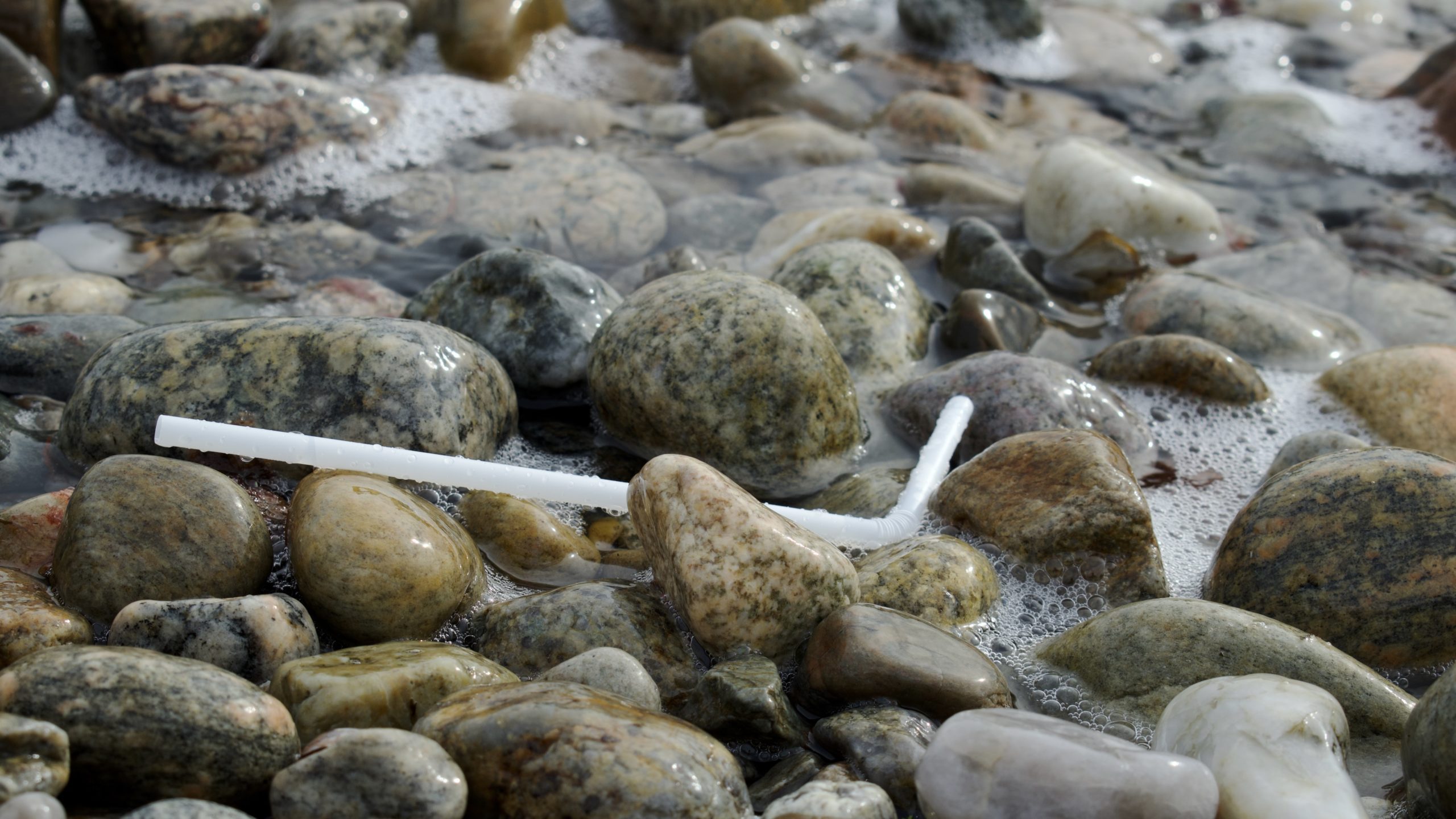
Some plastic straws degrade quicker than others, new study shows
WHOI researchers determine lifetimes of drinking straws in the coastal ocean and develop a prototype bioplastic straw that degrades even faster than paper
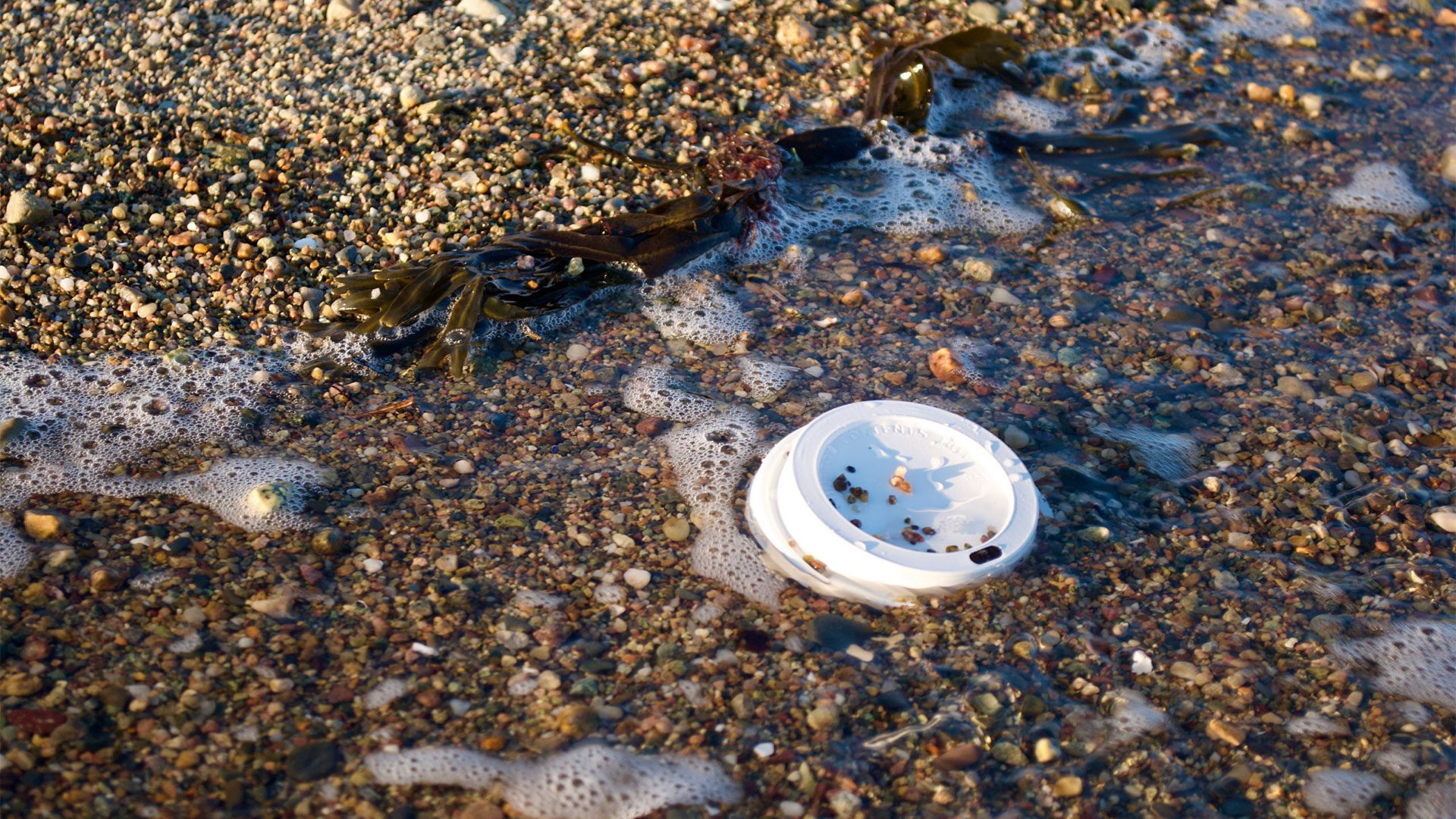
WHOI researchers say accounting for plastic persistence can minimize environmental impacts
WHOI researchers develop a new sustainability metric for plastic products
Foster, M.J. et al. 2026. Complementary bacterial functions enhance mineralization of aromatic aliphatic copolyesters within a marine microbial consortium. Environmental Science & Technology. Vol. 60, p. 8133. doi: 10.1021/acs.est.5c14910.
Marc Foster, personal communication.