
Press Room
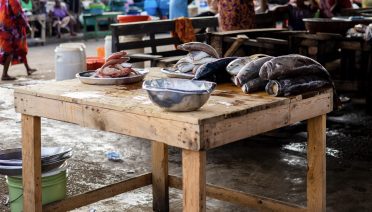
Developing countries pay less for the nutrition in seafood imports than developed countries
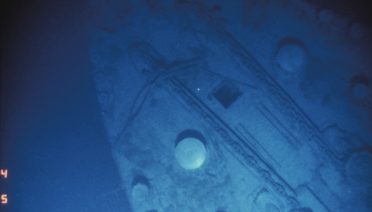
How cutting-edge technology, novel search techniques, and persistence paid off
WHOI and the Yawkey Foundation bring together scientists and community to look at the impacts of our changing ocean
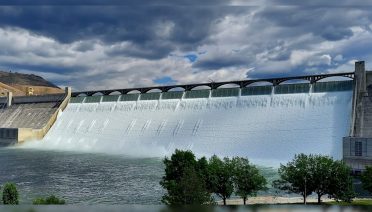
New WHOI-led study shows the Southwest may be more sensitive to drying than the Pacific Northwest
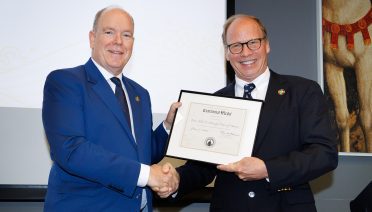
Award takes place at United Nations Ocean Conference, underscoring the need for global action in the protection of our oceans
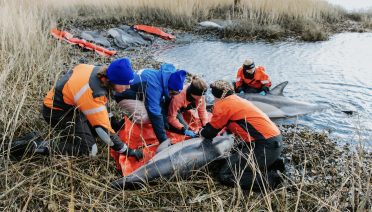
Differences in brain structure between echolocating and non-echolocating marine mammals offers insight into auditory processing
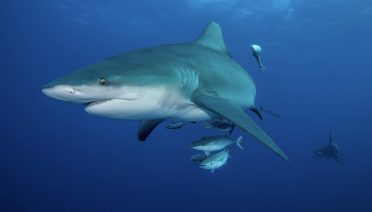
WHOI researchers part of collaborative, international effort to increase Marine Protected Areas and other strategies

WHOI’s Richard “Dick” Edwards used his expertise to help facilitate one of the the films most explosive scenes.
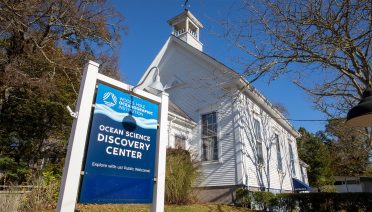
New, interactive exhibits and fun learning experiences await visitors to Woods Hole, Mass.

Annual award honors video and television excellence across all screens

The interdisciplinary mission included team members from the U.S Navy, Naval History and Heritage Command, National Science Foundation.
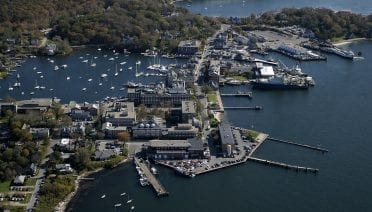
At Woods Hole Oceanographic Institution’s (WHOI’s) Spring Joint Meeting of the Board and Corporation, Institution leaders elected one returning Trustee and five new Corporation Members.
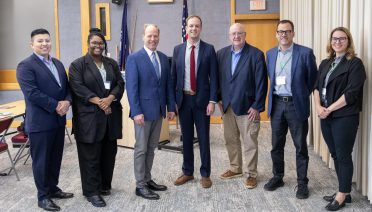
Woods Hole is stop on state-wide climate innovation road show

Scientists are using salt as a tracer to investigate how much the influx of warm, salty offshore water onto the continental shelf contributes to the observed seasonal “erosion” of the cold pool.
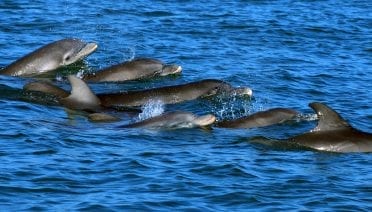
Woods Hole Oceanographic Institution and partners take home prestigious award
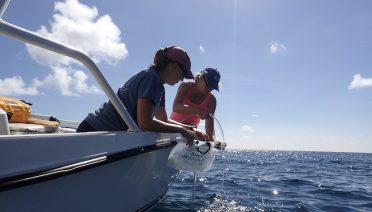
Compared to taking visual observations of reef habitats, analyzing water microbes provides a more immediate picture of health.
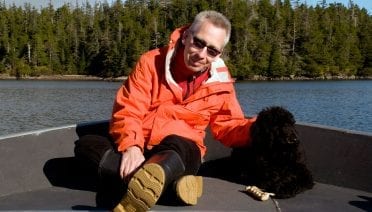
The Frontiers Planet Prize recently announced National Champions from 19 different countries.
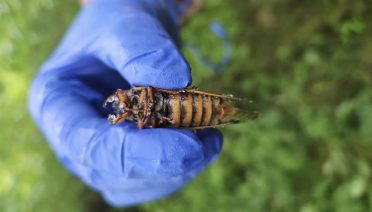
Billions of cicadas will be emerging on Cape Cod, and other parts of the country in late May or early June.
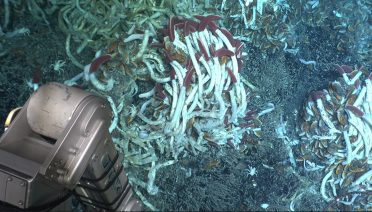
Long-awaited event sets the stage for scientists to learn more about physical, chemical and biological processes in the deep ocean East Pacific Rise, Pacific Ocean (May 2, 2025) – Scientists diving in the human-occupied vehicle Alvin recently witnessed a rare…
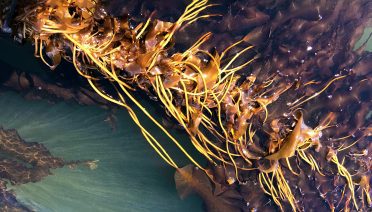
A new expansion of kelpwatch.org, brings over 40 years of satellite-derived kelp canopy data to South Africa and Namibia, offering new insights into these vital underwater forest ecosystems.