

The deeper we go, the more our ocean planet reveals.
THIS WORLD OCEAN MONTH
Seek answers













SUNLIT ZONE - 0-200 meters
When most people think of the ocean, they picture the blue, sunlit surface filled with familiar ocean life.
But the ocean goes far deeper.
How much of our ocean lies in darkness?
Almost all of it.
The blue, sunlit ocean we know makes up just 3% of the ocean.
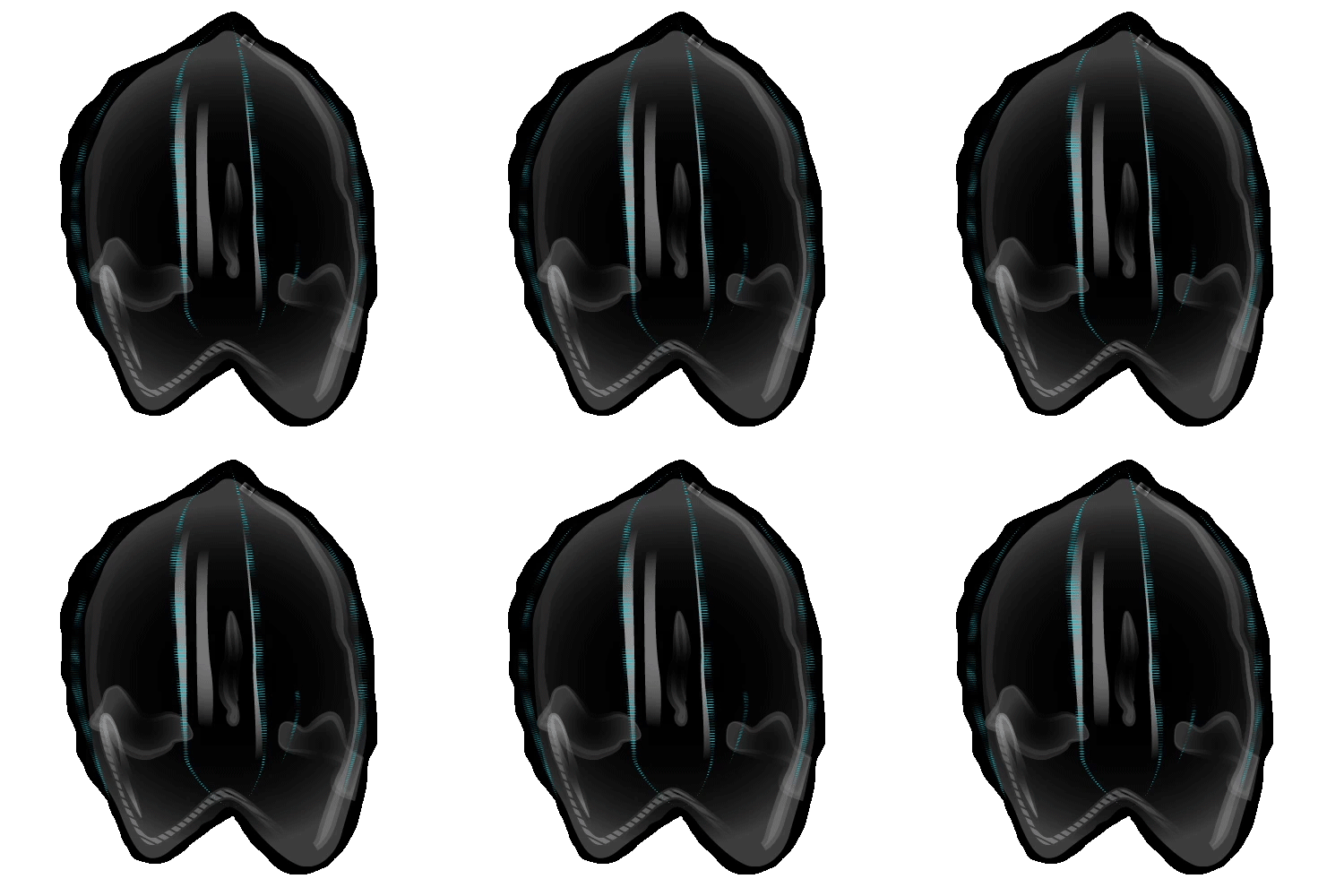
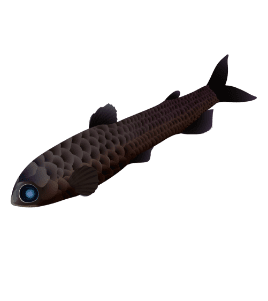
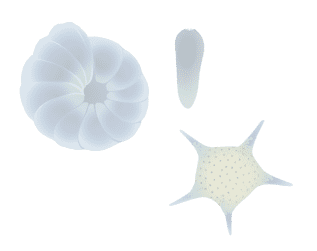
TWILIGHT ZONE - 200-1000 meters
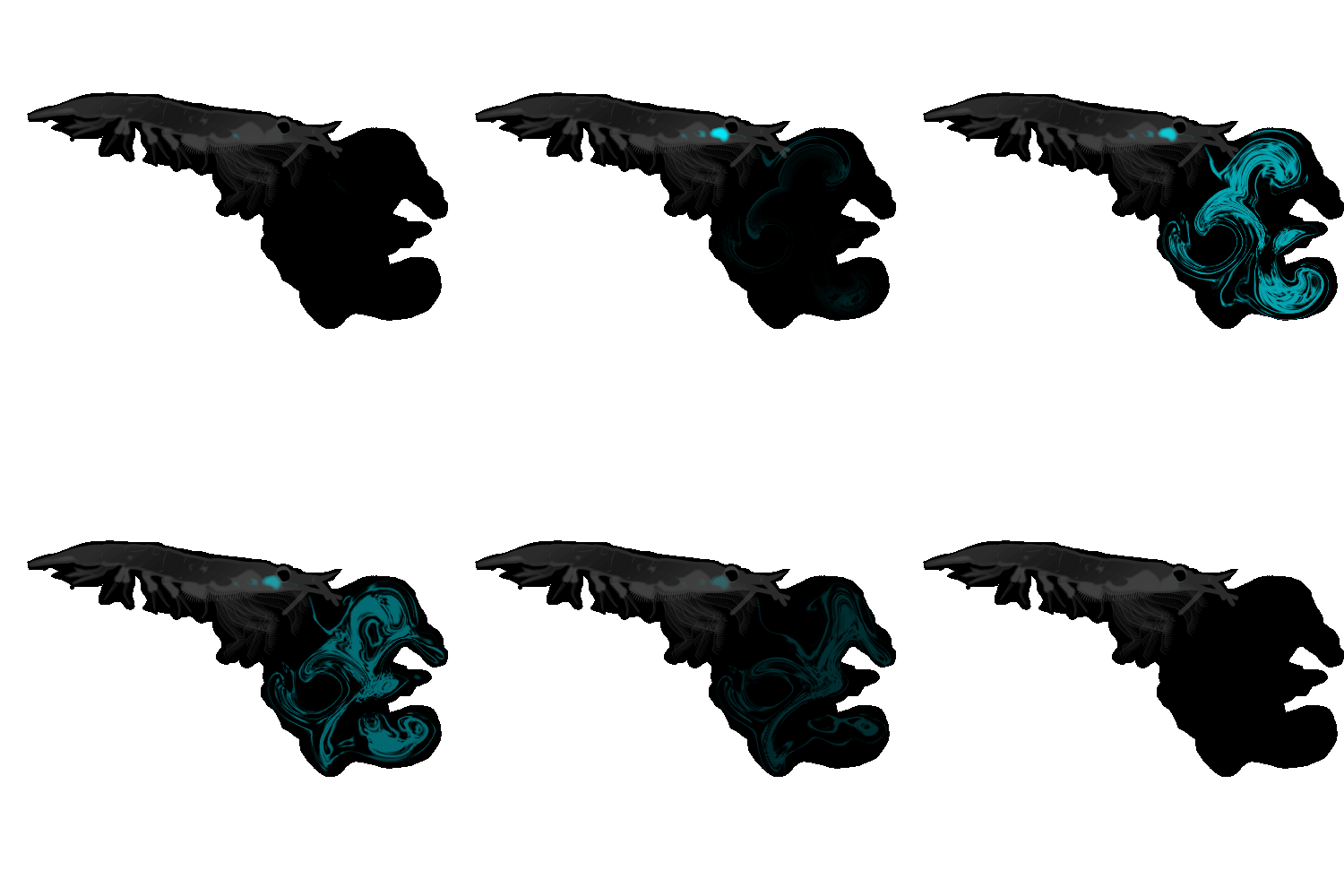
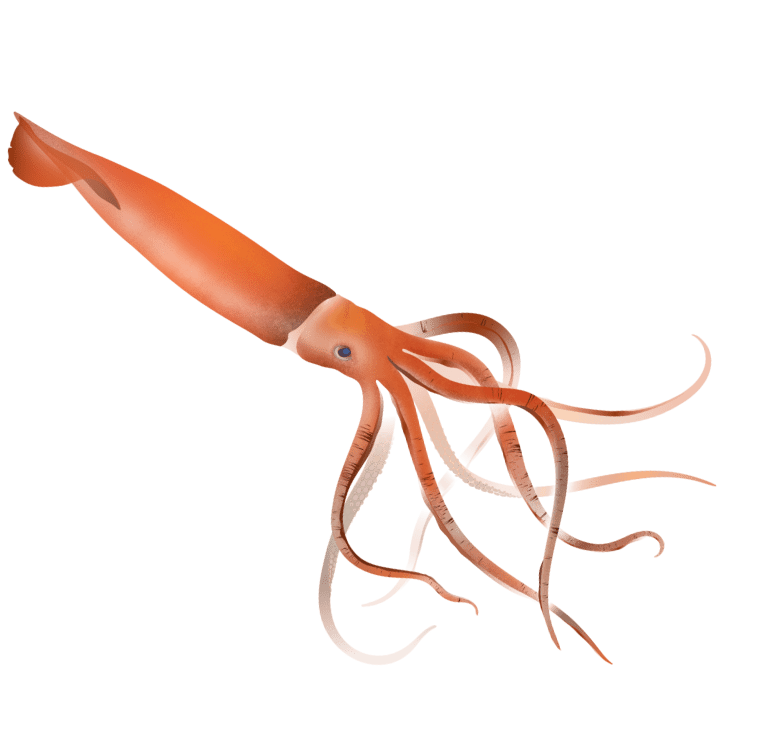
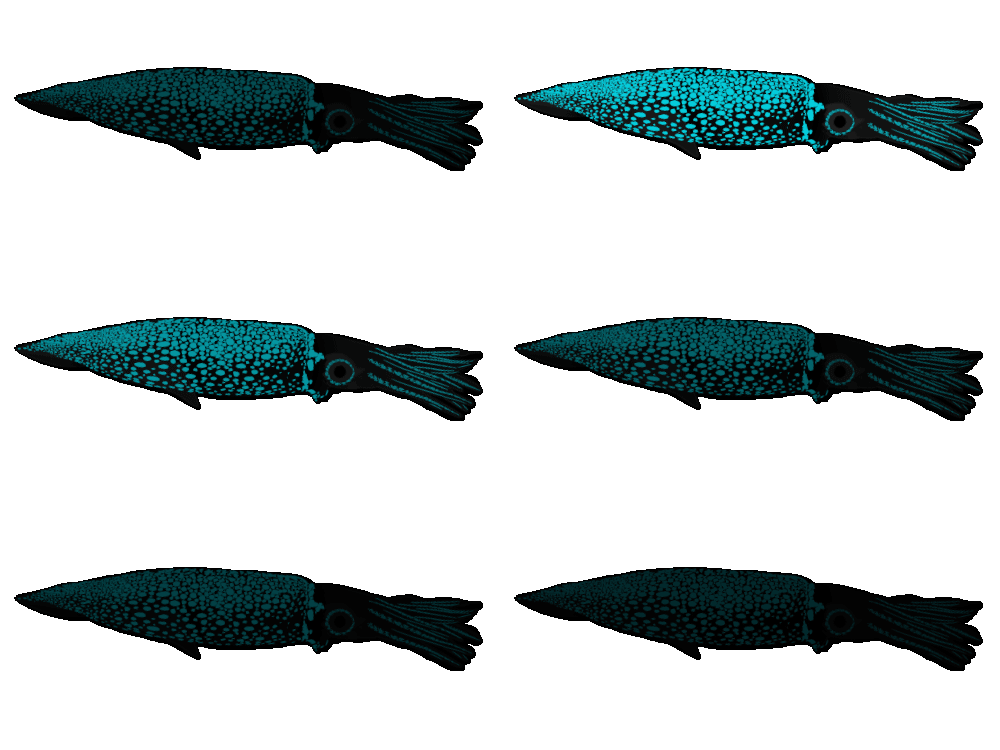
As sunlight begins to fade, the ocean transforms into a vast twilight world filled with drifting life, bioluminescent creatures, and hidden systems critical to our planet's climate.
How do animals in the deep ocean help regulate Earth's climate?
By helping move and store billions of metric tons of carbon.
Creatures of the twilight zone transport heat-trapping carbon from surface waters into the deep ocean, where it can be trapped for thousands of years.
MIDNIGHT ZONE - 1000-4000 meters
Beyond sunlight, life finds another way to thrive — in complete darkness.
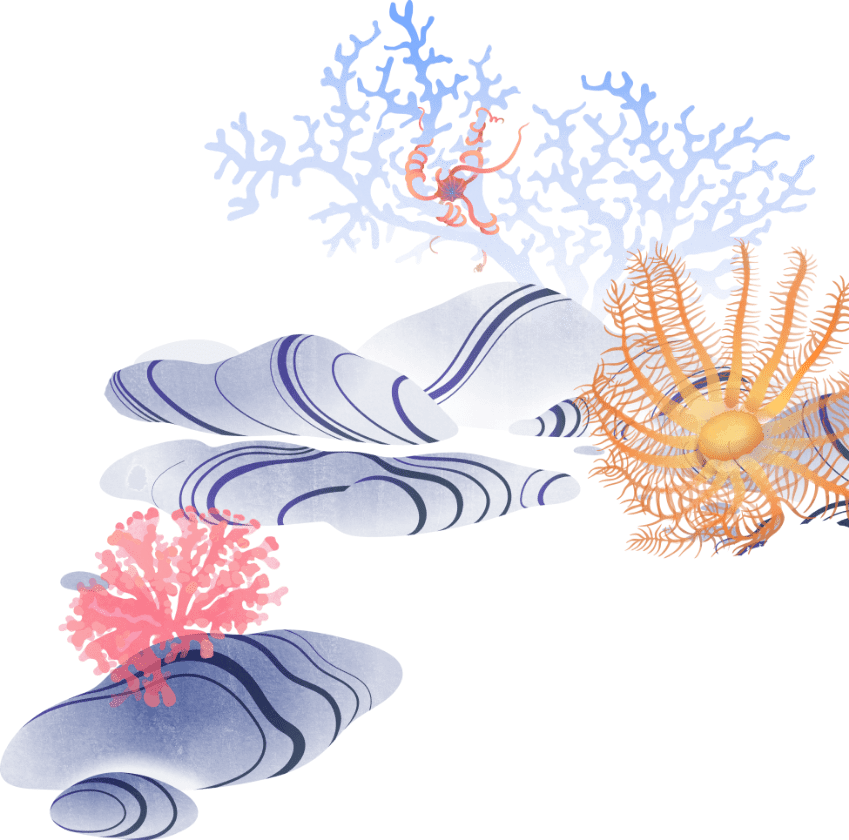
Can corals live without sunlight?
Yes.
Deep-sea corals are found throughout the world's oceans — from 150 feet (45 meters) to more than 10,000 feet (3,000 meters) deep.
ABYSSAL ZONE - 4000-6000 meters
Beyond the midnight zone ecosystems lies one of the largest and least explored places on Earth.
How much of the seafloor has been mapped?
Less than one-third.
As of 2026, only 28.7% of the seafloor has been mapped to modern standards.
HADAL ZONE - 6000-11000 meters
These deep ocean trenches are the most extreme environments on Earth — devoid of light, under incredible pressure, and very low in nutrients and oxygen.
Why should we care about the deep ocean?
Because the deep ocean helps sustain life, regulate Earth's climate, and shape the future of our planet.
KEEP THINKING DEEP!
The deep ocean remains one of the least understood places on Earth.
Join WHOI's email list for discoveries, events, and opportunities as we explore the unknown beneath the surface.
© 2026 Woods Hole Oceanographic Institution. All Rights Reserved. Contact Us | Privacy Policy
General Information: information@whoi.edu or (508) 548-1400 | Website inquiries: webdev@whoi.edu | Media inquiries: media@whoi.edu
SUNLIT ZONE - 0-200 meters
When most people think of the ocean, they picture the blue, sunlit surface filled with familiar ocean life.
But the ocean goes far deeper.
How much of our ocean lies in darkness?
Almost all of it.
The blue, sunlit ocean we know makes up just 3% of the ocean.
TWILIGHT ZONE - 200-1000 meters
As sunlight begins to fade, the ocean transforms into a vast twilight world filled with drifting life, bioluminescent creatures, and hidden systems critical to our planet's climate.
How do animals in the deep ocean help regulate Earth's climate?
By helping move and store billions of metric tons of carbon.
Creatures of the twilight zone transport heat-trapping carbon from surface waters into the deep ocean, where it can be trapped for thousands of years.
MIDNIGHT ZONE - 1000-4000 meters
Beyond sunlight, life finds another way to thrive — in complete darkness.
Can corals live without sunlight?
Yes.
Deep-sea corals are found throughout the world's oceans — from 150 feet (45 meters) to more than 10,000 feet (3,000 meters) deep.
ABYSSAL ZONE - 4000-6000 meters
Beyond the midnight zone ecosystems lies one of the largest and least explored places on Earth.
How much of the seafloor has been mapped?
Less than one-third.
As of 2026, only 28.7% of the seafloor has been mapped to modern standards.
HADAL ZONE - 6000-11000 meters
These deep ocean trenches are the most extreme environments on Earth — devoid of light, under incredible pressure, and very low in nutrients and oxygen.
Why should we care about the deep ocean?
Because the deep ocean helps sustain life, regulate Earth's climate, and shape the future of our planet.
KEEP THINKING DEEP!
Sign up for WHOI's email list and join our researchers as they push deeper into the unknown-exploring extreme environments to understand our ocean planet.
© 2026 Woods Hole Oceanographic Institution. All Rights Reserved. Contact Us | Privacy Policy
General Information: information@whoi.edu or (508) 548-1400 | Website inquiries: webdev@whoi.edu | Media inquiries: media@whoi.edu