
Oceanography
Sunlit, Twilight, and Midnight Zones in a cube
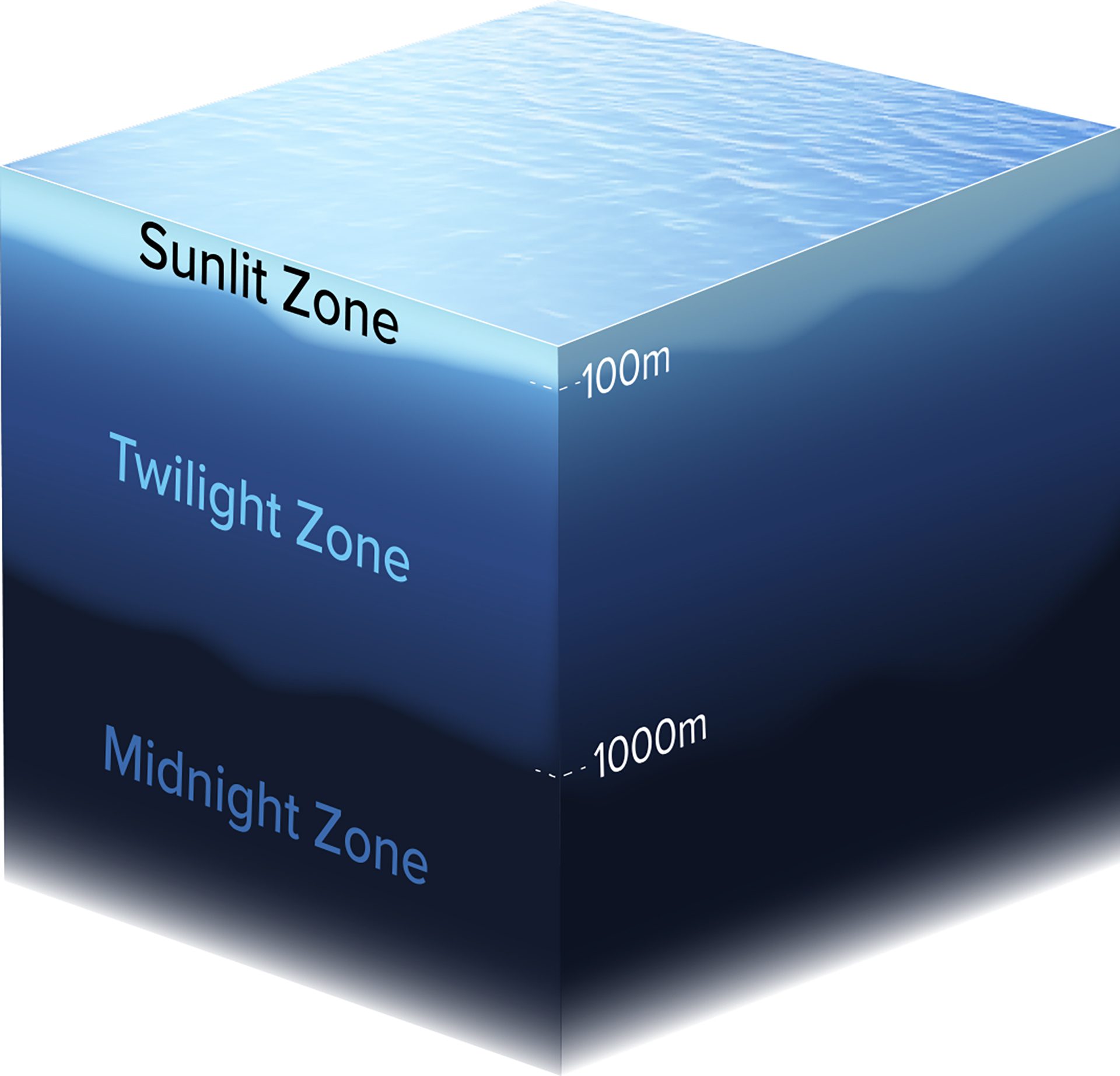
This cube shows the mesopelagic zone—an ocean layer from 1001000m deep—stretching from coastal EEZs to the high seas, including around island nations.
Read MoreThe Atlantic Meridional Overturning Circulation (AMOC)
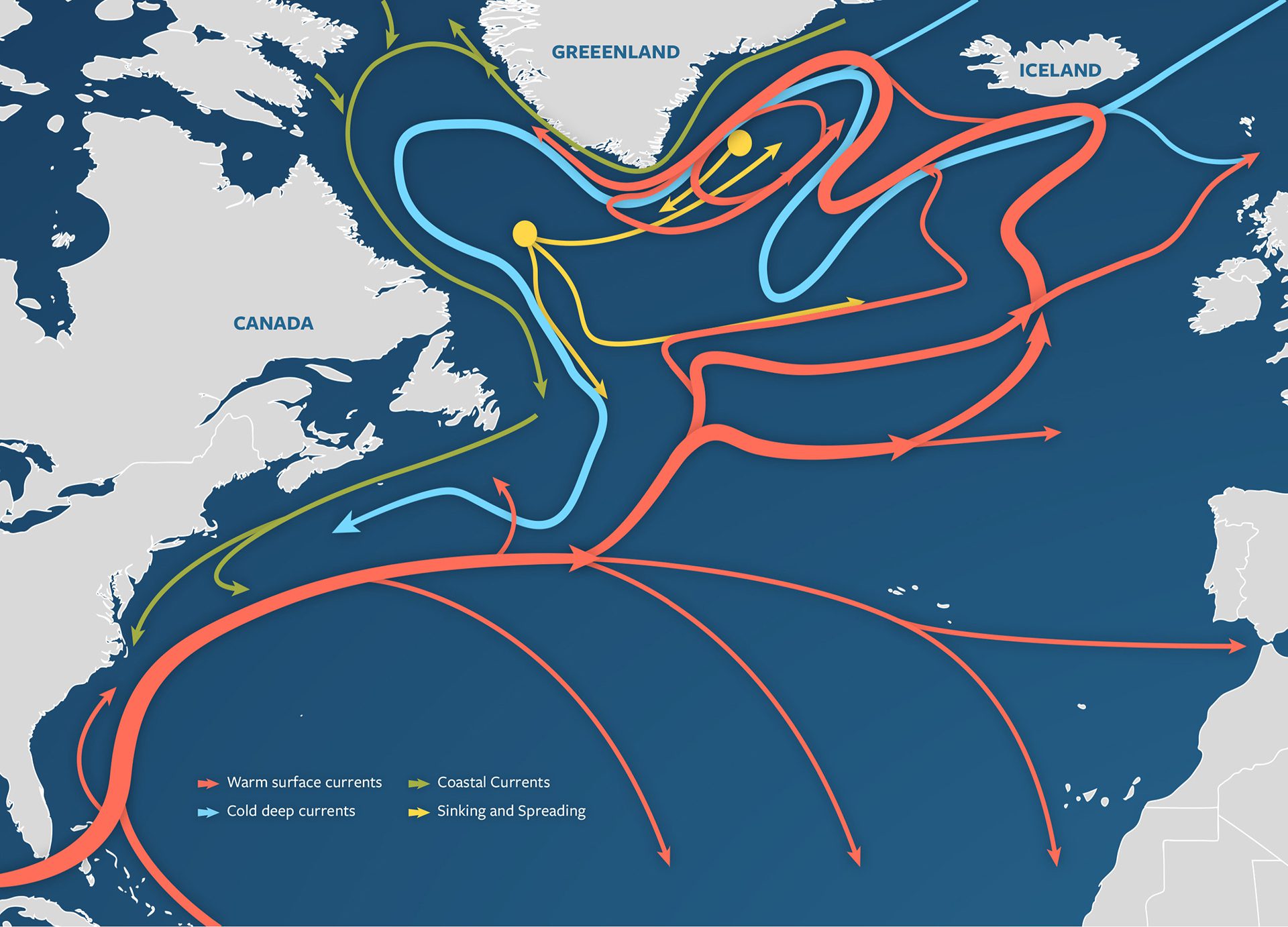
Illustrated map of the AMOC, part of global thermohaline circulation, showing warm surface flow, deepwater currents, and key sinking and spreading sites.
Read MoreThe Earth’s water supply in perspective
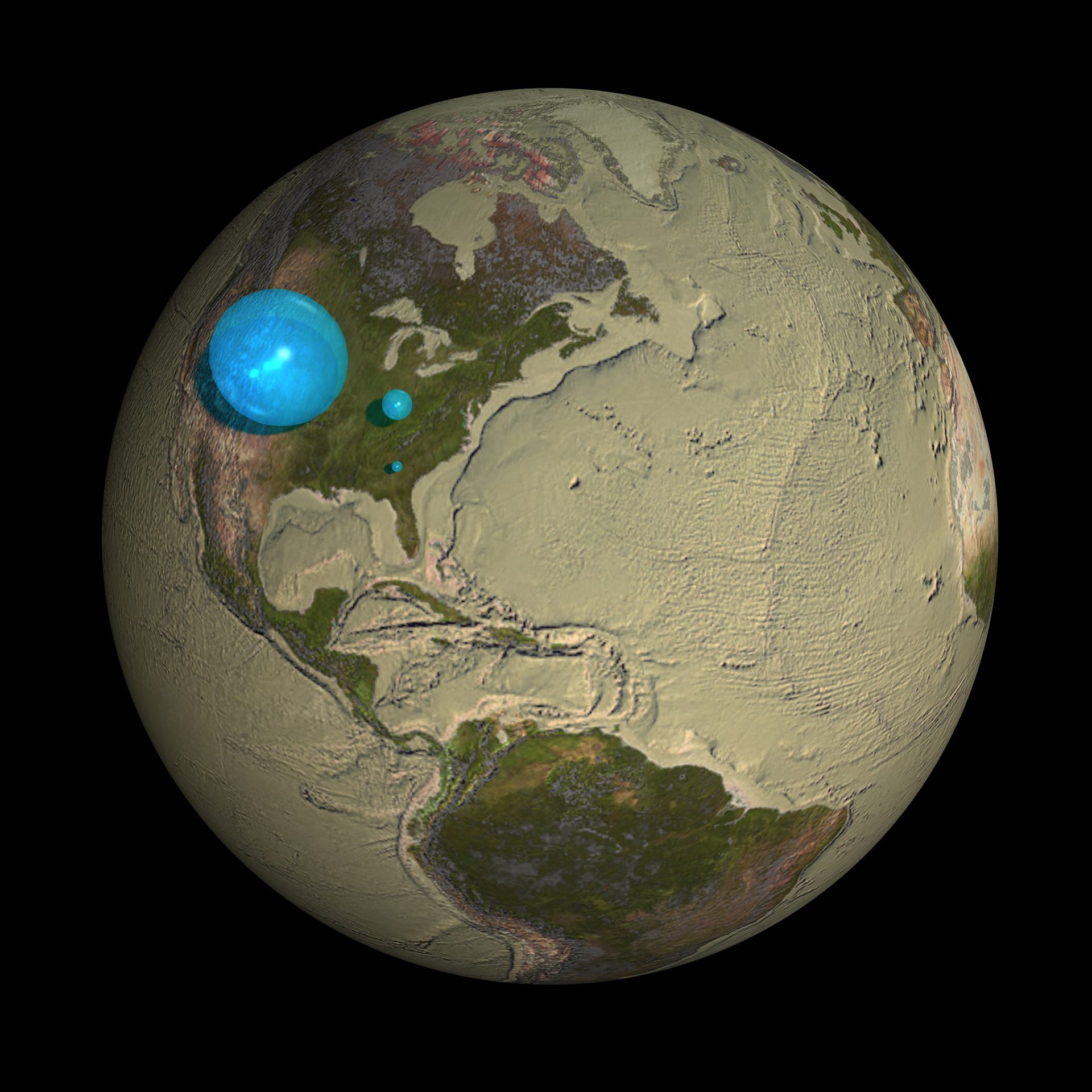
If all Earth’s water formed a ball, it would be just 950 miles wide—and only a tiny fraction of it is fresh and accessible for human use.
Read MoreThe formation of 18° mode water
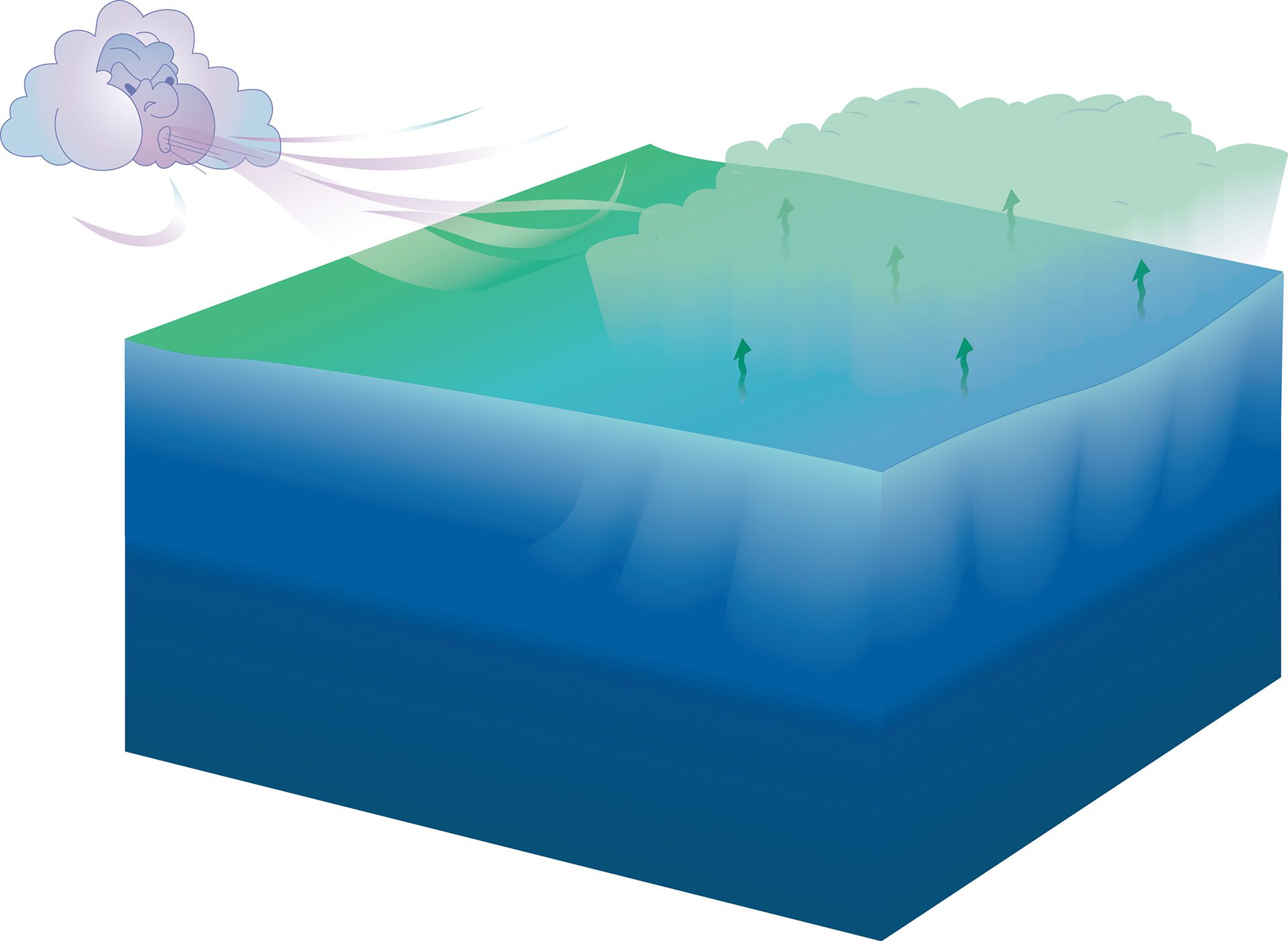
Cold winter winds cool warm ocean surfaces. The dense water left behind sinks, forming a distinct layer called 18° water between surface and deep seas.
Read MoreOpposing currents, Deep Western Boundary Current and Gulf Stream
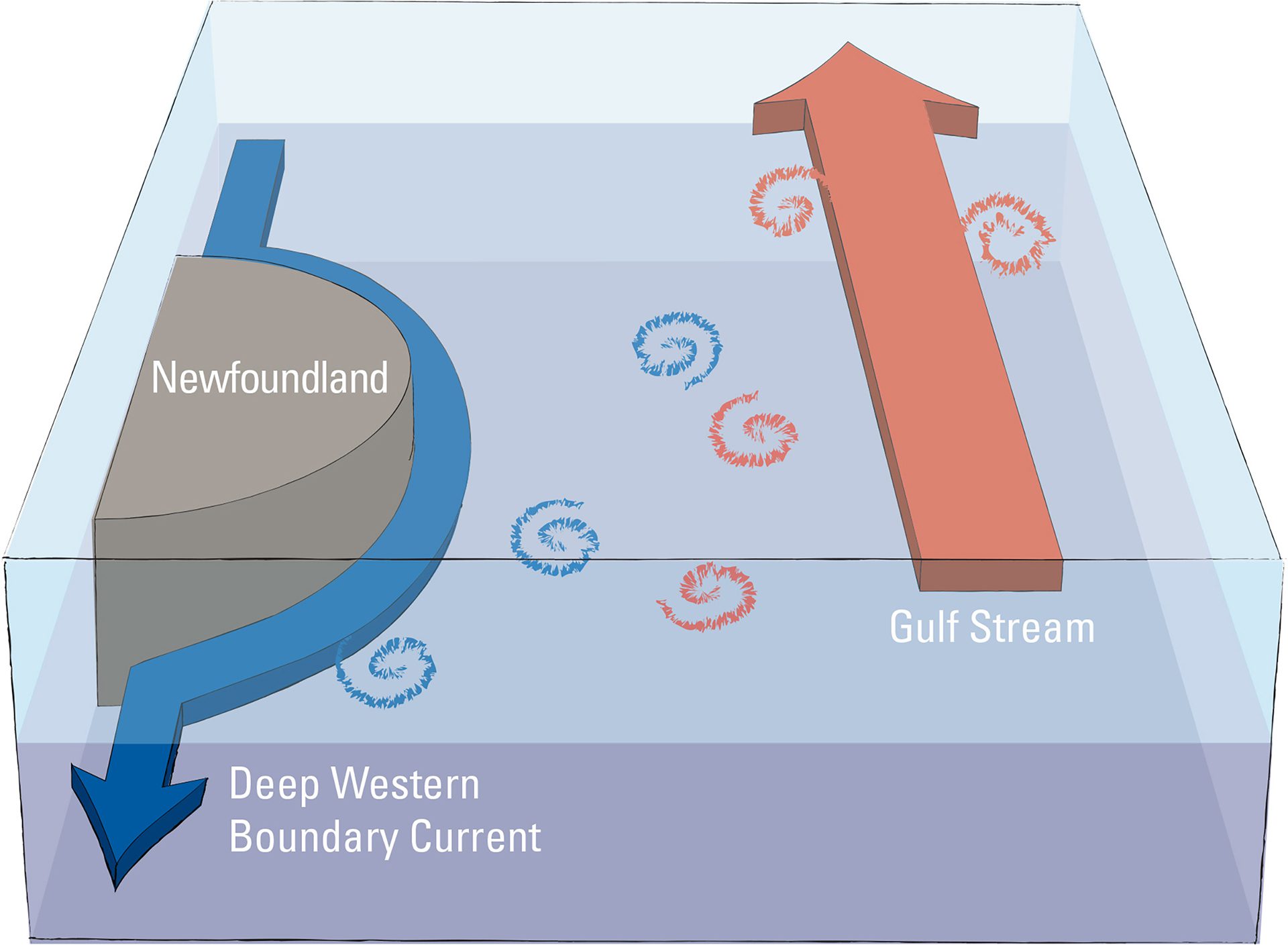
Scientists use mathematical models of the Deep Western Boundary Current, Newfoundland’s topography, and the Gulf Stream to study what causes water to divert from the current.
Read MoreOriginal sketch of Titanic wreck site debris field
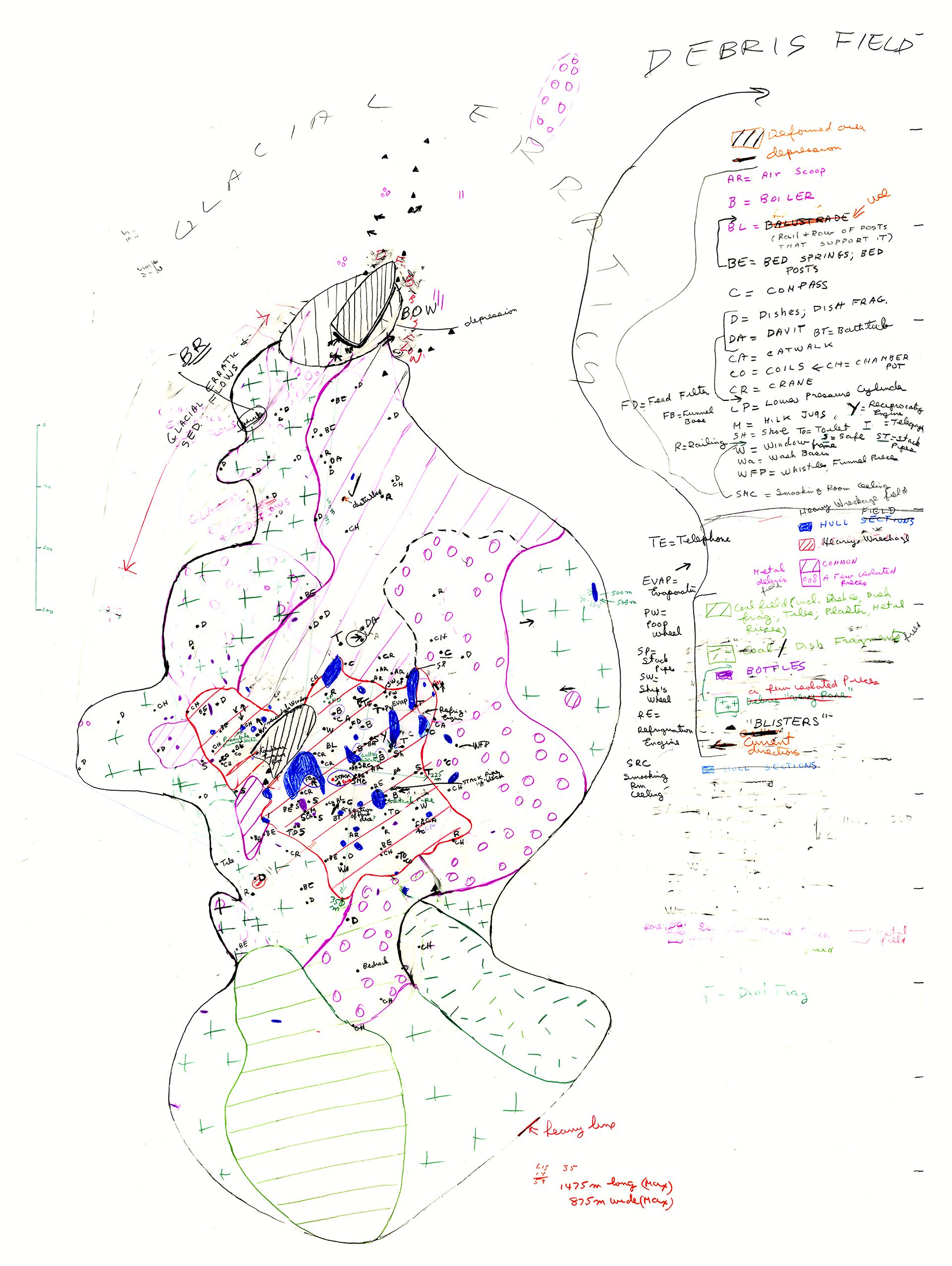
Hand drawn map of the wreck and surrounding debris field was created by the 1986 exploration team. Details were added to the map as the daily dives were completed.
Read MoreOTZ Mixing Pump and Migration Pump
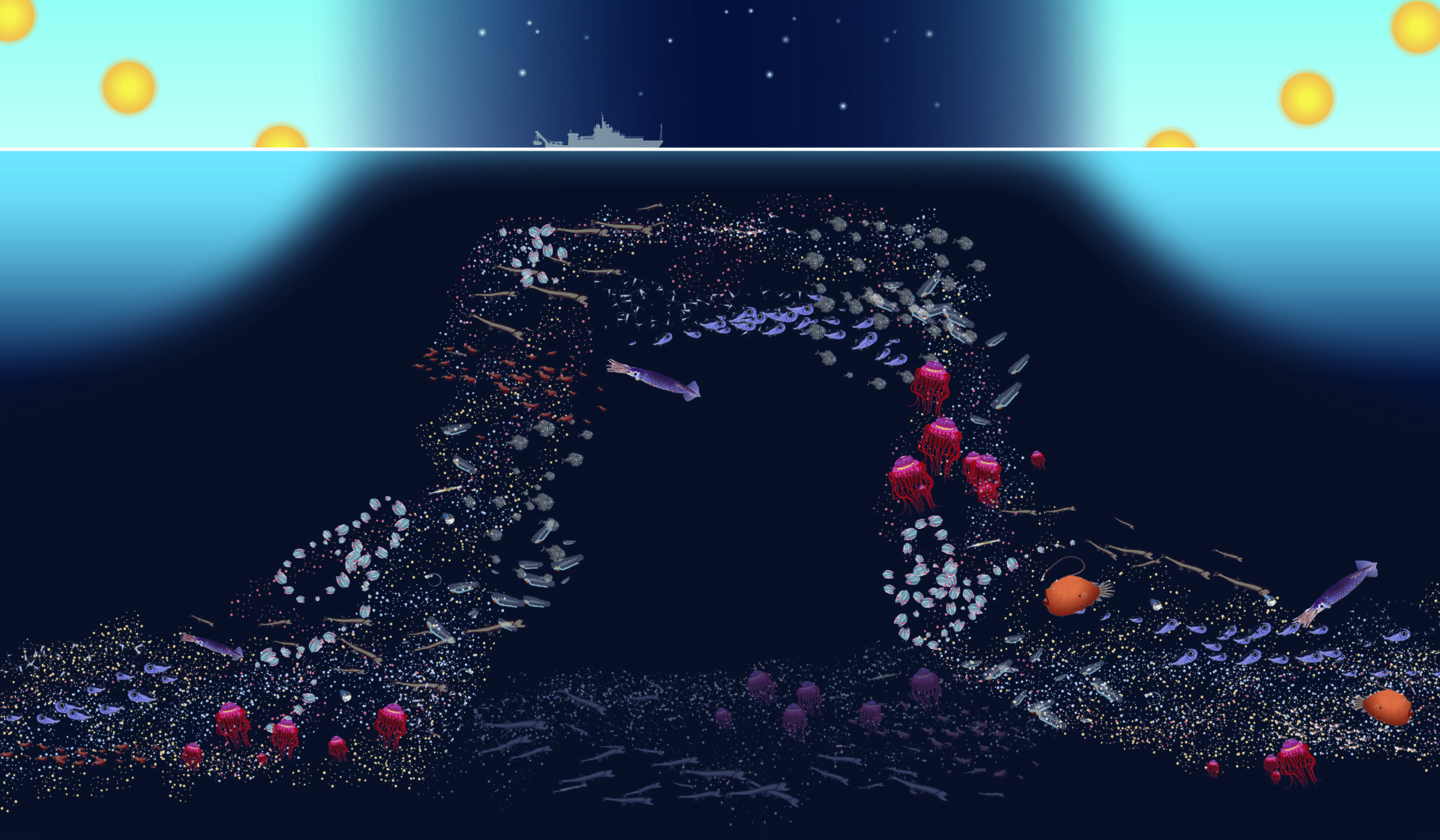
Each night, millions of ocean animals migrate upward to feed, then descend at dawn, actively transporting carbon from surface waters to the deep in Earth’s largest animal migration.
Read MorePlates Separate
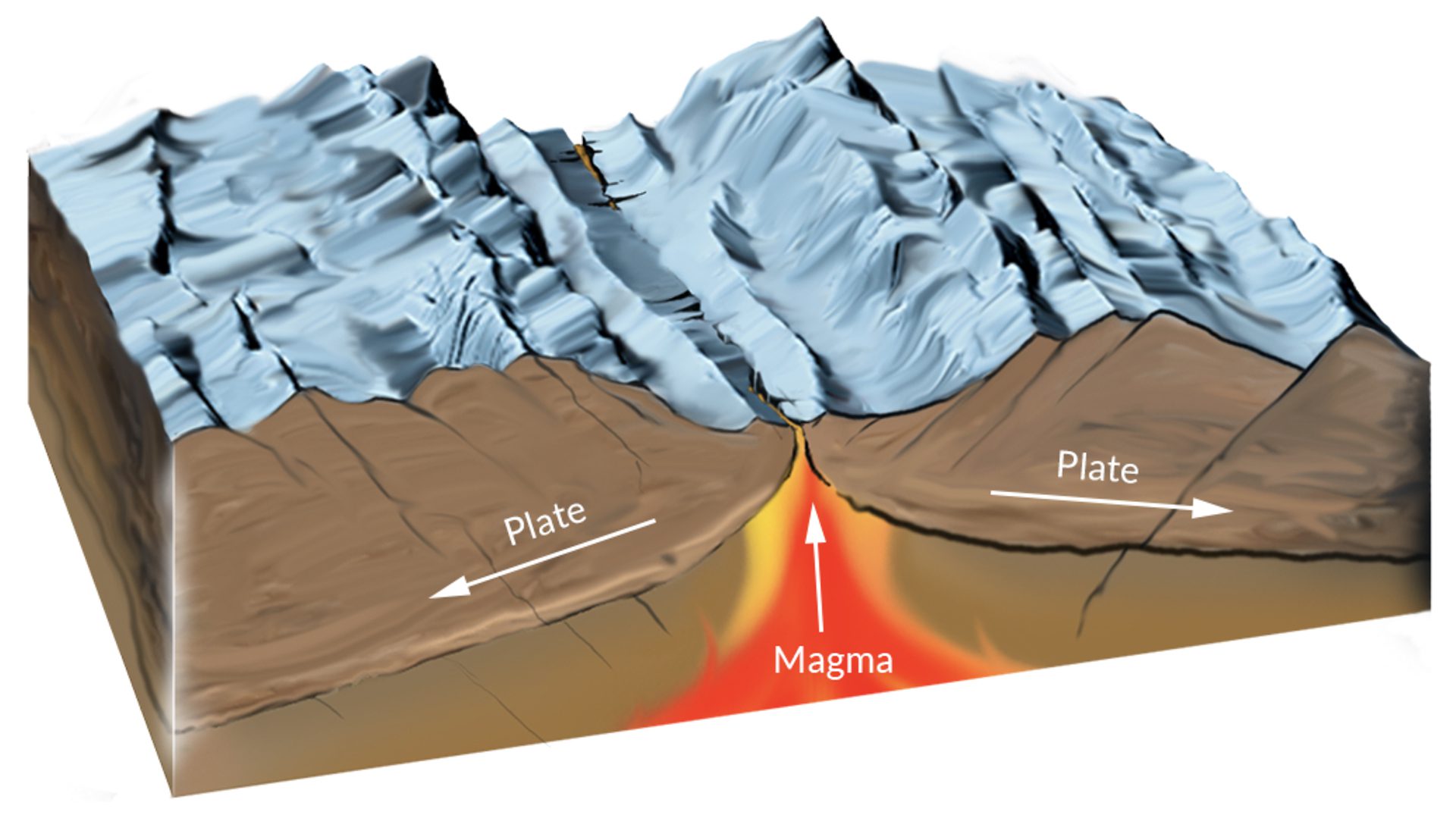
Mid-ocean ridges and rift valleys form where tectonic plates spread apart, creating new ocean crust as molten rock rises, causing earthquakes and volcanic eruptions along the way.
Read MorePlates Slide
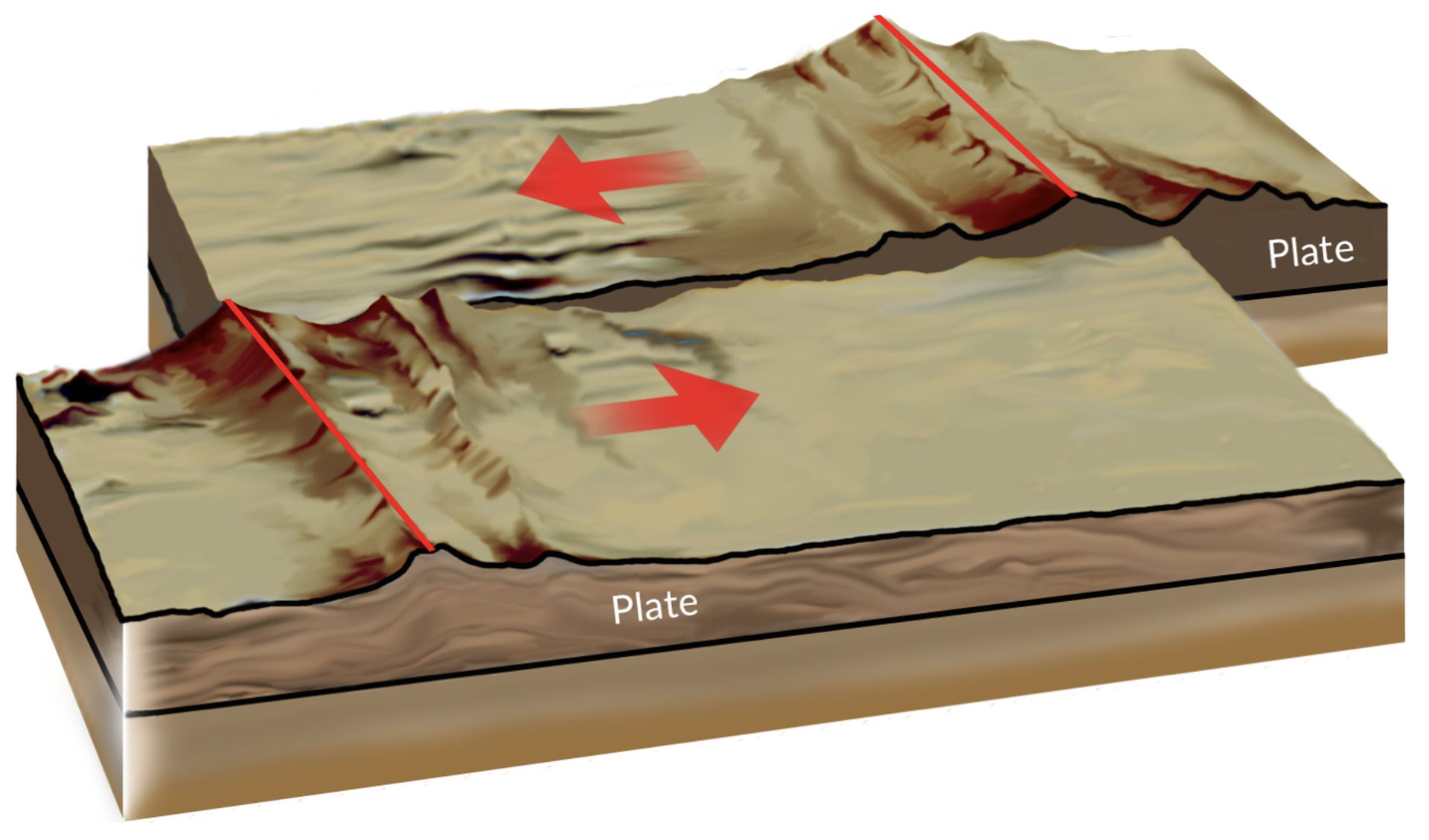
Transform faults form where plates slide past each other, causing powerful quakes. The San Andreas Fault between Pacific and North American Plates fuels major California earthquakes.
Read MorePlates Subduct
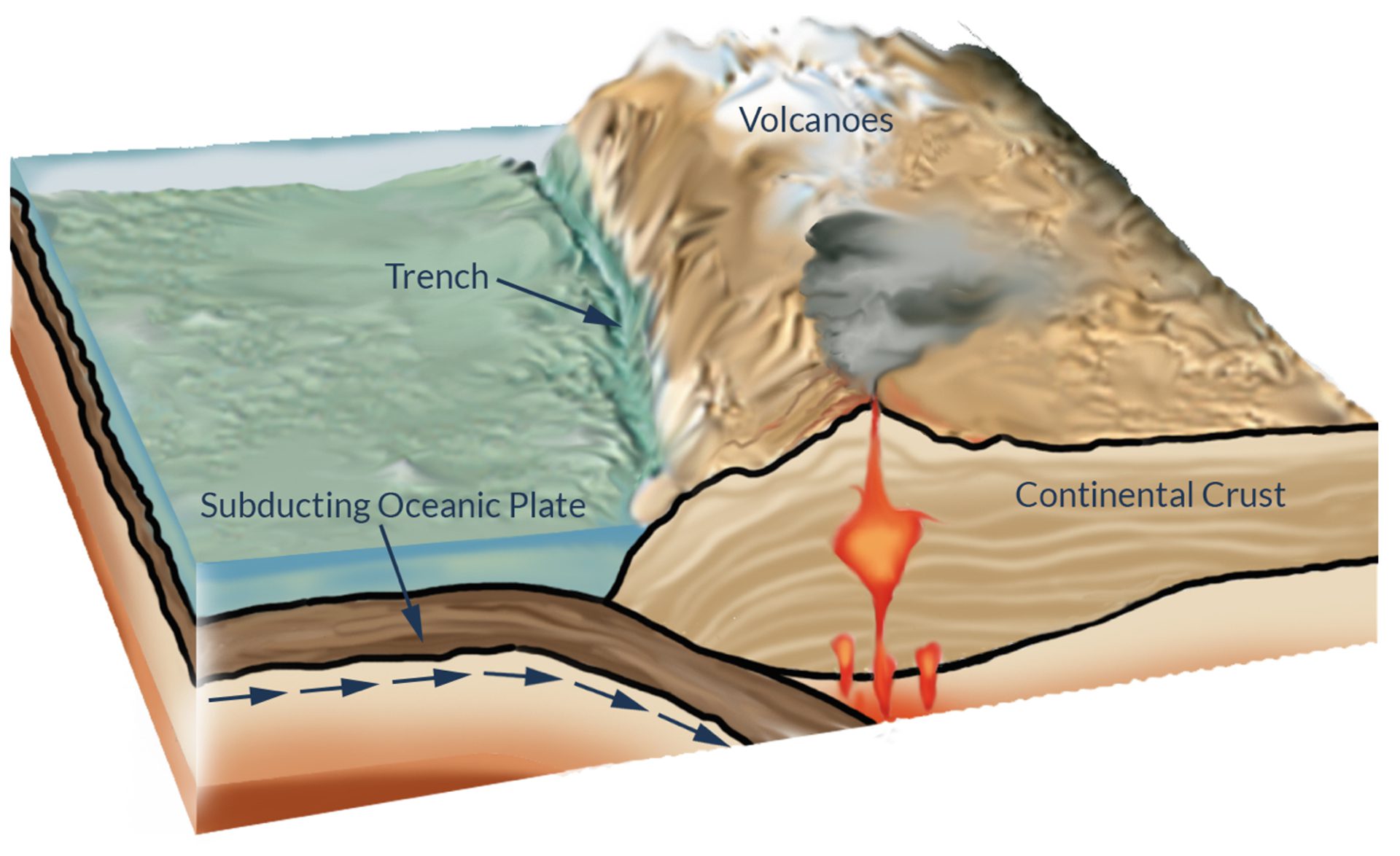
When ocean plates collide, one subducts beneath the other, forming trenches and causing molten rock to rise, creating volcanic mountains or island arcs like Japan or the Andes.
Read MoreProcess showing how methane is derived from photosynthetic bacteria
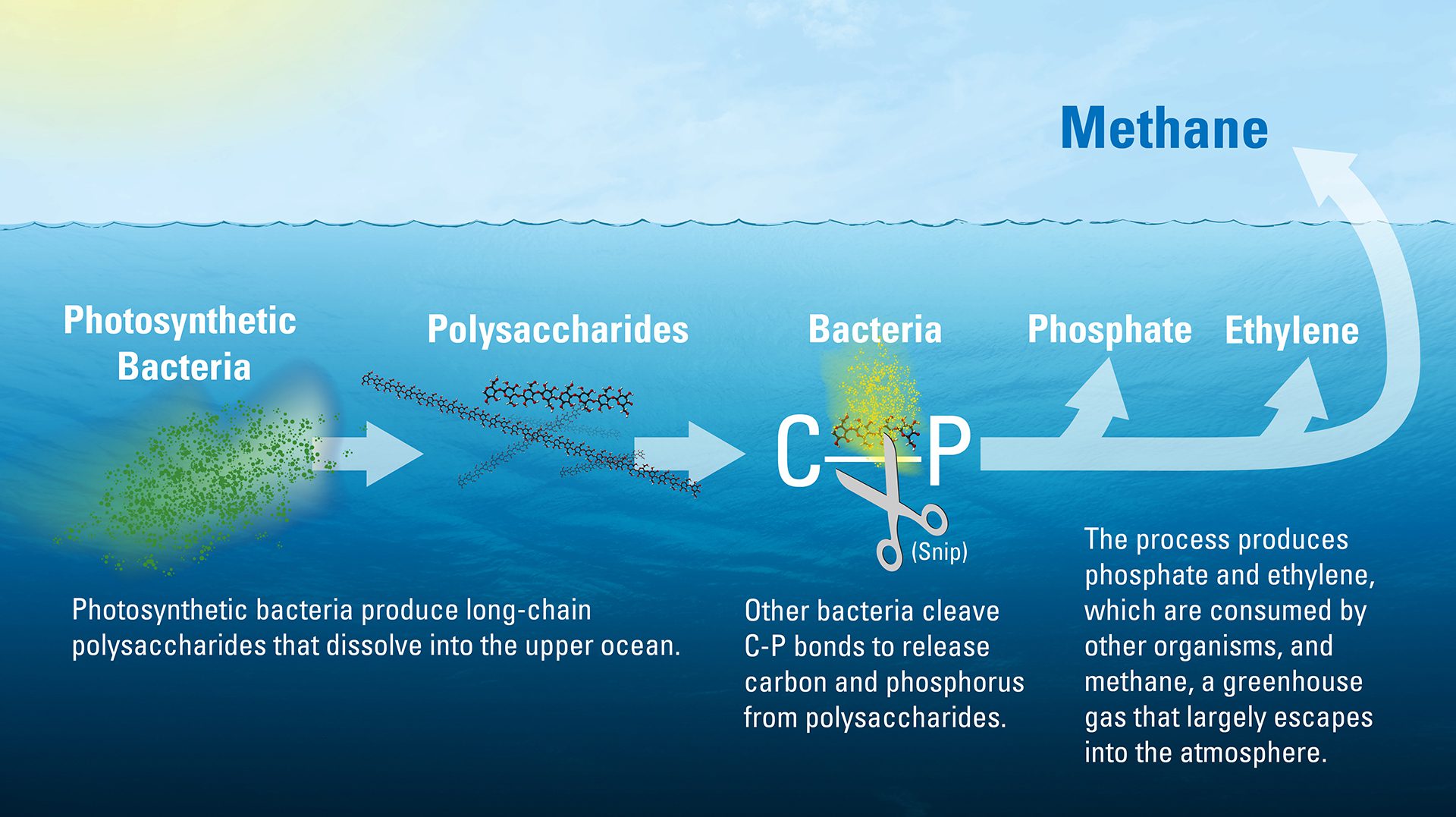
Scientists discovered that photosynthetic bacteria in surface waters produce sugar chains broken down by other bacteria, releasing methane—a new microbial source of this greenhouse gas.
Read MoreA Krill’s Life Cycle
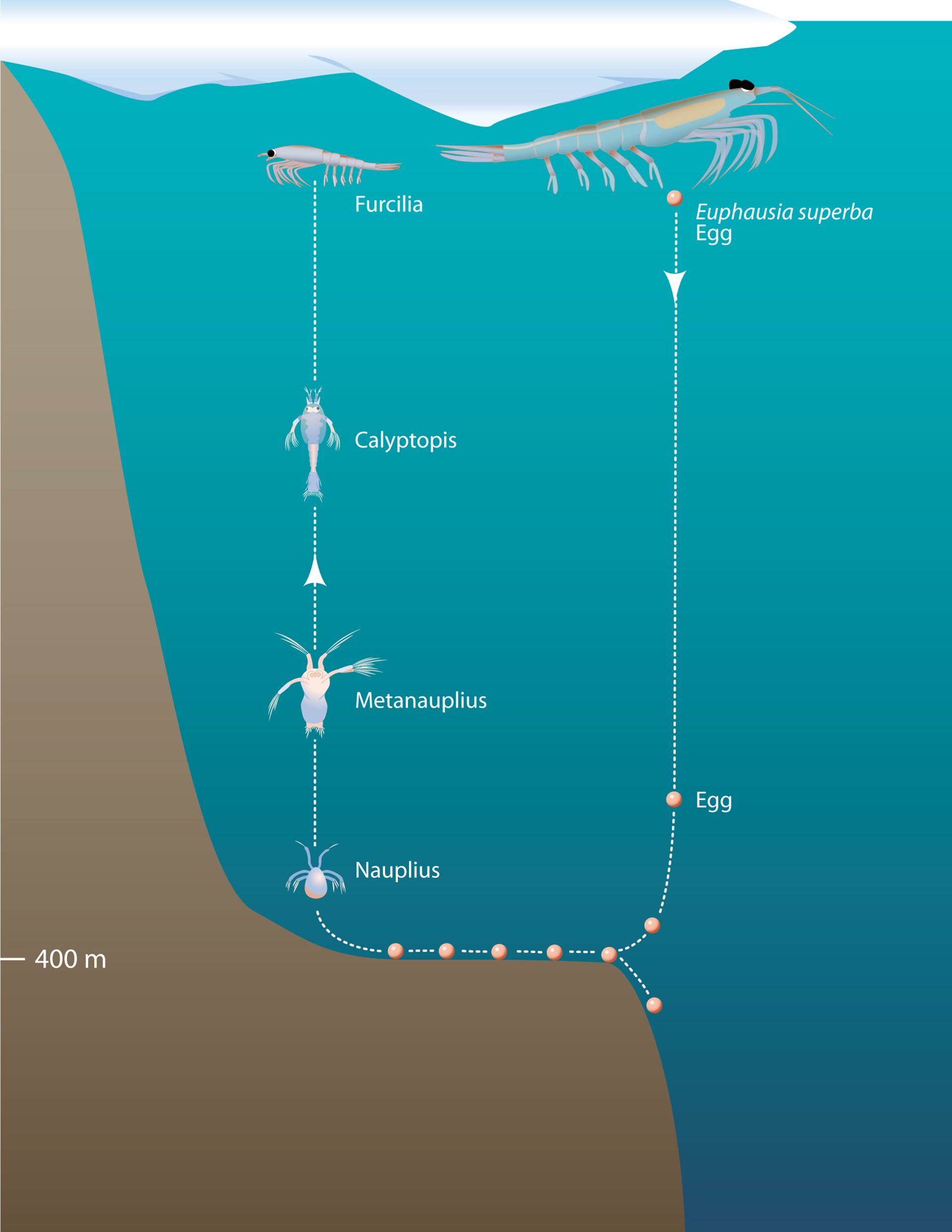
Krill hatch deep and race upward to survive—only those reaching the surface before winter can feed, grow, and live through their first icy Antarctic season.
Read MoreRainfall prediction illustration
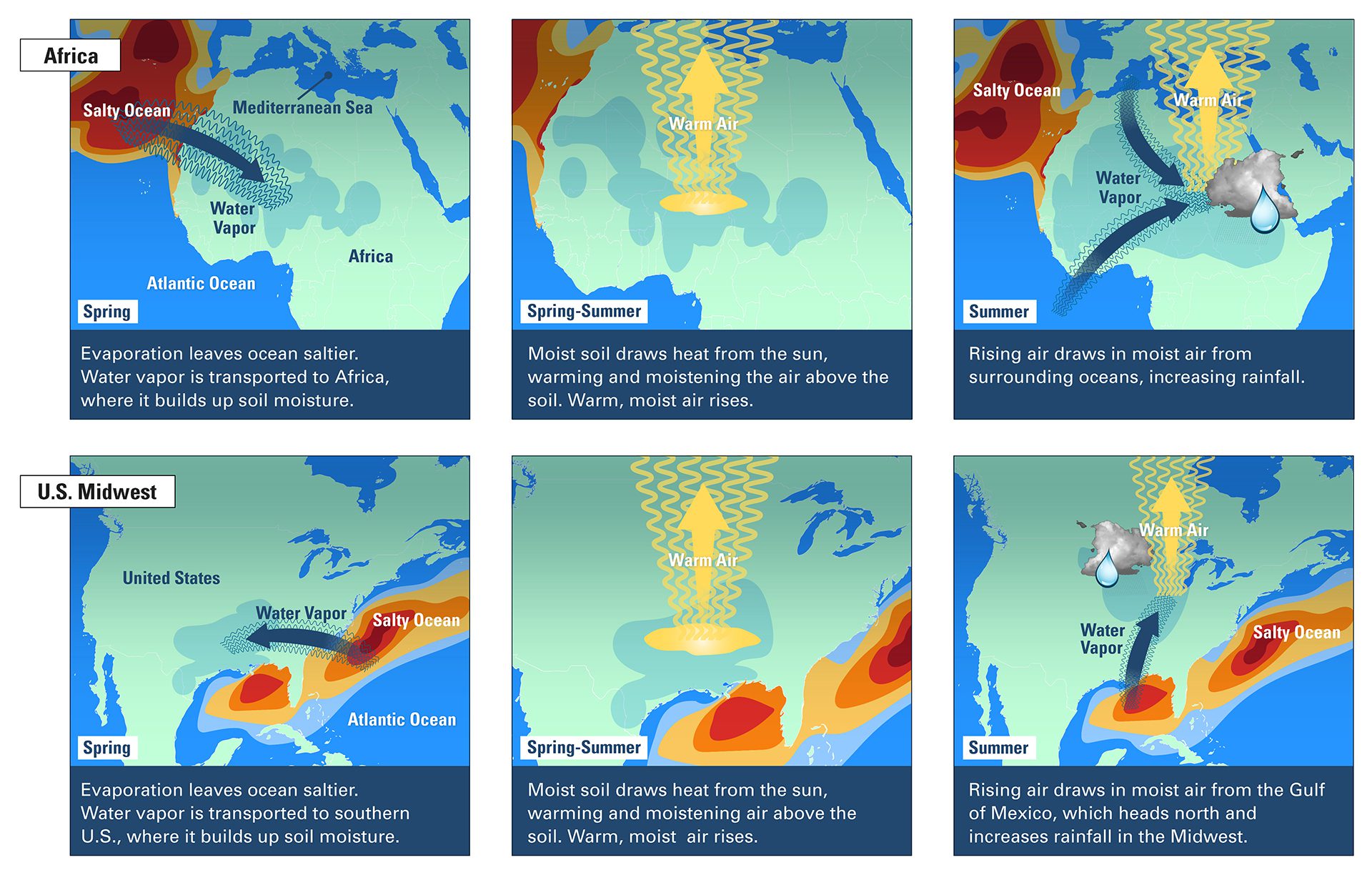
Spring winds boost Atlantic salinity, fueling summer rains in Africa and the U.S. via soil moisture buildup, convection, and increased moisture transport.
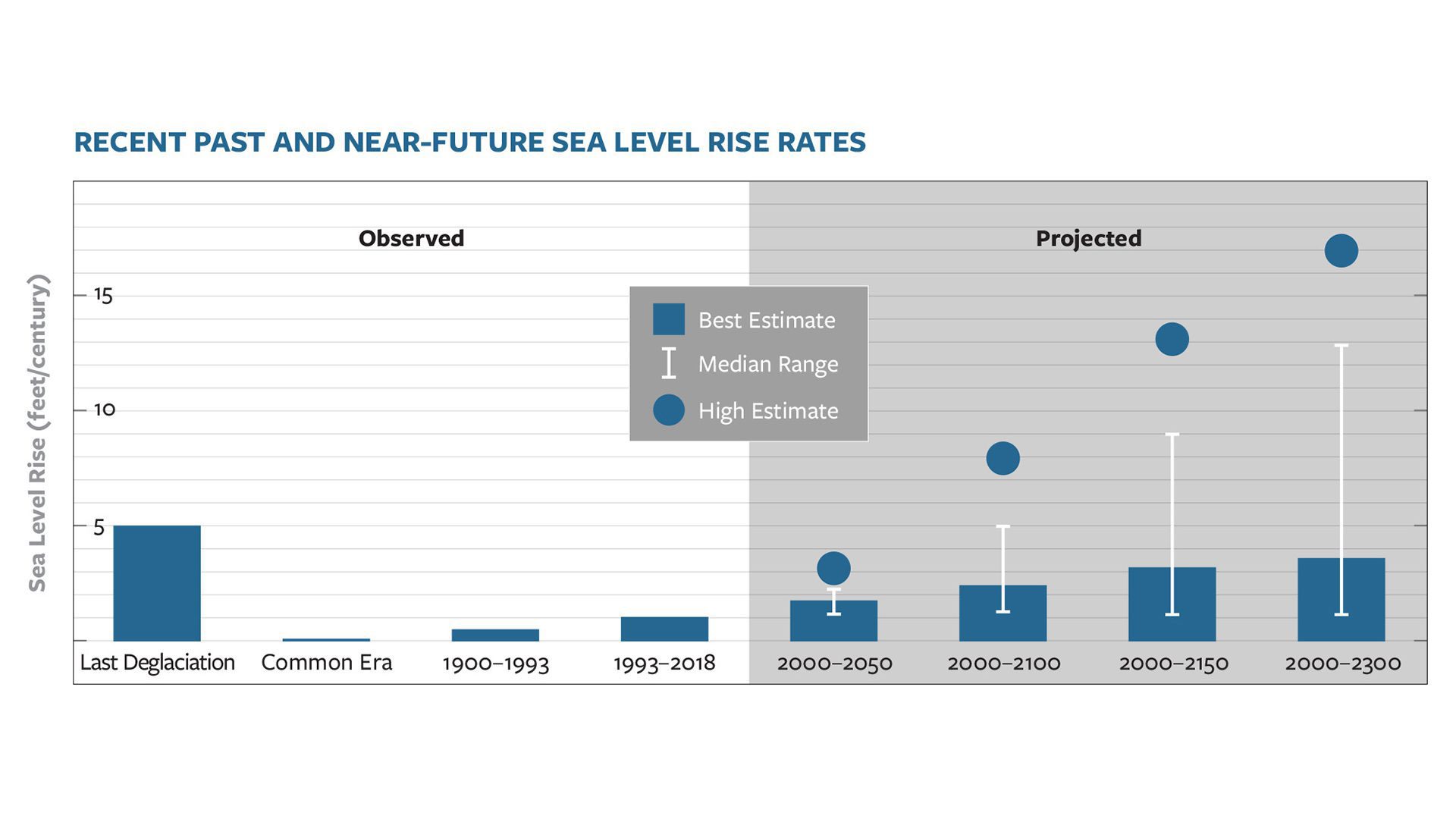
Read MoreRecent Past and Near-Future Sea Level Rise Rates
Dispersants break oil into tiny droplets using detergents and solvents, but sunlight quickly weakens their effectiveness on oil floating at the sea surface.
Read MoreA microbial garden beneath the seafloor
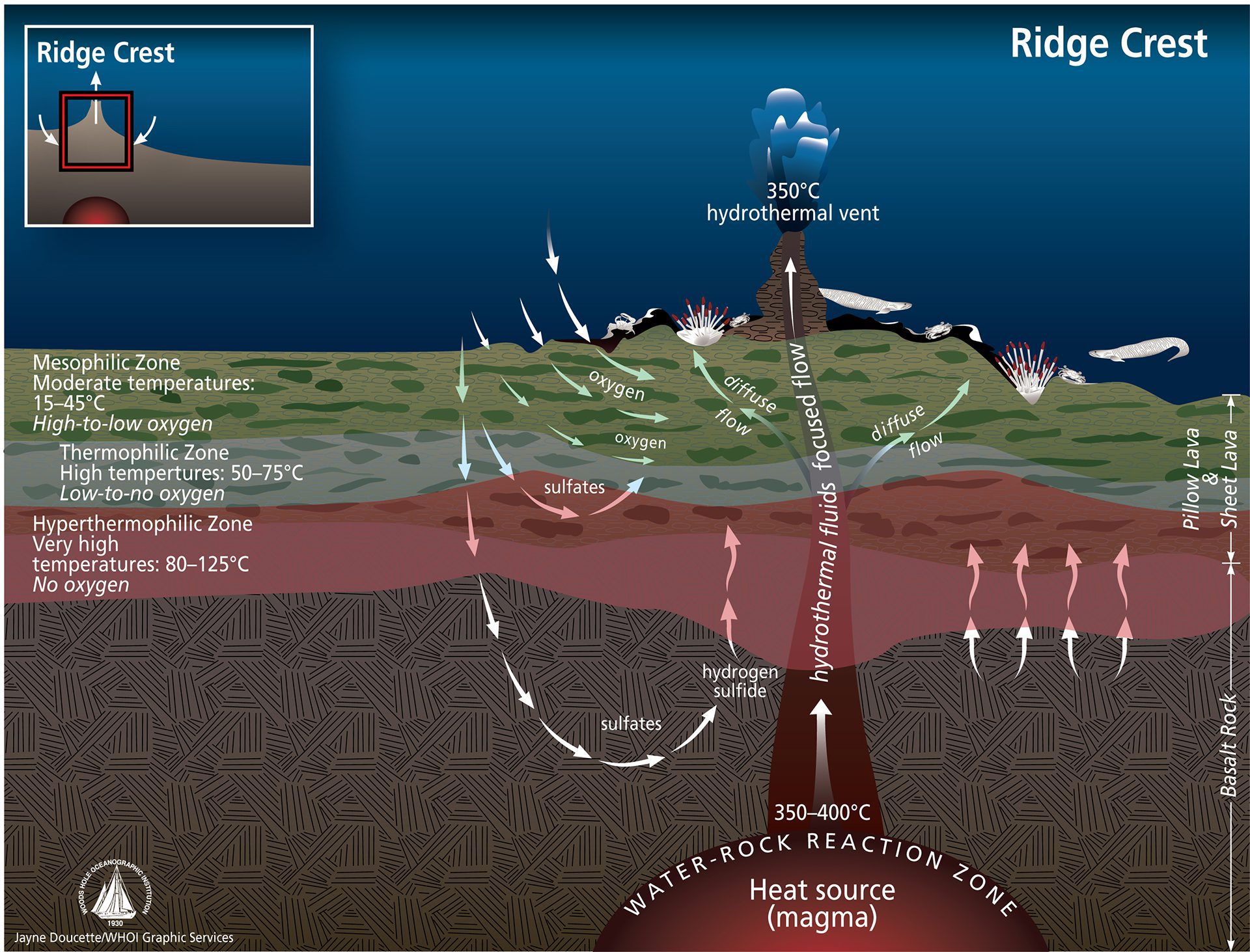
Chemical reactions below the seafloor create energy-rich fluids that sustain a vast, diverse microbial biosphere adapted to specific underground niches.
Read MoreA smorgasbord of chemical reactions
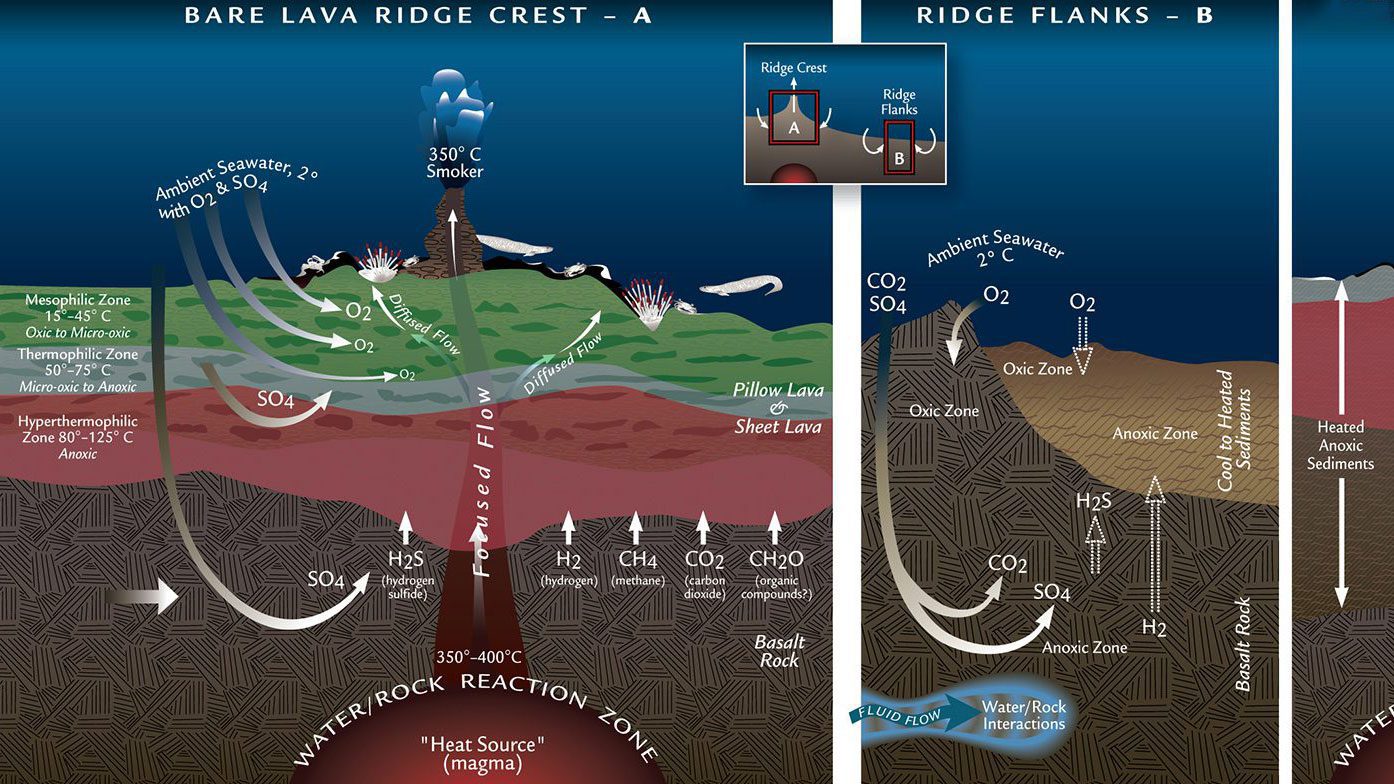
Deep-sea microbes thrive near hydrothermal vents by using diverse chemical reactions—both with and without oxygen—to extract energy and grow underground.
Read MoreRight whale detection mooring operation
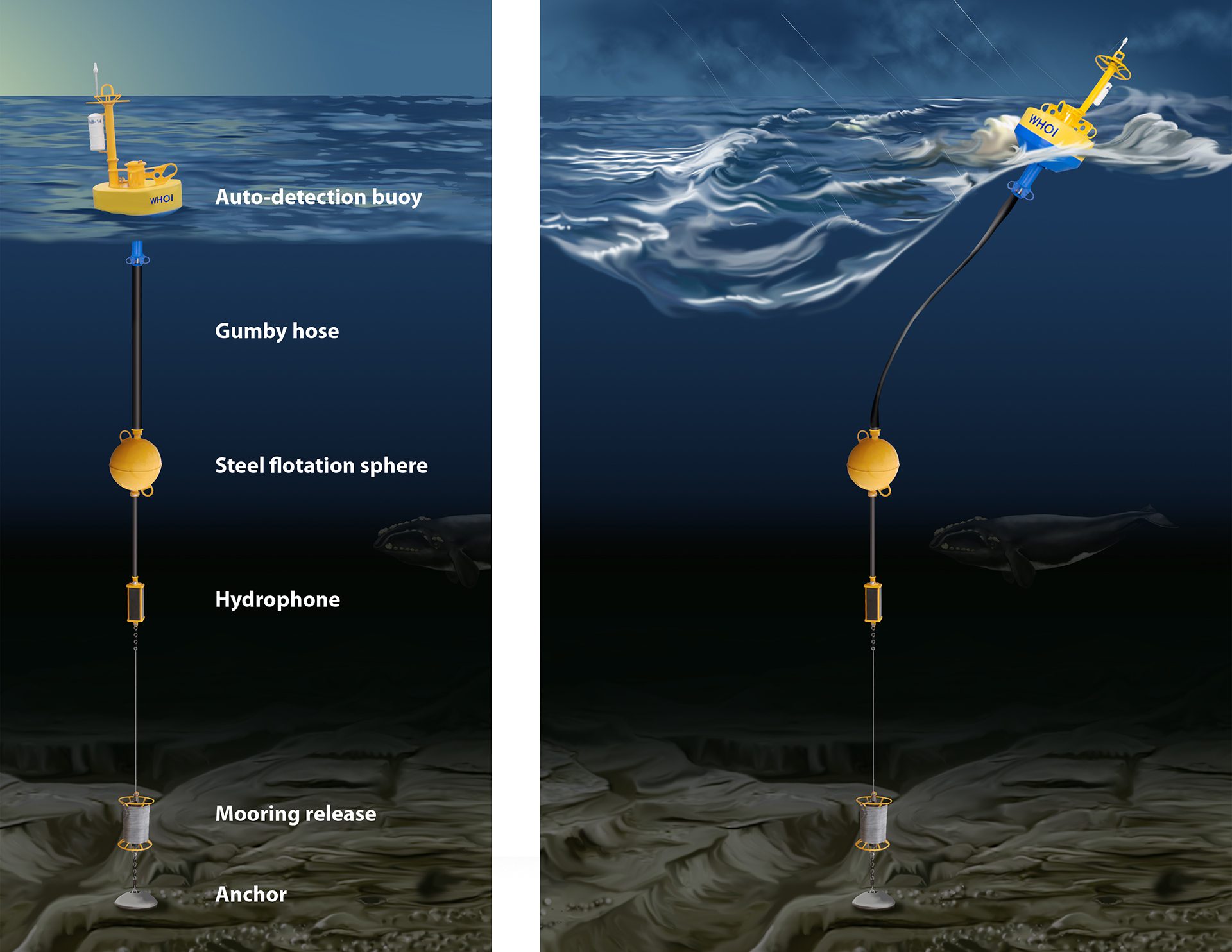
To quiet noisy recordings in rough seas, WHOI engineers created a two-tiered mooring. A bungee-like top line absorbs motion, keeping the hydrophone stable below.
Read MoreRopeless fishing technology to release a trap line entangling a right whale
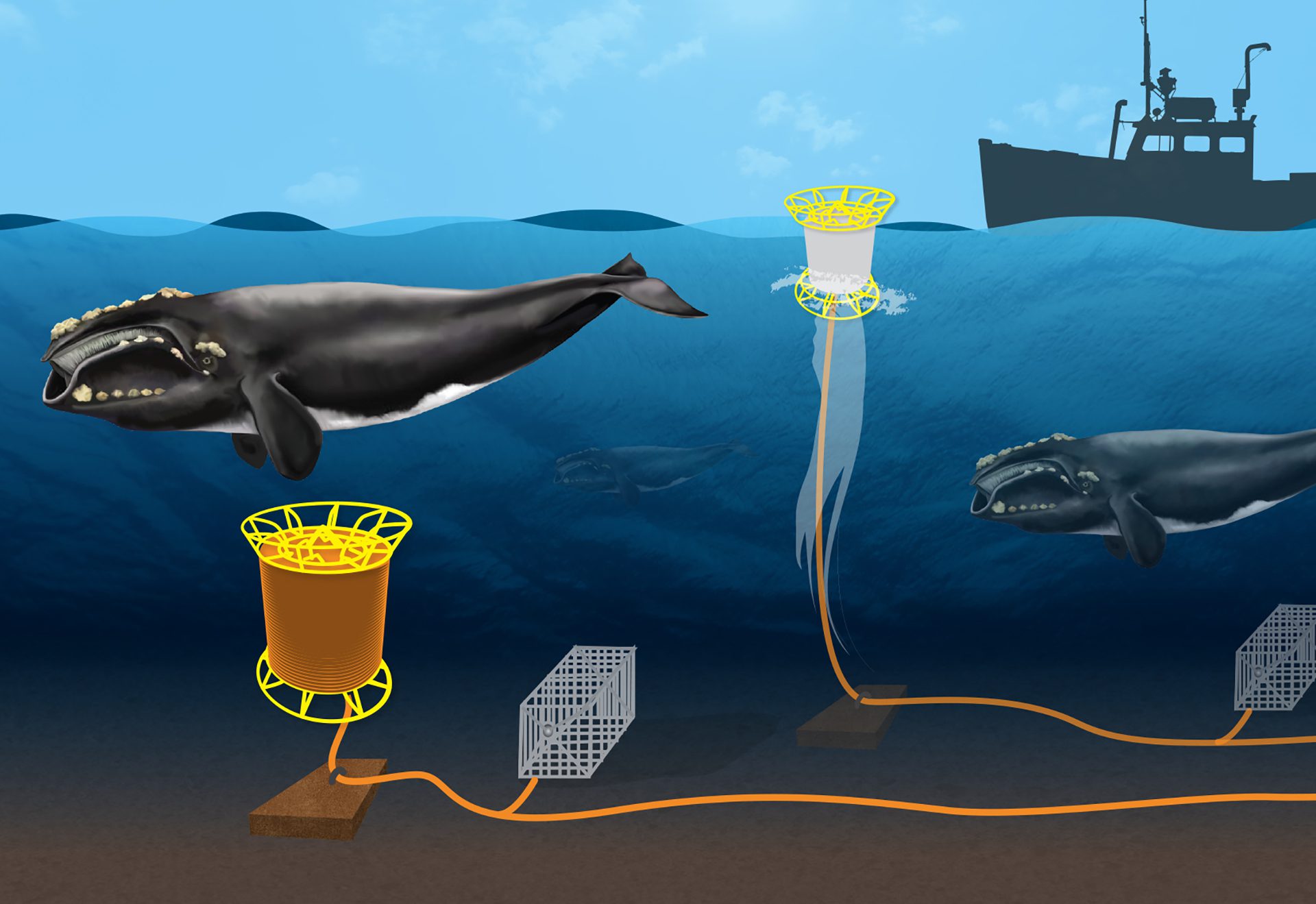
WHOI engineers created a ropeless fishing system that releases lines using acoustic signals—now moving from successful land tests to at-sea trials and refinements.
Read MoreScallop Life Cycle being affected by ocean acidification
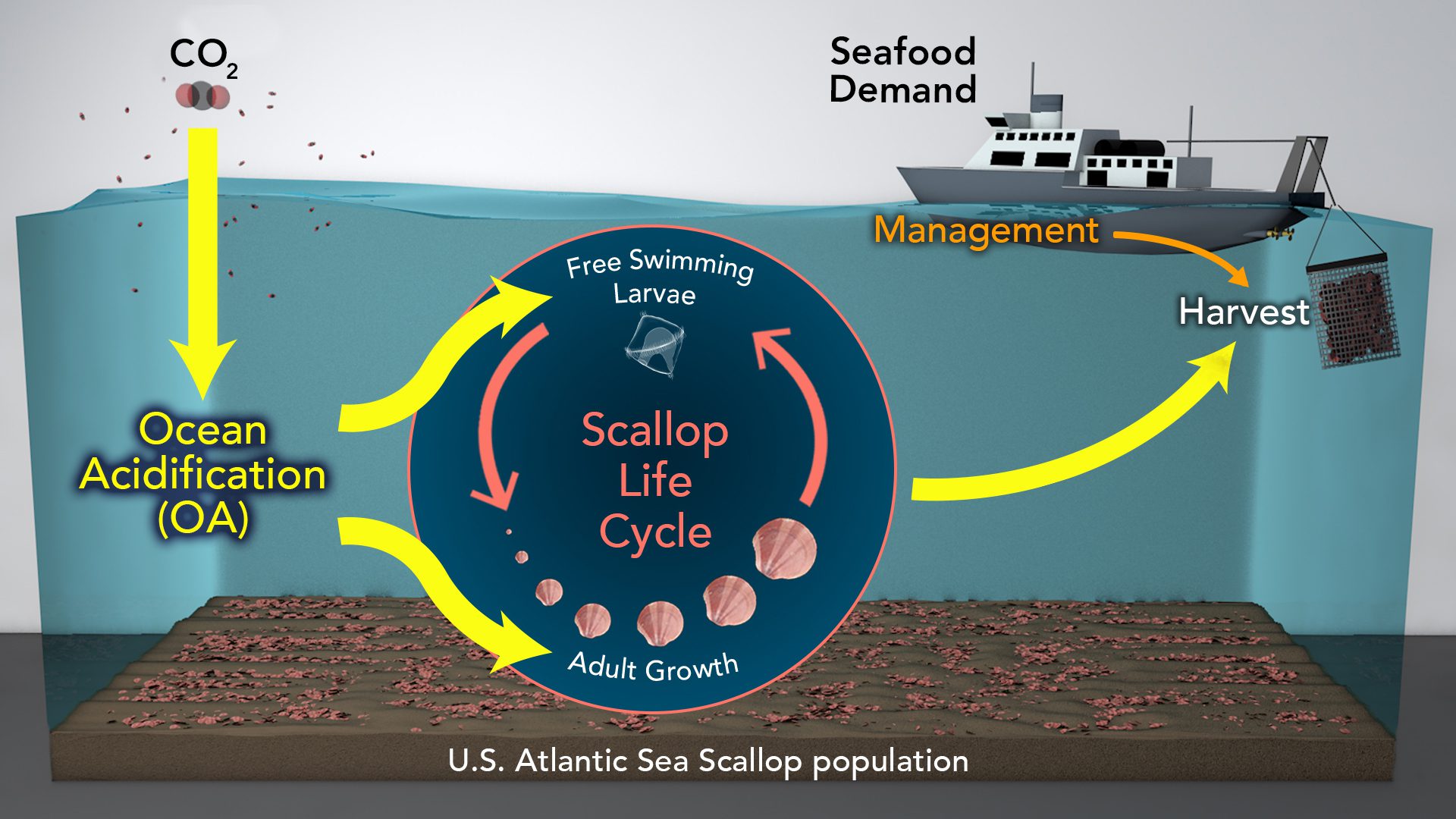
Climate change and ocean acidification could wipe out over half of Atlantic sea scallops in 3080 years—unless strong management and CO? cuts slow the trend.
Read MoreGroundwater cycle
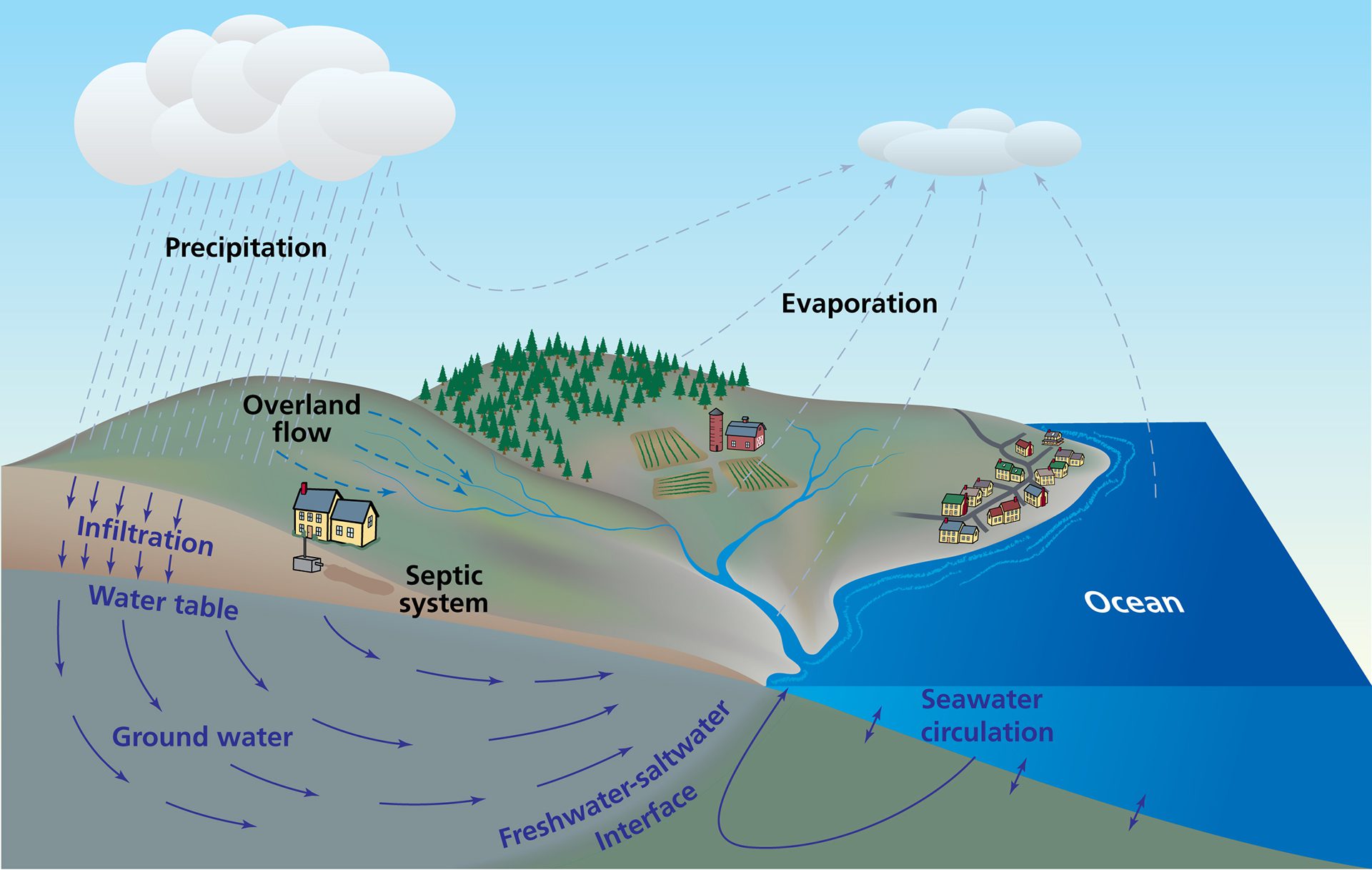
Groundwater flows into the ocean through coastal sediments, carrying chemicals that can impact ocean chemistry—an overlooked part of Earth’s water cycle.
Read MoreMethods for data collection under and on the world’s ocean
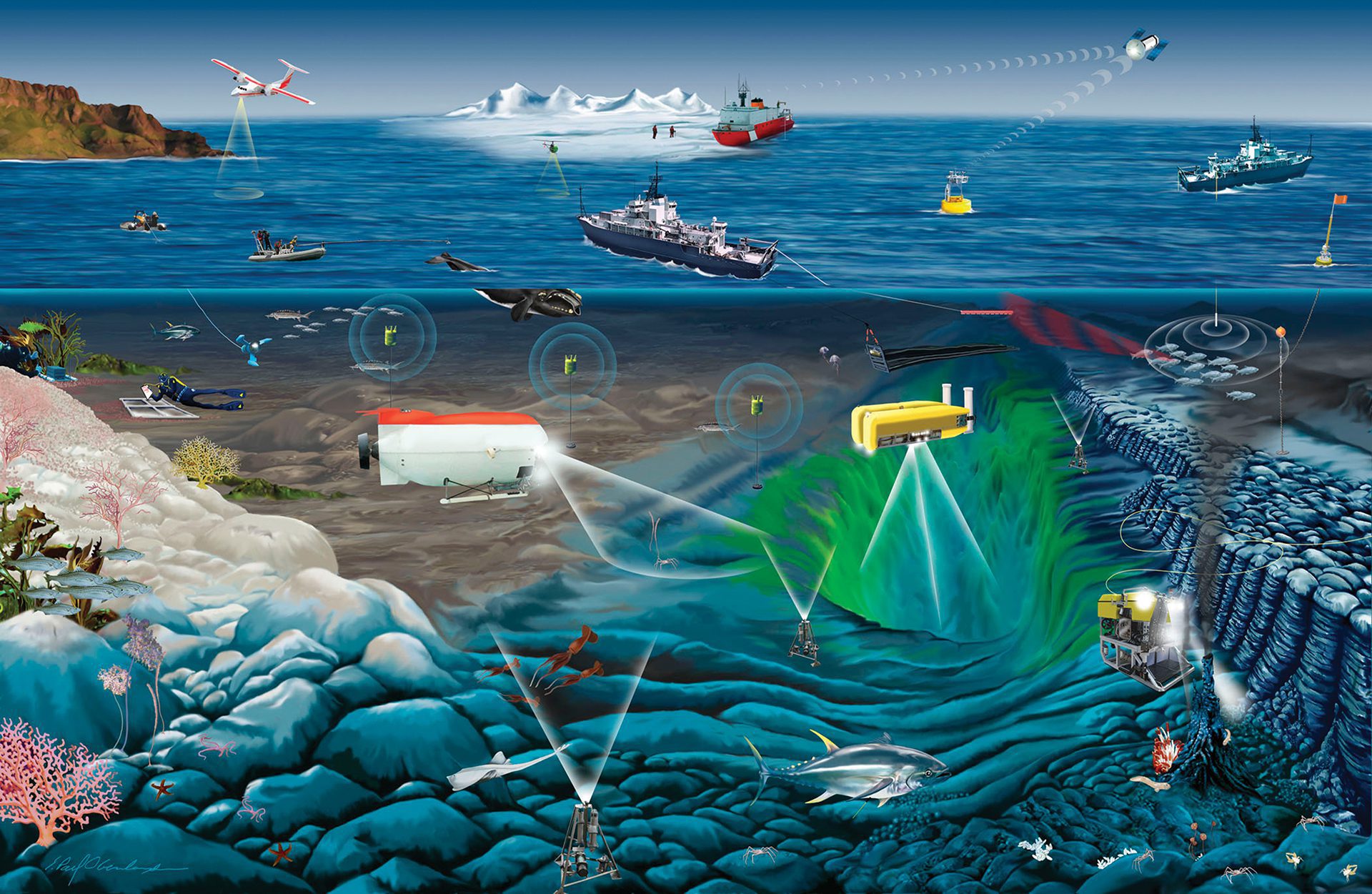
Methods for data collection under and on the world’s oceans
Read MoreMicrobial "Trojan horses" stages
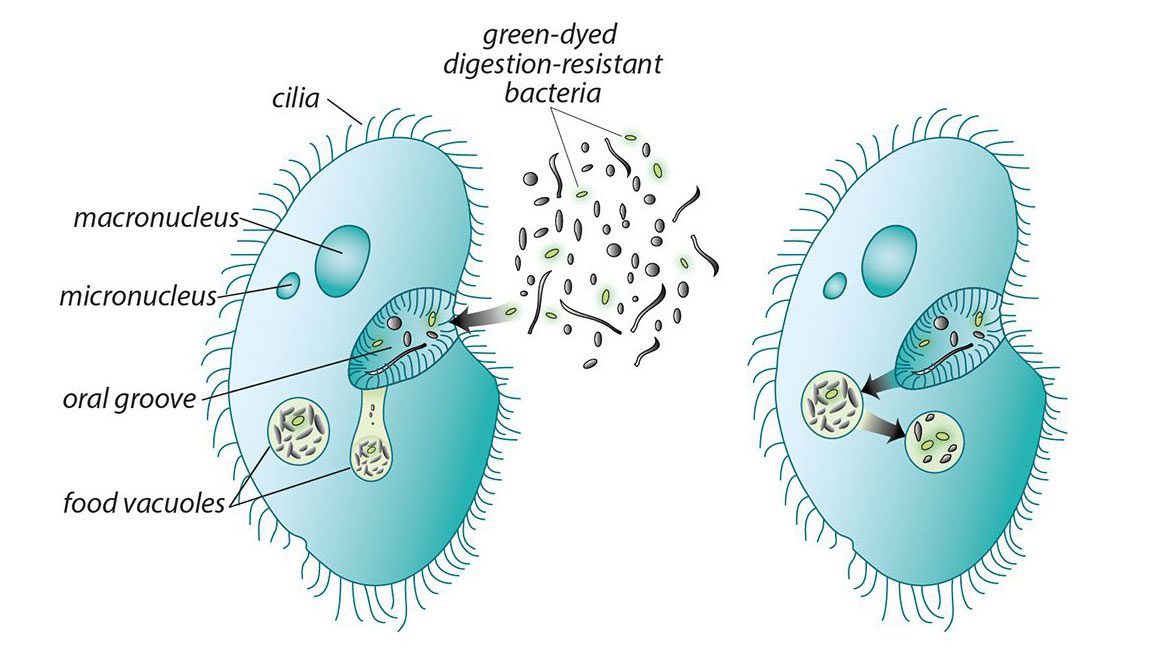
Some bacteria ingested by protists escape digestion, survive, and even reproduce—eventually returning to the environment, potentially still infectious.
Read MoreMicroplastics breaking down in different areas of the environment
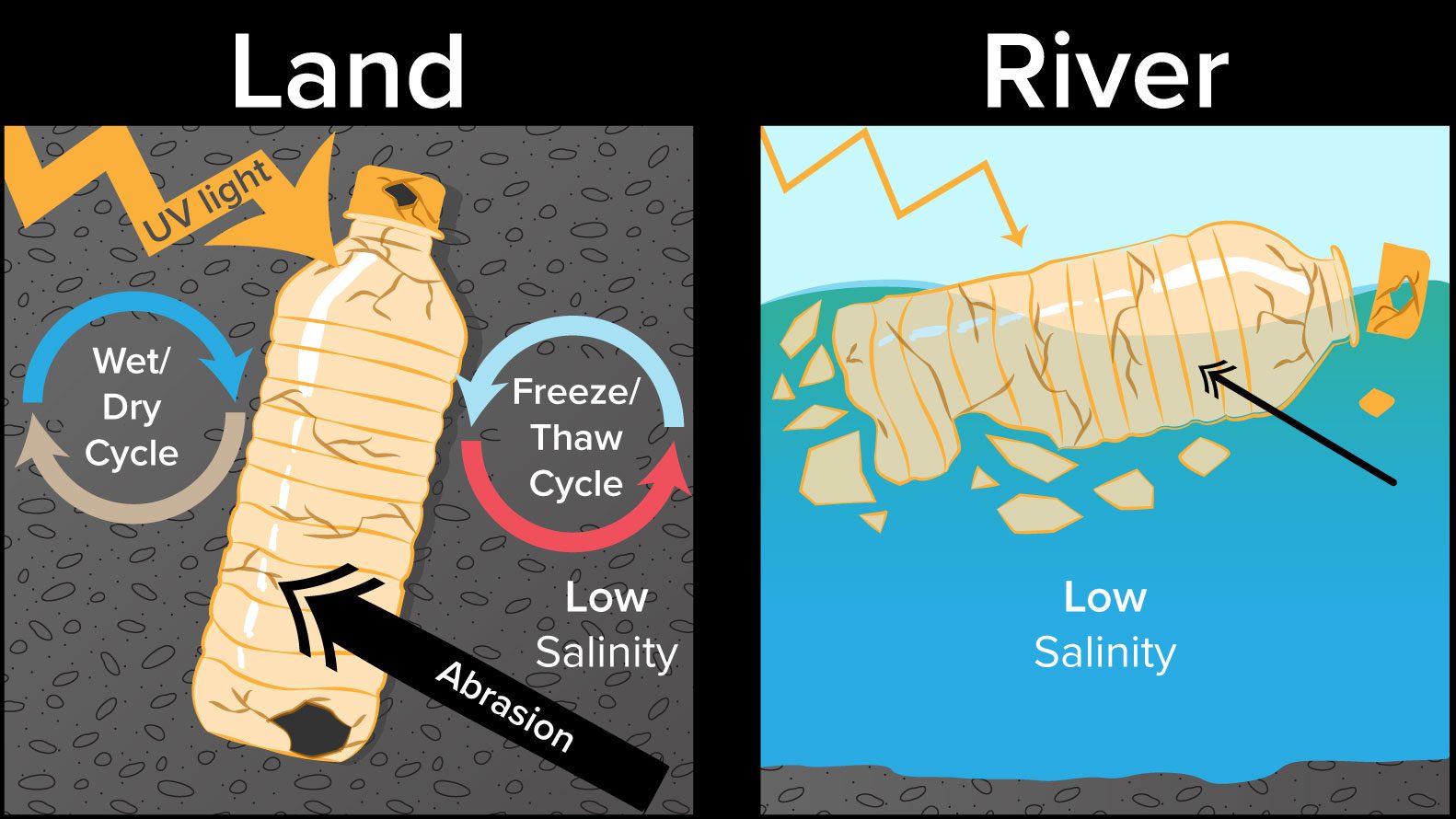
Scientists study how larger plastics break down into microplastics, exploring land and ocean processes like sunlight, temperature, and abrasion that cause plastic fragmentation.
Read MoreMicroplastics in the Food Chain illustration
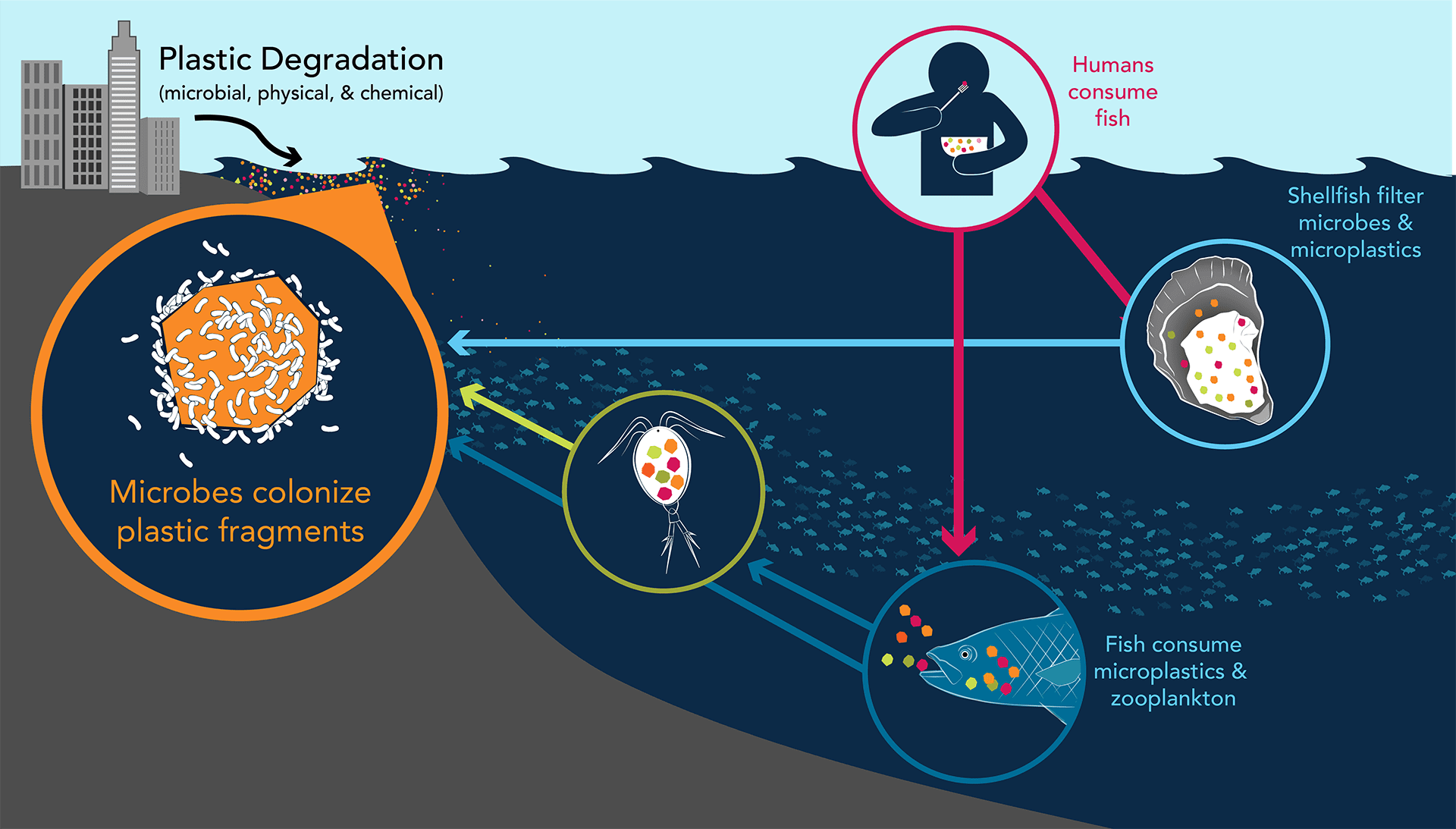
Plastics that get into the ocean often degrade into microplastics that are ingested by fish and shellfish and can go up the food chain to be ingested by humans.
Read More