
Oceanography
The birth of a black smoker
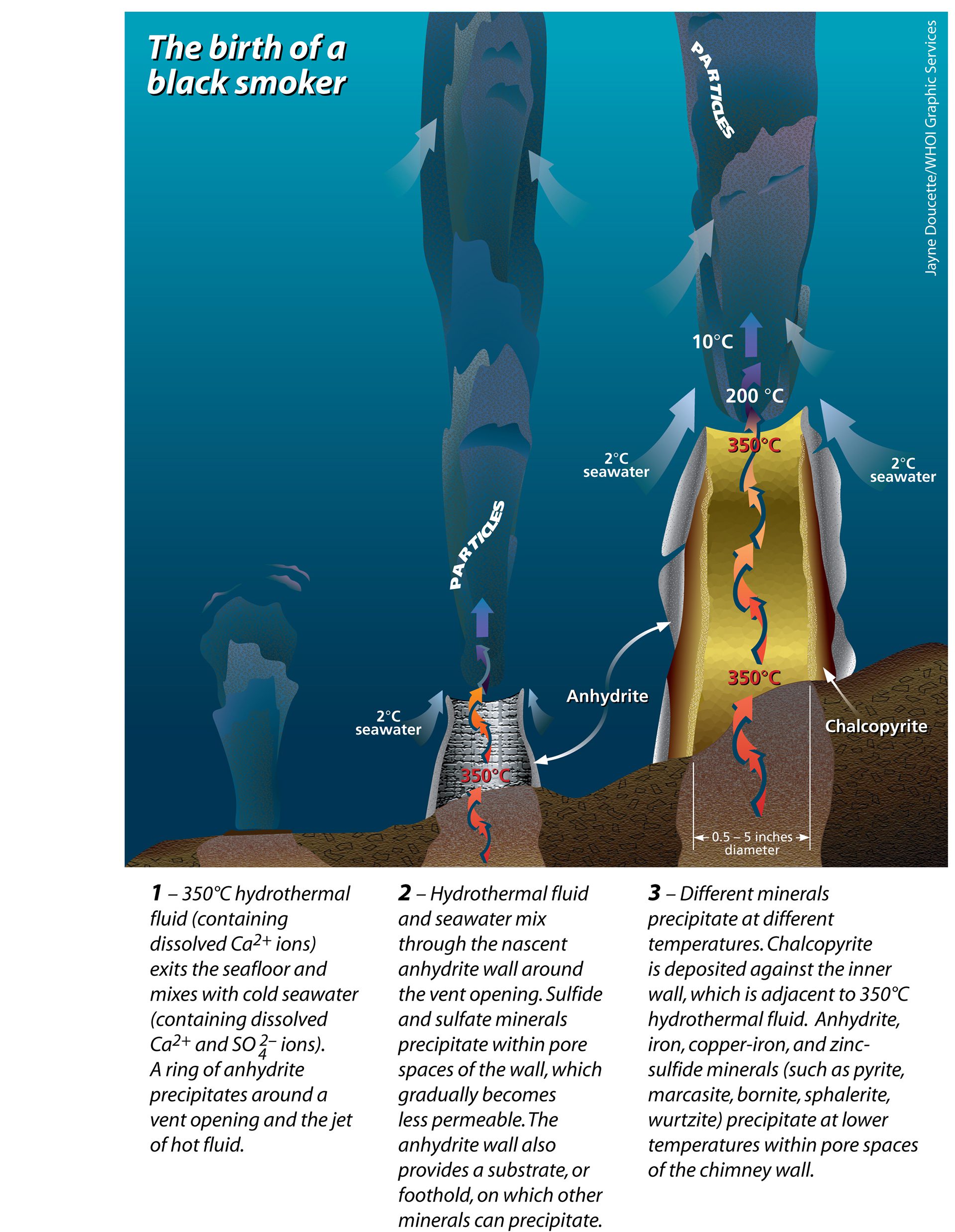
Black smoker chimneys form as hot vent fluids mix with cold seawater, first building walls of anhydrite, then layering on metal sulfides over time.
Read MoreThe seafloor is teeming with methane
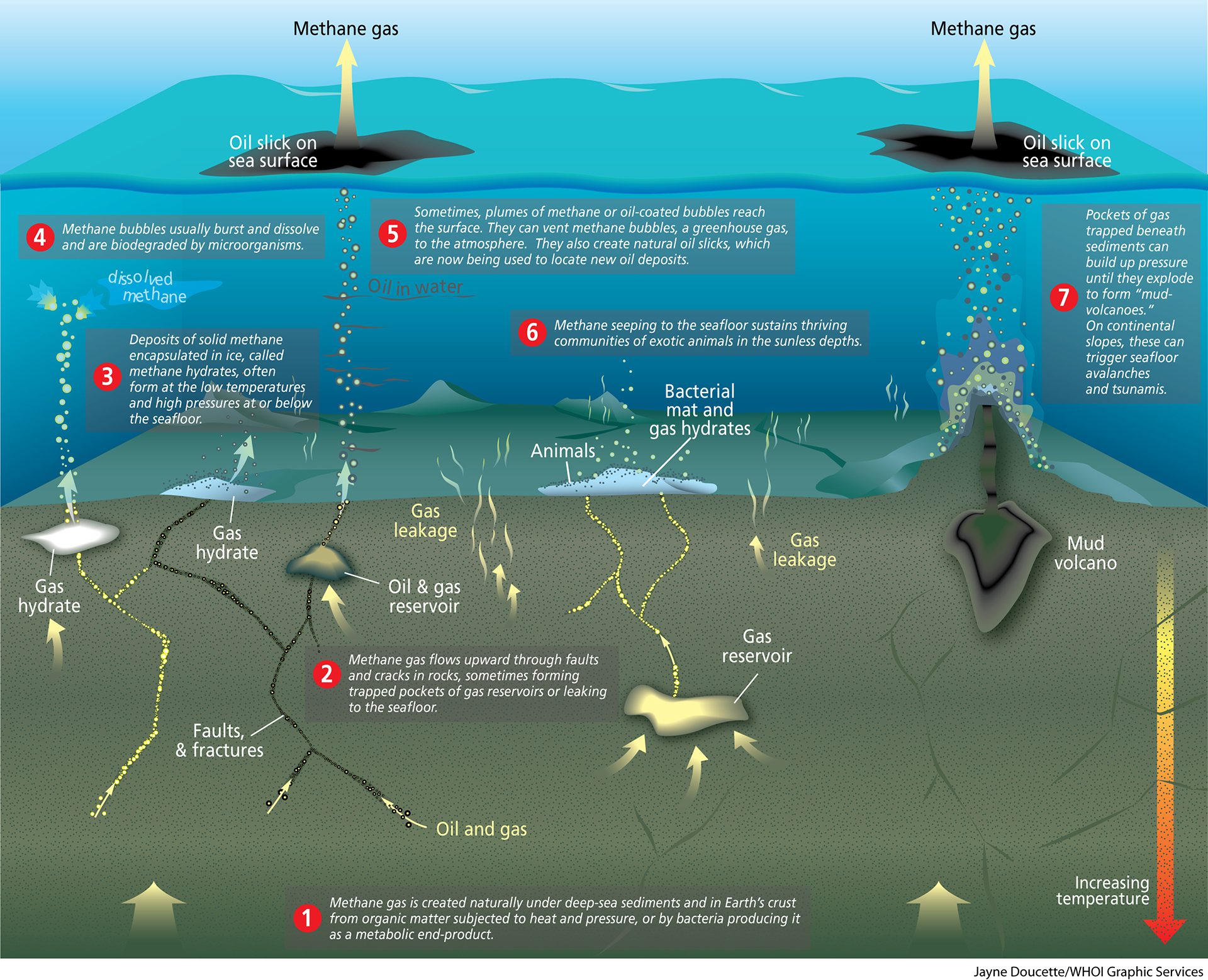
Methane seeping from the seafloor fuels deep-ocean ecosystems where microbes use it for energy, supporting unique animals in dark, sunlight-free habitats through chemosynthesis.
Read MoreTwo Chemical Roads Diverge in an Open Ocean illustration
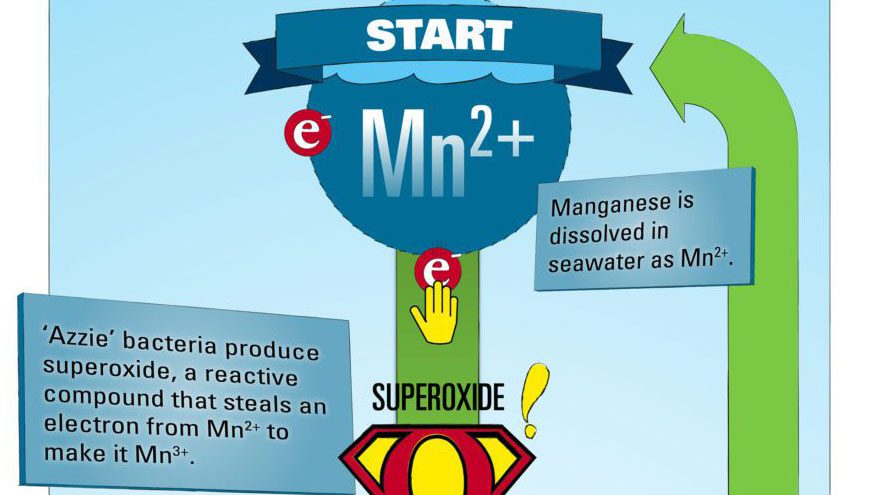
An exploration of how and why manganese oxide deposits form in the environment
Read MoreUnderwater charging stations positioned along a mooring line
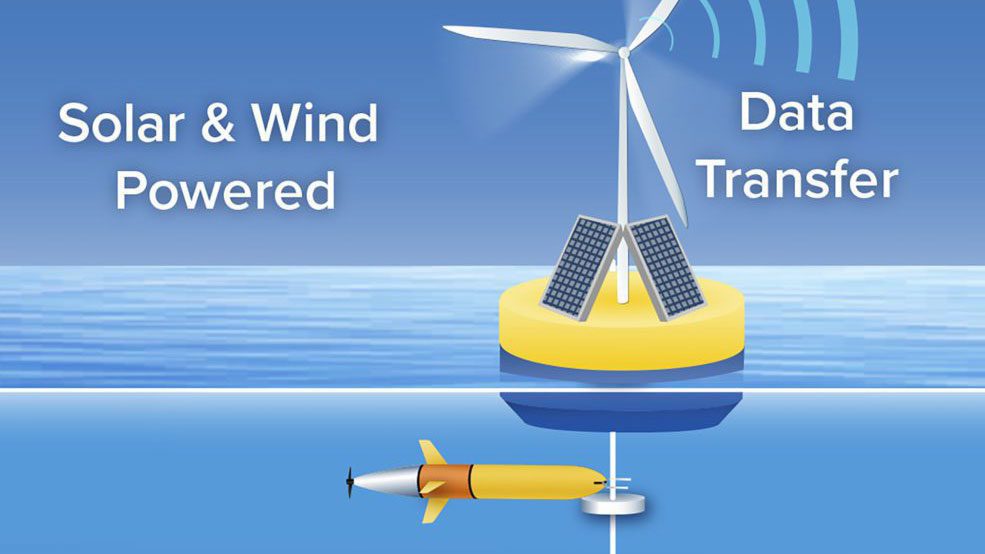
Underwater charging stations, like the one rendered here, could allow ocean robots to run longer-distance missions while reducing the time and costs.
Read MoreDecoding microbes by their lipids
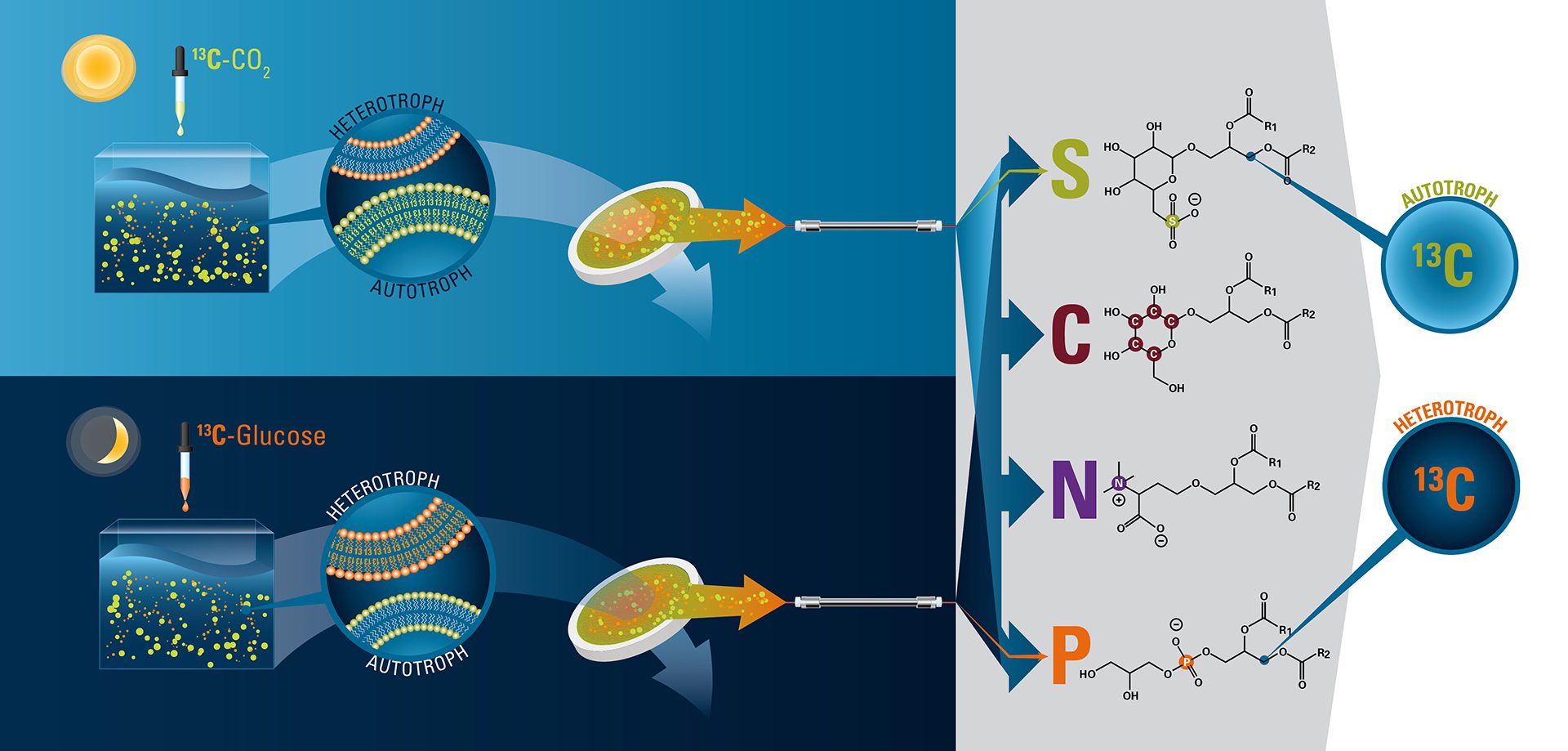
Scientists use lipid chemistry to identify ocean microbes—distinguishing light-powered autotrophs from carbon-processing heterotrophs in seawater samples.
Read MoreLibrary of Sand
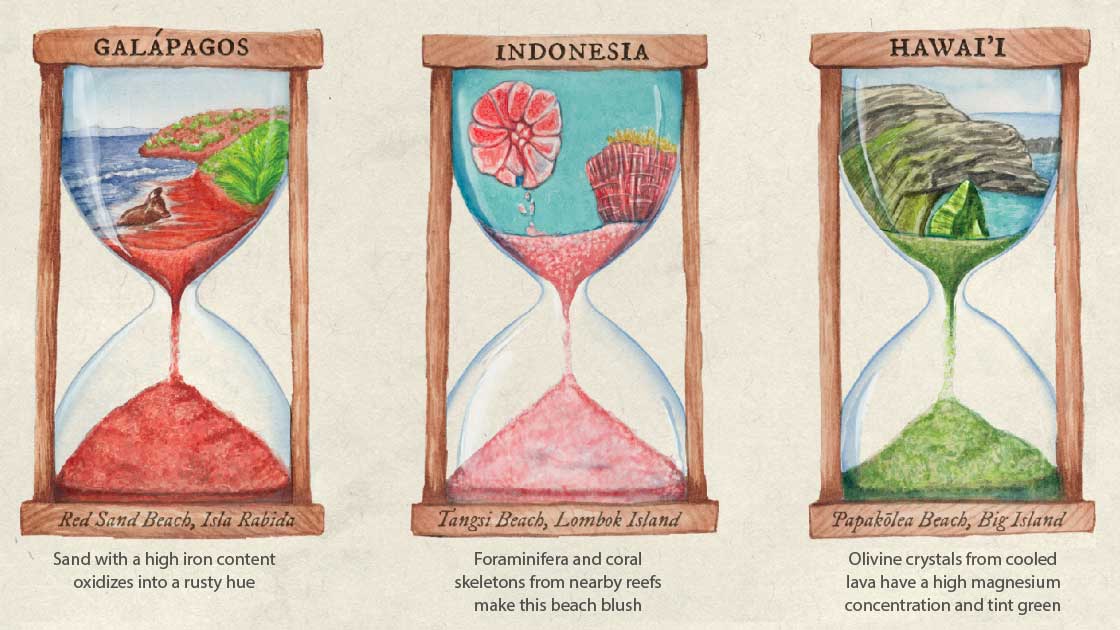
Nothing says coastline like sand, that soft edge between land and sea. Sand takes millions of years to form, created as nearby rock weathers into fine grains.
Read MoreLife and chemistry at deep-sea hydrothermal vents
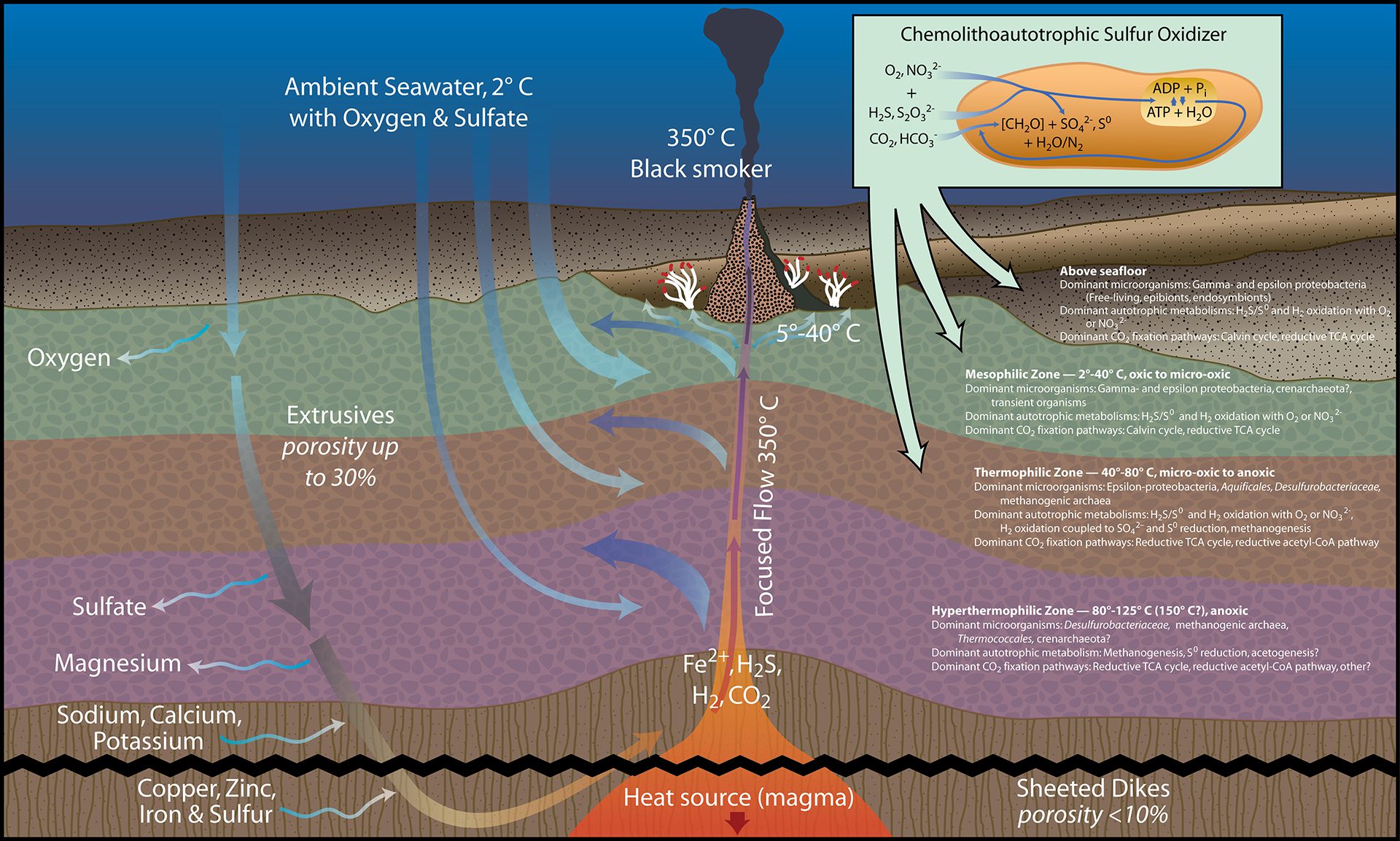
Hydrothermal vents host extreme microbes that drive key chemical cycles—oxidizing sulfur, fixing CO?, and producing methane in a hot, mineral-rich environment.
Read MoreHunting hydrothermal plumes with a CTD Tow-Yo
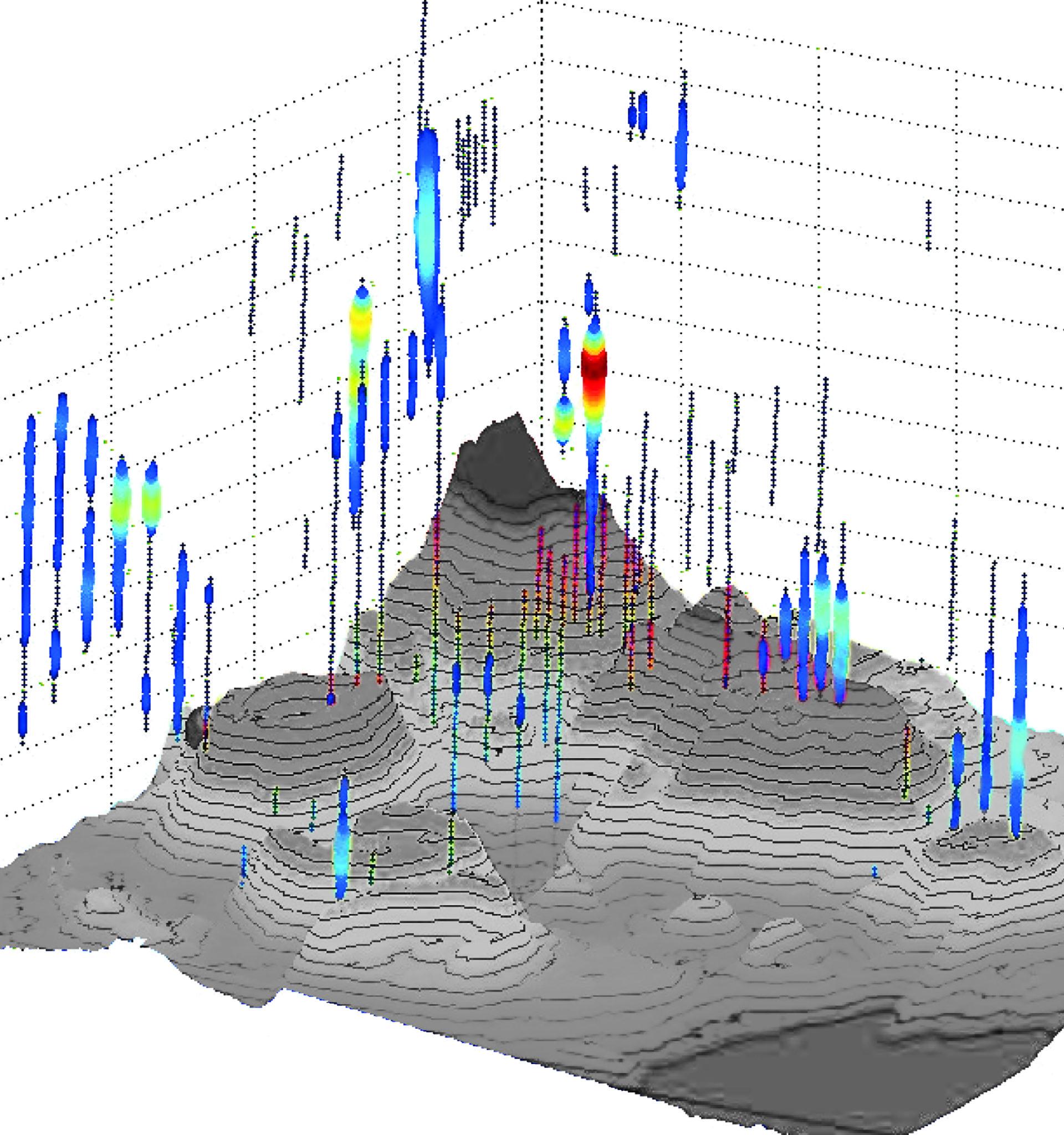
Oceanographers use a CTD—an instrument towed through deep water—to detect hydrothermal plumes by sensing heat, minerals, and chemicals below the surface.
Read MoreAnimals of the open ocean
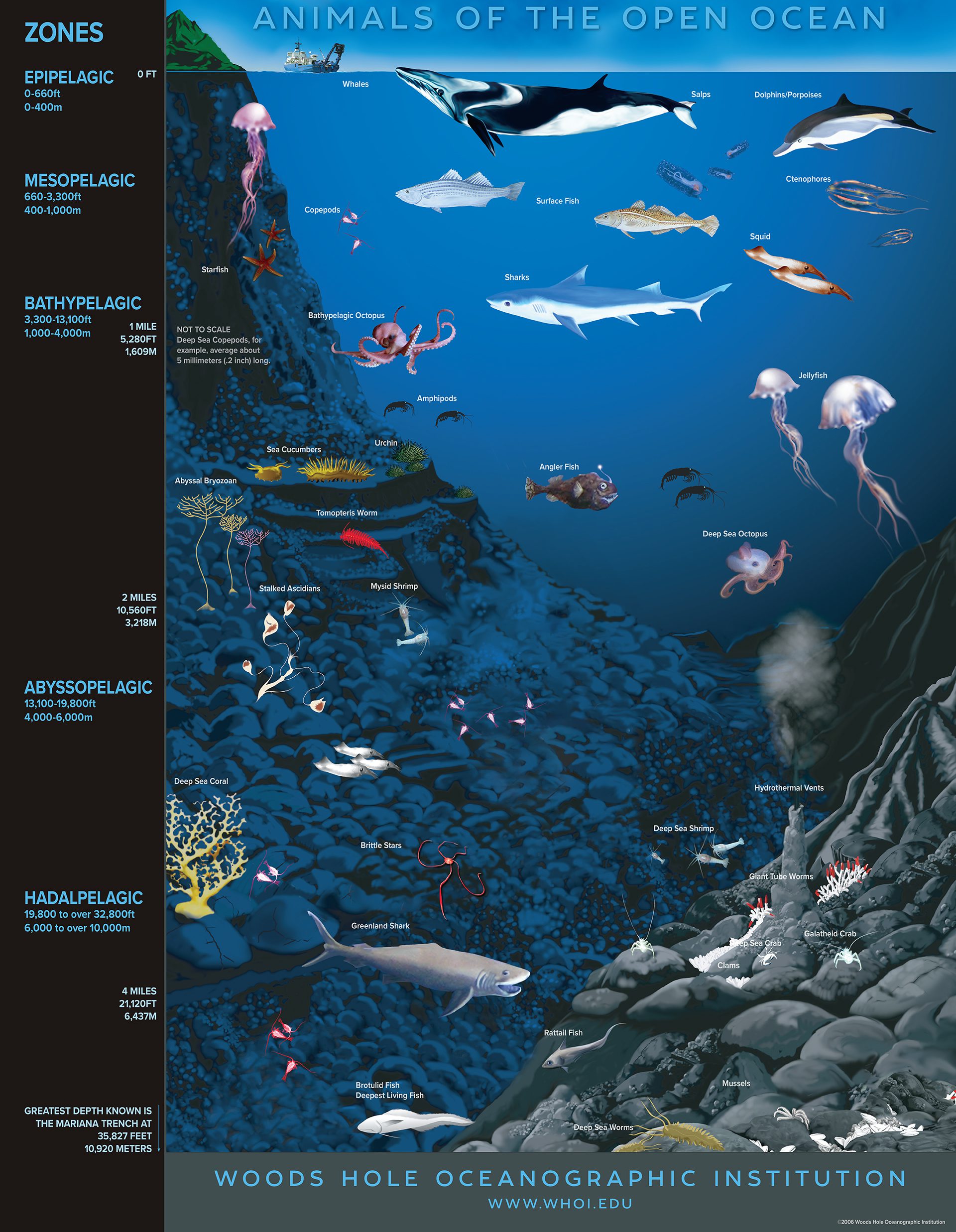
A cross-section of the ocean, showcasing various marine life at different depths, from the sunlit surface to the dark abyssal plains.
Read MorePlankton blooms at ocean fronts
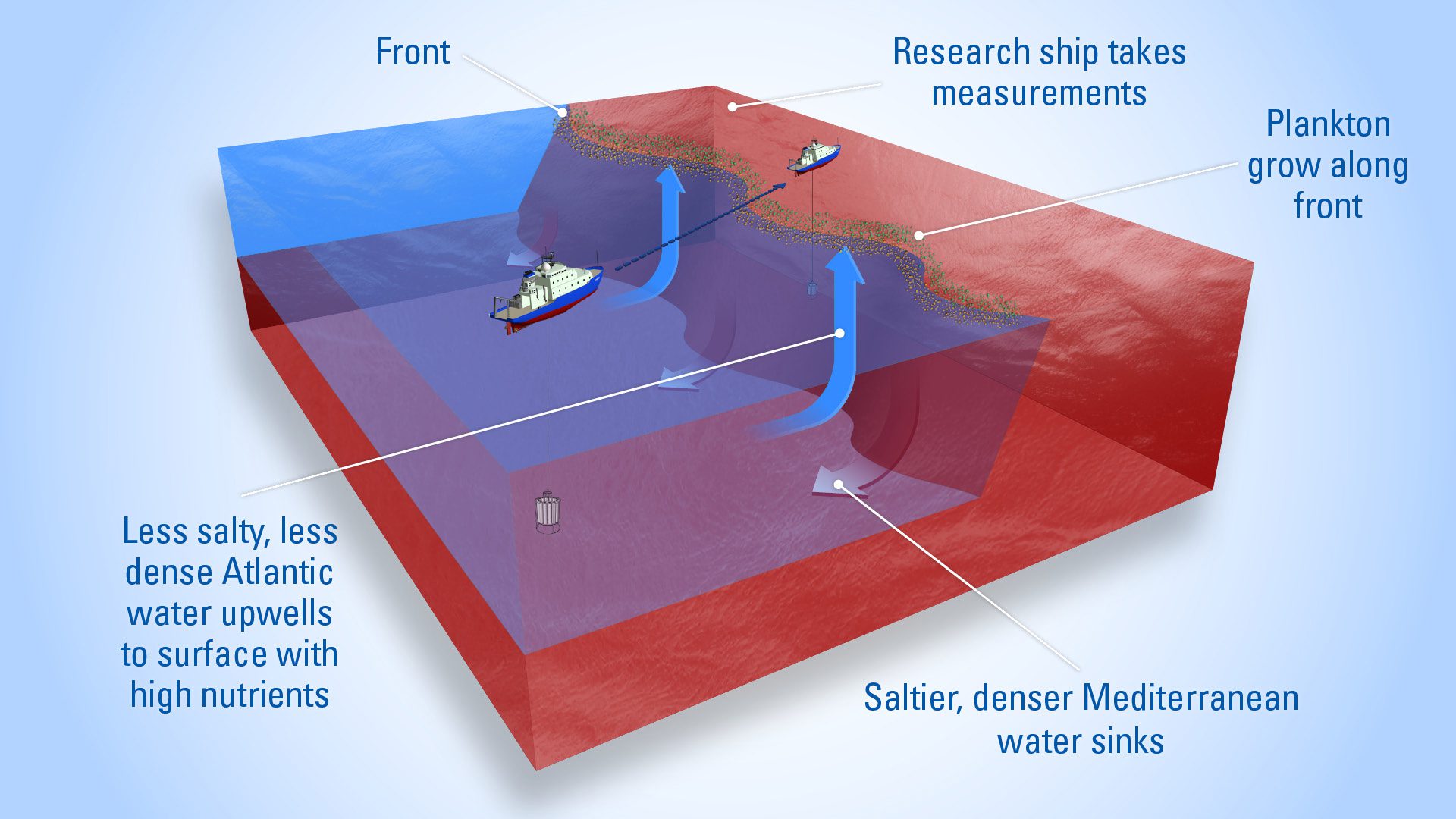
Plankton thrive where water masses meet—rising lighter water brings nutrients to the surface, fueling blooms in sunlit layers of the ocean.
Read MoreGlobal thermohaline circulation
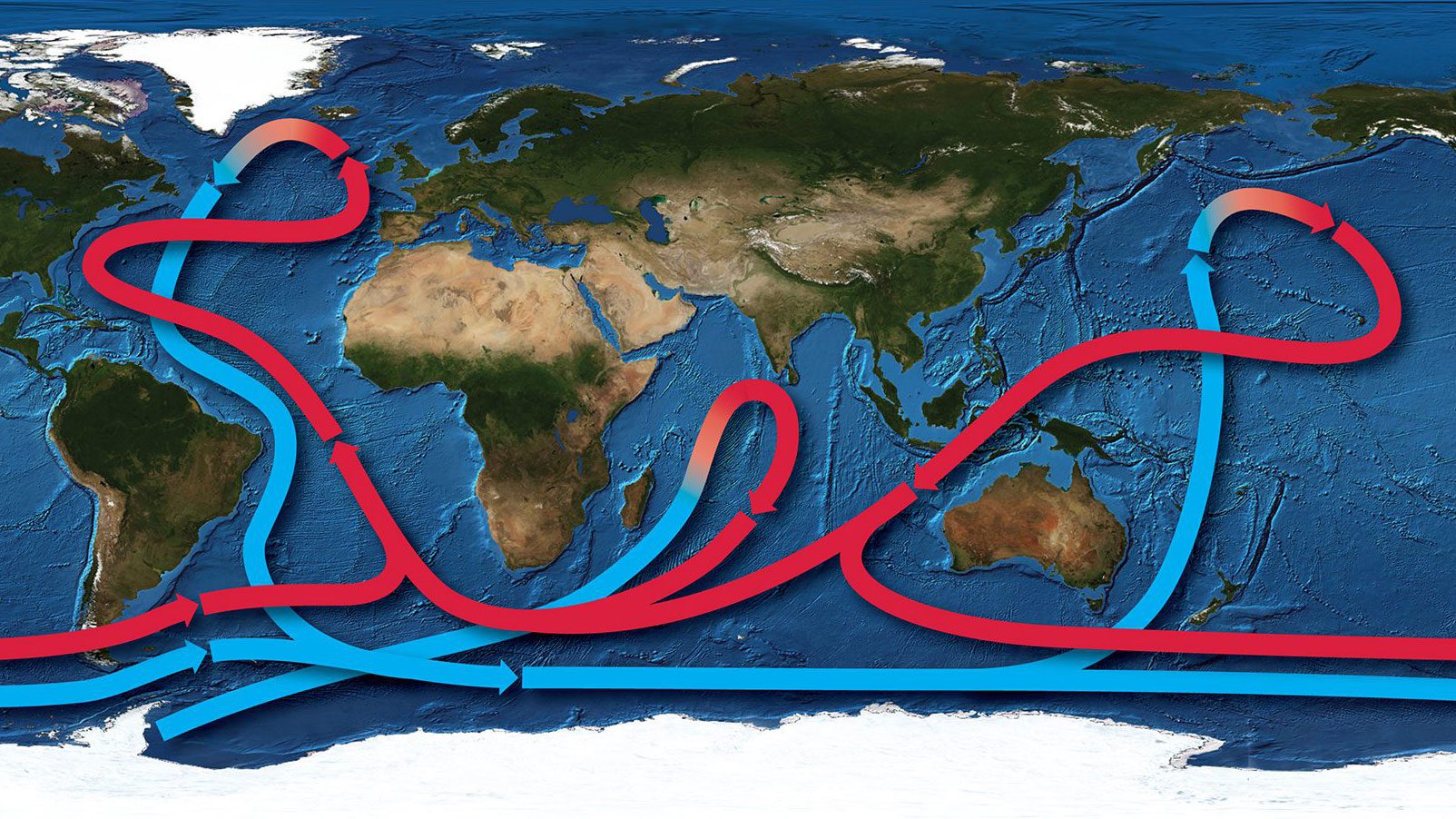
Map with bathymetry and generalized ocean currents driven by temperature and density differences, forming the global ocean conveyor belt.
Read MoreDust distribution across the ocean
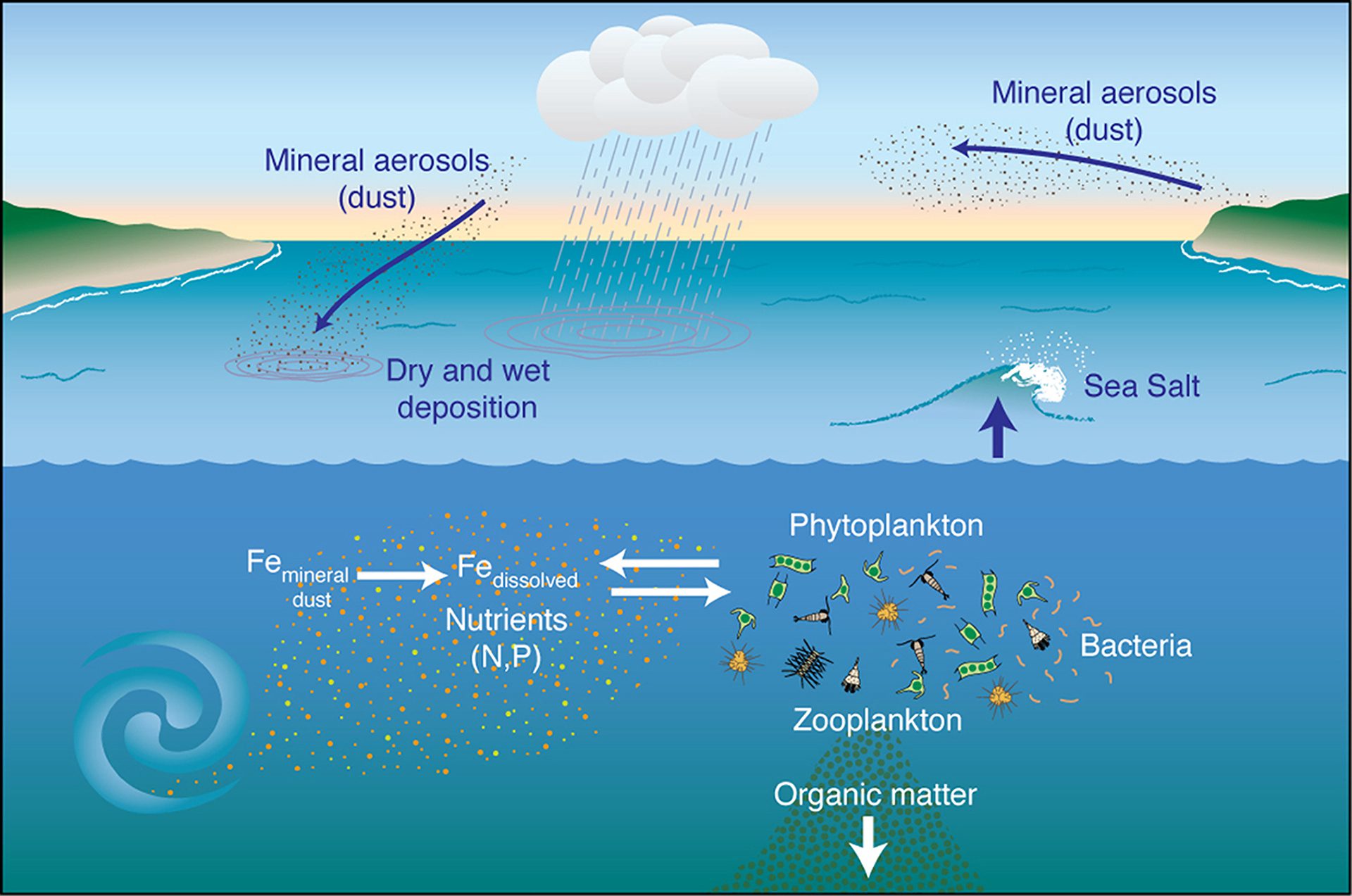
Iron-rich dust from land settles in the ocean, feeding phytoplankton. These support marine life and help transfer carbon to the deep sea through sinking matter.
Read MoreOcean circulation roadmap
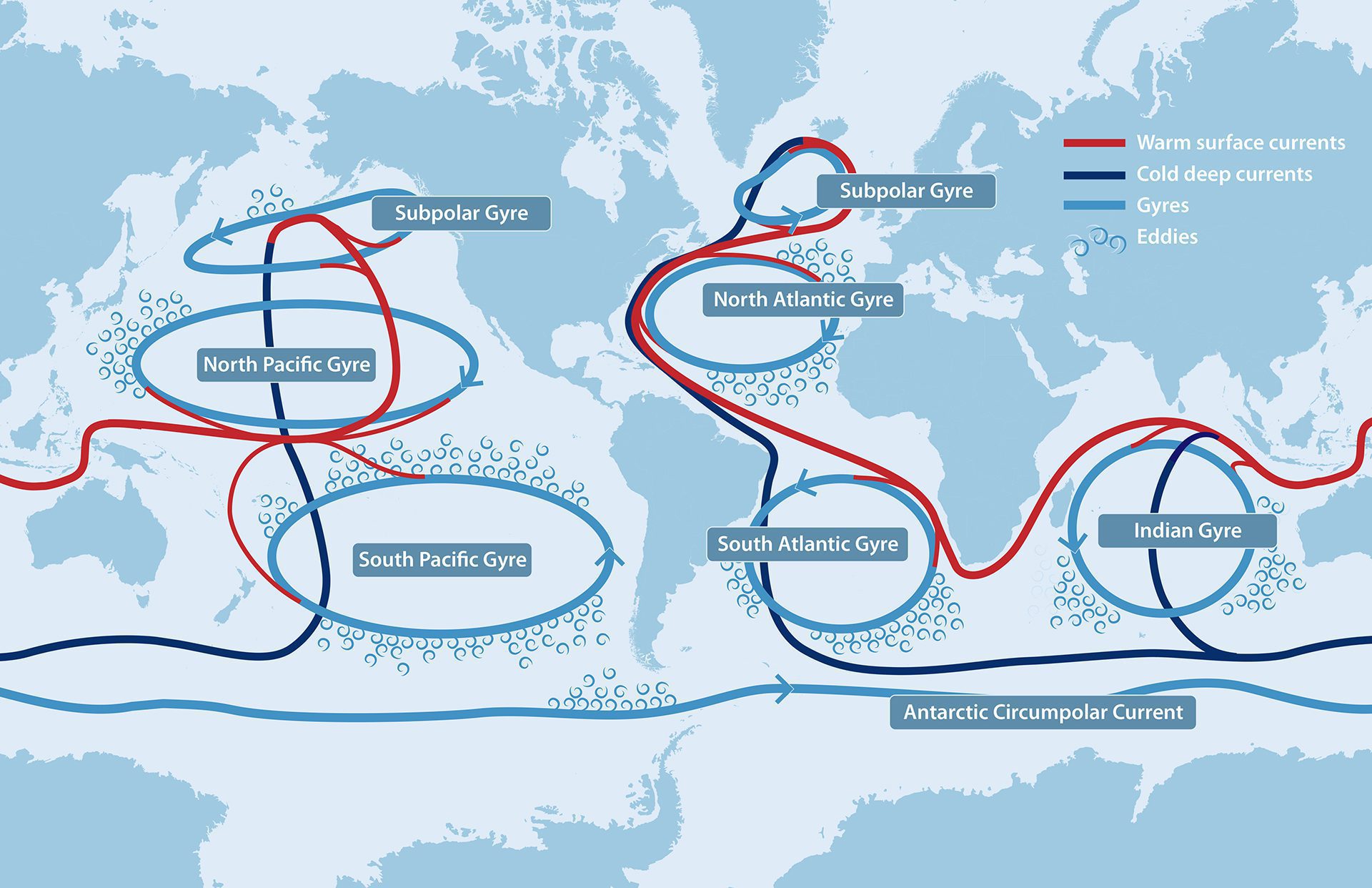
Illustrated roadmap of global ocean circulation, with temperature and flow shown as highways connecting gyre “roundabouts” across the world’s oceans.
Read MoreScope and benefits of a "Coastal Carbon Observing Network"
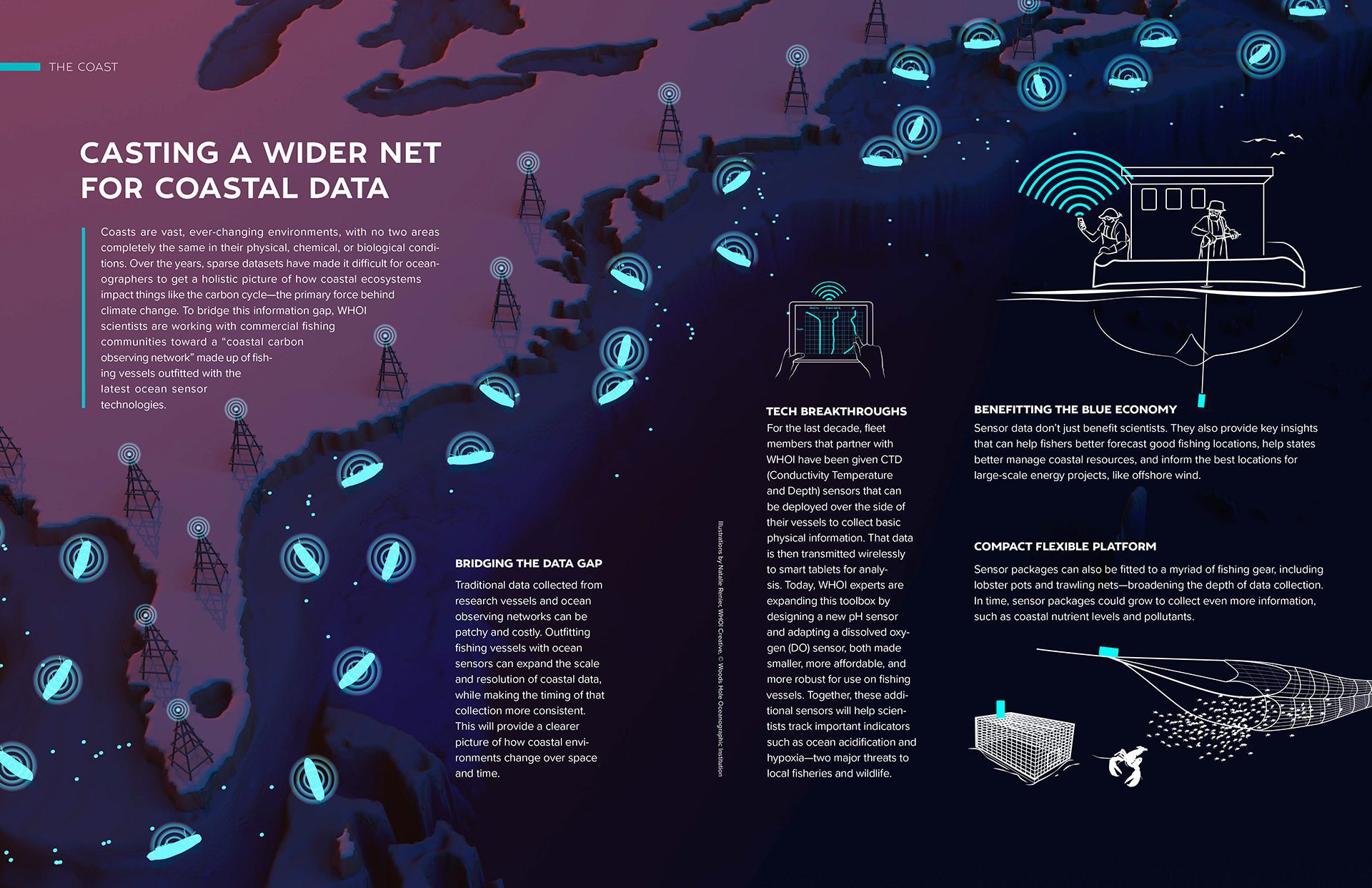
WHOI scientists are working with fishing communities toward a coastal carbon observing network made up of fishing vessels with the latest ocean technologies.
Read MoreSea Level Falls and Rises relative to land
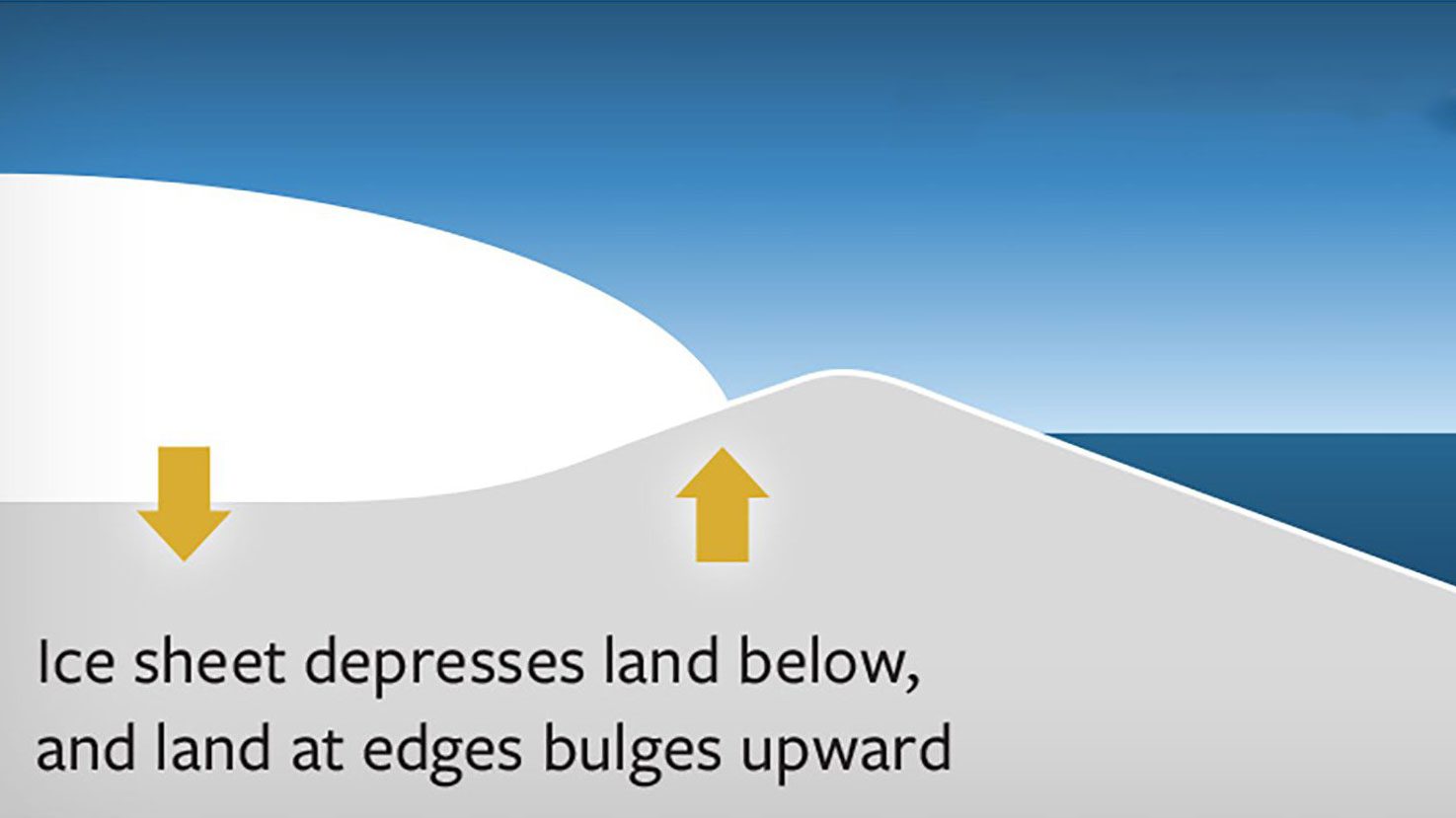
Ice sheets weigh down land, causing it to sink and edges to rise. When they melt, land rebounds and edges collapse, leading to a relative sea level rise.
Read MoreSeafloor topography at the Kermadec Trench
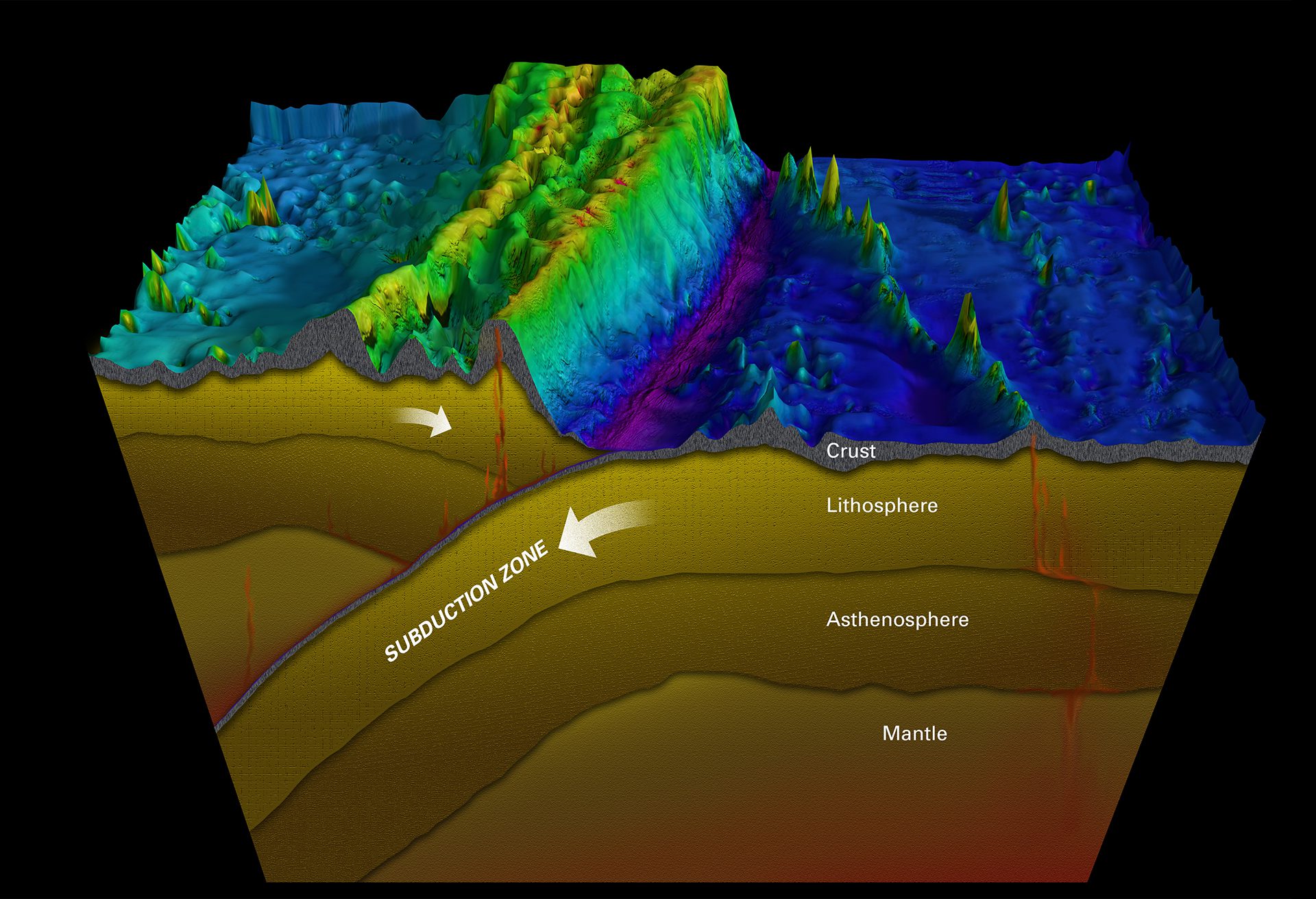
Ocean trenches form where one tectonic plate sinks beneath another, creating deep zones with volcanoes, quakes, and tsunamis—like Japan’s 2011 magnitude 9.0 quake.
Read MoreFjords, glaciers, and sea level rise
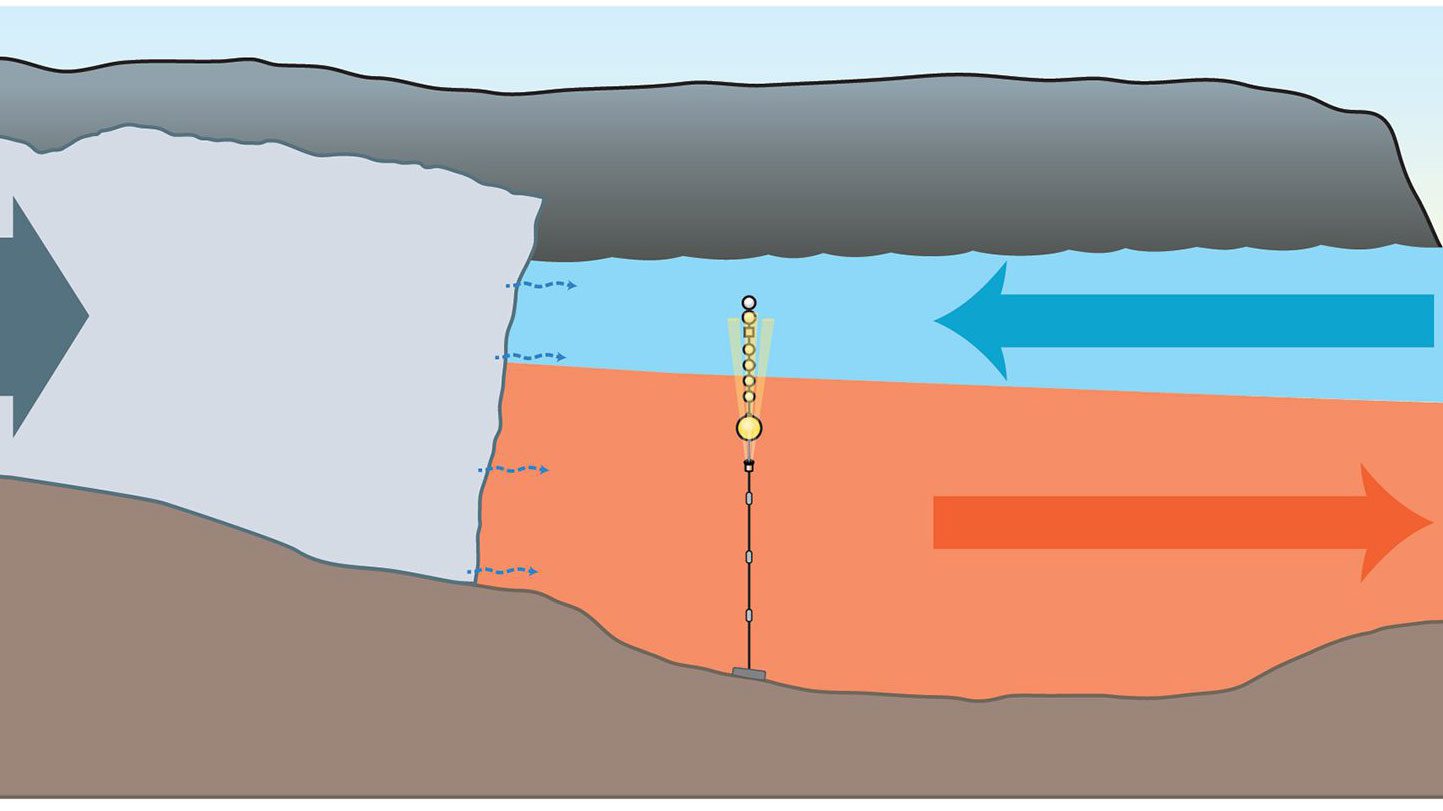
Researchers study how warming ocean waters in fjords like Sermilik drive glacial melt and ice flow, influencing sea level rise through shifting currents and water layers.
Read MoreOcean carbon cycle to twilight zone depth
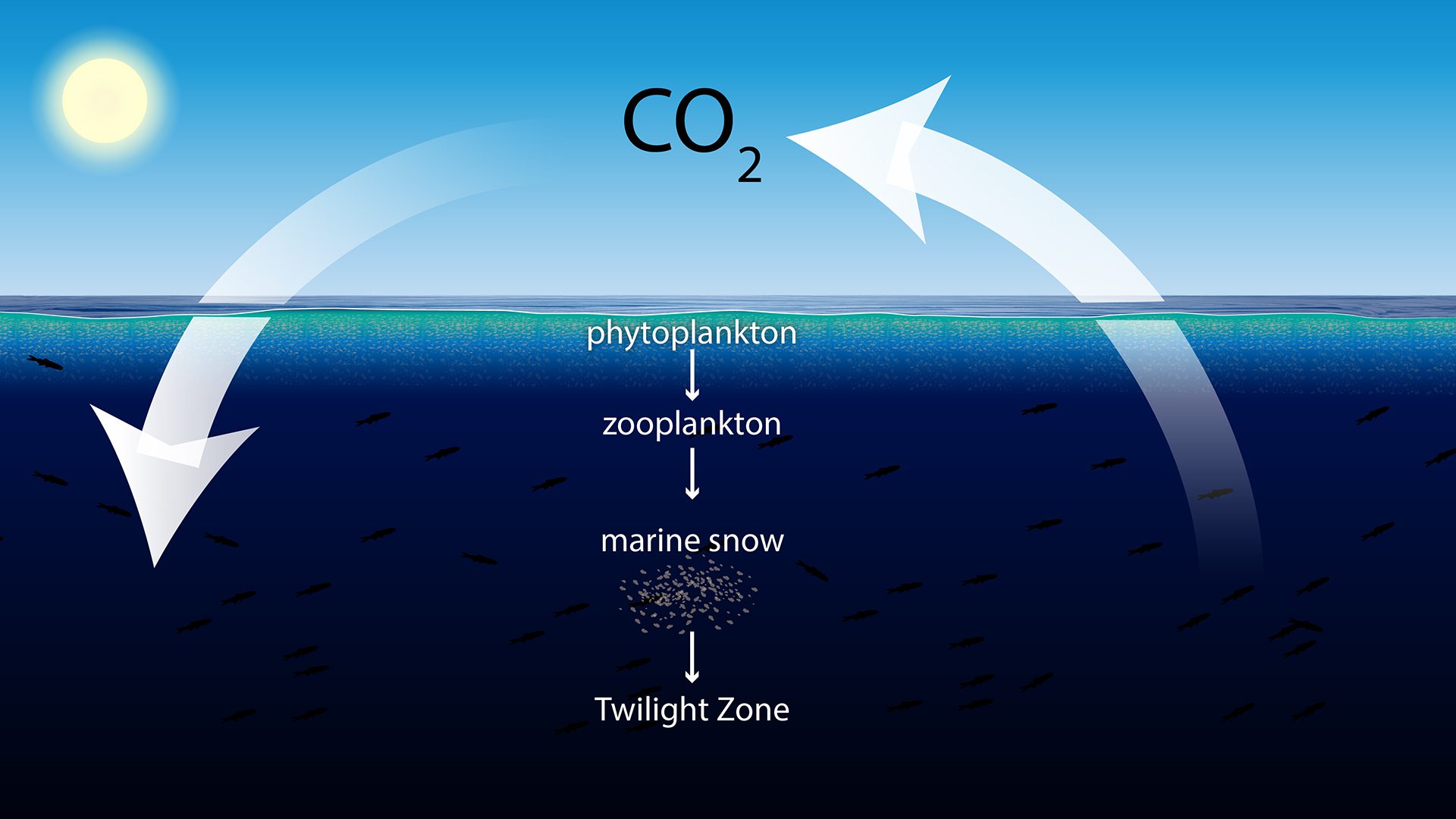
The ocean is a significant carbon sink, absorbing a large amount of CO2 from the atmosphere. This process helps regulate Earth’s climate but can also lead to ocean acidification.
Read MoreDiatoms and Bacteria: A Complex Ocean Partnership
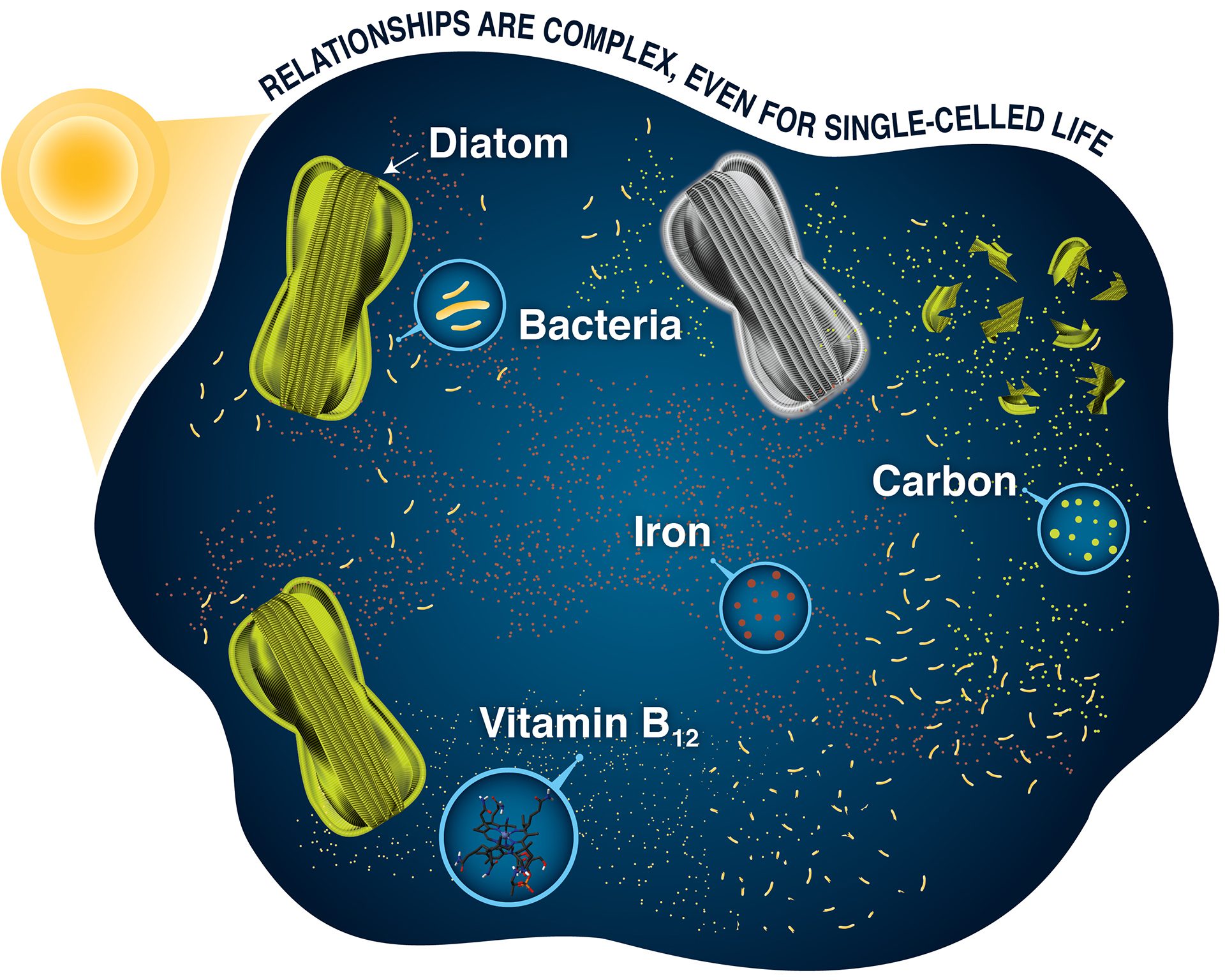
Diatoms and bacteria rely on each other for nutrients like organic carbon and B12 but compete for scarce iron, creating a delicate balance in ocean chemistry.
Read MoreHow Earth got its water
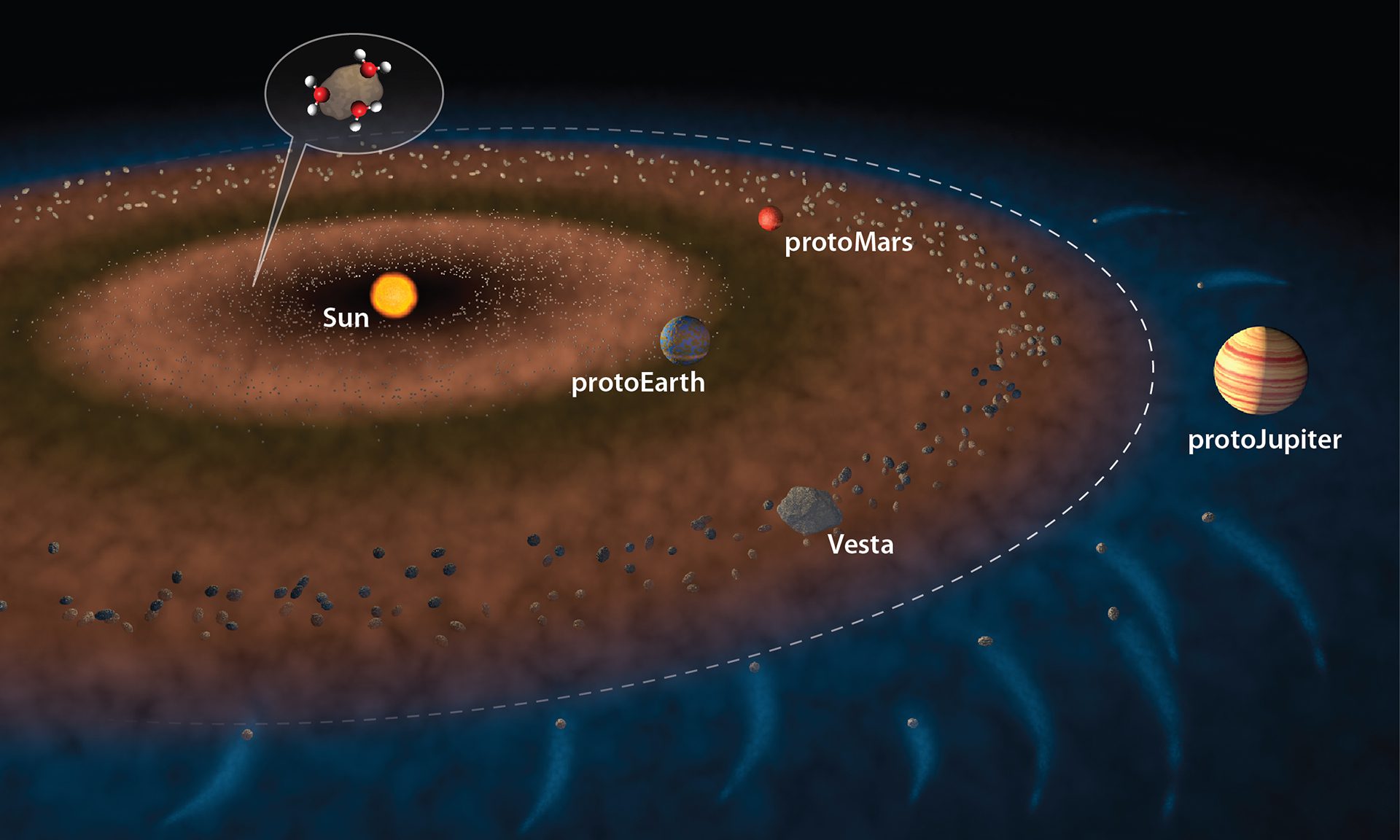
Water likely arrived in the inner solar system early on, flung by gravity from proto-Jupiter via meteorites, according to research on asteroid Vesta.
Read MoreMapping the seafloor with sound
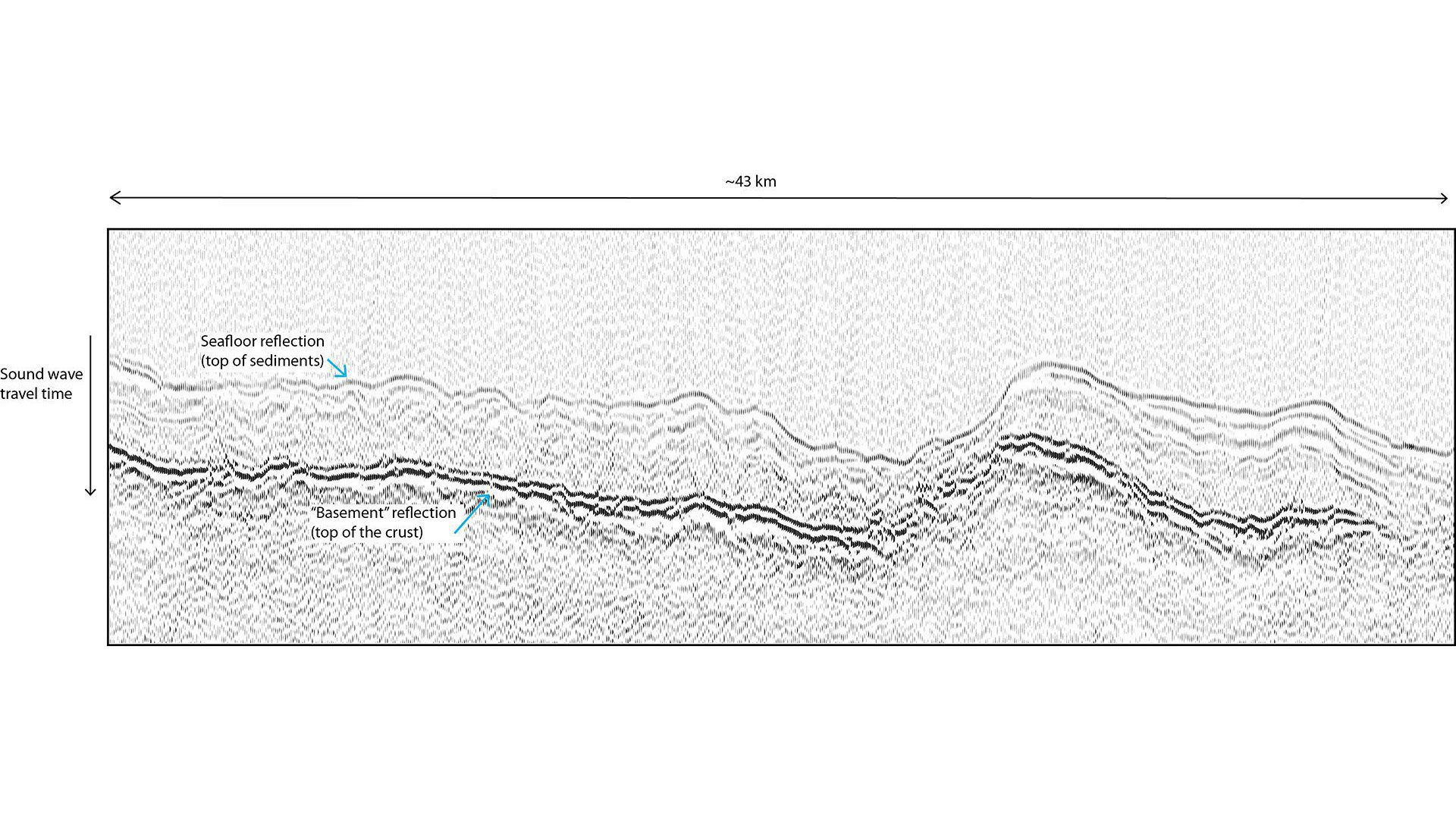
Scientists use sound waves to map layers beneath the seafloor by measuring how long waves take to bounce back from sediments and crust.
Read MoreSources of oil pollution in the ocean
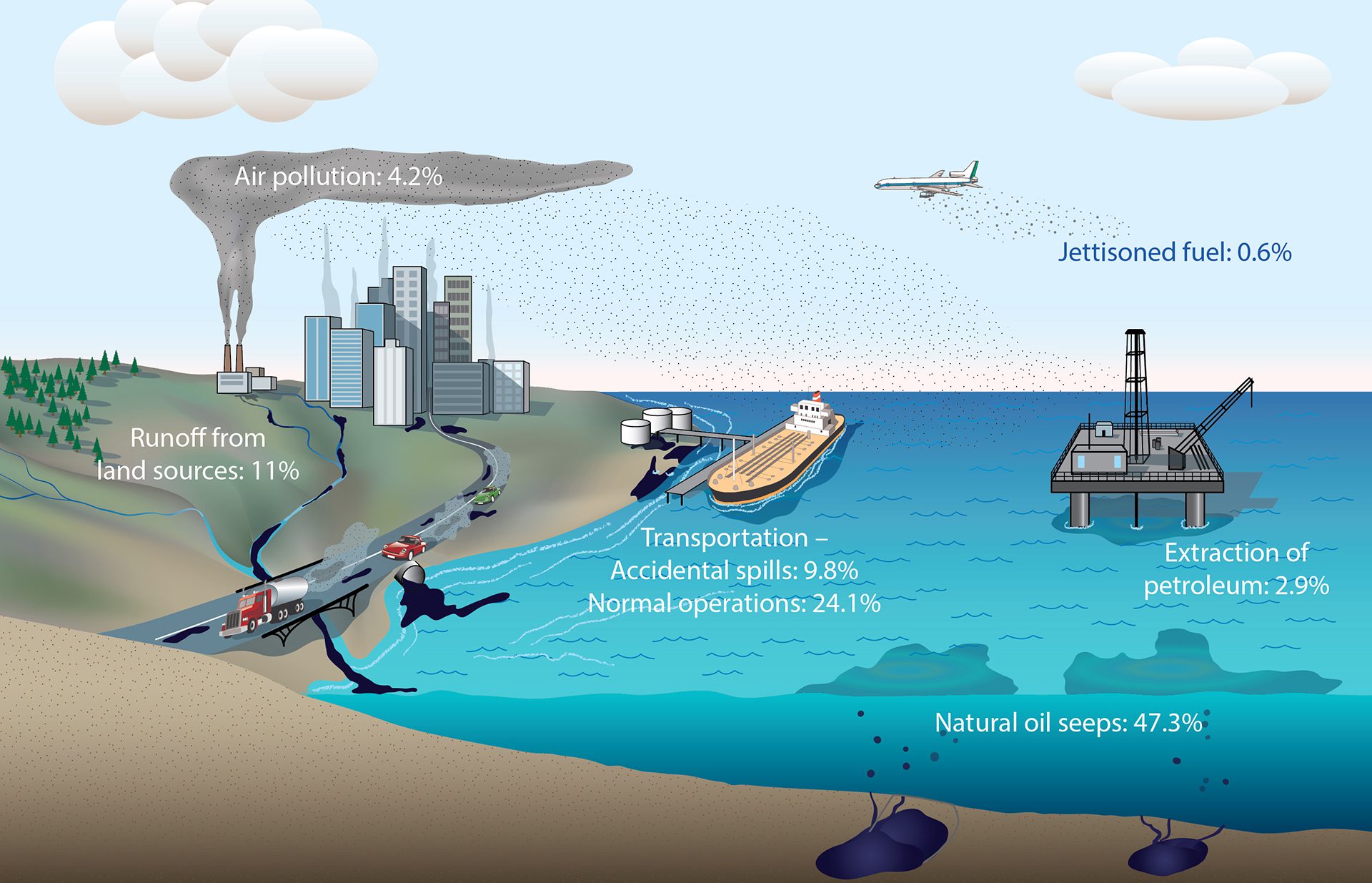
Roughly 380 million gallons of oil enter the ocean each year—most from human activities like shipping and runoff, with natural seeps also contributing.
Read MoreOne connected global ocean
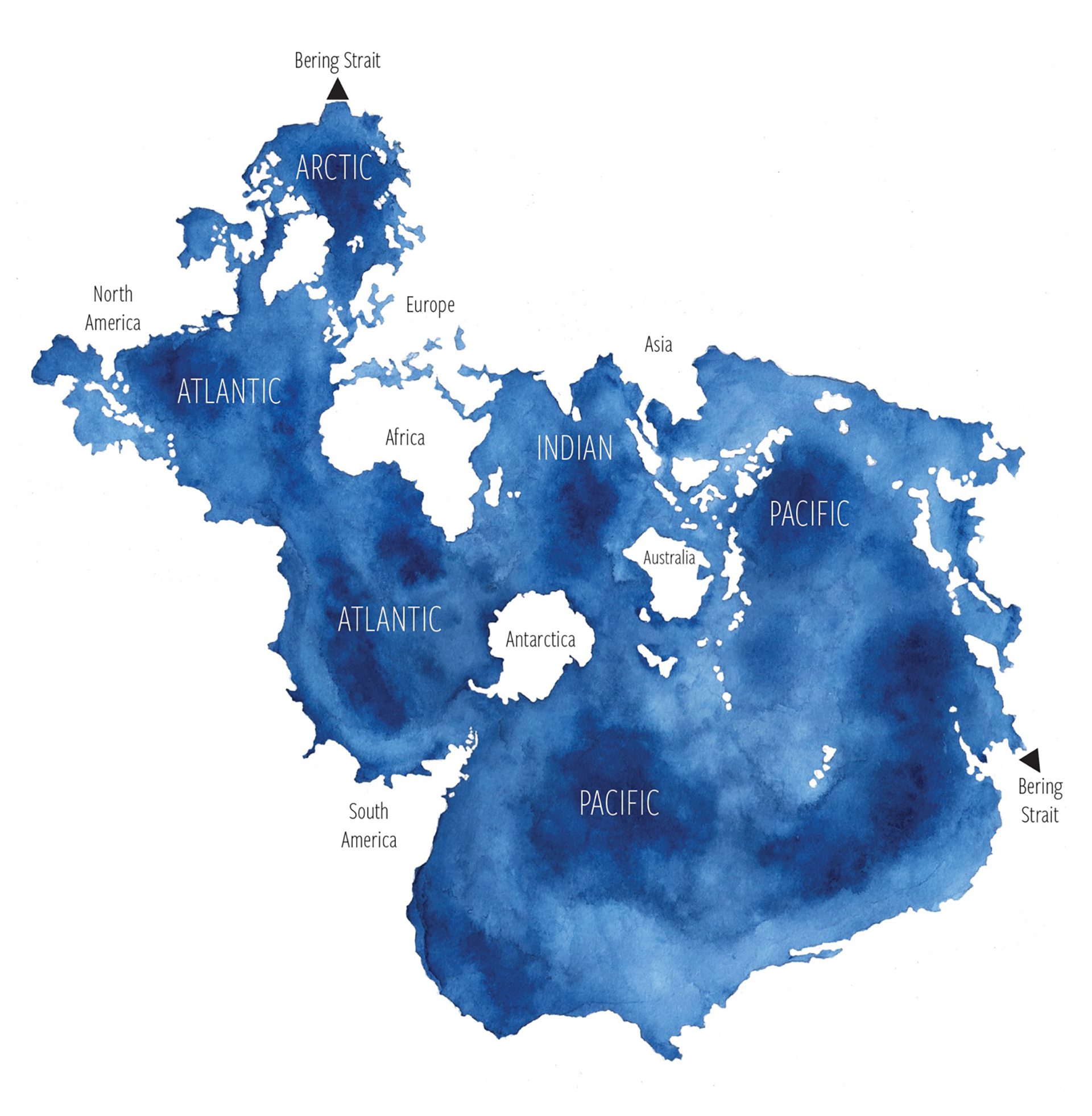
Watercolored map of the global ocean in the Spilhaus projection with regional labels
Read MoreSunlight speeds polystyrene breakdown
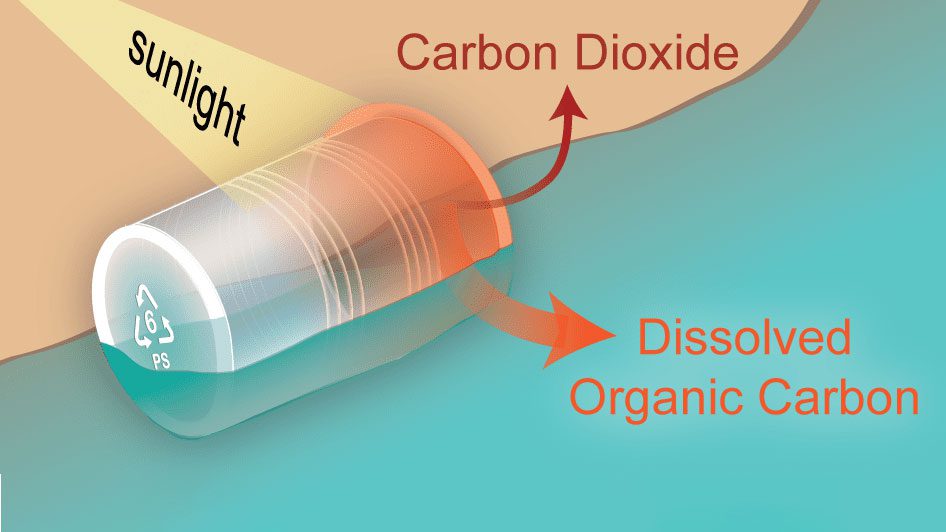
Sunlight triggers photochemical reactions that break down polystyrene into CO? and organic carbon, revealing faster plastic degradation than once thought.
Read More