
Oceanography
Paleoclimatology
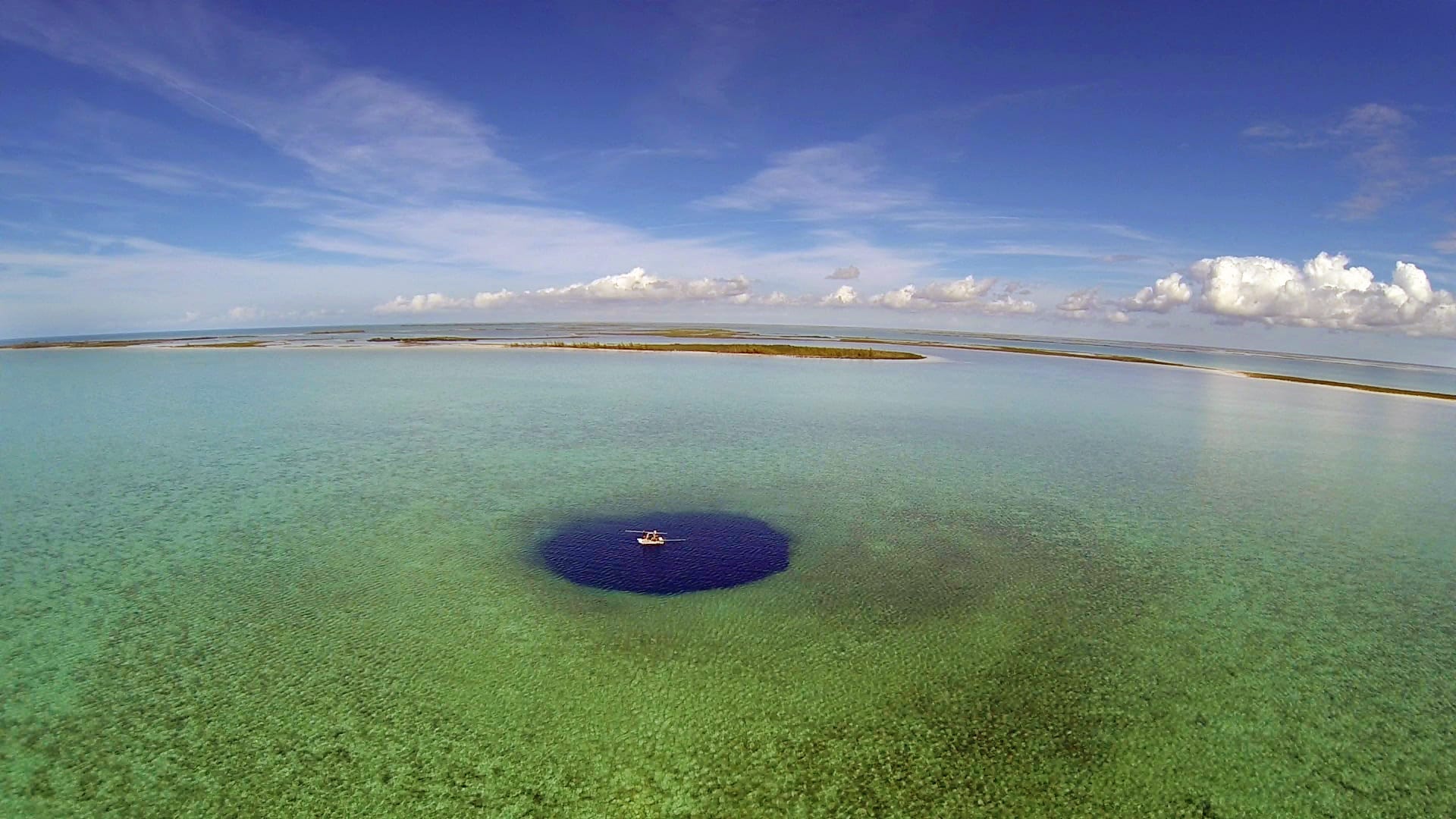
Understanding how climate naturally varied over thousands and millions of years teaches us how Earth's climate system works and sheds light on current, human-induced changes.
Read MoreWater Cycle
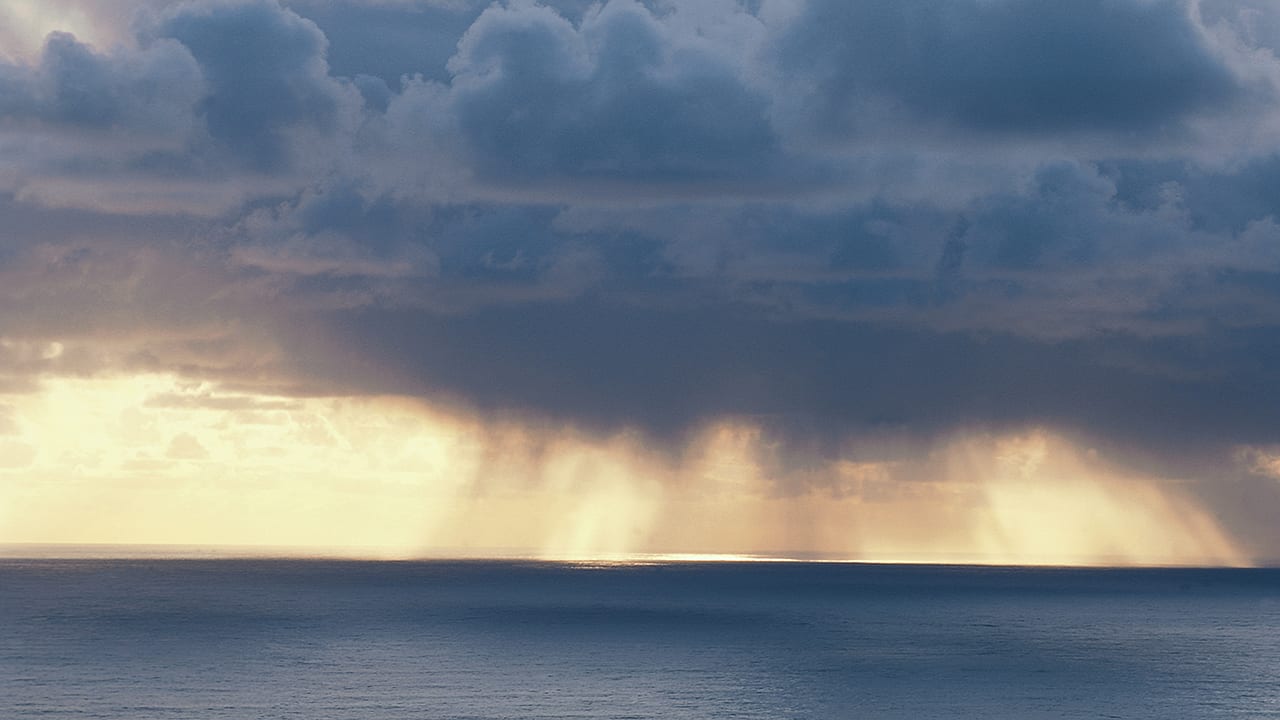
The water cycle describes the continuous movement of water on, above and below the surface of the Earth.
Read MoreClimate & Weather
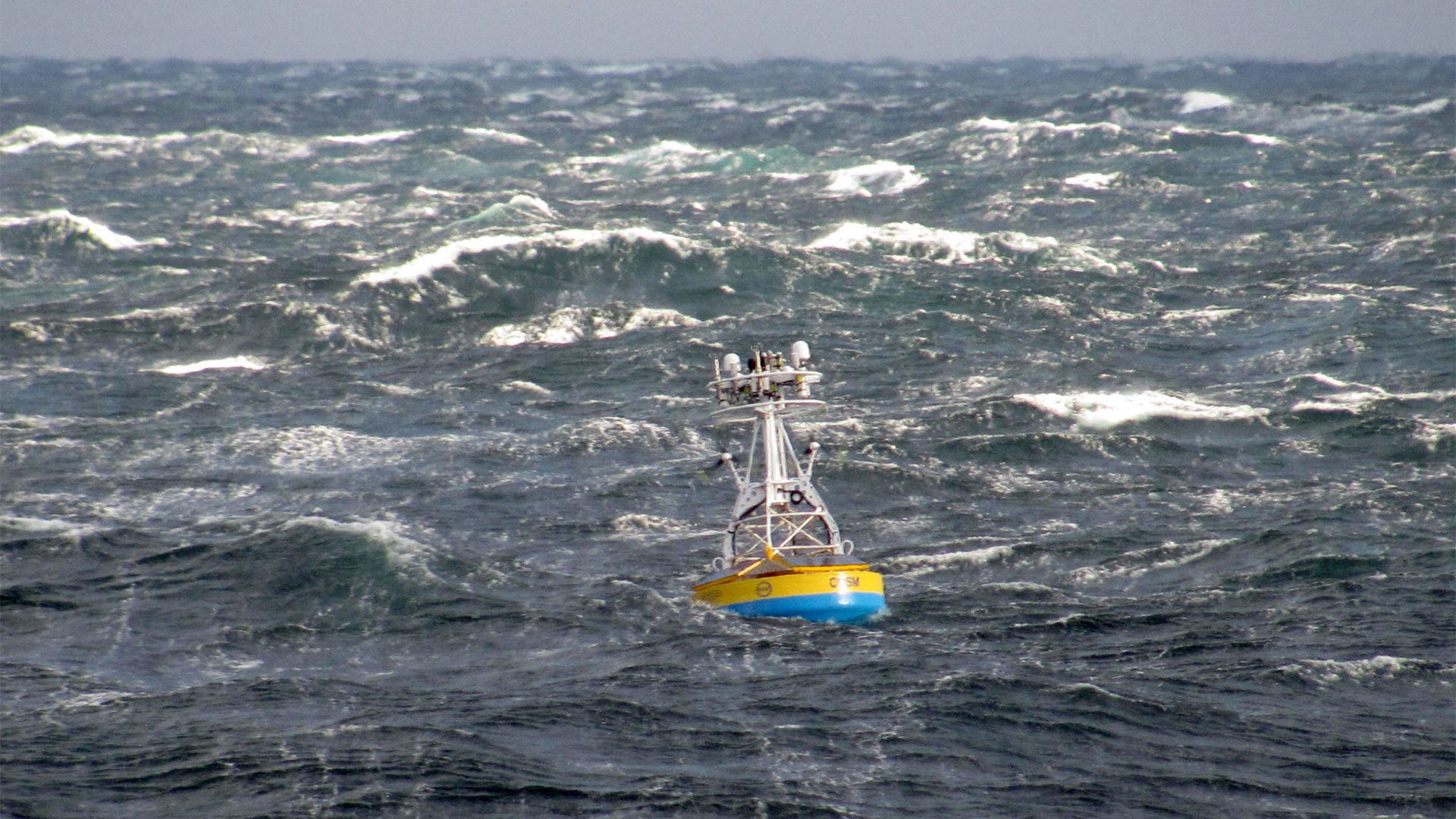
The ocean plays a central role in global climate and regional weather patterns, including droughts, rainstorms, and hurricanes.
Read MoreAbrupt Climate Change
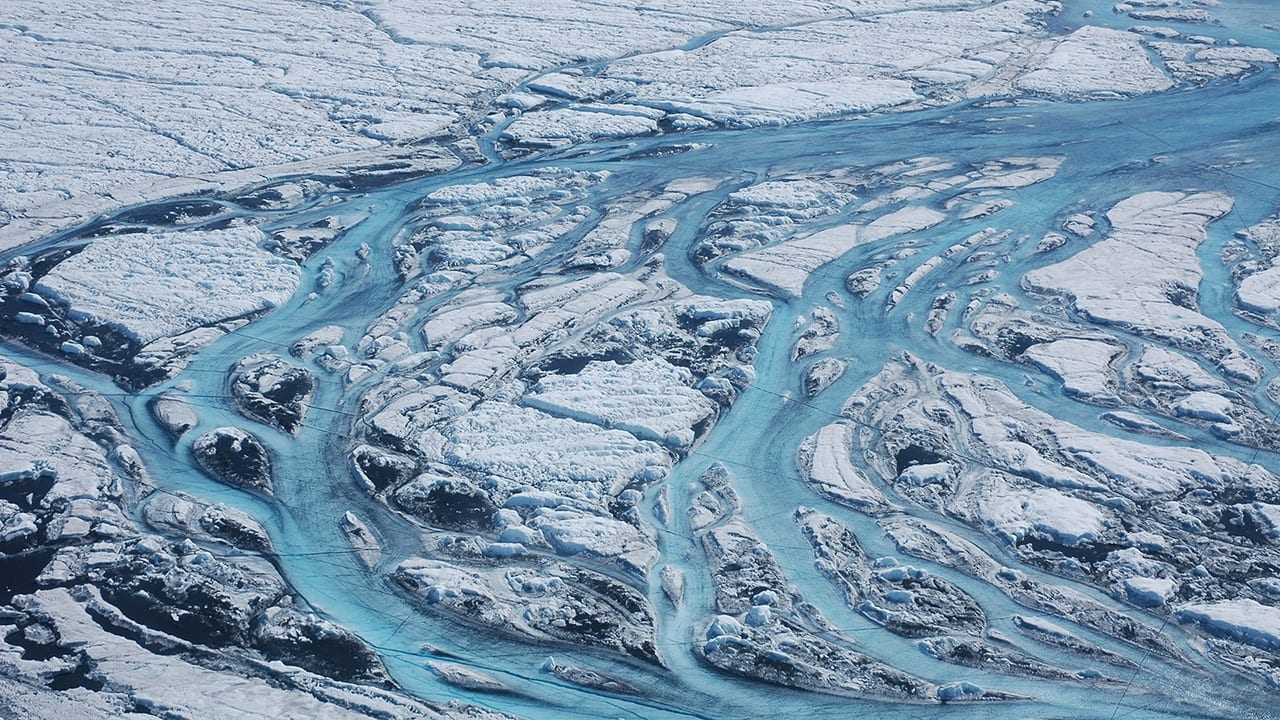
Earth's changing climate is raising concerns that it could respond in abrupt and unexpected ways, making it difficult for human society to adapt.
Read MoreClimate Change
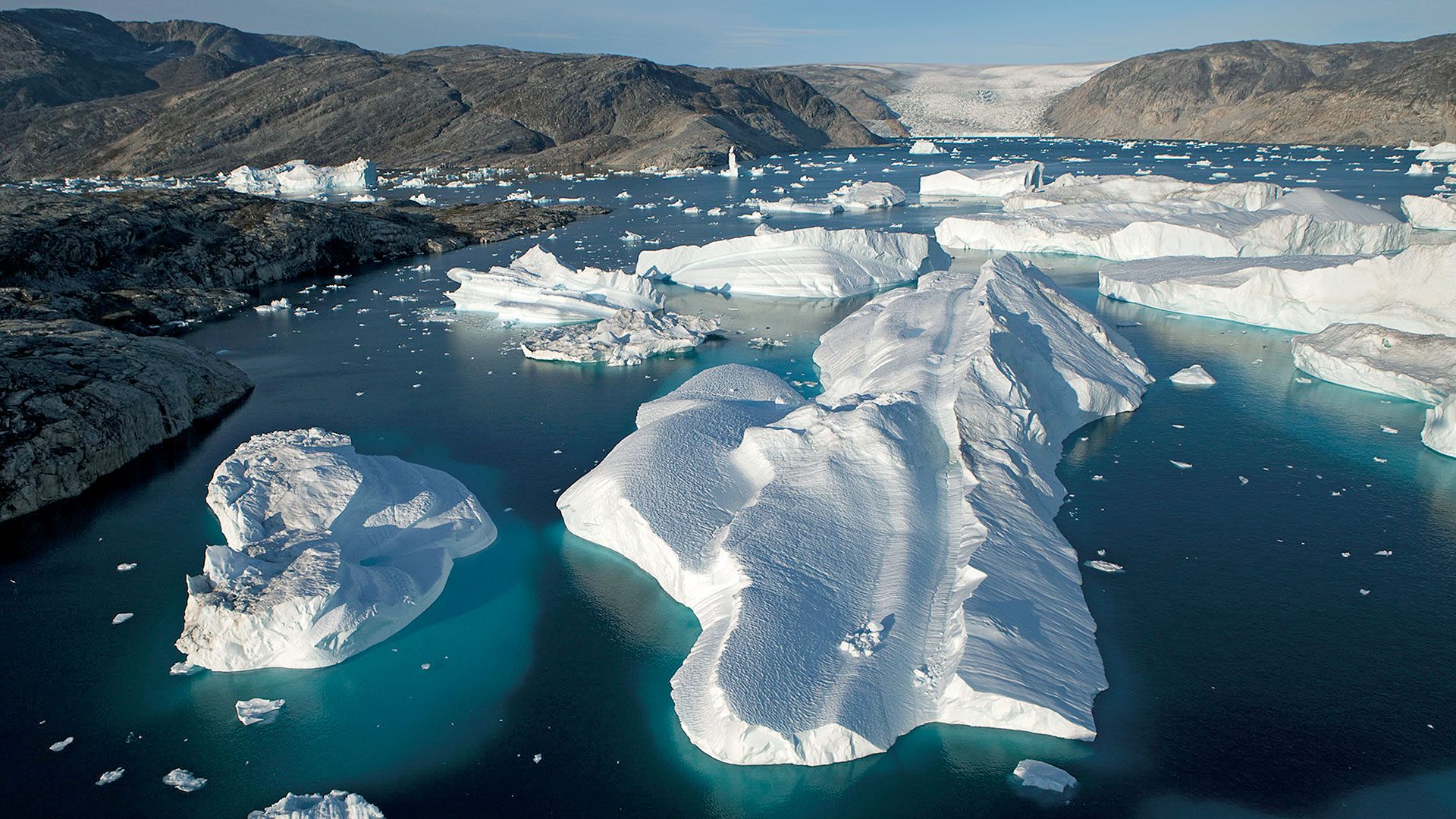
Scientific observation has shown that the atmosphere near the Earth's surface is warming.
Read MoreWill oxygen in the ocean continue to decline?
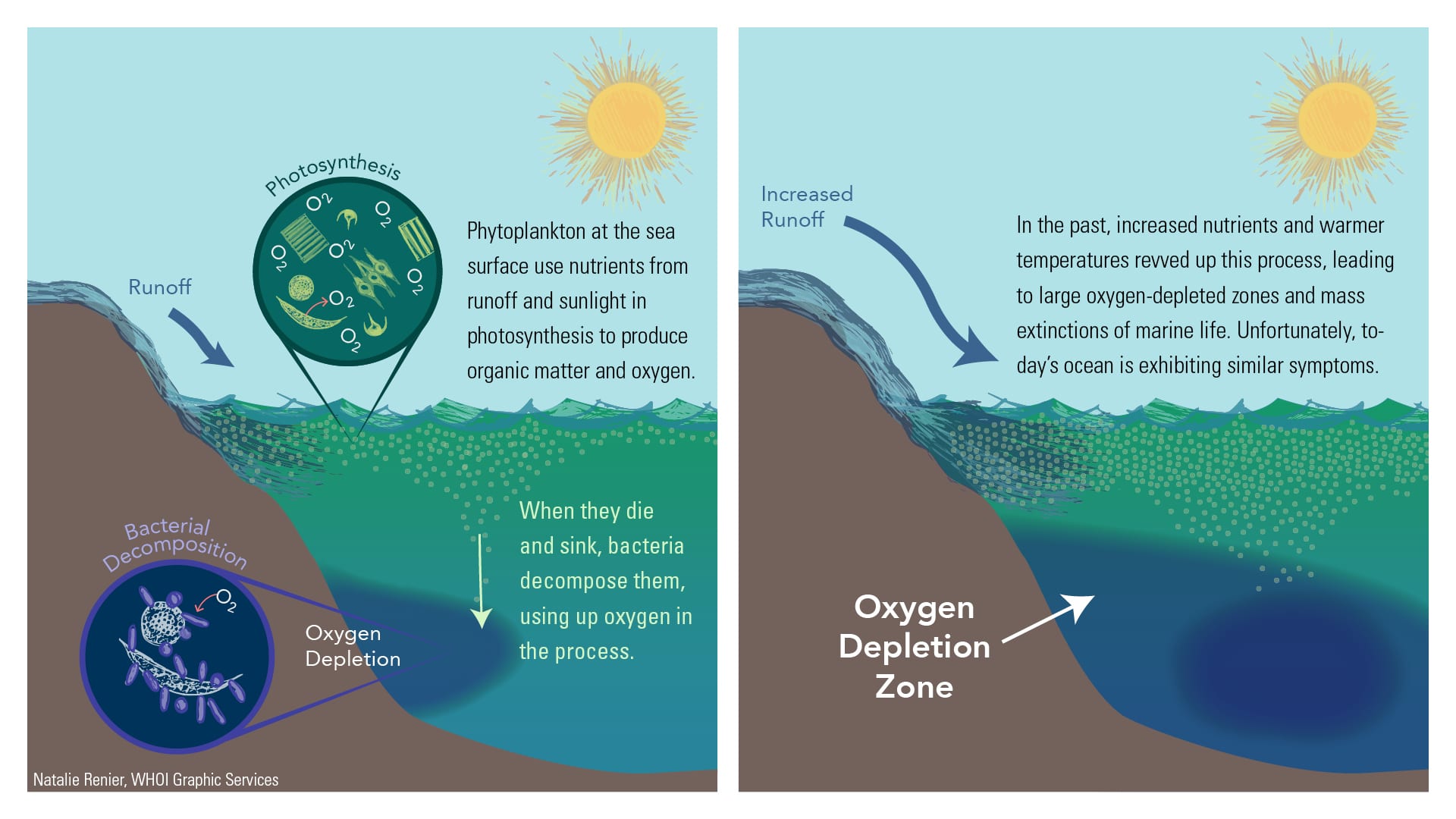
Oxygen loss in the ocean has triggered mass die-offs before—and scientists warn that ongoing deoxygenation may pose a similar threat today.
Read MoreForecasting Where Ocean Life Thrives
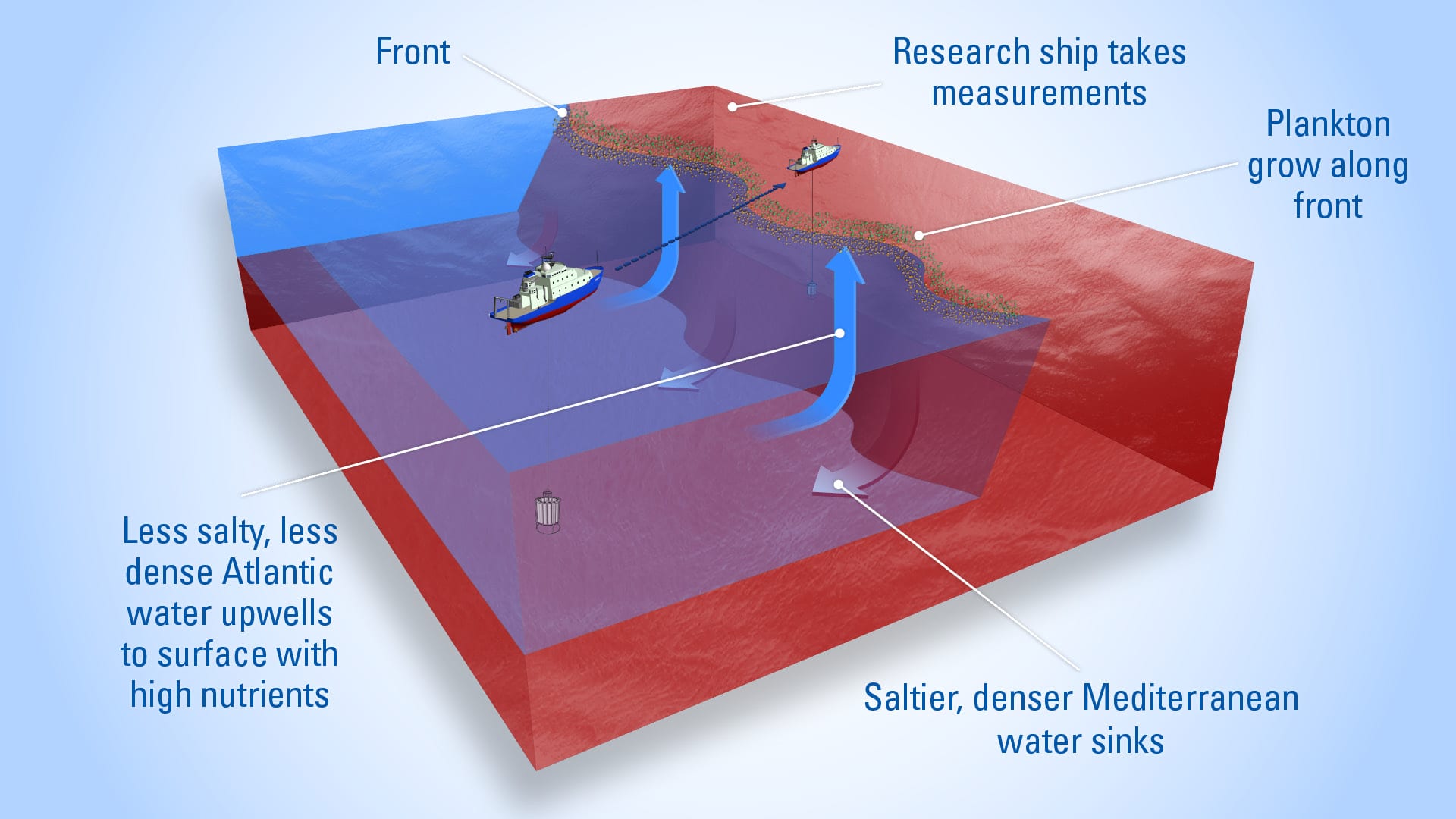
Plankton thrive at ocean fronts, where lighter Atlantic water meets denser Mediterranean water, driving nutrient-rich mixing that fuels surface growth.
Read MoreAlbatross Flight Dynamics
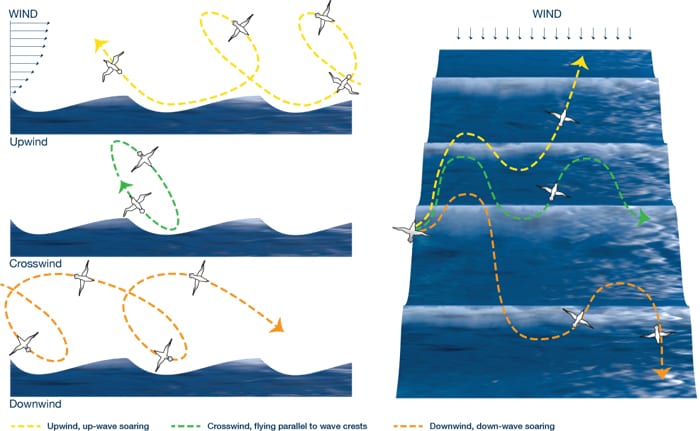
Albatrosses extract energy from winds to soar, as seen in these diagrammatic views.
Read MoreGroundwater and the Ocean
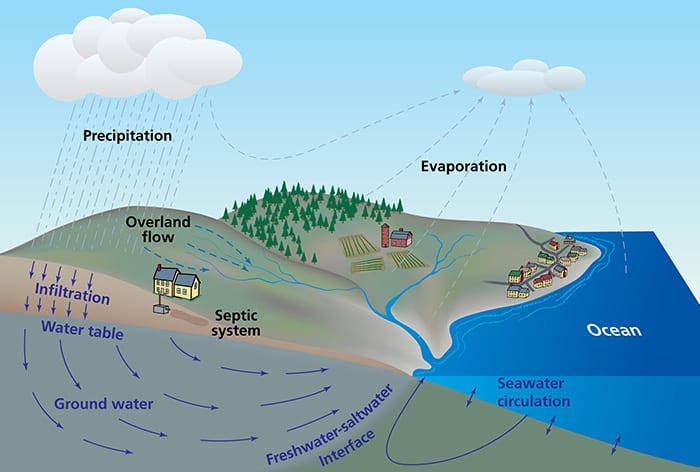
Groundwater flows from land to sea, mixing with saltwater underground. Though just 5% of ocean inflow, it can carry high chemical loads that impact coasts.
Read MoreEl Niño and La Niña
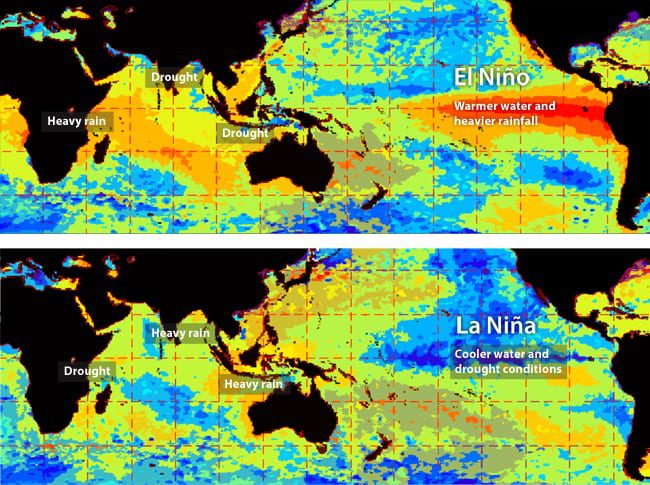
El Niño brings Pacific warming, East African rains, and Asian droughts. La Niña flips the pattern. This natural cycle shifts global rainfall every few years.
Read MoreSamoa Chain
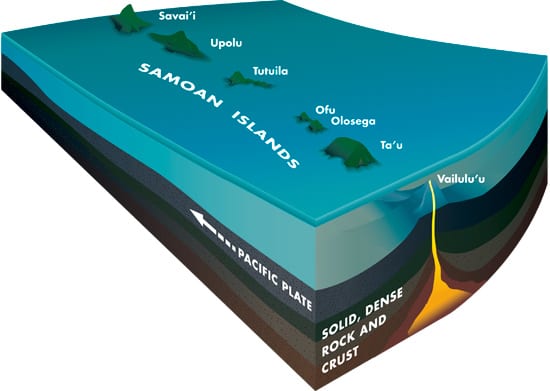
Hotspots like Samoa and Hawaii form island chains as magma erupts through the crust while tectonic plates drift over a fixed source deep in the mantle.
Read MoreArctic Halocline
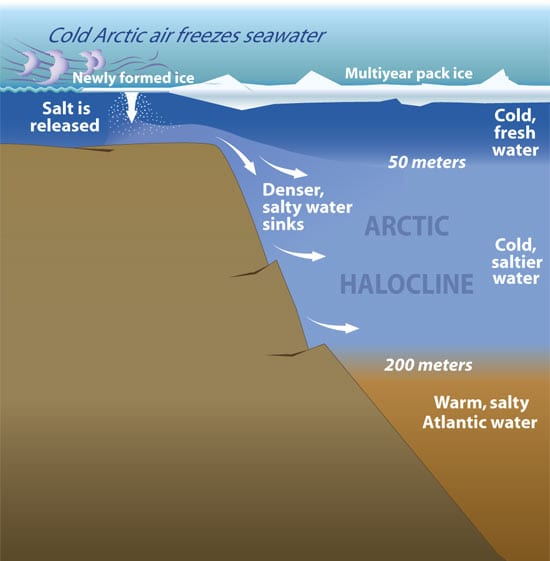
As sea ice forms, it releases salt, making surface water sink—creating a cold layer that shields the ice from deeper, warmer waters below.
Read MoreElemental Journeys
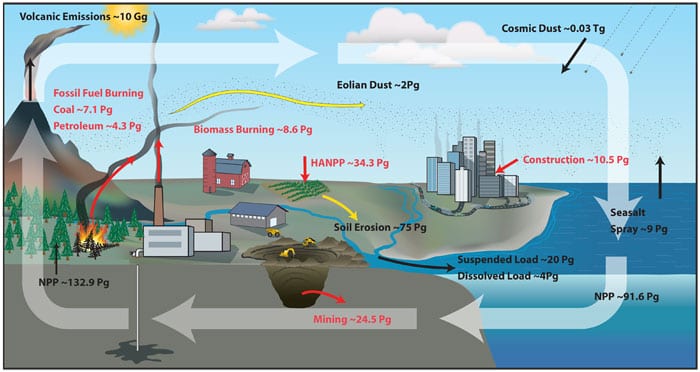
Vast amounts of elements move via nature and humans—through erosion, rivers, farming, and more—measured in Pg, Tg, and Gg. HANPP tracks our impact.
Read MoreLethal Interactions
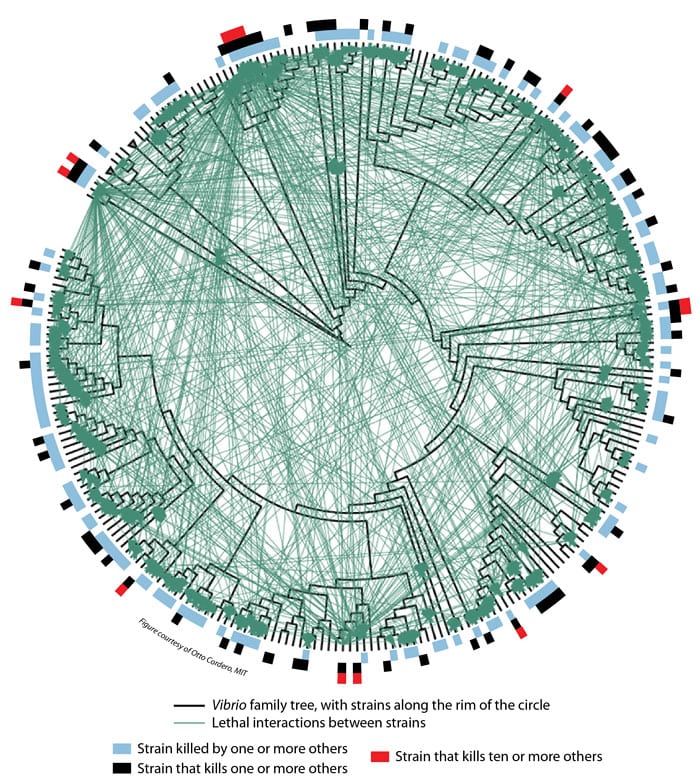
Researchers summarized lethal interactions among 185 strains of Vibrio bacteria in a circular family tree diagram, showing relatedness of individual strains.
Read MoreHow biofilm forms in the sea
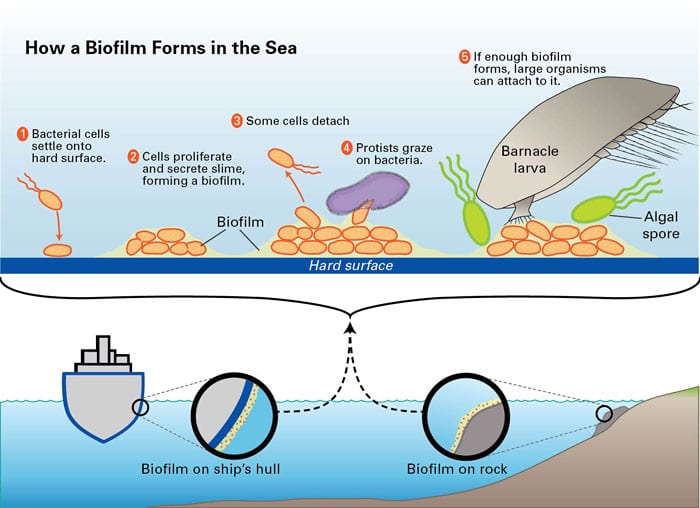
Biofilms form as bacteria settle and produce slime. Fighting them may work better by boosting natural biofilm reduction: bacterial detachment and protist predation.
Read MoreWhere the whales are
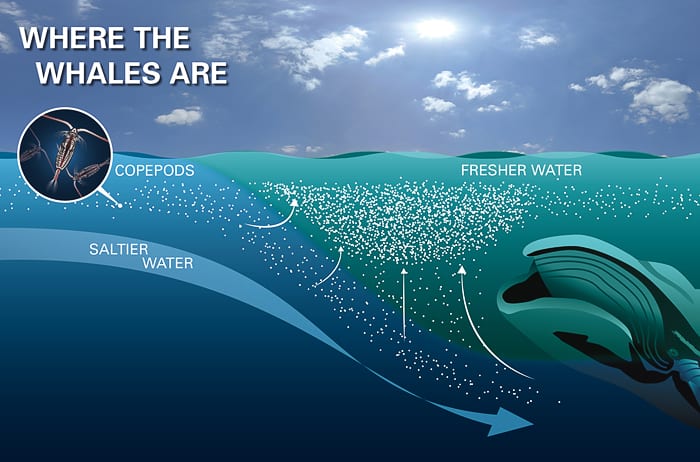
Fresh coastal currents meet salty ocean water to form a front where copepods aggregate in dense surface patches, creating feeding hotspots for marine life.
Read MoreRadioactivity in the Ocean: Natural vs. Human Sources
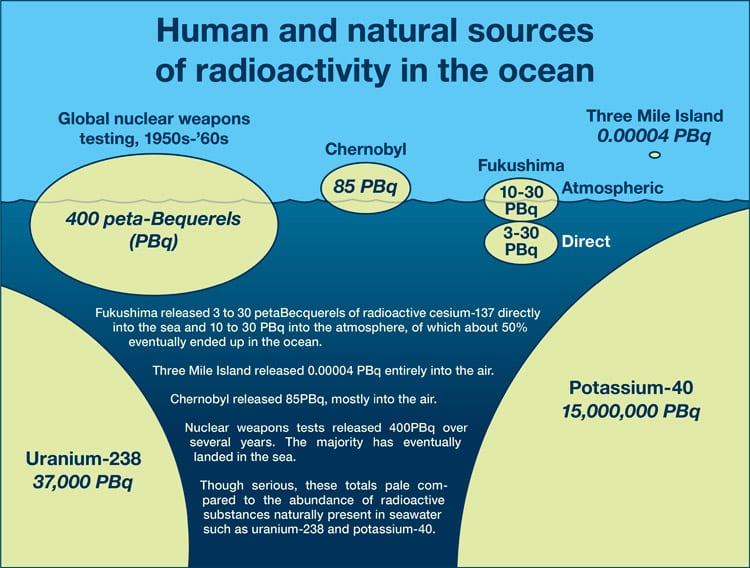
Nuclear accidents released PBqs of radiation, but natural sources like potassium-40 far exceed them—15 million PBq already exist in seawater.
Read MoreListening in on Whales
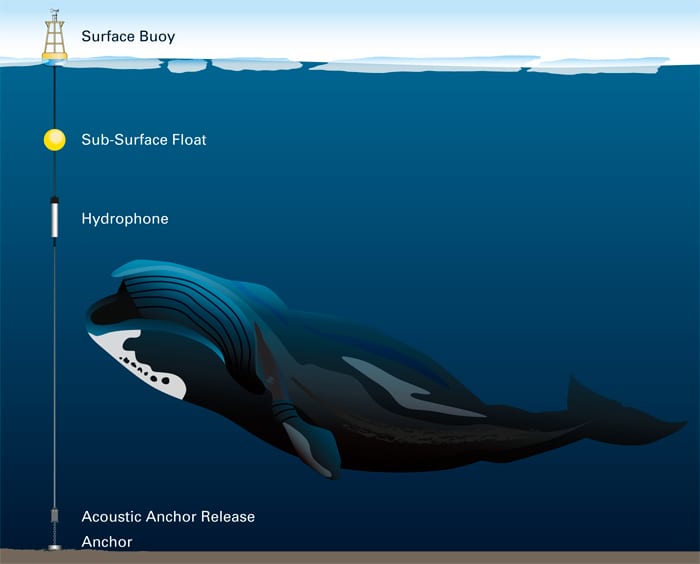
Scientists eavesdrop on bowhead whale calls using moorings with hydrophones that record their singing
Read MoreBetween the beach and the deep sea
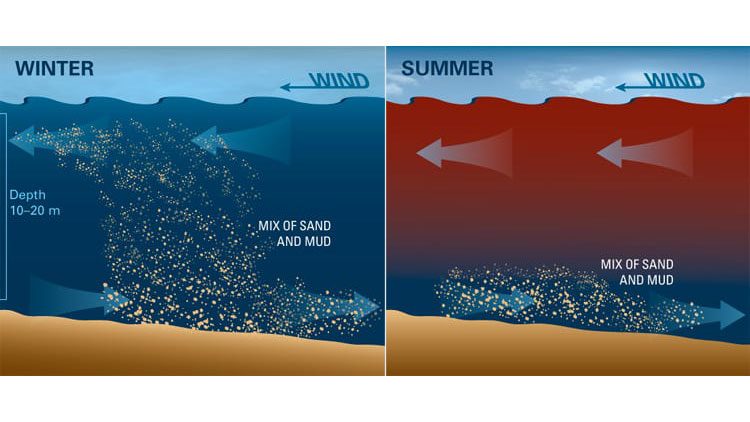
The shallow inner shelf connects beach and ocean, where waves, tides, and seasonal changes mix sand, water, and nutrients, shaping coastal transport.
Read MoreNoah’s Not-so-big Flood
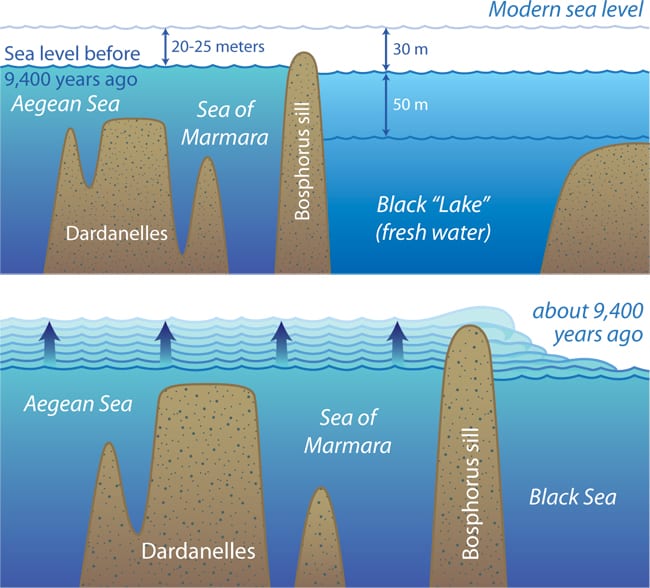
10,000 years ago, the Black Sea was a freshwater lake dammed by the Bosphorus Sill. Rising sea levels later flooded it, possibly inspiring the Noah’s flood story.
Read MoreBacteria and Diatoms
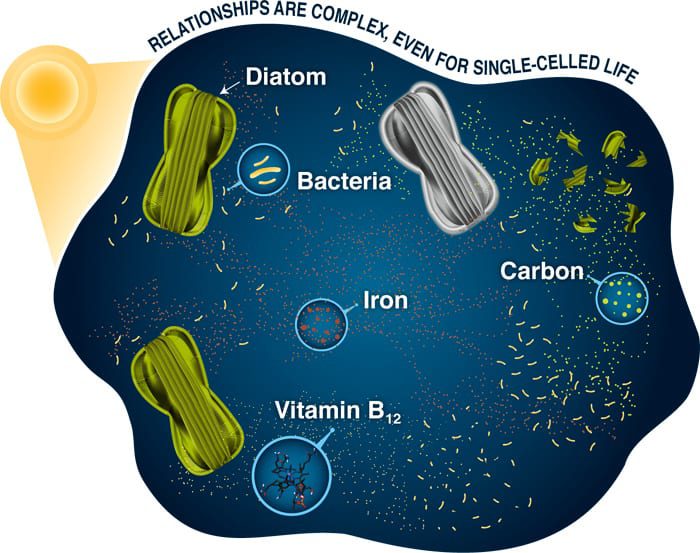
Diatoms and bacteria rely on each other for key nutrients like carbon and B12—but they also compete for scarce iron in the ocean’s complex chemical soup.
Read MoreGreenland-Scotland Ridge
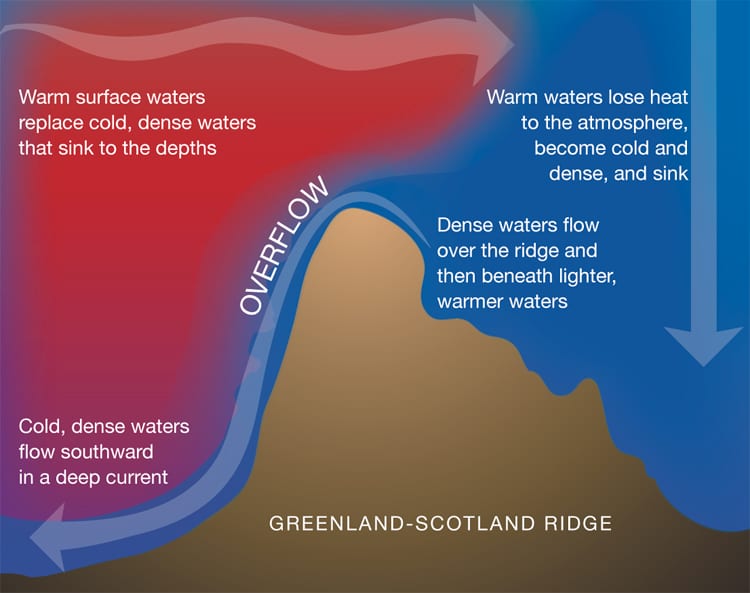
The Greenland-Scotland Ridge is a tall undersea ridge that rises within 500 meters of the sea surface and extends from East Greenland to Iceland and across to Scotland.
Read MoreMarine Microbe Relations
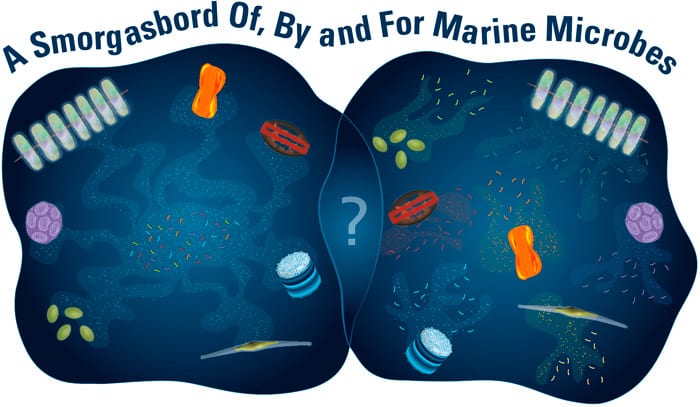
Scientists uncover how autotrophic and heterotrophic microbes interact via dissolved organic carbon, shaping ocean food webs and influencing Earth’s chemistry.
Read MoreFukushima and Radiation in the Ocean: How much?
Fukushima released radioactive water into the Pacific. Explore how much, how it spread, and what it means for ocean health, seafood, and human safety.
Read More