
Oceanography
Glaciers & Ice Sheets
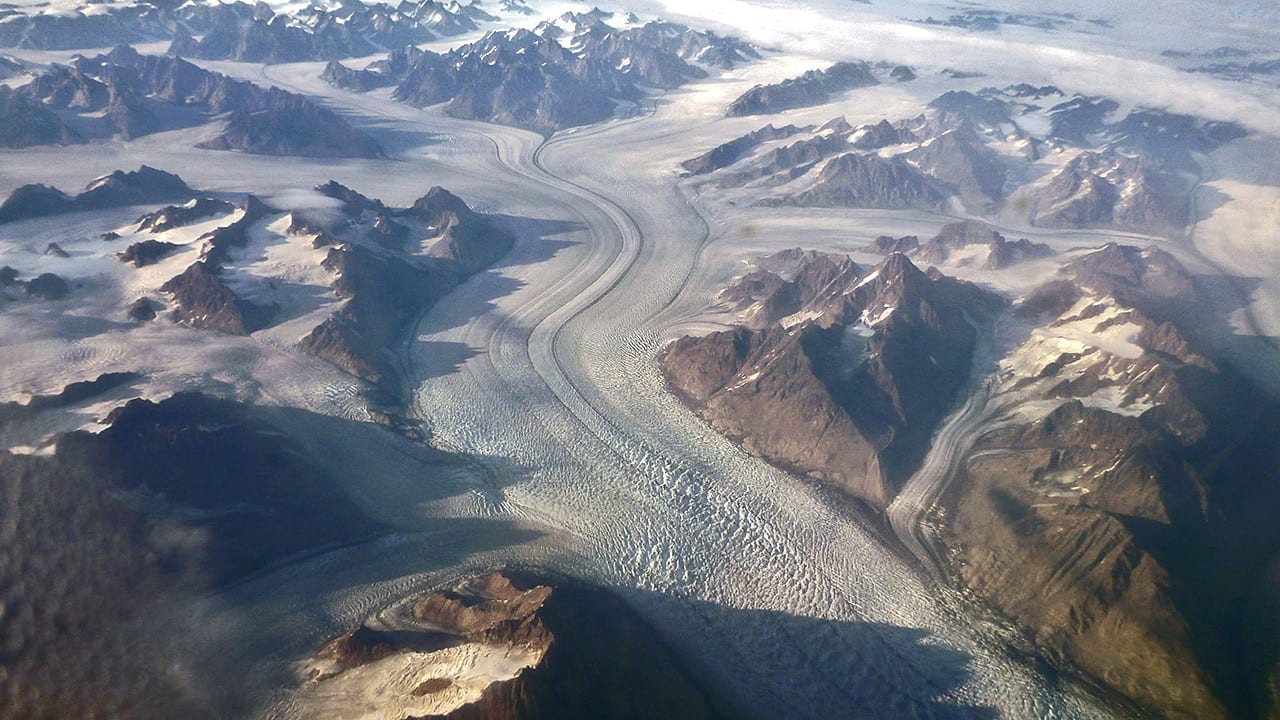
Glaciers are large ice masses created by snowfall that has transformed into ice and compressed over the course of many years. An ice sheet is a mass of glacial land ice extending more than 20,000 square miles.
Read MoreArctic Ocean Circulation
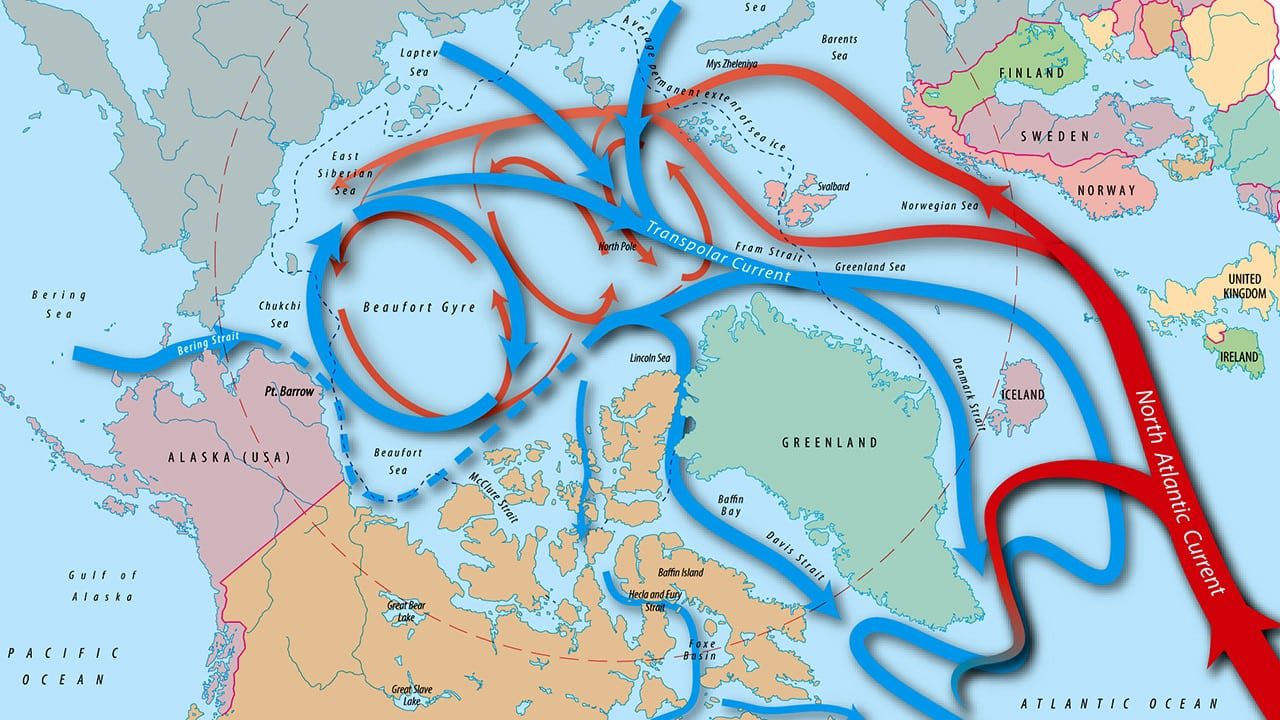
The complex ocean circulation system in the Arctic — which impacts the entire food web — is in a delicate balance.
Read MoreMarine Protected Areas
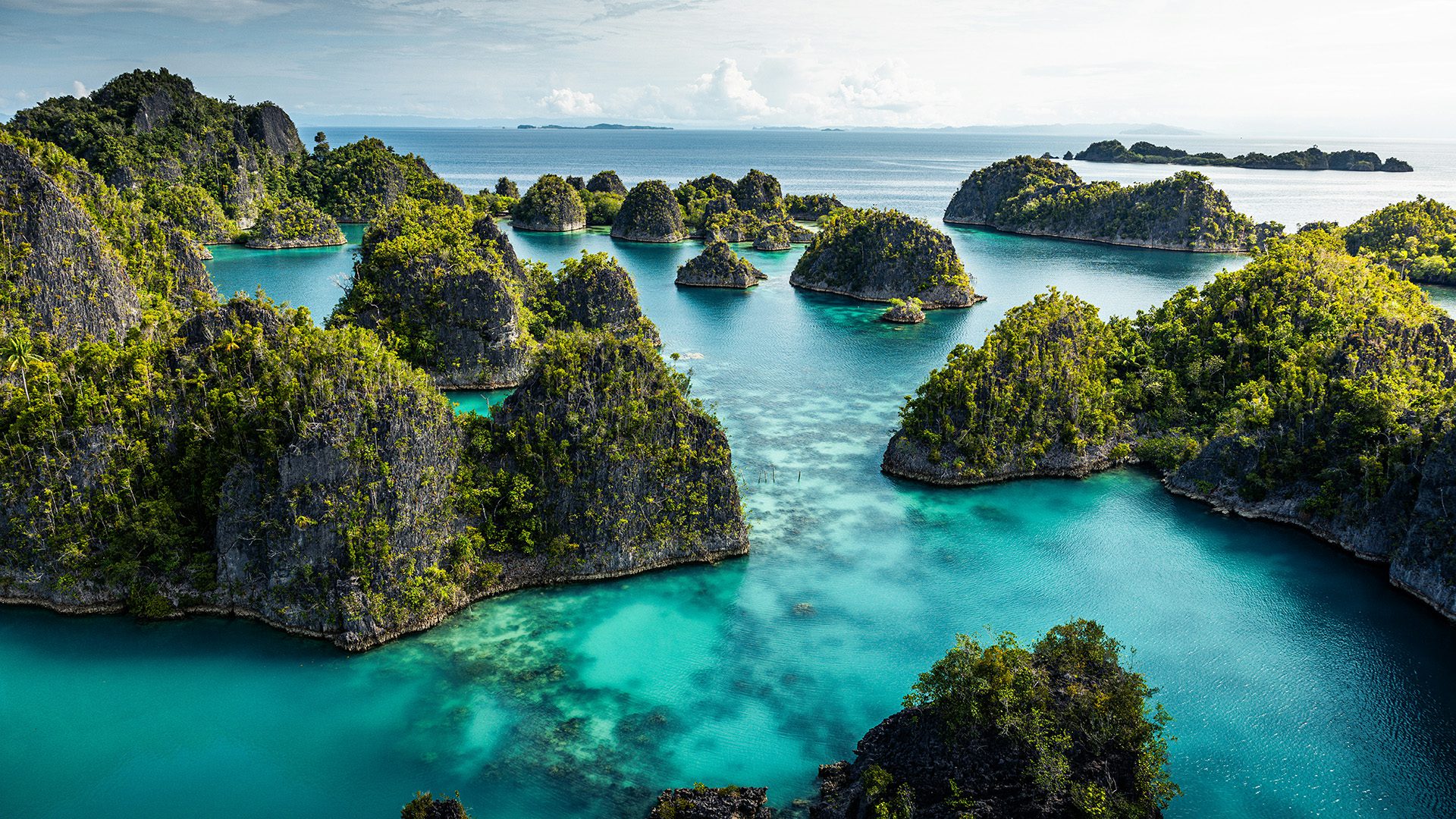
Marine protected areas refers to any part of the ocean that receives some level of protection under law, protecting about one percent of the global ocean.
Read MoreSeafloor Mining
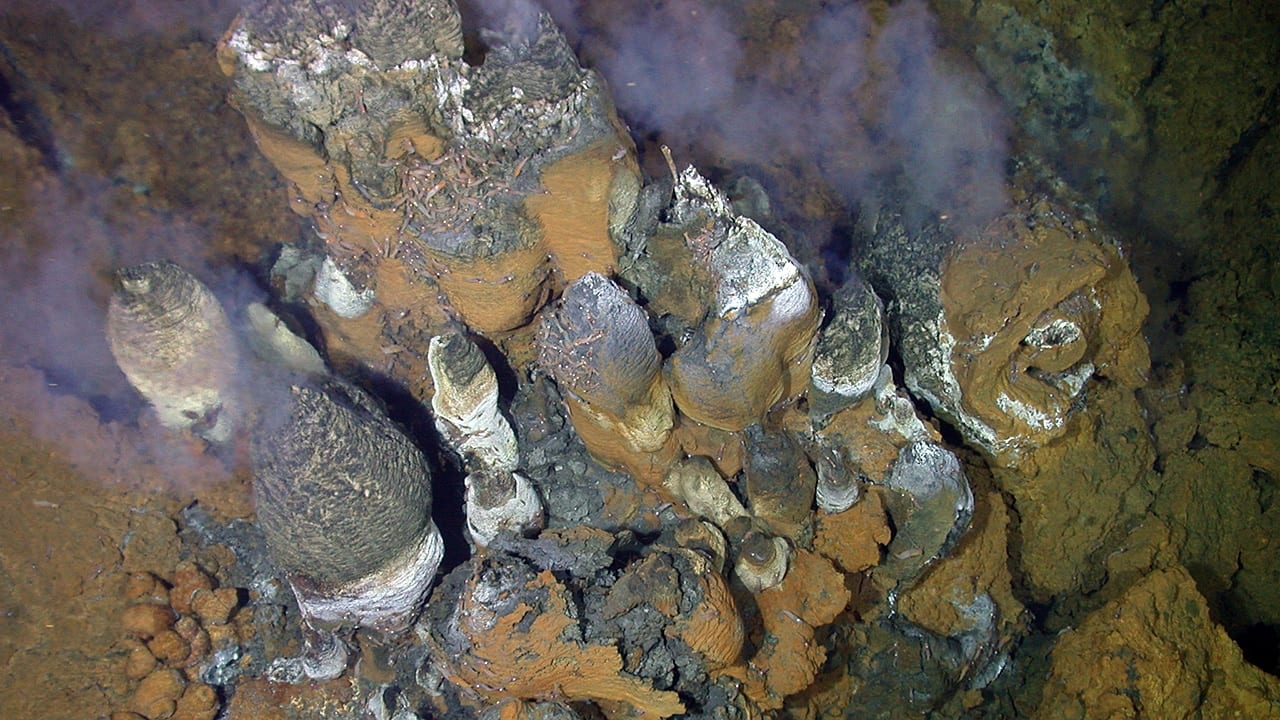
The ocean contains a complex combination of processes that sometimes result in commercially viable forms of a wide range of minerals.
Read MoreAquaculture
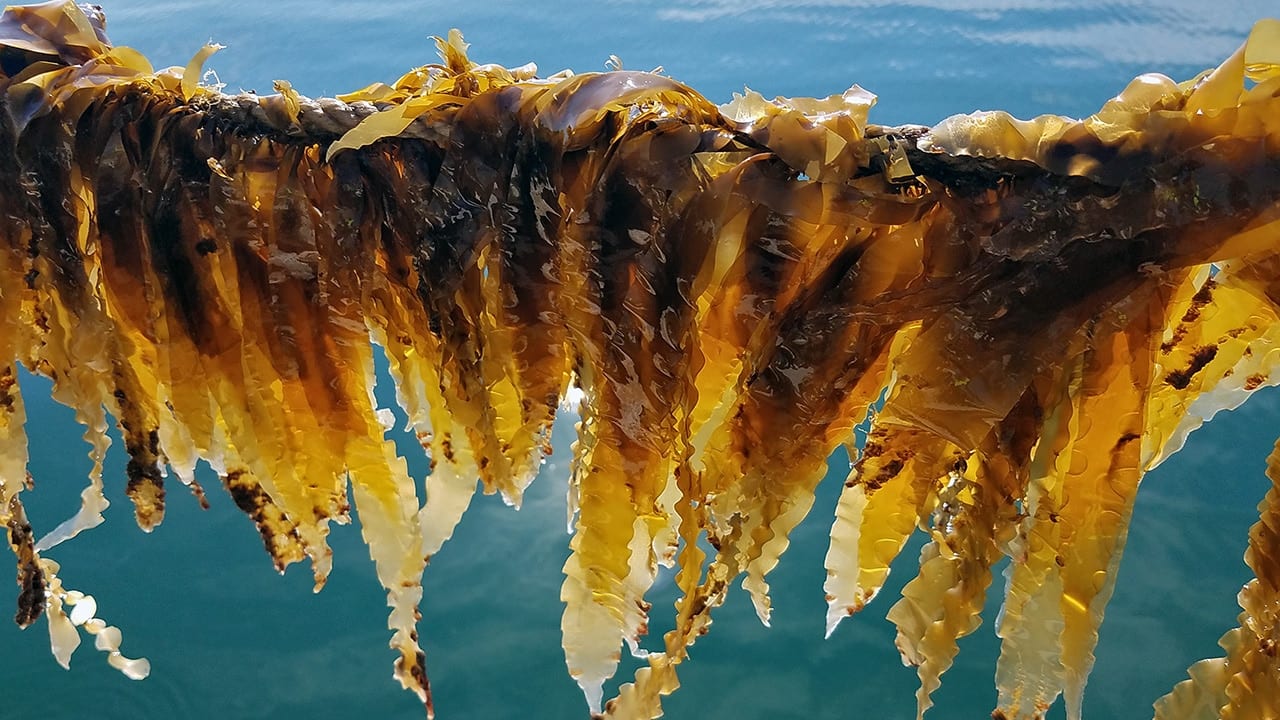
Aquaculture is the farming in fresh and saltwater environments of aquatic animals or plants principally for food. Fish, mollusks, crustaceans, and kelp are a few examples.
Read MorePhytoplankton
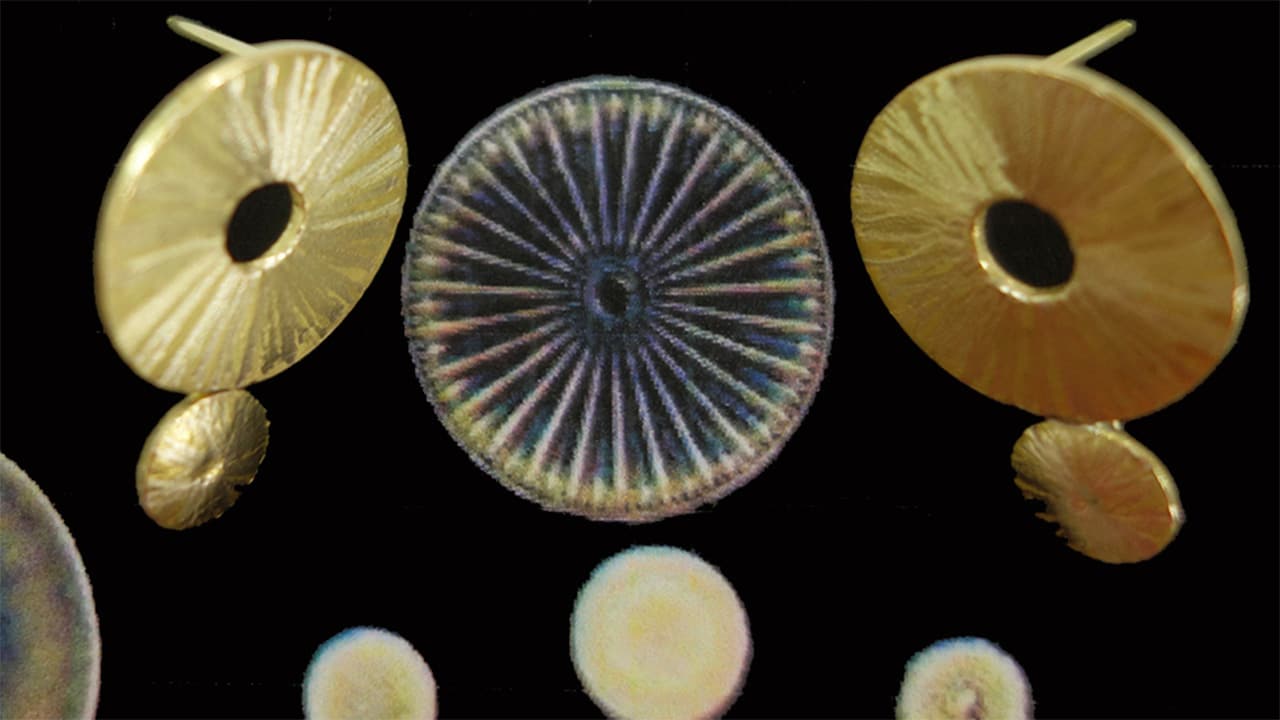
Phytoplankton are primary producers of the ocean—the organisms that form the base of the food chain. WHOI explores the microscopic, single-celled organisms.
Read MoreTwilight Zone
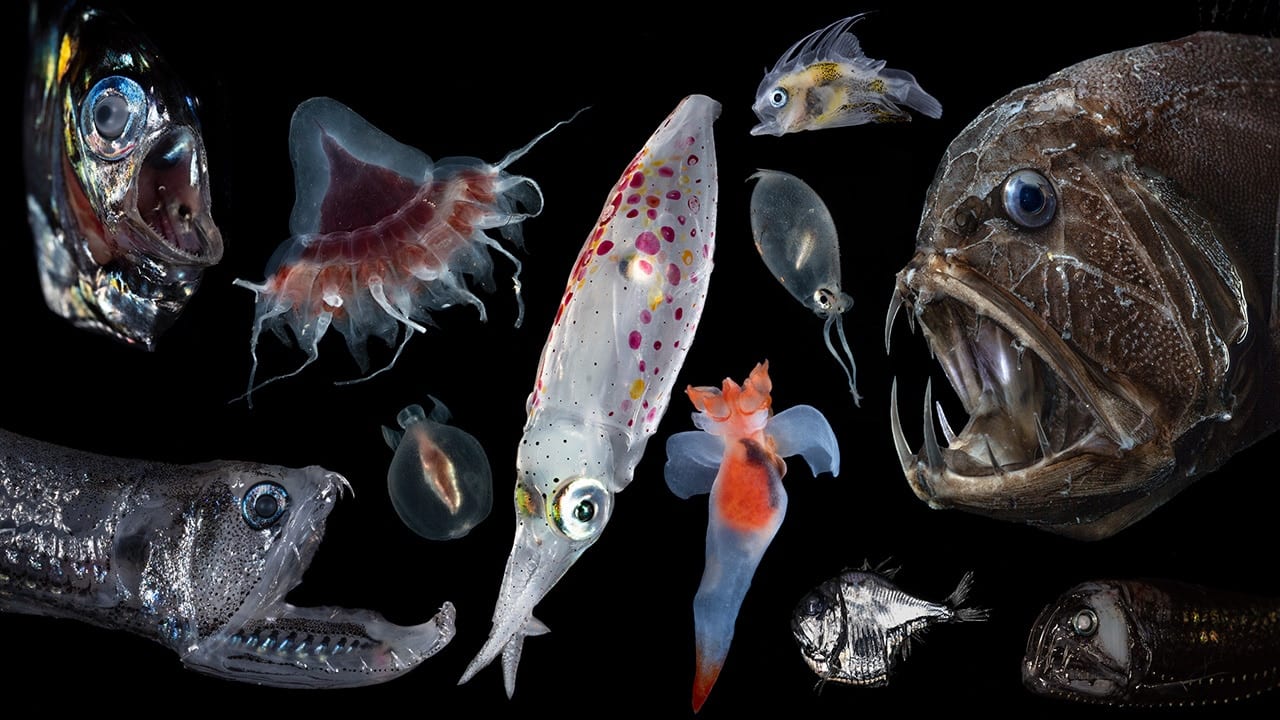
The ocean twilight zone is a layer of water that stretches around the globe. It lies 200 to 1,000 meters below the ocean surface, just beyond the reach of sunlight.
Read MoreLife at Vents & Seeps
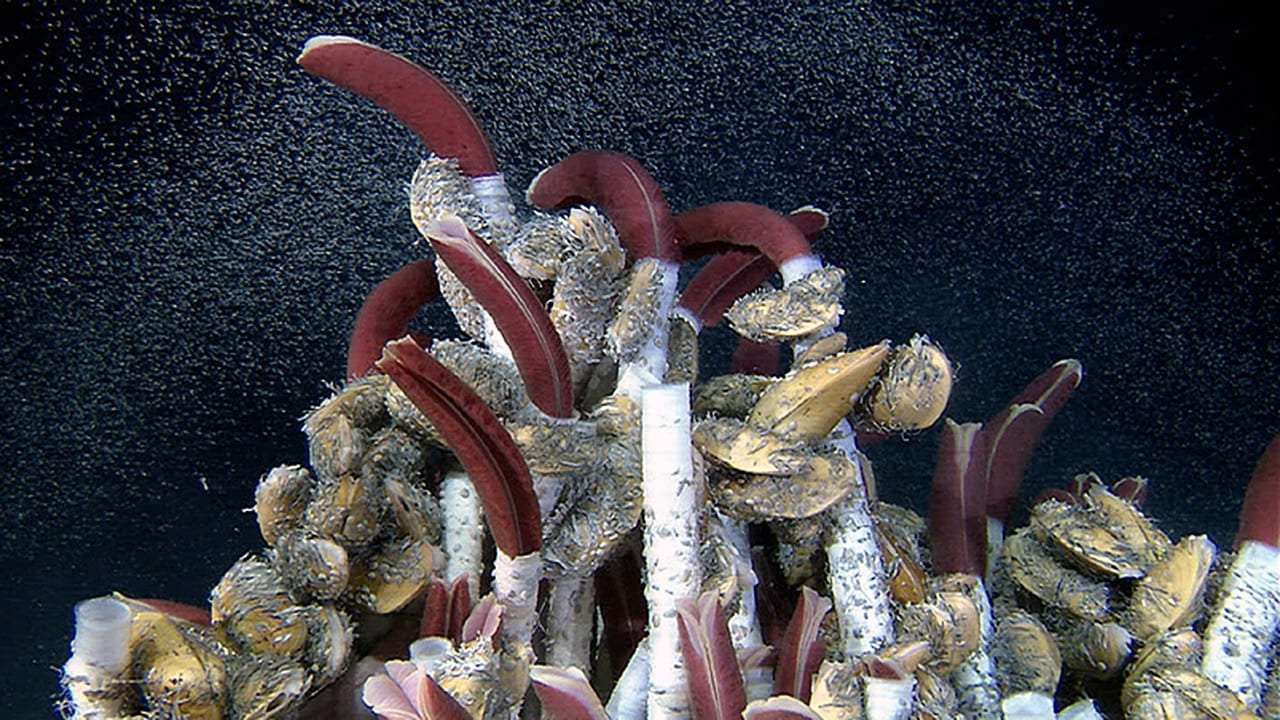
Hydrothermal vents and cold seeps are places where chemical-rich fluids emanate from the seafloor, often providing the energy to sustain lush communities of life in some very harsh environments.
Read MoreMarine Microbes
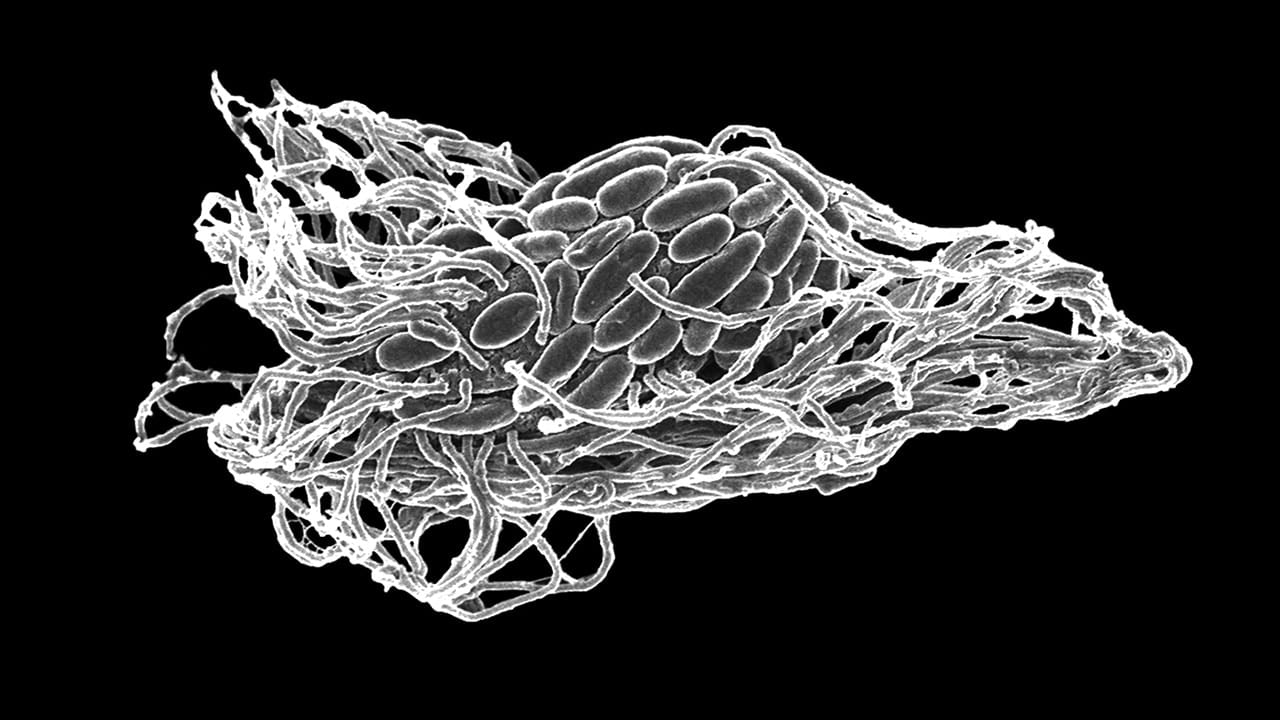
Microbial life can be found throughout the ocean, from rocks and sediments beneath the seafloor, across the vast stretches of open water, to intertidal and surf zones.
Read MoreCorals
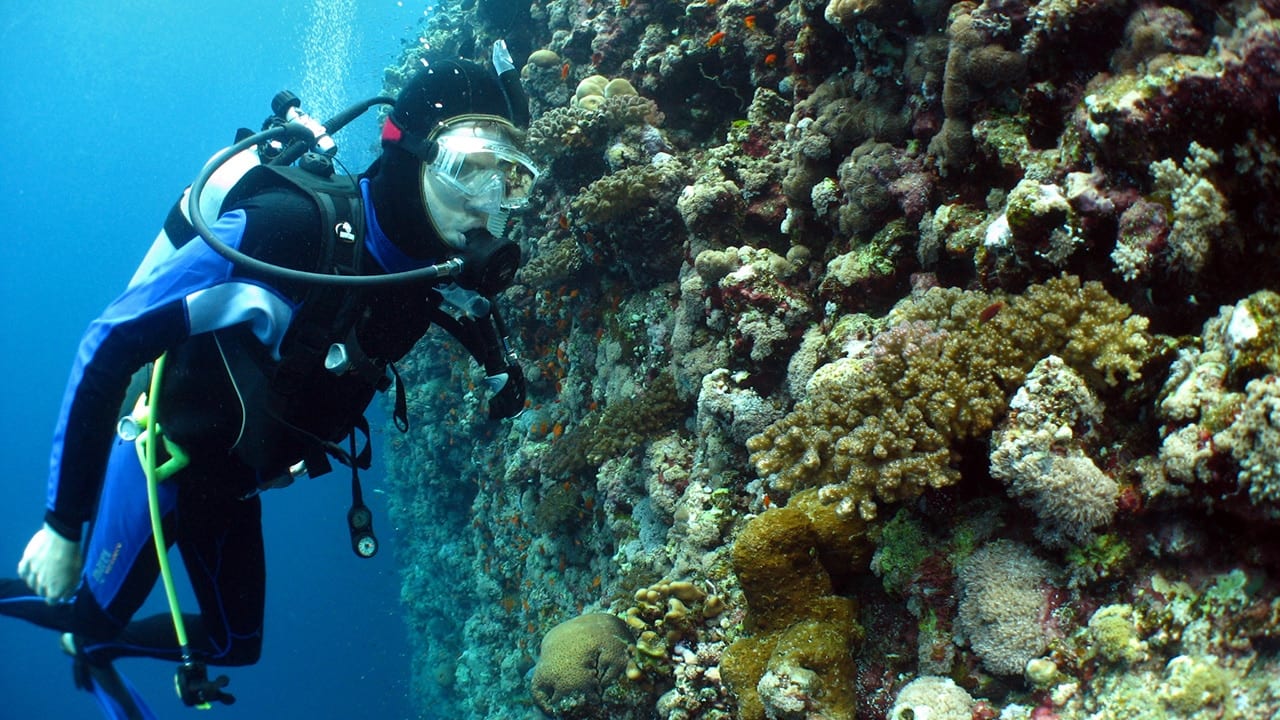
Many people think of coral as hard, rock-like formations that attract abundant, diverse marine life. In fact, corals are tiny marine animals called polyps that live together in colonies.
Read MoreJellyfish & Other Zooplankton
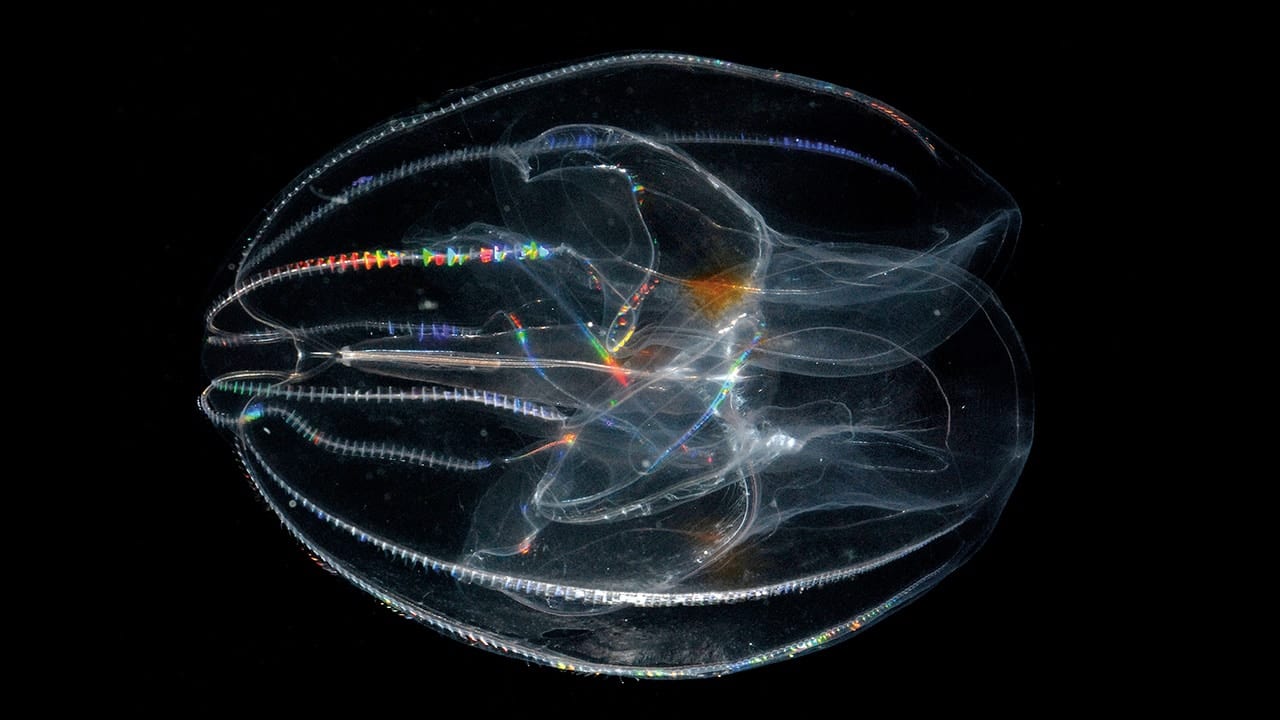
These animals live all or part of their life suspended and drifting in fresh or salt water, rarely come in contact with hard surfaces.
Read MoreOcean Circulation
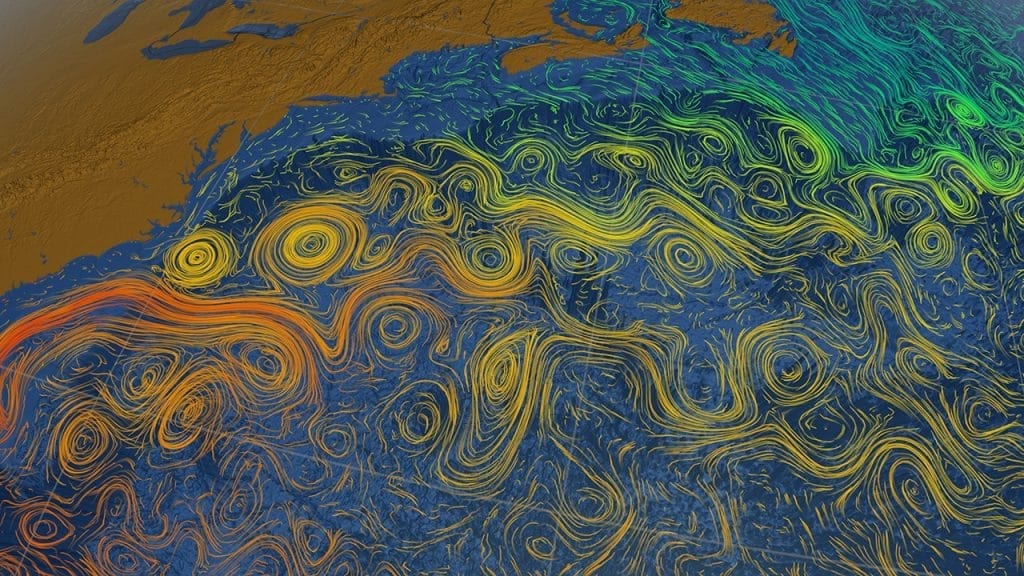
Ocean currents and water properties play large roles in Earth’s climate and ecosystems.
Read MoreCurrents, Gyres, & Eddies
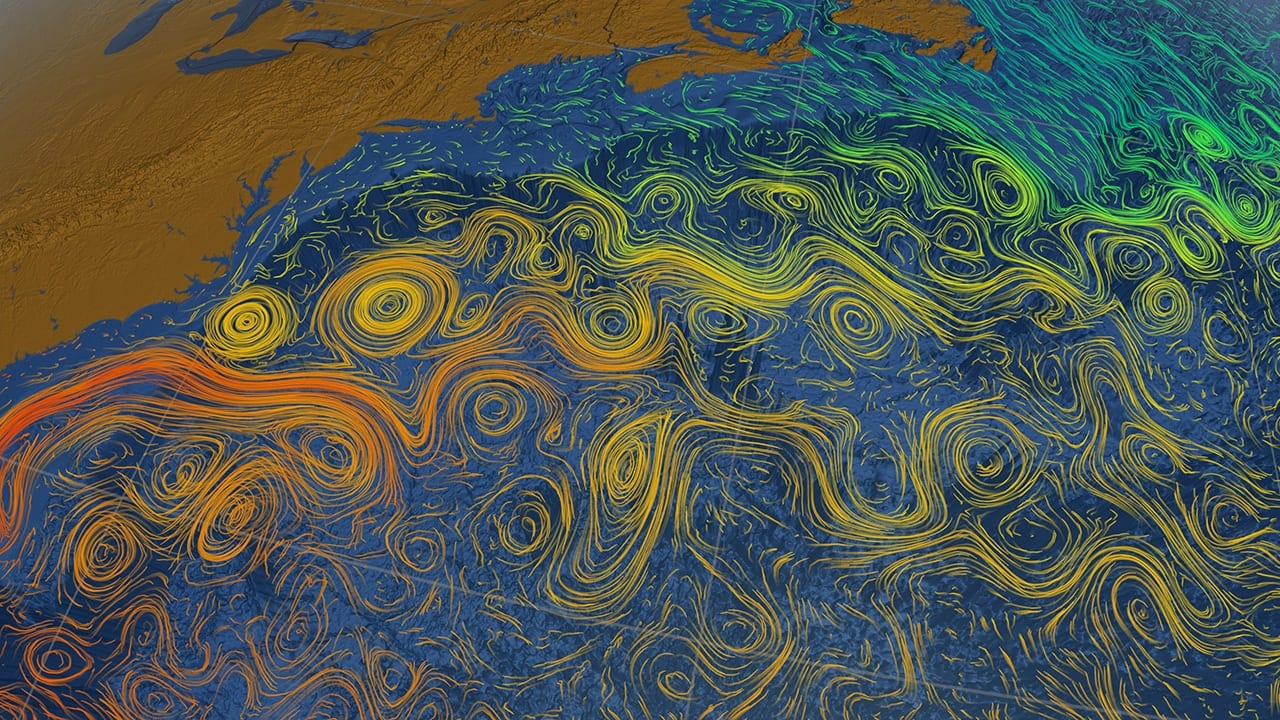
At the surface and beneath, currents, gyres and eddies physically shape the coasts and ocean bottom.
Read MoreOcean Acidification
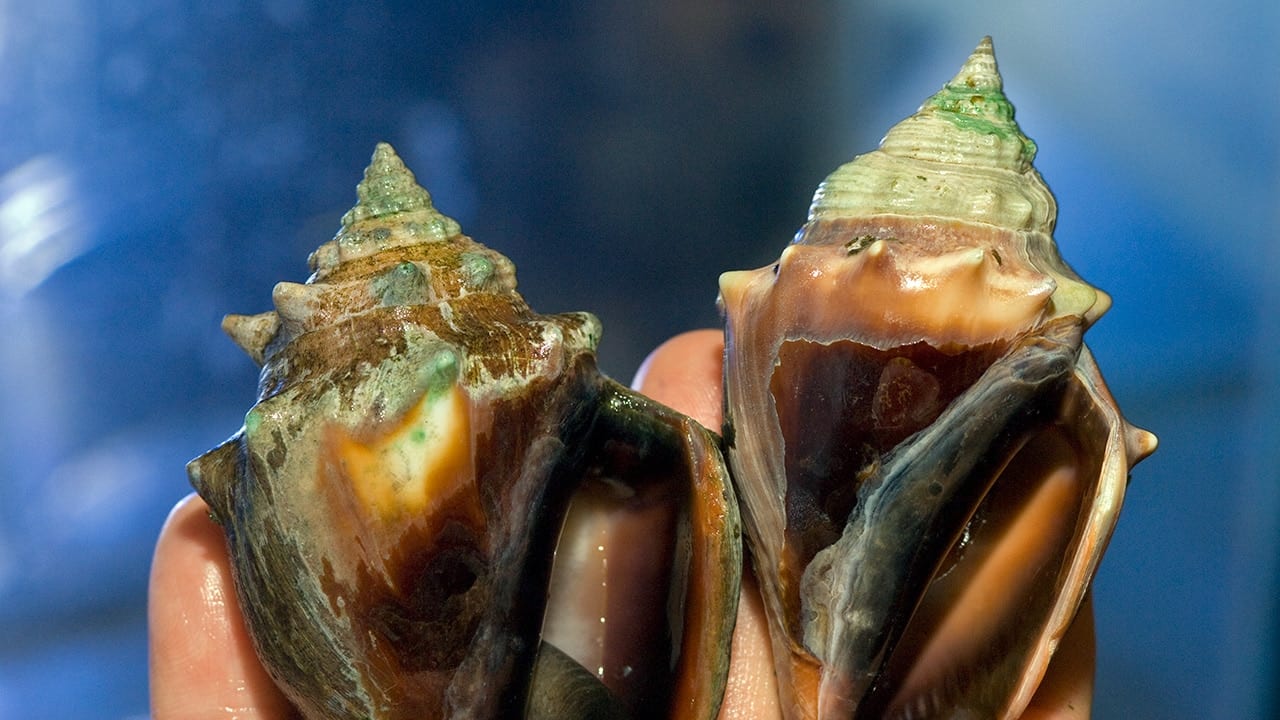
Ocean acidification is a reduction in the pH of the ocean over an extended period of time, caused primarily by an increase of carbon dioxide from the atmosphere.
Read MoreOcean Chemistry

The understanding of chemistry in the ocean is critical because changes can influence marine life, and in turn, human life.
Read MoreBiogeochemistry
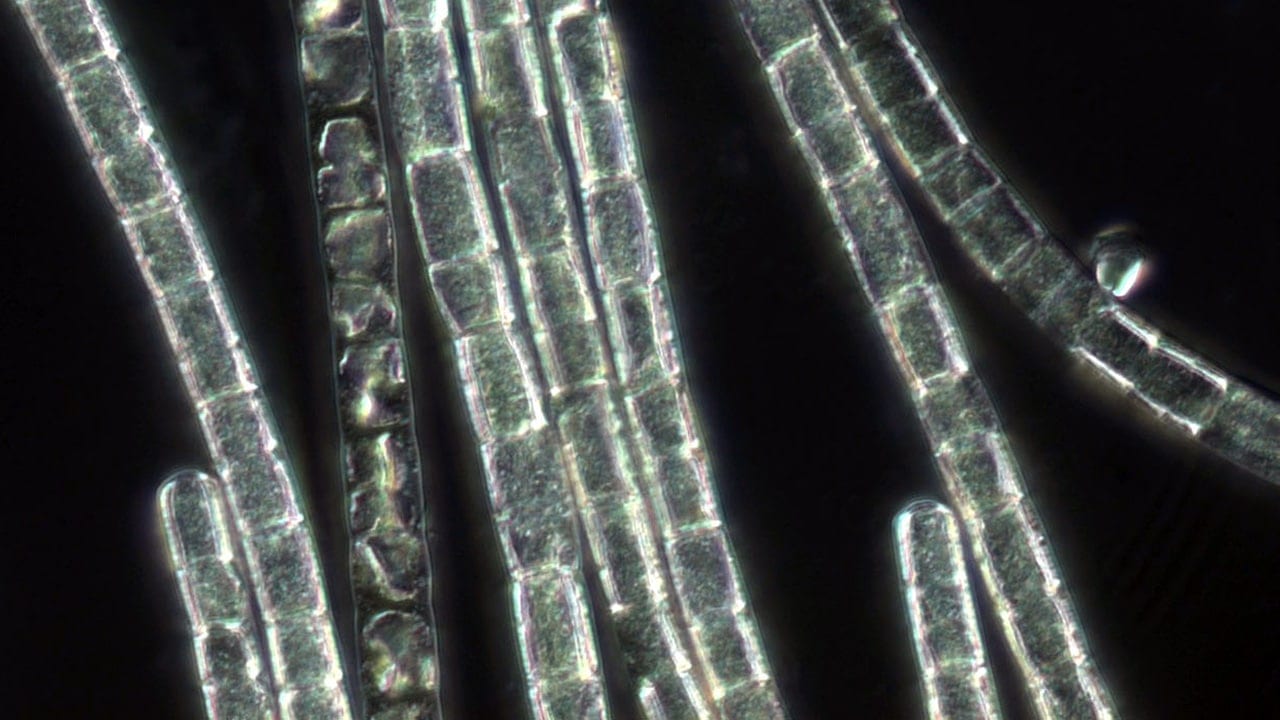
Biogeochemistry studies the cycles of crucial elements, such as carbon and nitrogen, and their interactions with other substances and organisms as they move through Earth's atmosphere, hydrosphere, biosphere, and lithosphere.
Read MoreCarbon Cycle
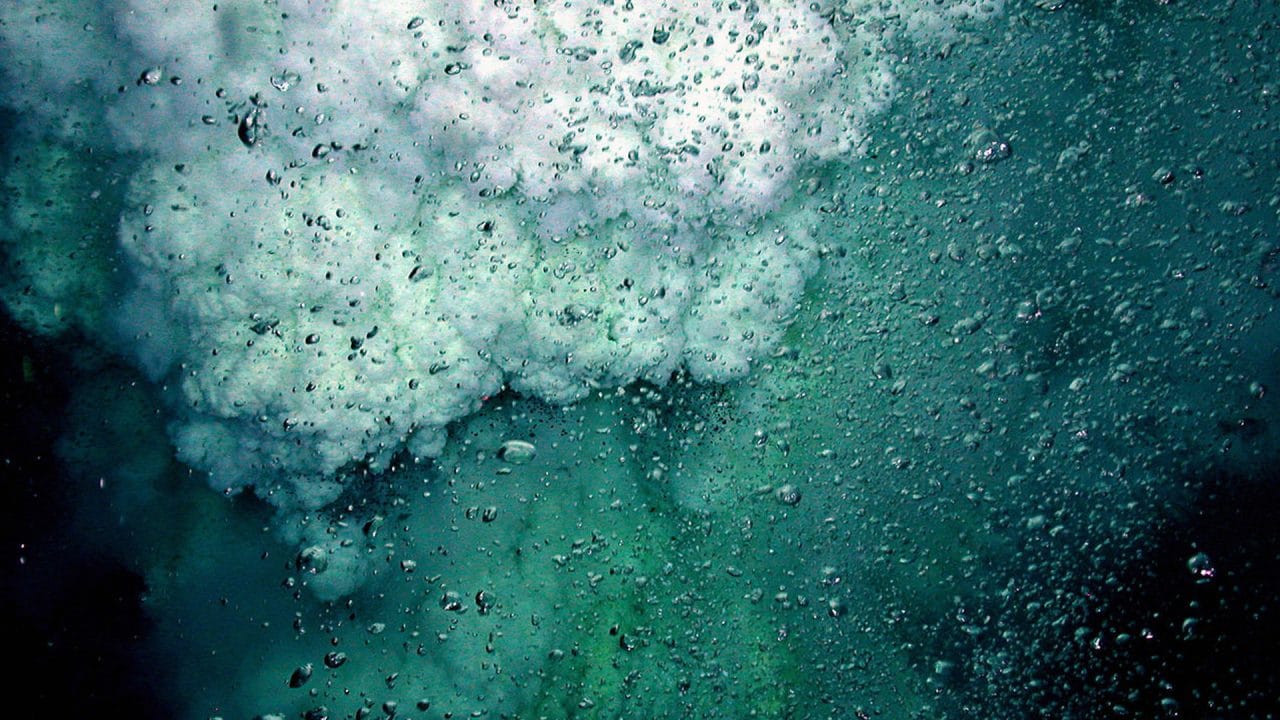
Carbon is the building block of life on Earth and has a powerful impact on the planet’s climate.
Read MoreHarmful Algae & Red Tides
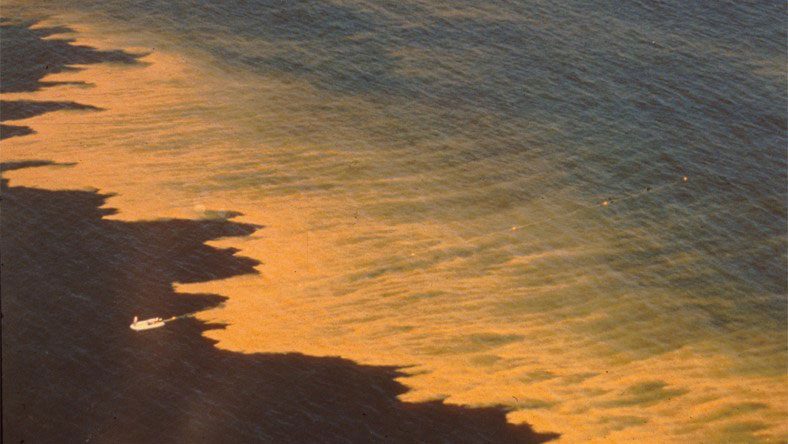
Tiny plants pose a potent threat to those who live in and eat from the sea.
Read MoreTsunamis

A tsunami is a massive, fast-moving wave created by an underwater earthquake or landslide. Displaced ocean water creates waves with speeds of up to 500 miles per hour.
Read MoreUnderwater Volcanoes
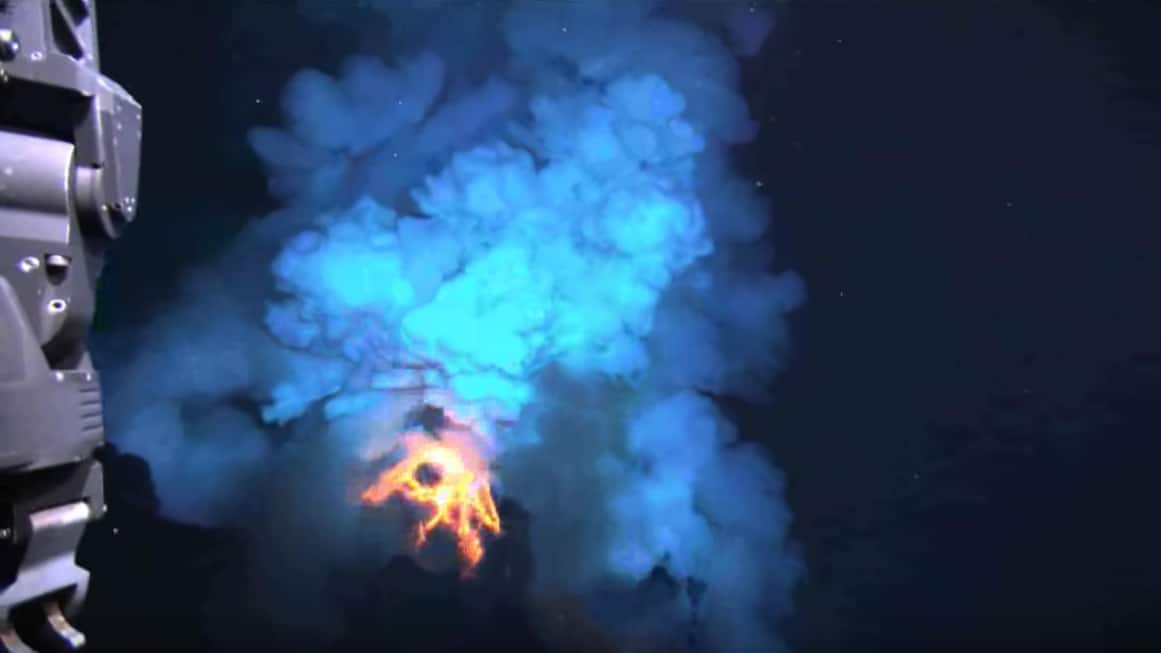
These eruptions of molten rock and ash can be destructive to human settlements, but vitally creative for the rest of the planet.
Read MoreHurricanes
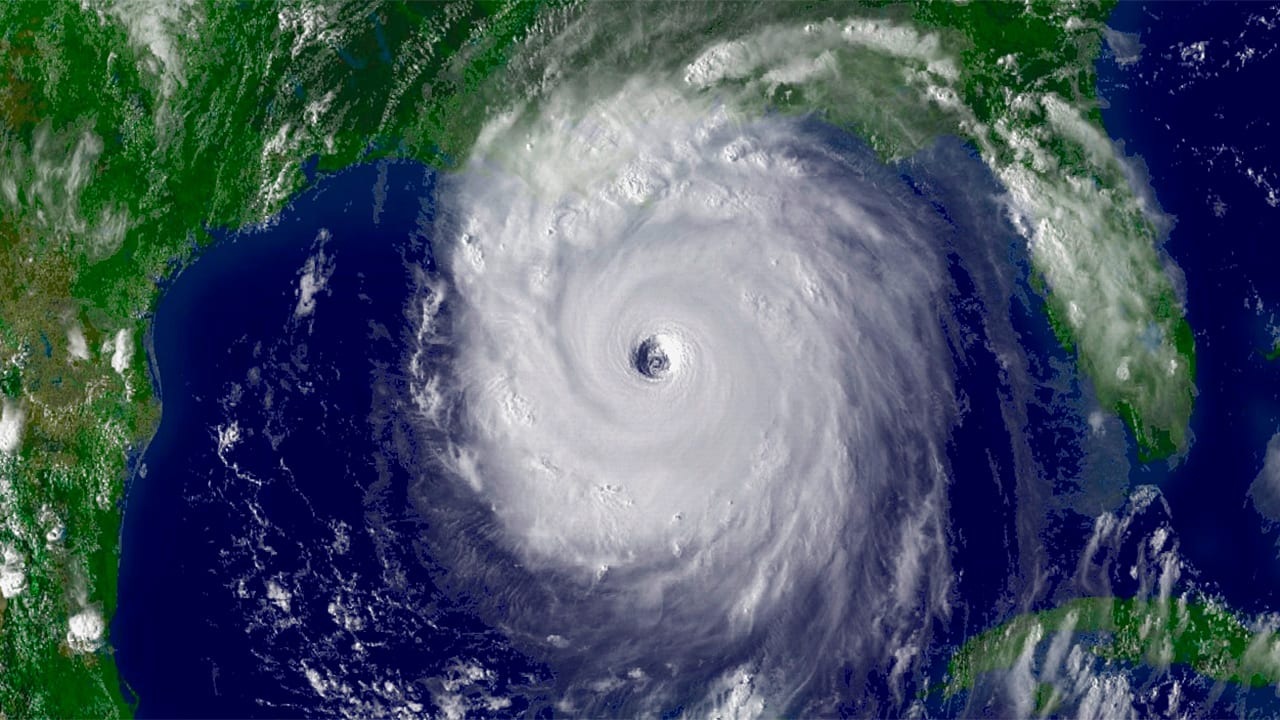
Hurricanes are large rotating tropical storms with winds in excess of 119 kilometers per hour. They usually form in the Atlantic Ocean but can develop in other oceans as well.
Read MoreChanging Shorelines & Erosion
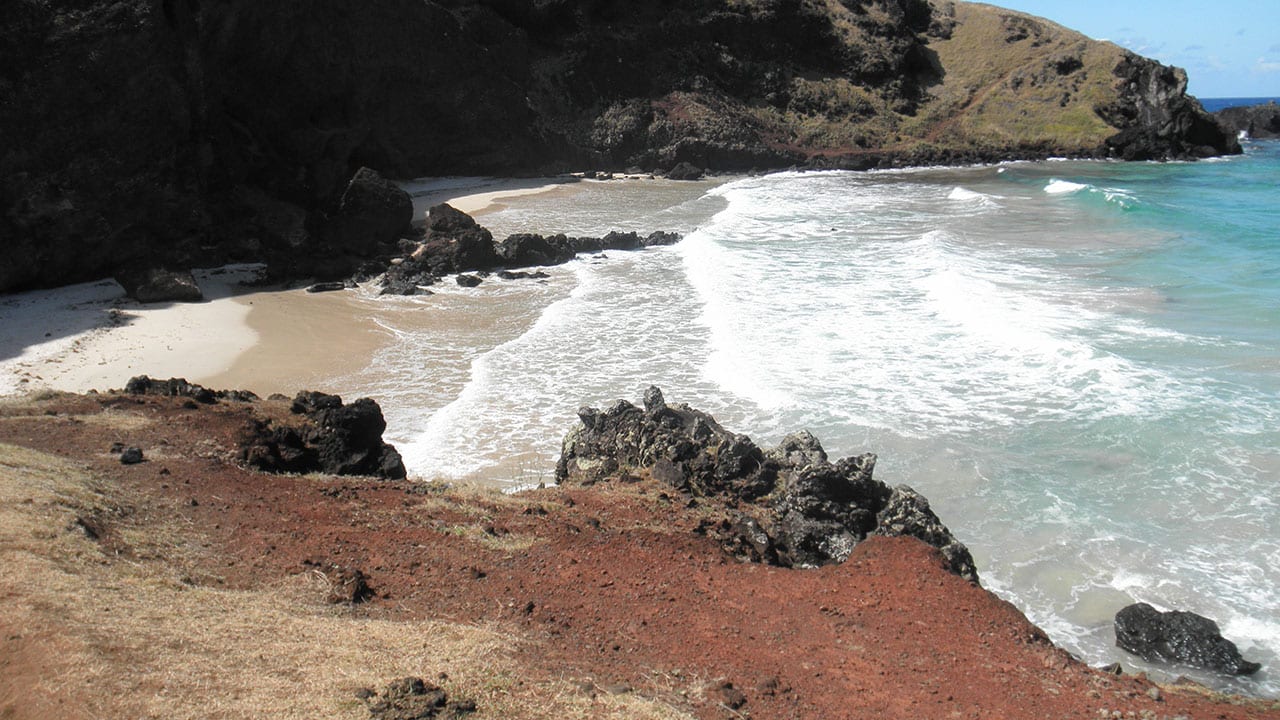
Waves, currents, wind, storms, and tides form complex interactions over time to cause erosion along some stretches of shoreline and growth in others.
Read MoreCoastal Ecosystems
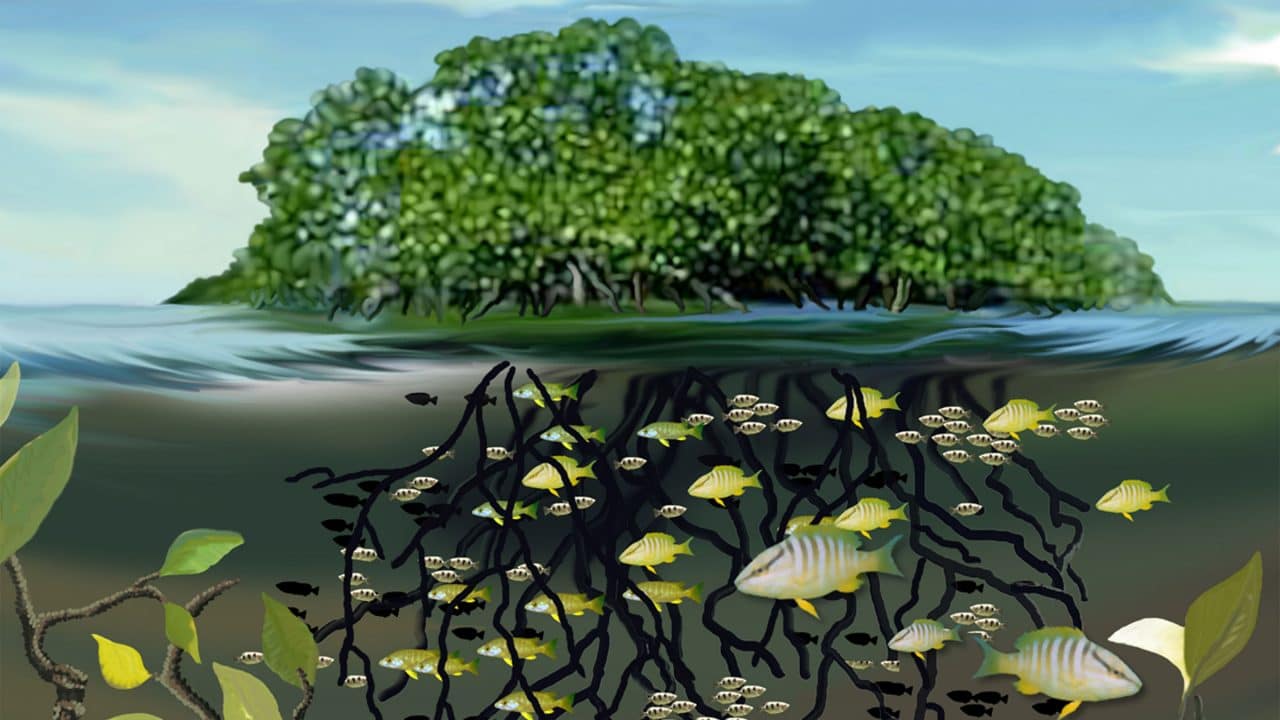
The narrow region where land and ocean meet includes salt marshes, mangroves, wetlands, estuaries, reefs, and bays often linked in a network of physical, chemical, and biological interchanges.
Read MoreCoastal Science
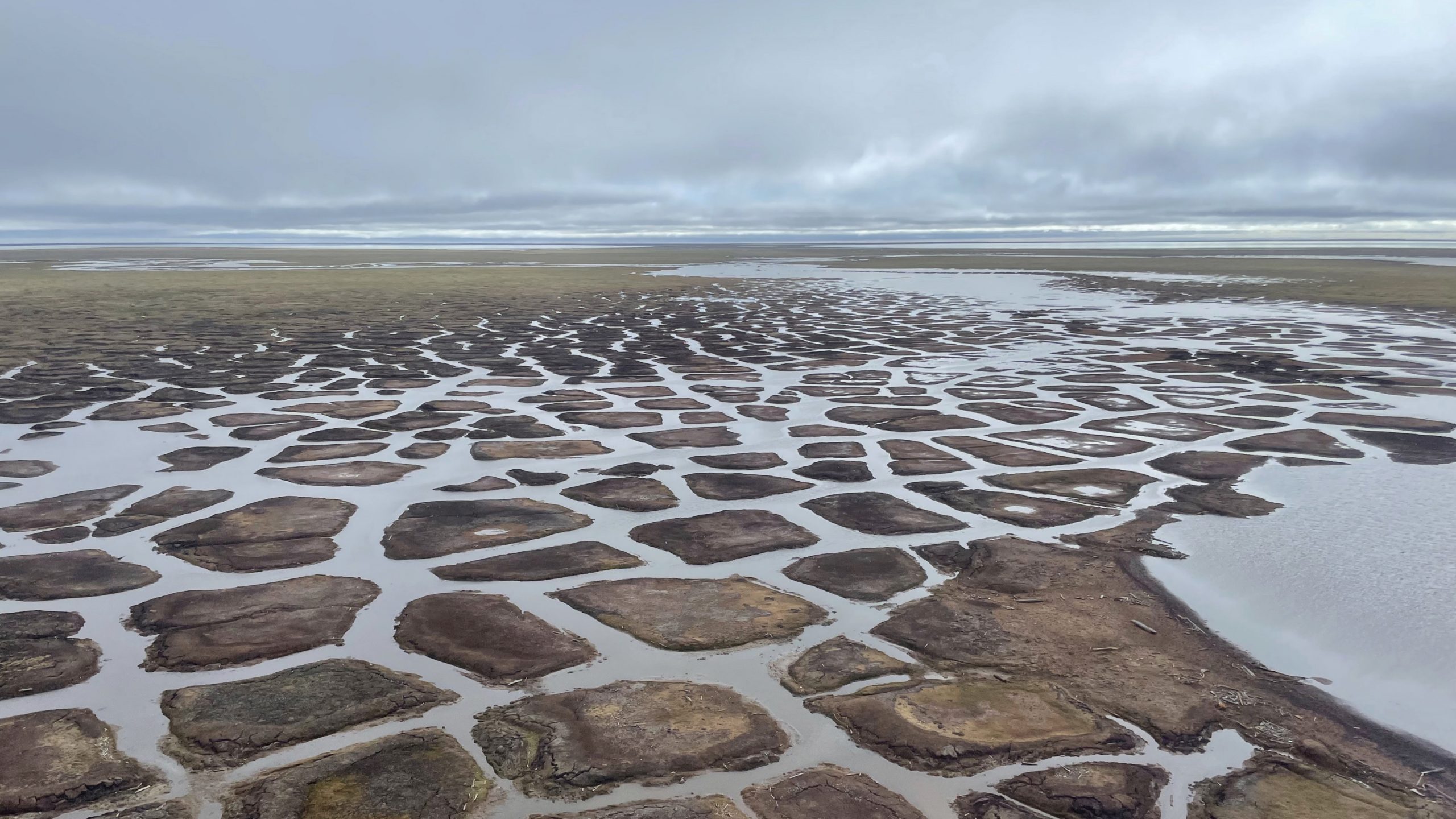
Although the oceans cover most of Earth, the tiny sliver of the coastal ocean greatly influences, and is most influenced by, human activity.
Read More