
Oceanography
How does the ocean affect storms?
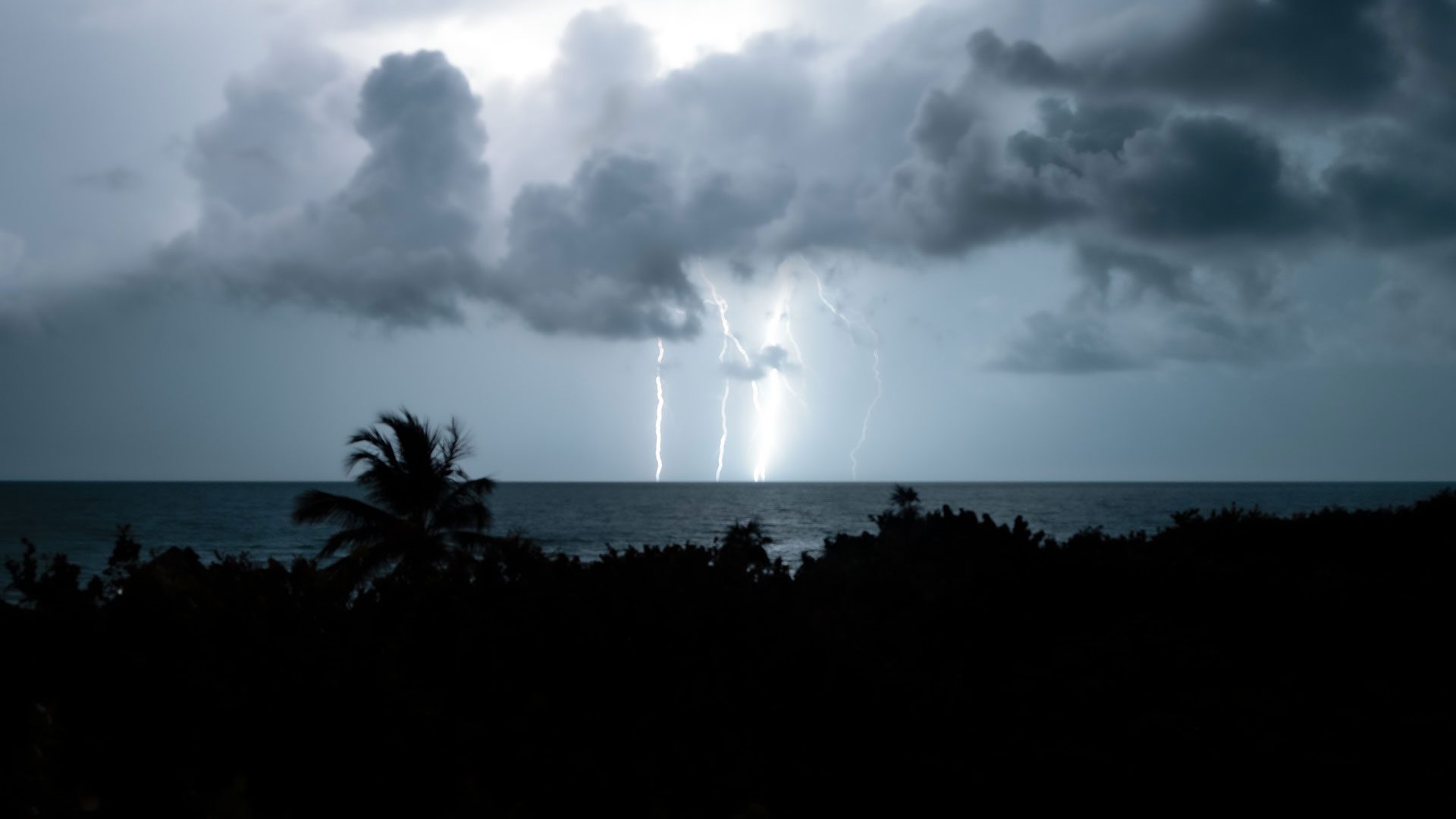
Under the right conditions, some of those storms can grow into large tropical storms. Or even monstrous hurricanes.
Read MoreAre corals plants, animals, or rocks?
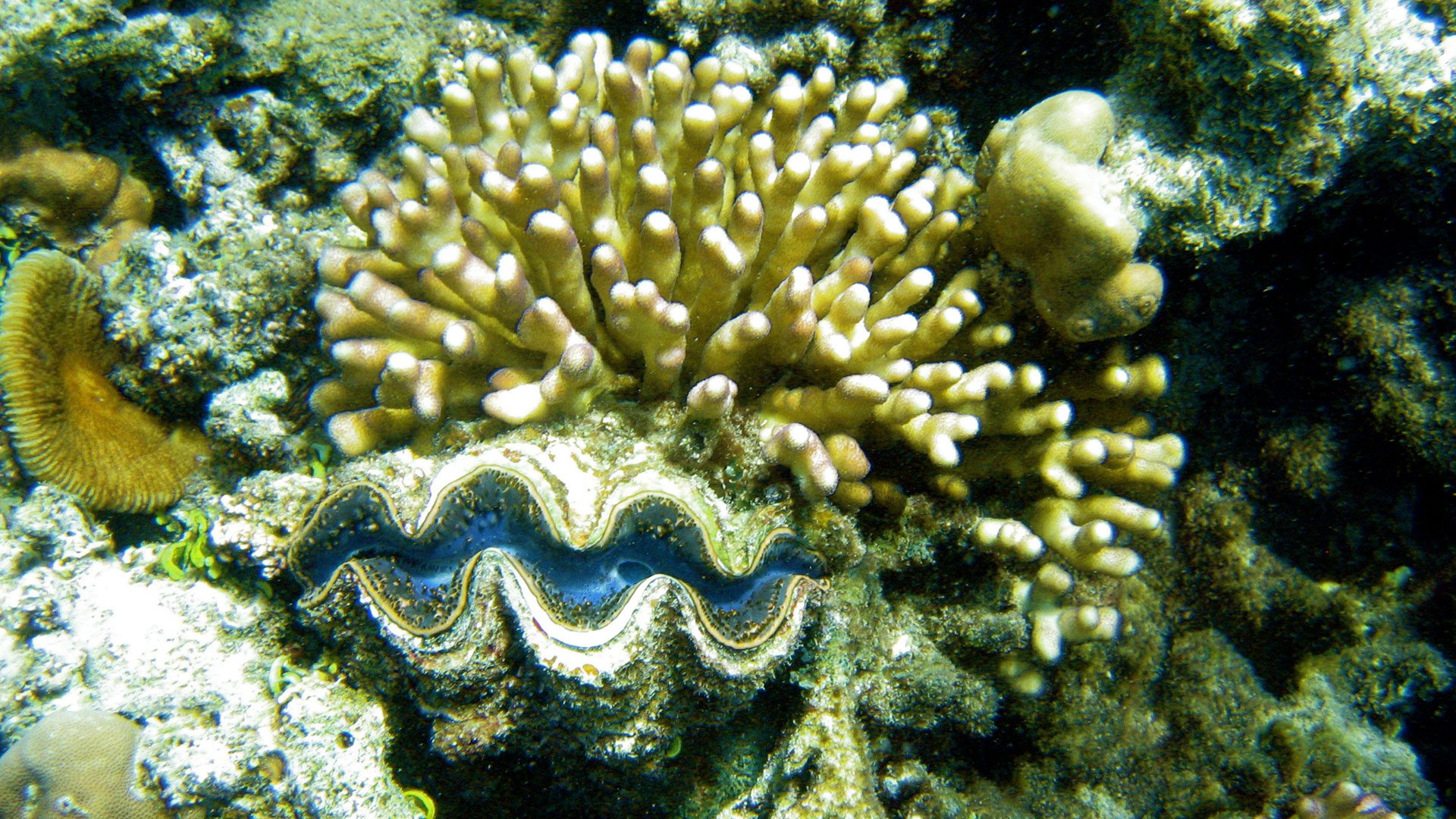
The base of a coral reef is coral, but what is coral? If you look at a piece of coral that washed up on shore, it’s solid and tough with rough edges and little pits.
Read MoreEmperor Penguins
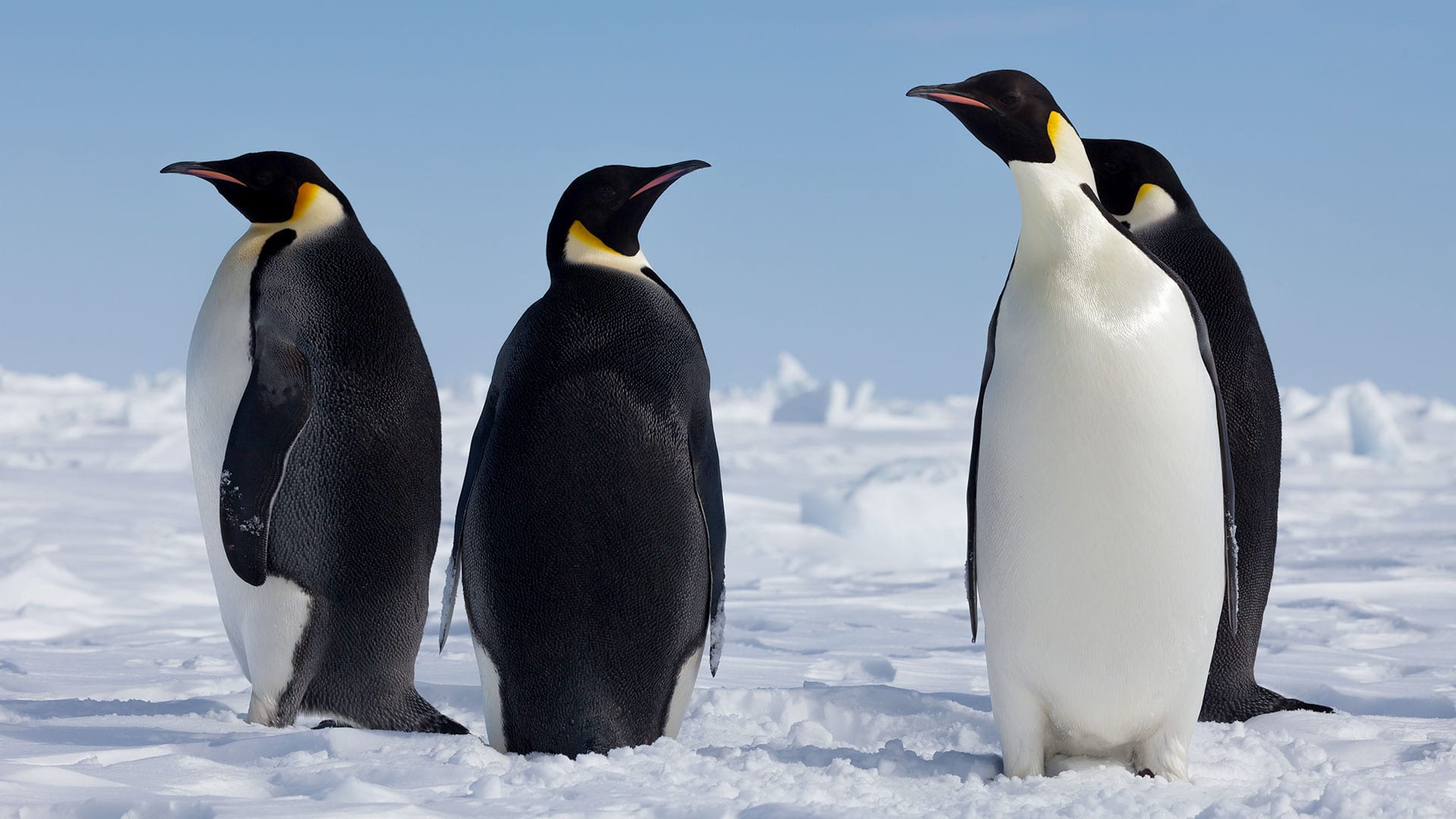
The emperor penguin is the largest living penguin species standing around 115 centimeters tall. Once they have found a partner, they work together to keep their young fed and safe.
Read MoreOcean Warming
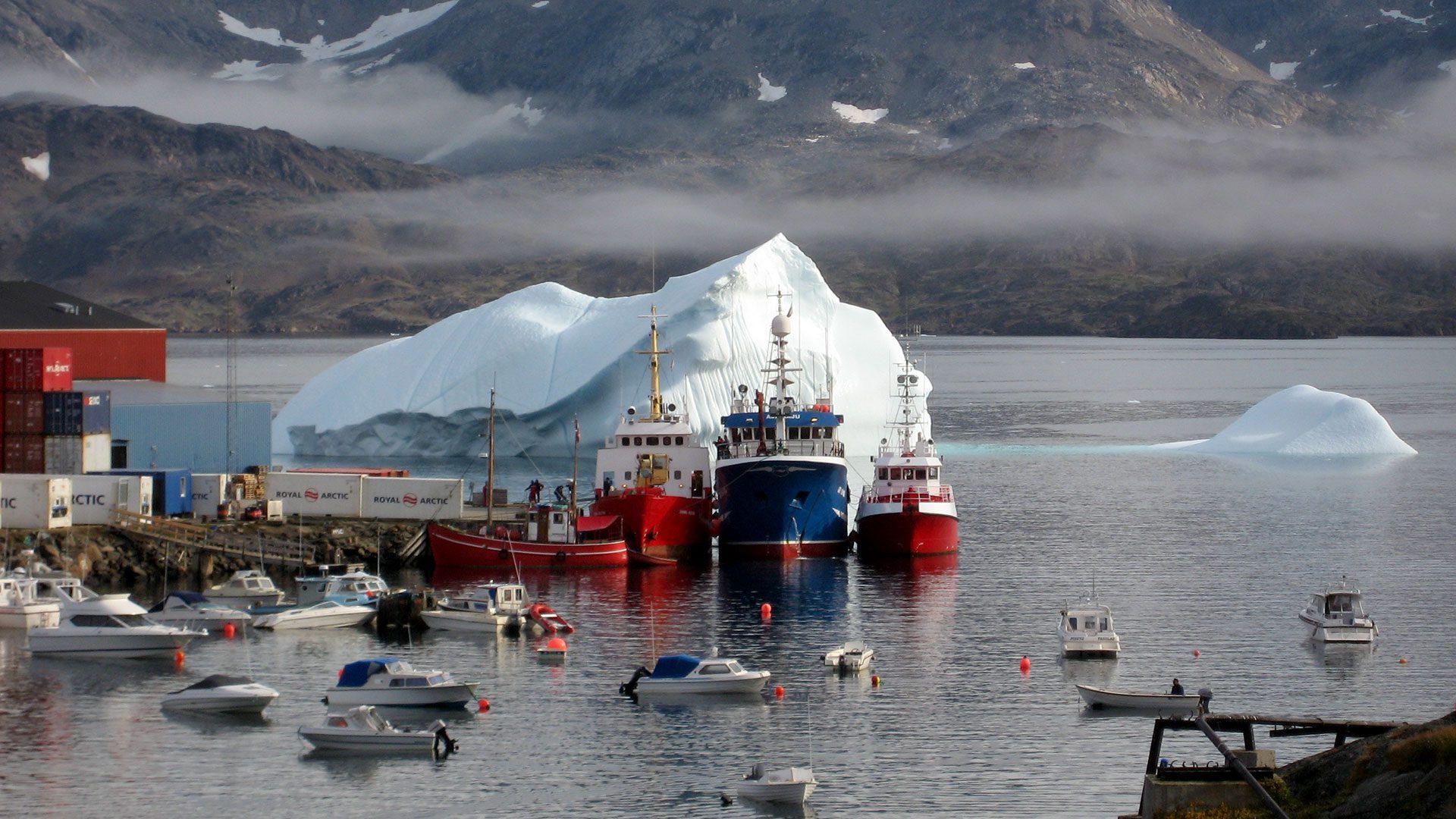
Increasing ocean heat is closely linked to increases in atmospheric greenhouse gas concentrations, making the ocean an excellent indicator of how much Earth is warming.
Read MoreCoastal Restoration & Blue Carbon
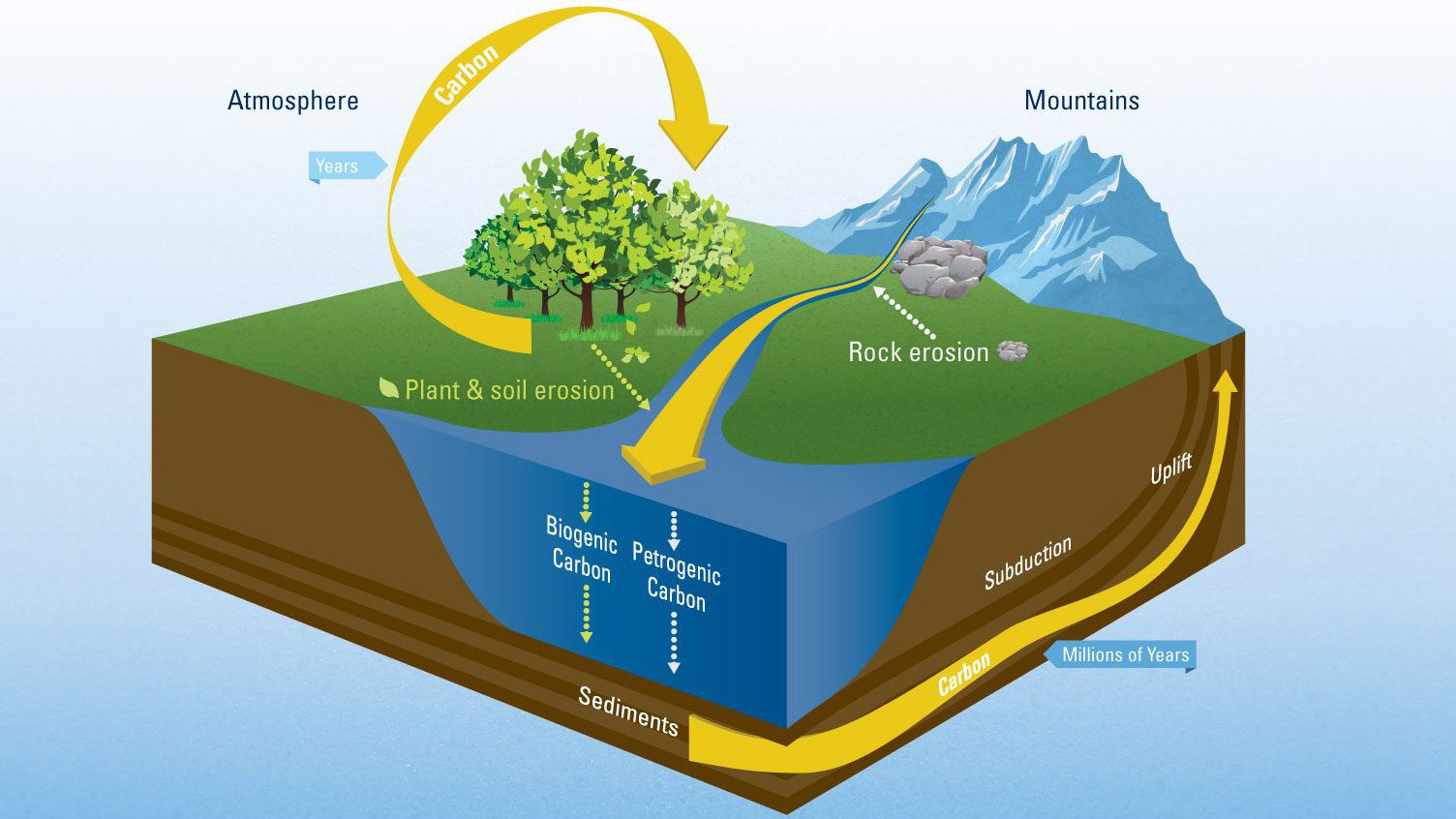
Blue carbon refers to atmospheric carbon captured and stored by the ocean, which mitigates the effects of climate change by storing carbon for long periods of time.
Read MoreWhy do corals bleach?
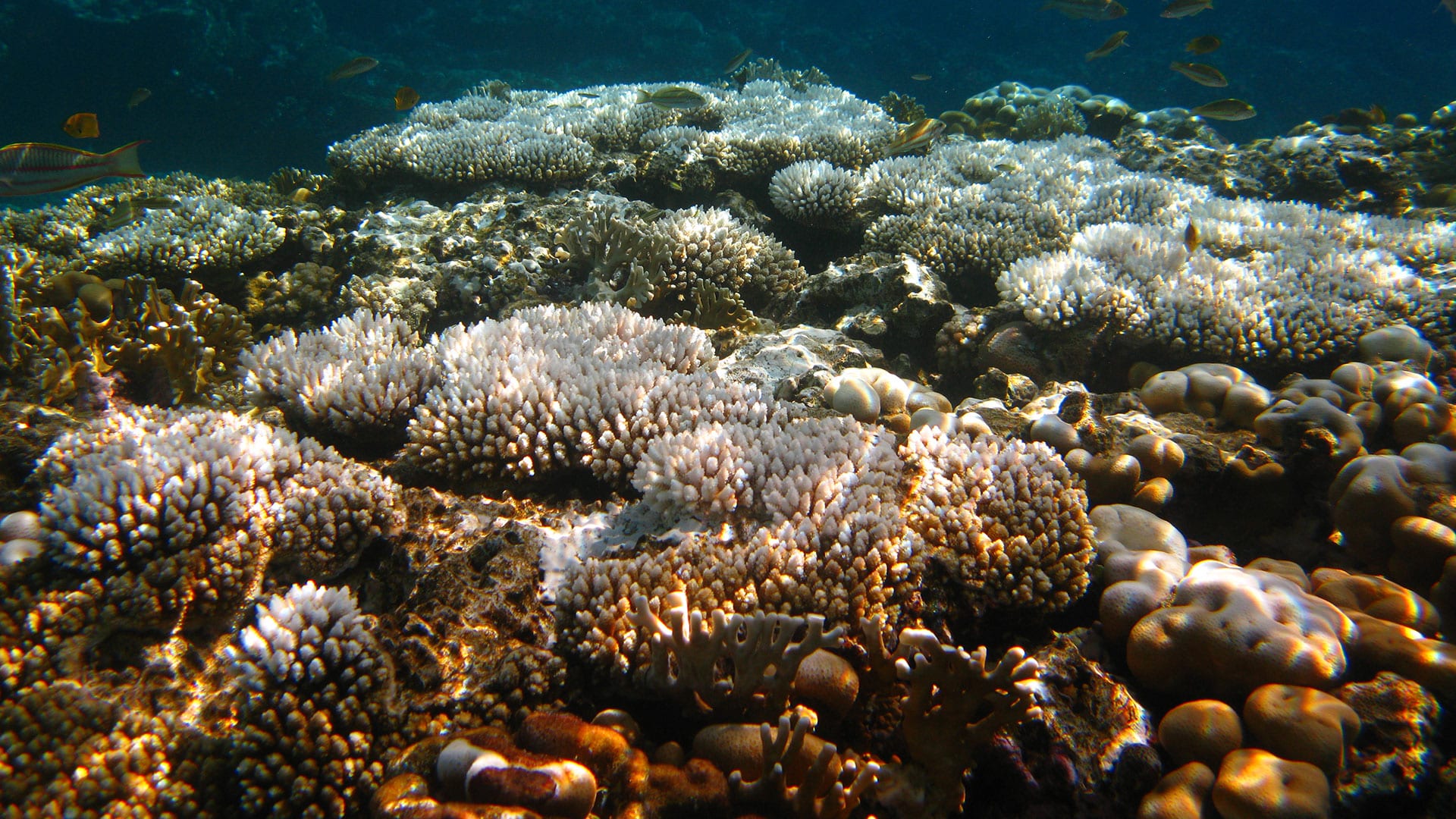
Corals have a symbiotic relationship with algae. The algae gives corals their color and provides them with food. In return, corals provide the algae with a place to live.
Read MoreWhat’s the difference between climate and weather?
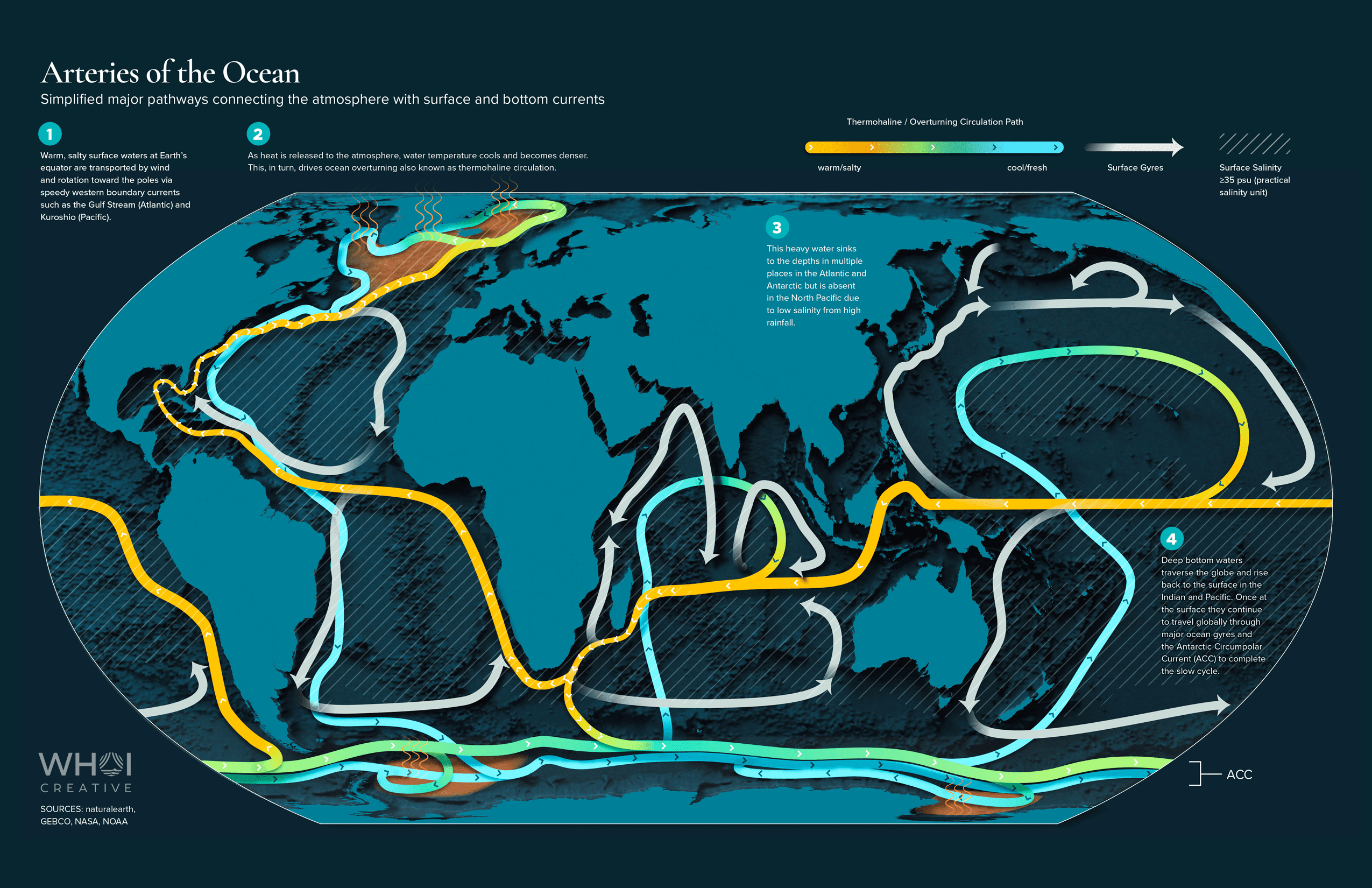
We often hear about the weather. We also hear about climate. The two terms are related. But they are not the same thing. What’s the difference?
Read MoreWhy is pressure different in the ocean?
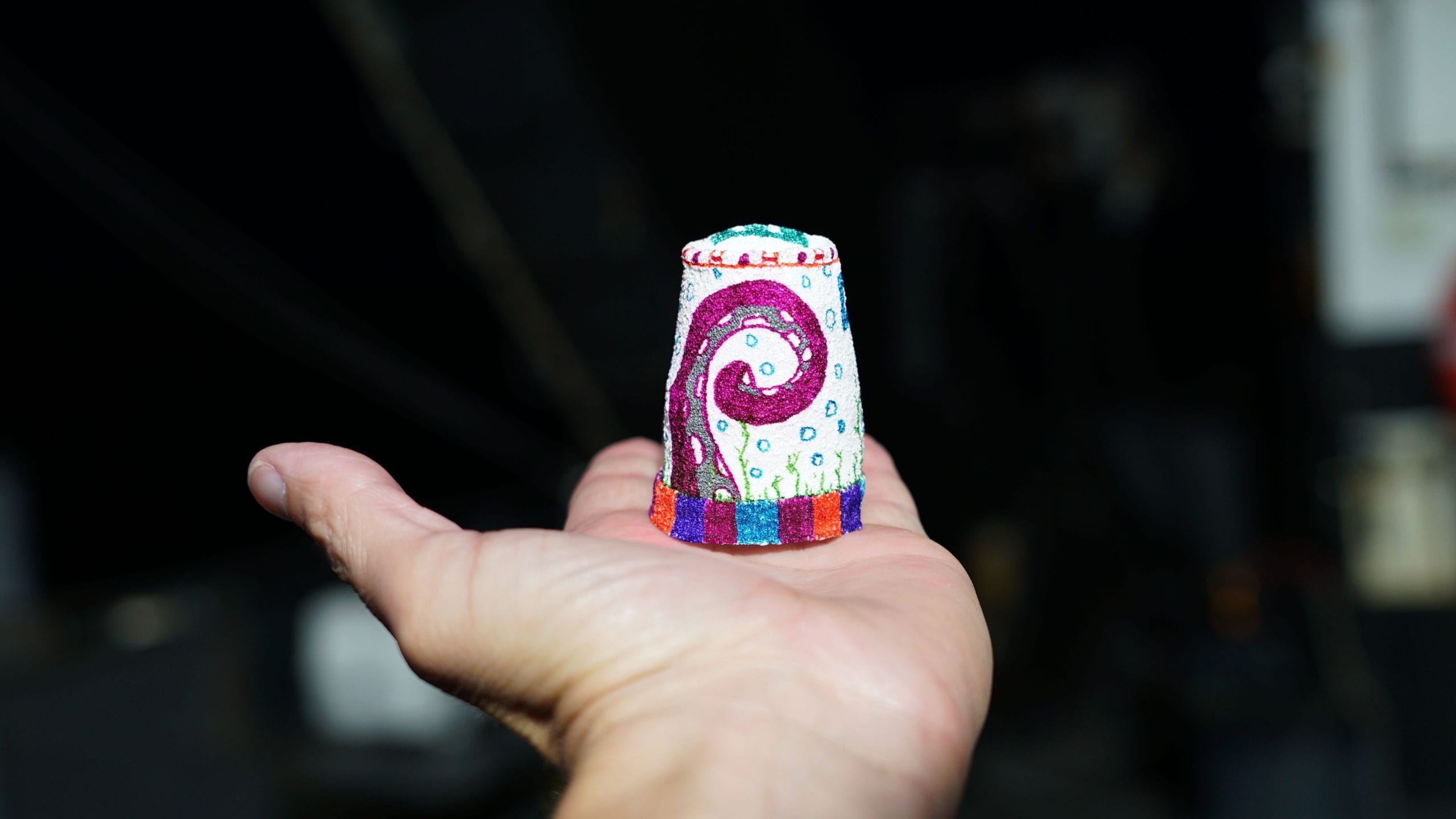
As anyone who has tried diving to the bottom of a deep pool knows, all that water gets heavy—fast. Extreme pressure is one reason why the ocean floor is still largely unexplored.
Read MoreWhat causes ocean waves?
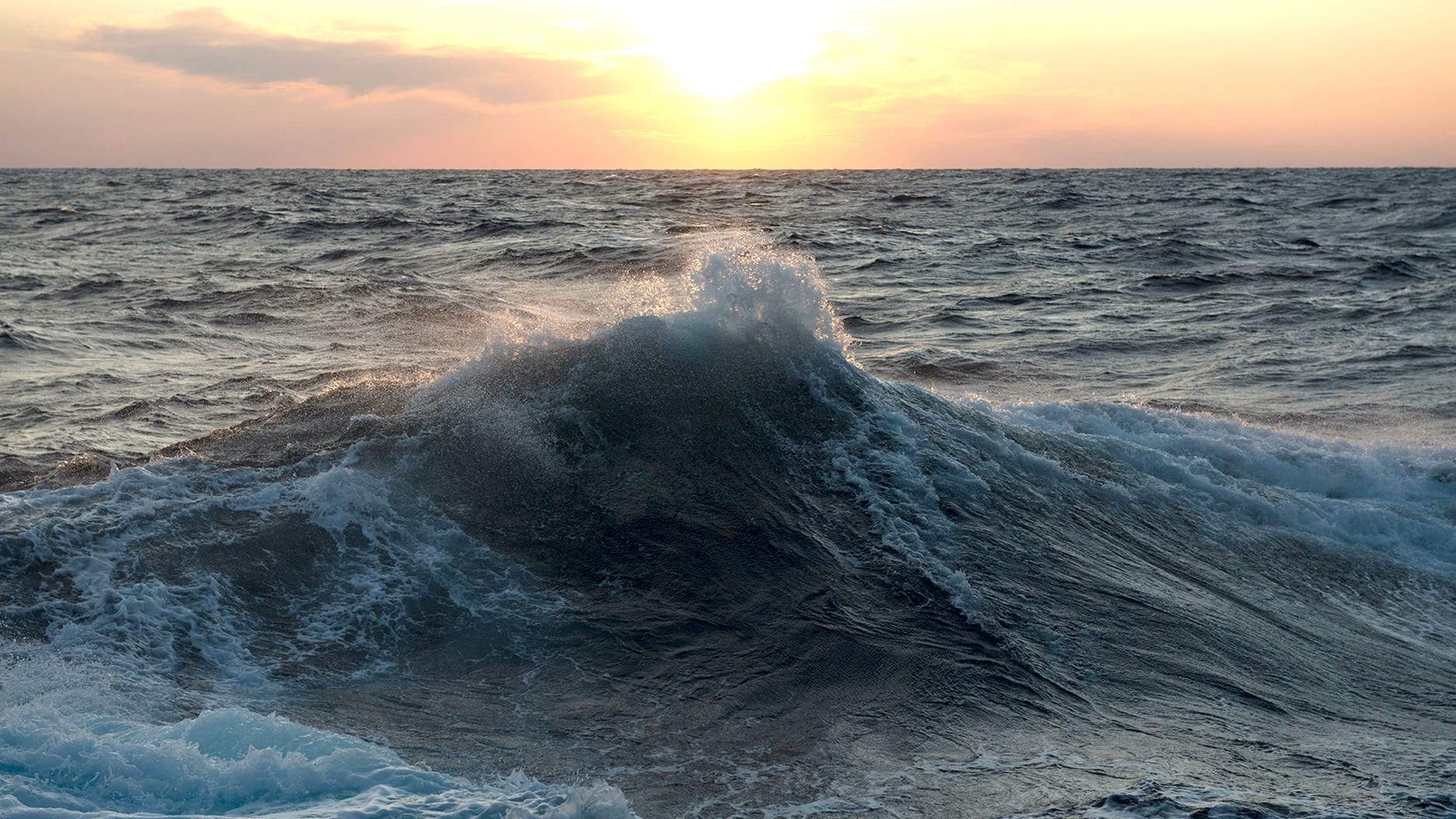
A trip to the ocean means sun, wind, and waves. Surfers ride them. Children play in them. Swimmers dive beneath them. But what causes waves?
Read MoreDoes the ocean produce oxygen?
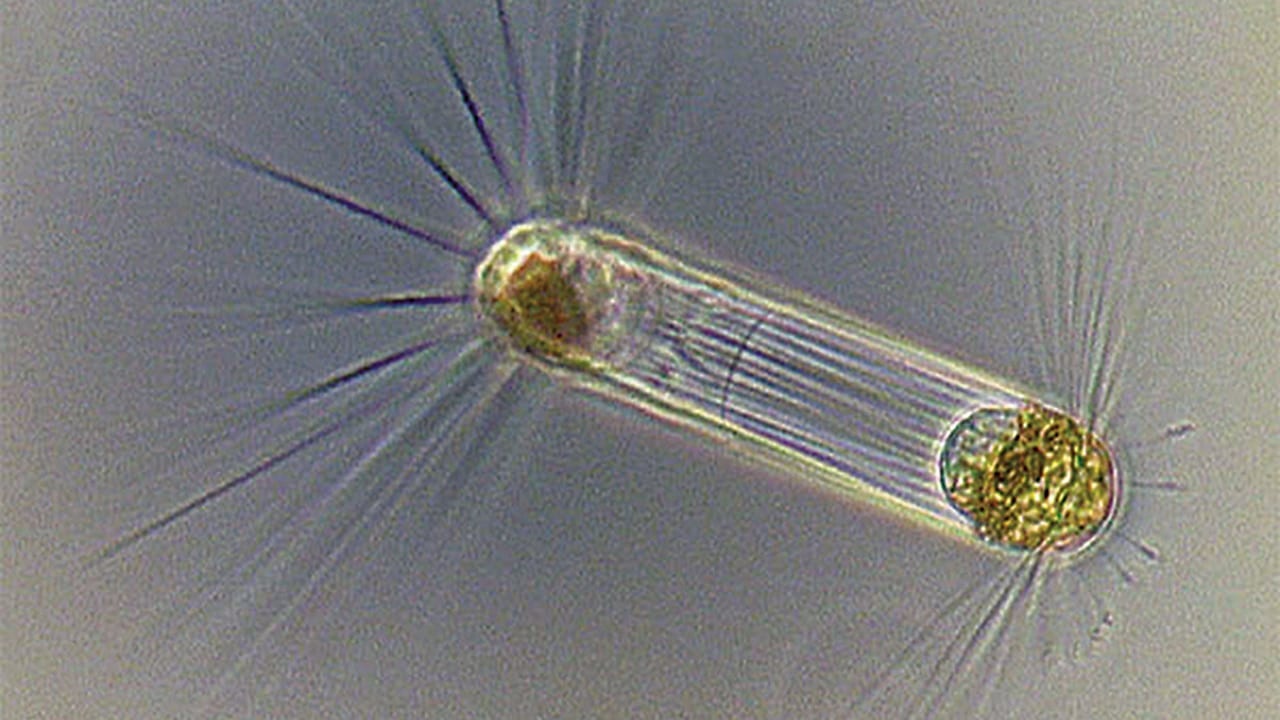
It’s easy to think of the world’s forests as the planet’s “lungs.” Trees pump out oxygen—the same stuff we breathe in. But does all our breathable air come from just land?
Read MoreWhy is the ocean blue?
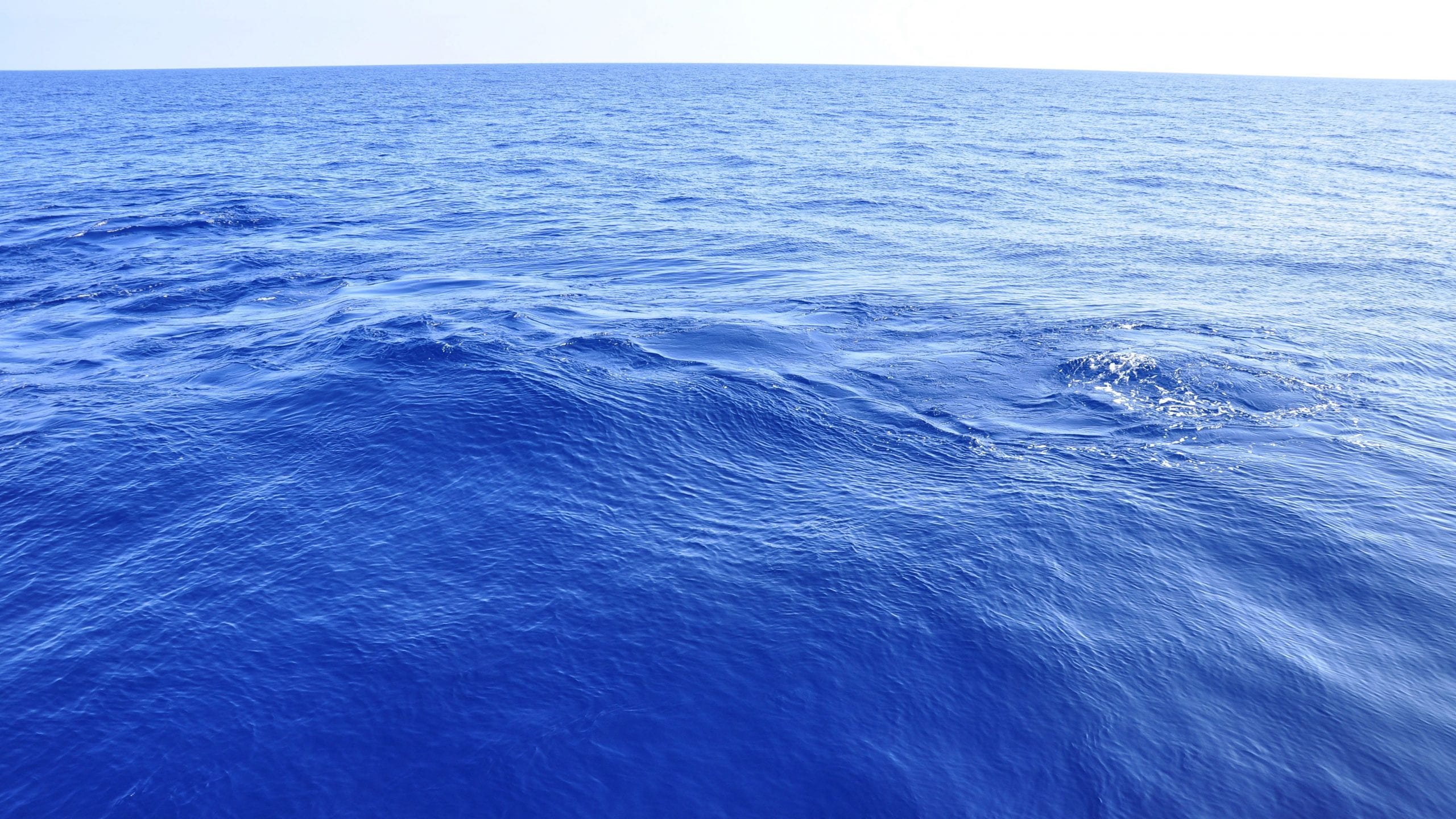
One idea is that it reflects the sky. But if we sink below the surface, the blue color remains. Here, the water isn’t reflecting the sky. So why is the ocean blue?
Read MoreMercury Cycle

Mercury is converted to monomethl mercury, a neurotoxin that moves up the food chain and becomes highly concentrated in tuna, swordfish and other seafood eaten by humans.
Read MoreRight Whales
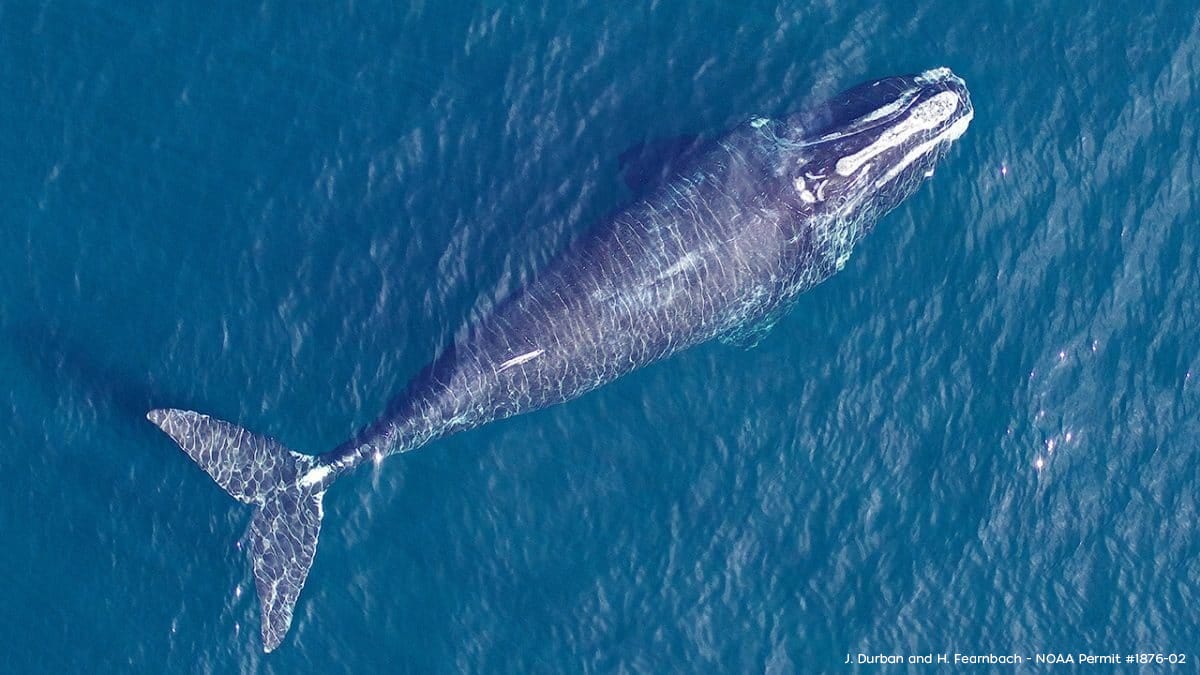
The North Atlantic right whale (Eubalaena glacialis) is one of the most endangered whales in the world—approximately 340 remain—due to entanglement and ship collisions.
Read MoreCarbon Dioxide, Shell Building, and Ocean Acidification
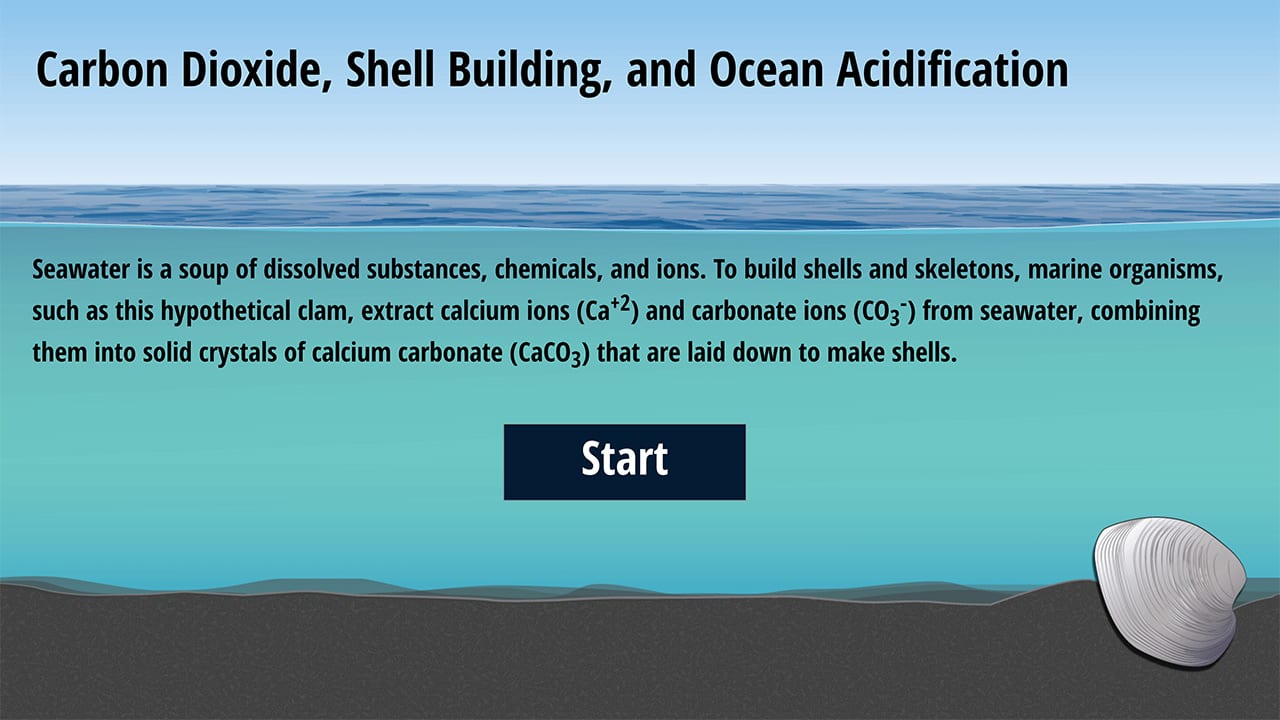
To build shells and skeletons, marine organisms extract calcium ions and carbonate ions from seawater to make shells.
Read MoreGroundwater
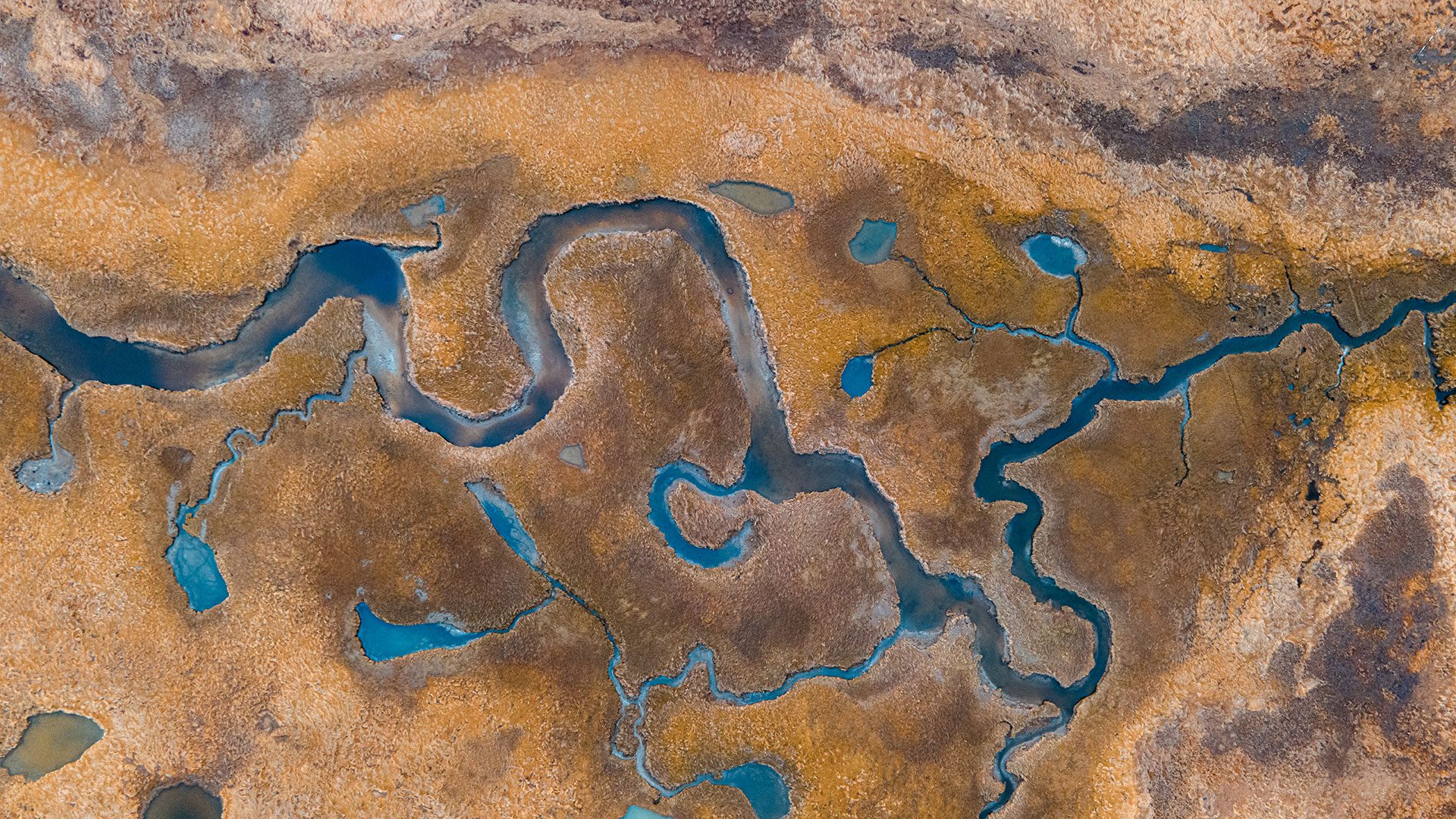
Groundwater is water that exists underground in the spaces between grains of sand or gravel or in the cracks and fractures in solid rock—part of the global water cycle.
Read MoreAir France Flight 447
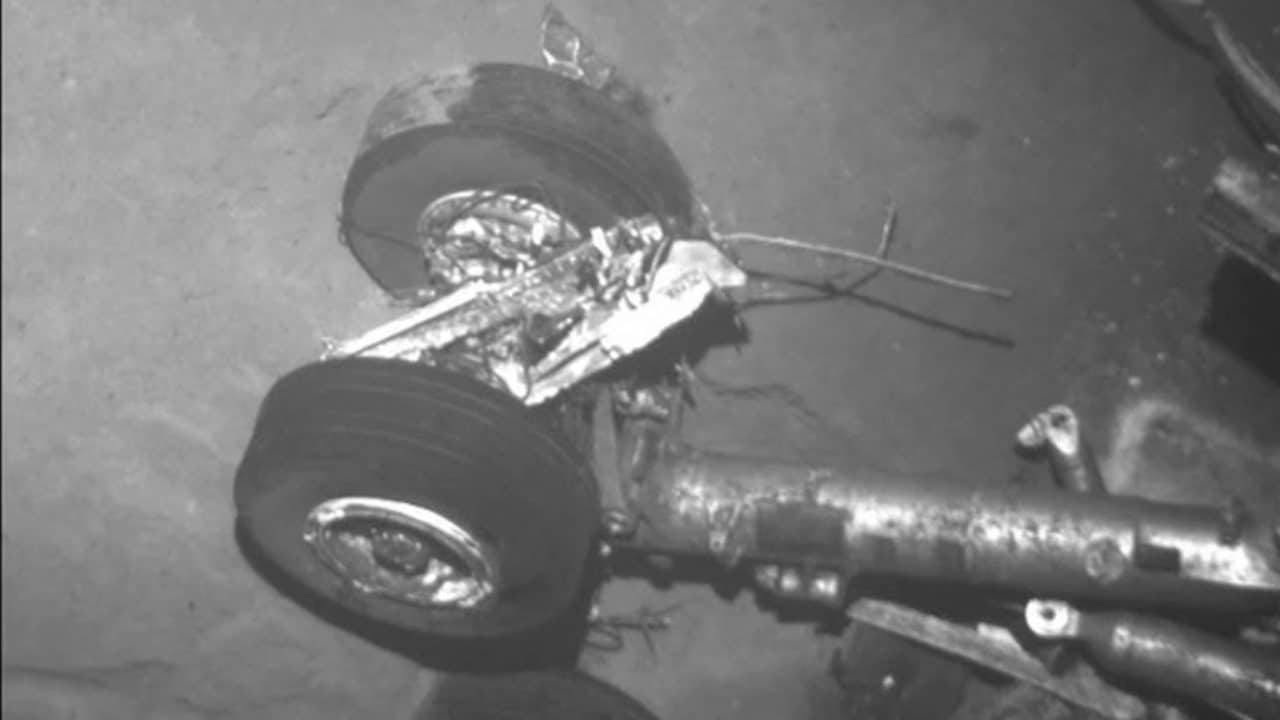
On April 4, 2011, a search team led by the Woods Hole Oceanographic Institution (WHOI) located the wreckage of the Airbus jet some 3,900 meters (nearly 2.5 miles) below the surface of the Atlantic Ocean.
Read MoreAntikythera Shipwreck
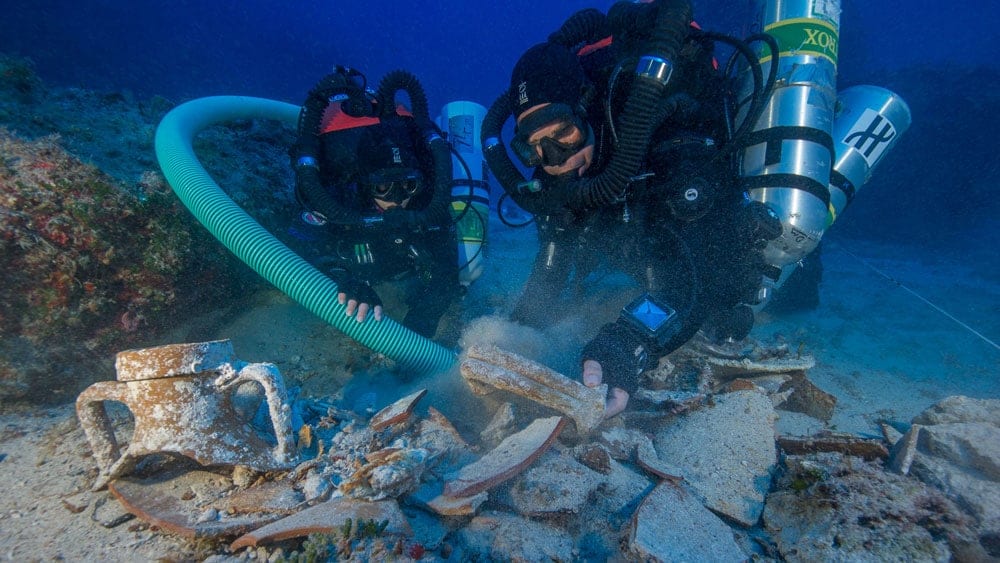
The site of the Antikythera Wreck holds the remains of a Greek trading or cargo ship dating from the First Century, BCE. It is located on the east side of the Greek island of Antikythera.
Read MoreAcoustics
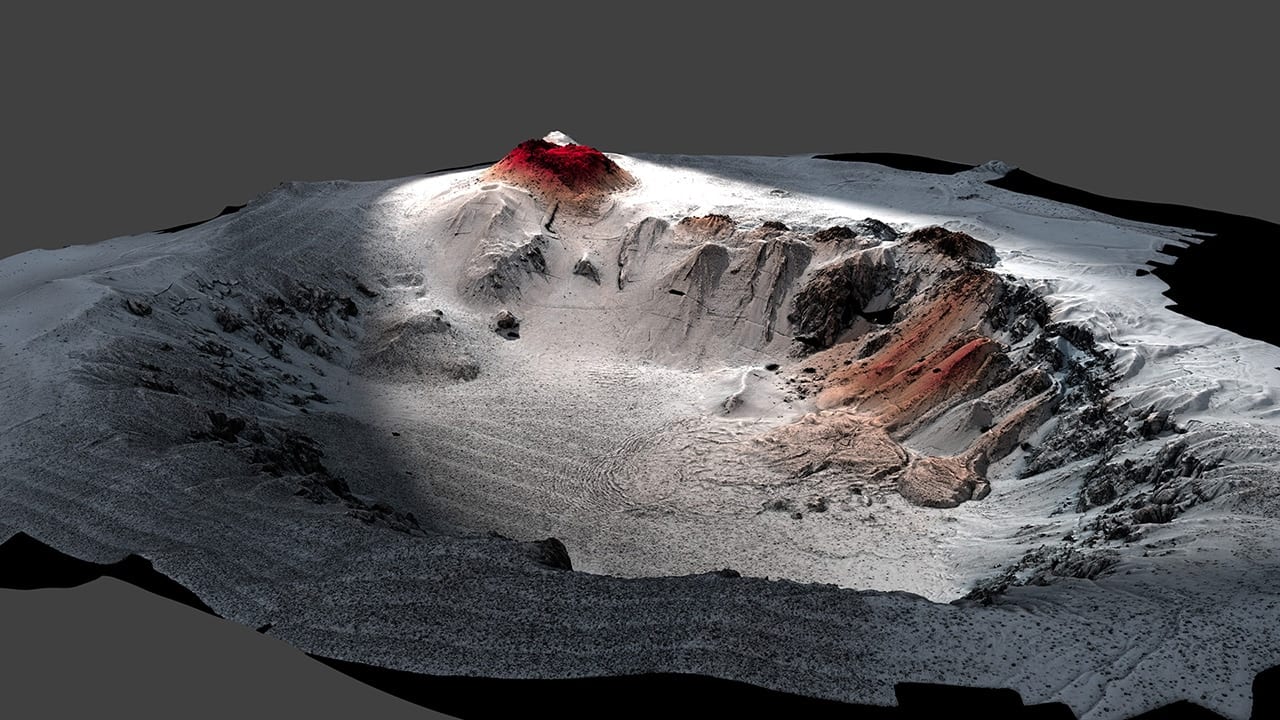
A strong understanding of how sound behaves in different conditions in the ocean helps scientists answer fundamental questions about the planet, the ocean, and marine life.
Read MoreOcean Trenches
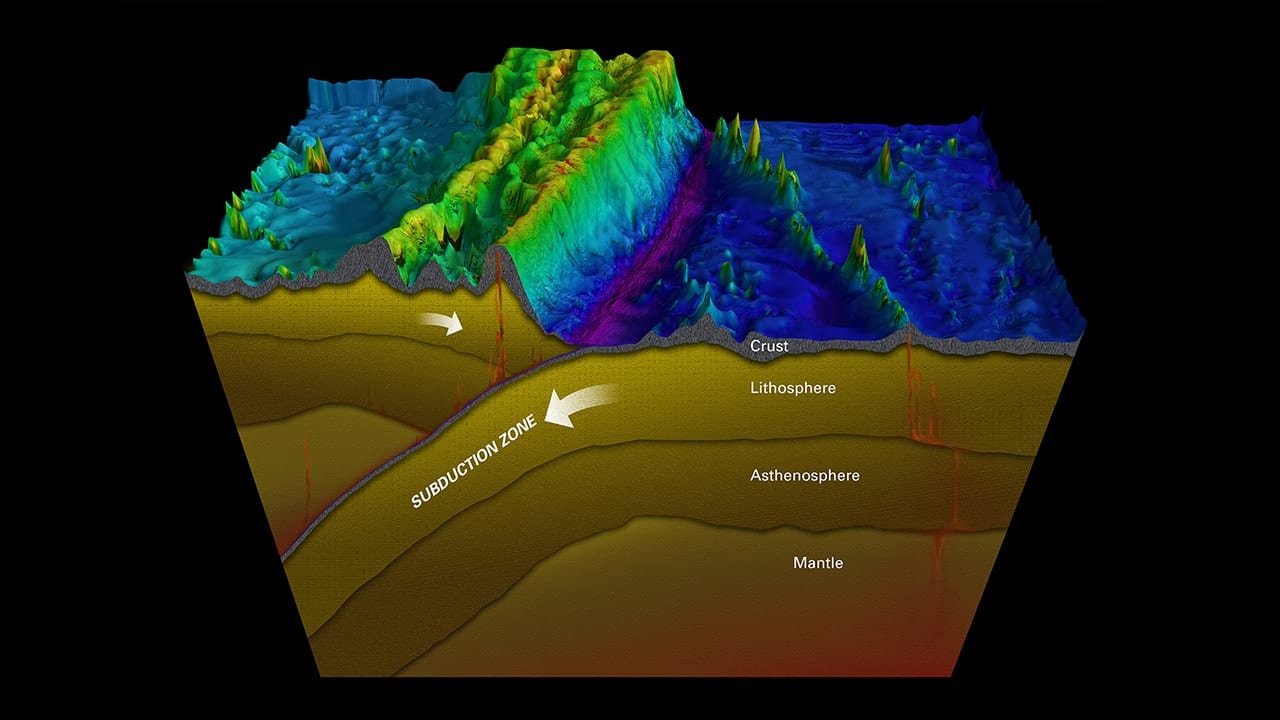
Ocean trenches are steep depressions exceeding 6,000 meters in depth, where old ocean crust from one tectonic plate is pushed beneath another plate.
Read MoreSeamounts
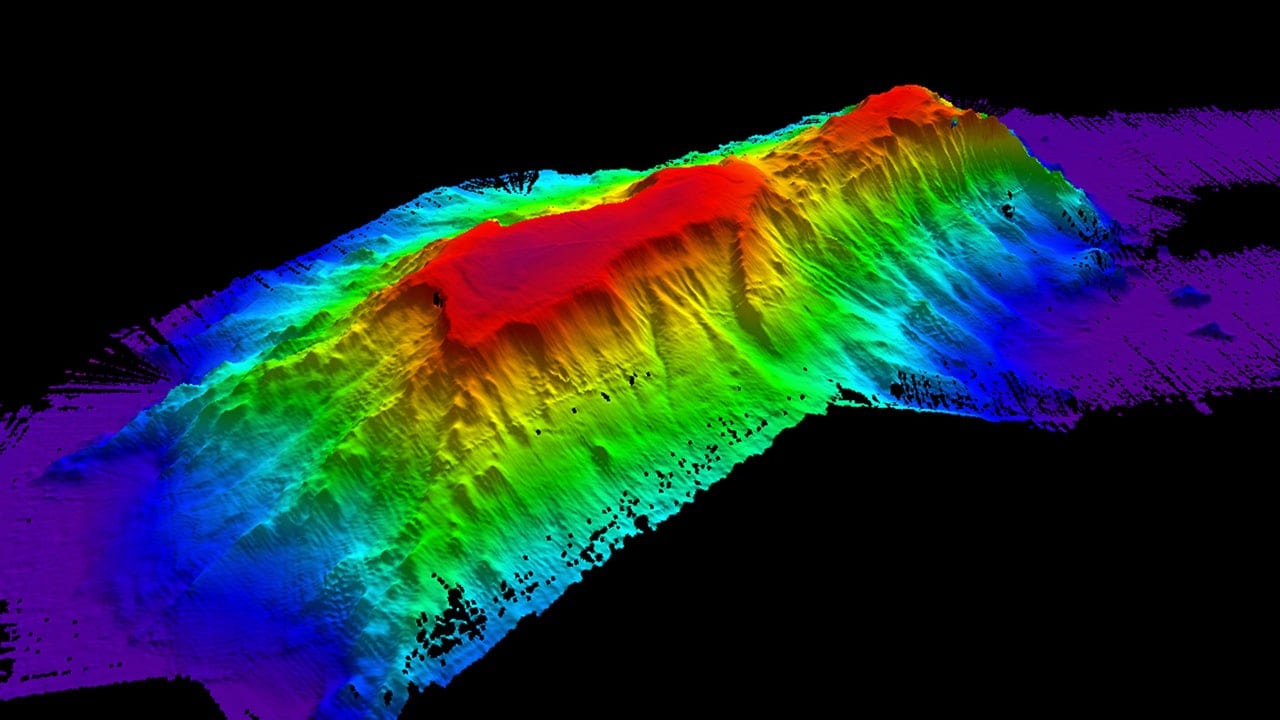
Mountains rising from the ocean seafloor that do not reach to the water's surface.
Read MoreHydrothermal Vents
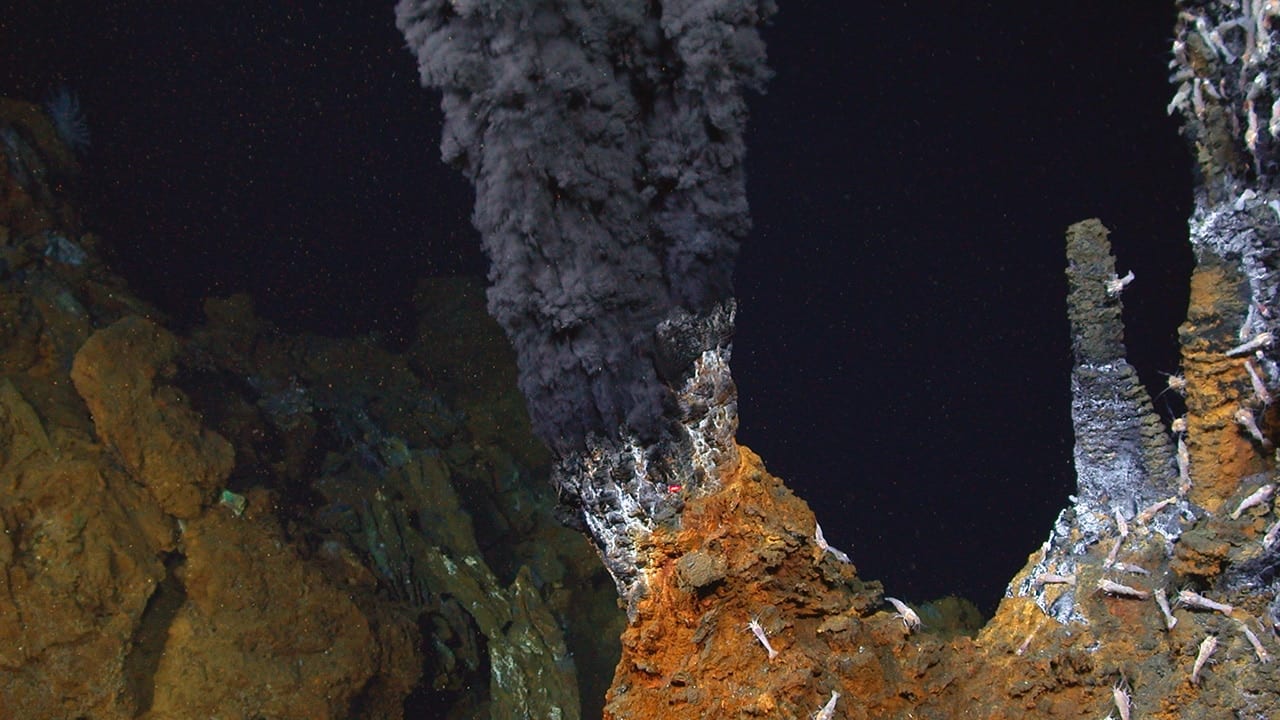
In 1977, scientists made a stunning discovery on the bottom of the Pacific Ocean: vents pouring hot, mineral-rich fluids from beneath the seafloor.
Read MoreMarine Microplastics
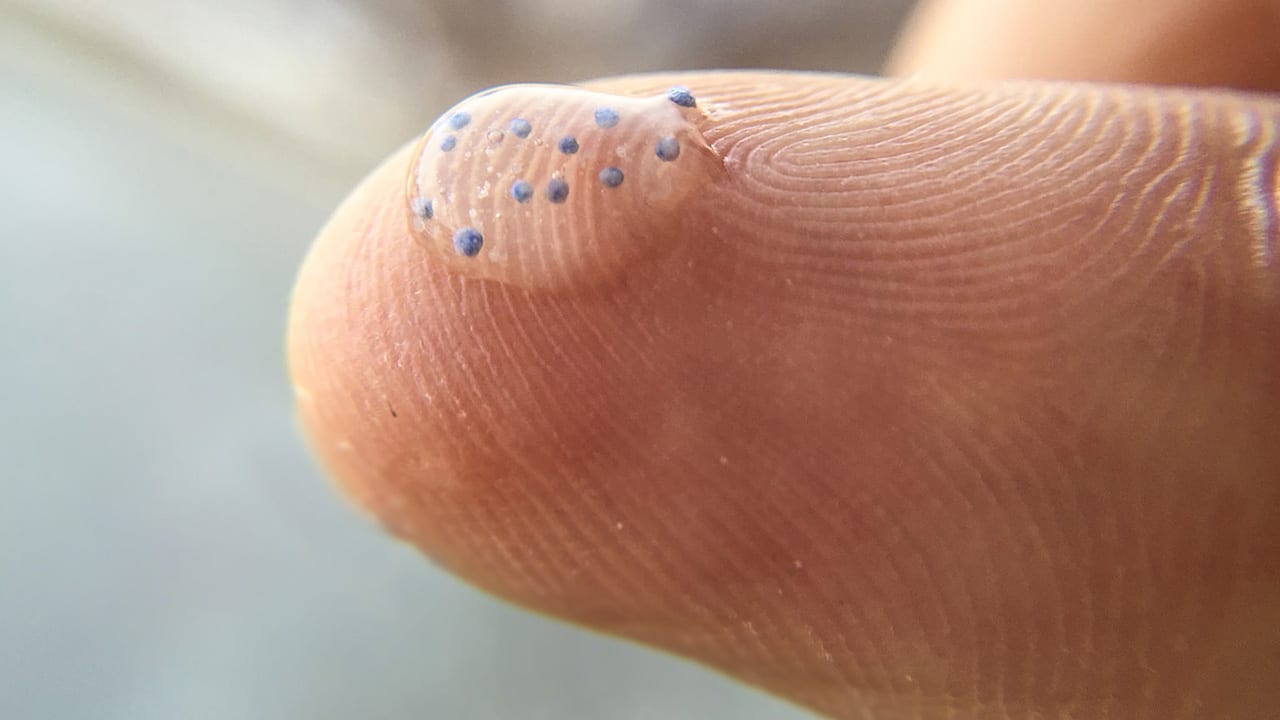
Marine microplastics are small fragments of plastic debris that are less than five millimeters long. Some microplastics, known as primary microplastics, are “micro by design
Read MoreBeach Closures
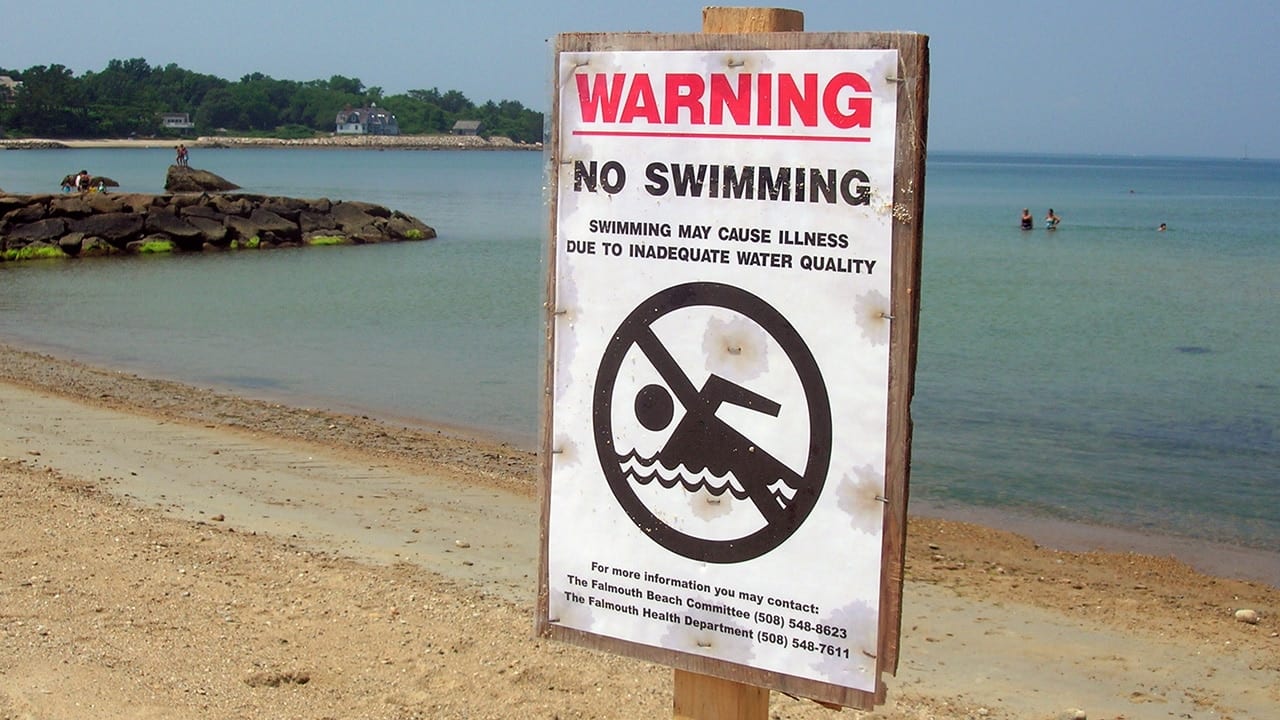
Hundreds of beaches nationwide are closed each year due to the presence of potentially harmful bacteria, viruses, and parasites in the water.
Read MoreSea Ice
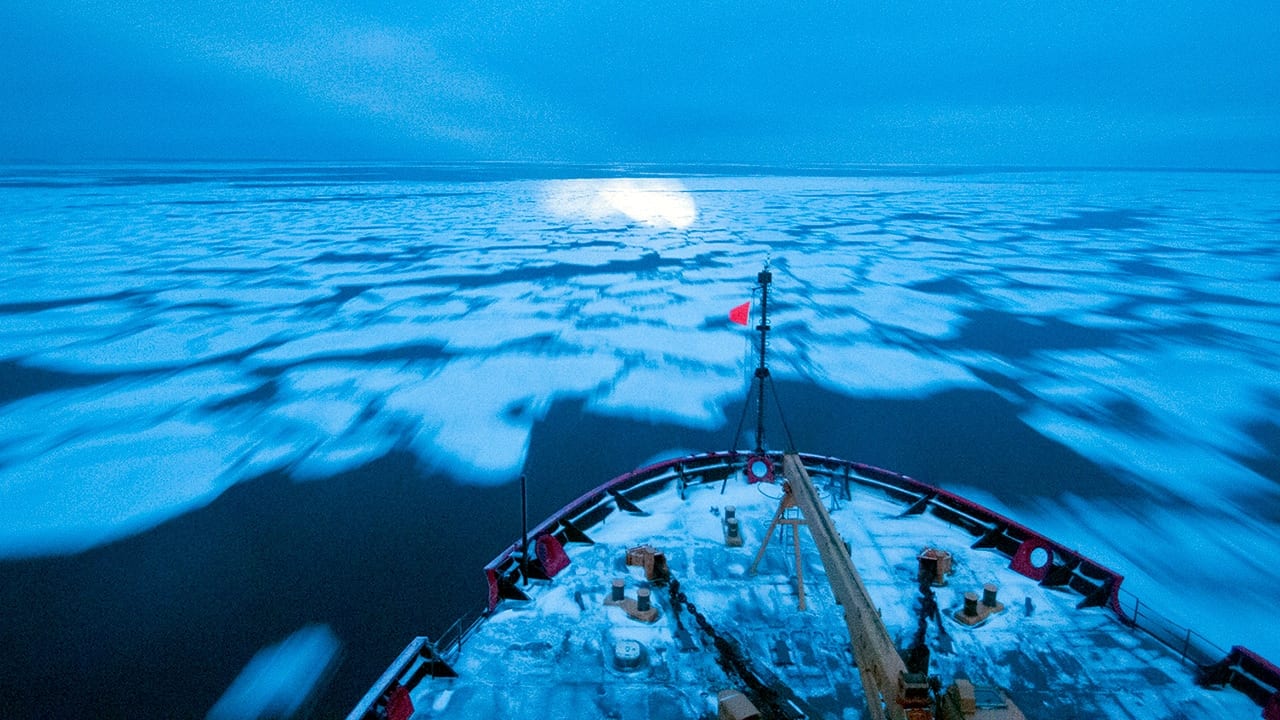
Sea ice is frozen seawater floating on the surface of the ocean. Sea ice is formed entirely in the ocean, unlike icebergs, which originate from land-based sources like glaciers and ice sheets.
Read More