
Oceanography
Change your perspective
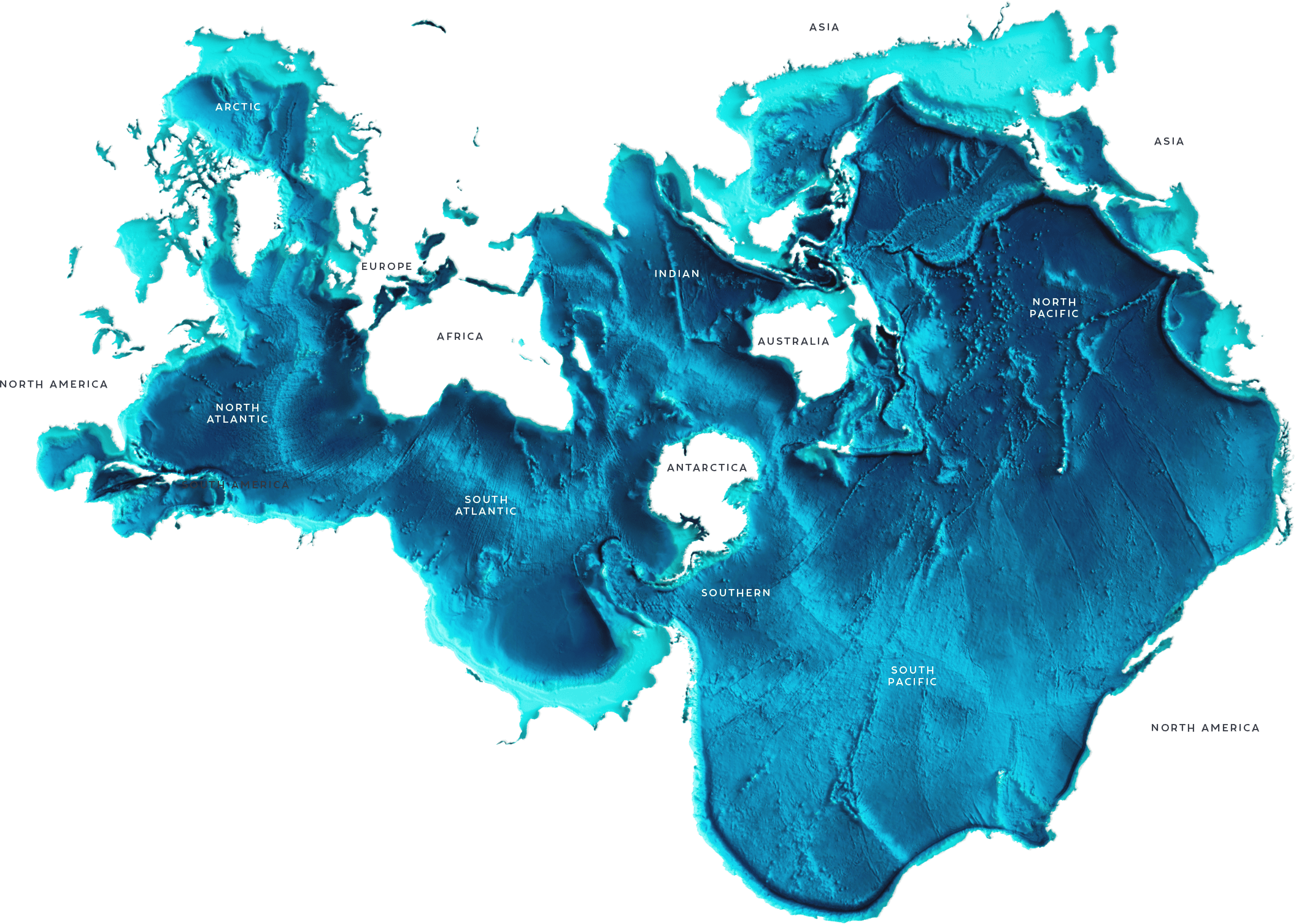
Athelstan Spilhaus proposed centering world maps on the ocean, arguing Earth is an interconnected ocean planet—not one defined by London-centric cartography.
Read MoreHow ocean robots keep tabs on the planet’s health
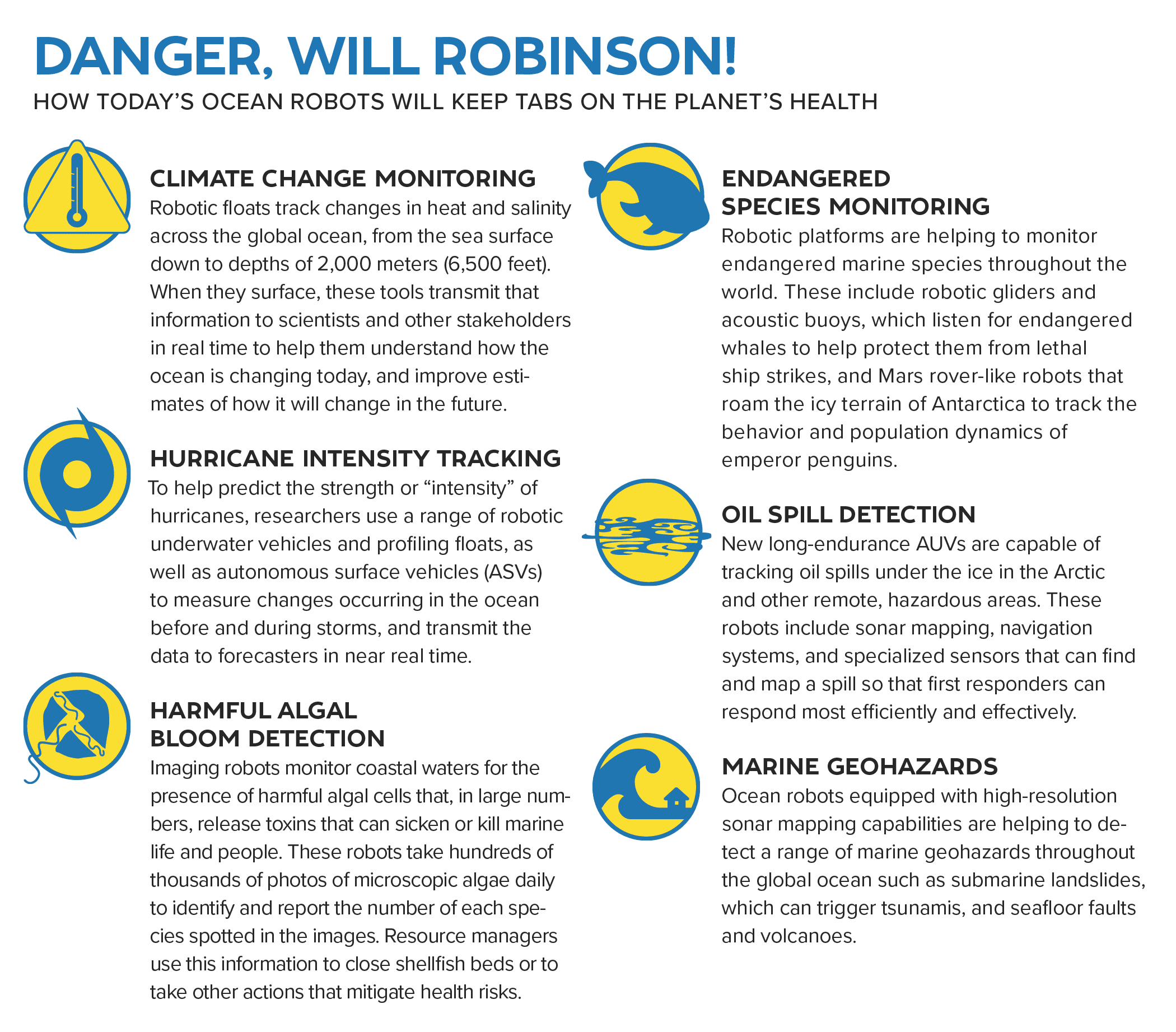
Learn how the next generation of ocean robots will help solve the planet’s most pressing problems.
Read MoreHow do tiny marine microbes affect global carbon?
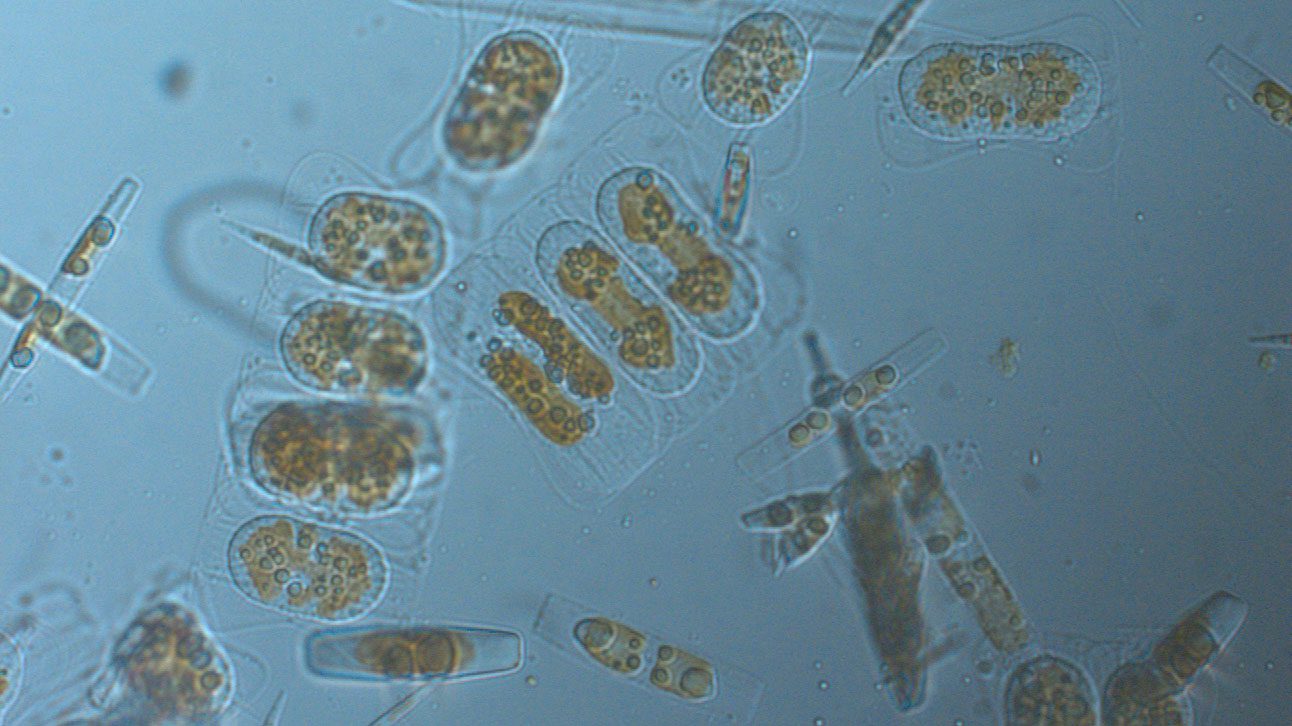
Tiny marine microbes transform ocean carbon, helping lock it away for centuries and slowing pace of global climate change.
Read MoreHAB forecasts strengthen communities
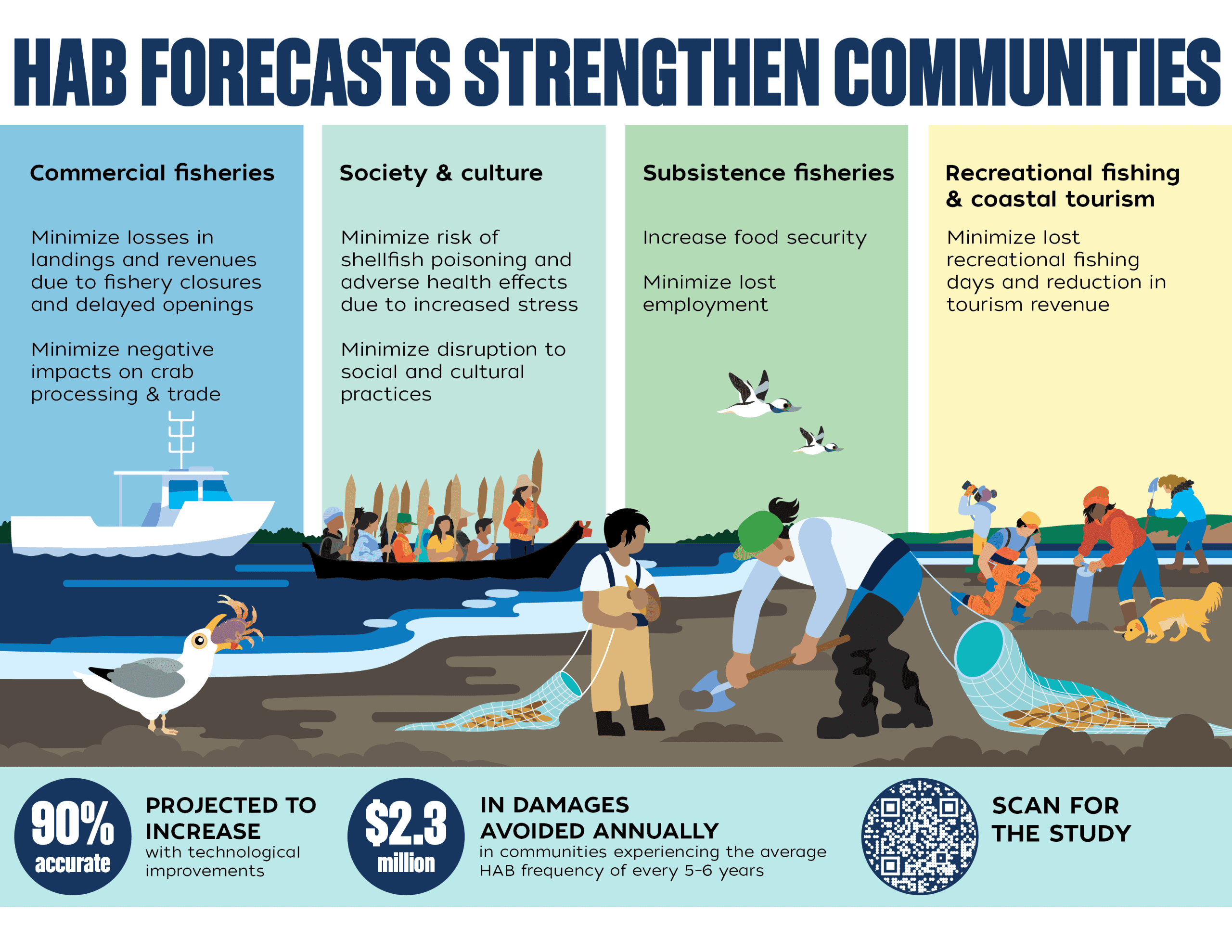
Chart showing the benefits of HAB forecasts.
Read MoreHAB impacts on fisheries
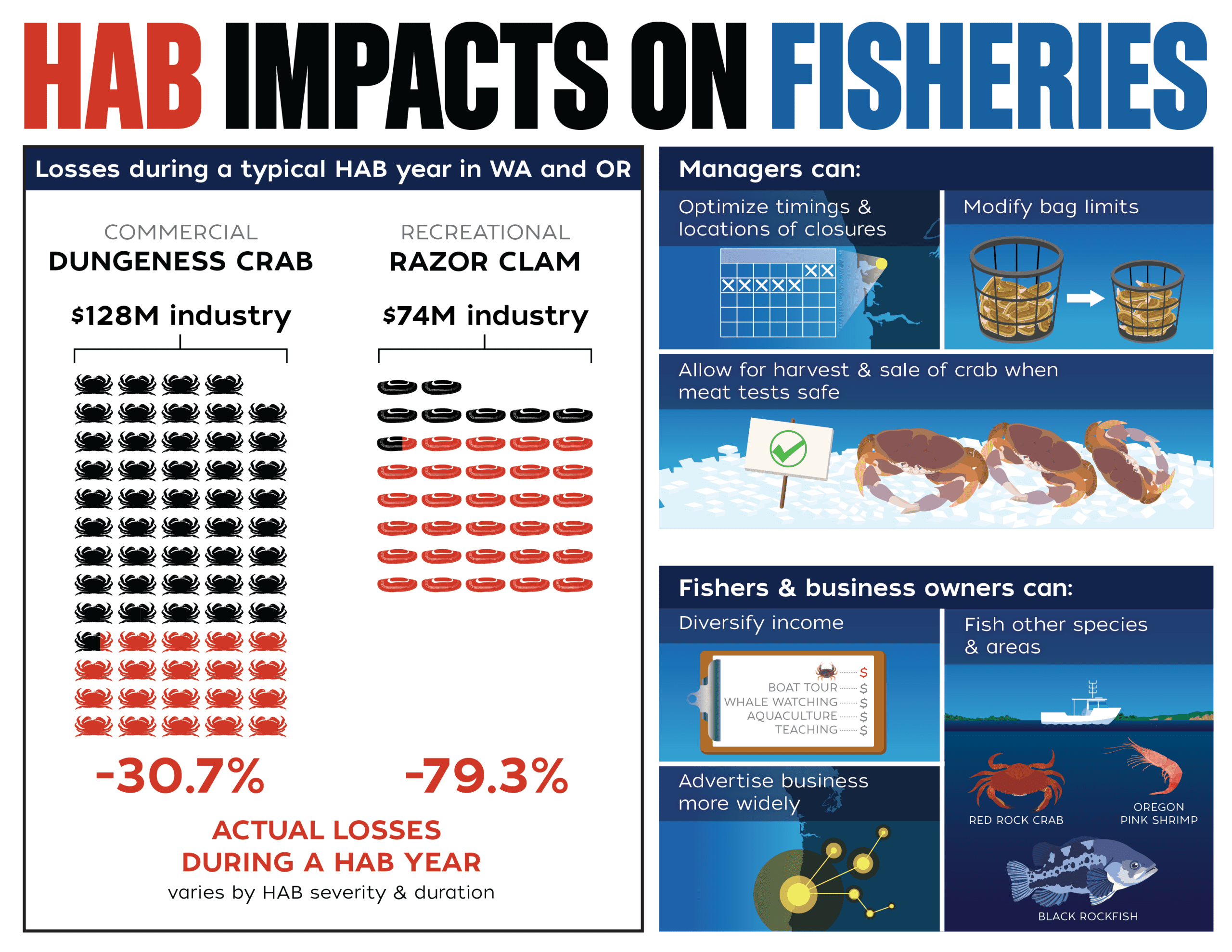
Harmful algal blooms (HABs) significantly threaten fisheries by reducing fish populations and affecting coastal livelihoods. Recent studies highlight the urgent need for monitoring and management strategies to mitigate these impacts on marine ecosystems and local economies.
Read MoreWhat goes into a HAB forecast?
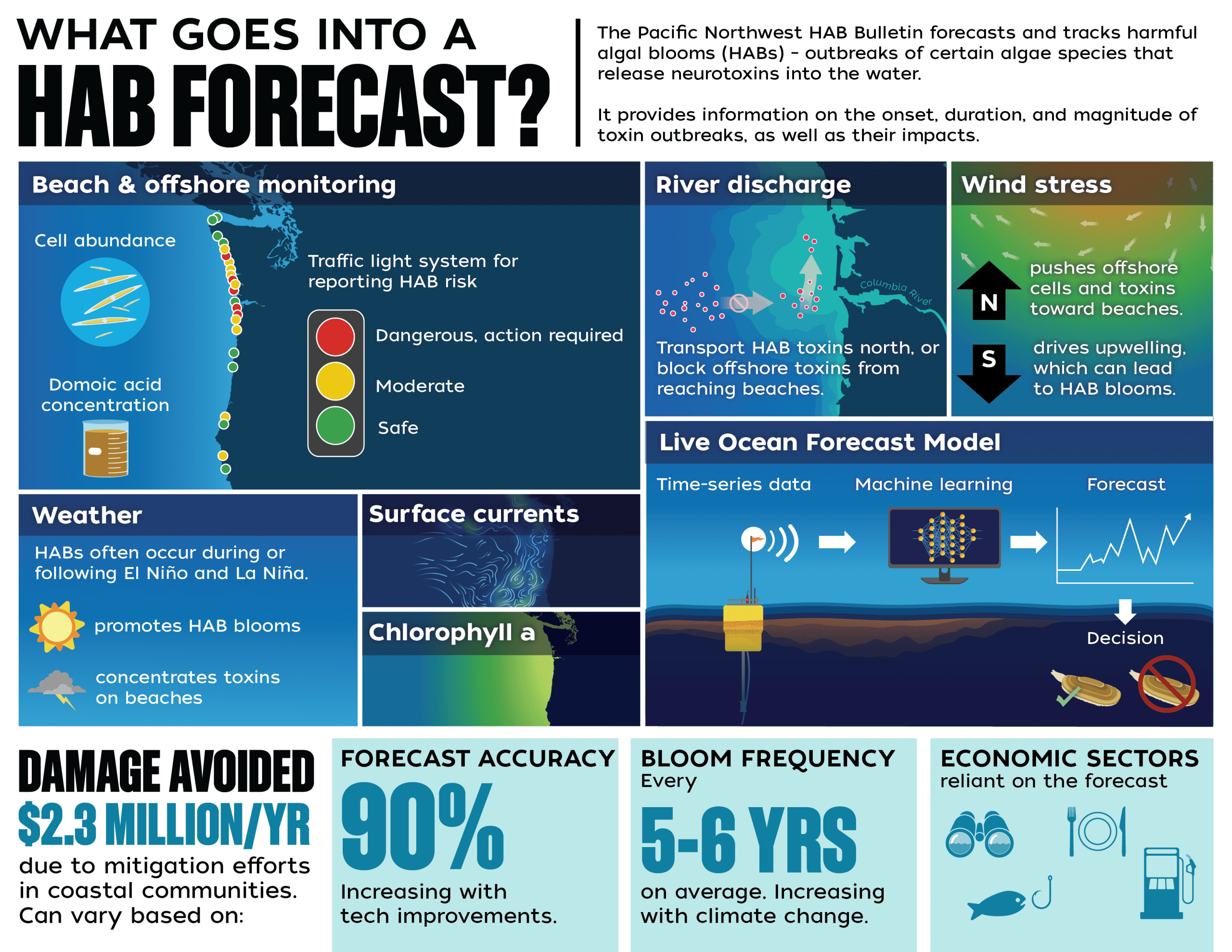
Harmful algal bloom (HAB) forecasts rely on a combination of satellite data, water samples, and predictive modeling to track the proliferation of toxic algae, essential for protecting coastal ecosystems and public health.
Read MoreAre the ice sheets really melting?
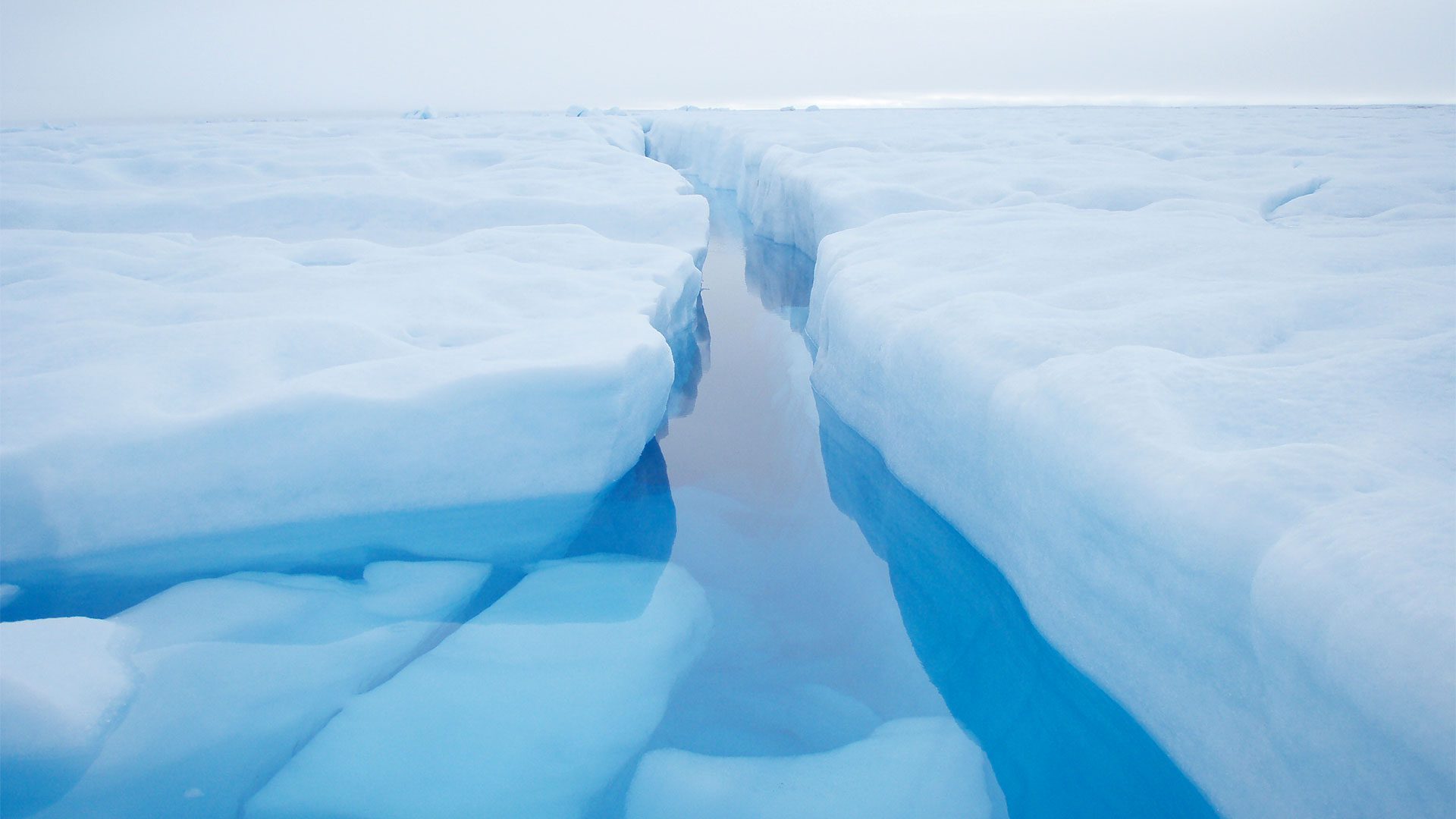
Despite record snowfall, Antarctica’s ice sheets are still shrinking. WHOI scientists explain why short-term gains can’t offset long-term warming and rising sea levels.
Read MoreHow do deep-sea organisms get energy?
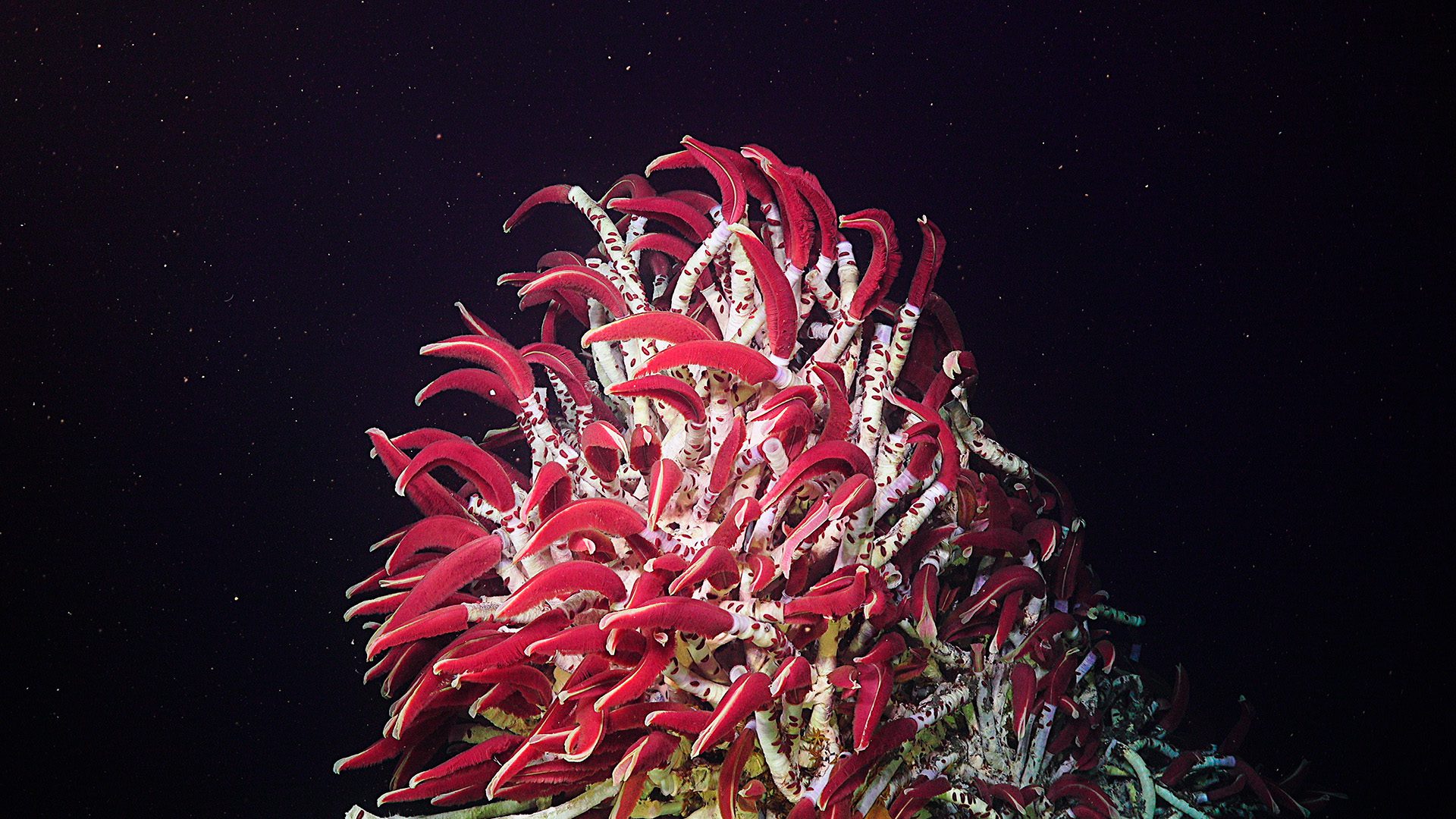
Deep-sea microbes use chemosynthesis from vents and seeps, sustaining ecosystems central to life and exploration.
Read MoreAre shark attacks on the rise?
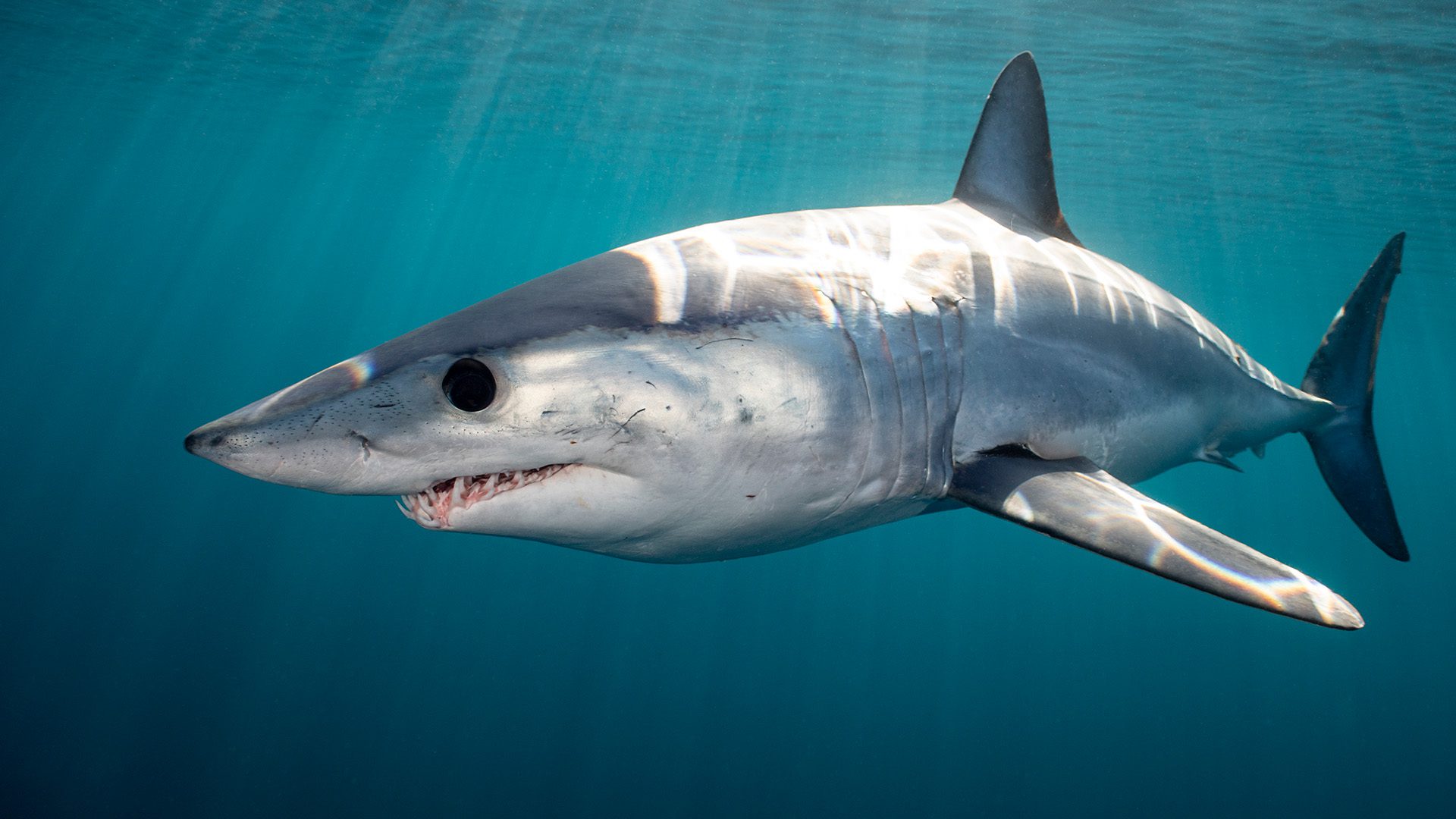
Shark attacks are not on the rise, contrary to popular belief; marine ecologist Camrin Braun from WHOI emphasizes that these incidents often result from mistaken identity and that the odds of being bitten are just one in 4.3 million.
Read MoreHow are seashells made?
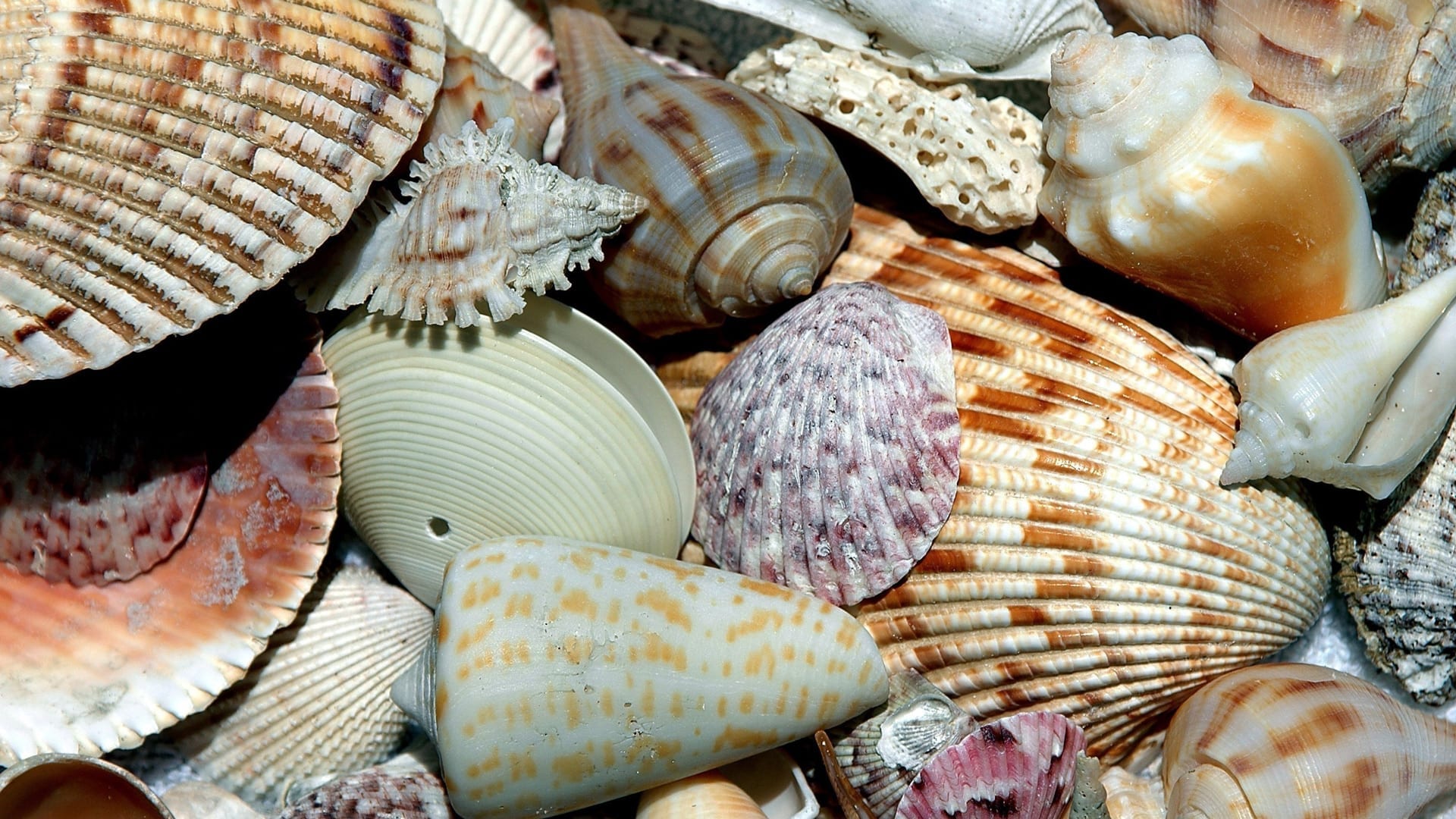
One of the most striking features of our beaches is seashells. Their whorls, curves, and shiny iridescent insides are the remains of animals. But where do they come from?
Read MoreHow do marine animals hear?
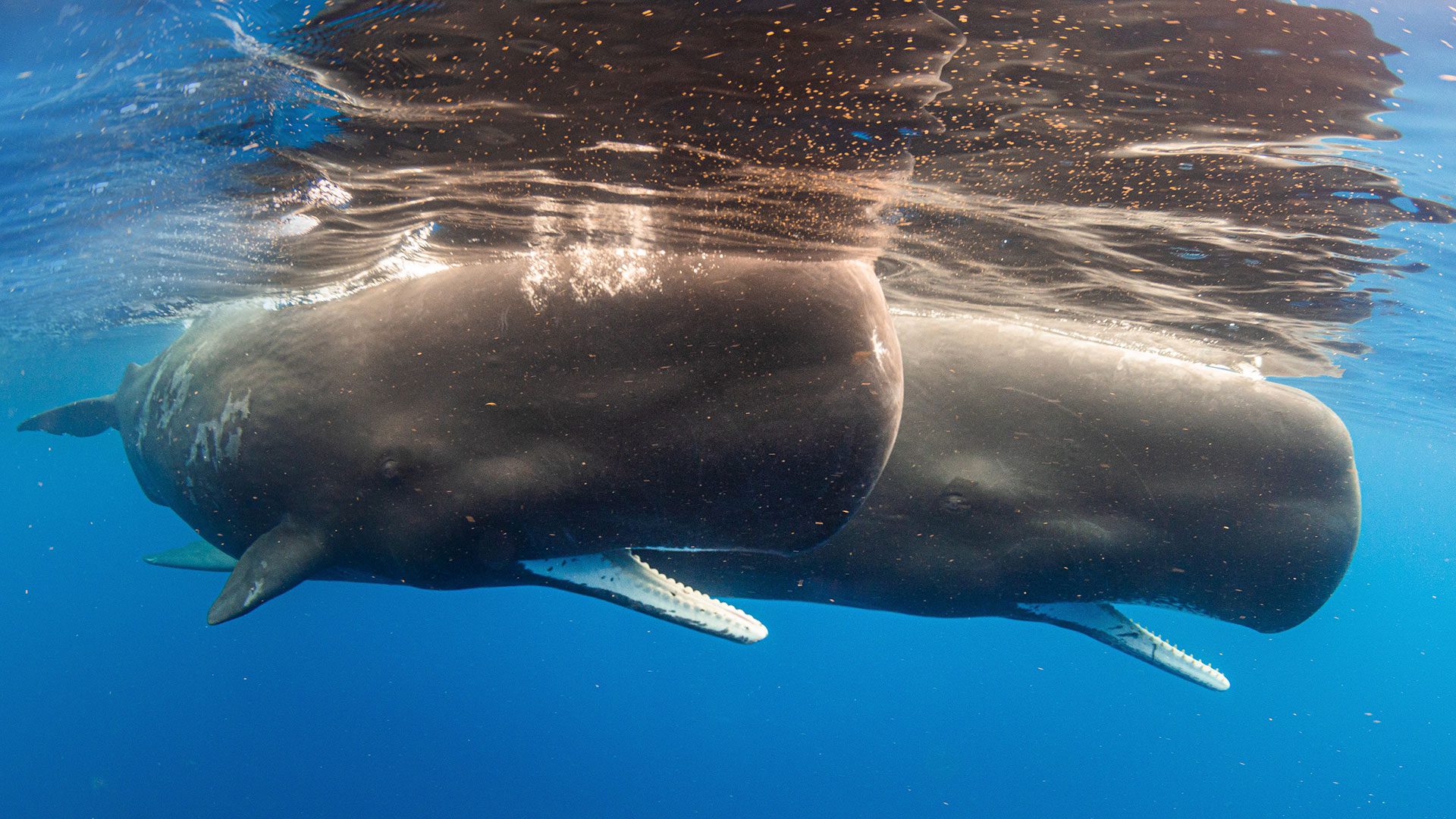
Sound travels faster and farther in water than air, helping marine animals like whales, corals, and crabs navigate, communicate, and survive by detecting and responding to underwater acoustic signals.
Read MoreEdible Seaweed
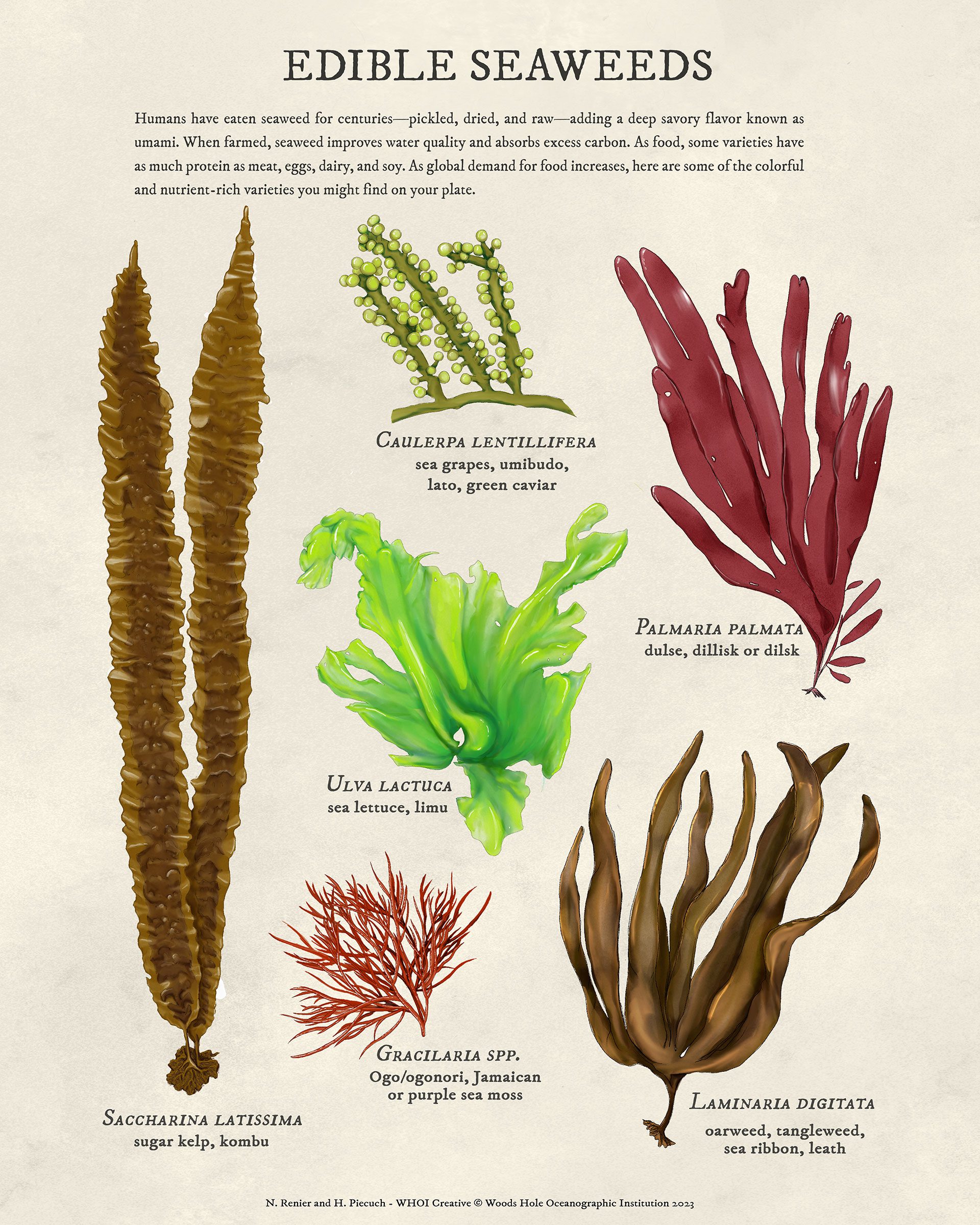
A guide to the seaweeds that might (already) be on your plate.
Read MoreDrawing of Porpita lutkeana by Henry Bigelow

Soft-bodied “jellies” have long fascinated scientists. In 1901, WHOI’s first director Henry Bigelow beautifully illustrated the medusa Porpita lutkeana.
Read MoreHow bacteria is transported through the environment into the ocean
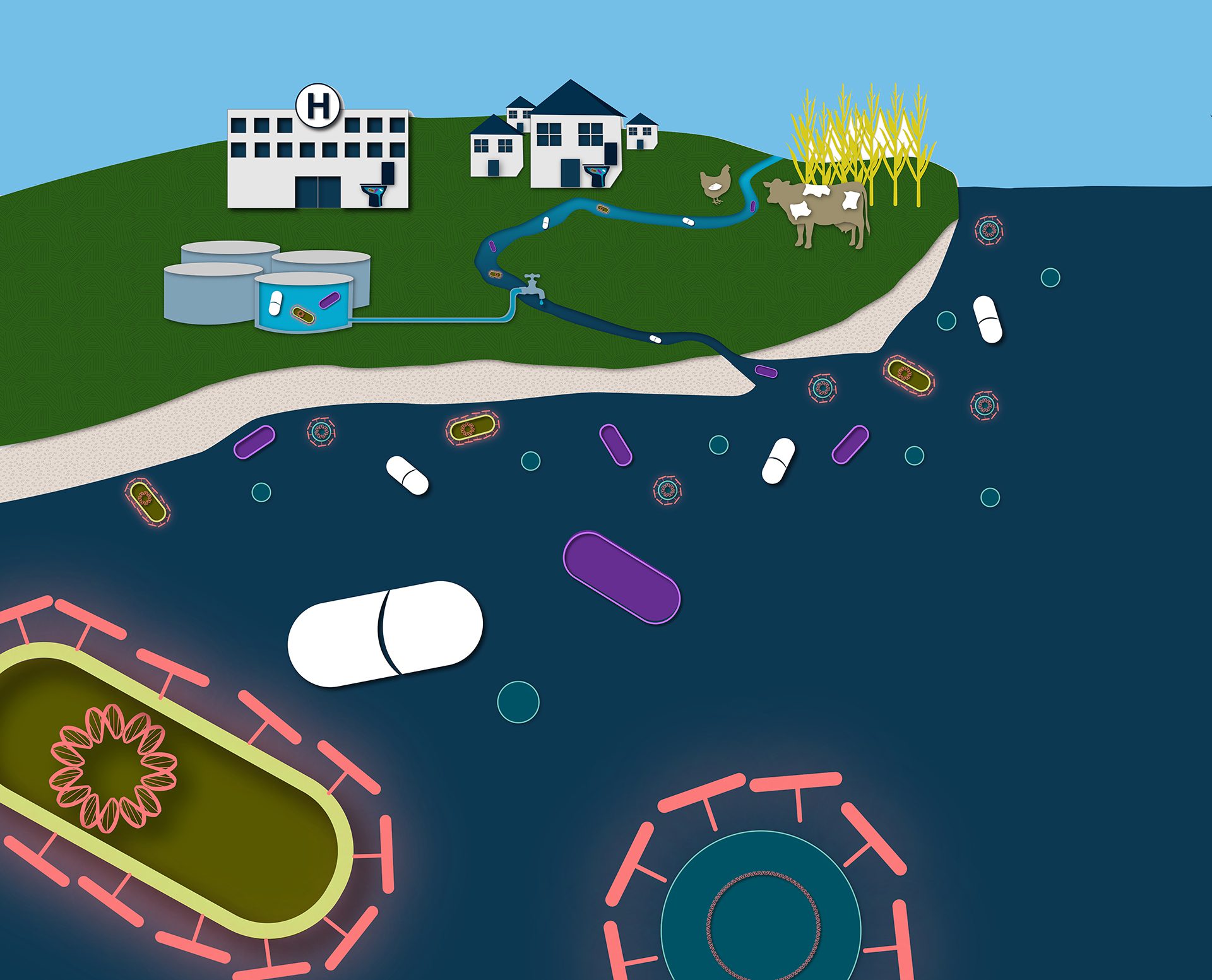
Wastewater carries antibiotics and bacteria to oceans, where antibiotic-resistant microbes emerge. Researchers study these impacts on marine and human health.
Read MoreAtlantic Ocean currents circulation
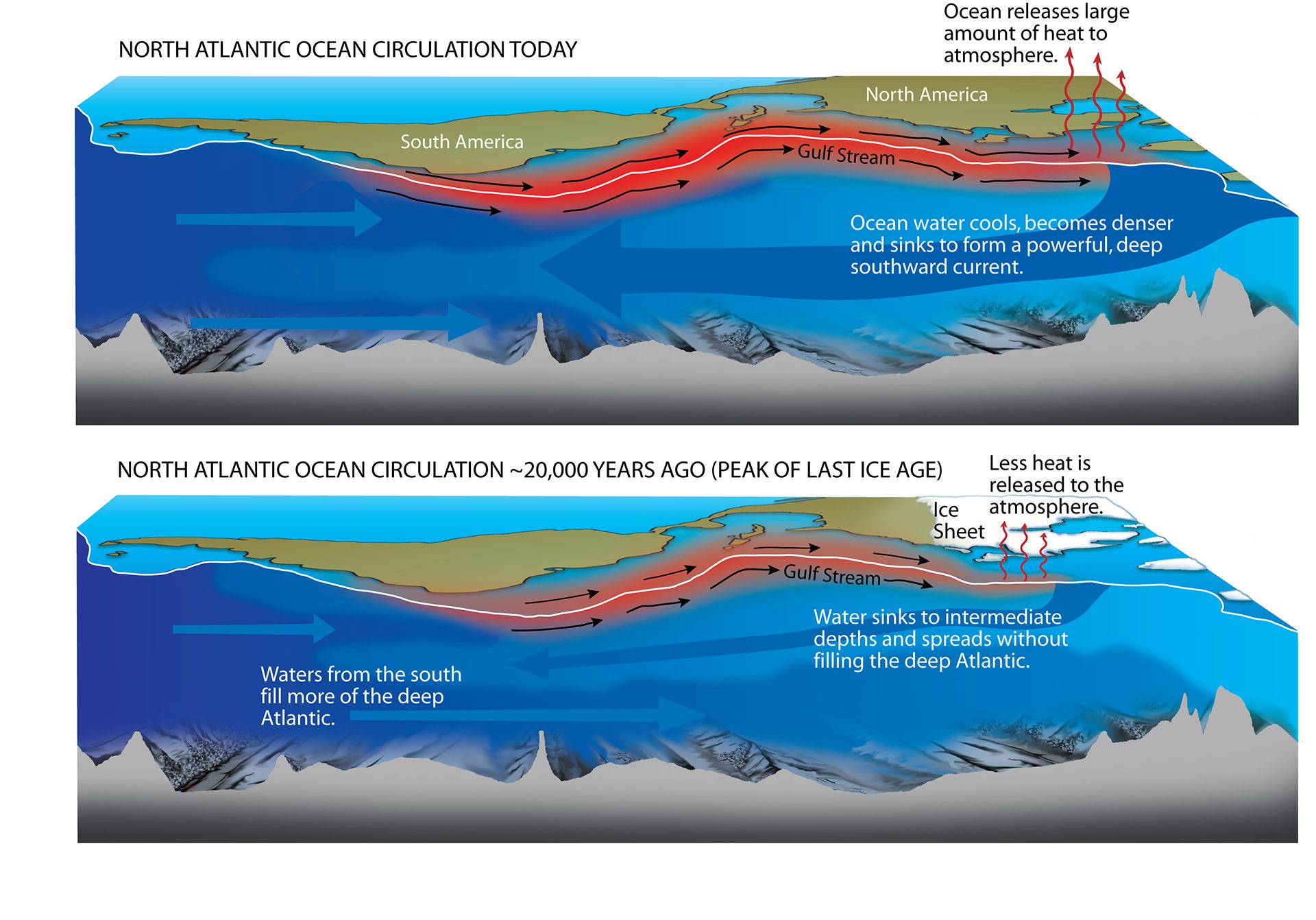
Scientists use models to reveal how shifts in ocean currents—like a global heat conveyor—can trigger major climate changes across millennia.
Read MoreChanges from 2007 to 2015 on the release of radium in the Arctic
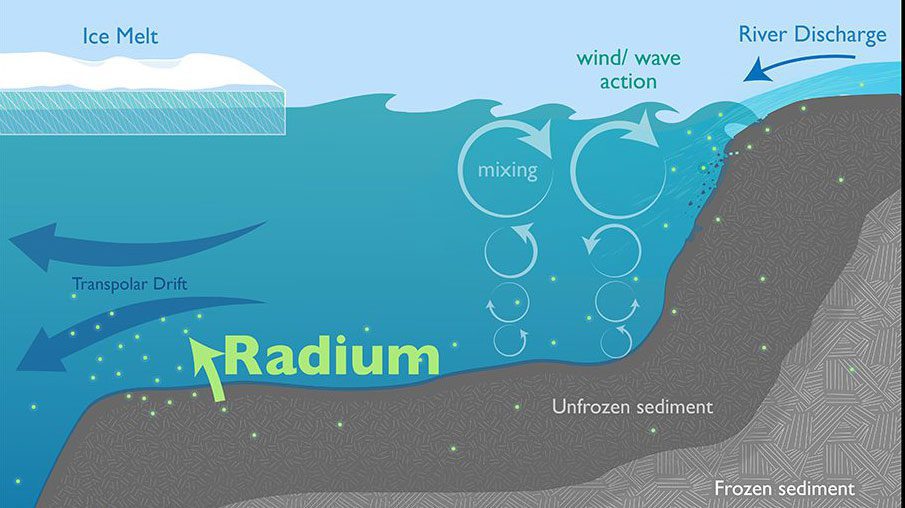
As Arctic sea ice melts, waves stir up coastal sediments, releasing chemicals into the ocean—signaling rapid climate-driven changes that may disrupt Arctic ecosystems.
Read MoreWhy is the ocean vital for our survival?
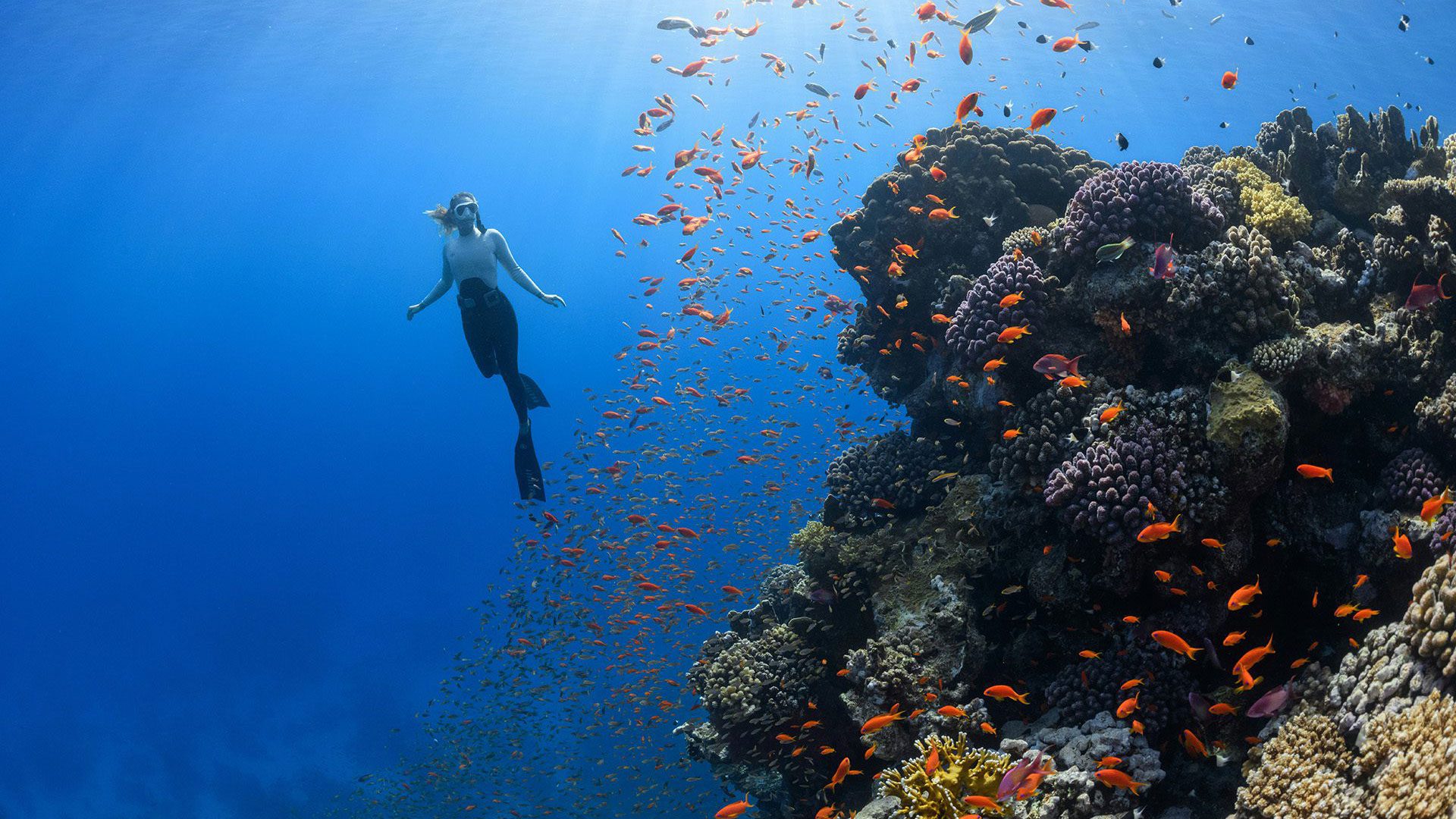
Without the ocean, life as we know it wouldn’t be possible.
Read MoreHow do manatees stay hydrated?
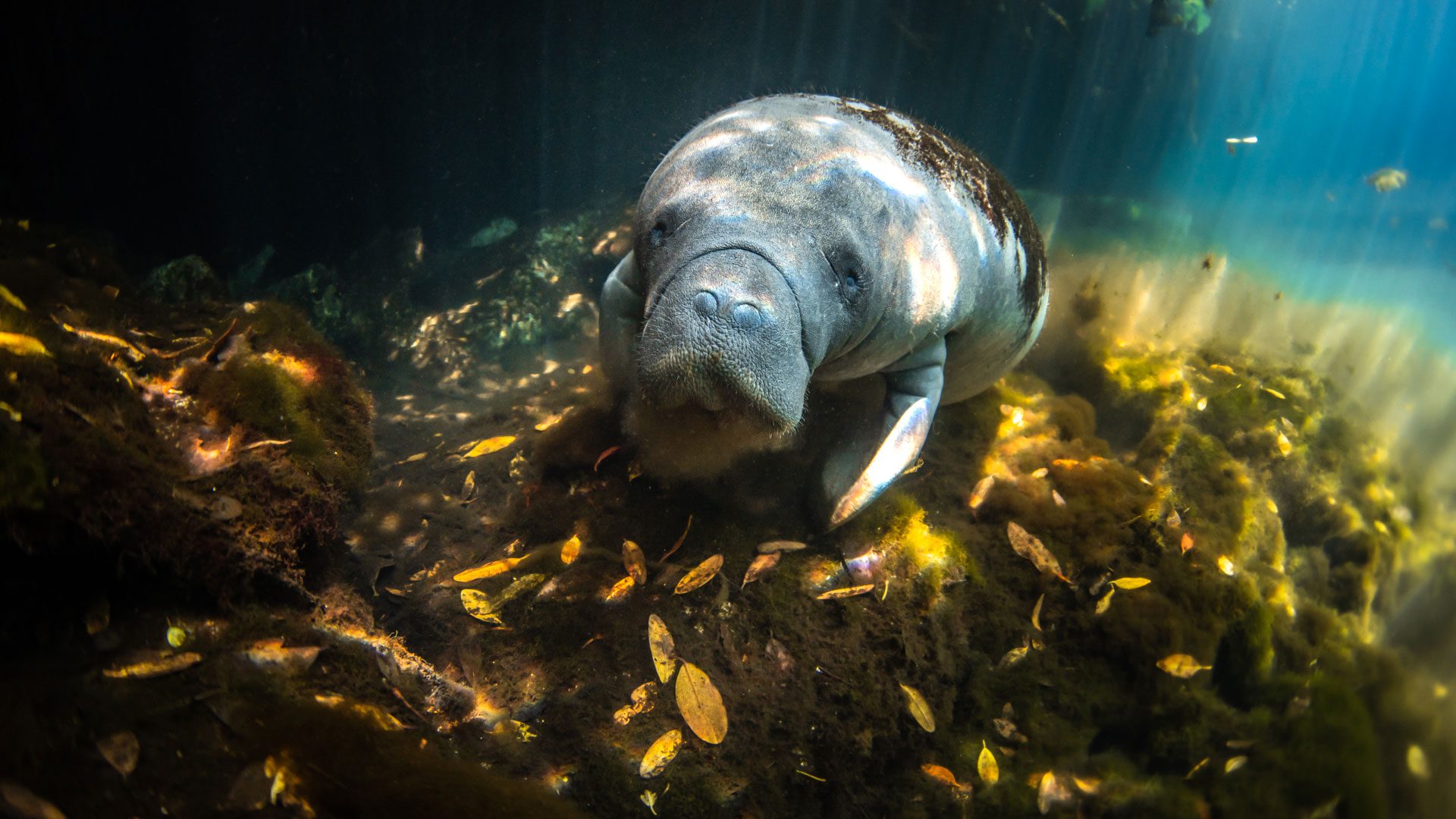
Marine mammals need to hydrate—even in the saltiest of seas. Here’s how manatees stay fresh wherever they go.
Read MoreBiological Carbon Pump
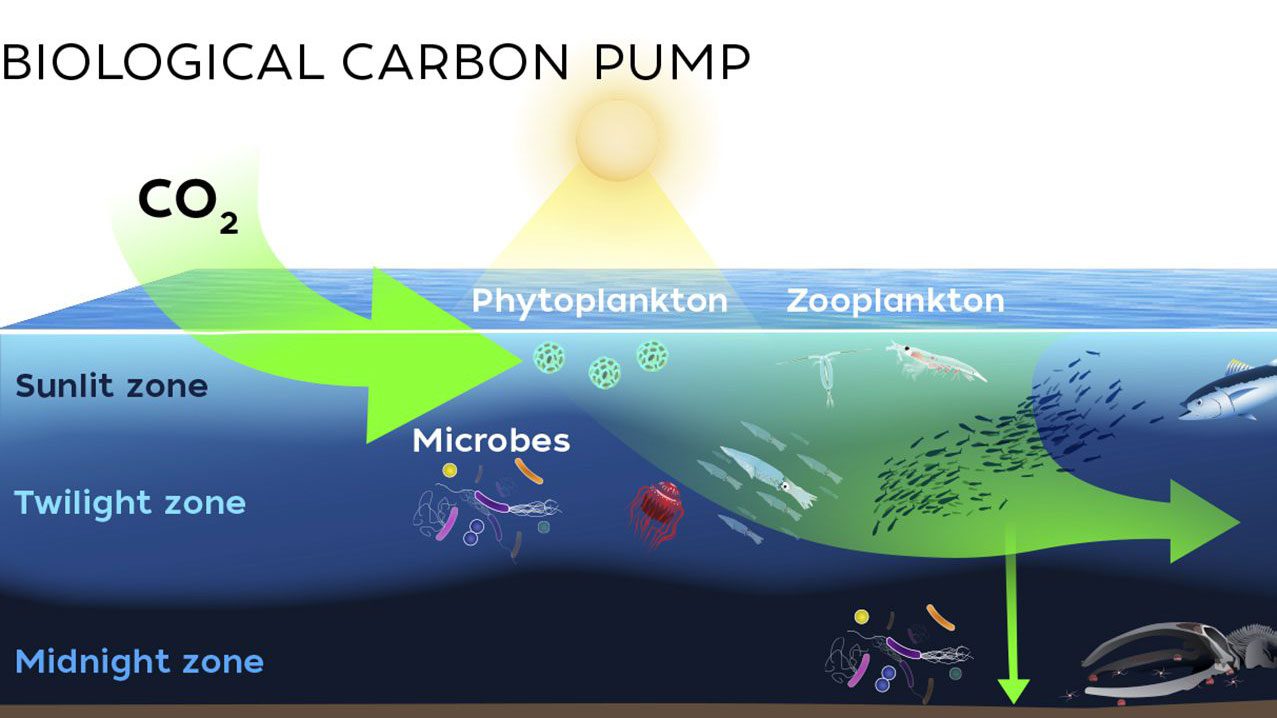
The ocean’s biological carbon pump moves carbon from surface waters to the deep sea, helping regulate climate by keeping some heat-trapping gases out of the air.
Read MoreMixing layer diagram
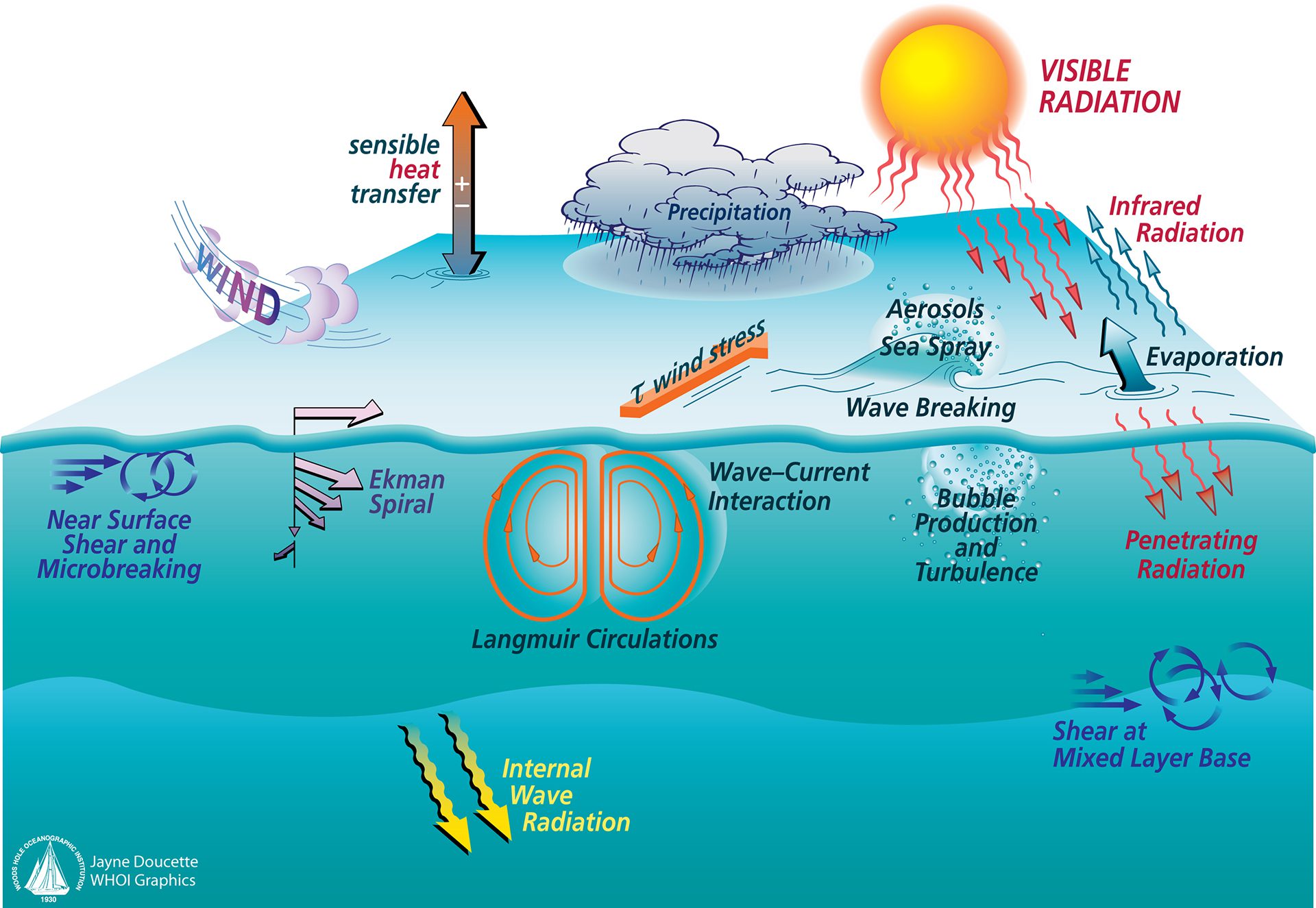
Interactions between the ocean and the atmosphere, illustrating how energy and matter are exchanged between these two systems.
Read MoreThe life cycle of Greenland’s meltwater lakes
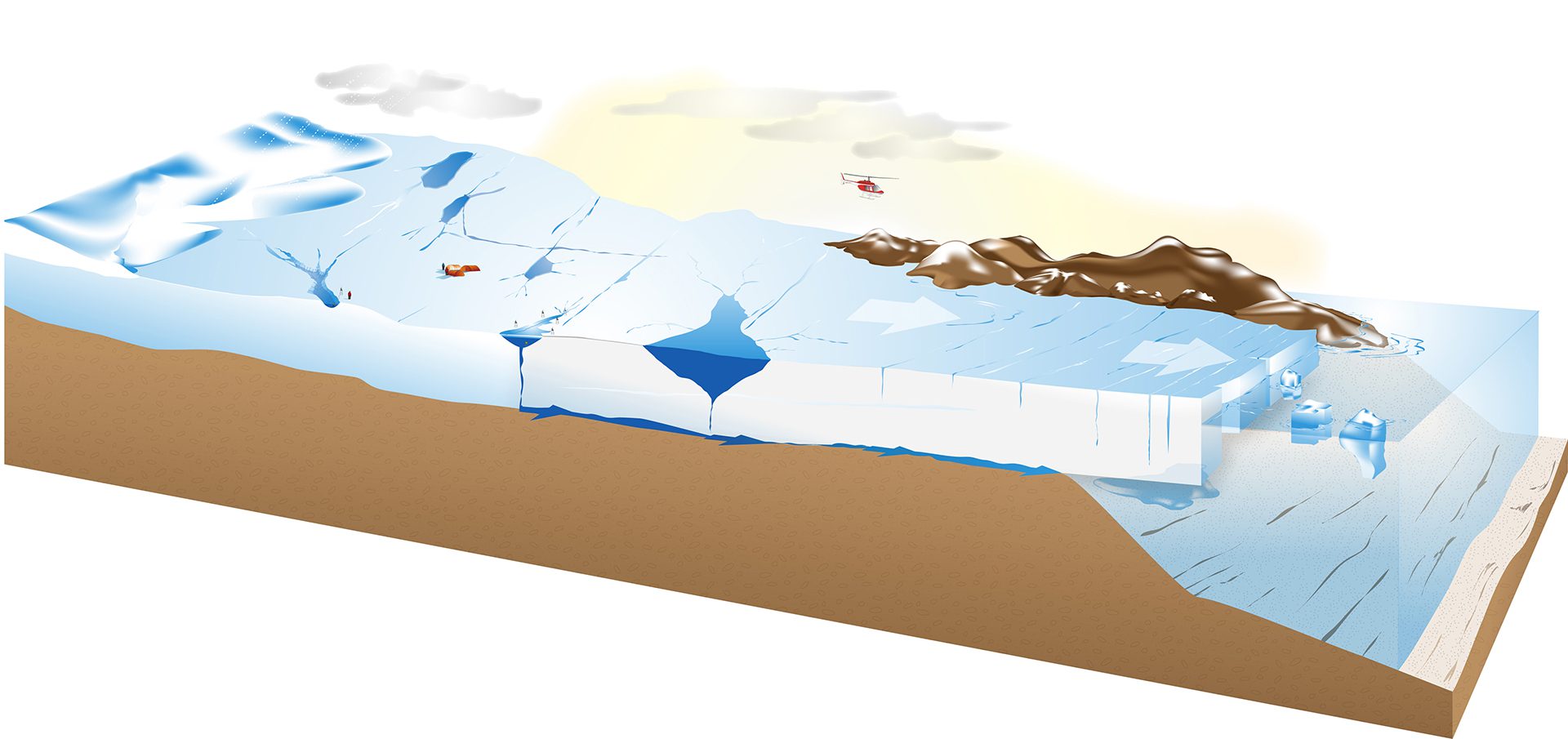
Meltwater lakes on Greenland’s ice sheet drain to bedrock each spring, potentially speeding ice loss and accelerating global sea level rise.
Read MoreCesium-137 movement from Fukushima in coastal saters
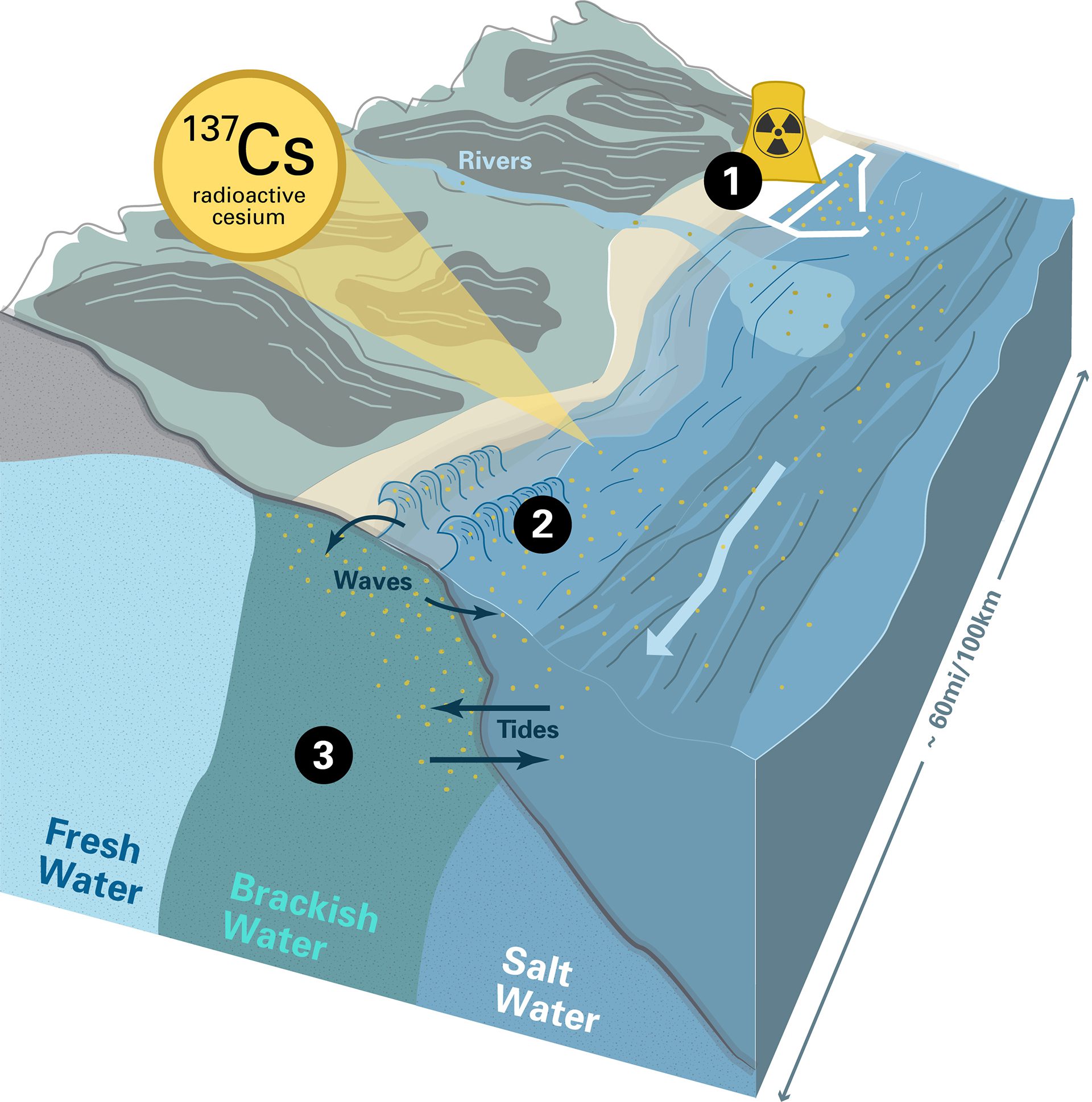
Radioactive cesium from Fukushima was carried by currents, trapped in beach sands, then released back to the ocean as saltwater conditions changed.
Read MoreThe Ocean of Things
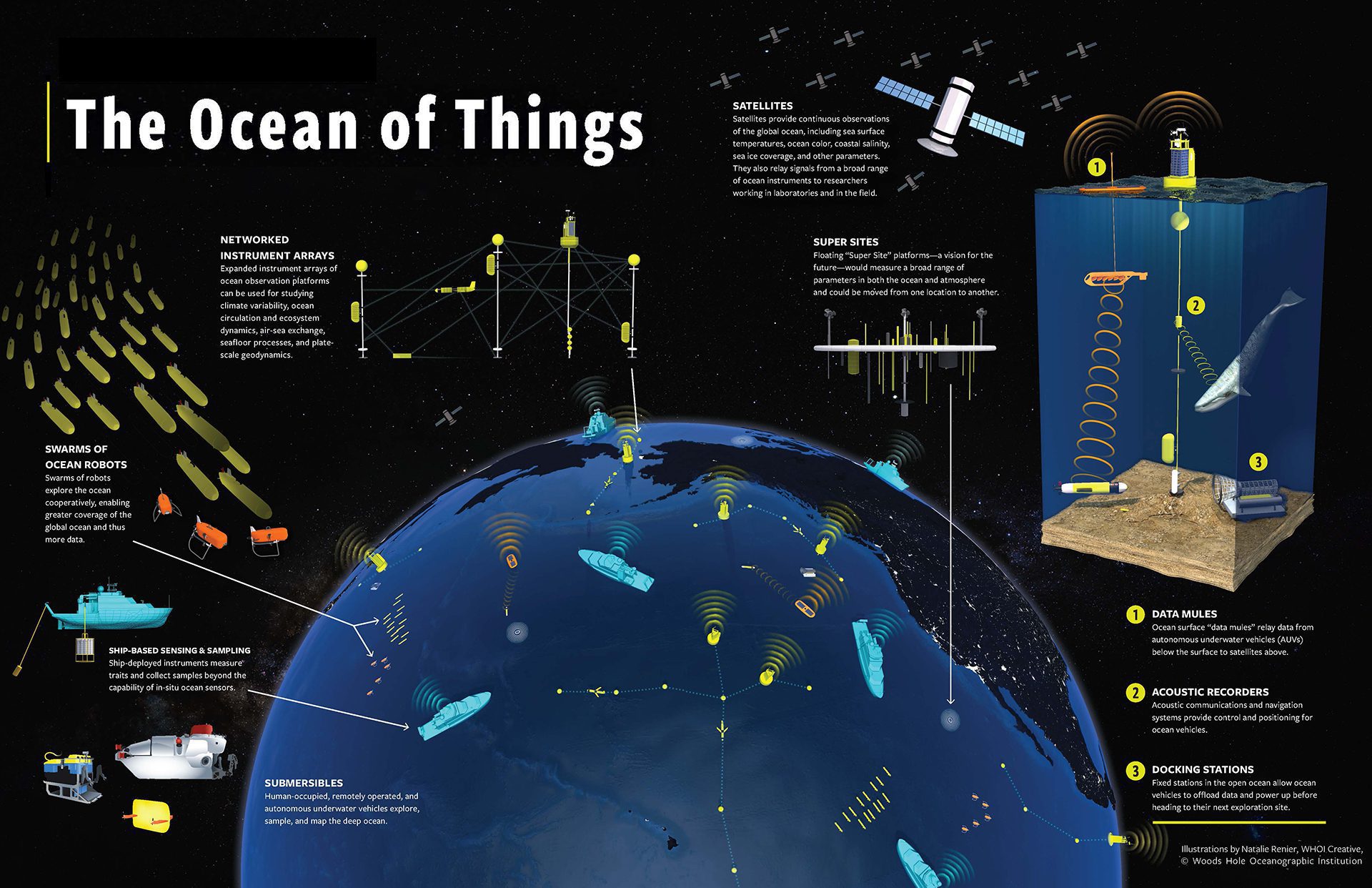
The digital ocean ecosystem of the future will rely on a network of underwater vehicles, sensors, and communications systems that will be always on and always connected.
Read MoreIs the mantle one big pot or is it double-decked?
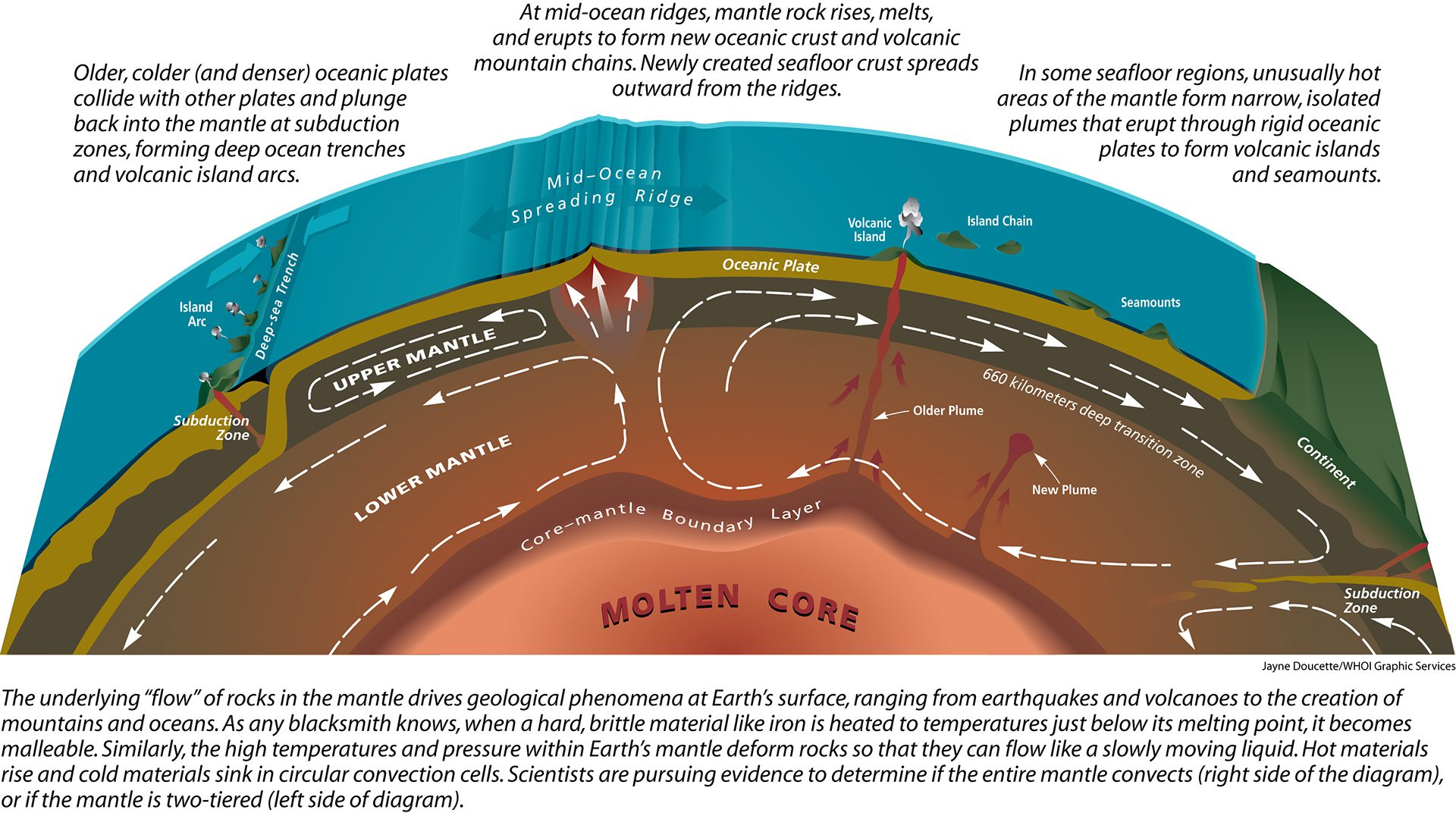
The flow of rocks in the mantle drives geological phenomena like earthquakes and volcanoes. Scientists are studying if the mantle convects as a whole or in layers.
Read More