
Earth Science
Earthquakes
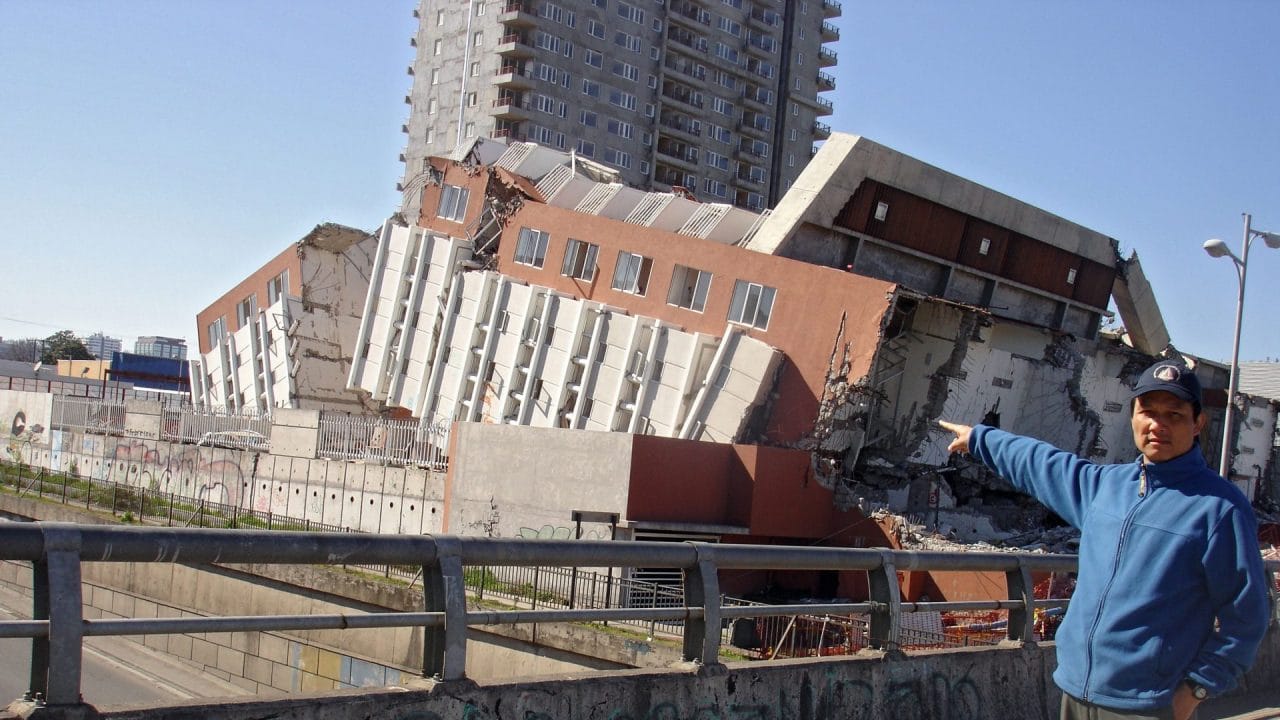
An earthquake is a shaking of the ground that occurs when two large blocks of Earth's crust slip suddenly past one another.
Read MoreHurricanes
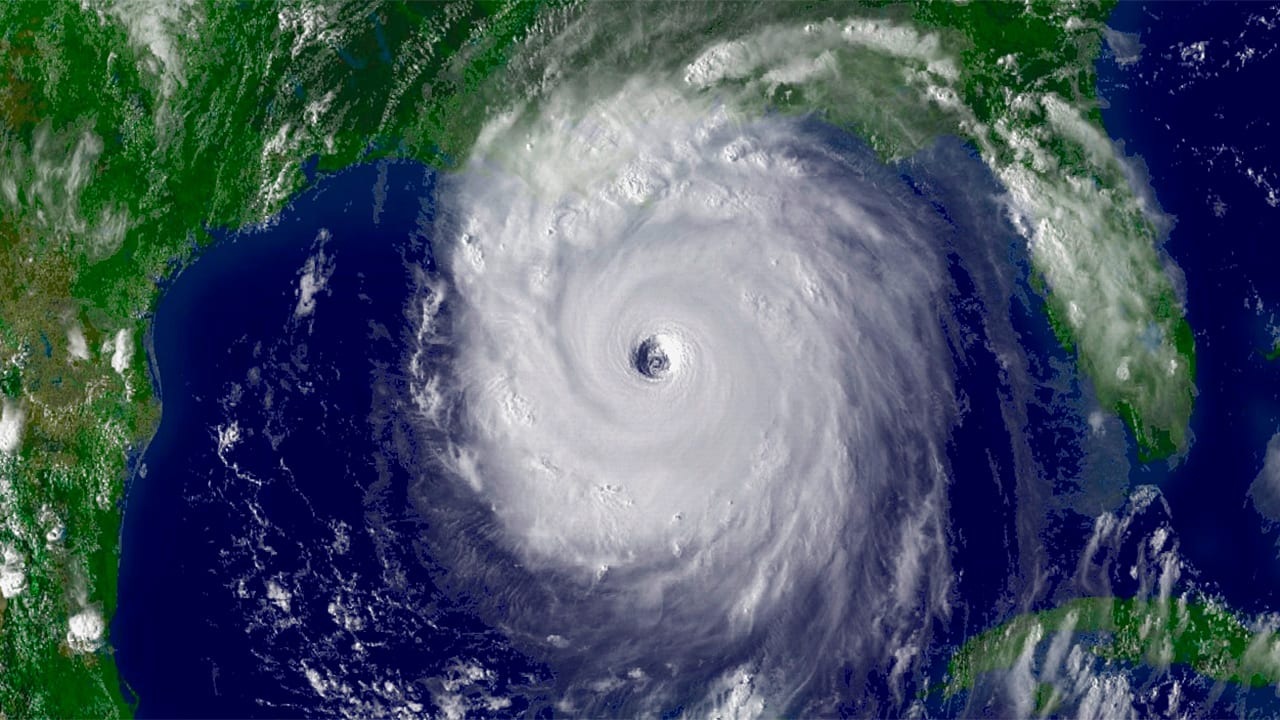
Hurricanes are large rotating tropical storms with winds in excess of 119 kilometers per hour. They usually form in the Atlantic Ocean but can develop in other oceans as well.
Read MoreChanging Shorelines & Erosion
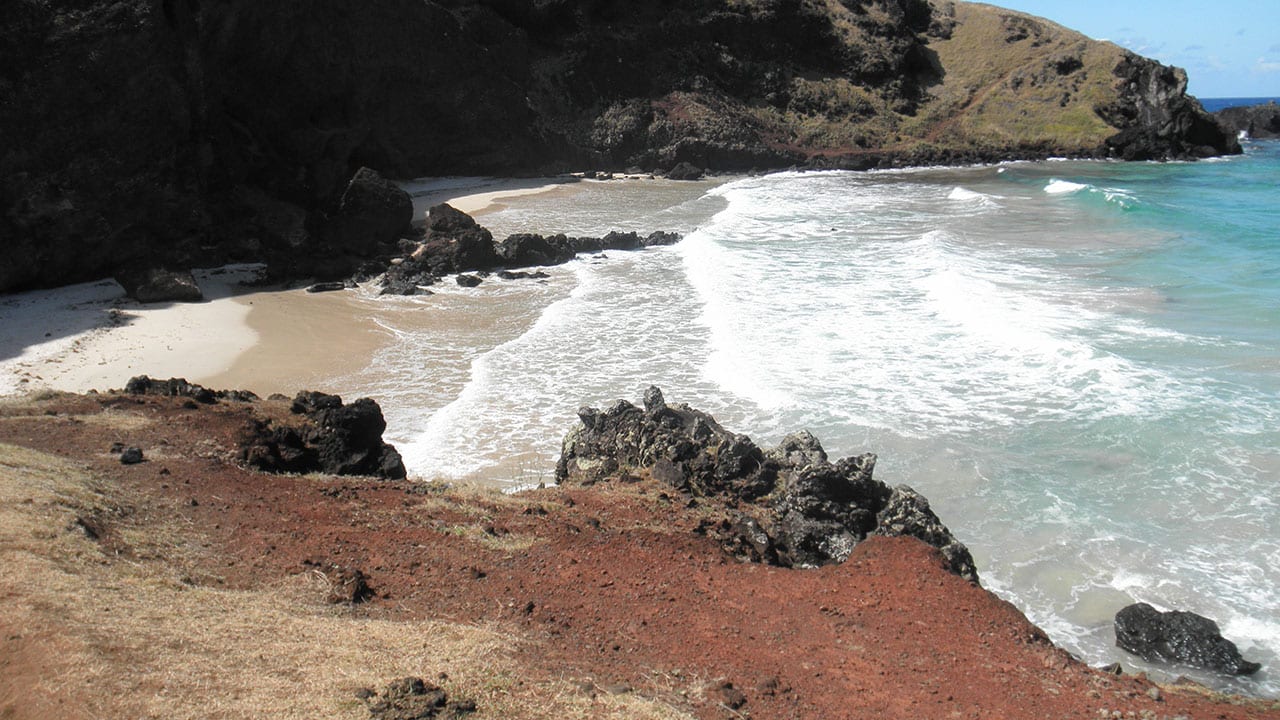
Waves, currents, wind, storms, and tides form complex interactions over time to cause erosion along some stretches of shoreline and growth in others.
Read MoreCoastal Ecosystems
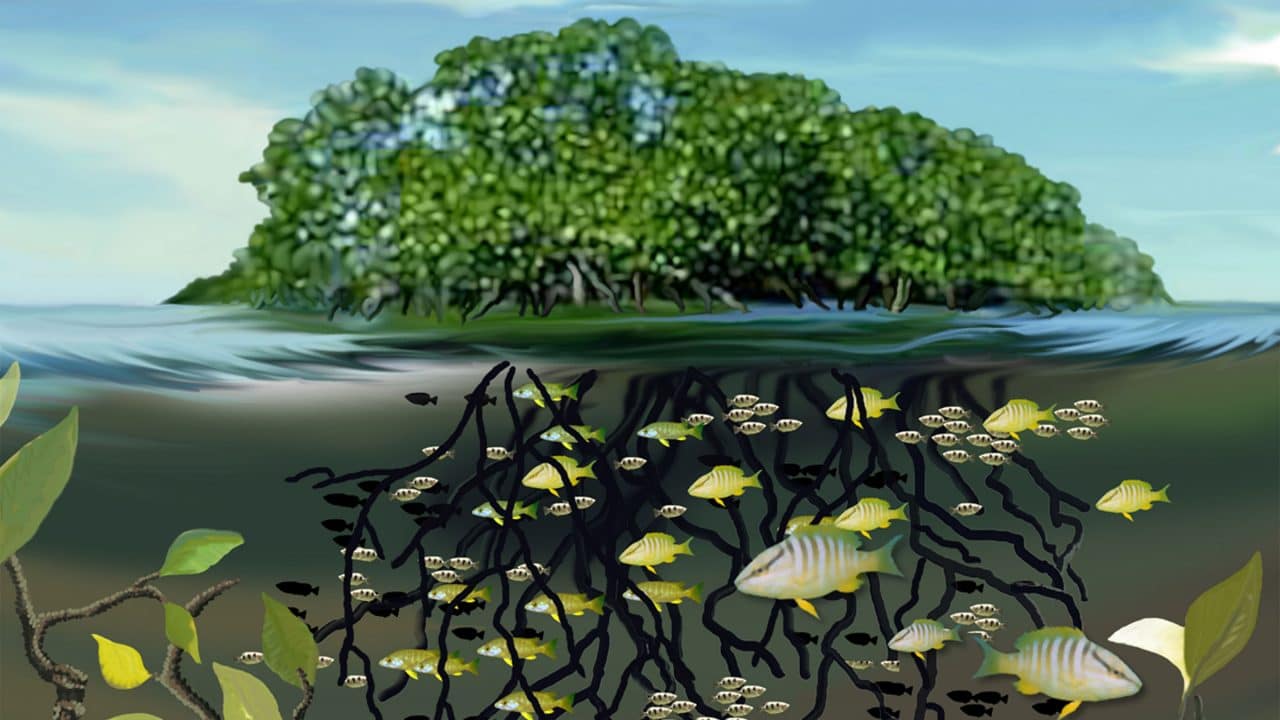
The narrow region where land and ocean meet includes salt marshes, mangroves, wetlands, estuaries, reefs, and bays often linked in a network of physical, chemical, and biological interchanges.
Read MoreCoastal Science
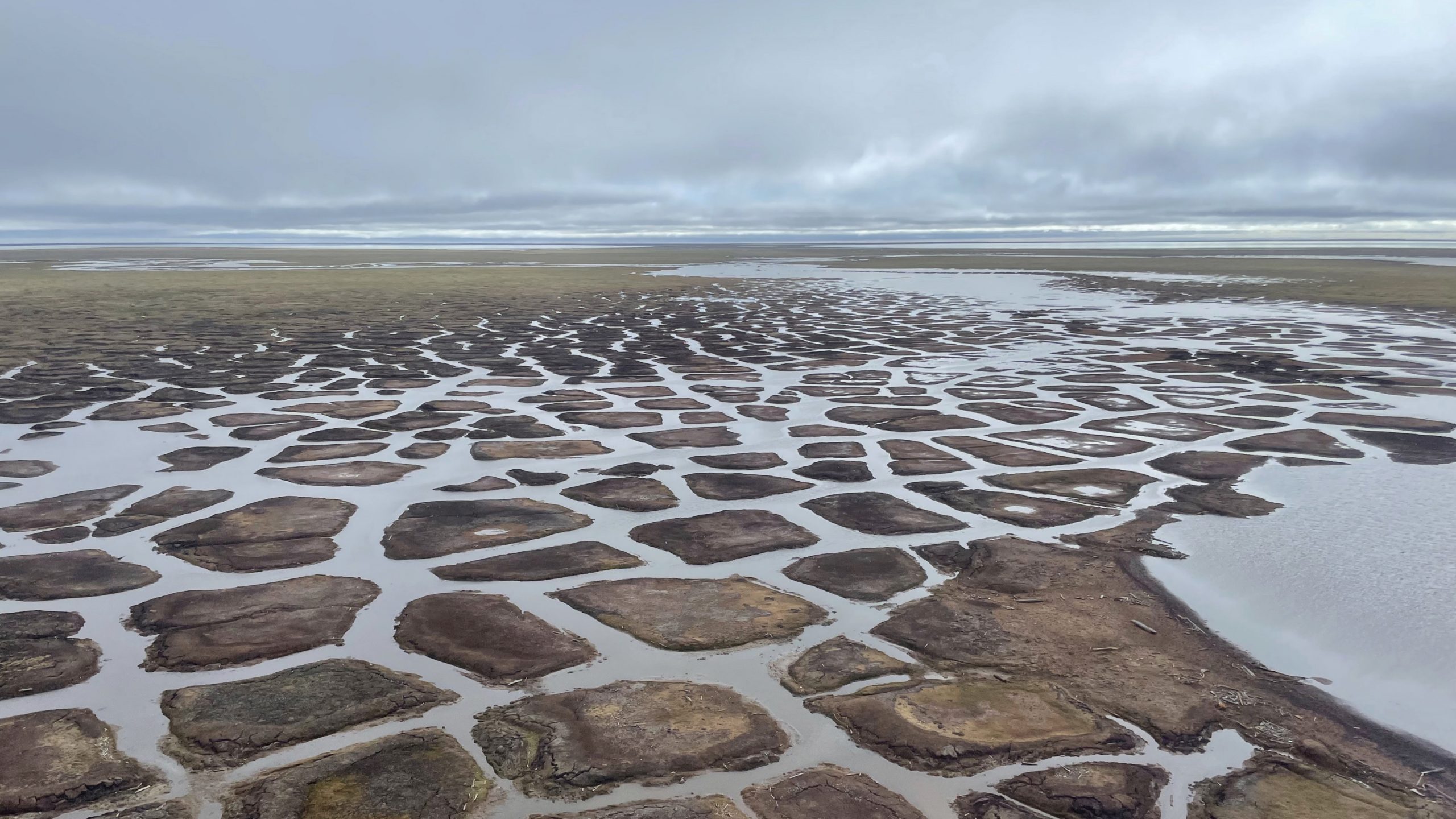
Although the oceans cover most of Earth, the tiny sliver of the coastal ocean greatly influences, and is most influenced by, human activity.
Read MorePaleoclimatology
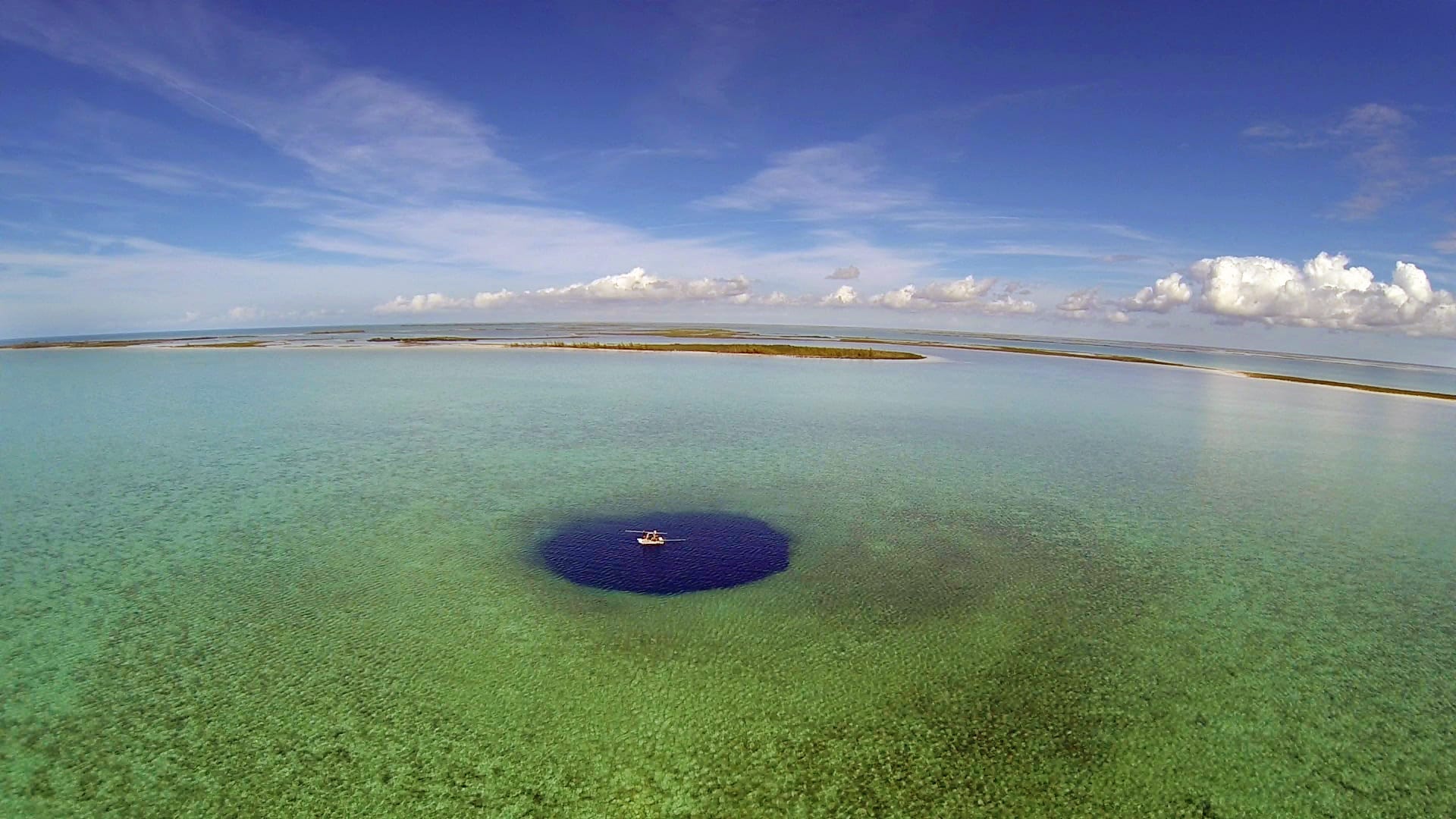
Understanding how climate naturally varied over thousands and millions of years teaches us how Earth's climate system works and sheds light on current, human-induced changes.
Read MoreSea Level Rise
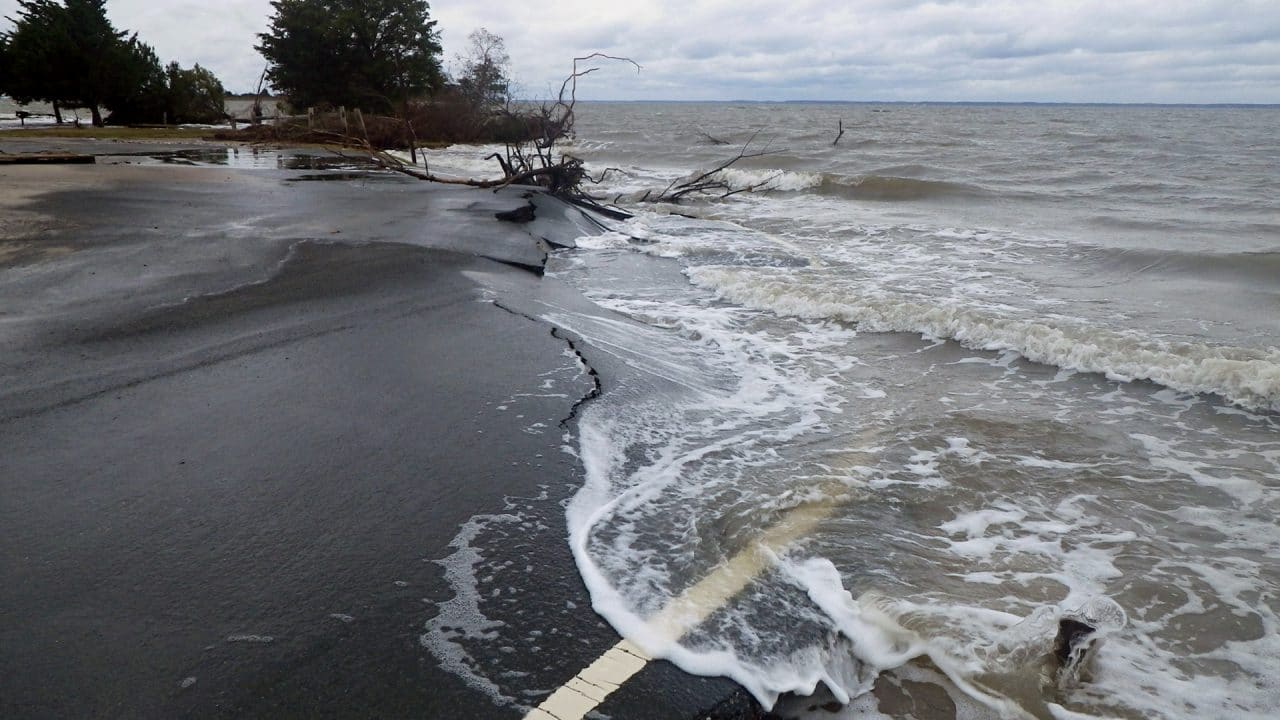
Sea level rise is expected to continue for centuries and may impact human and the natural environment.
Read MoreWater Cycle
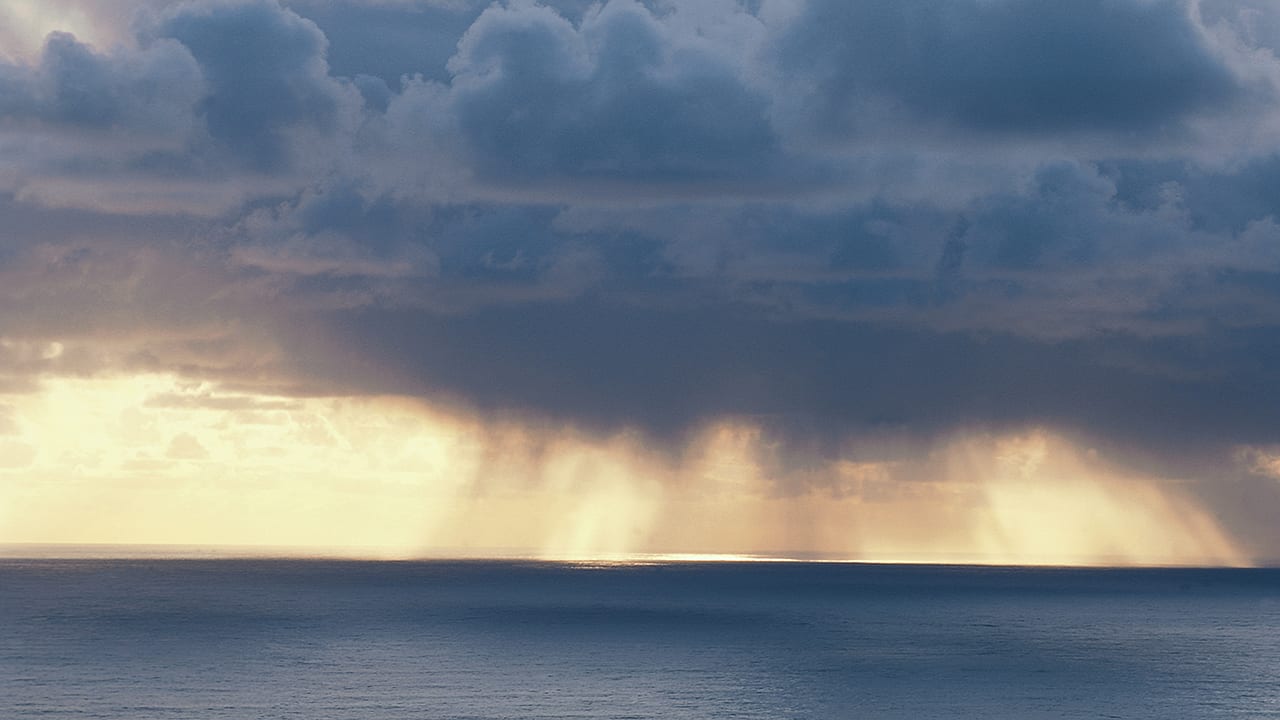
The water cycle describes the continuous movement of water on, above and below the surface of the Earth.
Read MoreClimate & Weather
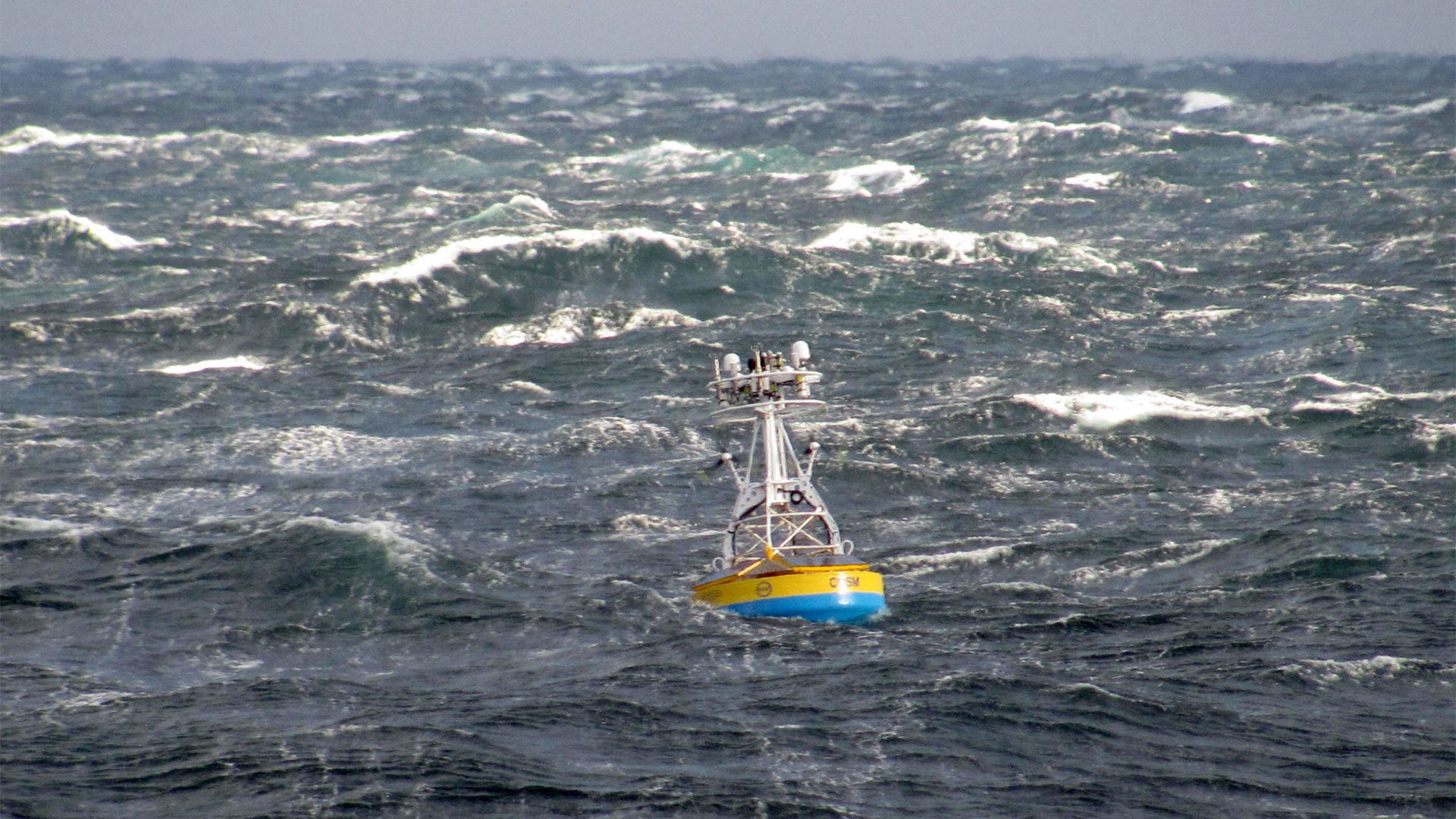
The ocean plays a central role in global climate and regional weather patterns, including droughts, rainstorms, and hurricanes.
Read MoreAbrupt Climate Change
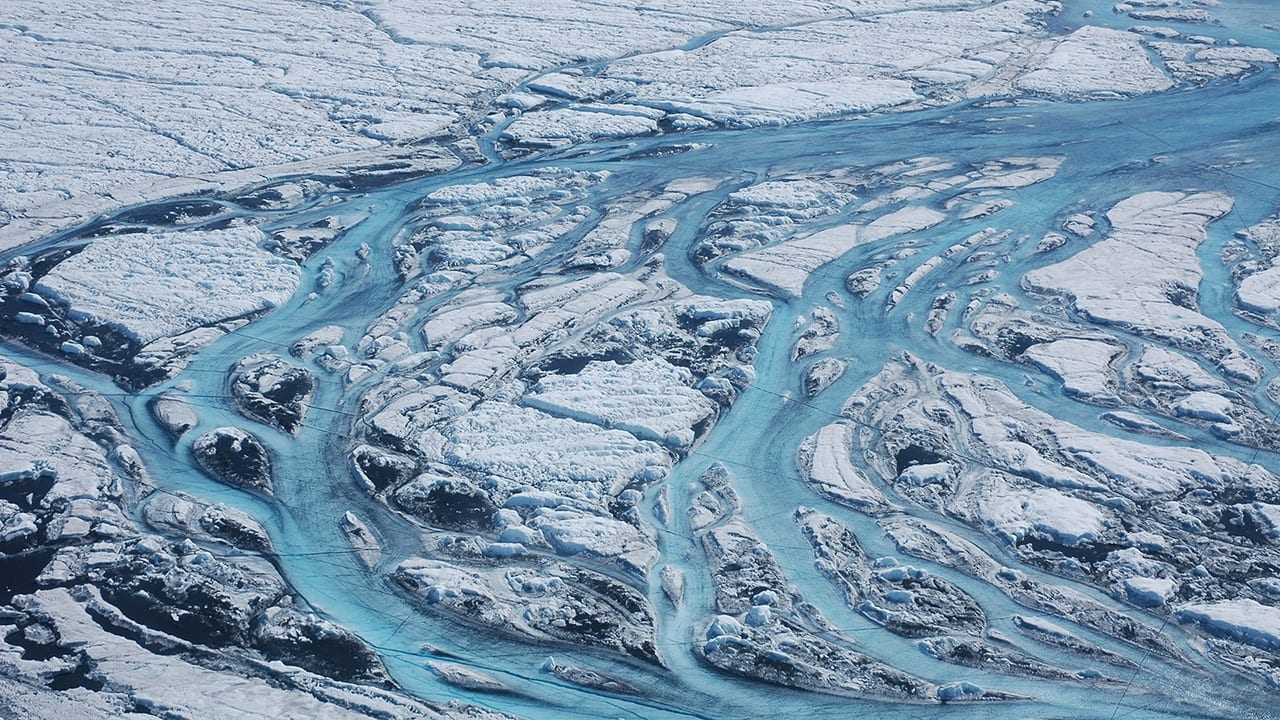
Earth's changing climate is raising concerns that it could respond in abrupt and unexpected ways, making it difficult for human society to adapt.
Read MoreClimate Change
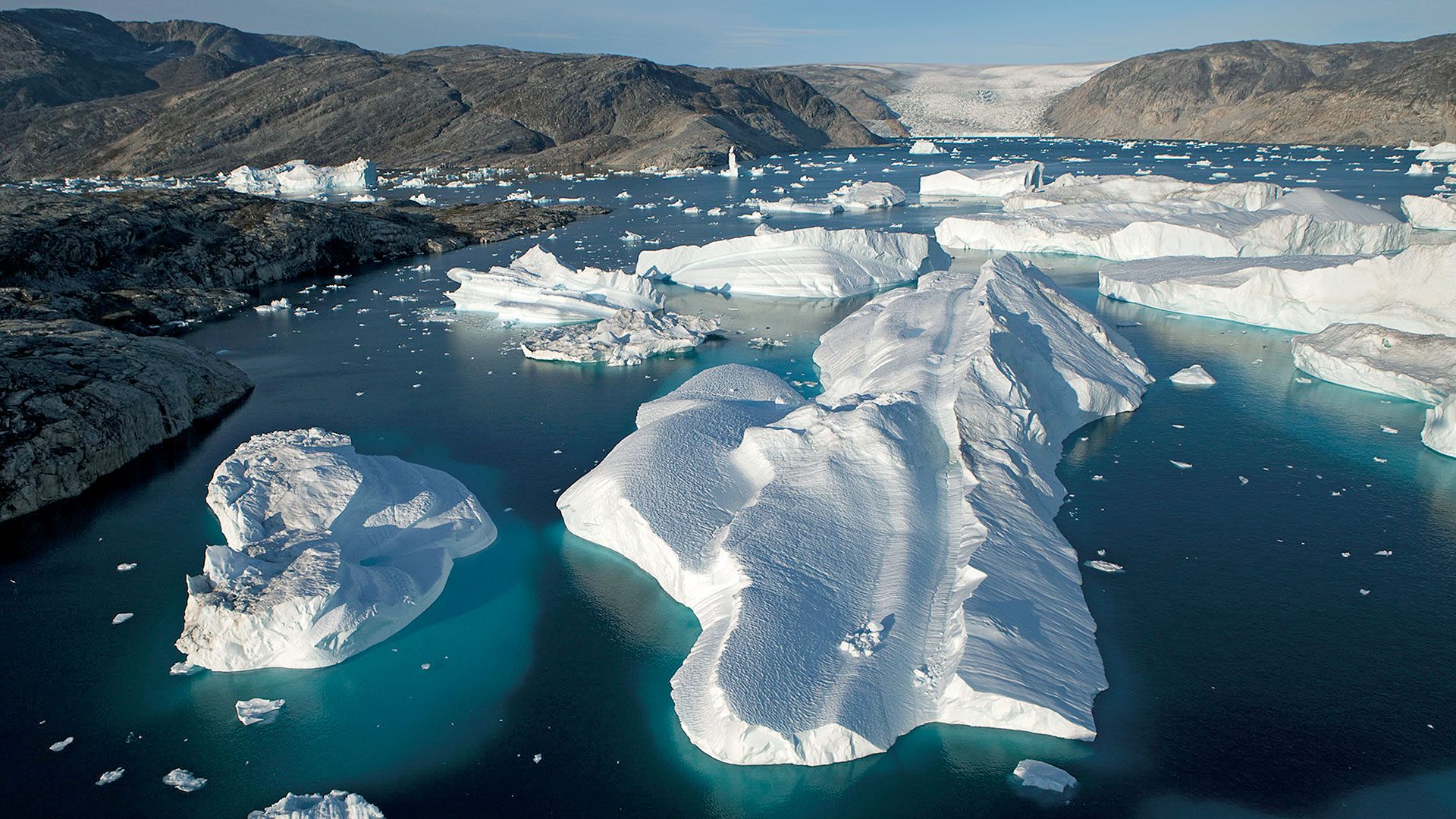
Scientific observation has shown that the atmosphere near the Earth's surface is warming.
Read MoreForecasting Where Ocean Life Thrives
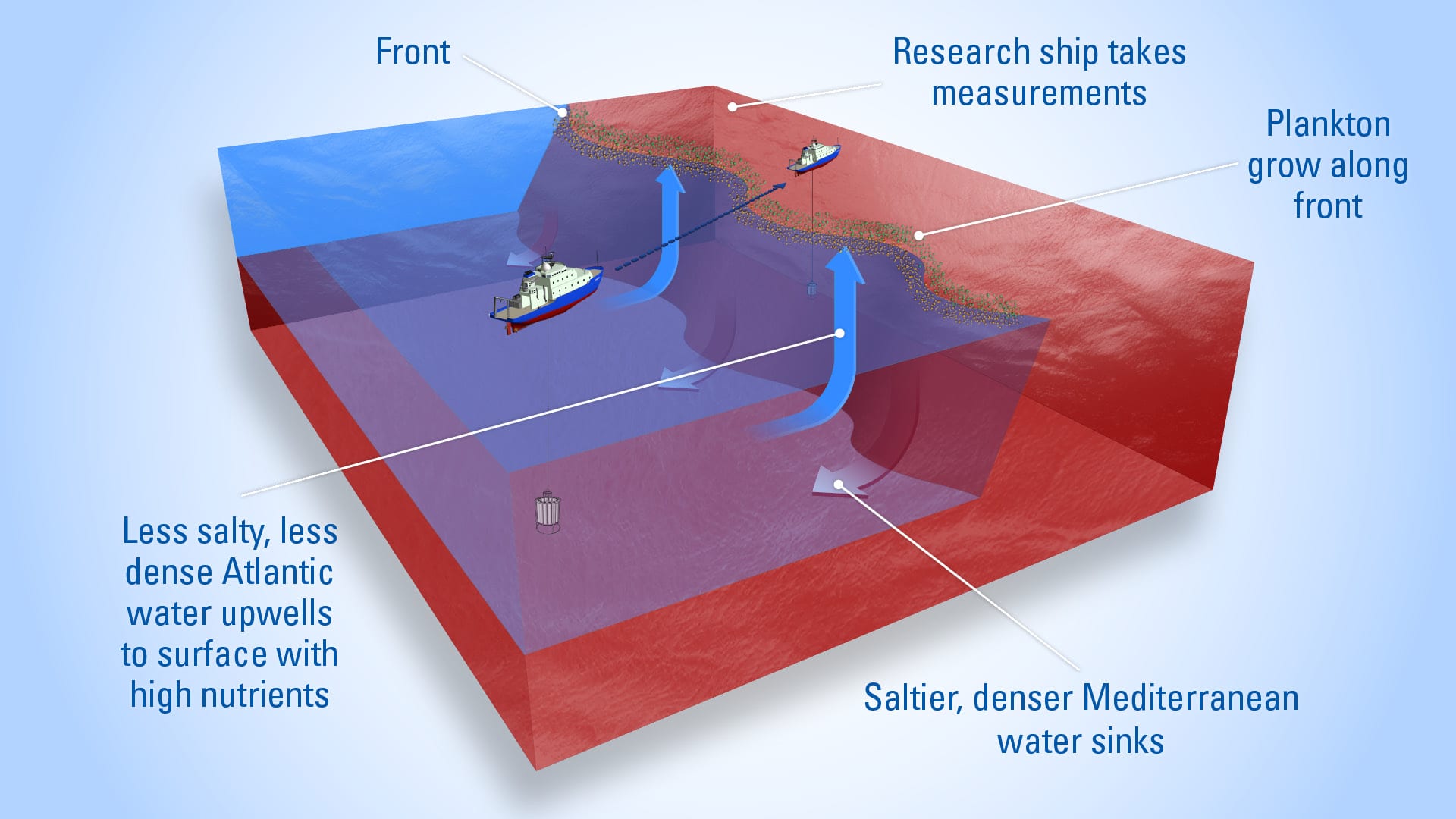
Plankton thrive at ocean fronts, where lighter Atlantic water meets denser Mediterranean water, driving nutrient-rich mixing that fuels surface growth.
Read MoreEl Niño and La Niña
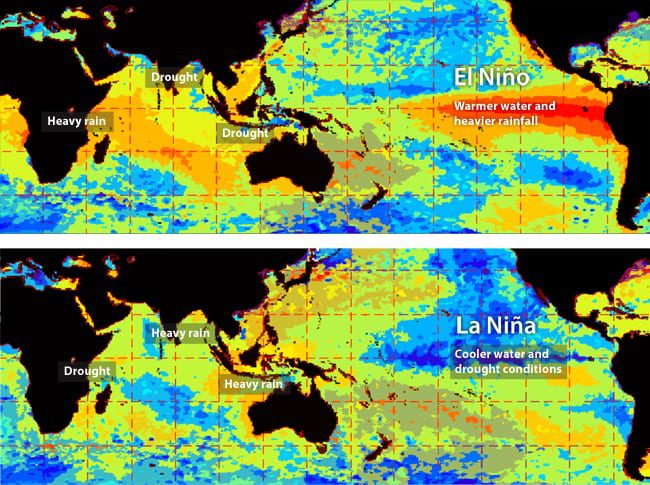
El Niño brings Pacific warming, East African rains, and Asian droughts. La Niña flips the pattern. This natural cycle shifts global rainfall every few years.
Read MoreSamoa Chain
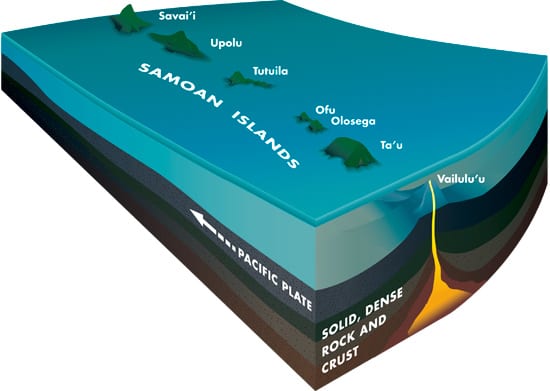
Hotspots like Samoa and Hawaii form island chains as magma erupts through the crust while tectonic plates drift over a fixed source deep in the mantle.
Read MoreArctic Halocline
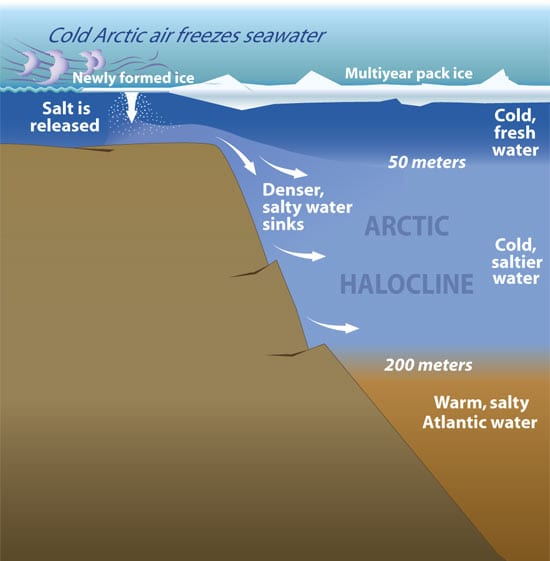
As sea ice forms, it releases salt, making surface water sink—creating a cold layer that shields the ice from deeper, warmer waters below.
Read MoreElemental Journeys
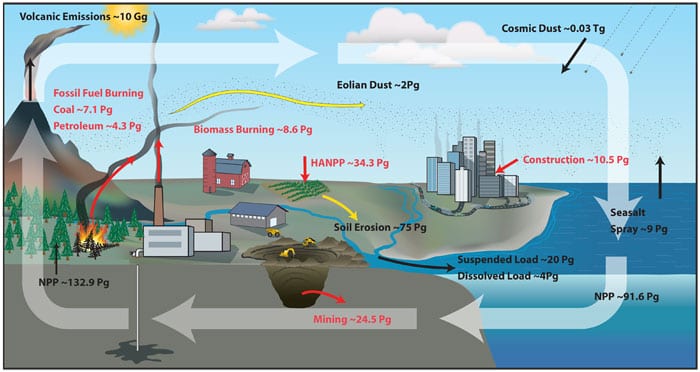
Vast amounts of elements move via nature and humans—through erosion, rivers, farming, and more—measured in Pg, Tg, and Gg. HANPP tracks our impact.
Read MoreWhere the whales are
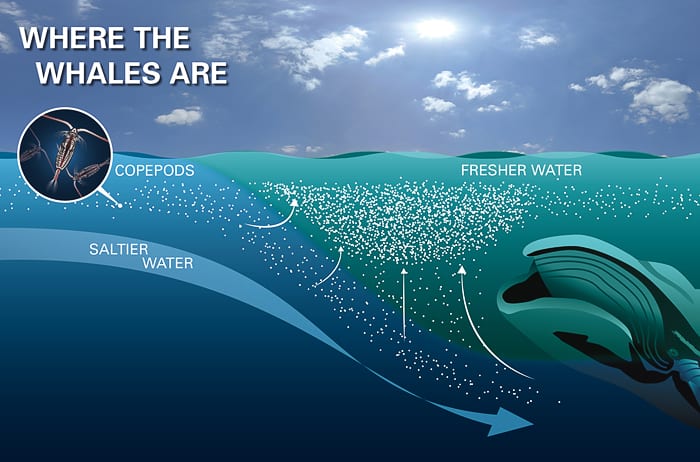
Fresh coastal currents meet salty ocean water to form a front where copepods aggregate in dense surface patches, creating feeding hotspots for marine life.
Read MoreRadioactivity in the Ocean: Natural vs. Human Sources
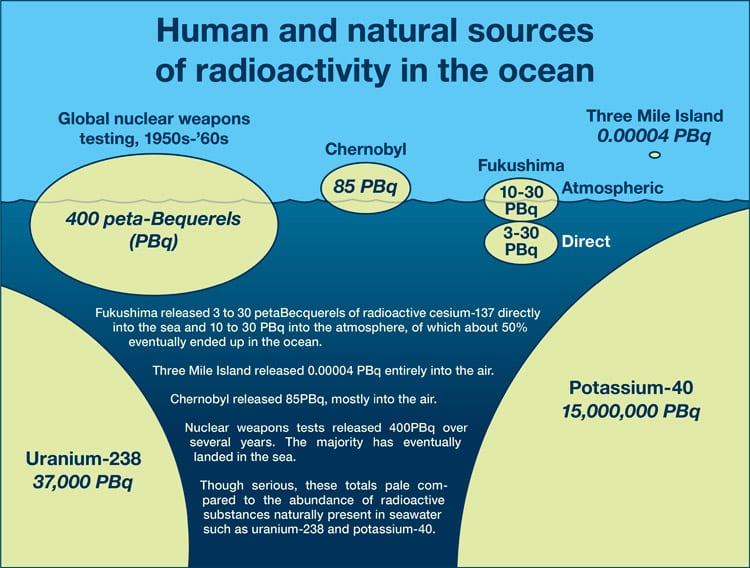
Nuclear accidents released PBqs of radiation, but natural sources like potassium-40 far exceed them—15 million PBq already exist in seawater.
Read MoreBetween the beach and the deep sea
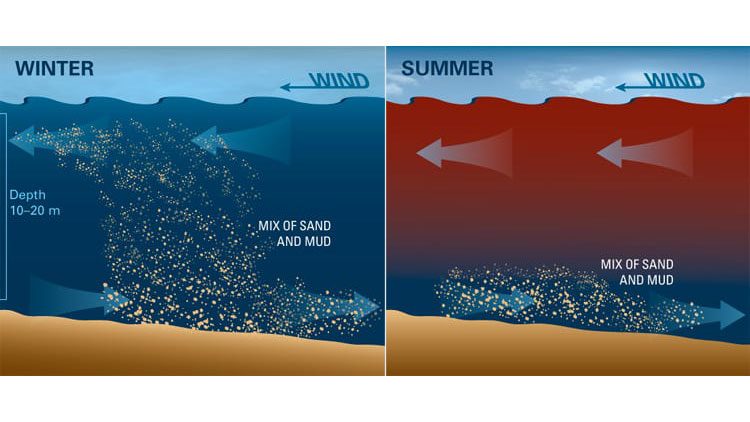
The shallow inner shelf connects beach and ocean, where waves, tides, and seasonal changes mix sand, water, and nutrients, shaping coastal transport.
Read MoreNoah’s Not-so-big Flood
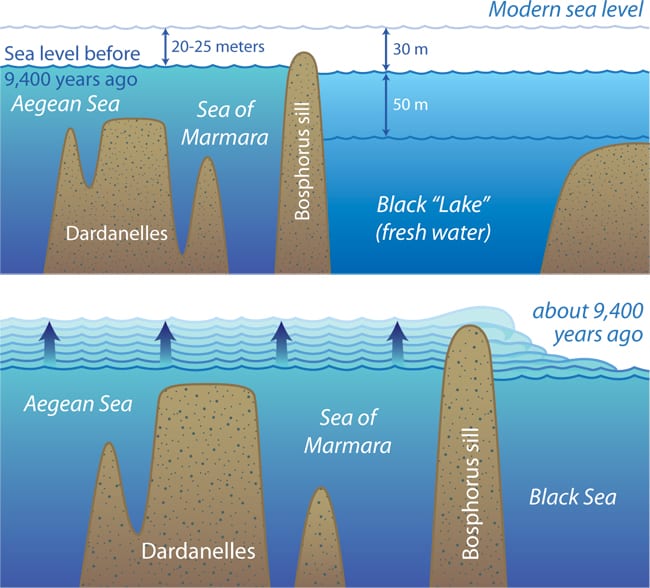
10,000 years ago, the Black Sea was a freshwater lake dammed by the Bosphorus Sill. Rising sea levels later flooded it, possibly inspiring the Noah’s flood story.
Read MoreGreenland-Scotland Ridge
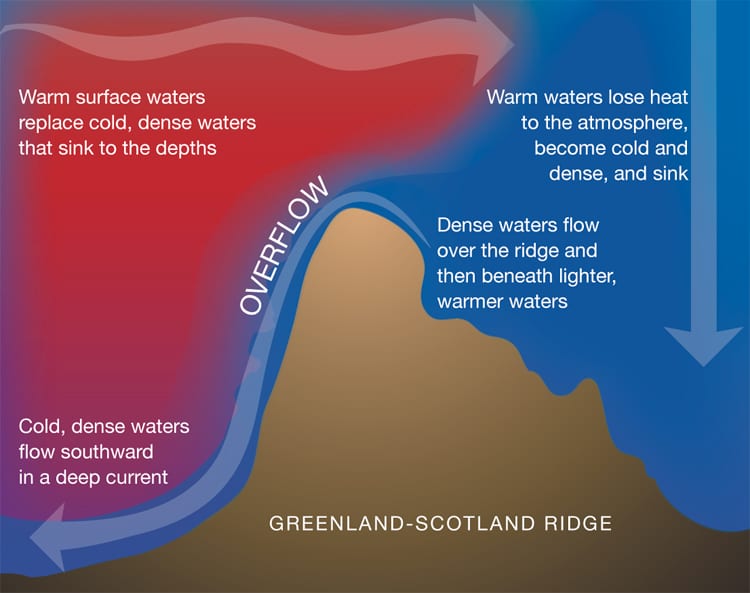
The Greenland-Scotland Ridge is a tall undersea ridge that rises within 500 meters of the sea surface and extends from East Greenland to Iceland and across to Scotland.
Read MoreMarine Microbe Relations
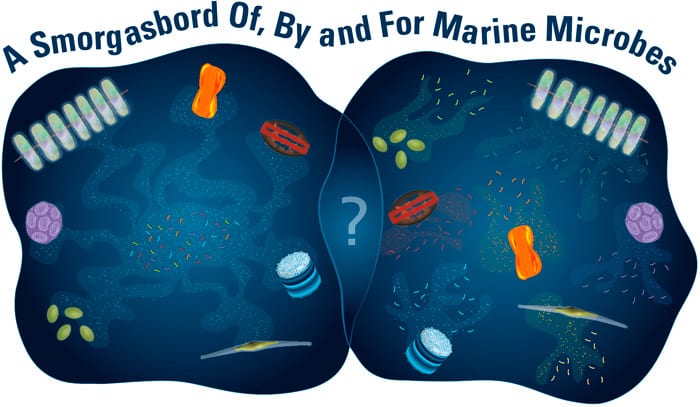
Scientists uncover how autotrophic and heterotrophic microbes interact via dissolved organic carbon, shaping ocean food webs and influencing Earth’s chemistry.
Read MoreFukushima and Radiation in the Ocean: How much?
Fukushima released radioactive water into the Pacific. Explore how much, how it spread, and what it means for ocean health, seafood, and human safety.
Read MoreCarbon Around the World
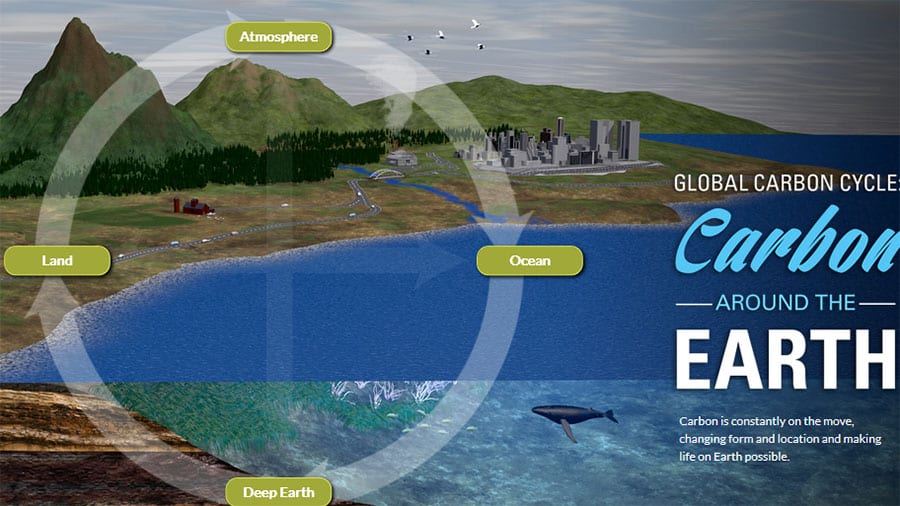
Carbon makes up the backbone of all life on Earth. It’s found in the cells of all living things, is abundant in rocks and sediments, and is also found in the atmosphere and ocean.
Read More