
Earth Science
Does the ocean produce oxygen?
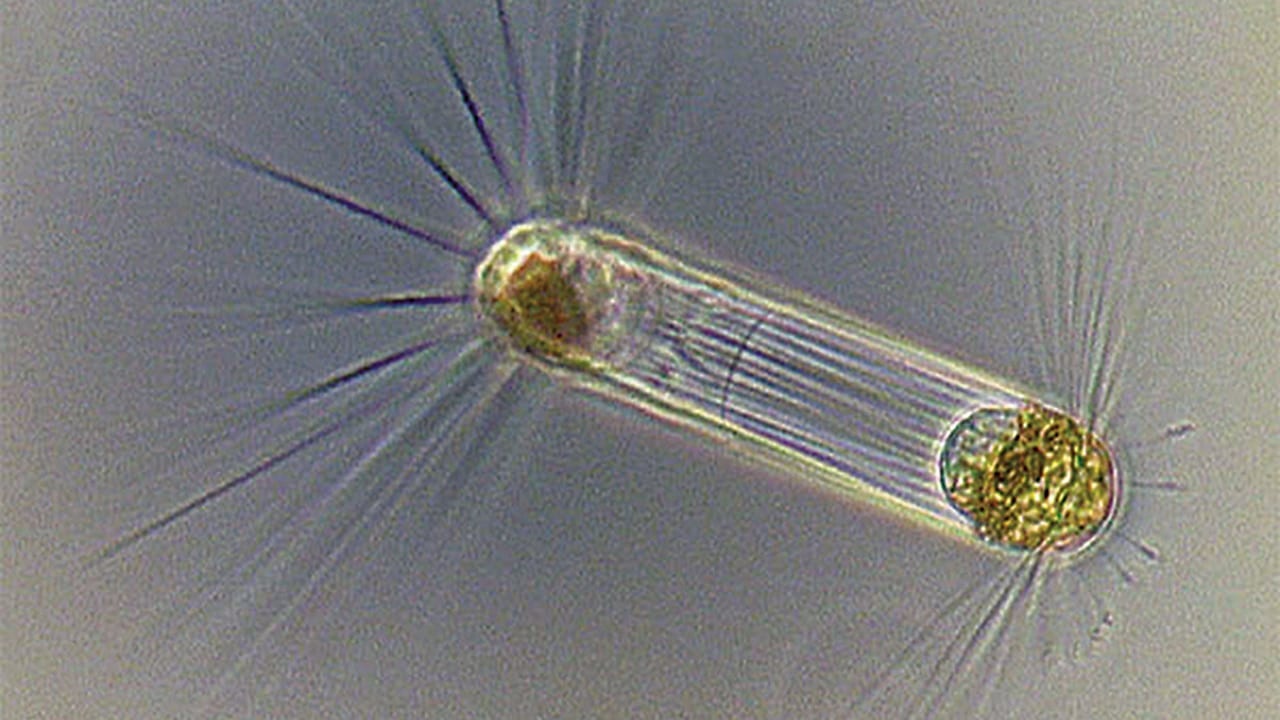
It’s easy to think of the world’s forests as the planet’s “lungs.” Trees pump out oxygen—the same stuff we breathe in. But does all our breathable air come from just land?
Read MoreWhy is the ocean blue?
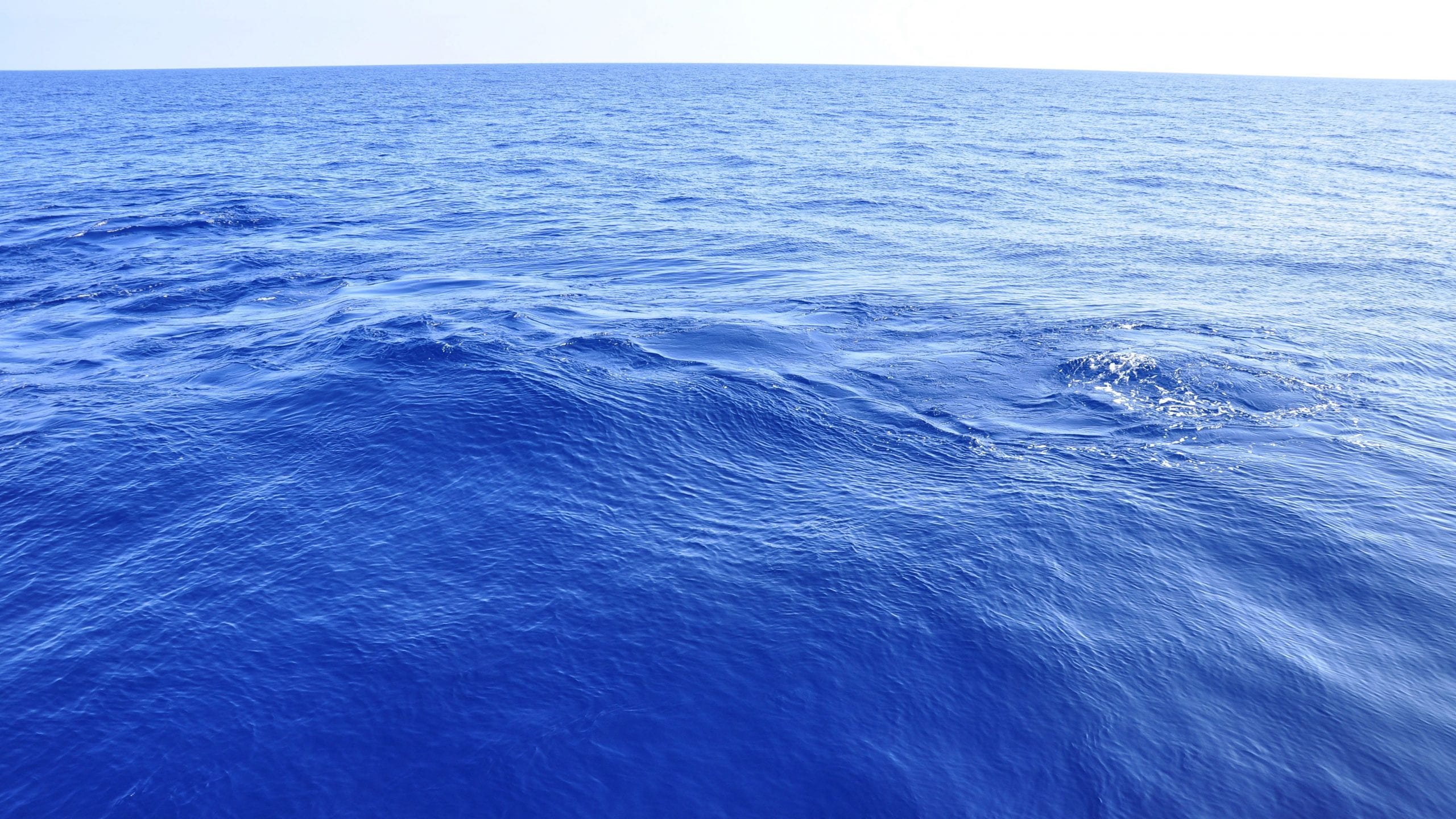
One idea is that it reflects the sky. But if we sink below the surface, the blue color remains. Here, the water isn’t reflecting the sky. So why is the ocean blue?
Read MoreExploring Ocean Worlds
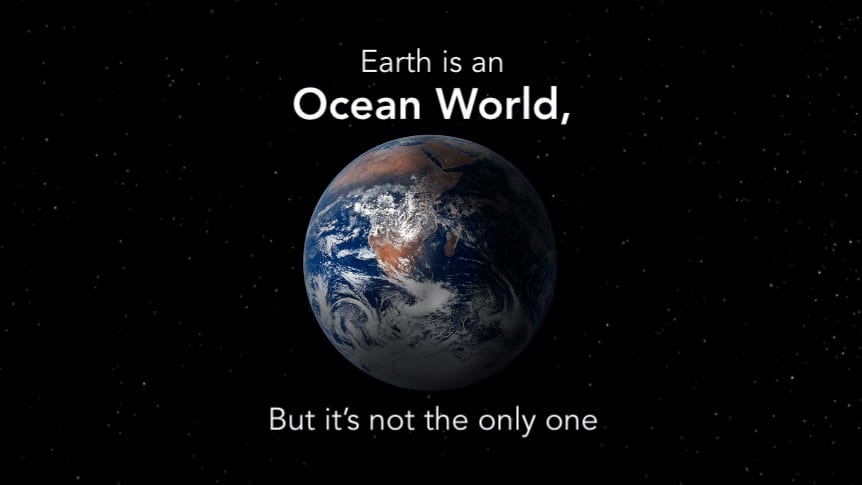
Ocean worlds may be common in our galaxy. Modeling and exoplanet discoveries suggest many planets could have oceans, some hidden beneath icy shells.
Read MoreGroundwater
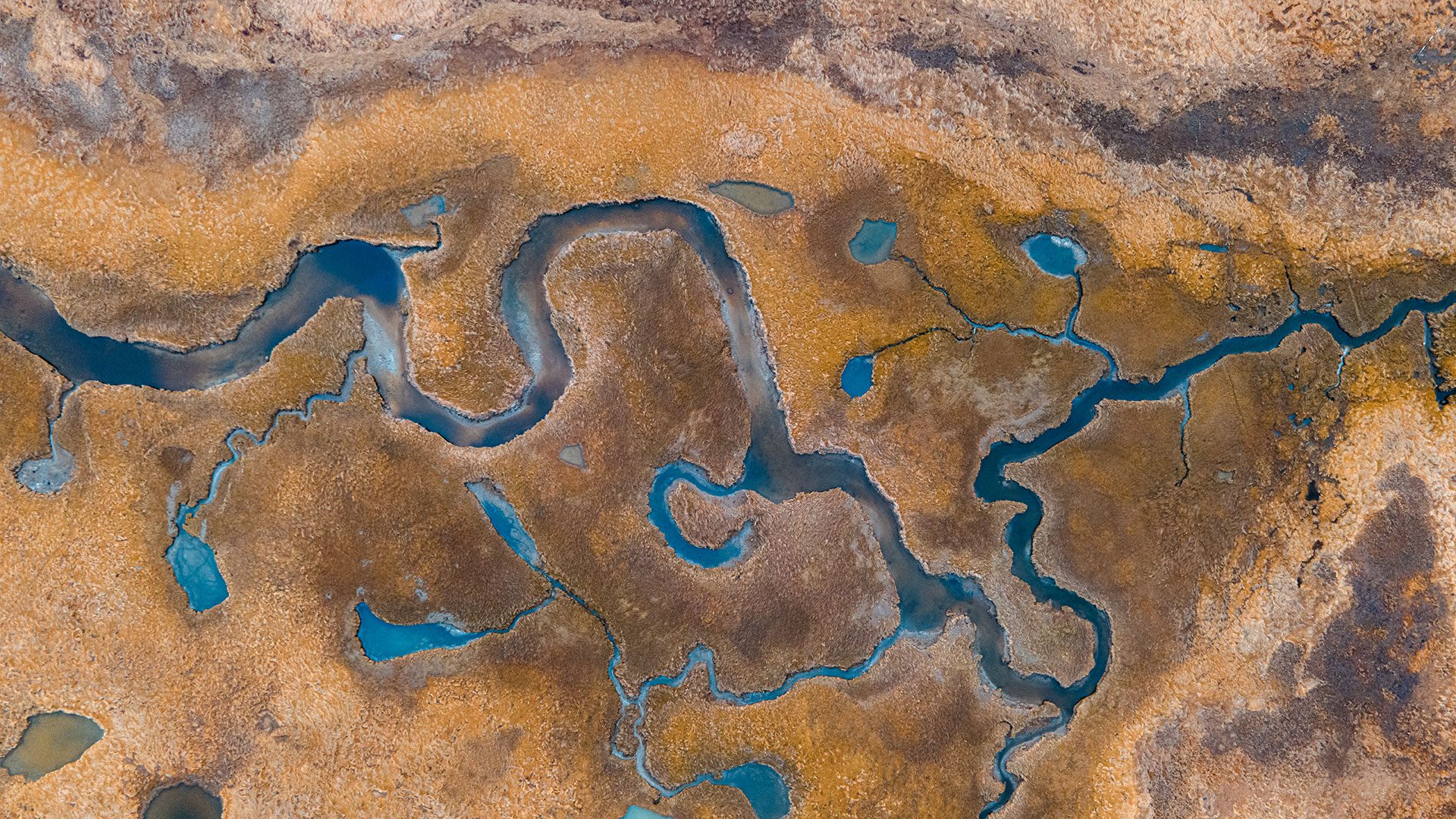
Groundwater is water that exists underground in the spaces between grains of sand or gravel or in the cracks and fractures in solid rock—part of the global water cycle.
Read MoreAir France Flight 447
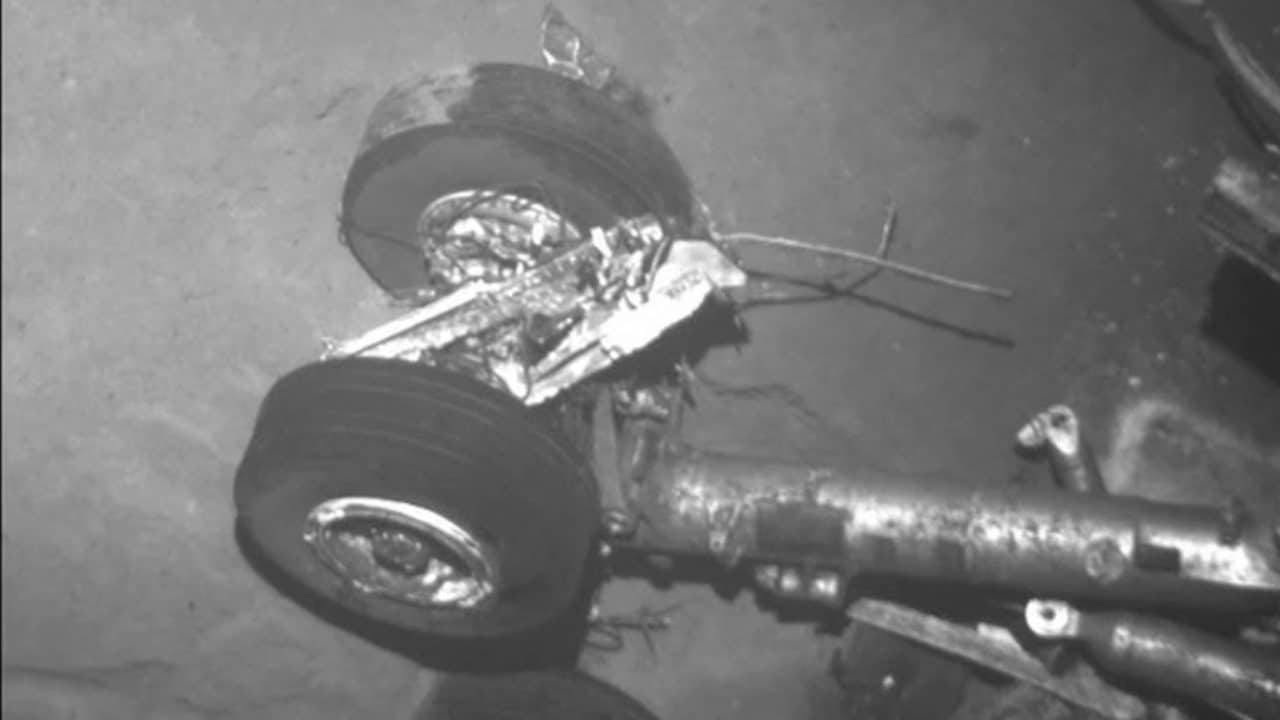
On April 4, 2011, a search team led by the Woods Hole Oceanographic Institution (WHOI) located the wreckage of the Airbus jet some 3,900 meters (nearly 2.5 miles) below the surface of the Atlantic Ocean.
Read MoreAntikythera Shipwreck
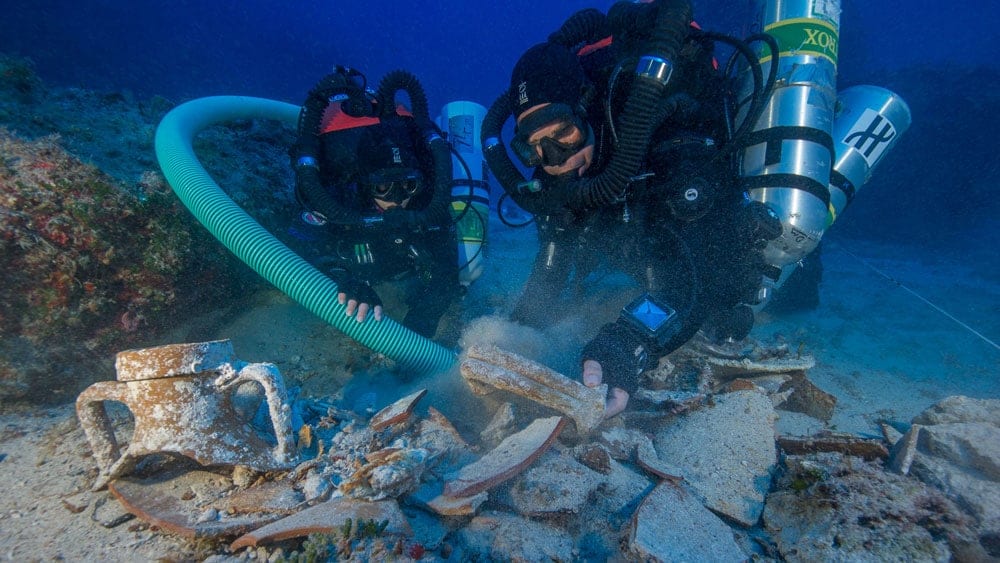
The site of the Antikythera Wreck holds the remains of a Greek trading or cargo ship dating from the First Century, BCE. It is located on the east side of the Greek island of Antikythera.
Read MoreOcean Trenches
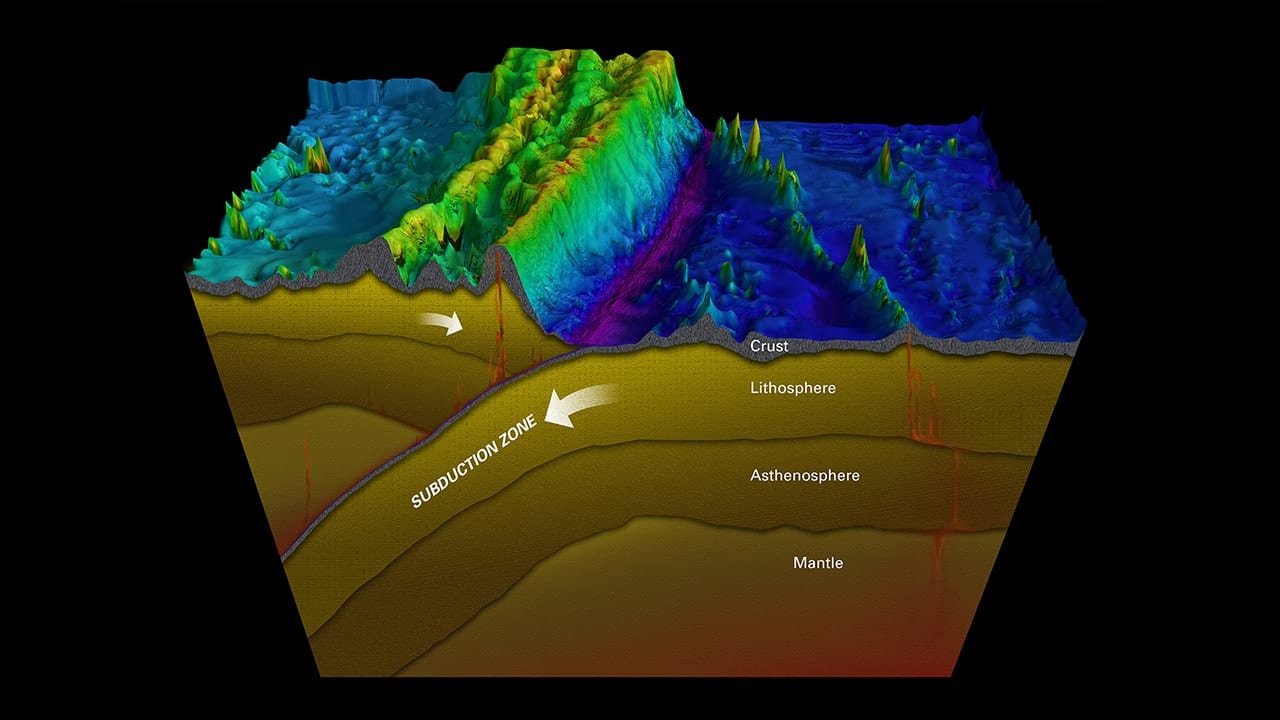
Ocean trenches are steep depressions exceeding 6,000 meters in depth, where old ocean crust from one tectonic plate is pushed beneath another plate.
Read MoreSeamounts
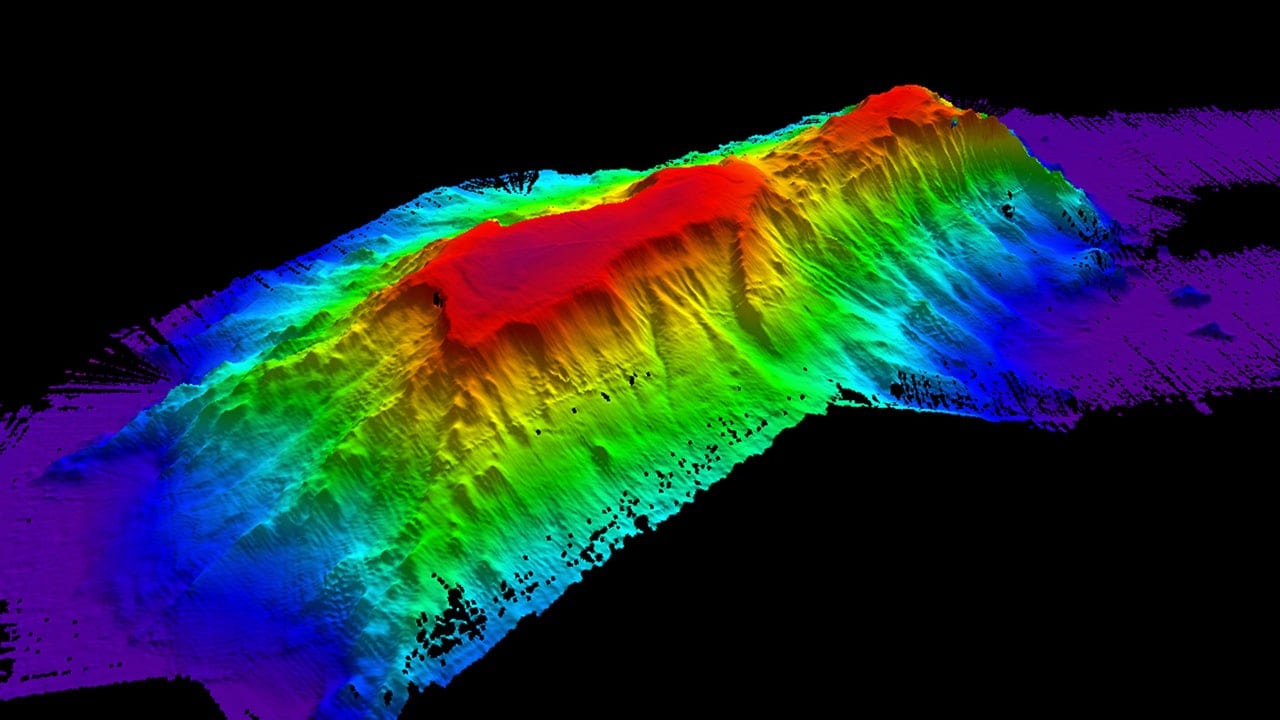
Mountains rising from the ocean seafloor that do not reach to the water's surface.
Read MoreHydrothermal Vents
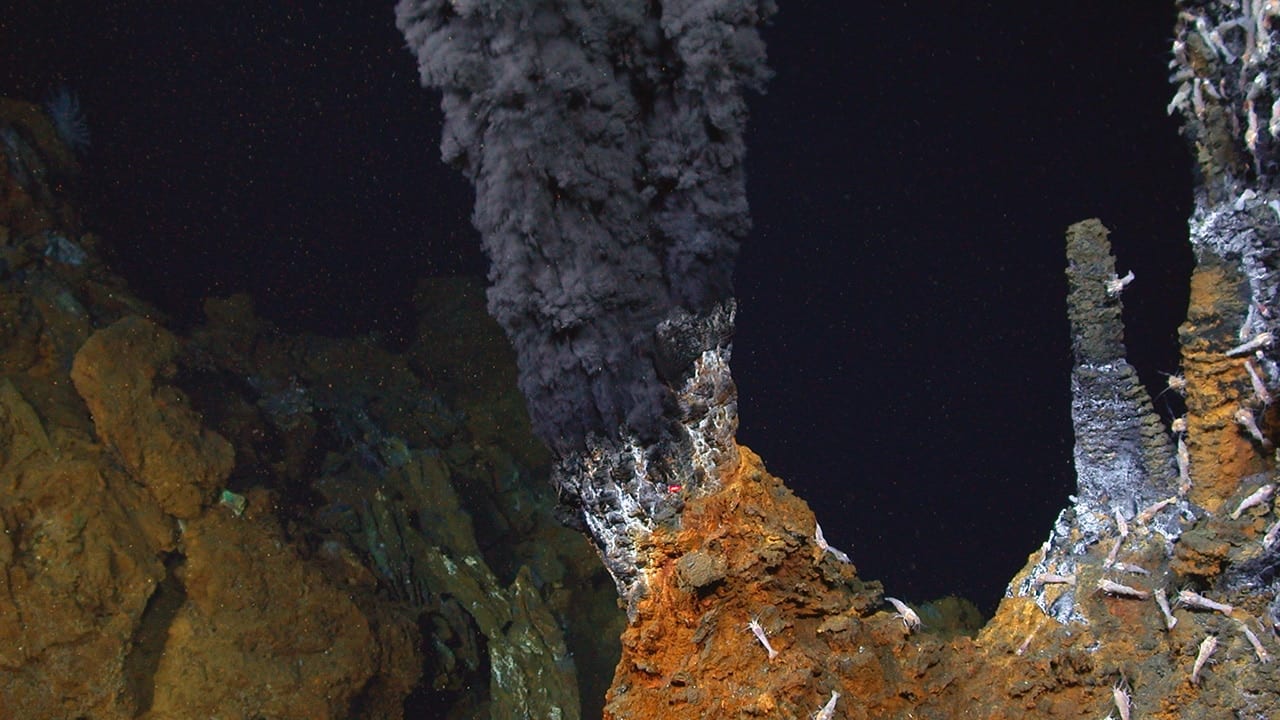
In 1977, scientists made a stunning discovery on the bottom of the Pacific Ocean: vents pouring hot, mineral-rich fluids from beneath the seafloor.
Read MoreMarine Microplastics
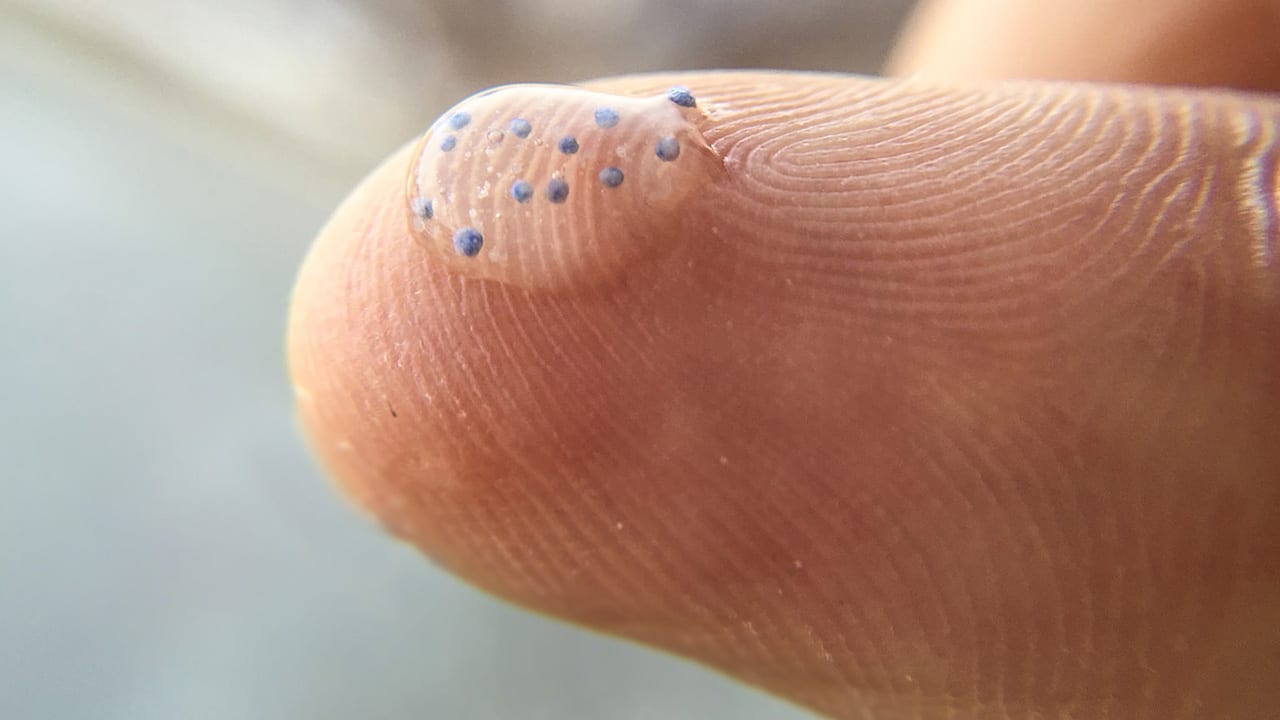
Marine microplastics are small fragments of plastic debris that are less than five millimeters long. Some microplastics, known as primary microplastics, are “micro by design
Read MoreSea Ice
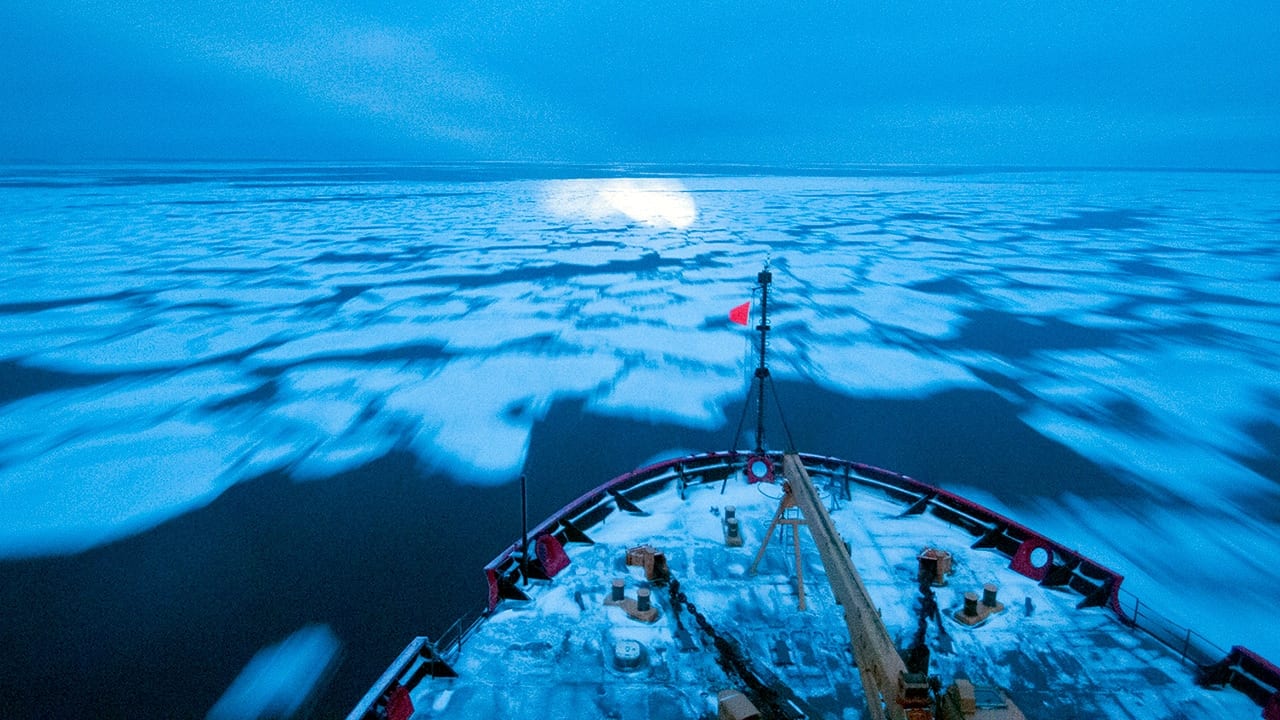
Sea ice is frozen seawater floating on the surface of the ocean. Sea ice is formed entirely in the ocean, unlike icebergs, which originate from land-based sources like glaciers and ice sheets.
Read MoreGlaciers & Ice Sheets
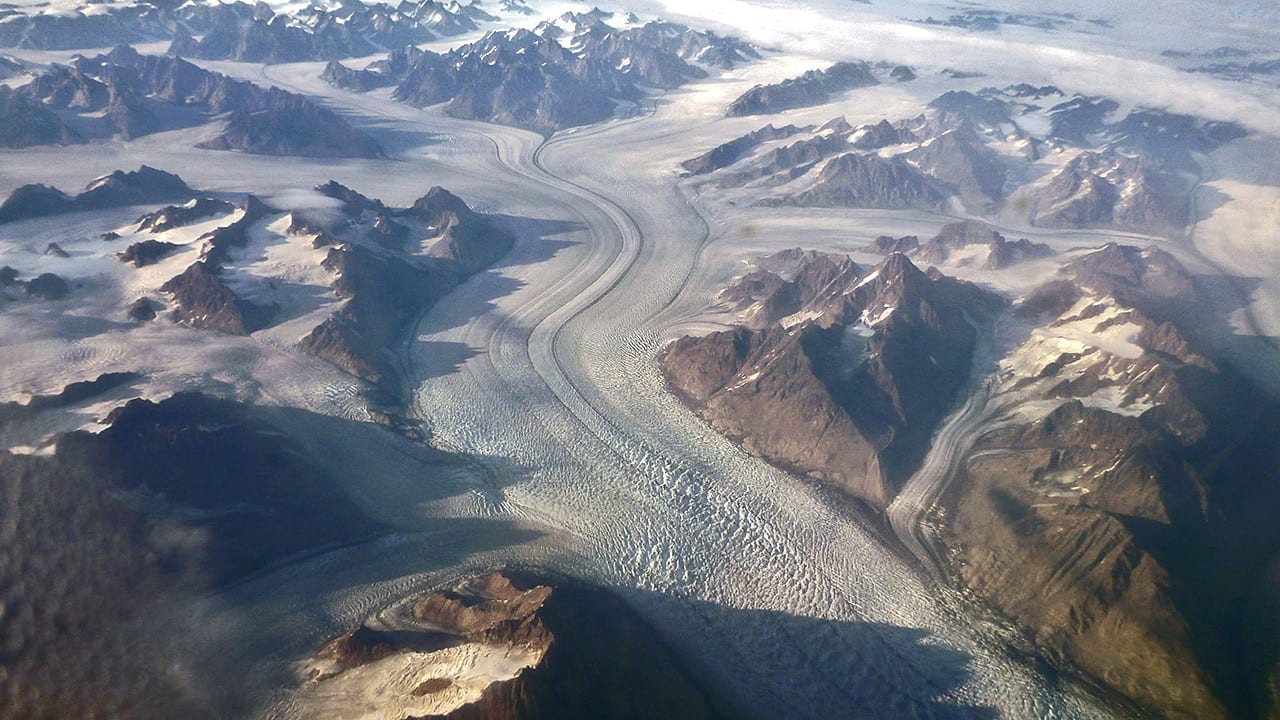
Glaciers are large ice masses created by snowfall that has transformed into ice and compressed over the course of many years. An ice sheet is a mass of glacial land ice extending more than 20,000 square miles.
Read MoreSeafloor Mining
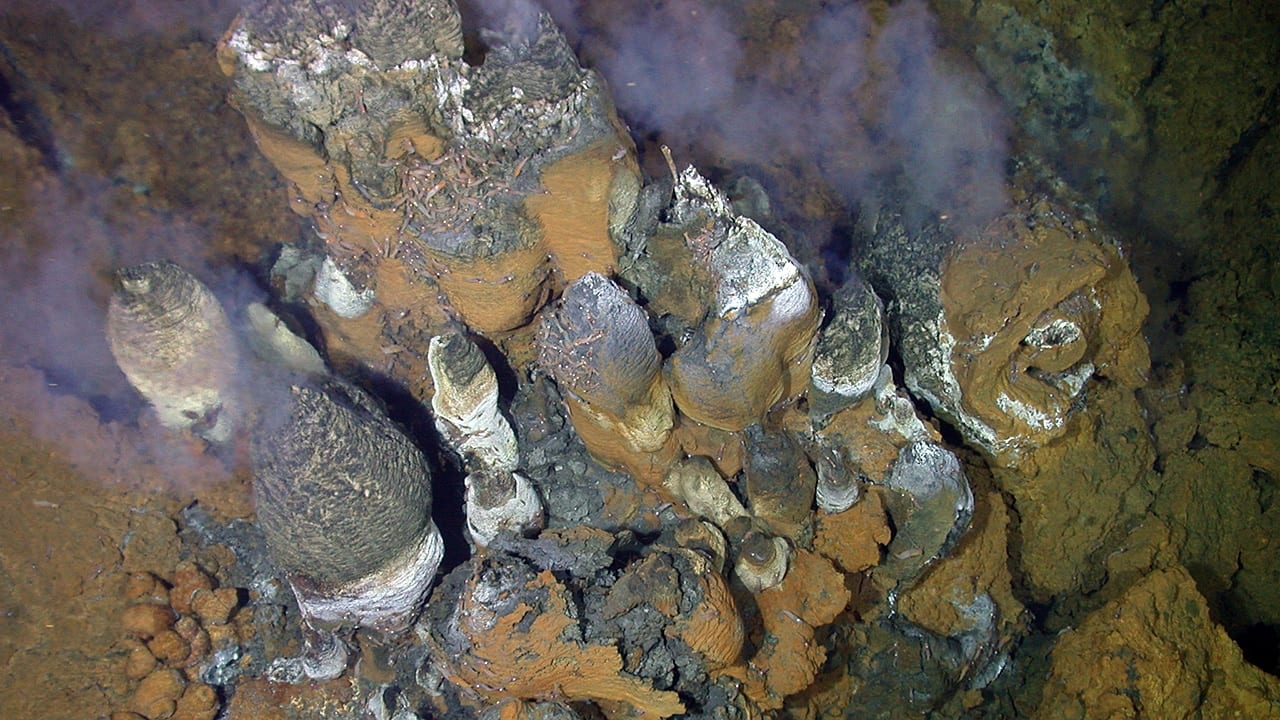
The ocean contains a complex combination of processes that sometimes result in commercially viable forms of a wide range of minerals.
Read MoreTwilight Zone
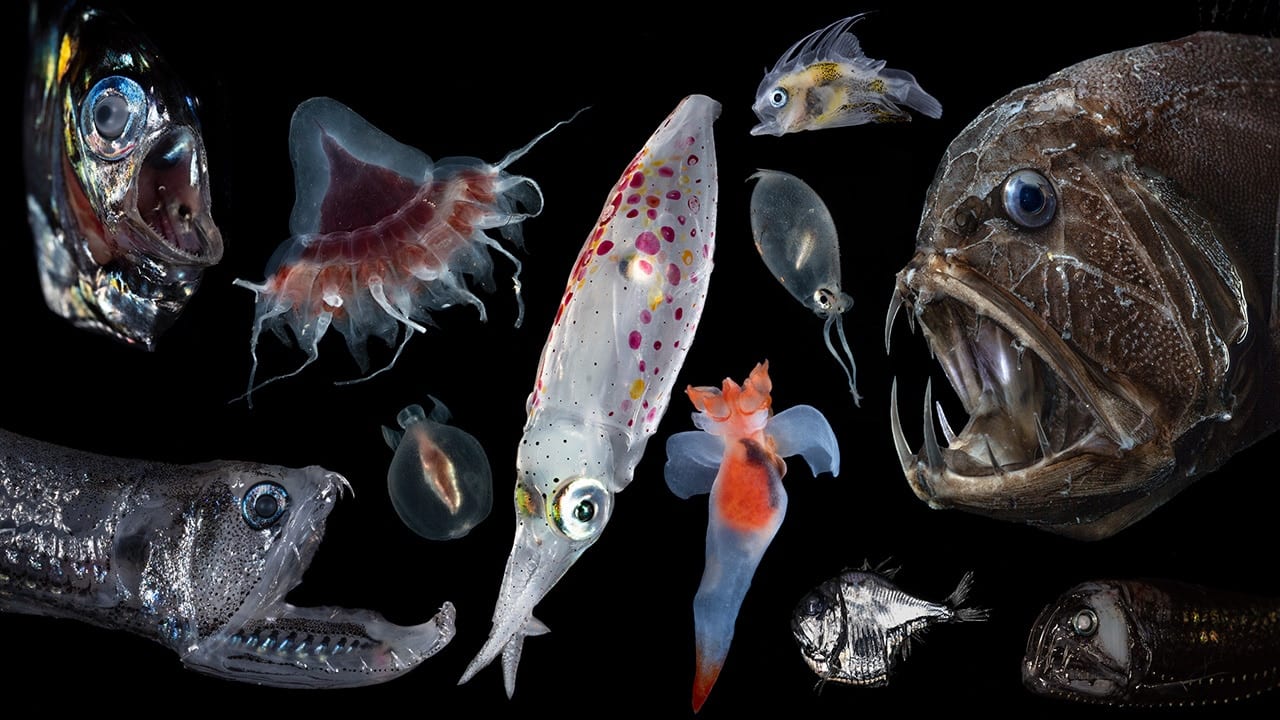
The ocean twilight zone is a layer of water that stretches around the globe. It lies 200 to 1,000 meters below the ocean surface, just beyond the reach of sunlight.
Read MoreLife at Vents & Seeps
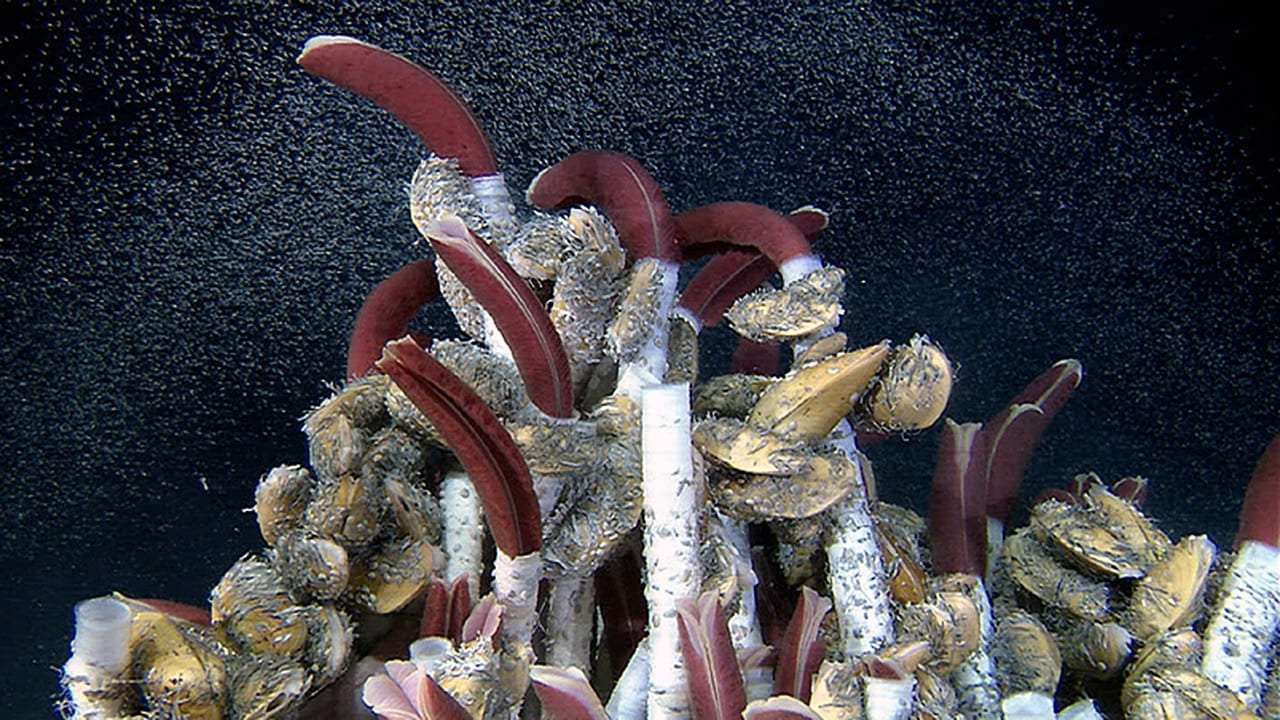
Hydrothermal vents and cold seeps are places where chemical-rich fluids emanate from the seafloor, often providing the energy to sustain lush communities of life in some very harsh environments.
Read MoreMarine Microbes
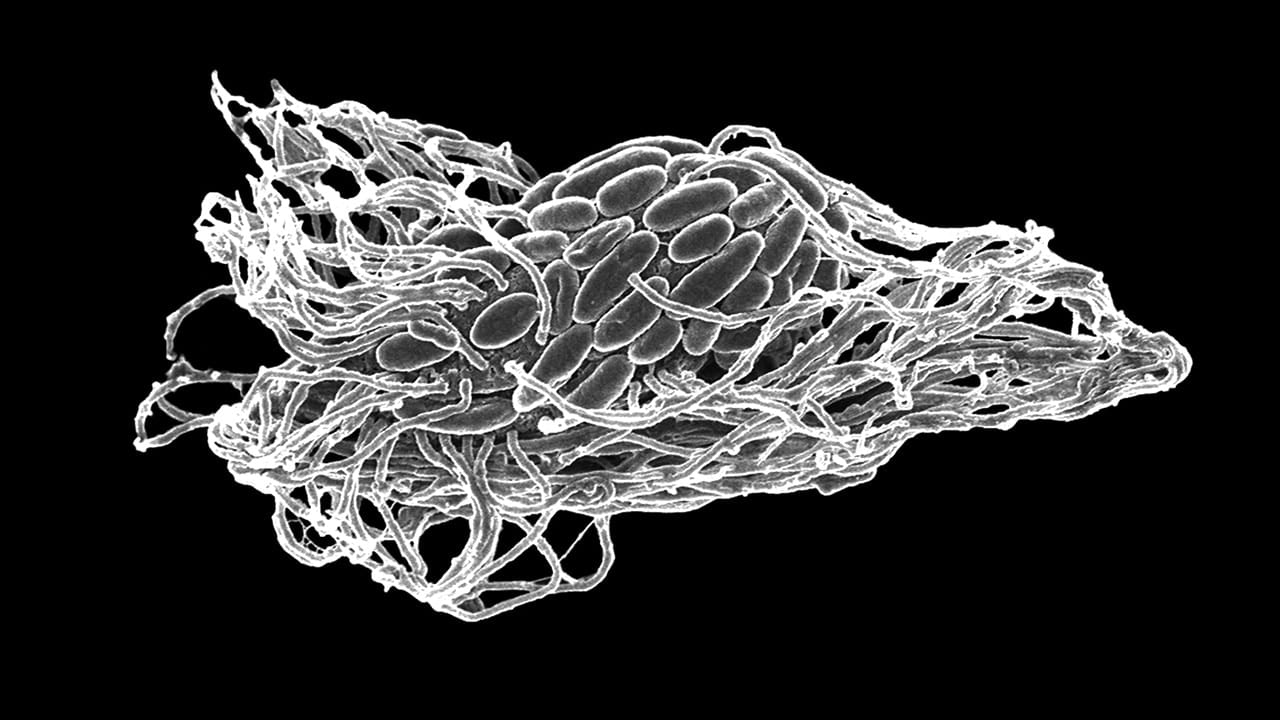
Microbial life can be found throughout the ocean, from rocks and sediments beneath the seafloor, across the vast stretches of open water, to intertidal and surf zones.
Read MoreOcean Circulation
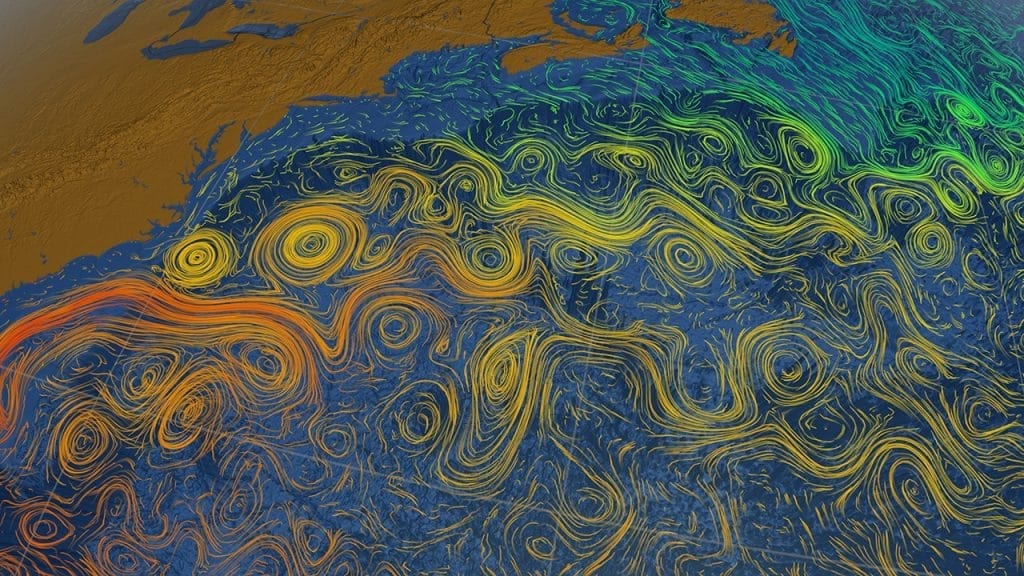
Ocean currents and water properties play large roles in Earth’s climate and ecosystems.
Read MoreCurrents, Gyres, & Eddies
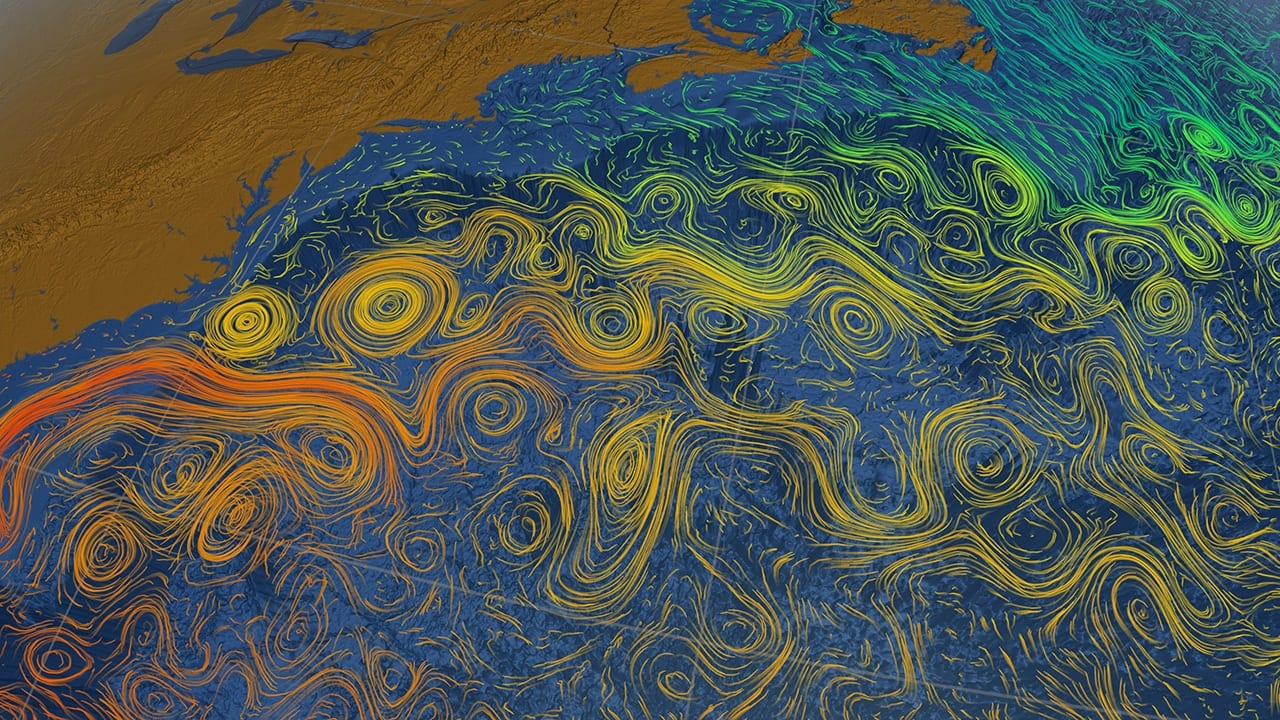
At the surface and beneath, currents, gyres and eddies physically shape the coasts and ocean bottom.
Read MoreOcean Chemistry

The understanding of chemistry in the ocean is critical because changes can influence marine life, and in turn, human life.
Read MoreBiogeochemistry
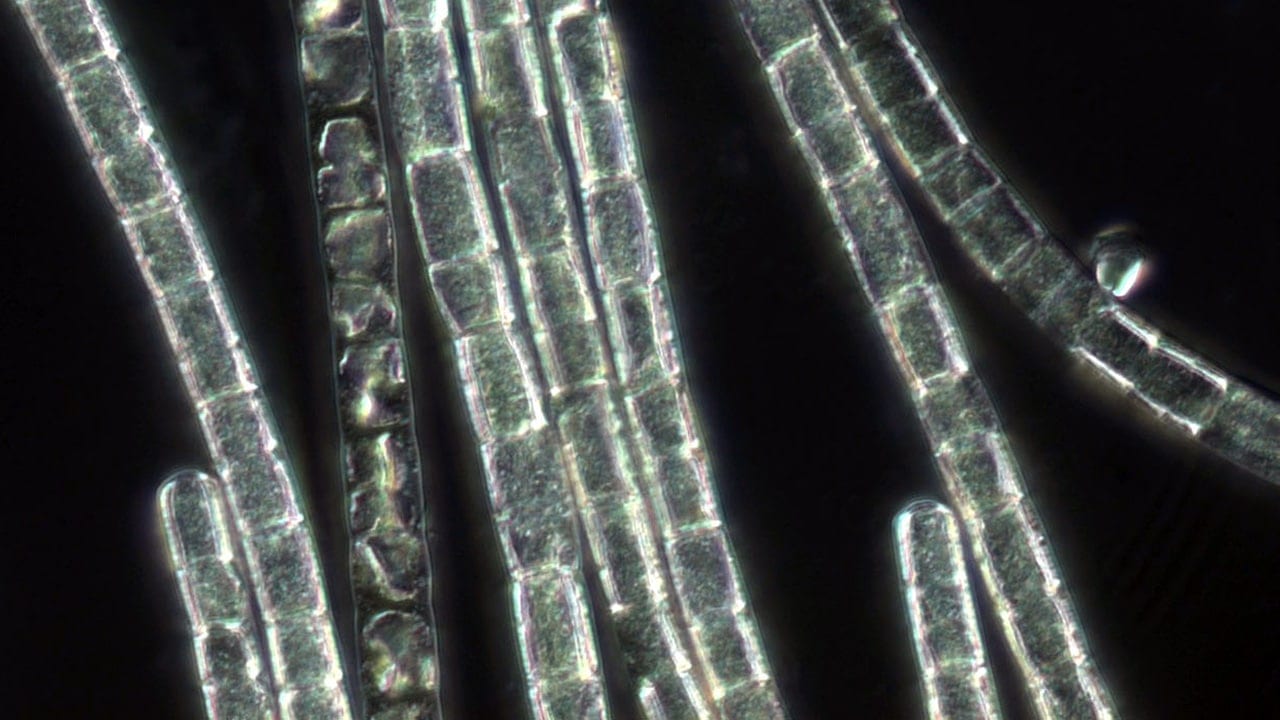
Biogeochemistry studies the cycles of crucial elements, such as carbon and nitrogen, and their interactions with other substances and organisms as they move through Earth's atmosphere, hydrosphere, biosphere, and lithosphere.
Read MoreCarbon Cycle
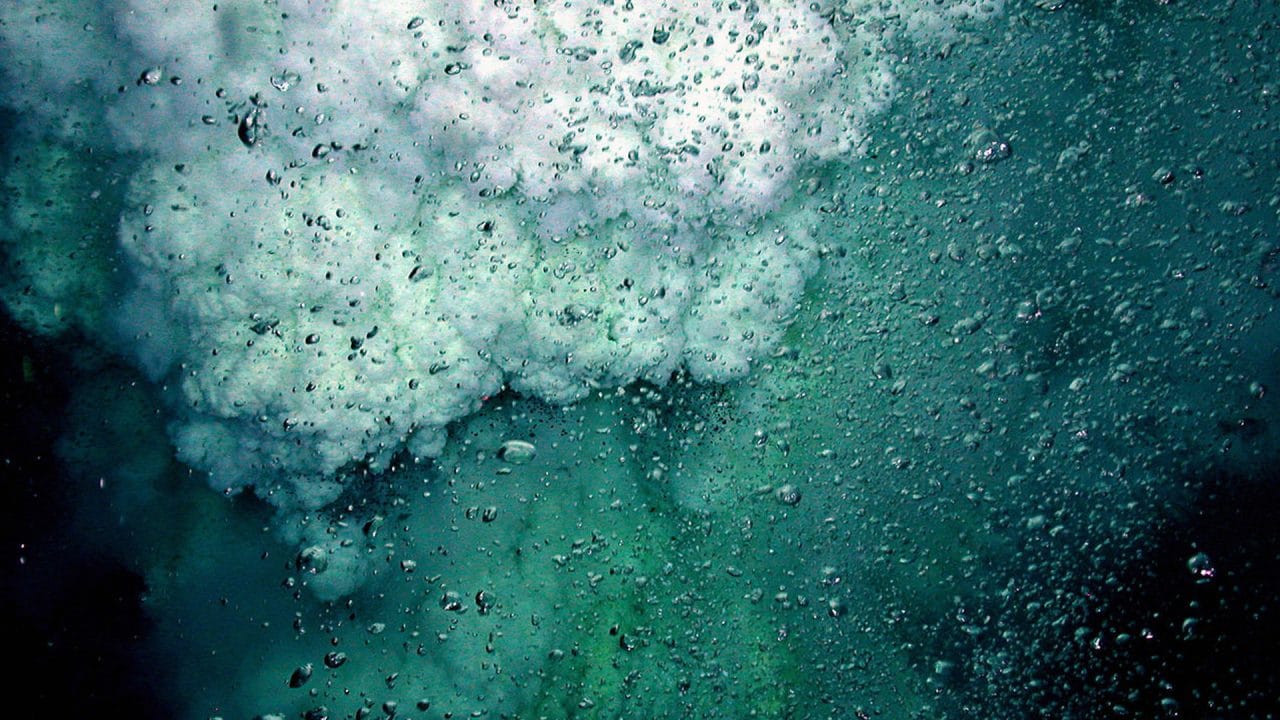
Carbon is the building block of life on Earth and has a powerful impact on the planet’s climate.
Read MoreHarmful Algae & Red Tides
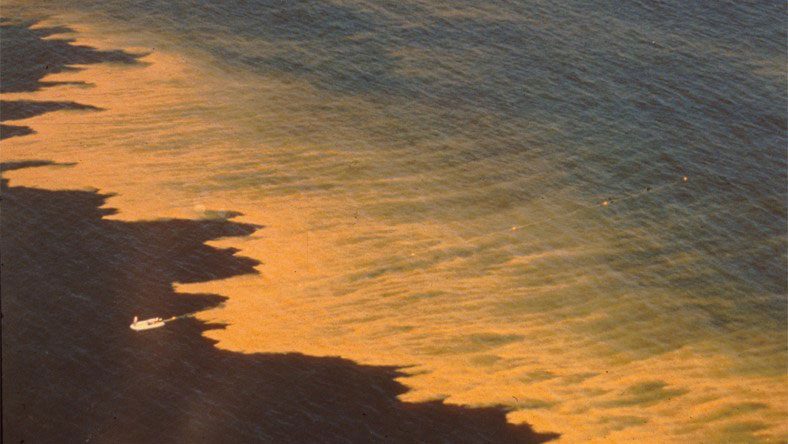
Tiny plants pose a potent threat to those who live in and eat from the sea.
Read MoreTsunamis

A tsunami is a massive, fast-moving wave created by an underwater earthquake or landslide. Displaced ocean water creates waves with speeds of up to 500 miles per hour.
Read MoreUnderwater Volcanoes
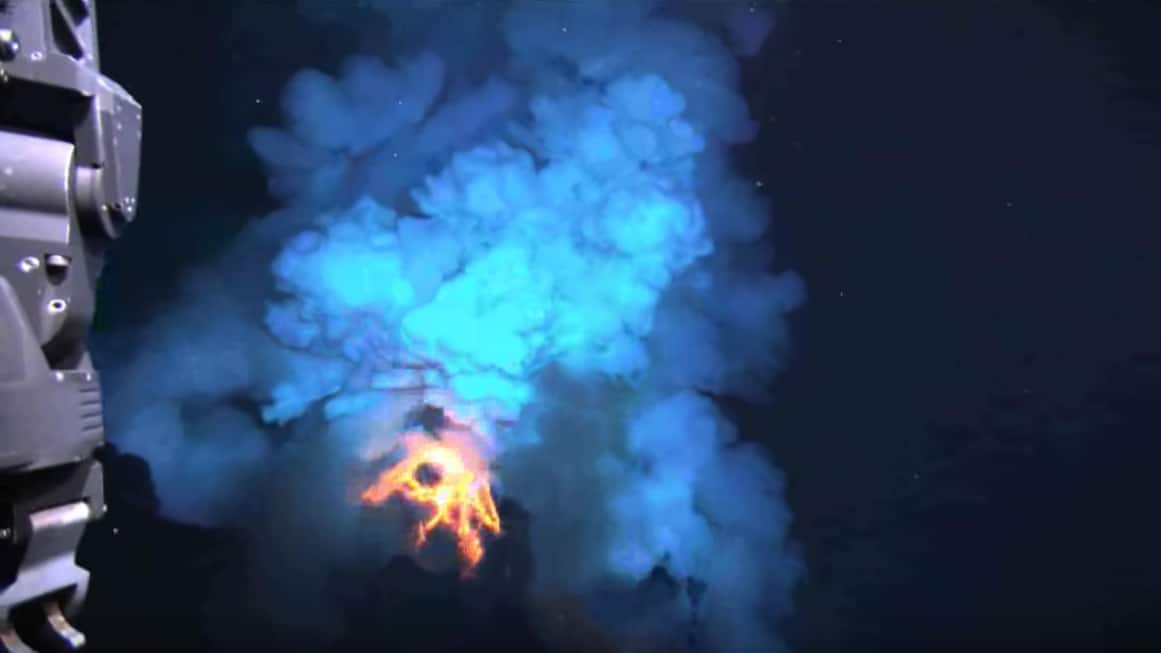
These eruptions of molten rock and ash can be destructive to human settlements, but vitally creative for the rest of the planet.
Read More