
Earth Science
Is sea-level rise exaggerated?
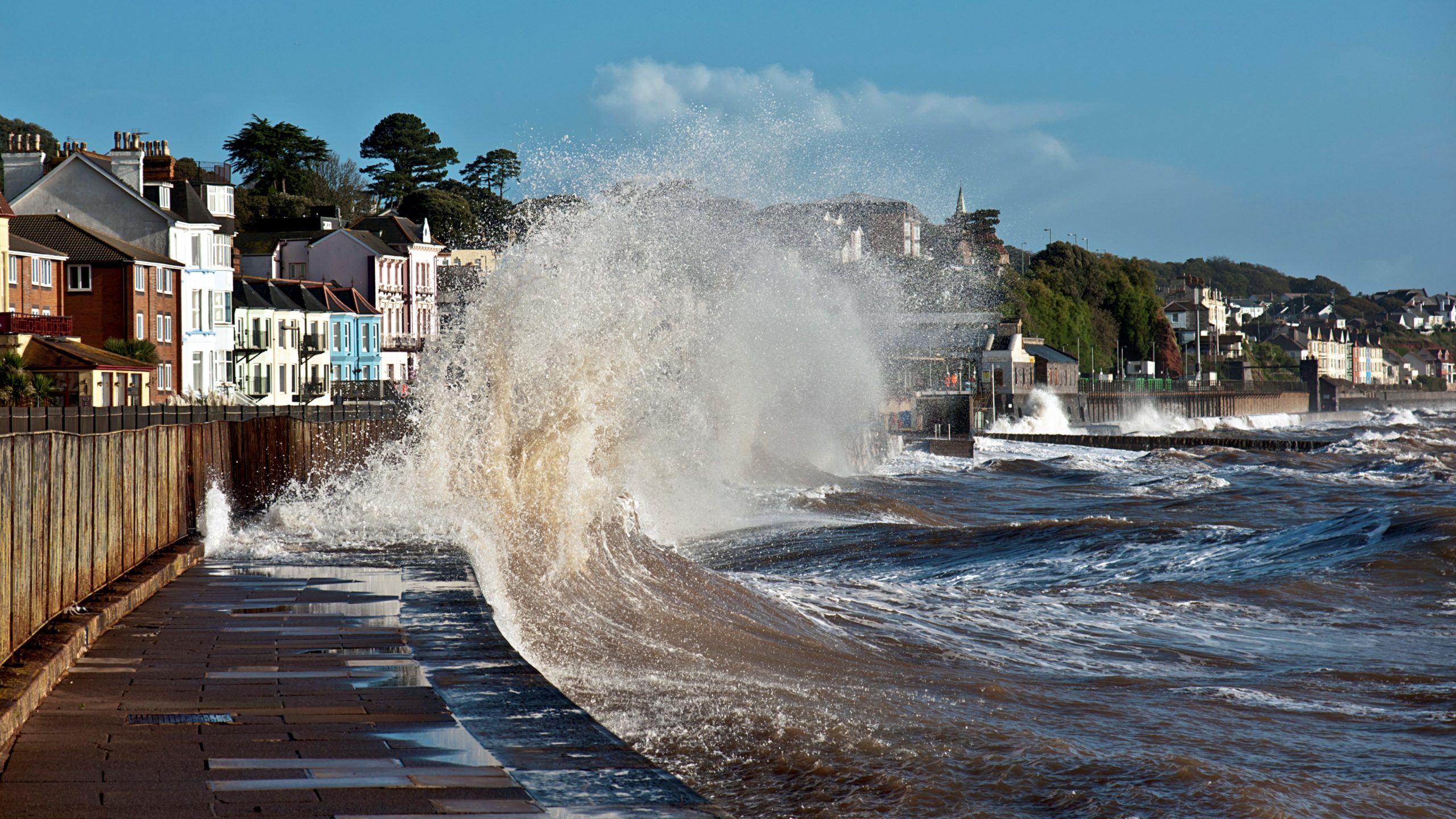
WHOI’s Chris Piecuch debunks a long-standing myth
Read MoreAre we heading toward another Little Ice Age?

Concerns about a potential Little Ice Age are tempered by scientific evidence indicating that current climate dynamics are unlikely to lead to significant cooling. WHOI physical oceanographer Jake Gebbie explains that while natural phenomena like volcanic eruptions could theoretically cool the planet, the overwhelming heat from greenhouse gas emissions makes a return to pre-industrial temperatures improbable.
Read MoreSea level rises when land sinks
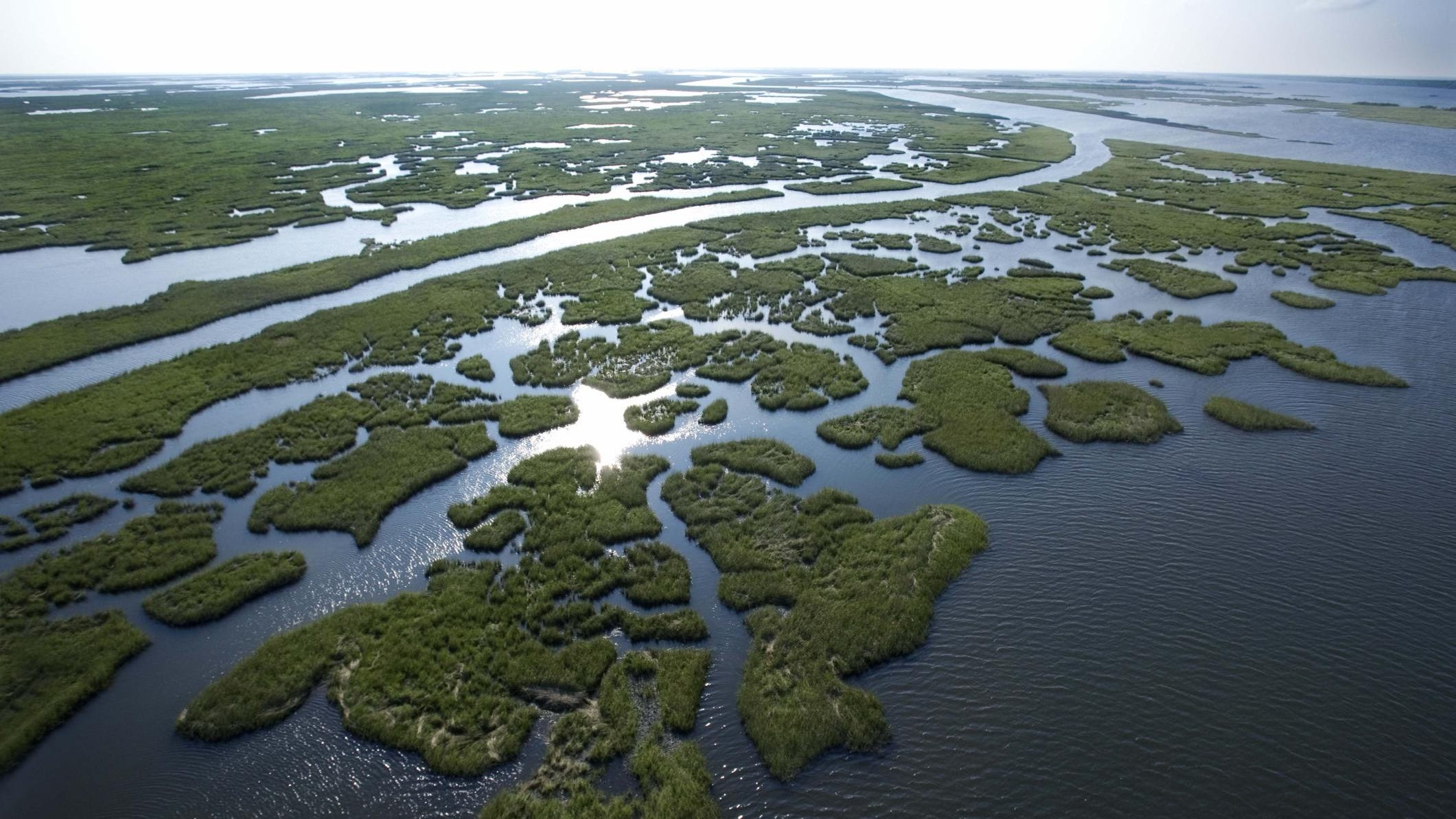
People around the world are worried about rising sea levels. Much of this increase comes from melting polar ice and ocean waters that expand as they warm. But along many coastlines, sea level rises much more than we might expect simply from changes in the ocean.
Read MoreWhy is glacier ice blue?
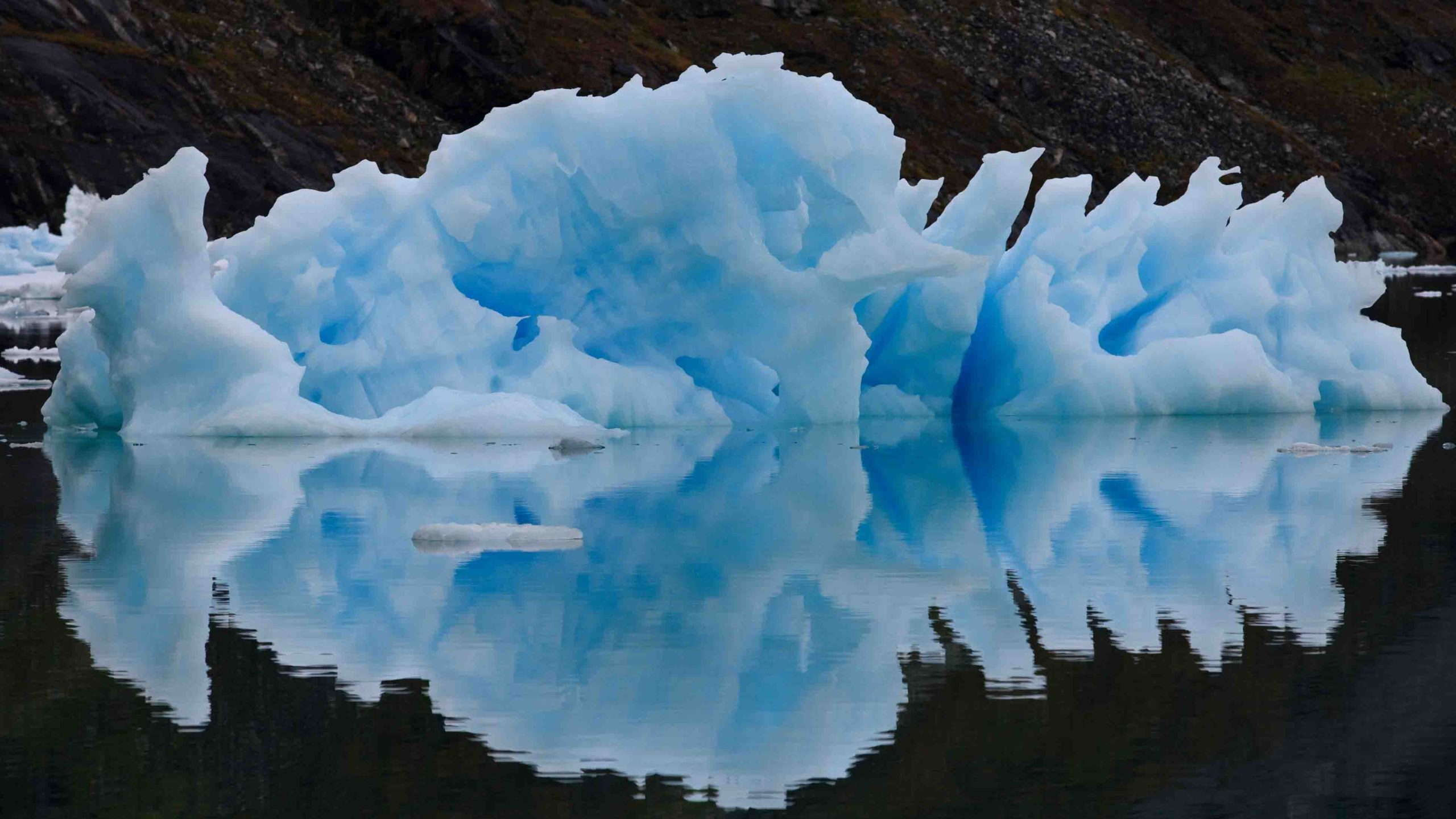
When sunlight shines on a field of snow, it reflects a bright-even blinding-white. But if you get a good look at the leading edge of a glacier, you’ll find that the ice inside is a brilliant blue.
Read MoreIs glacier ice actually rock?
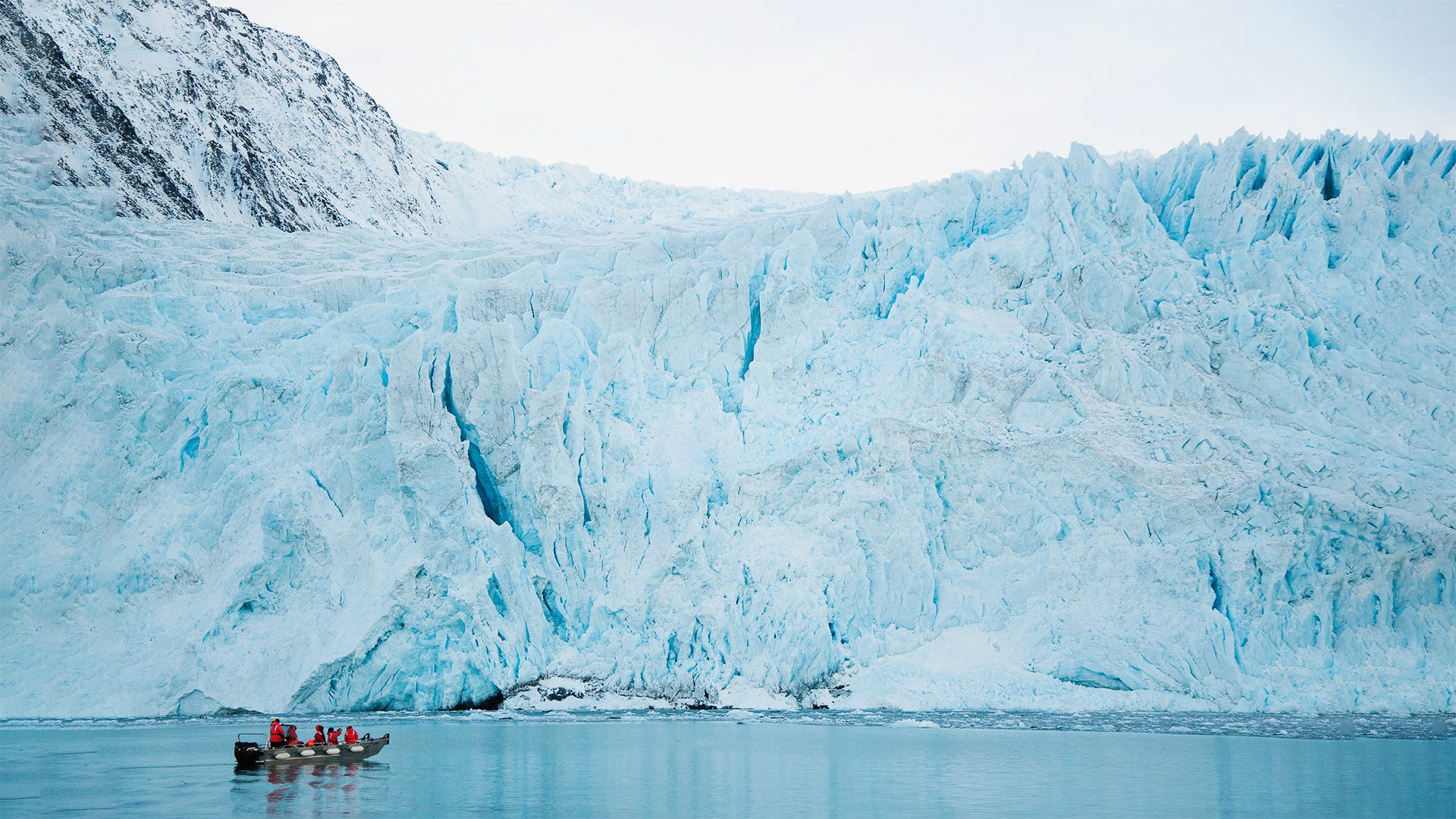
In places where it gets cold and snowy in winter, many meters of snow can fall. In some the following winter, adding a new layer to what was already there. Over hundreds to thousands of years, this process creates big sheets of ice called glaciers.
Read MoreIron Fertilization
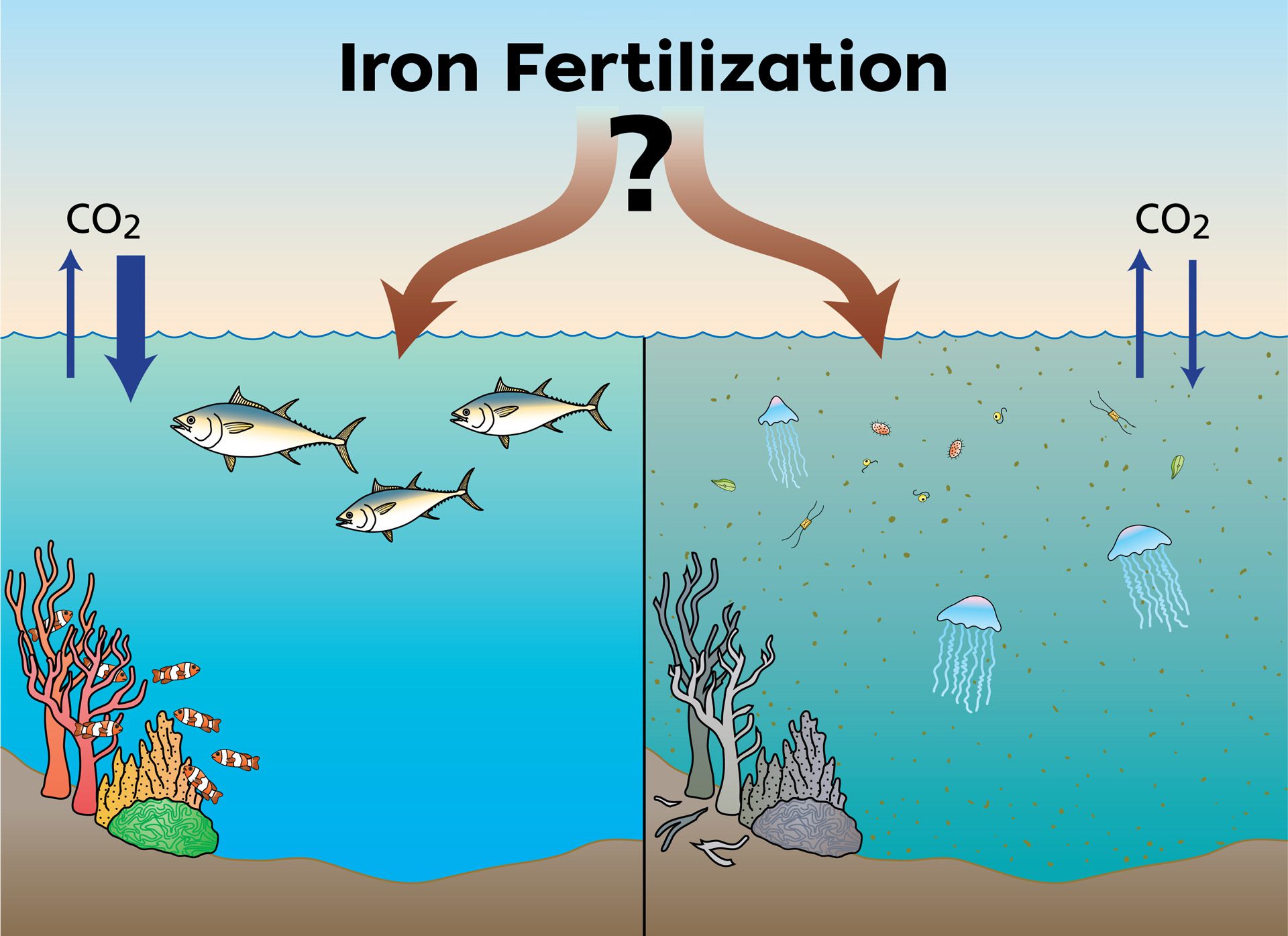
Iron fertilization is a technique that would artificially add iron to the ocean's surface, triggering massive blooms of phytoplankton that could remove substantial amounts of carbon dioxide from the atmosphere.
Read MoreSunlit Zone
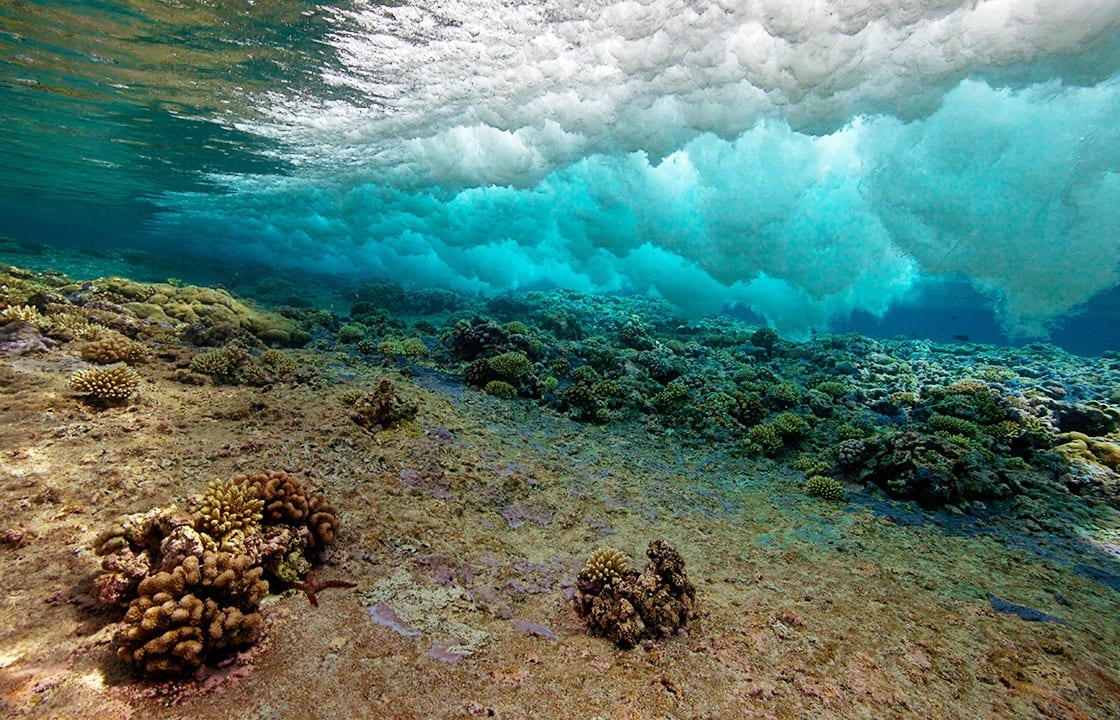
The upper layer of the ocean is known as the sunlit, or euphotic, zone. Because water strongly absorbs light, sunlight penetrates only to depths of about 200 meters (656 feet).
Read MoreAbyssal Zone
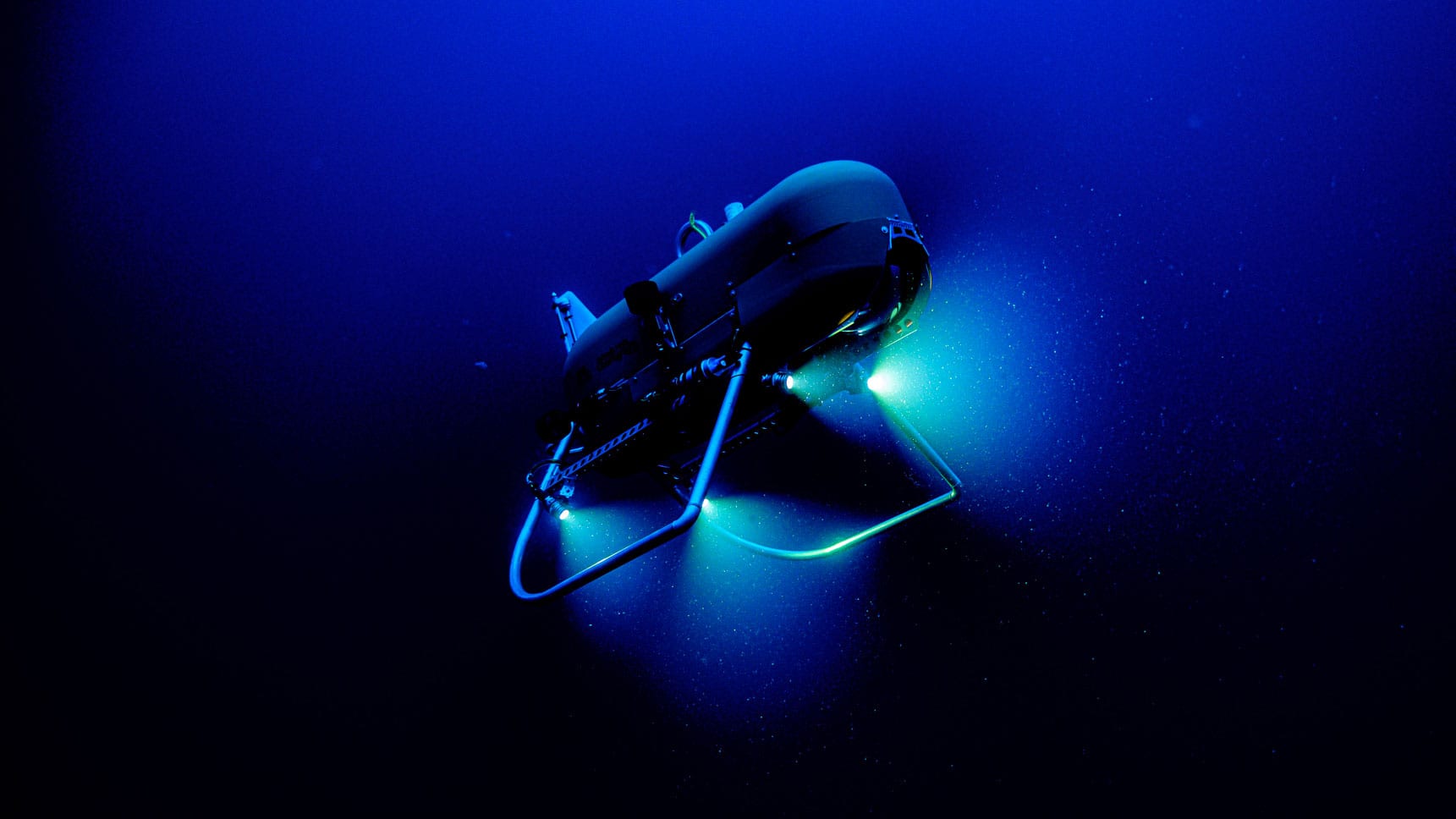
The abyssal zone, or the abyss, is the seafloor and water column from 3,000 to 6,500 meters (9,842 to 21,325 feet) depth, where sunlight doesn't penetrate.
Read MoreOcean Zones
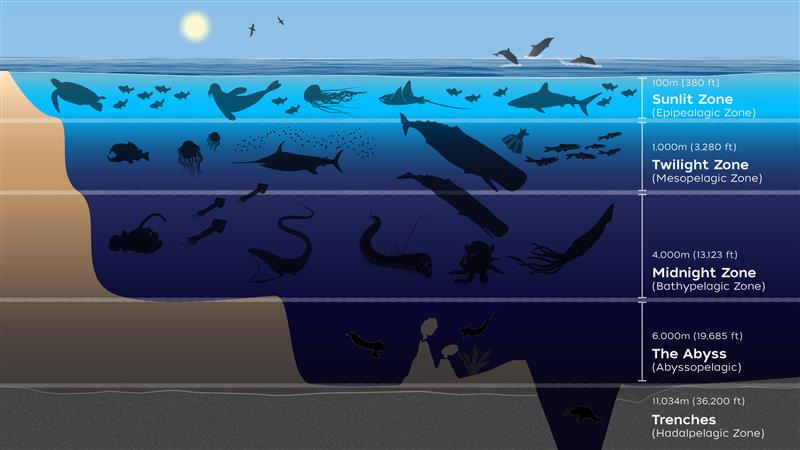
The ocean water column is made up of five zones: the sunlight (epipelagic), twilight (mesopelagic), midnight (bathypelagic), abyssal (abyssopelagic) and hadal zones (trenches).
Read MoreOcean Alkalinity
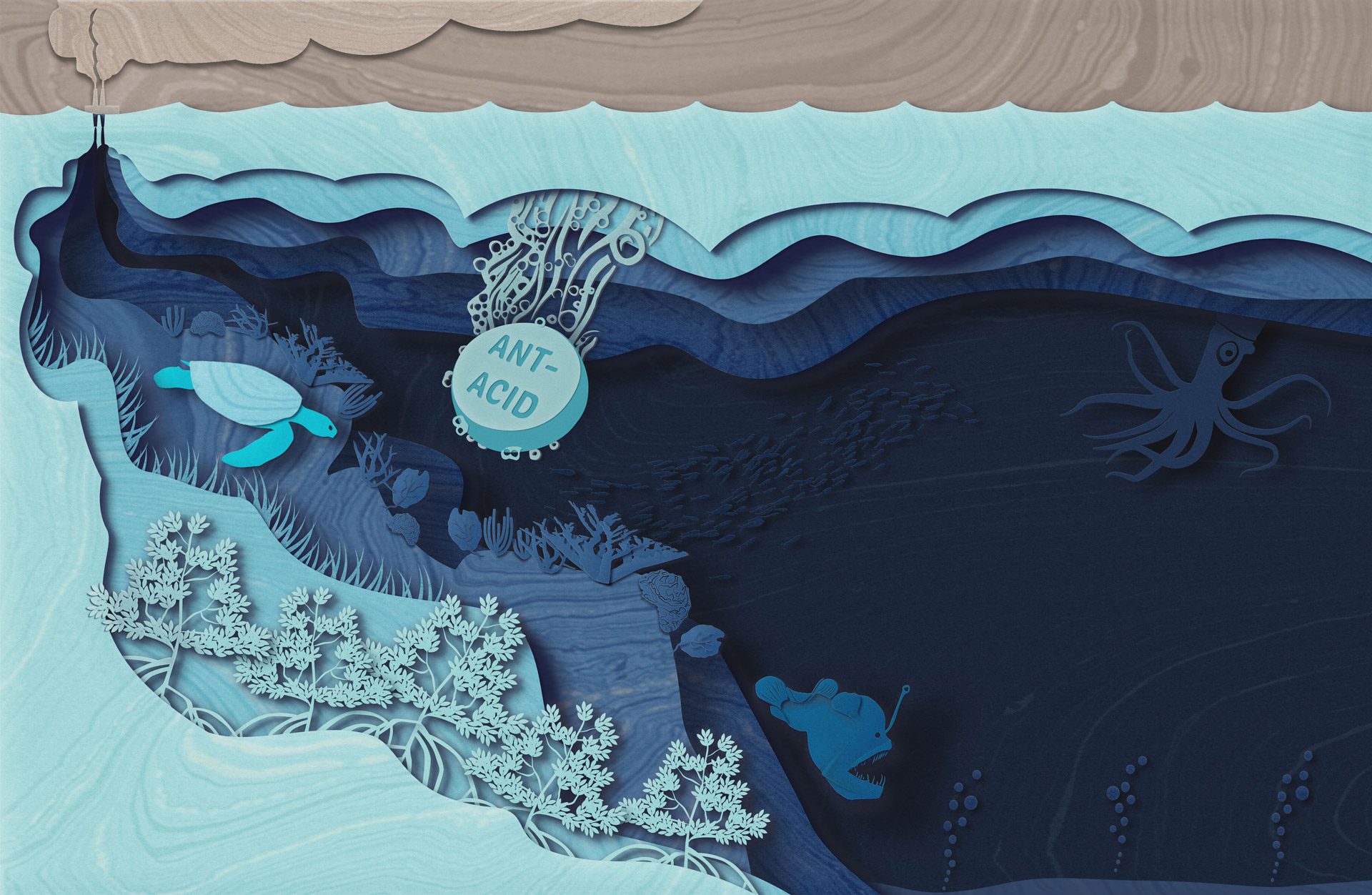
When alkalinity reacts with carbon dioxide in the ocean, it converts it to a form that can't readily return to the atmosphere as carbon dioxide gas.
Read MoreOcean-Based Climate Solutions
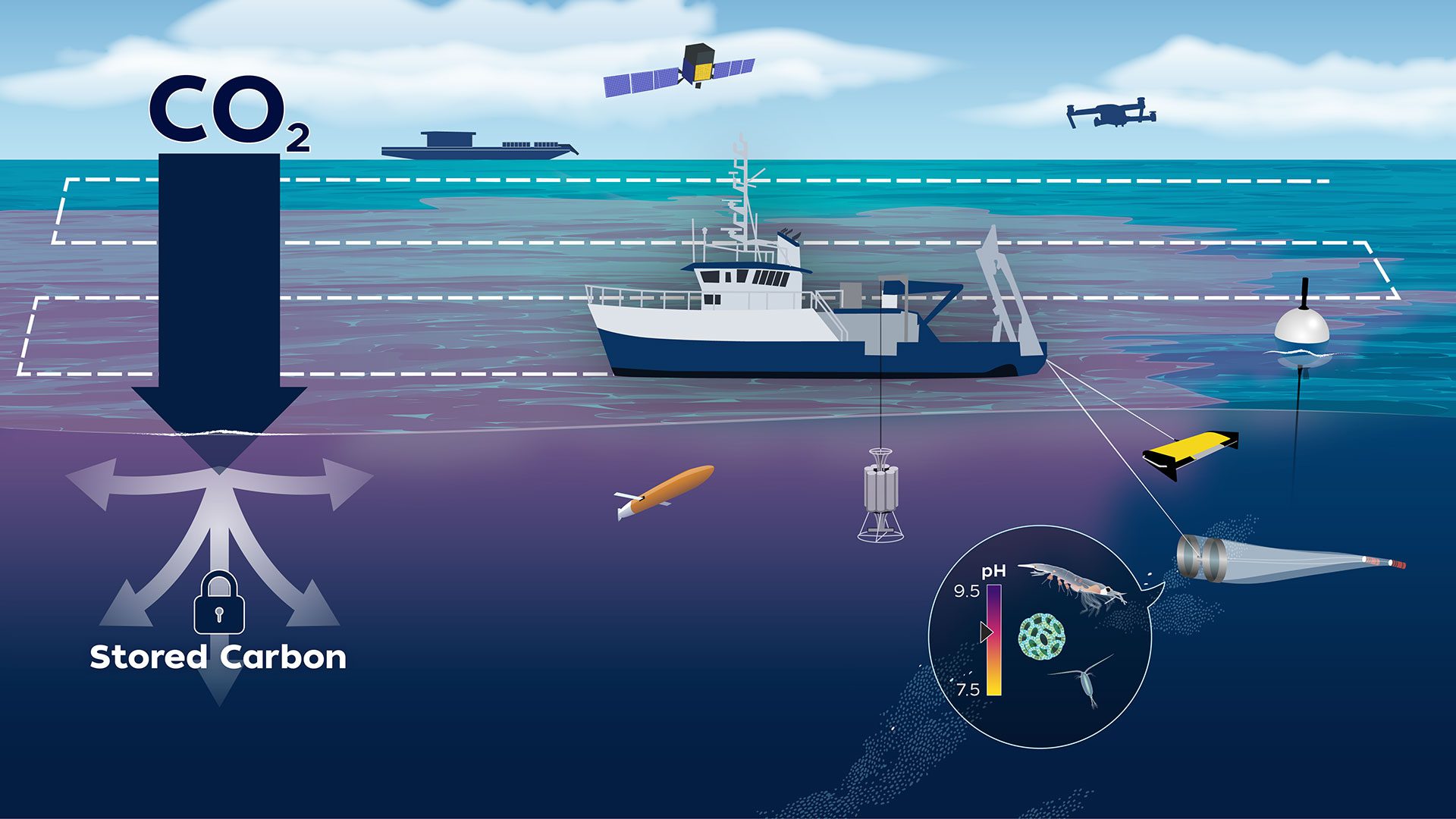
Ocean-based, clean energy technologies hold great potential for ocean-based climate solutions, such as blue carbon, biofuels, and carbon dioxide removal systems.
Read MoreNatural Disasters
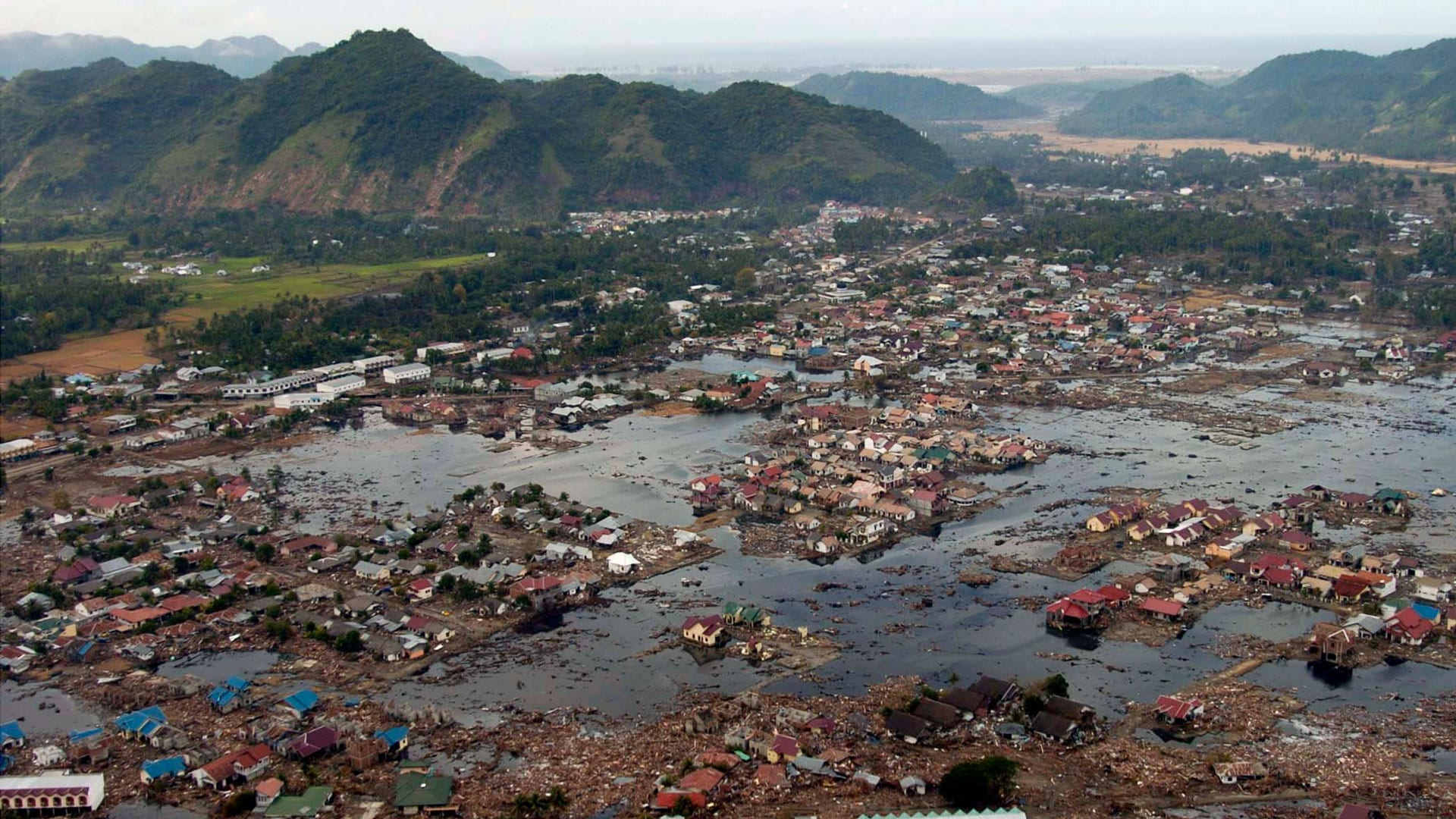
Our ocean planet is dynamic and constantly changing, sometimes resulting in dramatic threats to humans.
Read MoreCycles
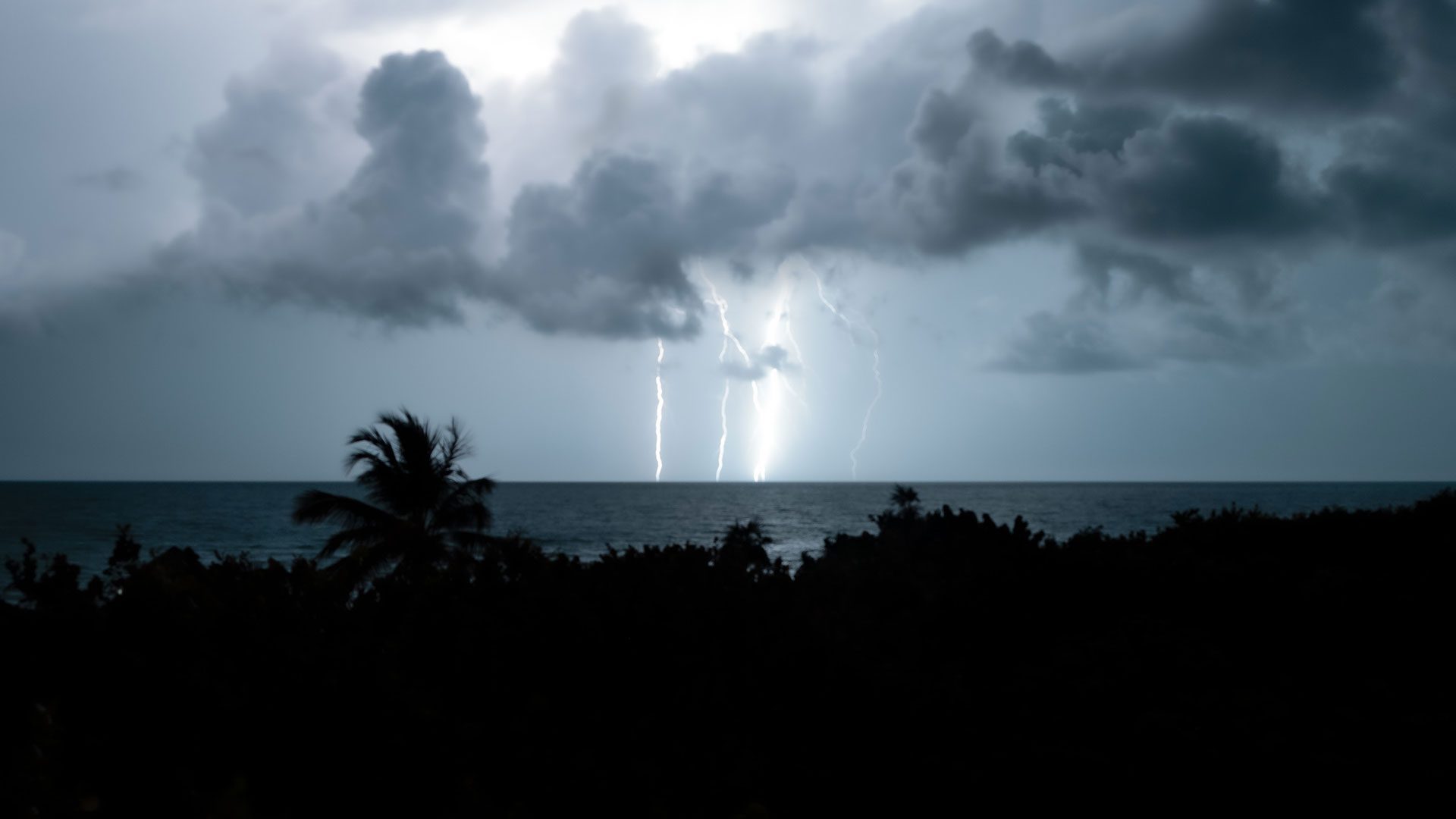
Oceanic cycles — chemical, physical, and biological — are related to cyclic processes in the Earth’s atmosphere, such as the seasons, El Niño events, and long-term climate changes.
Read MoreFrozen Ocean
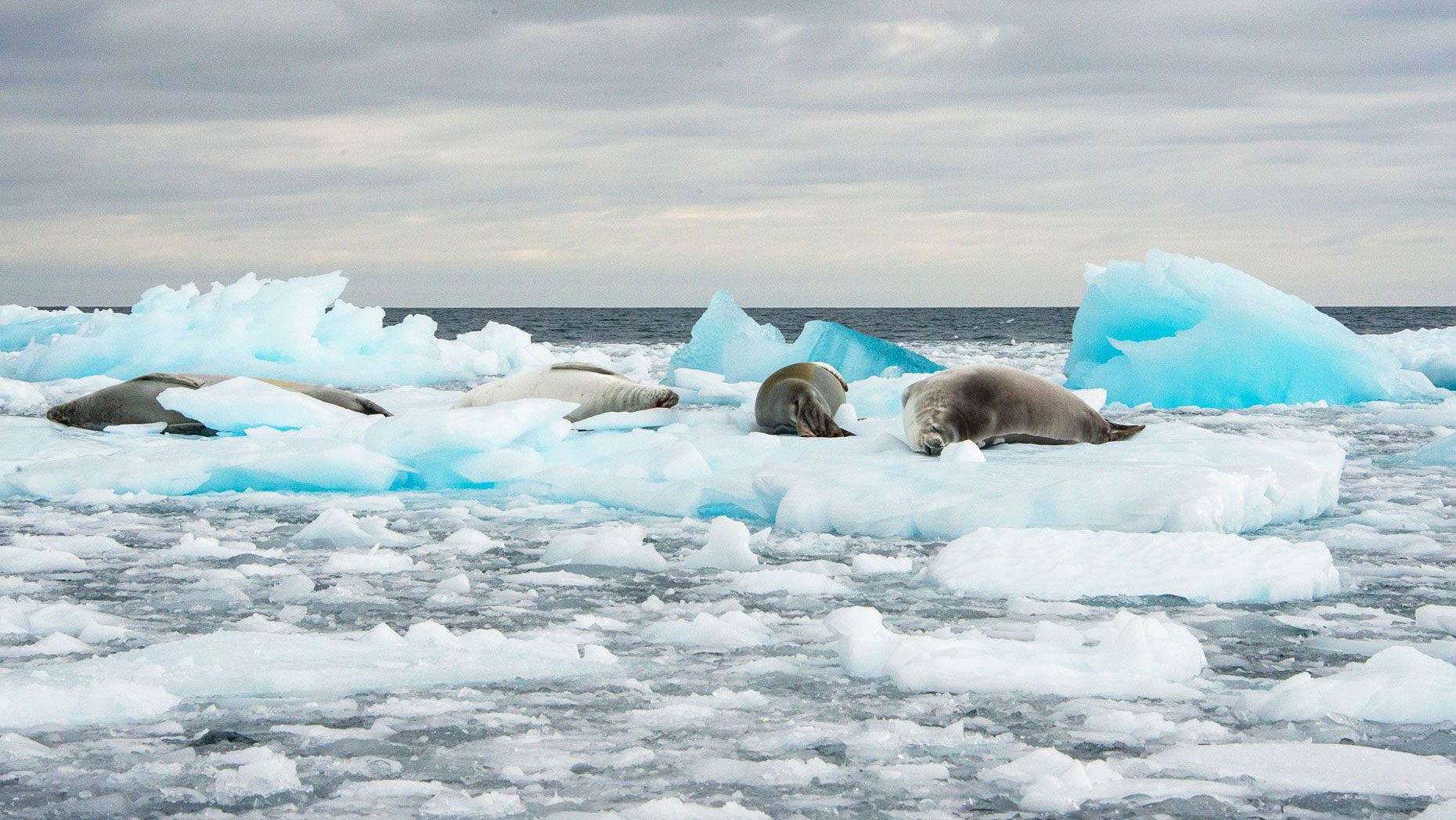
The polar regions are experiencing unprecedented environmental changes that have significant potential impacts on global climate, ecosystems, and society.
Read MoreHow the Ocean Works
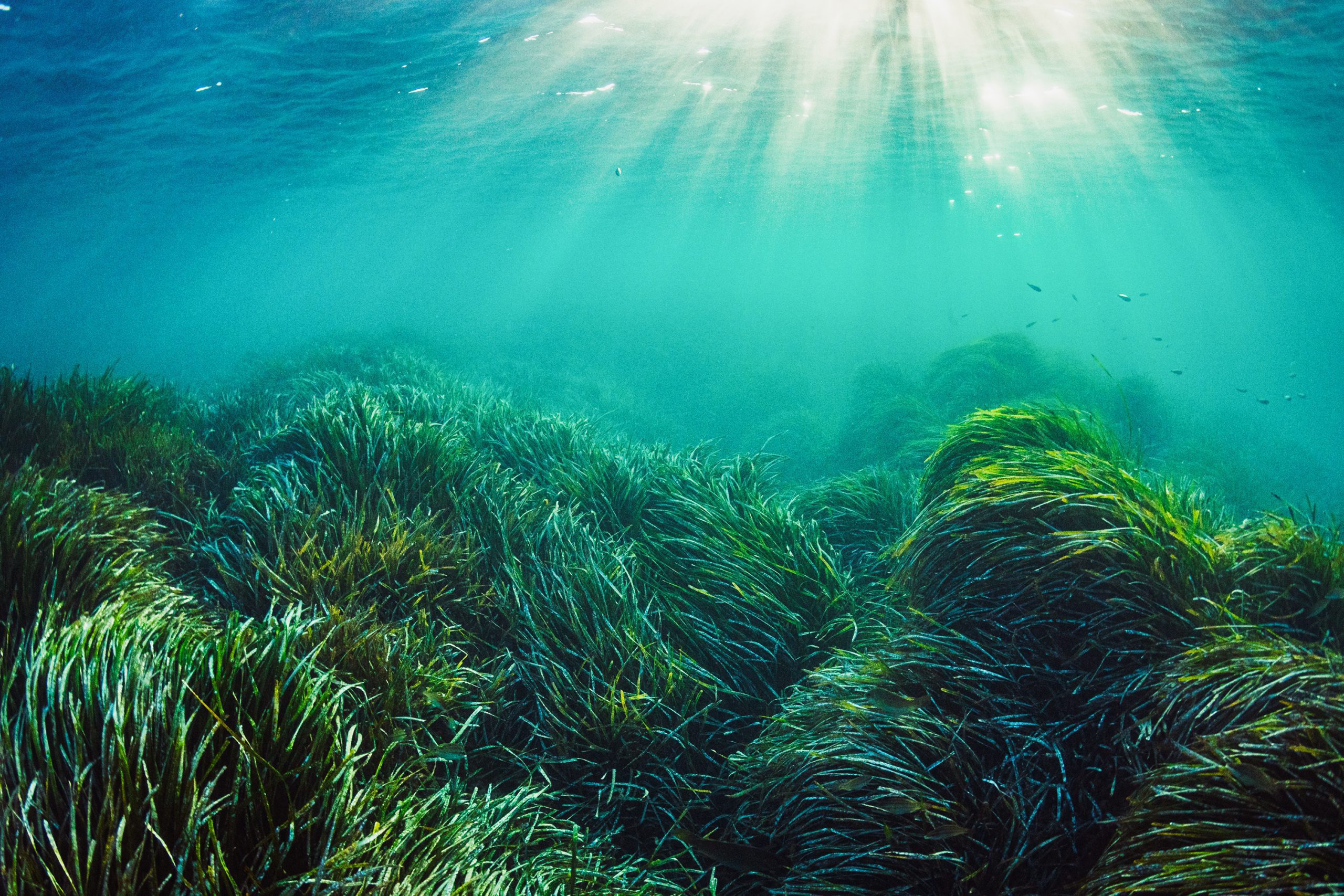
Although the oceans cover most of Earth, the the tiny sliver of the coastal ocean greatly influences, and is most influenced by, human activity.
Read MoreWhat makes the ocean salty?
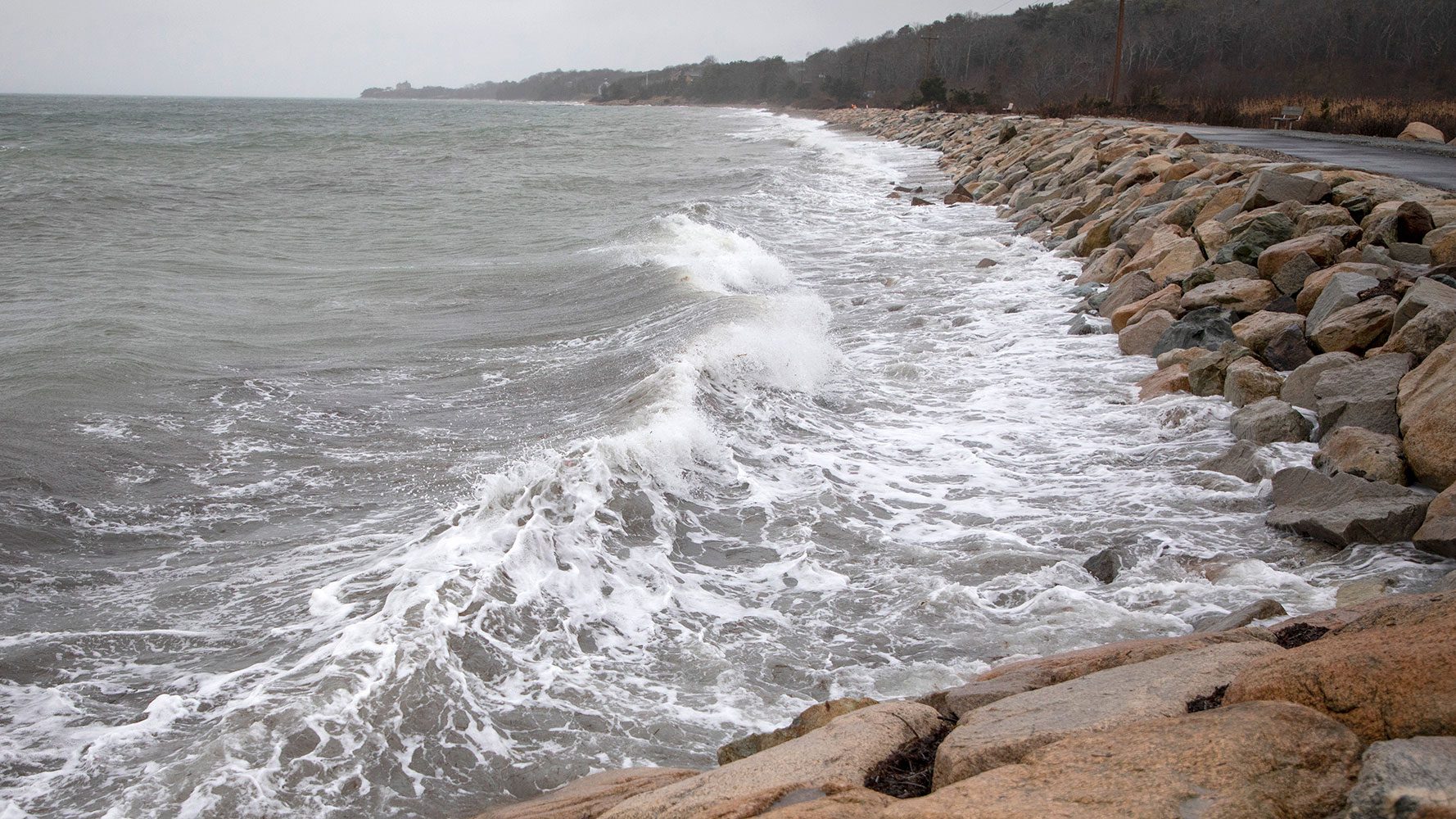
The water flowing into the ocean comes from freshwater streams and rivers. These bodies of water do contain salt. It dissolves from rocks on land. That’s because rain is slightly acidic.
Read MoreHow do glaciers affect sea level rise?
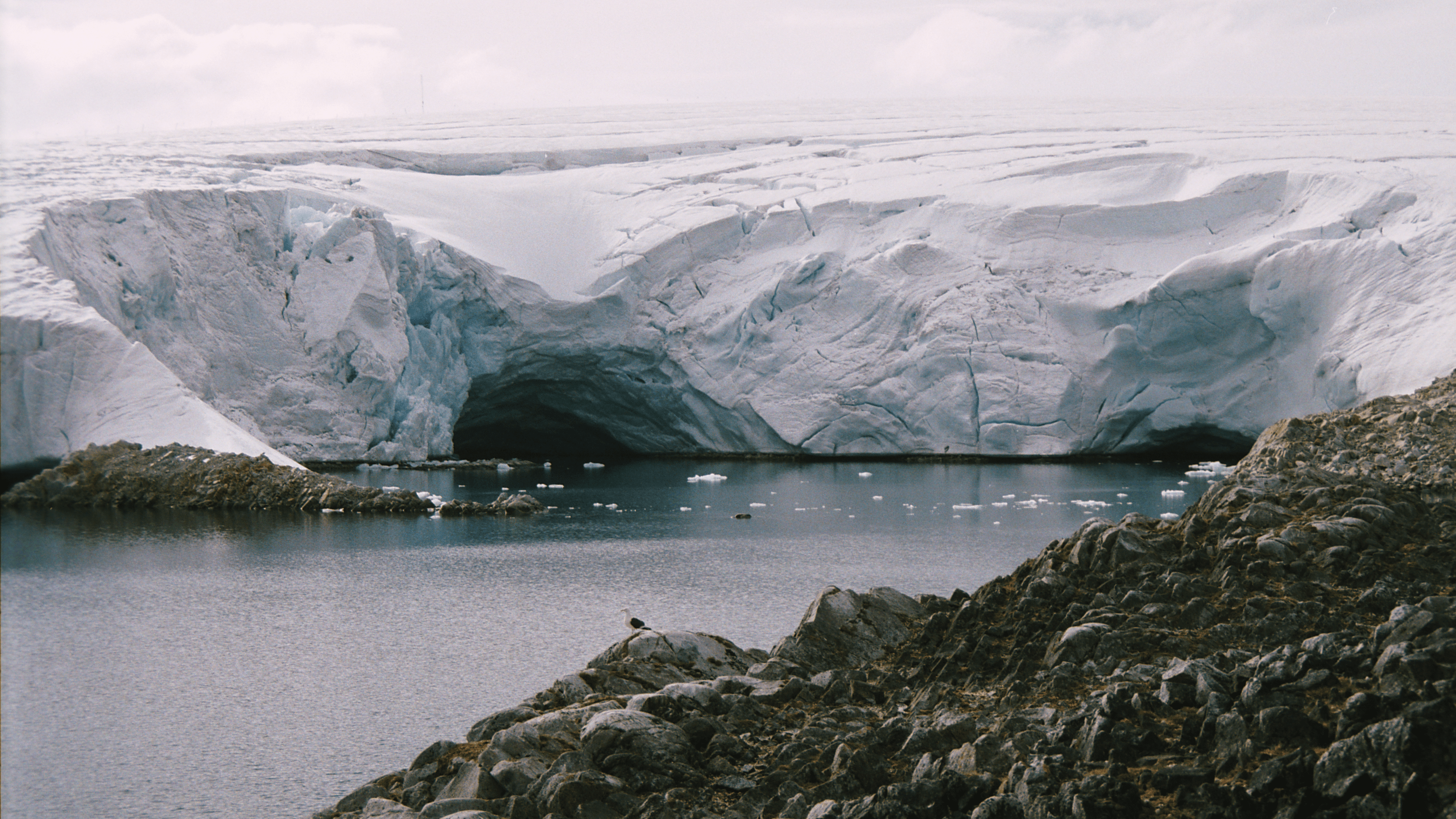
Sea levels have risen and fallen throughout geologic history due to a myriad of natural processes, most notably the forming and melting of glaciers.
Read MoreHow does the ocean affect storms?
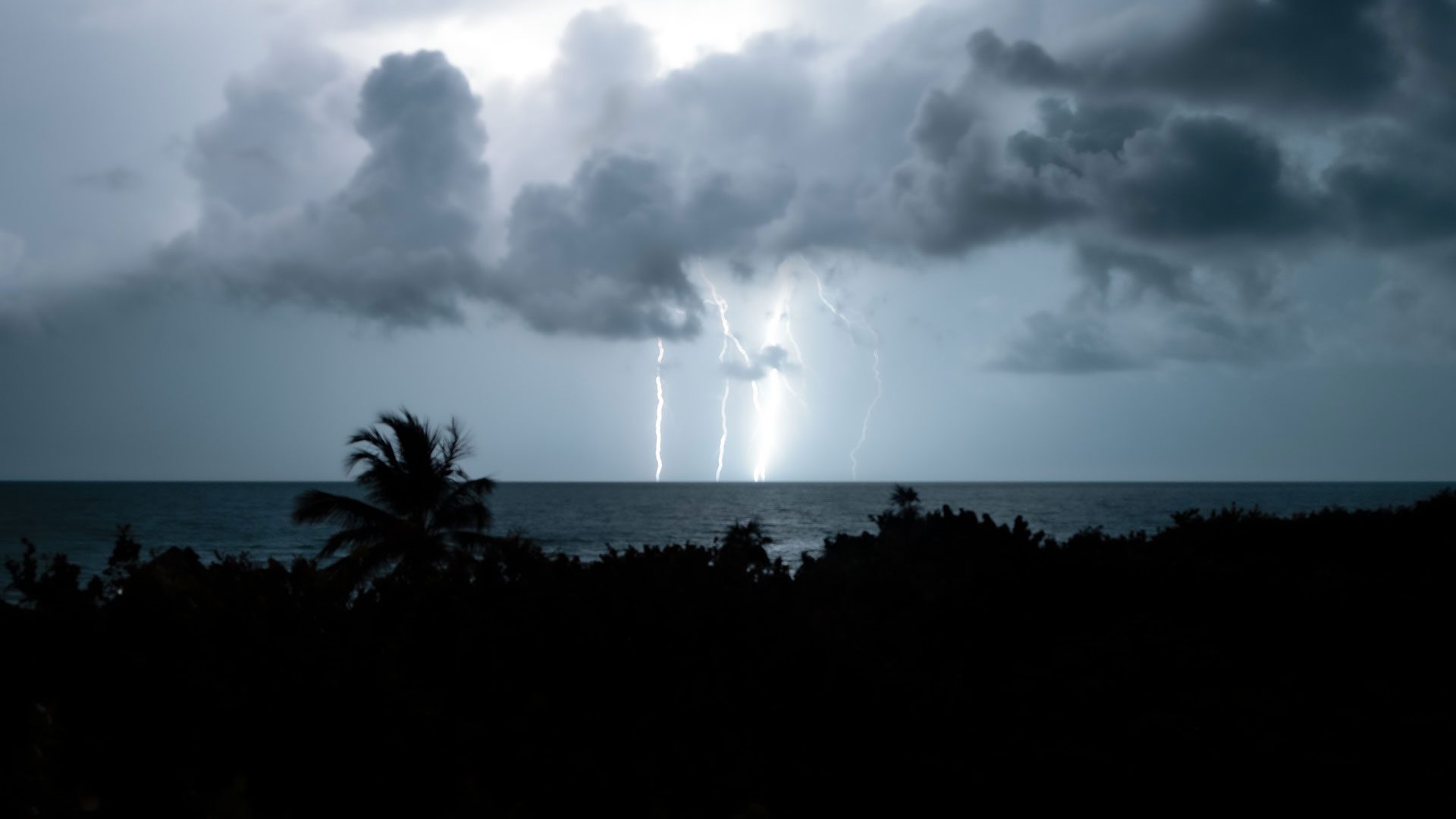
Under the right conditions, some of those storms can grow into large tropical storms. Or even monstrous hurricanes.
Read MoreOcean Warming
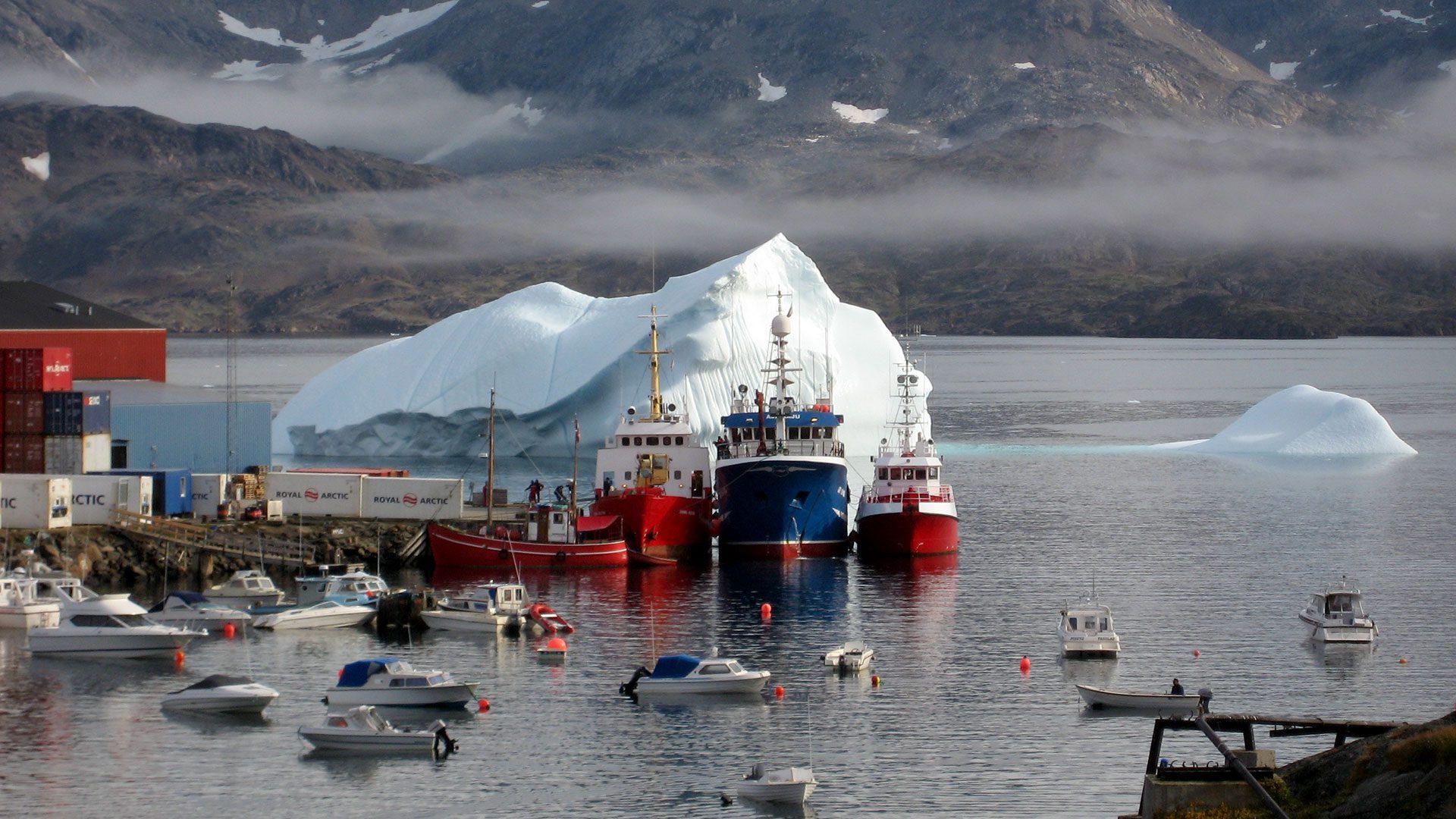
Increasing ocean heat is closely linked to increases in atmospheric greenhouse gas concentrations, making the ocean an excellent indicator of how much Earth is warming.
Read MoreCoastal Restoration & Blue Carbon
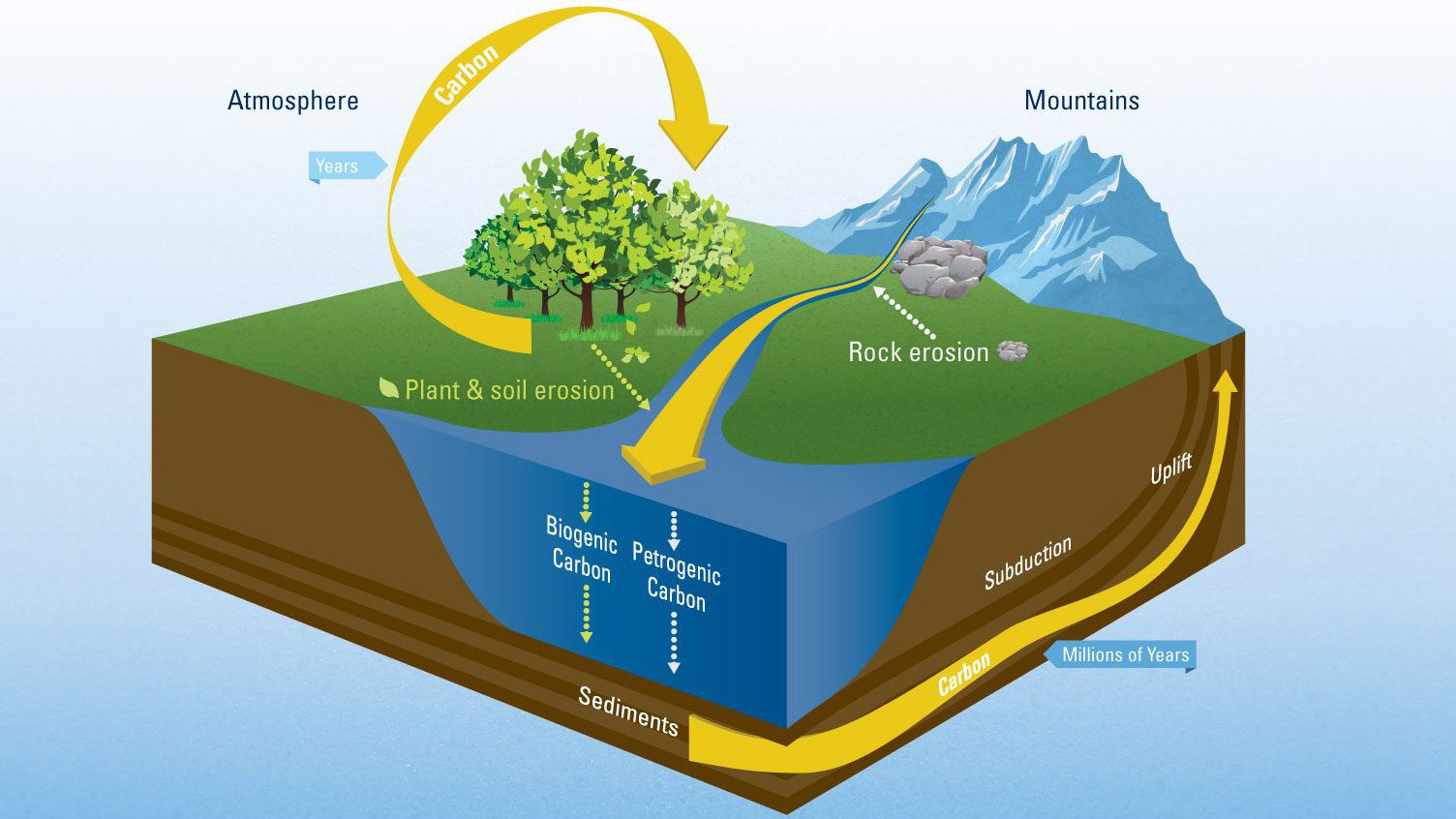
Blue carbon refers to atmospheric carbon captured and stored by the ocean, which mitigates the effects of climate change by storing carbon for long periods of time.
Read MoreHow is beach sand created?
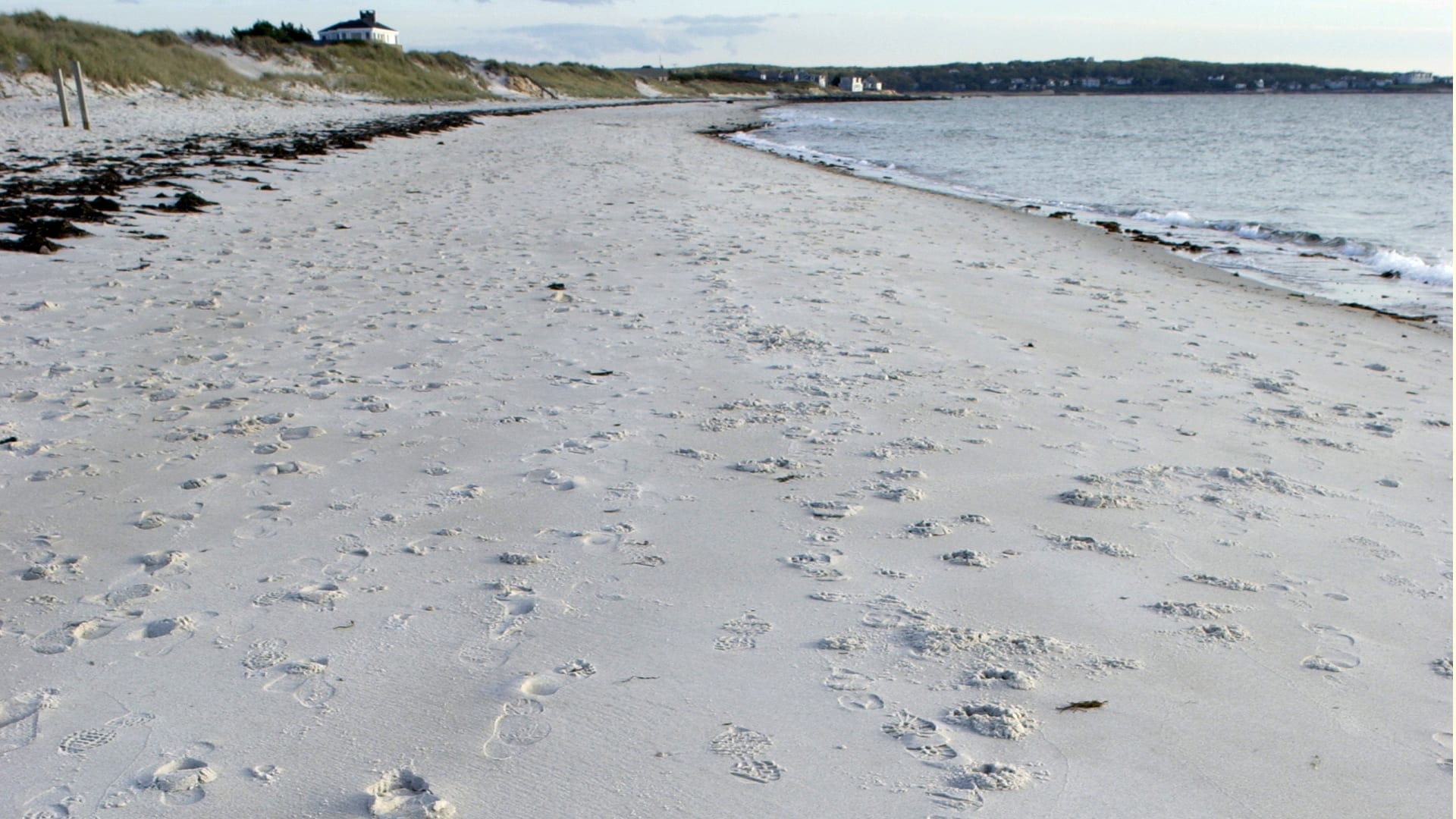
Beaches can be white, black, green, red and even pink. What creates those different colors? Why is some sand soft and fine, but other types feel rough? Where does beach sand come from, anyway?
Read MoreWhat’s the difference between climate and weather?
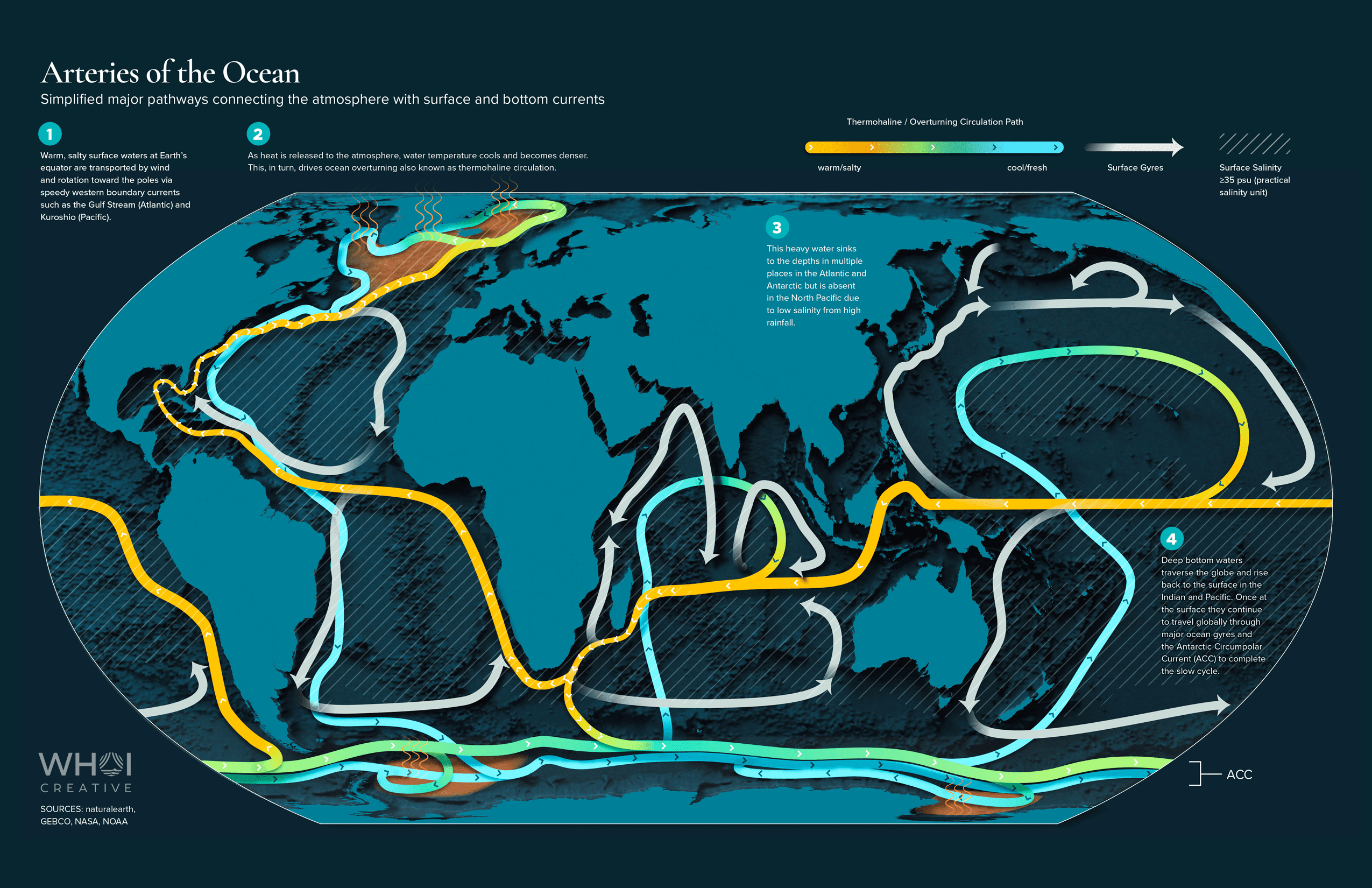
We often hear about the weather. We also hear about climate. The two terms are related. But they are not the same thing. What’s the difference?
Read MoreWhy is pressure different in the ocean?
As anyone who has tried diving to the bottom of a deep pool knows, all that water gets heavy—fast. Extreme pressure is one reason why the ocean floor is still largely unexplored.
Read MoreWhat causes ocean waves?
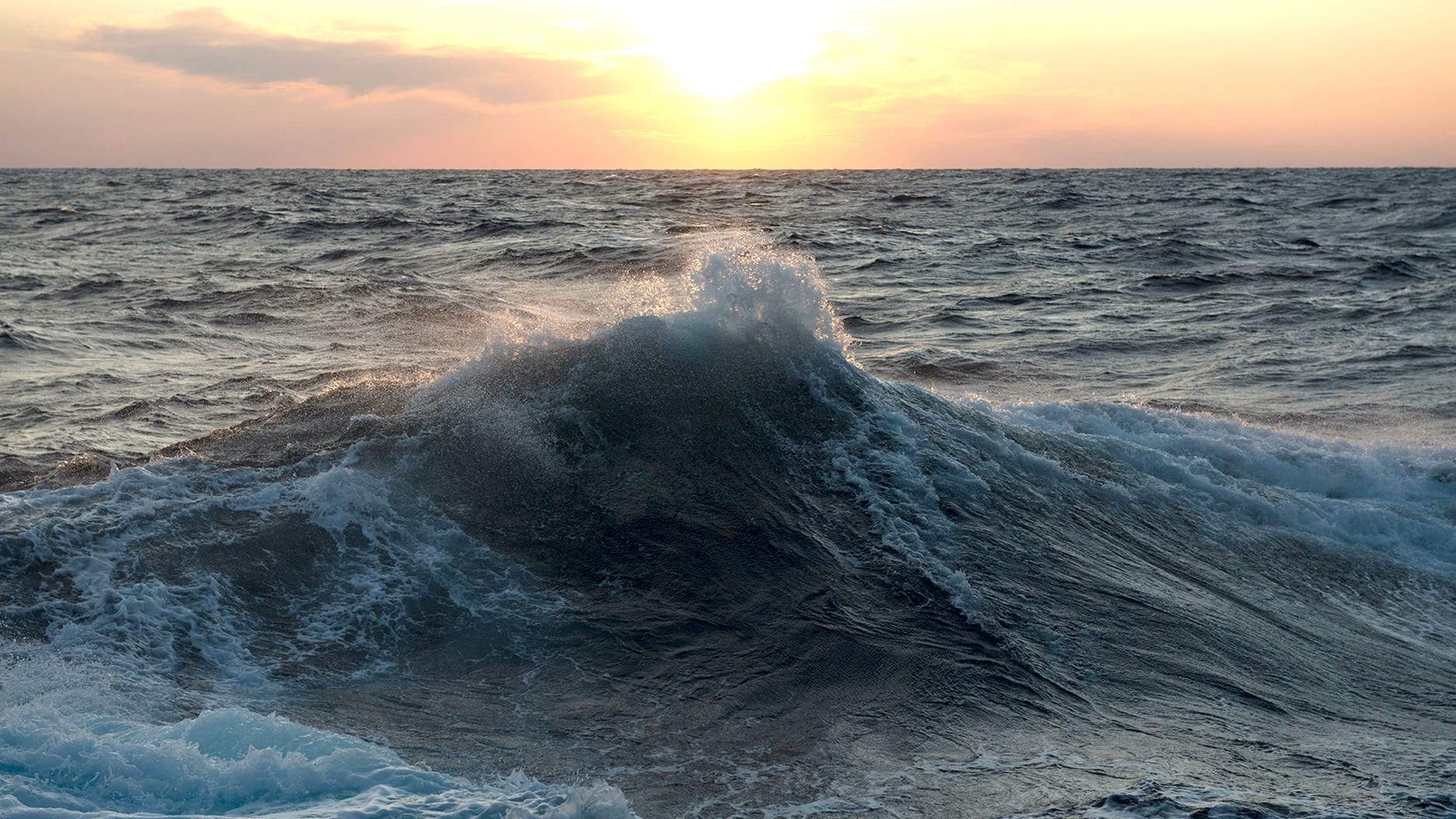
A trip to the ocean means sun, wind, and waves. Surfers ride them. Children play in them. Swimmers dive beneath them. But what causes waves?
Read More