
Biology
Does Sand Move Bacteria at the Beach?
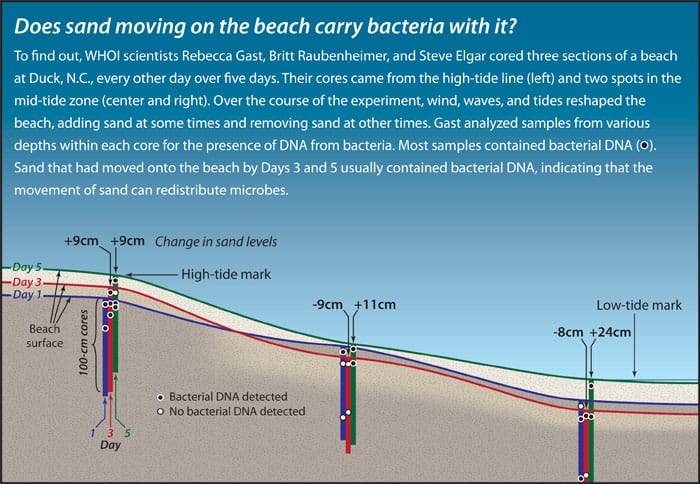
Sand that had moved onto the beach during days 3 and 5 of this study contained bacterial DNA, indicating the movement of sand can redistribute microbes.
Read MoreBacteria and Diatoms
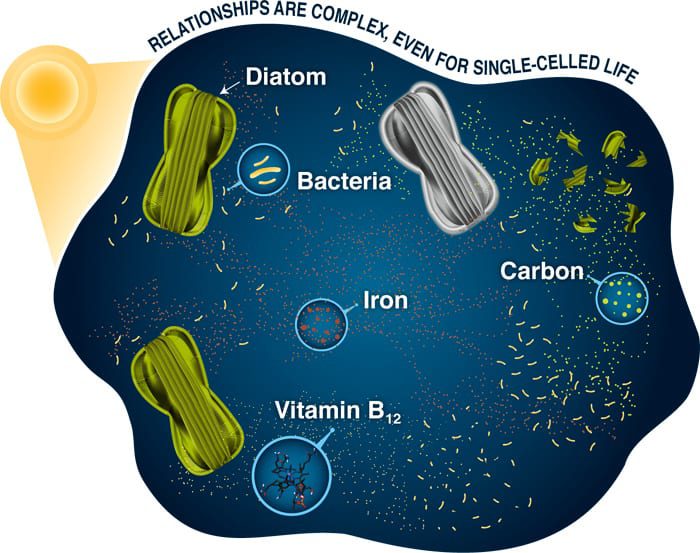
Diatoms and bacteria rely on each other for key nutrients like carbon and B12—but they also compete for scarce iron in the ocean’s complex chemical soup.
Read MoreForms and Transformations of Estrogen
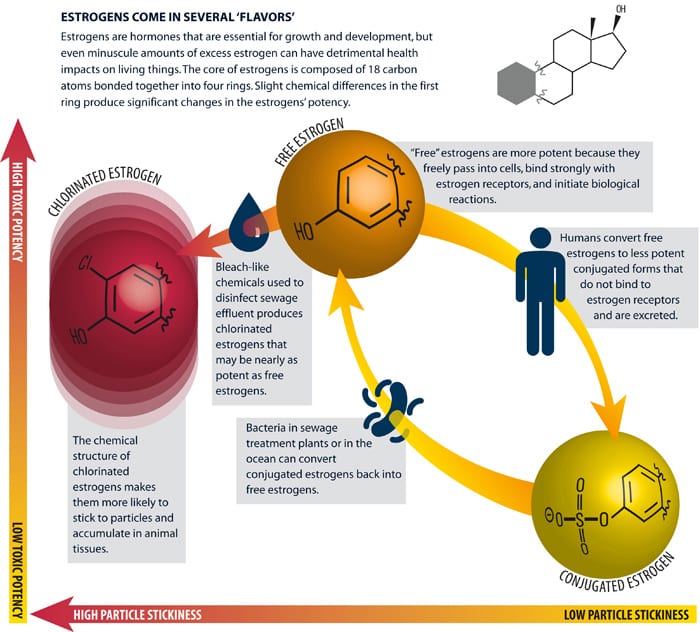
Estrogens exist in free, conjugated, and chlorinated forms, with varying potency and environmental impacts, influencing human health and ecosystems.
Read MoreMarine Microbe Relations
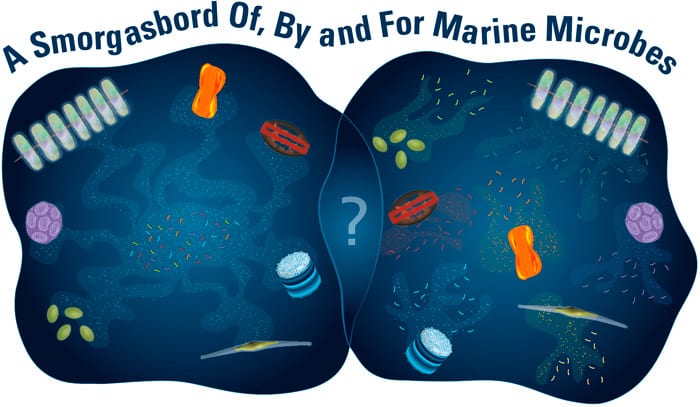
Scientists uncover how autotrophic and heterotrophic microbes interact via dissolved organic carbon, shaping ocean food webs and influencing Earth’s chemistry.
Read MoreHow do marine mammals avoid the bends?
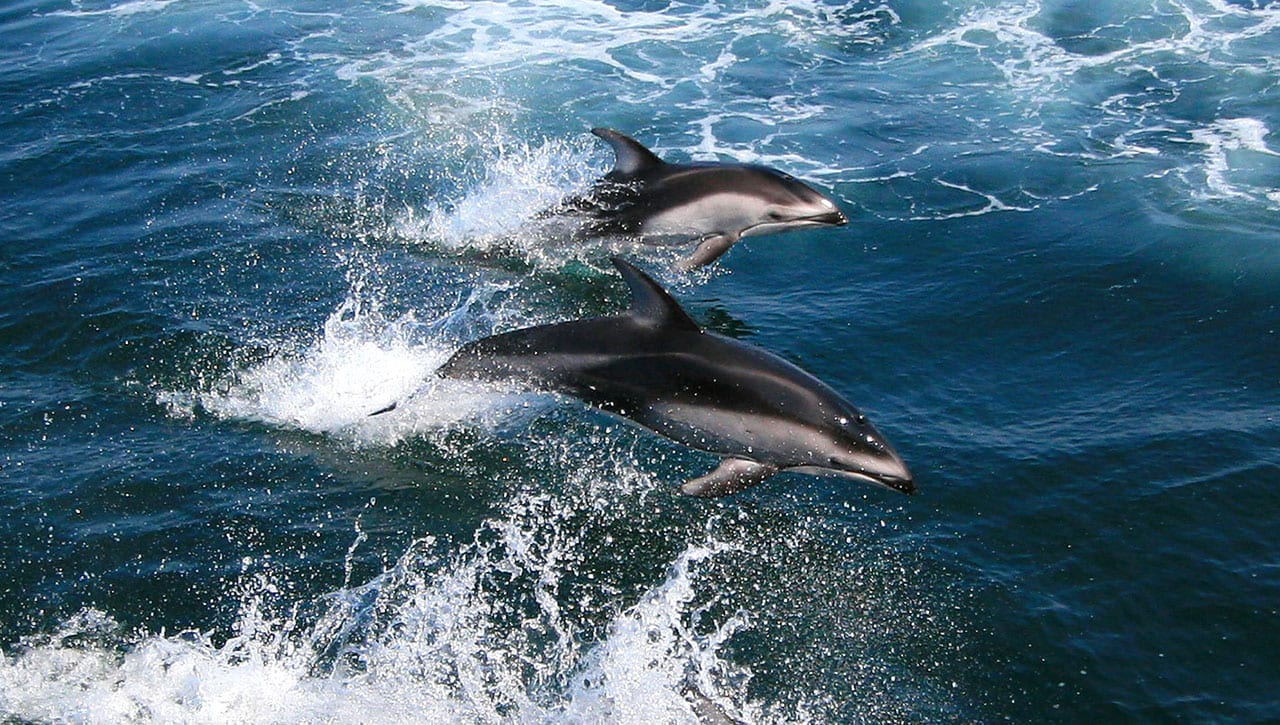
Deep-diving whales and other marine mammals can get the bends—the same painful and potentially life-threatening decompression sickness that strikes scuba divers who surface too quickly. A new study offers a hypothesis of how marine mammals generally avoid getting the bends and how they can succumb under stressful conditions.
Read MoreOutlaw Algae in Alaskan Waters
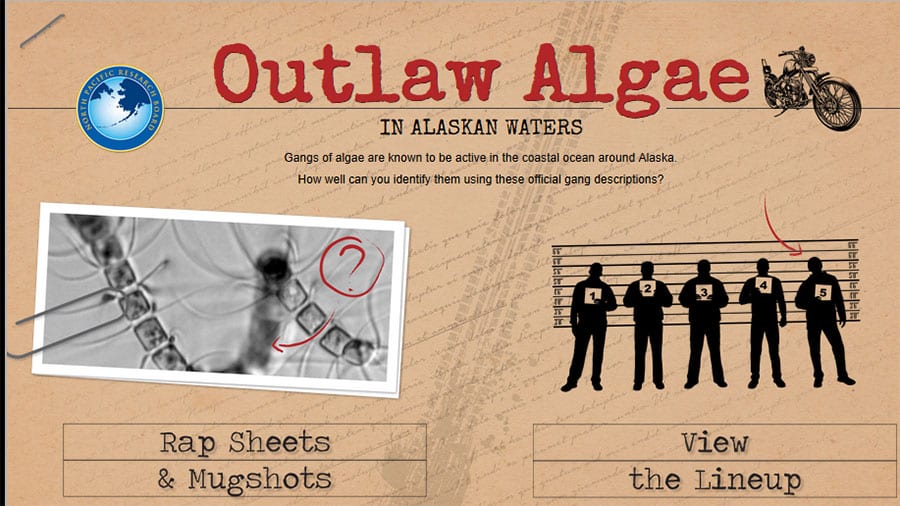
Algae gangs are on the move in Alaska! From “Chain Gangs” to “Cloudmakers,” test your skills and see if you can ID these microscopic troublemakers.
Read MoreRadiation Health Risks
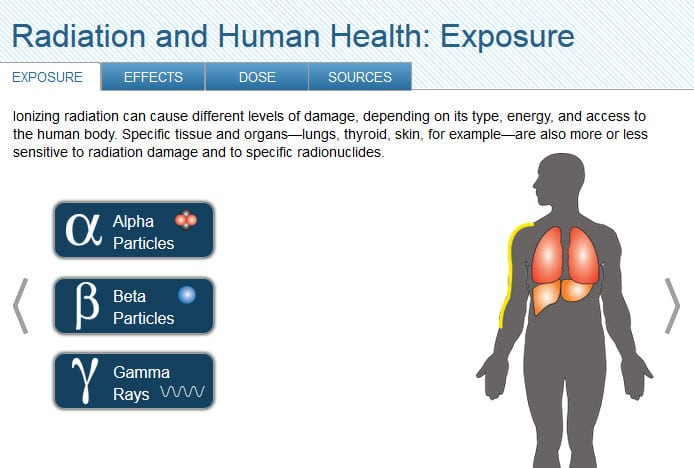
Explore how different types of ionizing radiation—gamma rays, beta particles, and more—interact with the human body, and how damage depends on type, dose, and exposure.
Read More