
Biology
How do polynyas help feed emperor penguins?
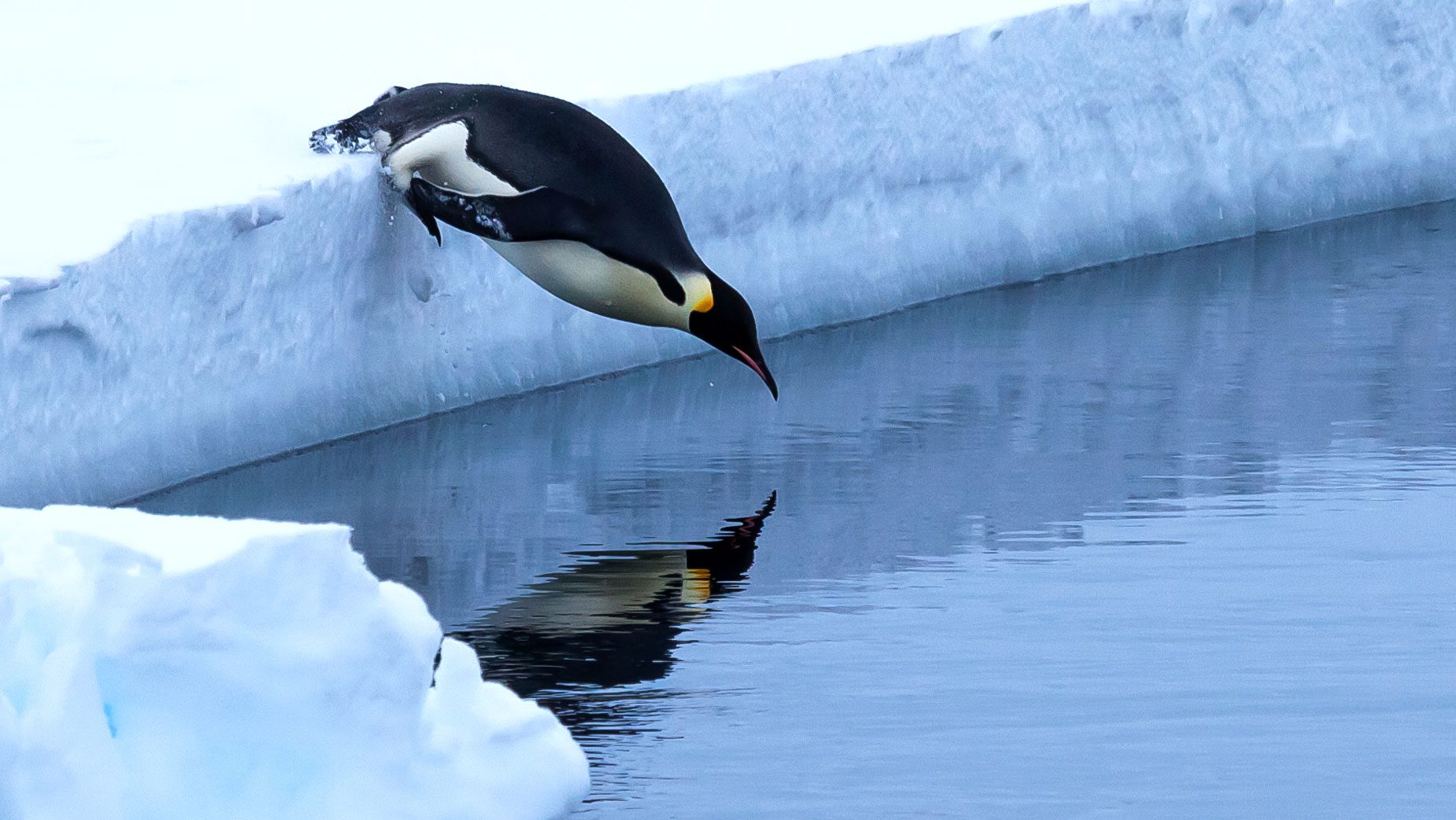
When female emperor penguins—and later, males—return to the ocean to feed, they need a spot that gives them easy access to both the water and the ice. And, they also need places that are teeming with fish and other types of prey. Learn how polynyas provide a place where penguins can feast and build their energy reserves after breeding.
Read MoreOcean acidification is no big deal, right?
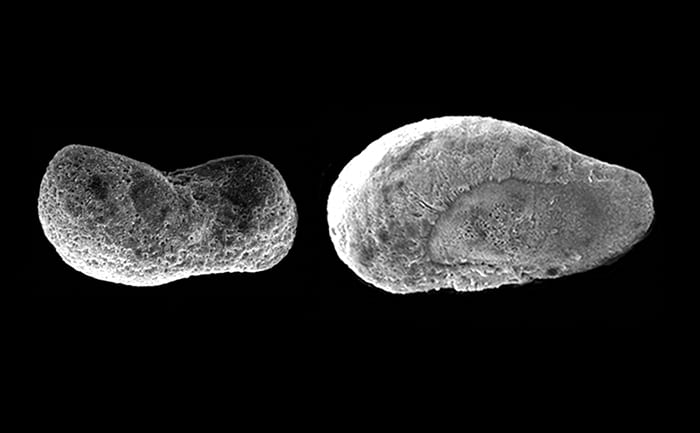
Some people argue that ocean acidification isn’t an issue of concern. After all, they say, the ocean isn’t actually acidic. There is some truth to that. On the pH scale,…
Read MoreAre we heading toward another Little Ice Age?

Concerns about a potential Little Ice Age are tempered by scientific evidence indicating that current climate dynamics are unlikely to lead to significant cooling. WHOI physical oceanographer Jake Gebbie explains that while natural phenomena like volcanic eruptions could theoretically cool the planet, the overwhelming heat from greenhouse gas emissions makes a return to pre-industrial temperatures improbable.
Read MoreOcean Plants
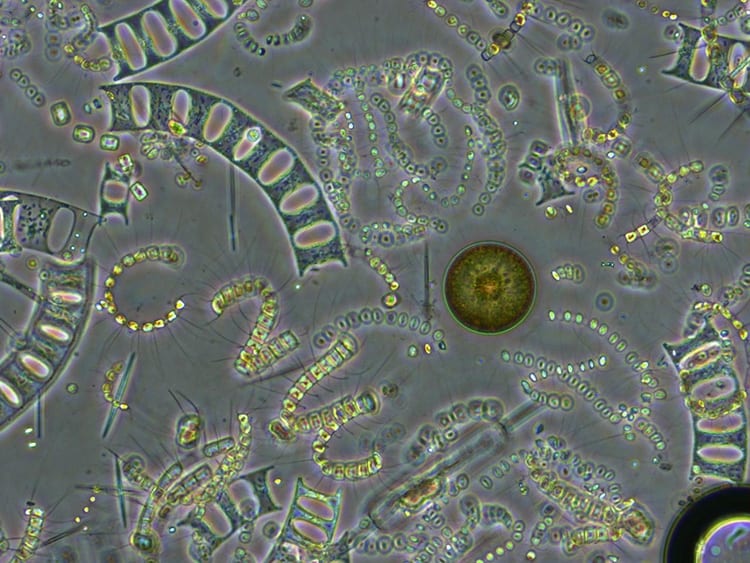
Ocean plants are critical to marine life—they are an important food source, they provide oxygen to surrounding marine life, and they supply refuge and nursery grounds.
Read MoreReef Ecosystems
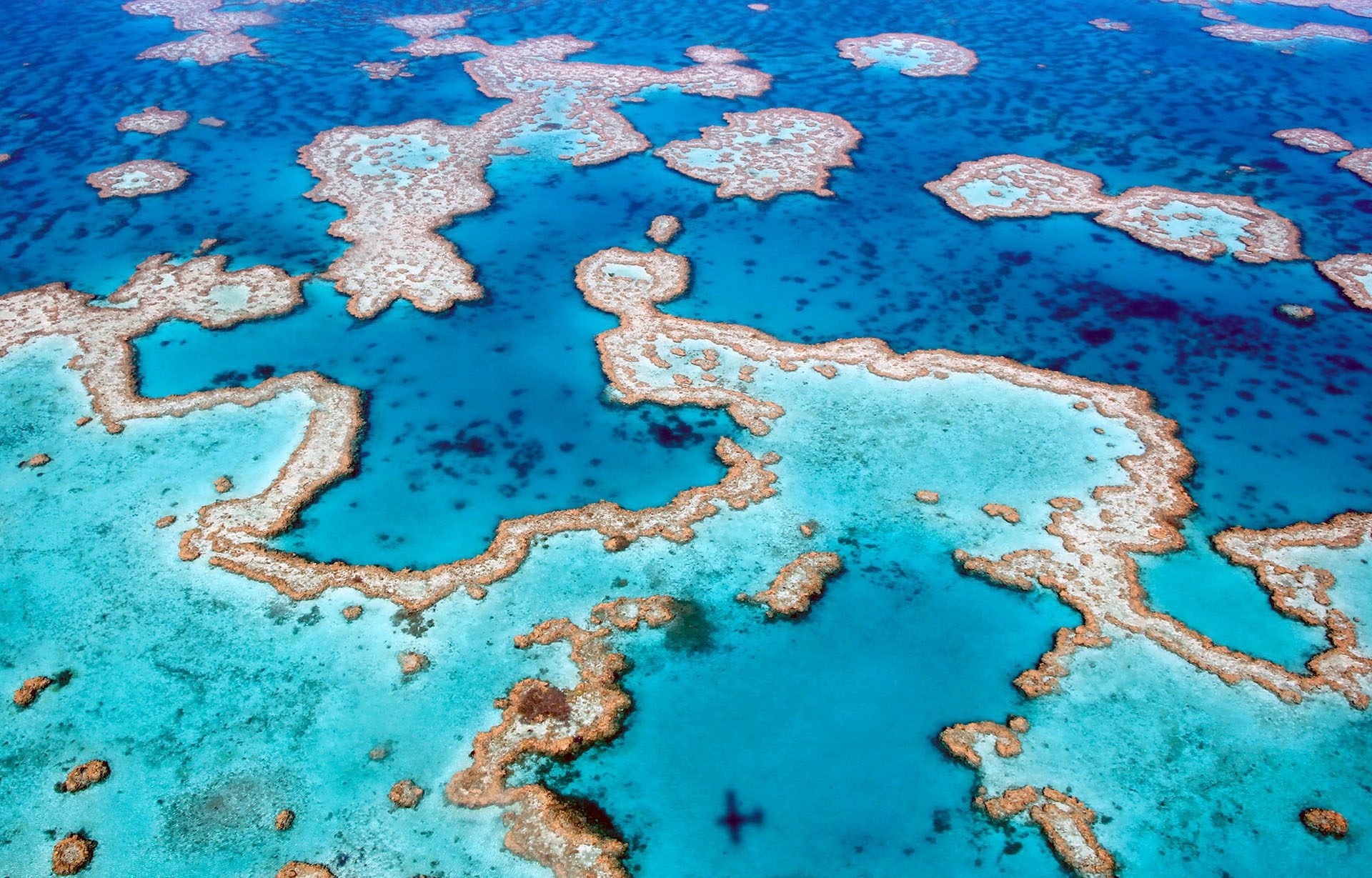
A healthy reef protects coastlines from wave damage, plays a critical role in providing food, boosts the economy, and provides materials for pharmaceuticals.
Read MoreHadal Zone
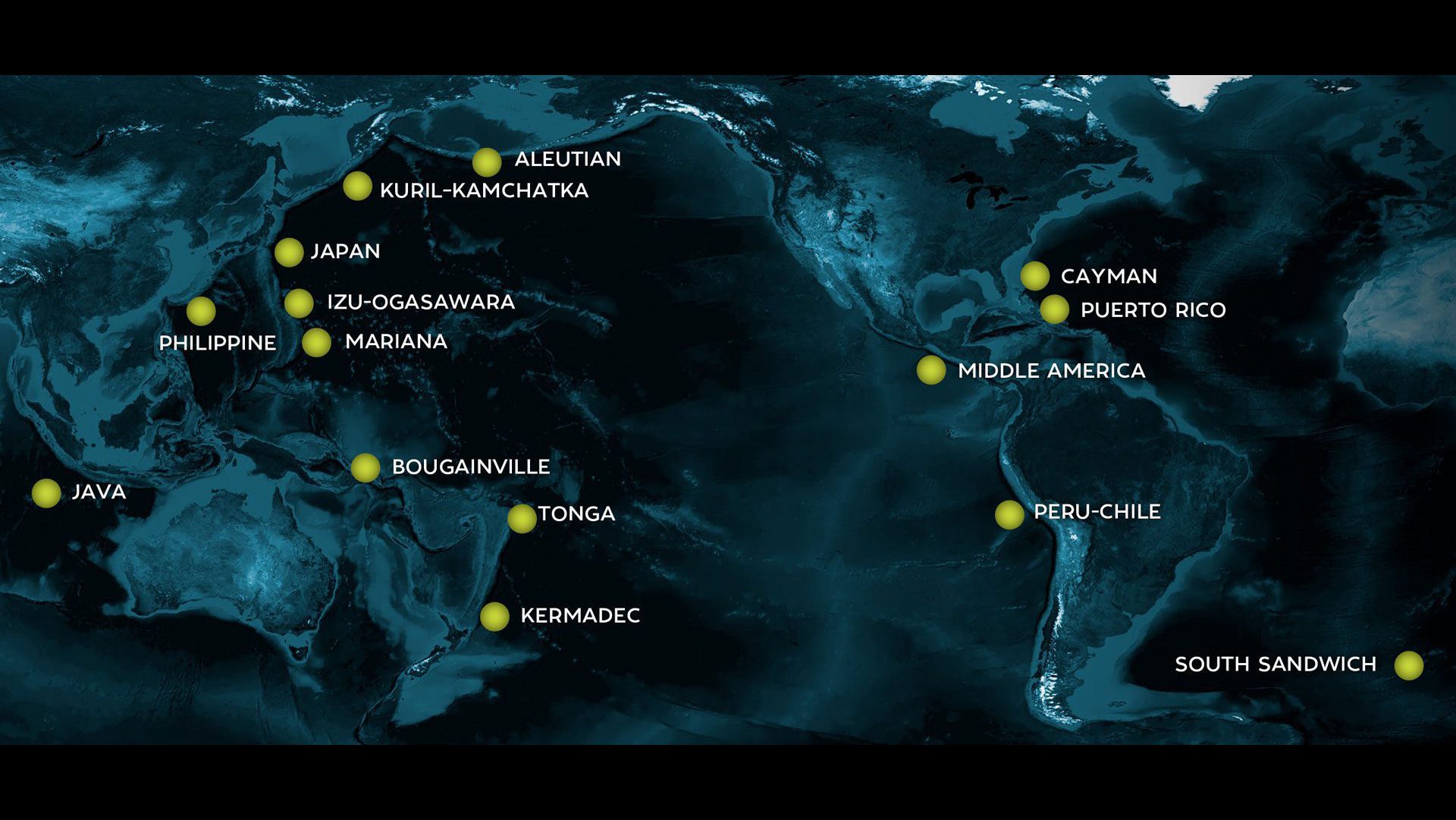
The region extending from 6,000 to 11,000 meters is called the hadal, or hadalpelagic, zone after Hades, the Greek god of the underworld. They occur only in trenches across the world.
Read MoreMidnight Zone
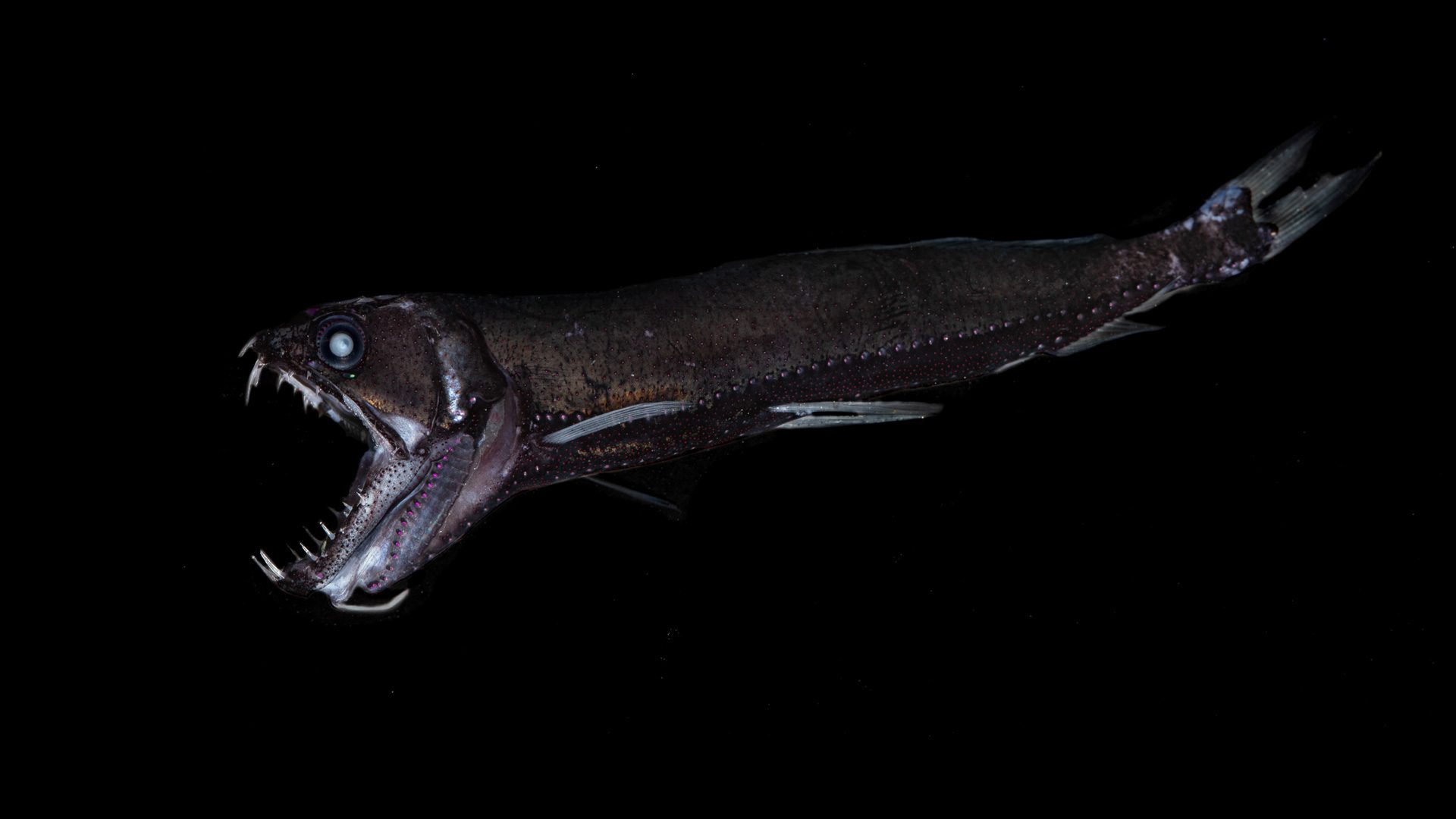
The midnight zone, or bathypelagic, extends to about 4,000 meters (about 13,100 feet), which reaches the ocean floor in many places is in perpetual darkness.
Read MoreAbyssal Zone
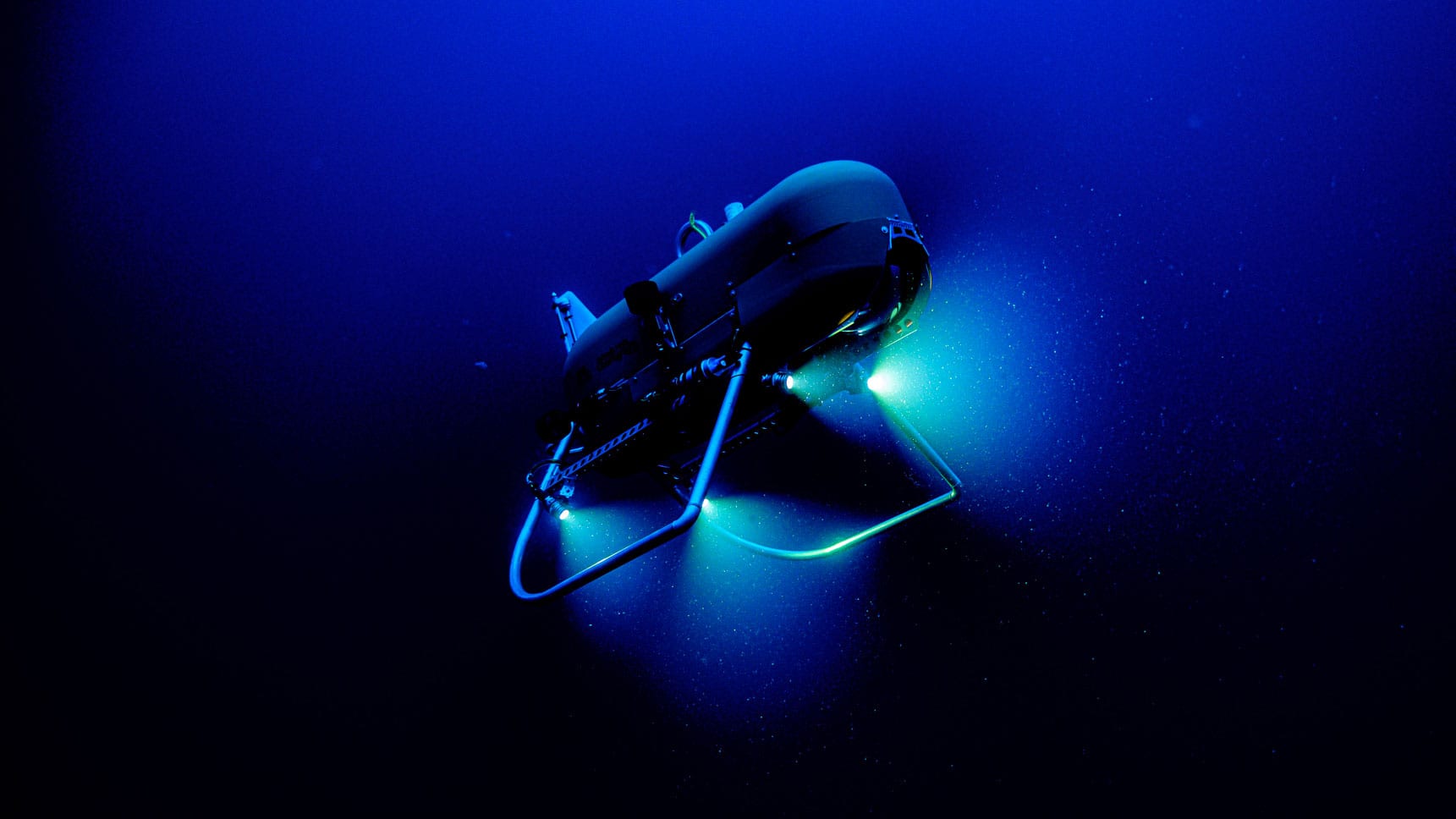
The abyssal zone, or the abyss, is the seafloor and water column from 3,000 to 6,500 meters (9,842 to 21,325 feet) depth, where sunlight doesn't penetrate.
Read MoreSeaweed Cultivation
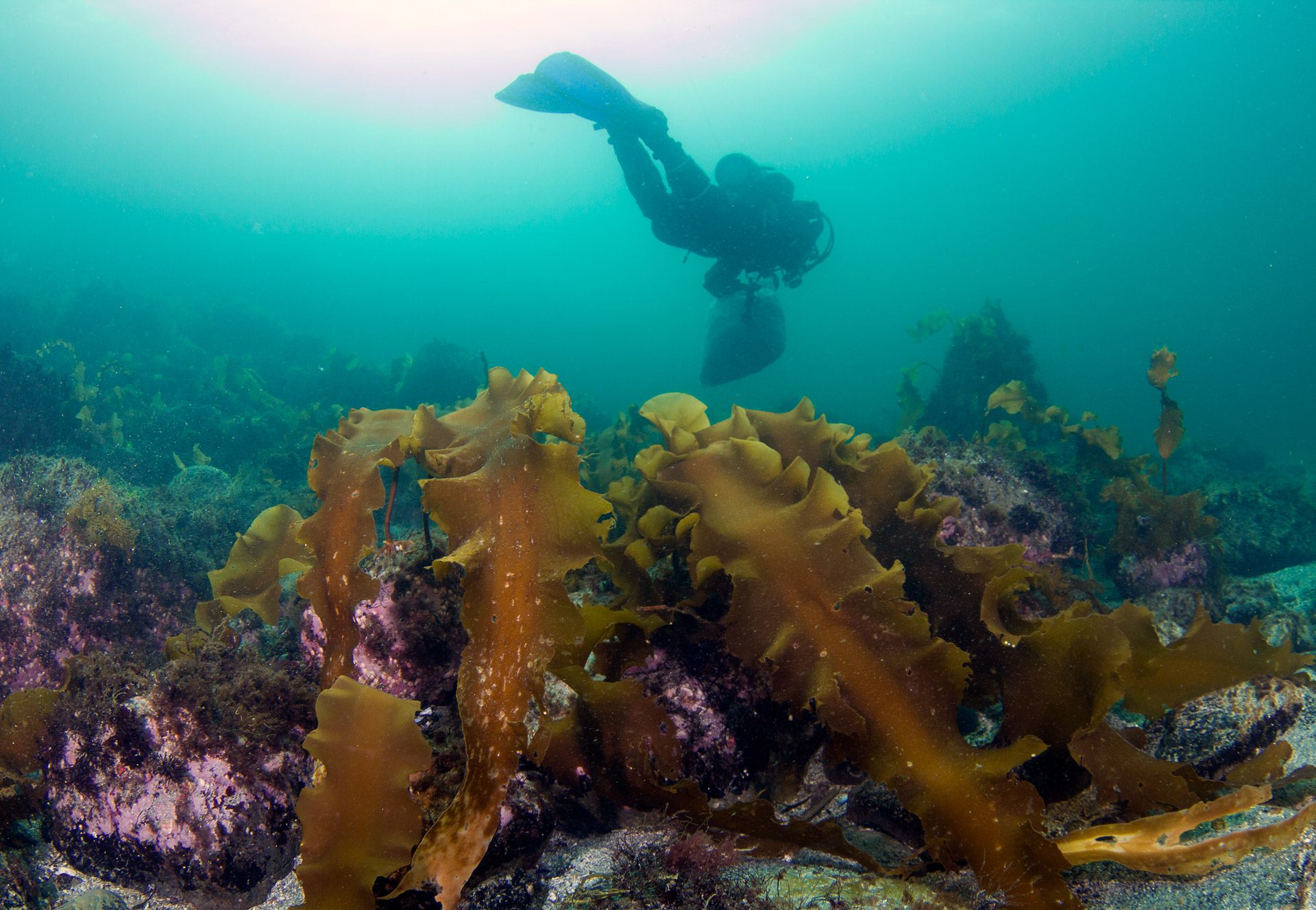
When seaweed removes carbon dioxide from seawater, it alters the balance of carbon dioxide between water and air, causing the gas to move from the atmosphere into the ocean.
Read MoreCoral Stressors
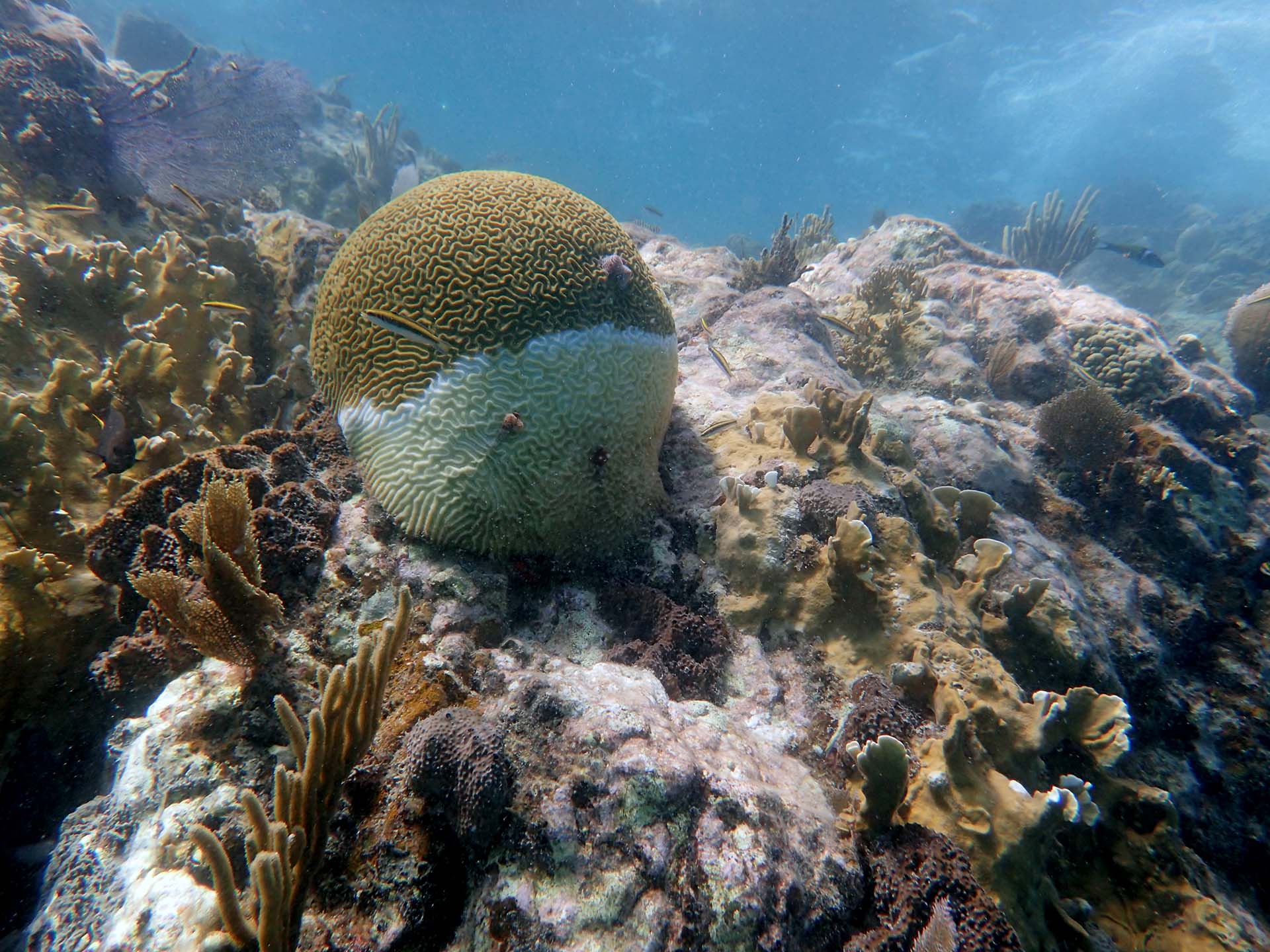
Stressors can affect organisms living on the reef or they can affect the corals, themselves. When corals die, other organisms must relocate or struggle to survive.
Read MoreReef Fish
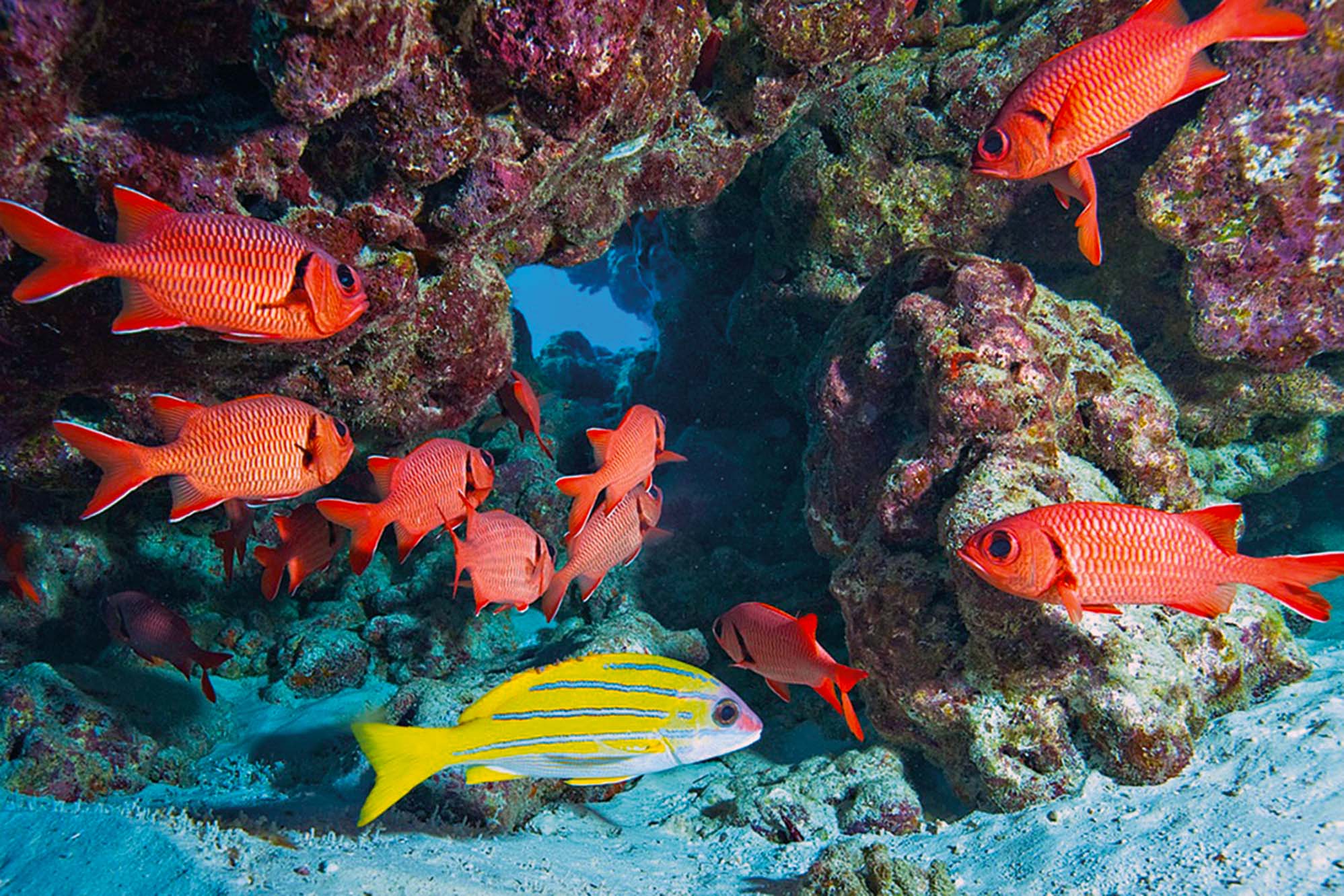
Fish that inhabit a coral reef play essential roles in the reef ecosystem, and reefs without fish struggle to recover from bleaching or other events that damage the coral.
Read MoreOcean-Based Climate Solutions
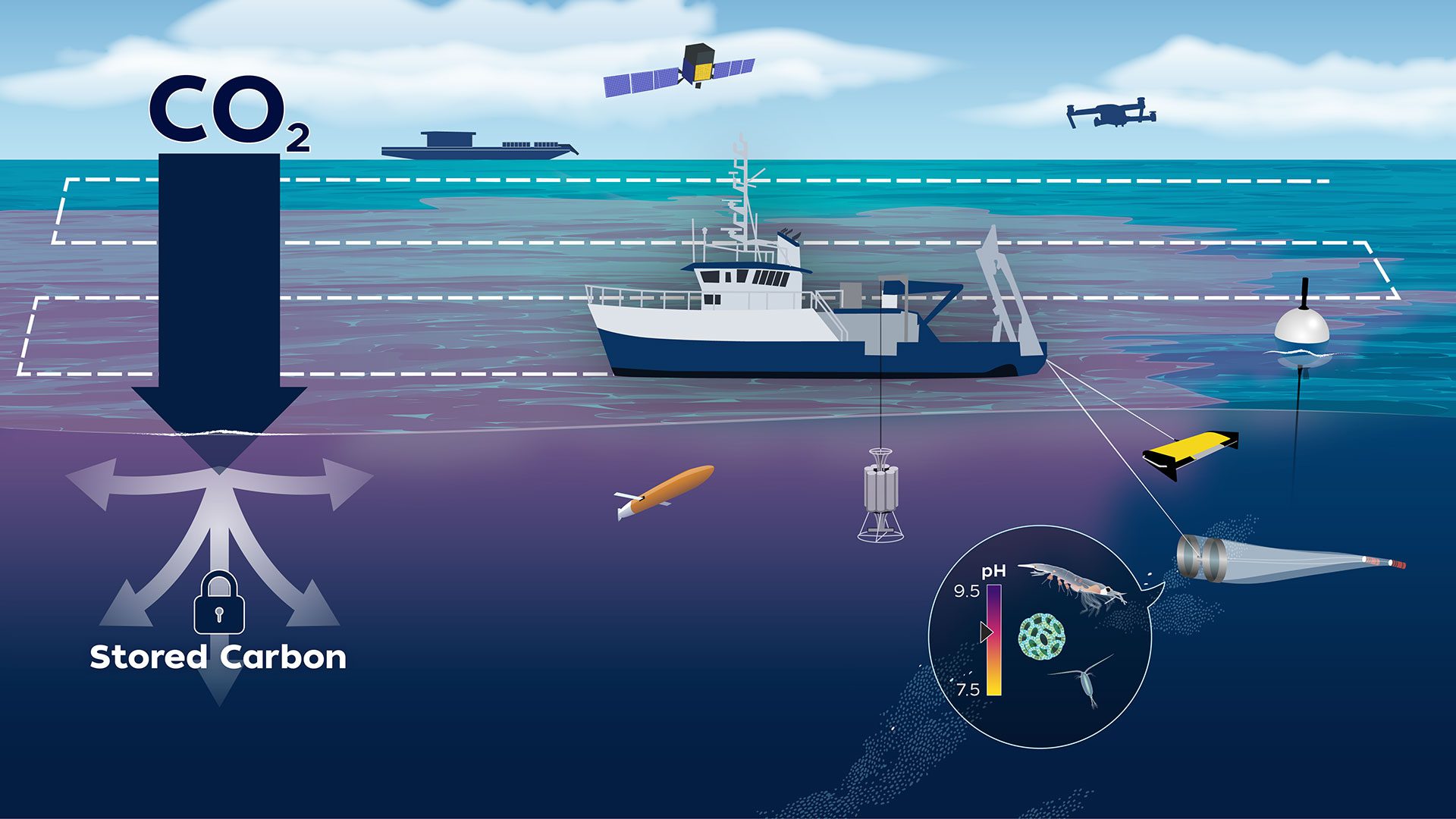
Ocean-based, clean energy technologies hold great potential for ocean-based climate solutions, such as blue carbon, biofuels, and carbon dioxide removal systems.
Read MoreHow do corals form colonies?
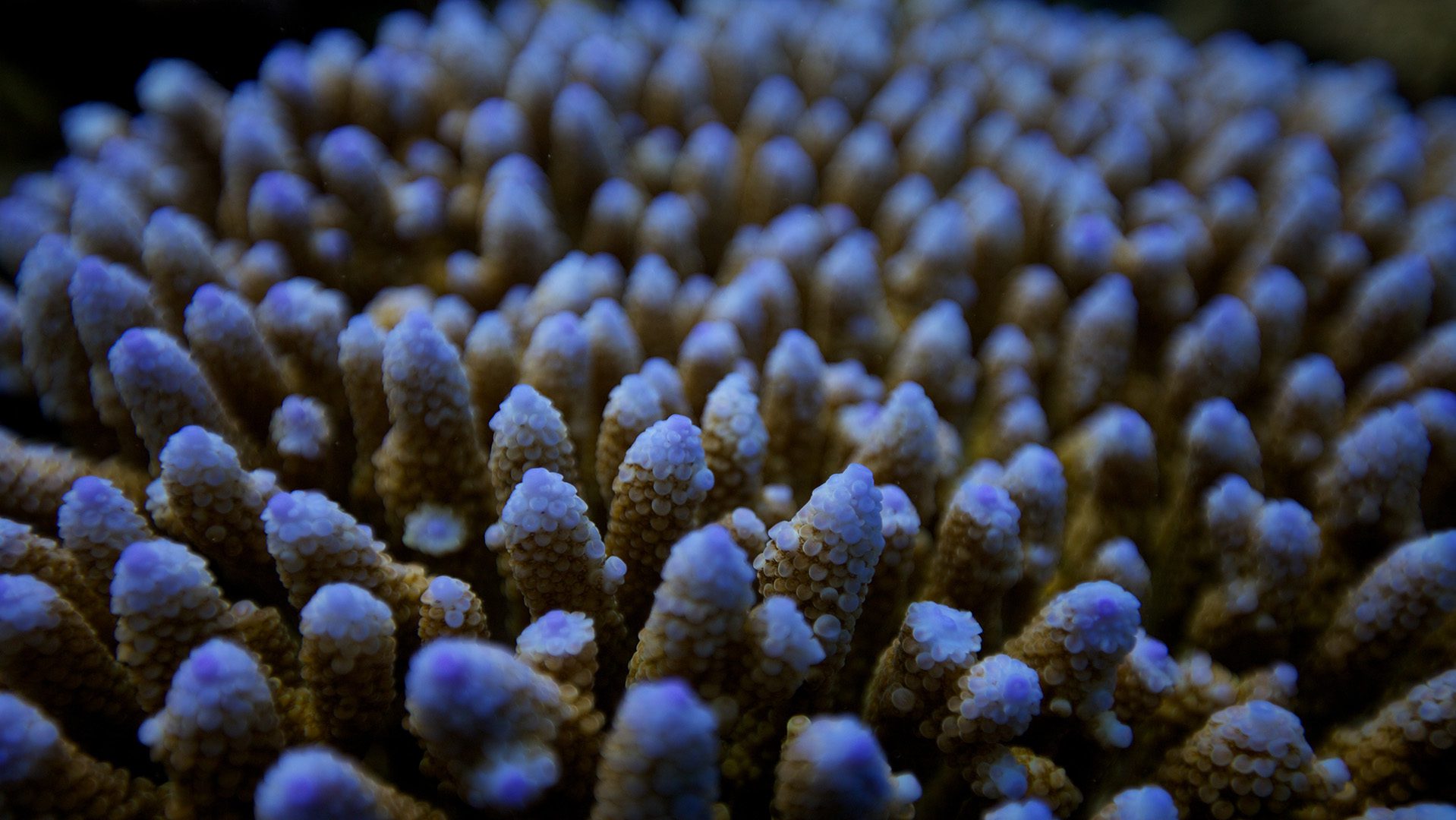
If you stare at just one spot on a coral reef, your eyes could be seeing more than 1,000 animals per square foot. That’s because the thing that makes up most of these marine ecosystems are tiny living animals called coral polyps, which exist on the surface of reef formations.
Read MoreAre corals plants, animals, or rocks?
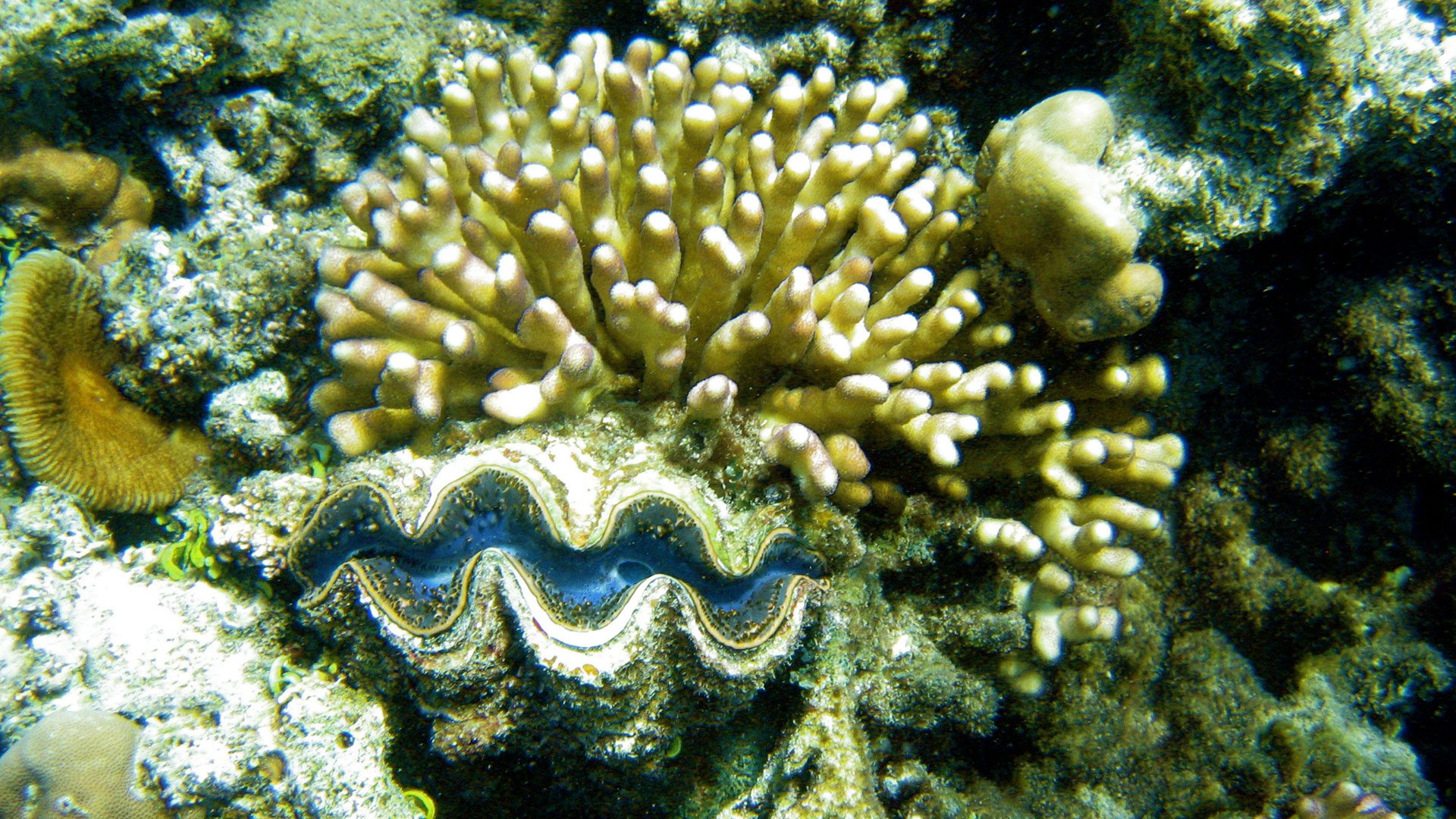
The base of a coral reef is coral, but what is coral? If you look at a piece of coral that washed up on shore, it’s solid and tough with rough edges and little pits.
Read MoreEmperor Penguins
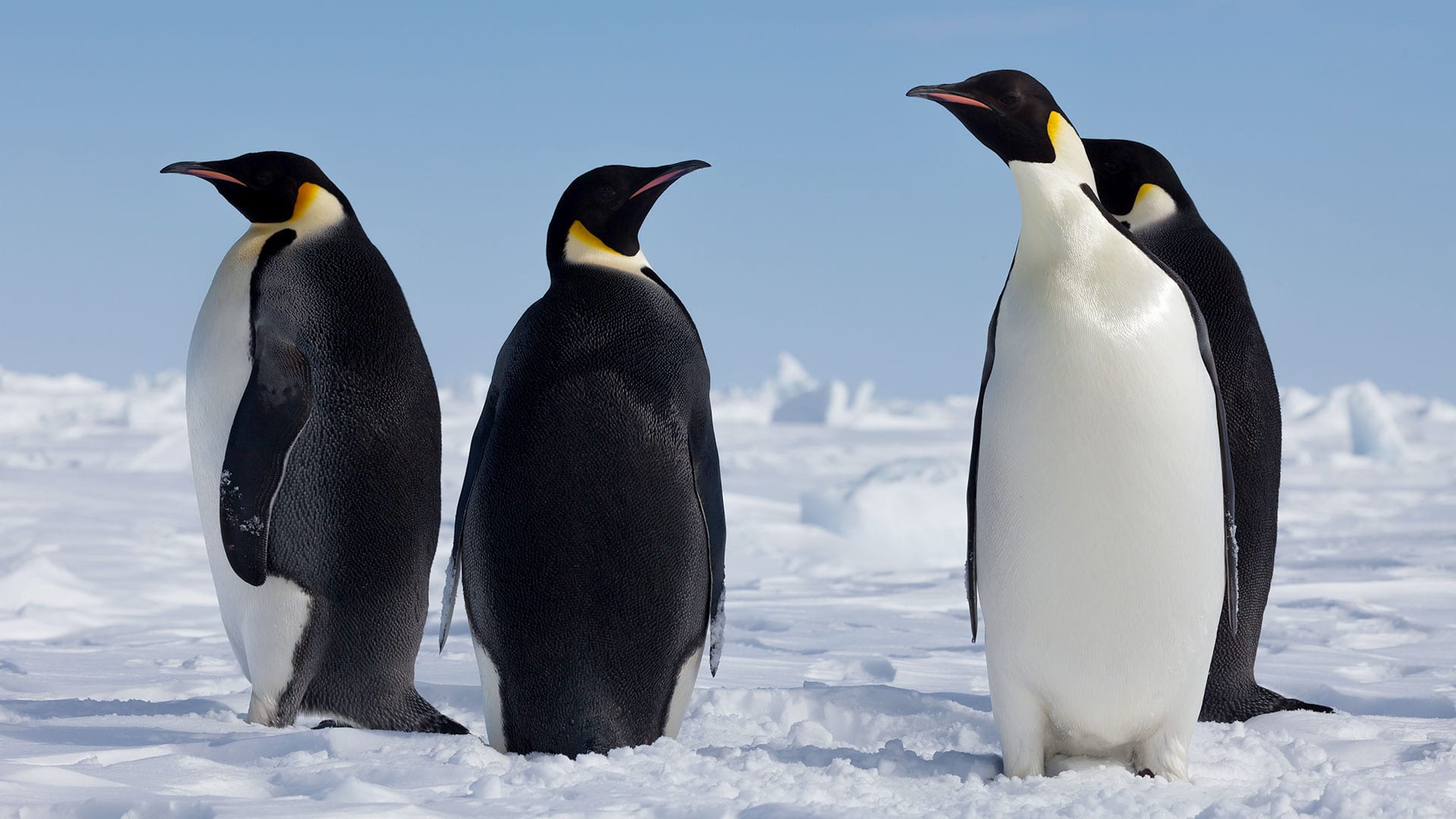
The emperor penguin is the largest living penguin species standing around 115 centimeters tall. Once they have found a partner, they work together to keep their young fed and safe.
Read MoreOcean Warming
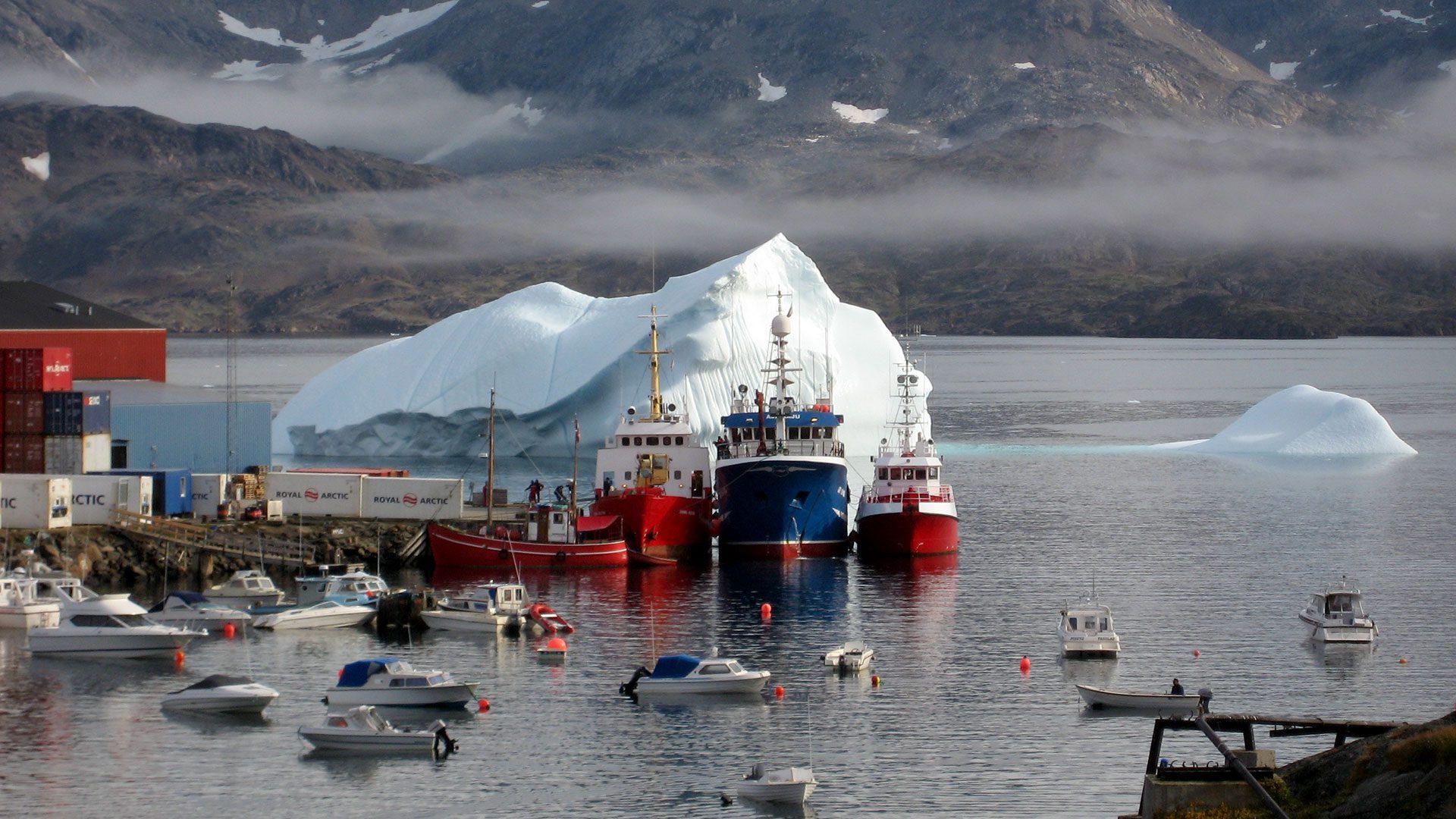
Increasing ocean heat is closely linked to increases in atmospheric greenhouse gas concentrations, making the ocean an excellent indicator of how much Earth is warming.
Read MoreCoastal Restoration & Blue Carbon
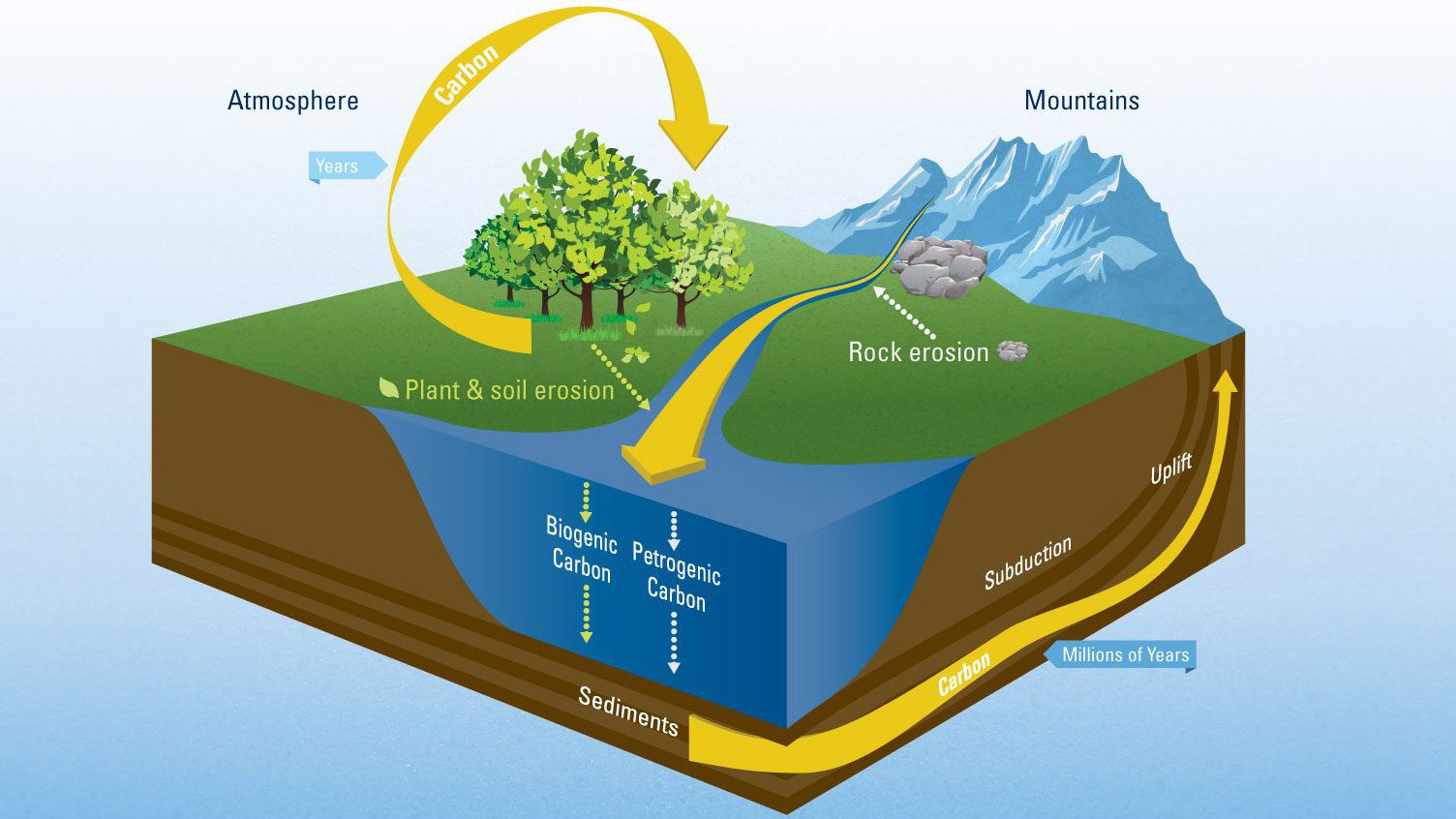
Blue carbon refers to atmospheric carbon captured and stored by the ocean, which mitigates the effects of climate change by storing carbon for long periods of time.
Read MoreWhy do corals bleach?
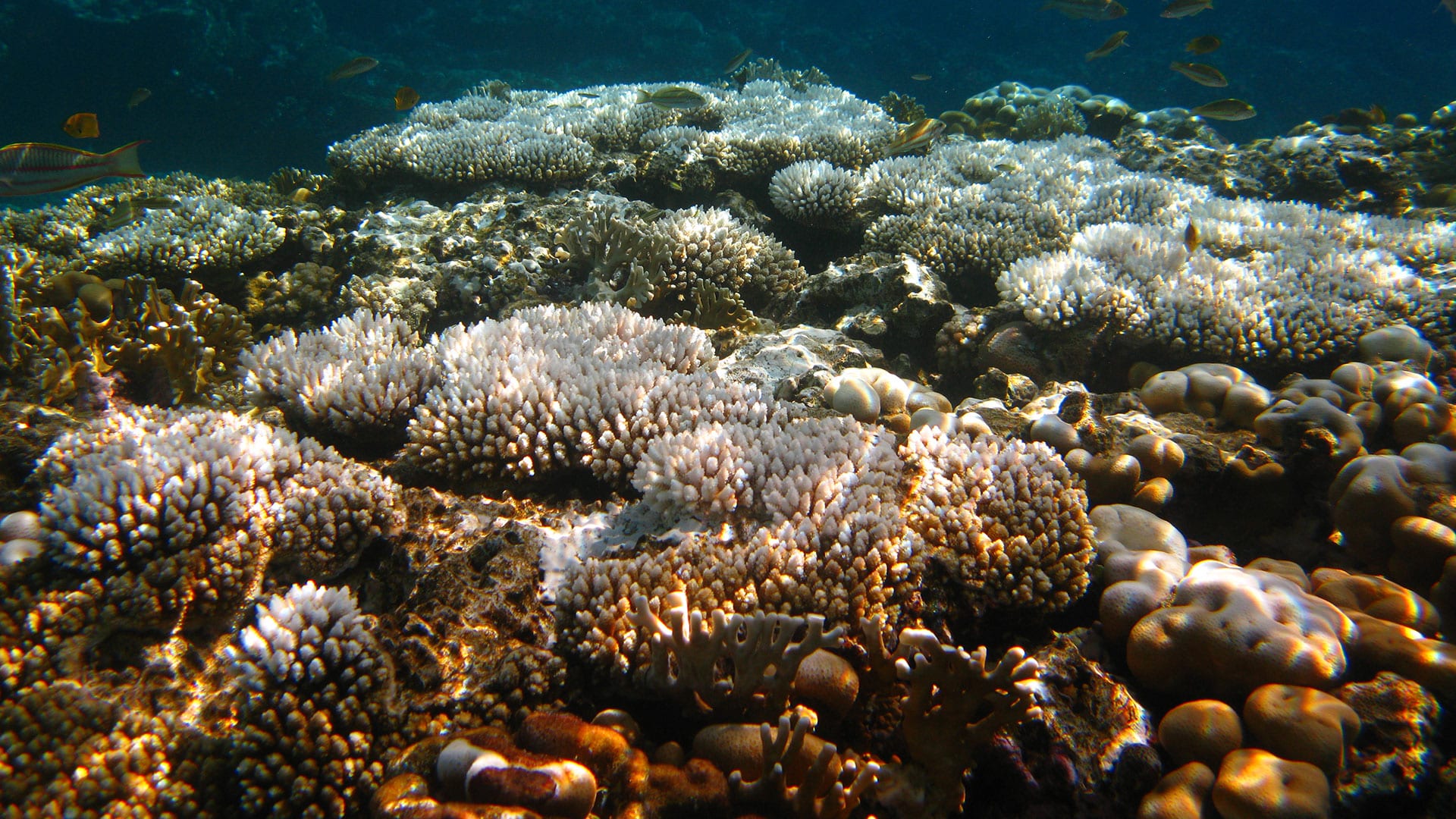
Corals have a symbiotic relationship with algae. The algae gives corals their color and provides them with food. In return, corals provide the algae with a place to live.
Read MoreDoes the ocean produce oxygen?
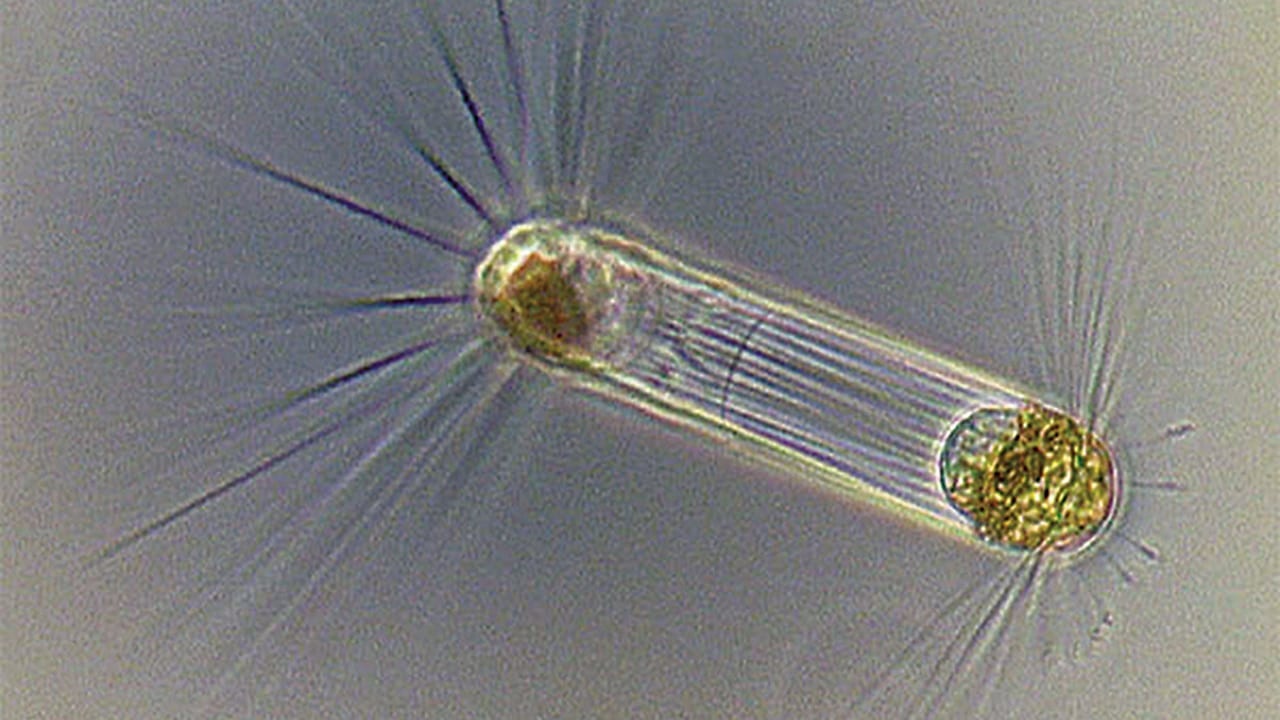
It’s easy to think of the world’s forests as the planet’s “lungs.” Trees pump out oxygen—the same stuff we breathe in. But does all our breathable air come from just land?
Read MoreMercury Cycle

Mercury is converted to monomethl mercury, a neurotoxin that moves up the food chain and becomes highly concentrated in tuna, swordfish and other seafood eaten by humans.
Read MoreRight Whales
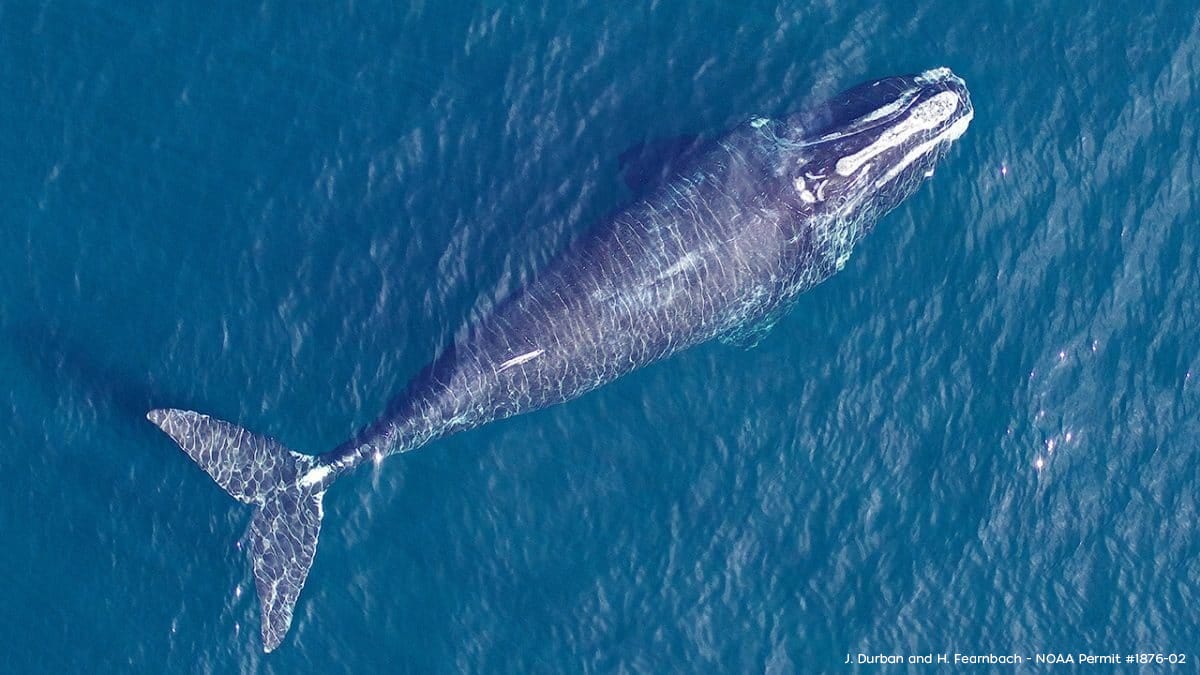
The North Atlantic right whale (Eubalaena glacialis) is one of the most endangered whales in the world—approximately 340 remain—due to entanglement and ship collisions.
Read MoreCarbon Dioxide, Shell Building, and Ocean Acidification
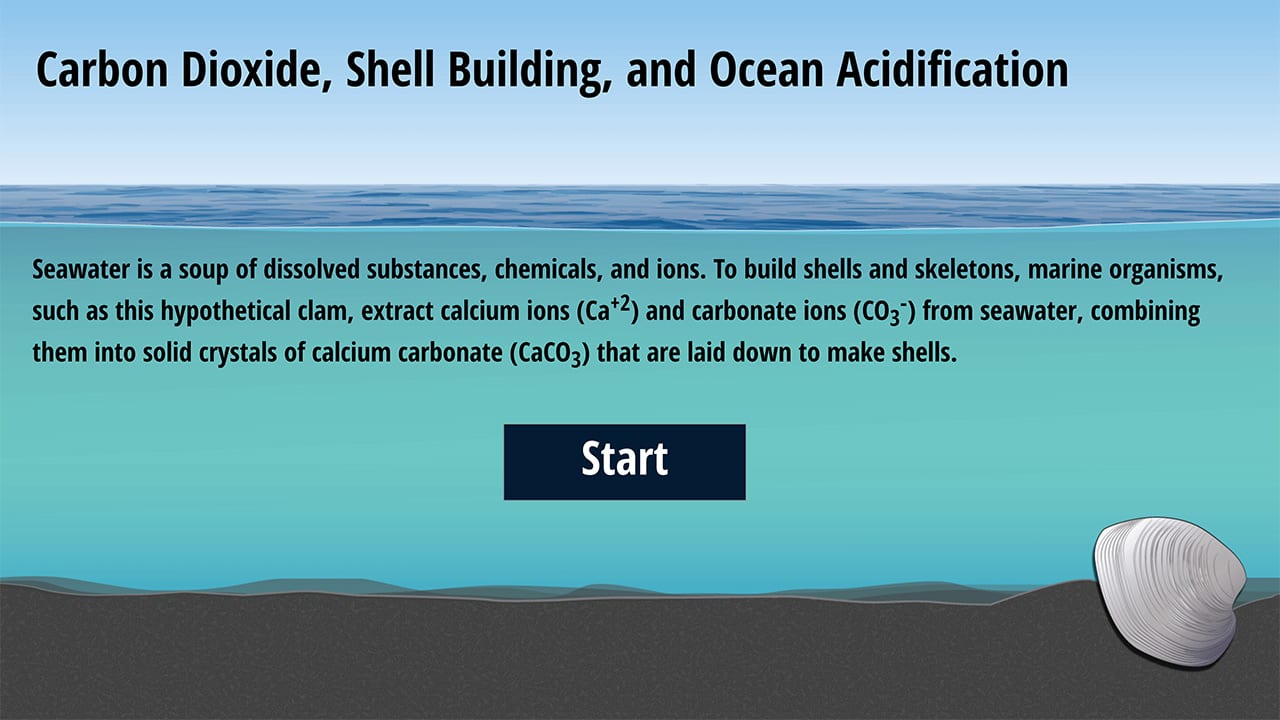
To build shells and skeletons, marine organisms extract calcium ions and carbonate ions from seawater to make shells.
Read MoreOcean Trenches
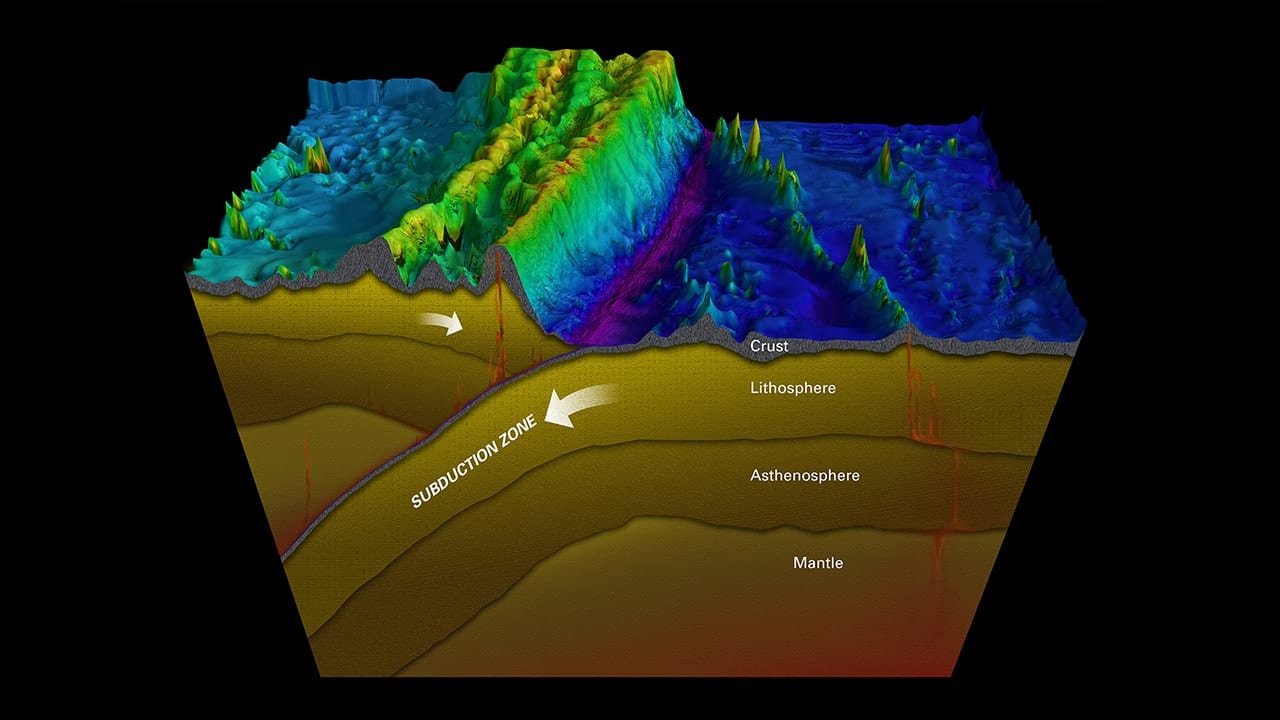
Ocean trenches are steep depressions exceeding 6,000 meters in depth, where old ocean crust from one tectonic plate is pushed beneath another plate.
Read MoreSeamounts
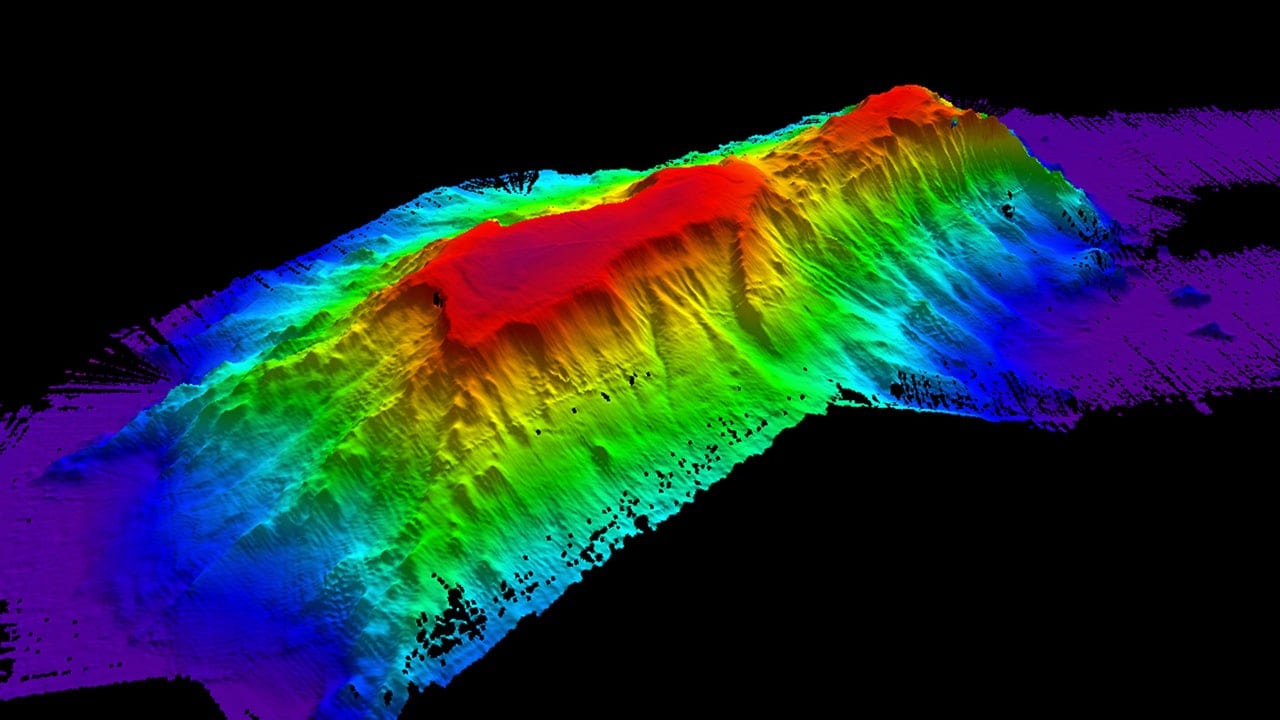
Mountains rising from the ocean seafloor that do not reach to the water's surface.
Read More